
Chasing The Northern Lights in Finland & Norway
After Poland, the shift was immediate.
We moved from cities shaped by history into landscapes defined almost entirely by nature. The pace slowed even further. The light changed. The sense of space expanded in a way that is difficult to anticipate until you are in it.
My wife and I came north with one clear goal: to see the Northern Lights. What we found went beyond that.
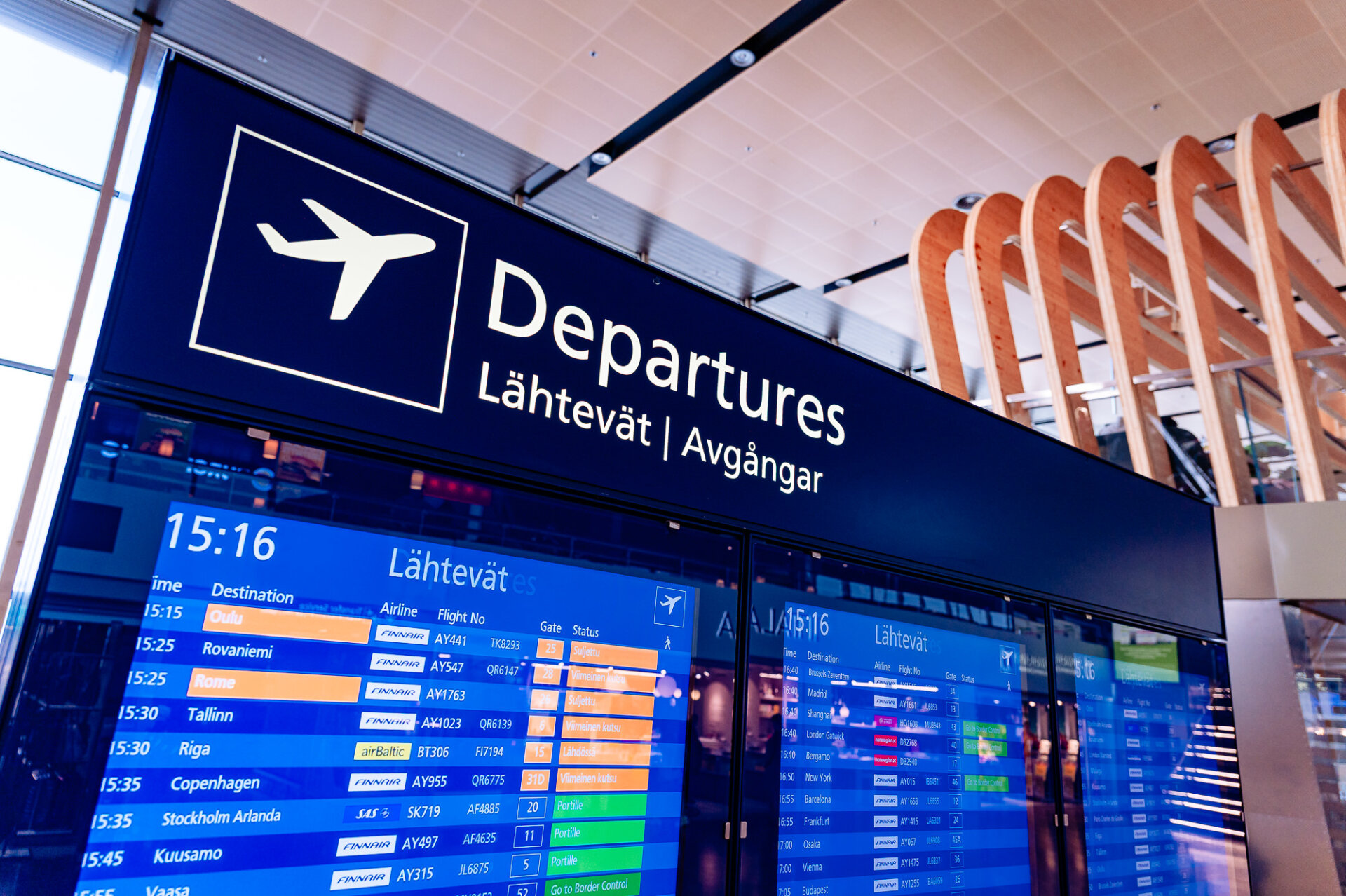
Finland and Norway delivered something far beyond expectation. Even weeks later, it remains difficult to fully describe.
This trip was just the two of us. A fixed schedule and a lot of flights that brought some pressure to move quickly. But the agenda was to experience some of the best of Scandinavia and that plan shaped the entire journey.
What followed was one of the most memorable and visually striking trips we have shared.
Finland: Entering the Arctic
Helsinki: A Calm Starting Point
Finland first introduced itself through Helsinki, a city defined by restraint, clarity, and quiet confidence.
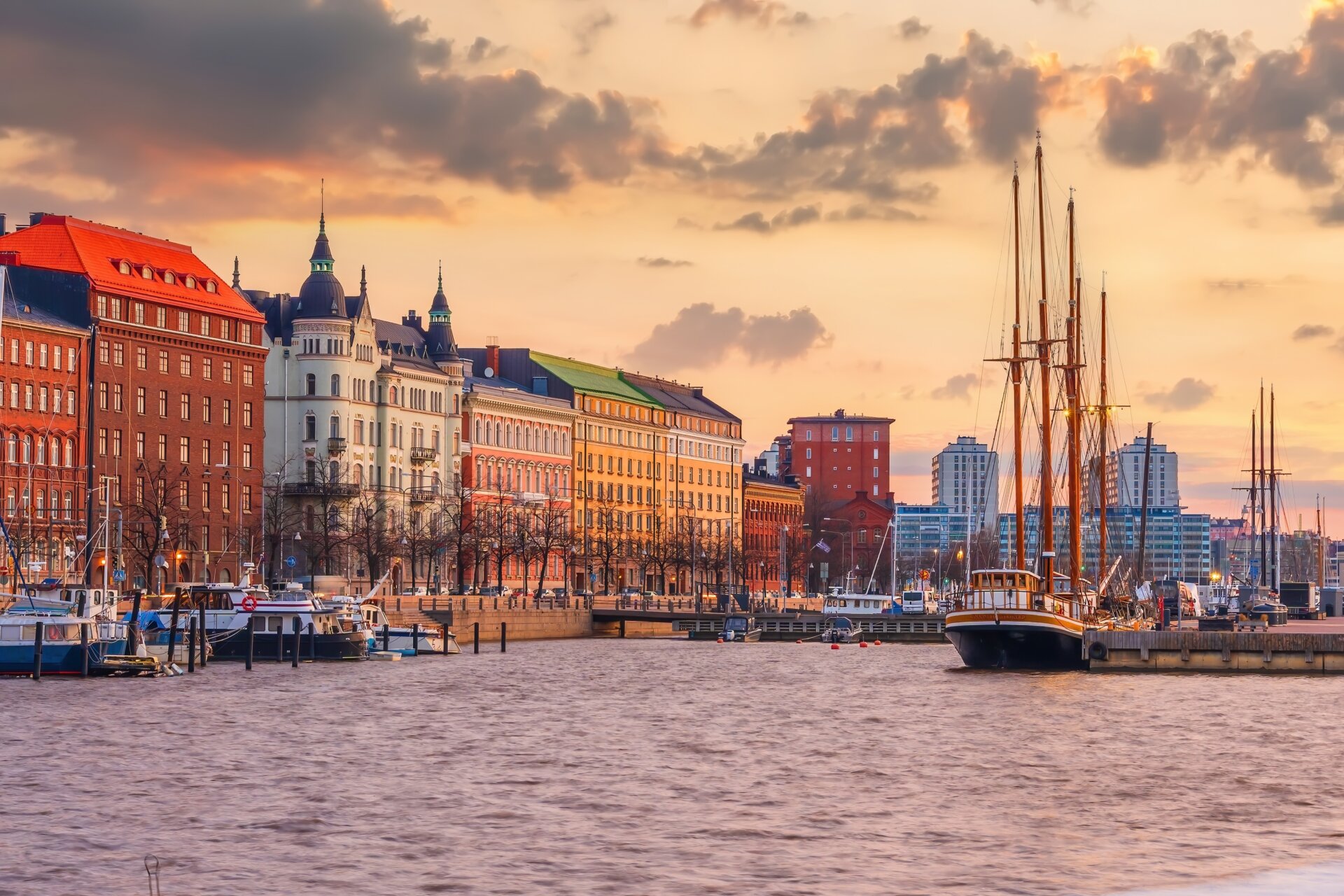
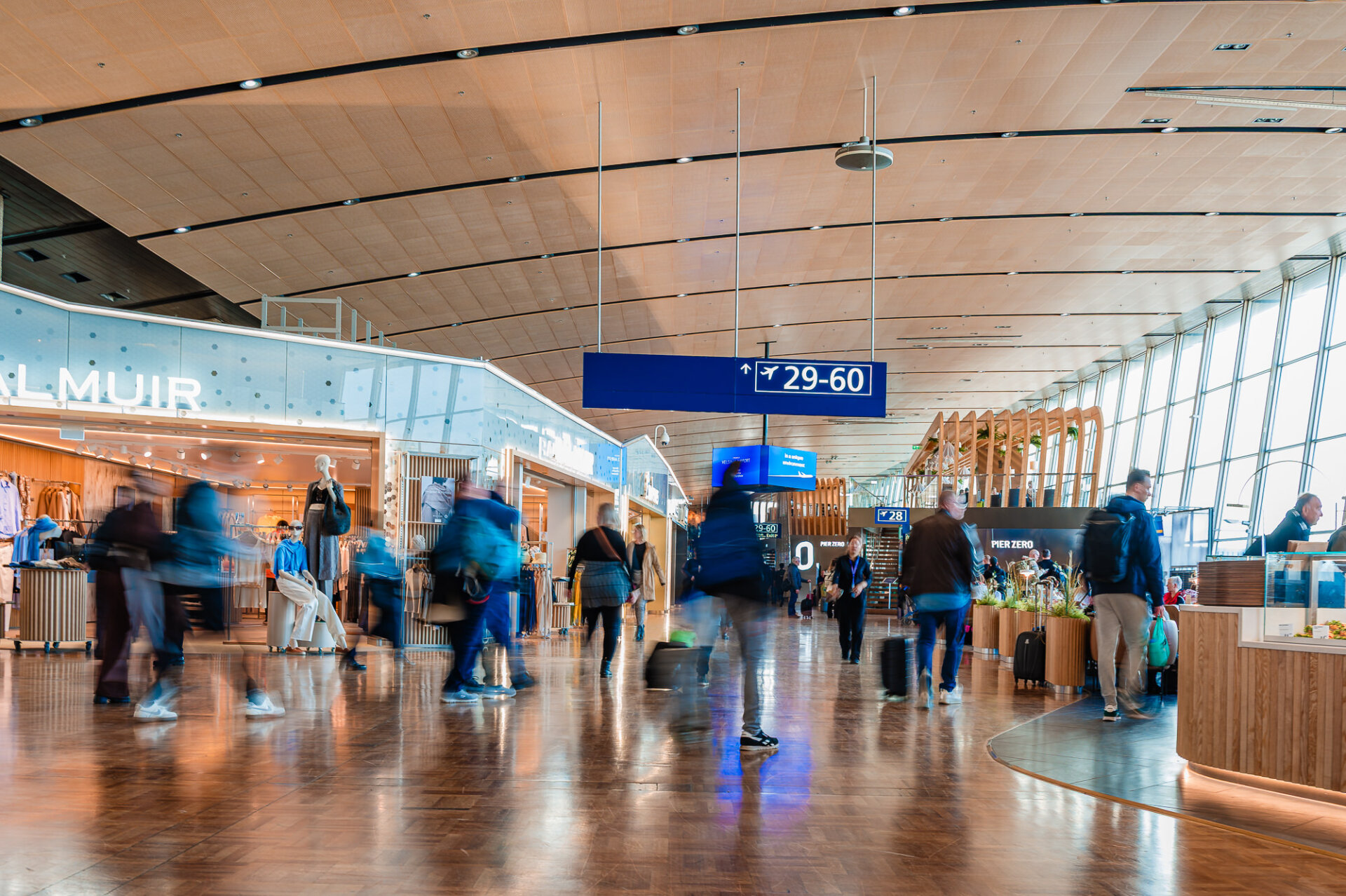
The architecture is clean and deliberate. Public spaces feel open without excess. In winter, the harbor begins to freeze at the edges, reflecting a sky that shifts between pale grey and soft tones of rose and lavender as the sun moves low along the horizon.
We stayed briefly before heading north, just long enough to settle into the slower pace. Coffee, quiet streets, and a sense of space that encourages you to ease out of routine.
Finland does not rush you. It asks you to slow down from the moment you arrive.
Fun Fact: Helsinki sits at roughly the same latitude as Anchorage, Alaska. In winter, daylight can drop to around six hours, giving the city its extended low-angle light.
Saariselkä: Deep in Lapland
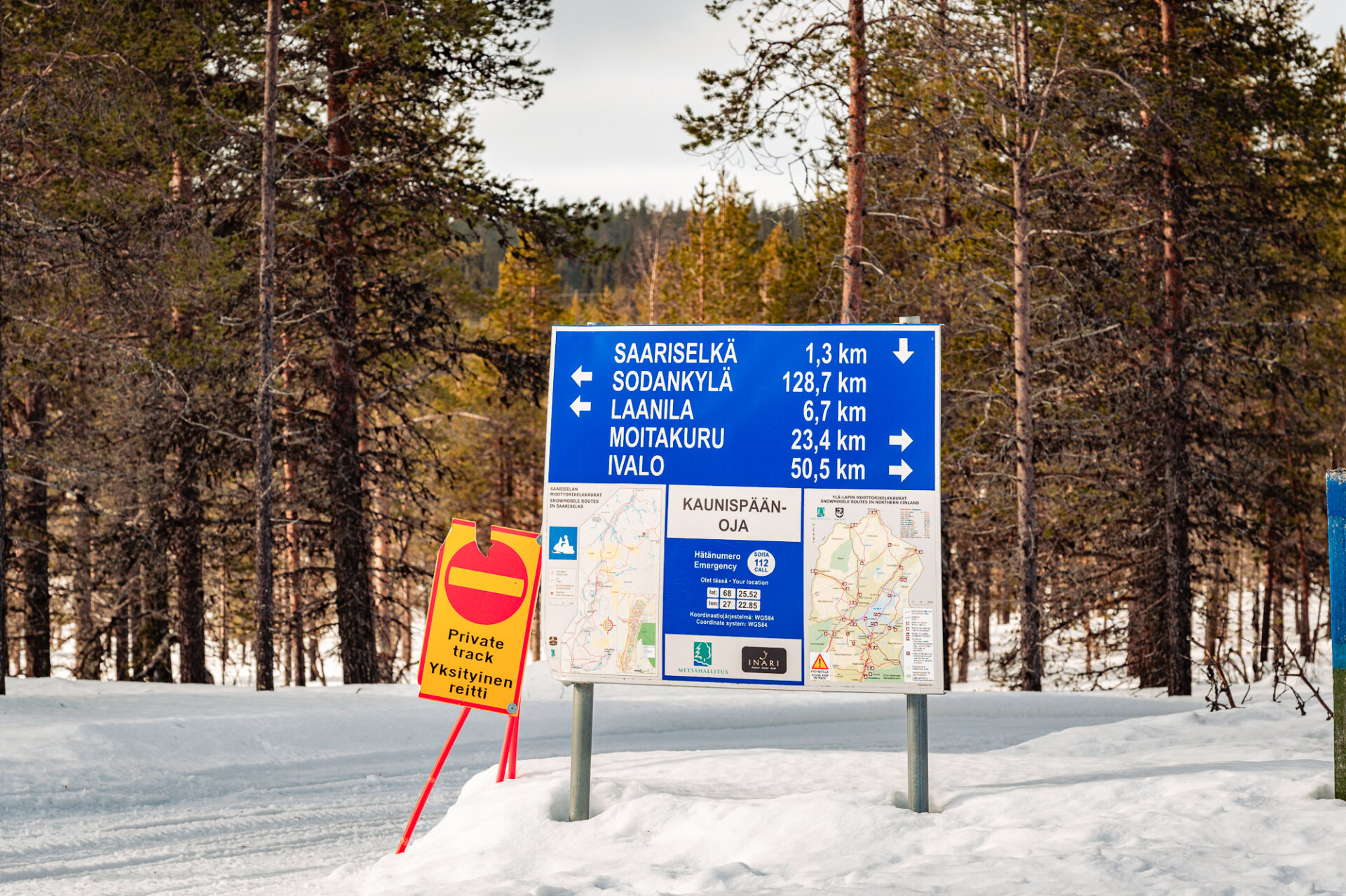
From Helsinki, we traveled north into Finnish Lapland, arriving in Saariselkä, well above the Arctic Circle.
Winter here feels absolute. The landscape stretches wide and uninterrupted. Snow covers everything. Forests hold their weight in silence. The air is sharp and clean in a way that feels unfamiliar at first.
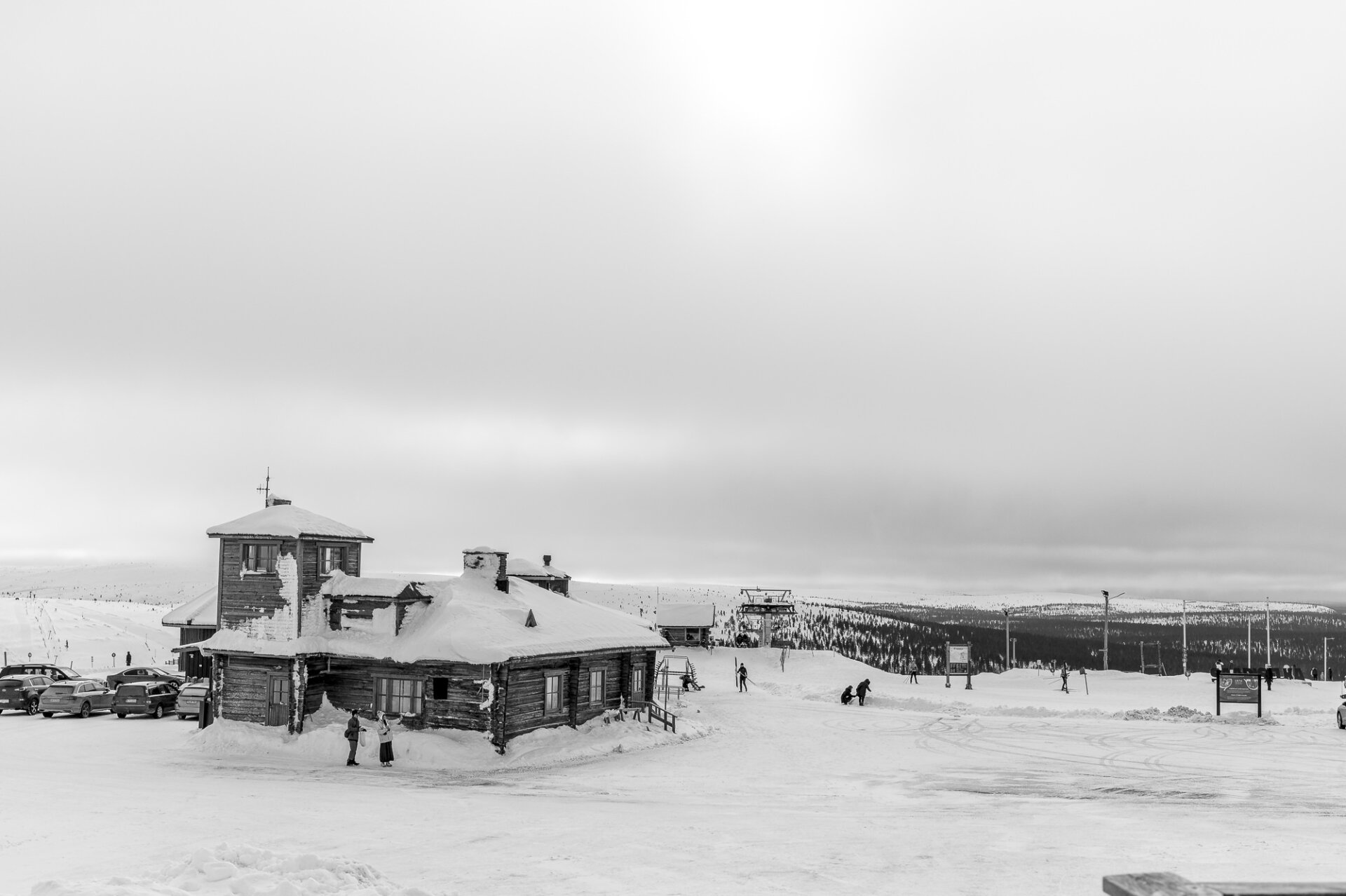
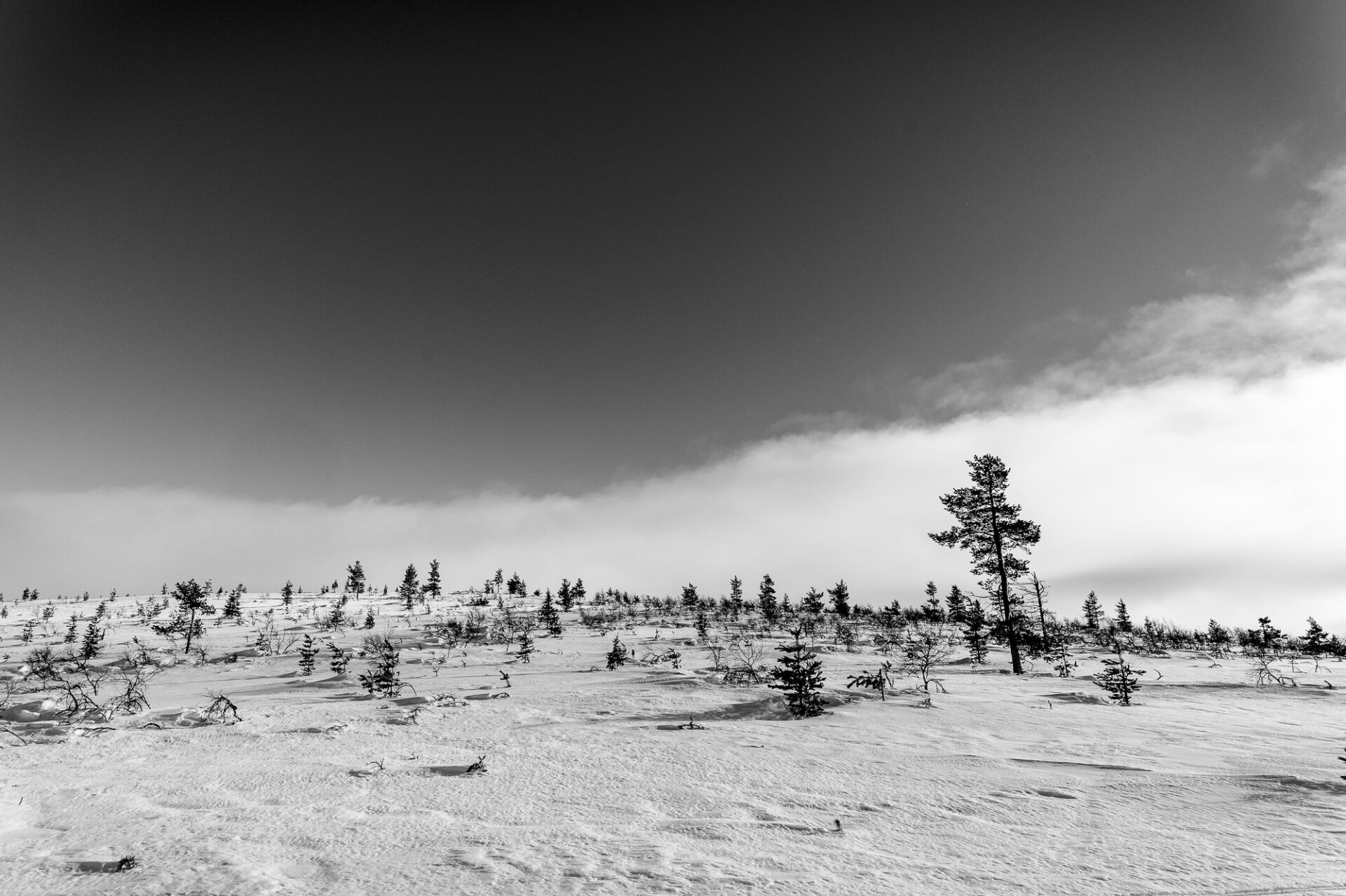
Coming from warmer destinations earlier in the trip, the contrast was immediate. This felt like a different world altogether. It is one of the most visually striking environments I have worked in.
Snowmobile Safari Through Lapland
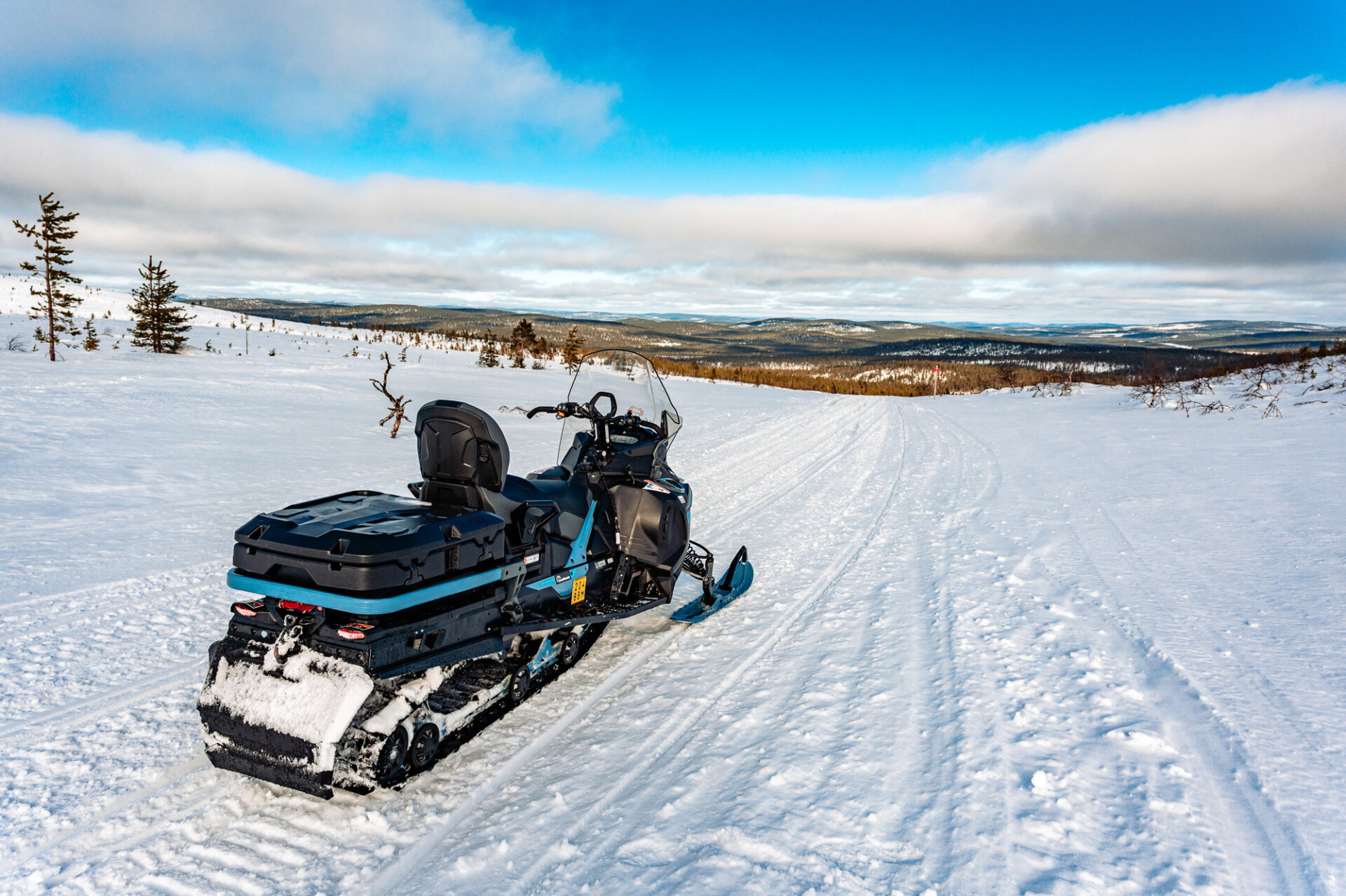
One of the highlights in Saariselkä was a snowmobile safari through the surrounding wilderness. We followed a guide across frozen lakes and into dense forest trails, covering significant distance in just a few hours.
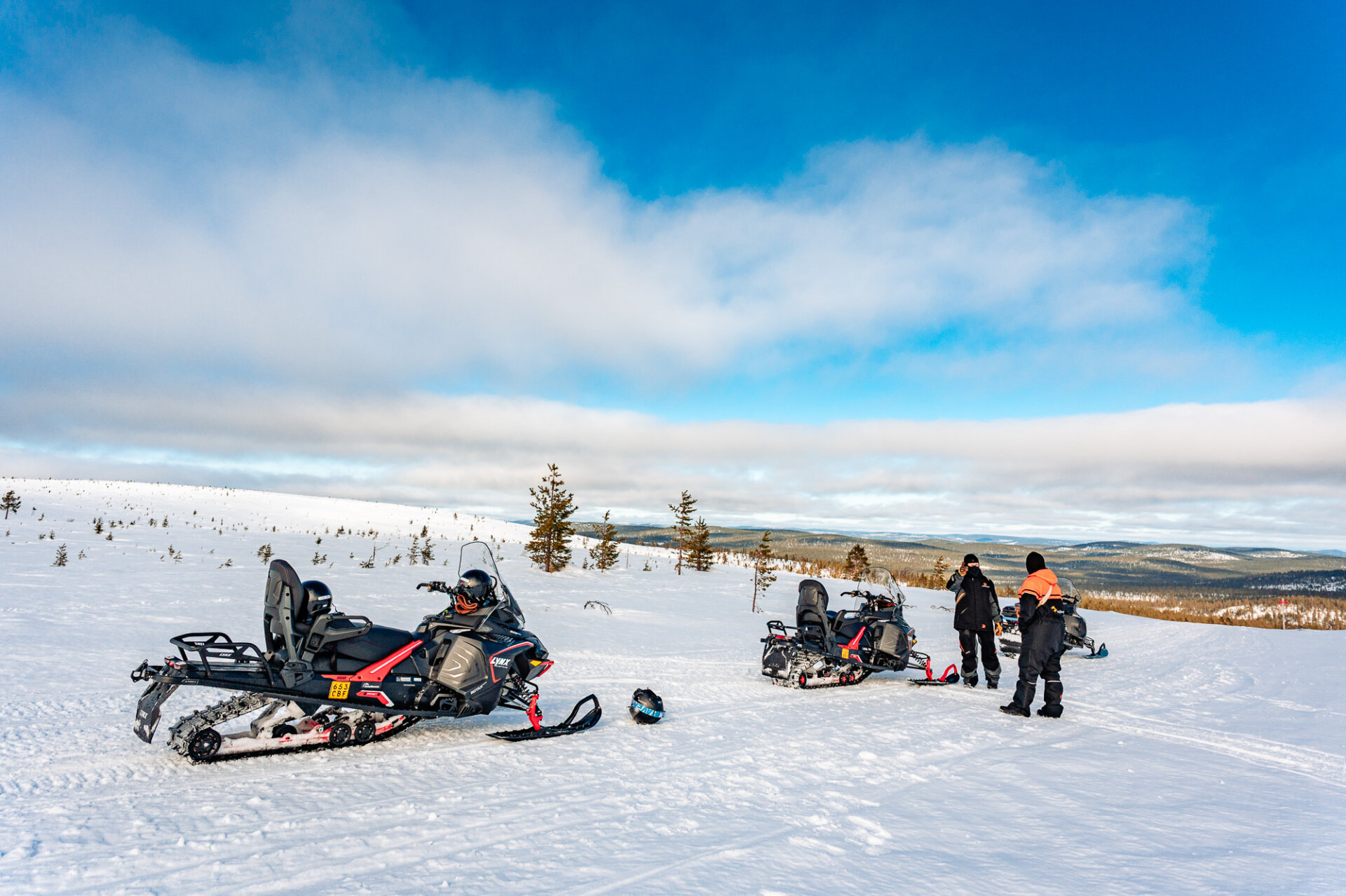
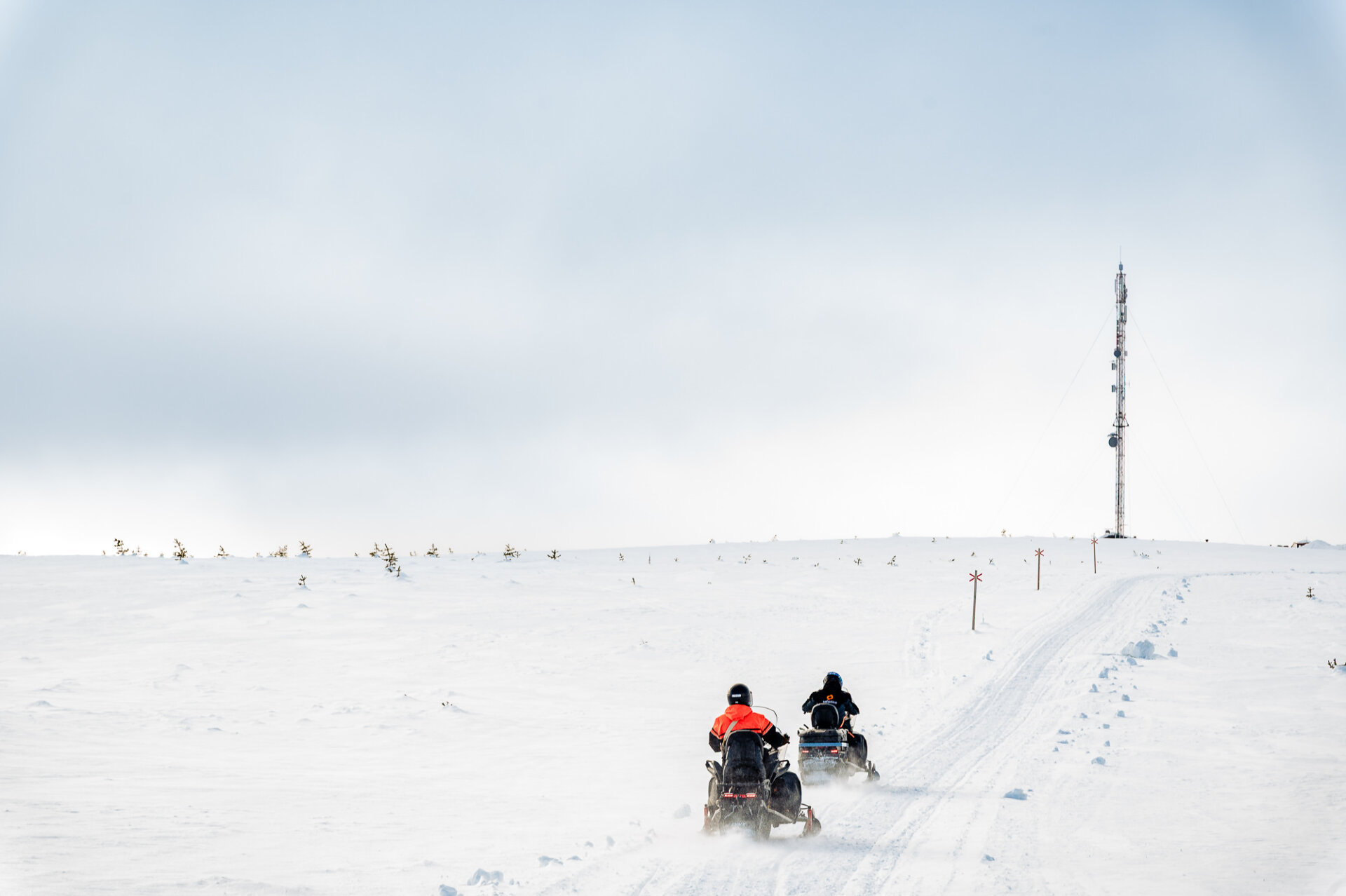
Movement changes your perception of the landscape. The cold air is constant, the terrain opens up quickly, and then the engine cuts out. What remains is silence that feels complete and physical. We stopped several times to stand still and listen. It is a rare kind of quiet.
Interesting Fact: Finland has over 188,000 lakes. In winter, many freeze completely, creating wide, usable surfaces for travel and activity.
Glass Igloo Stay at the Aurora Collection in Saariselkä
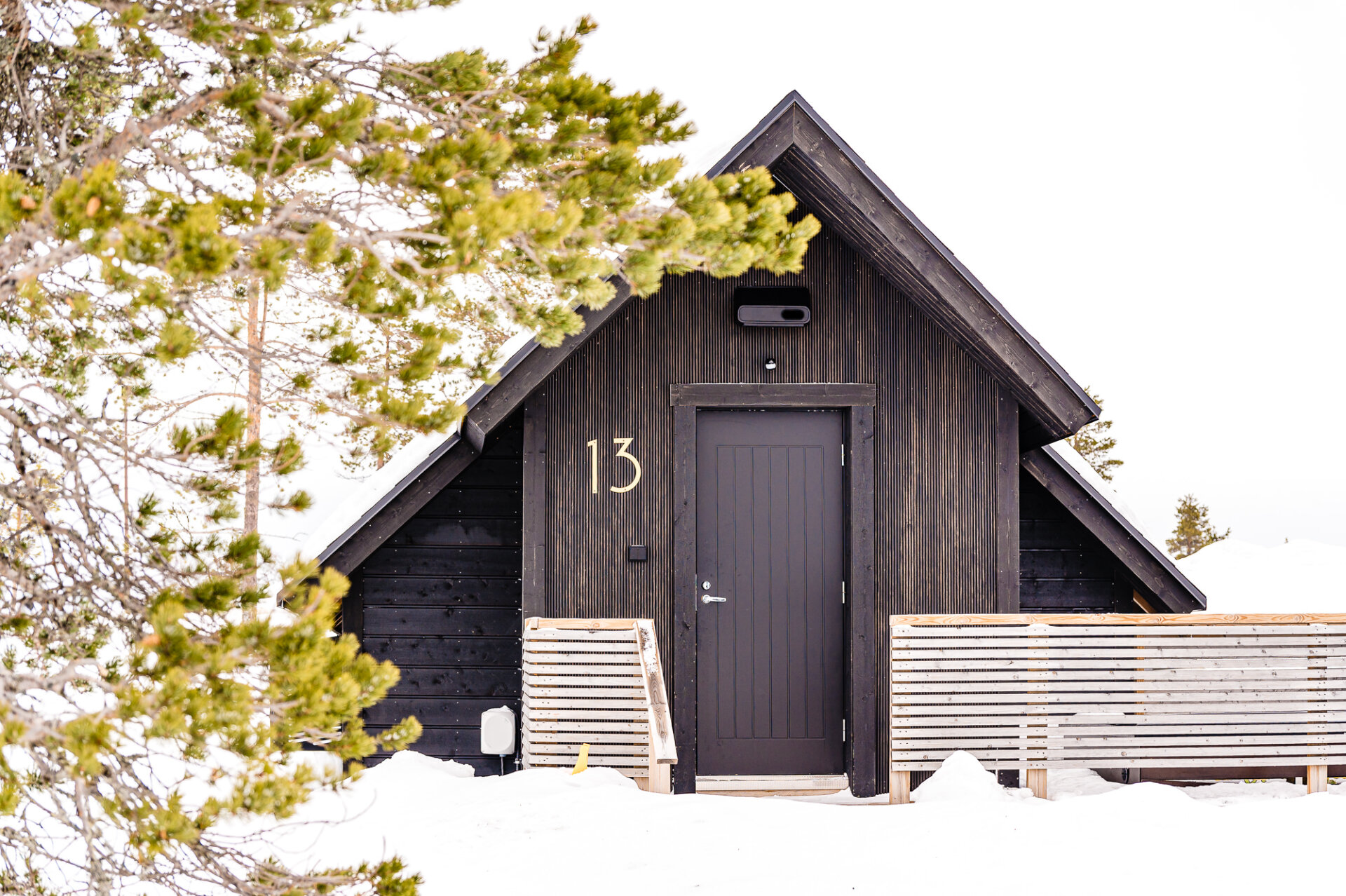
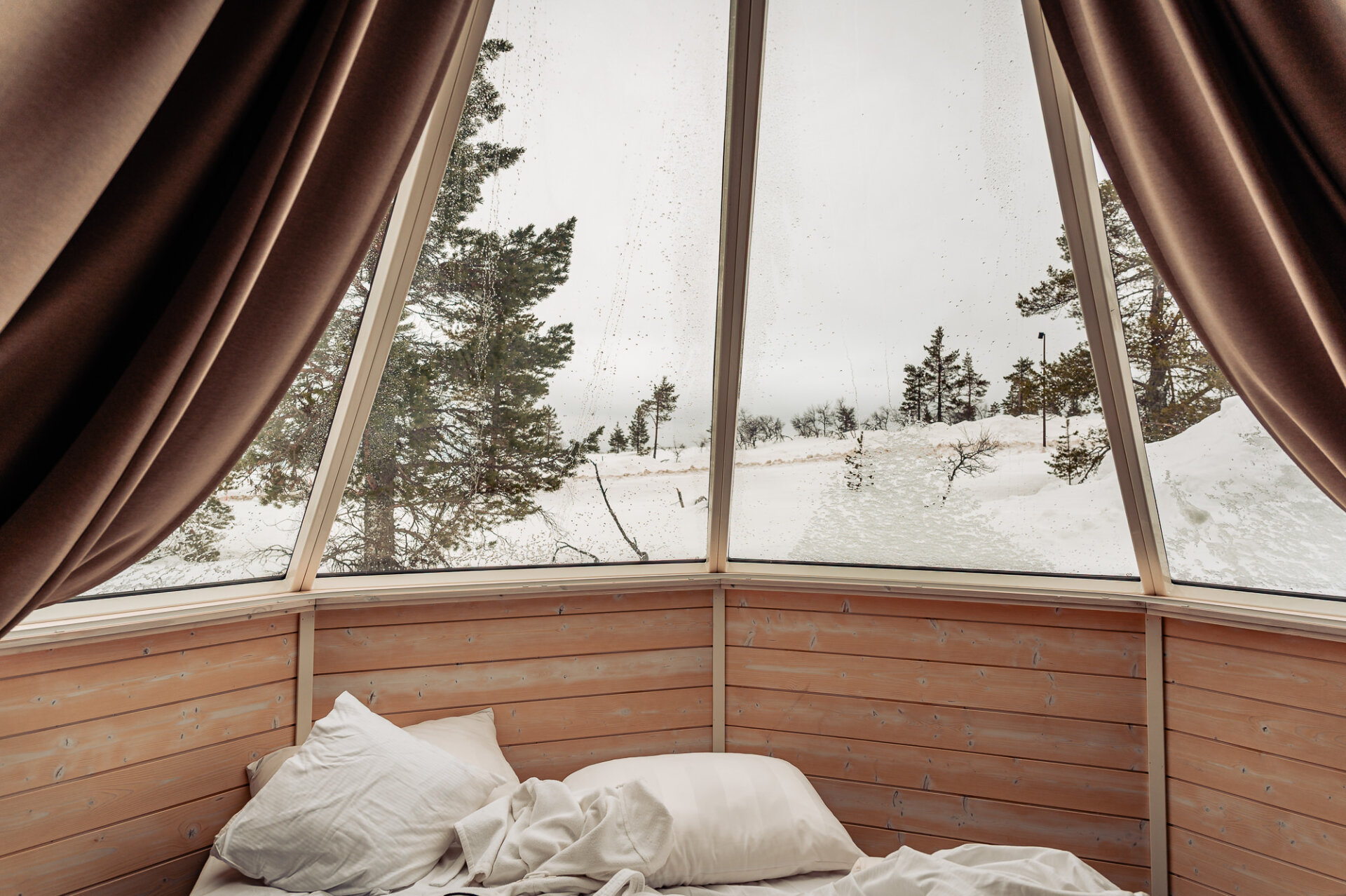
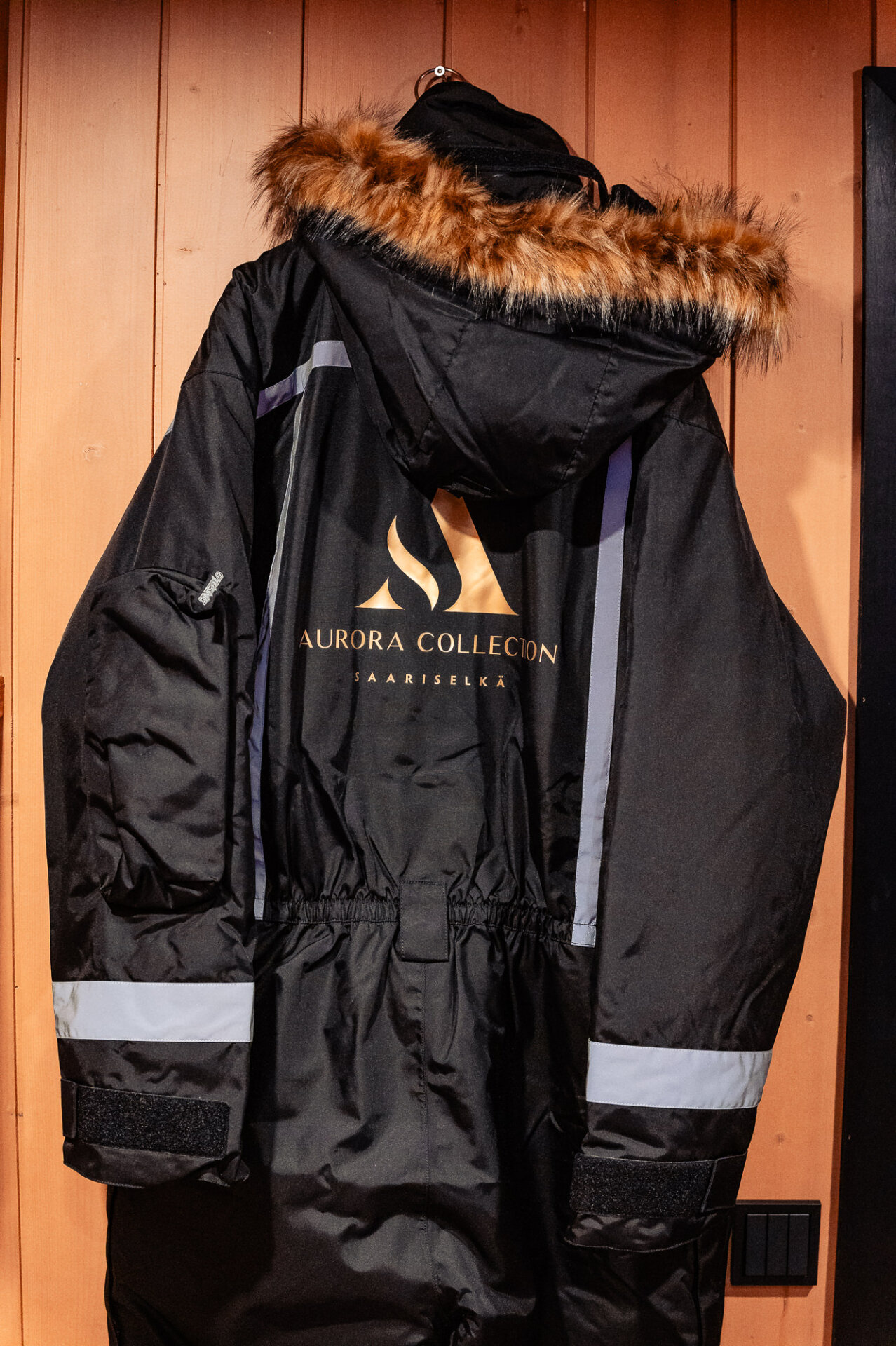
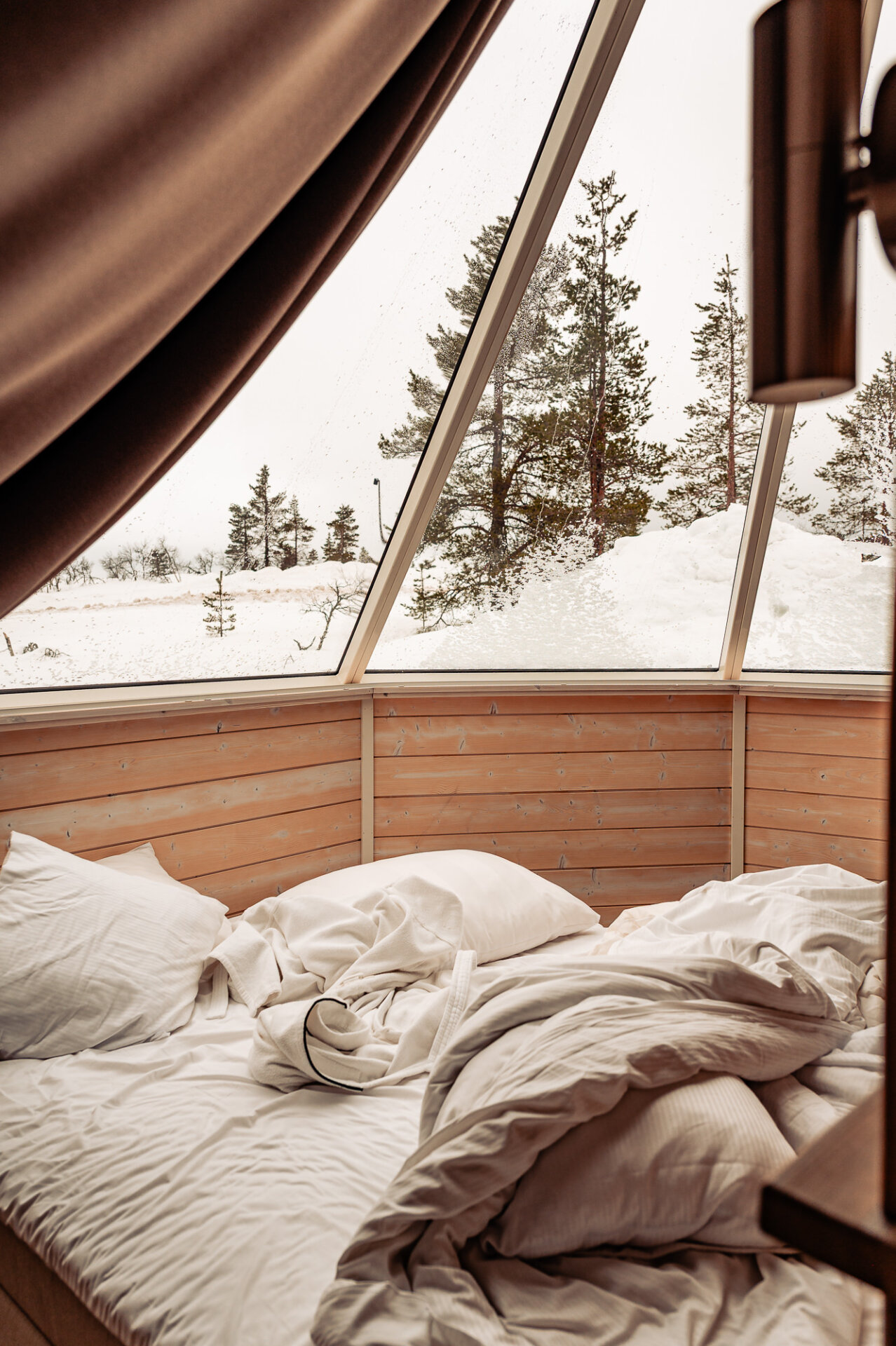
The glass igloo offered a different perspective. Stillness replaced movement.
We spent two nights inside one of these structures, set low against the snow-covered landscape. From the outside, they appear minimal. Inside, the entire ceiling opens to the sky and include a 2 person sauna.
Fun Fact: These igloos use specially coated glass designed to prevent frost and condensation, keeping visibility clear even in extreme cold.
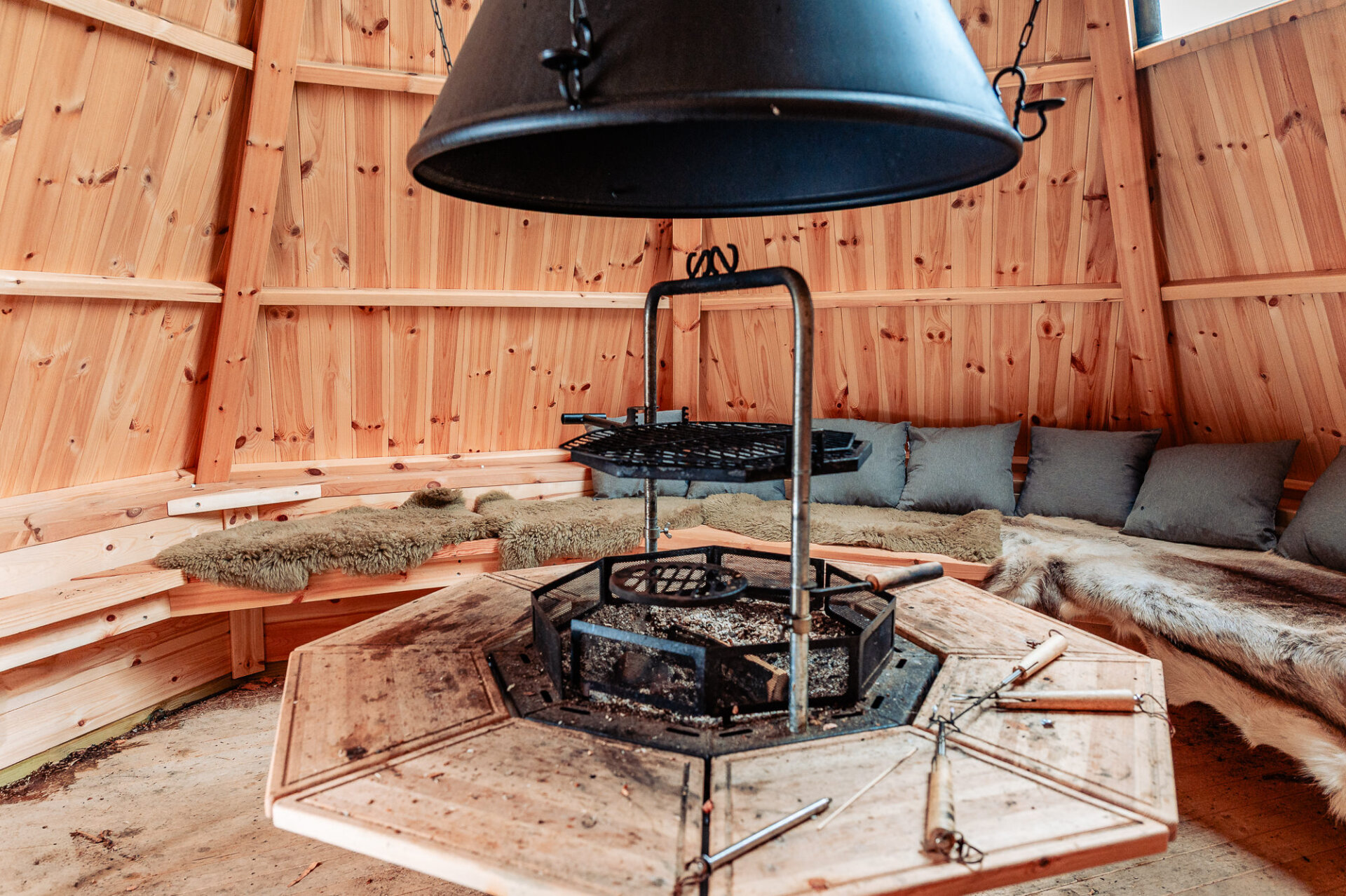
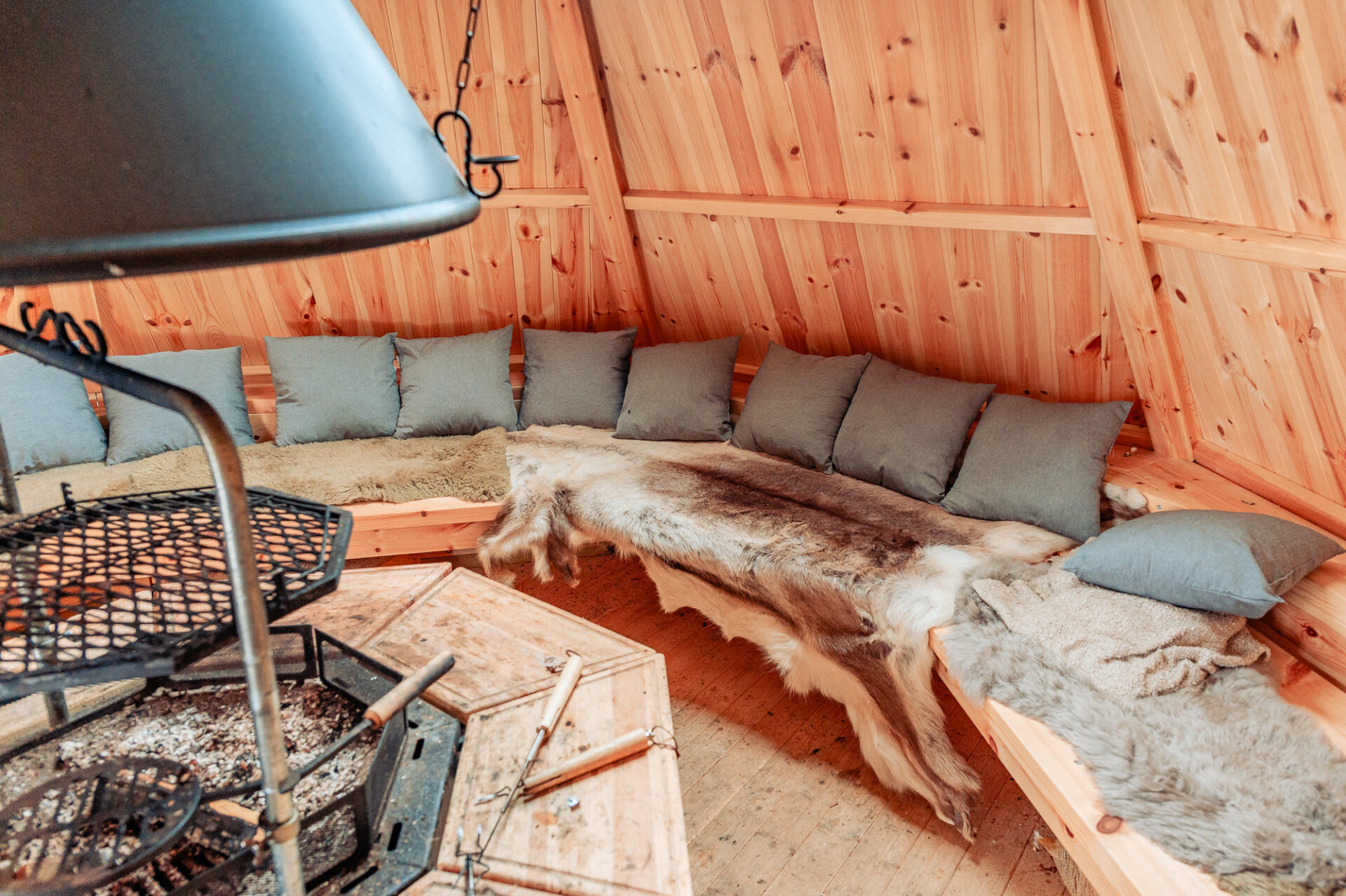
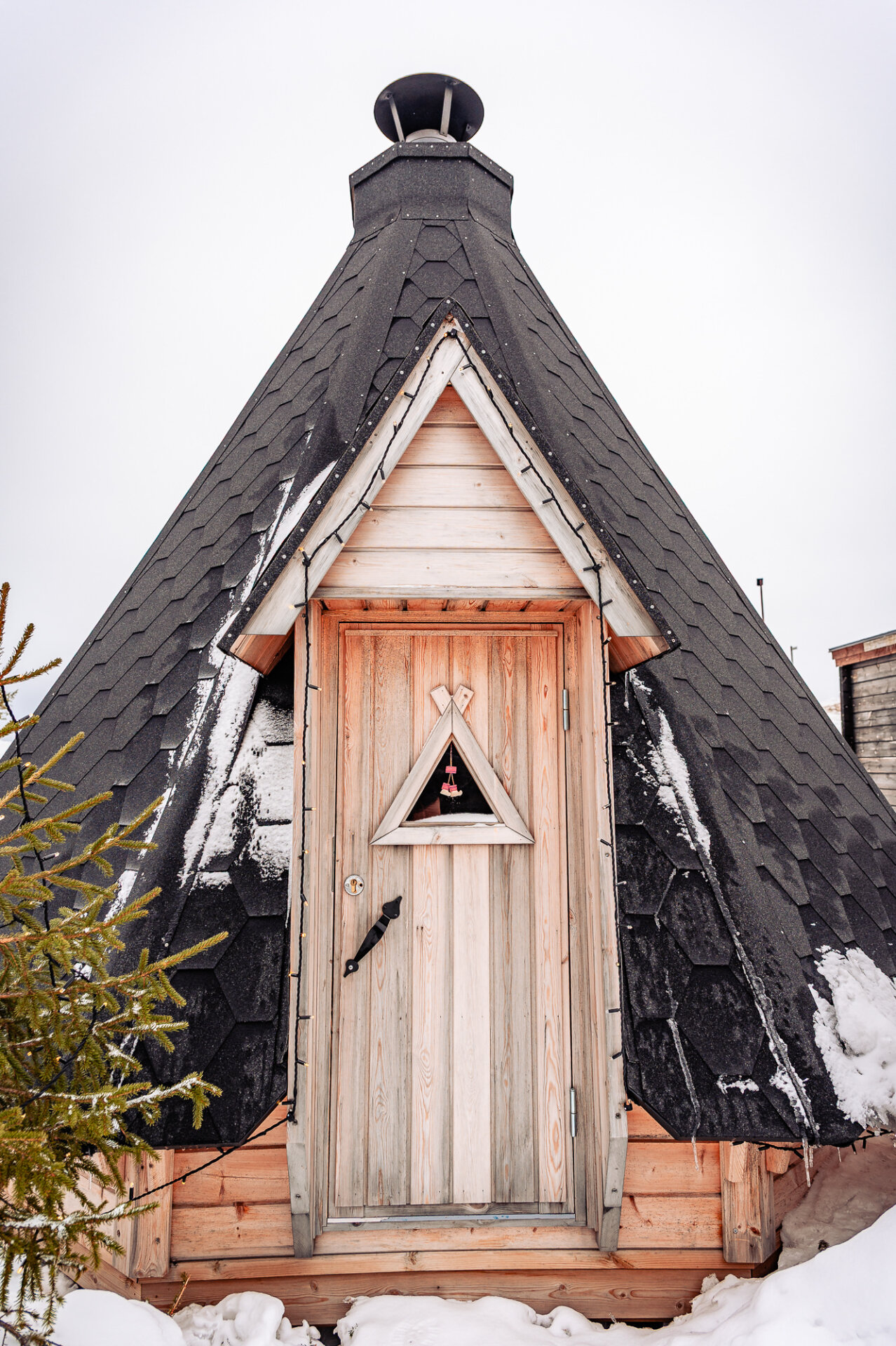
This was one of my favorite discoveries while in Finland: the Kota! It’s essentially a wooden teepee with a central fire pit in the middle. We hung out, drank wine and chatted with other travelers while enjoying this warm, comfortable space. I want one at my house!
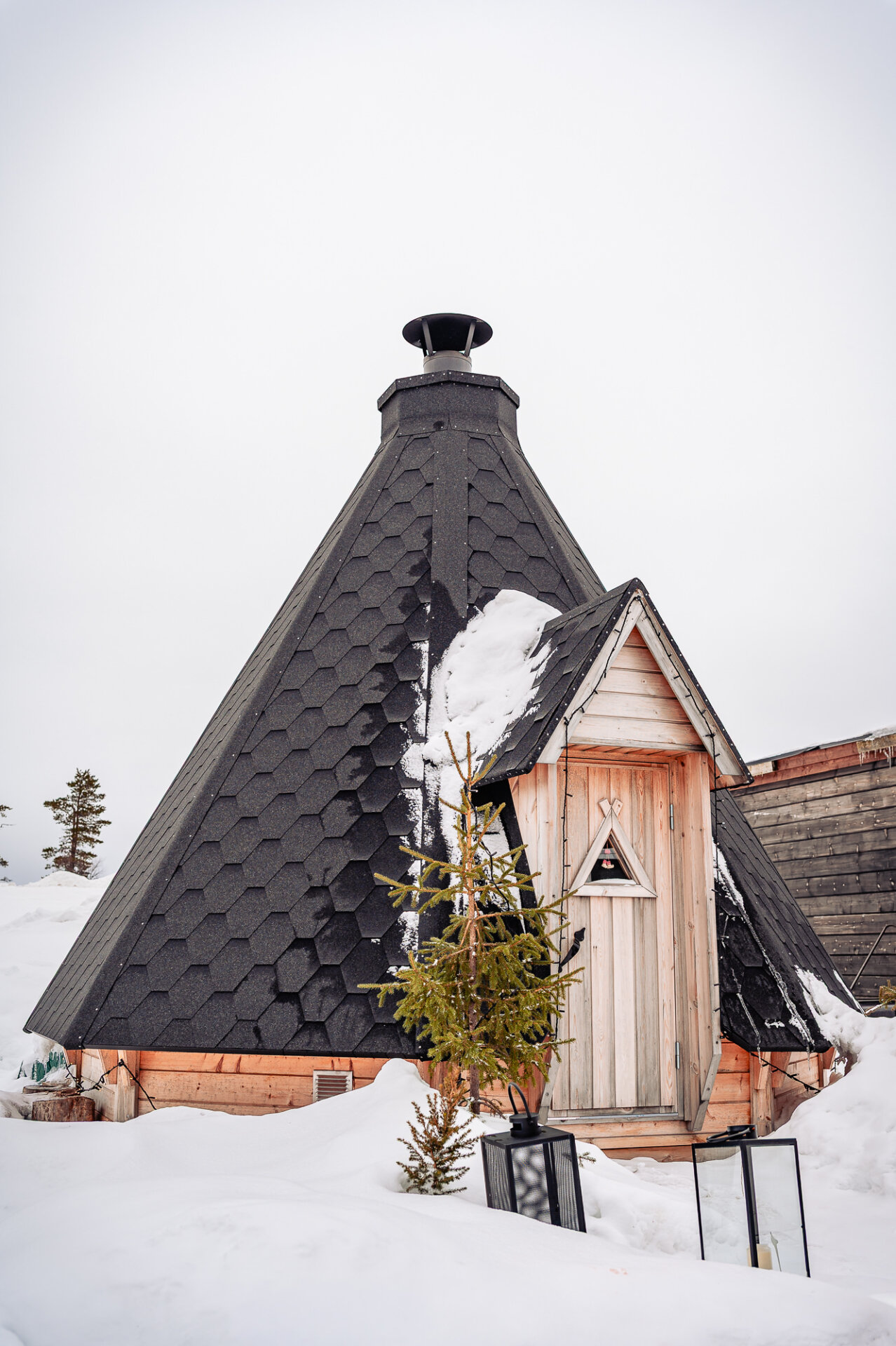
Our hosts at the Aurora Collection were amazing! When we arrived, the conditions in the Saariselkä area were cloudy and not ideal for aurora viewing. But our hosts went above and beyond by driving us 90 minutes north, up past the town of Ivalo, about 35 miles from the Russian border where the weather maps showed clear skies. We crossed our fingers that things would work out, as we were told that the following night (our last), there would be cloud cover throughout the entire region.
Customer service at its best!
Northern Lights in Saariselkä
At Saariselkä, we were told not to expect anything guaranteed. The Northern Lights follow their own timing and hopefully, conditions align. Once we arrived at our location, the light appeared faint. A soft green trace near the horizon. Then it expanded. Within minutes, the entire sky shifted into motion.
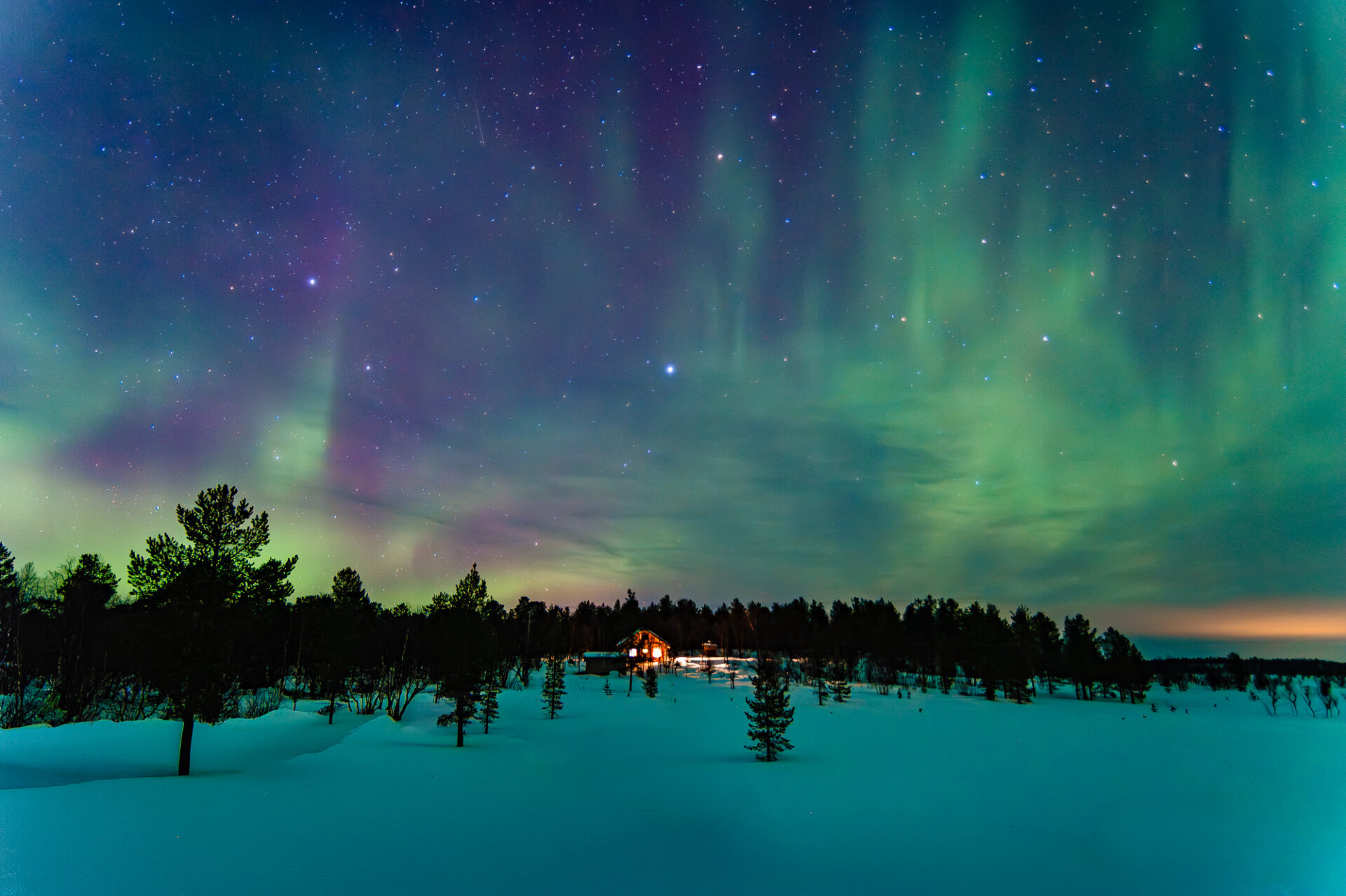
Bands of light moved and folded across the horizon, changing shape continuously. The scale was difficult to process in real time. We stood in the snow for a long stretch without speaking. There was no need.
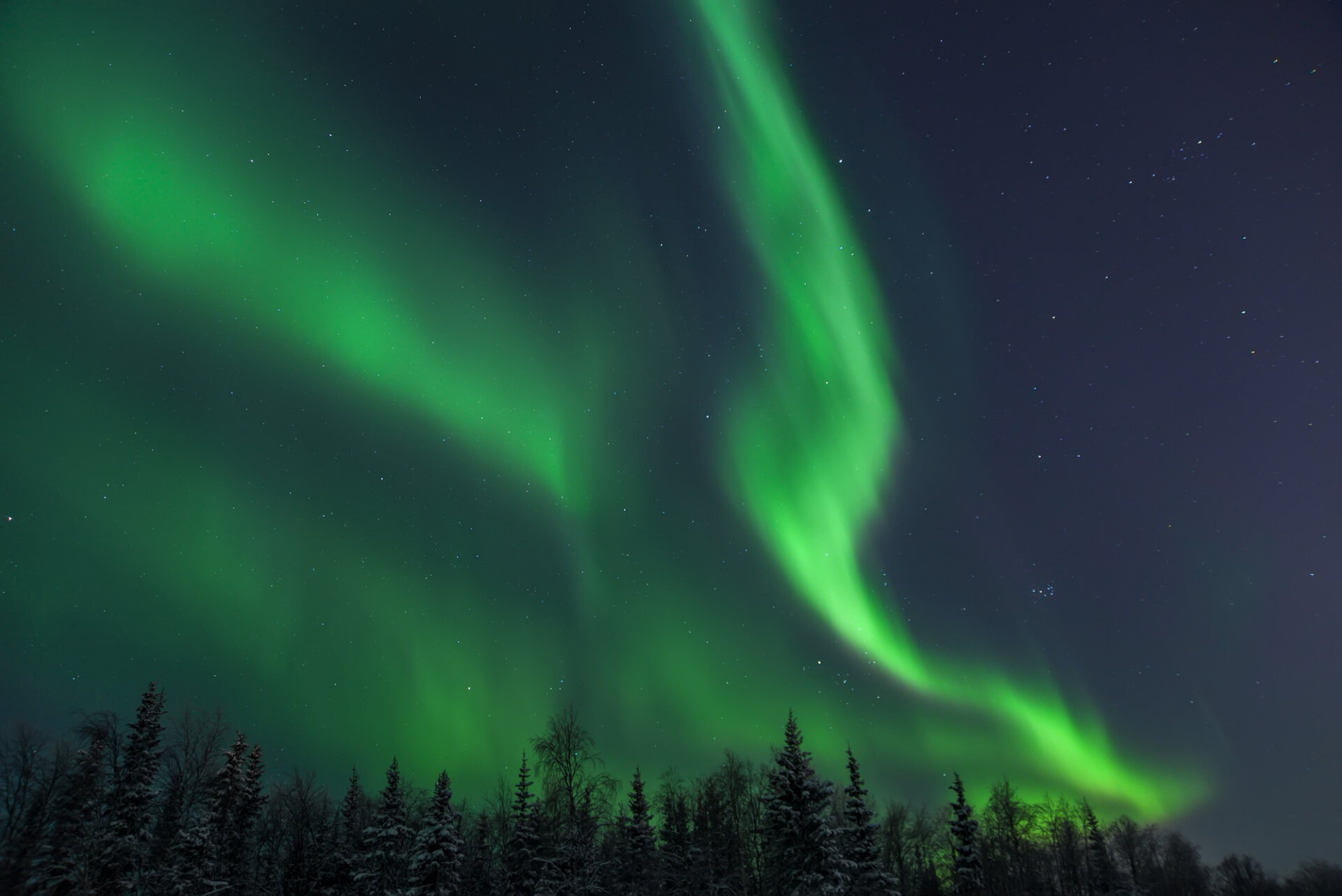
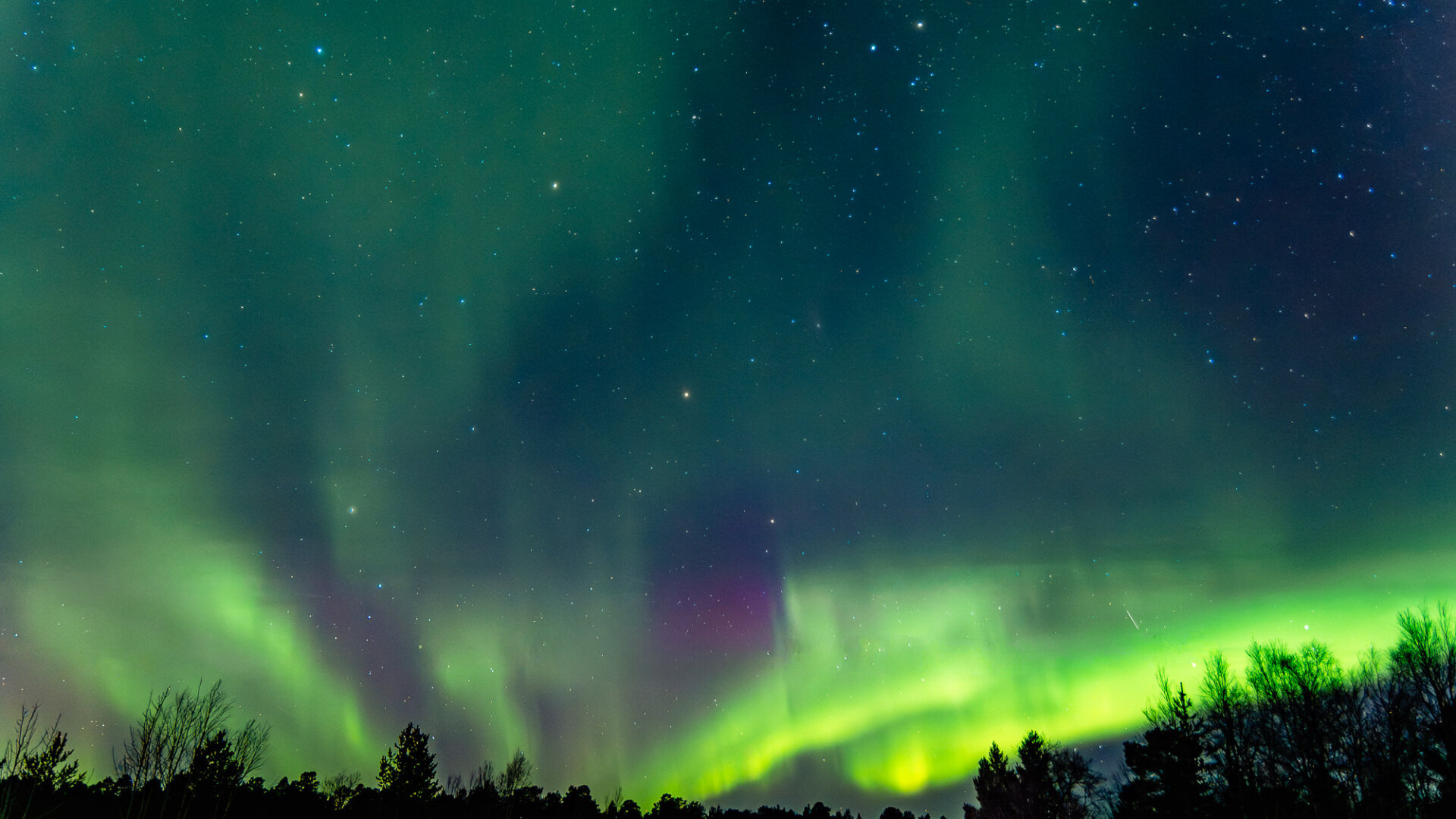
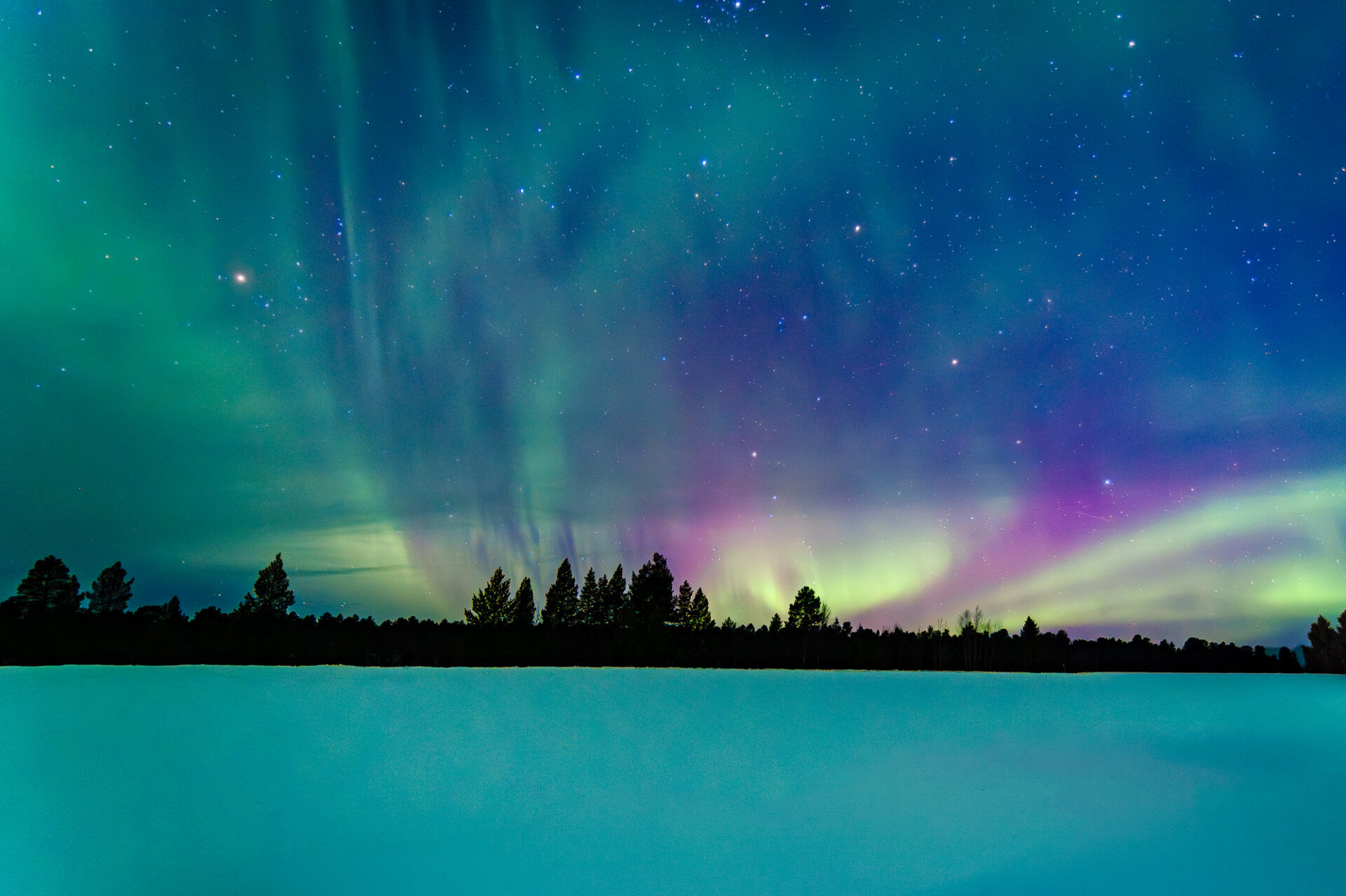
No prior photography experience prepared me for this. It truly is a magical experience.
Interesting Fact: The aurora borealis forms when charged solar particles collide with gases in Earth’s atmosphere, producing light at altitudes between 100 and 300 kilometers.
Norway: Scale and Contrast
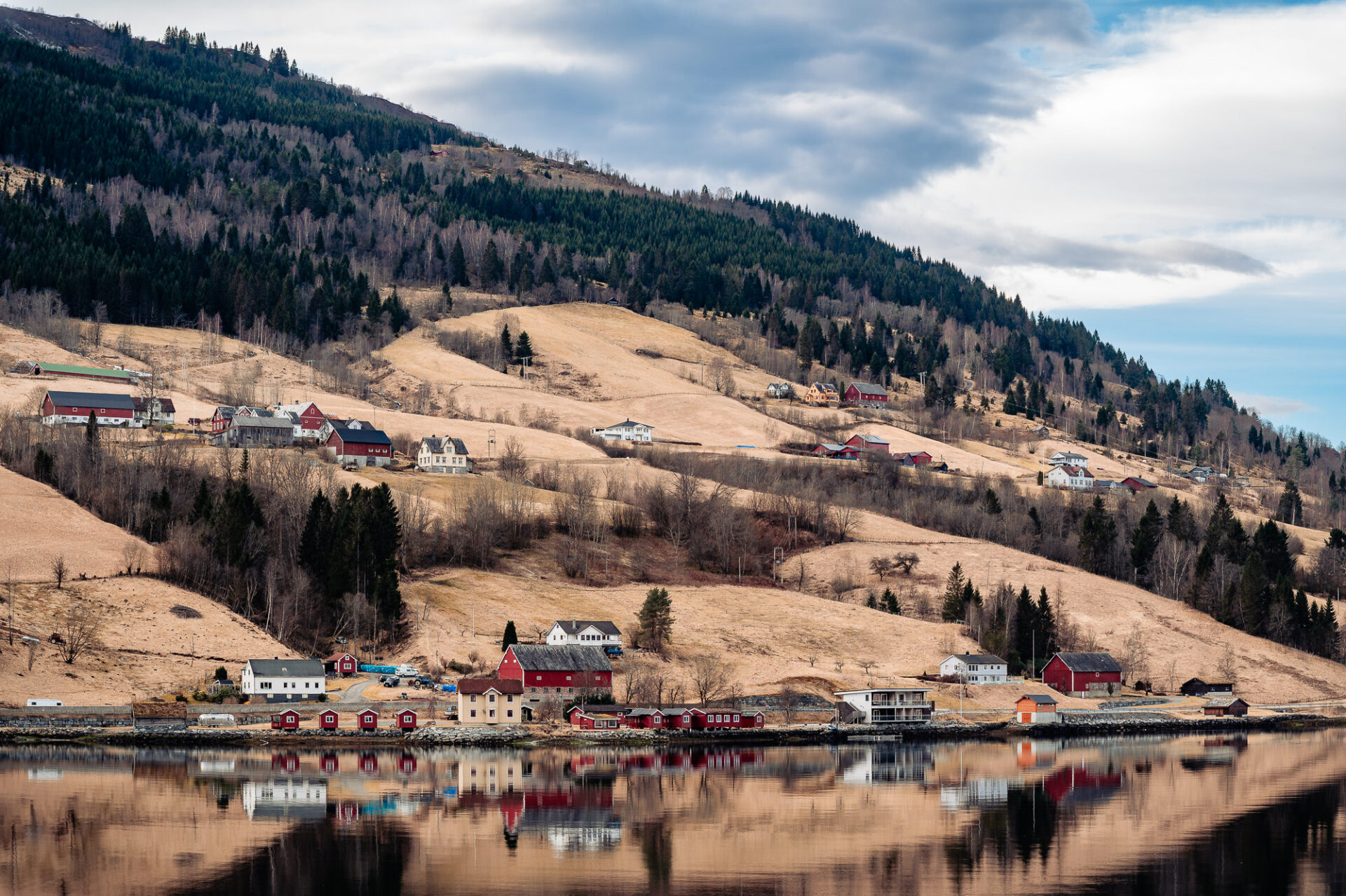
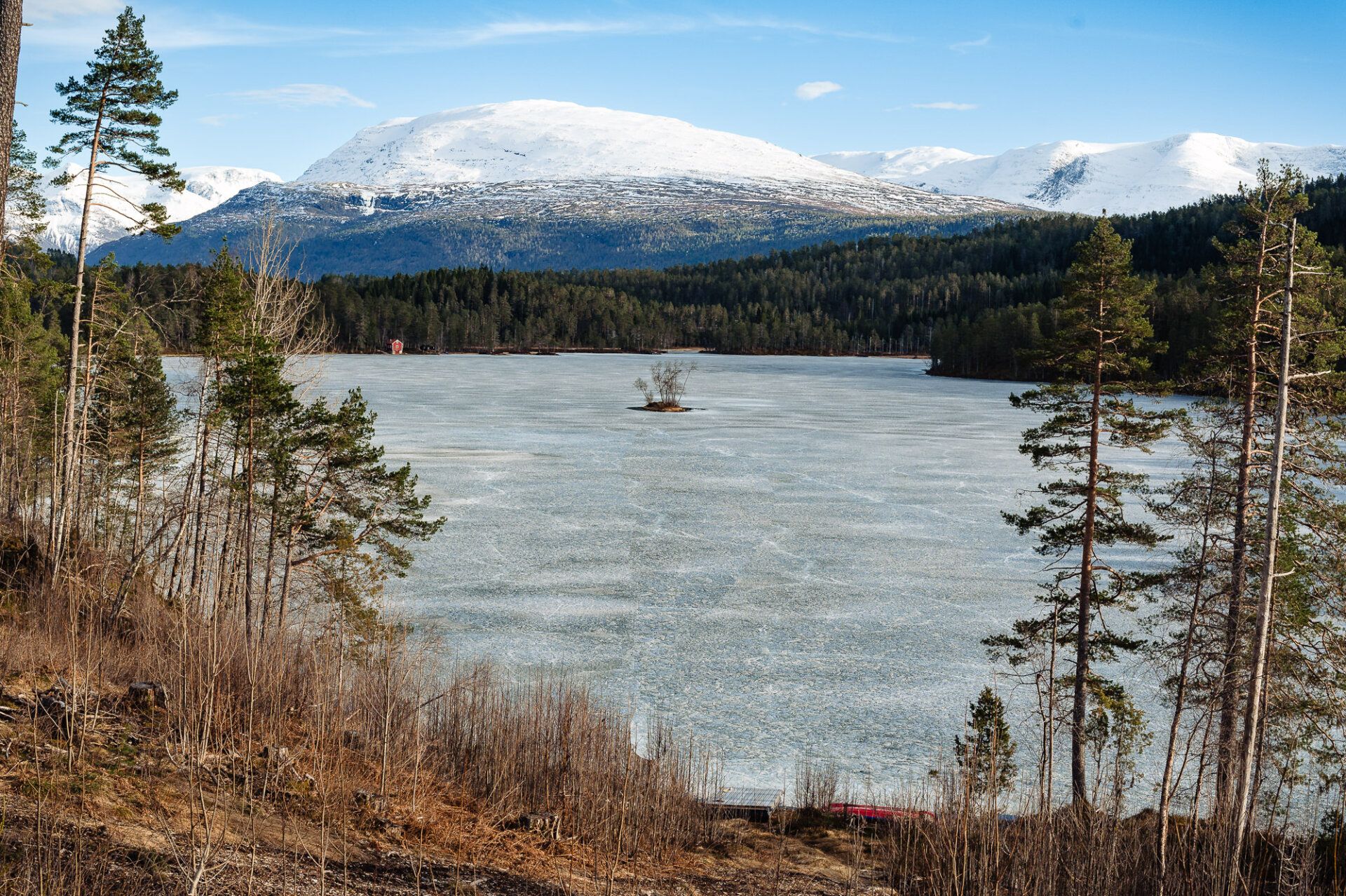
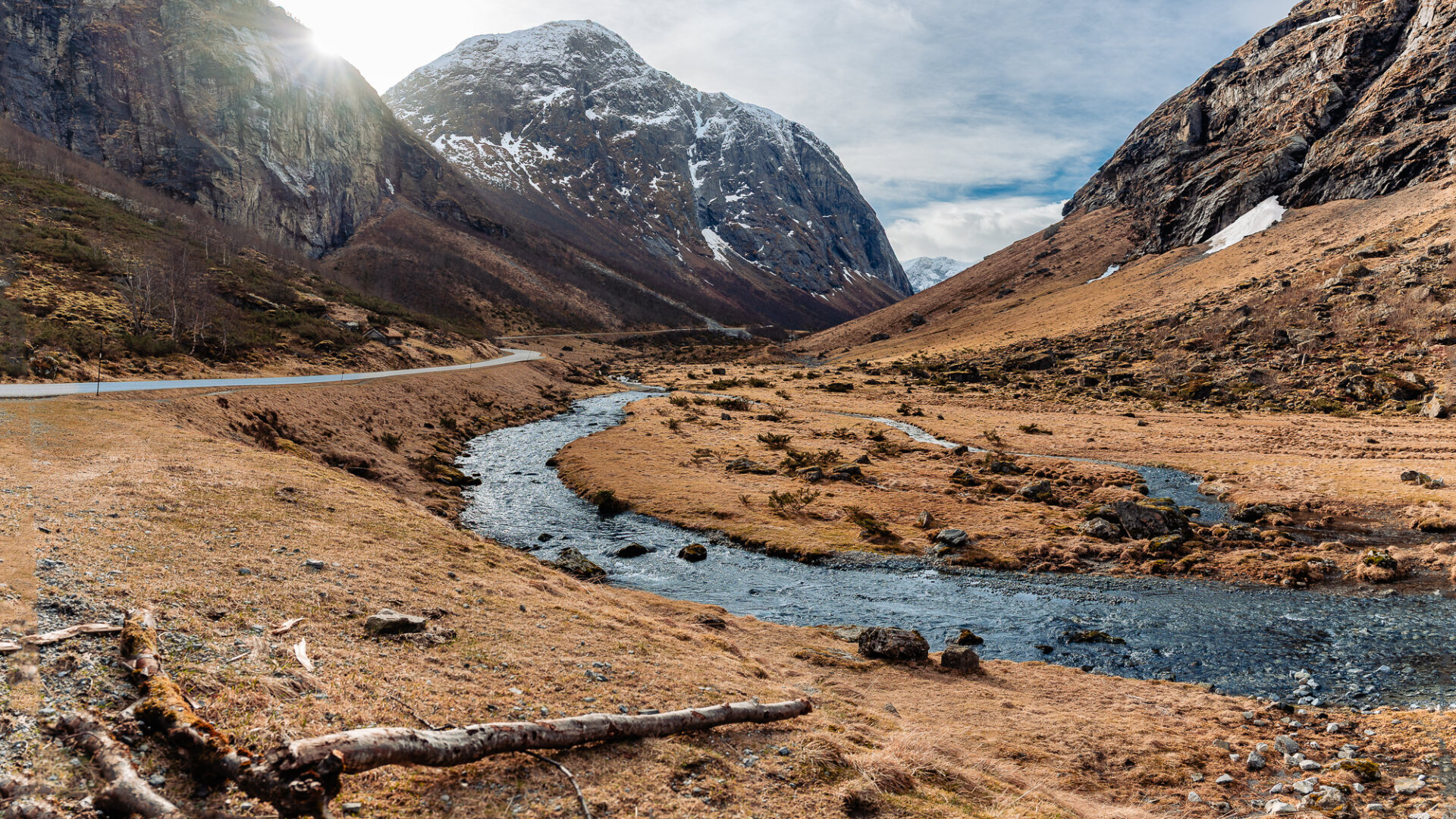
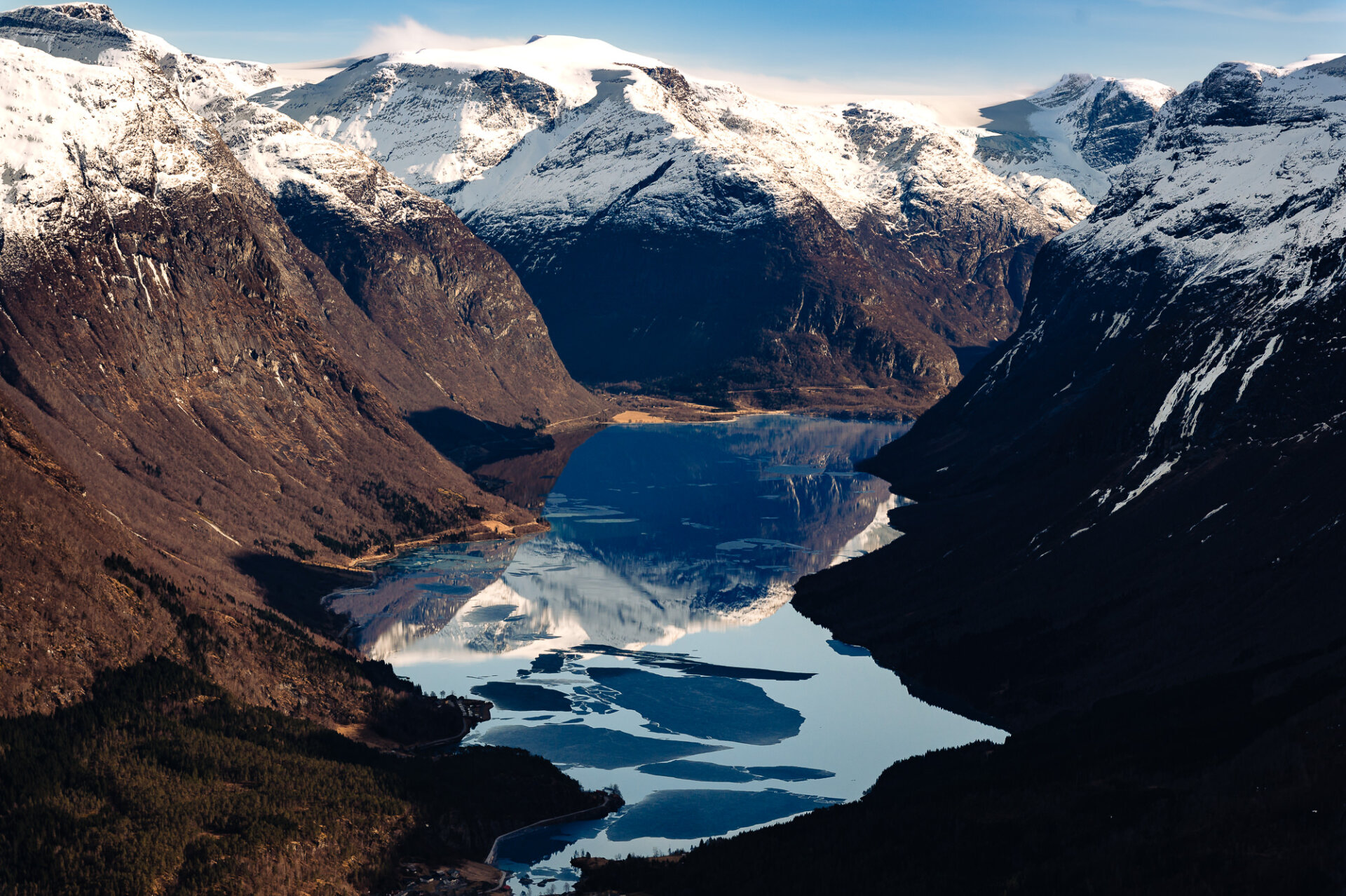
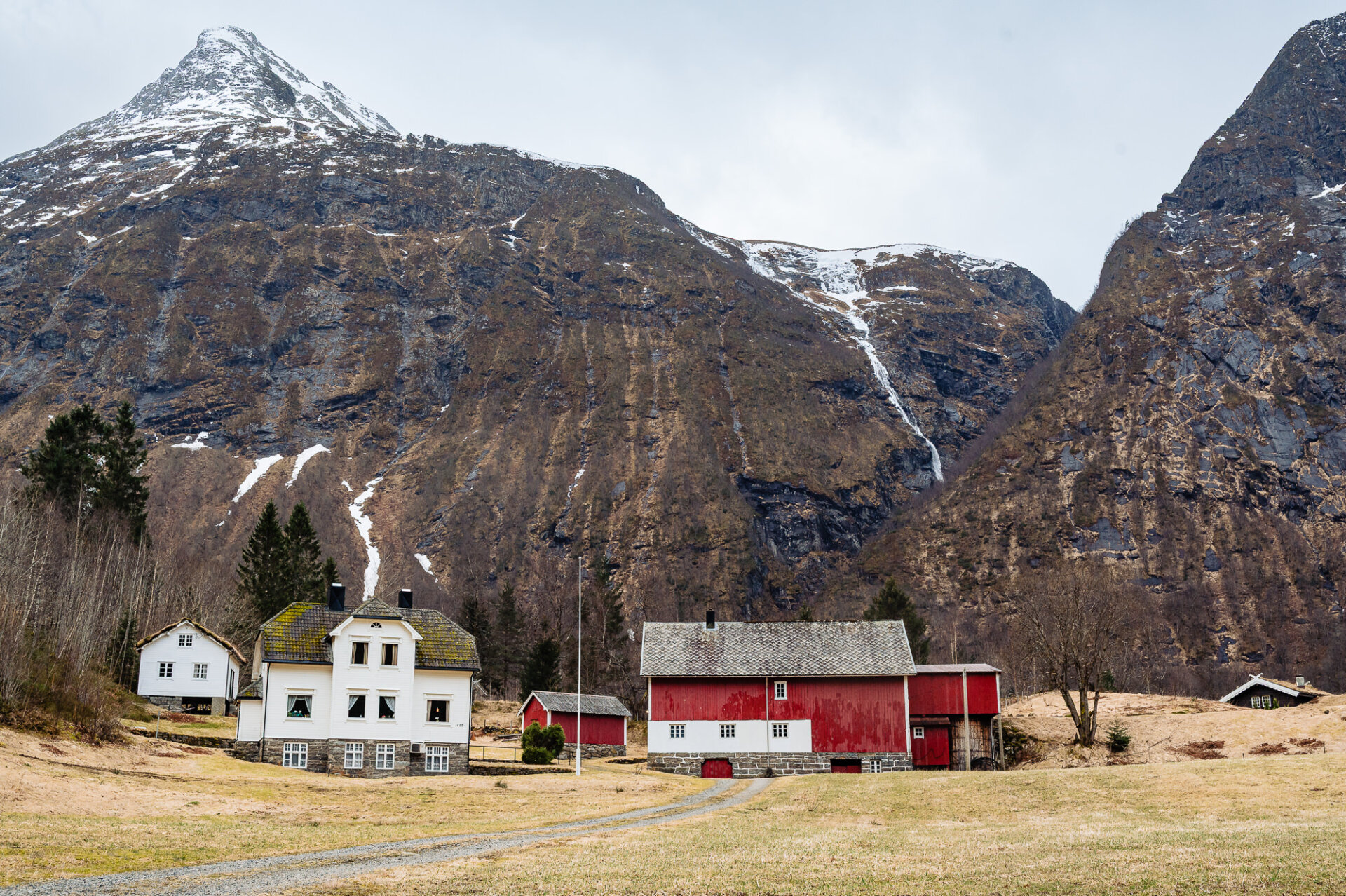
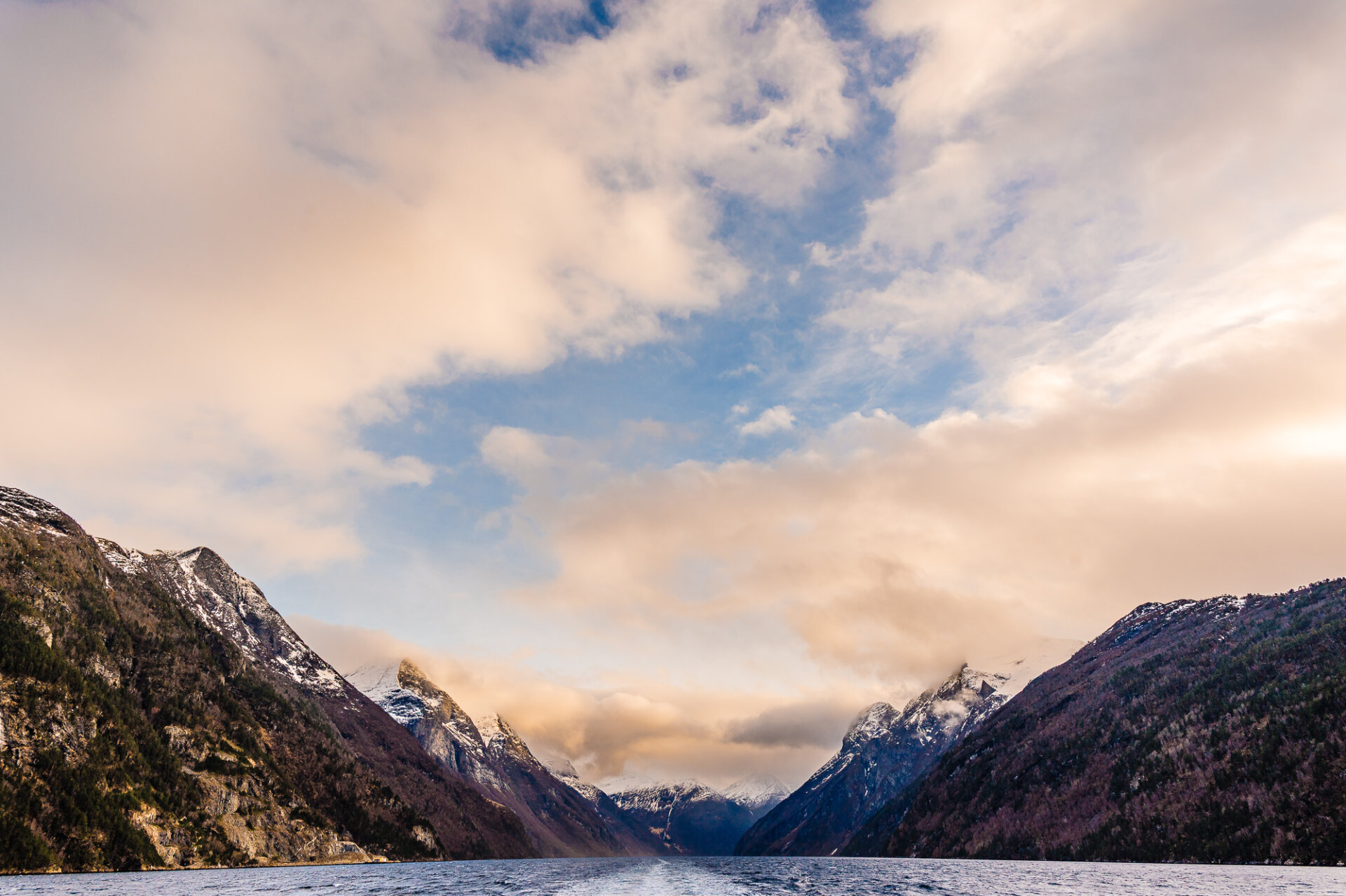
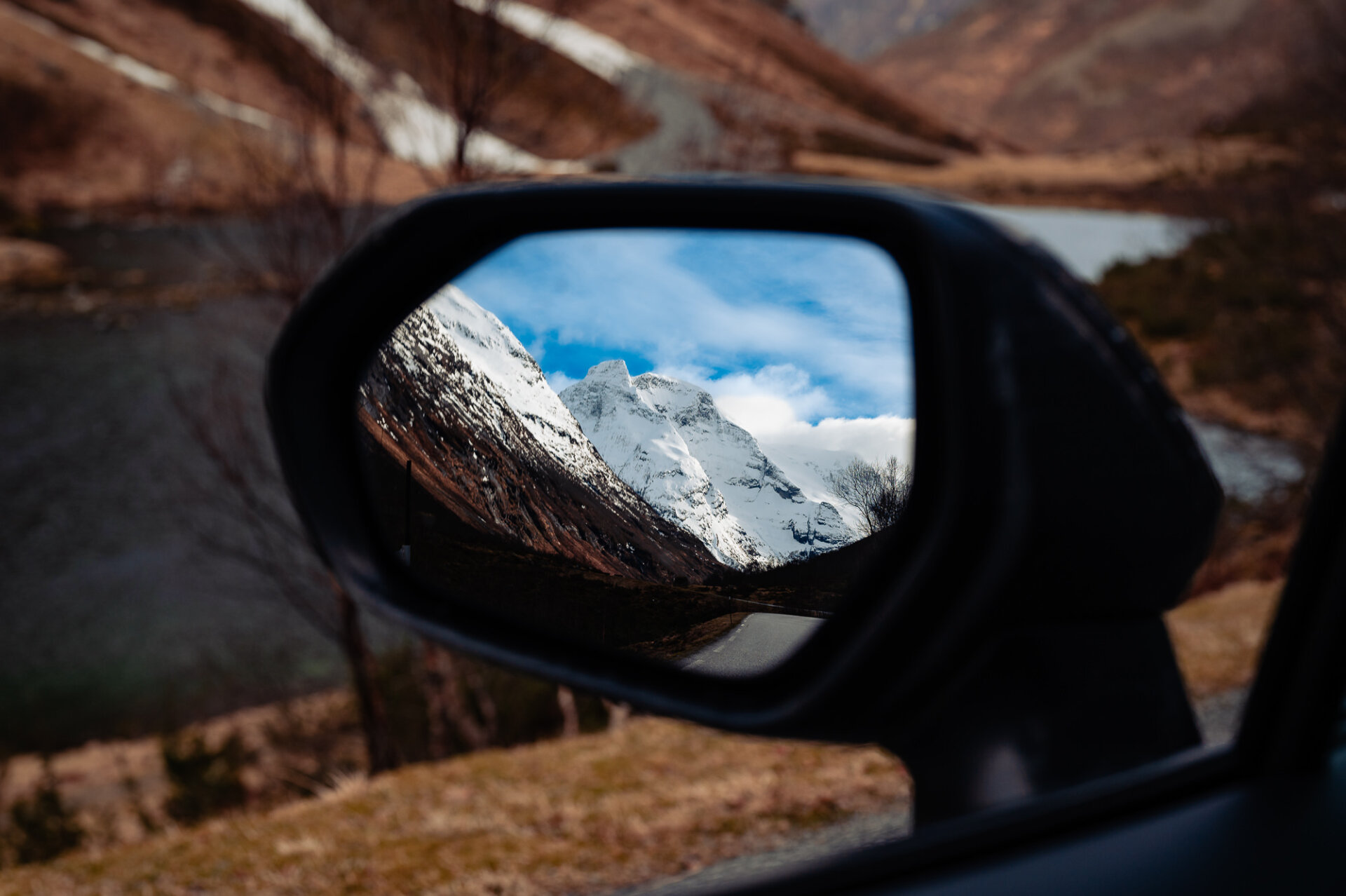
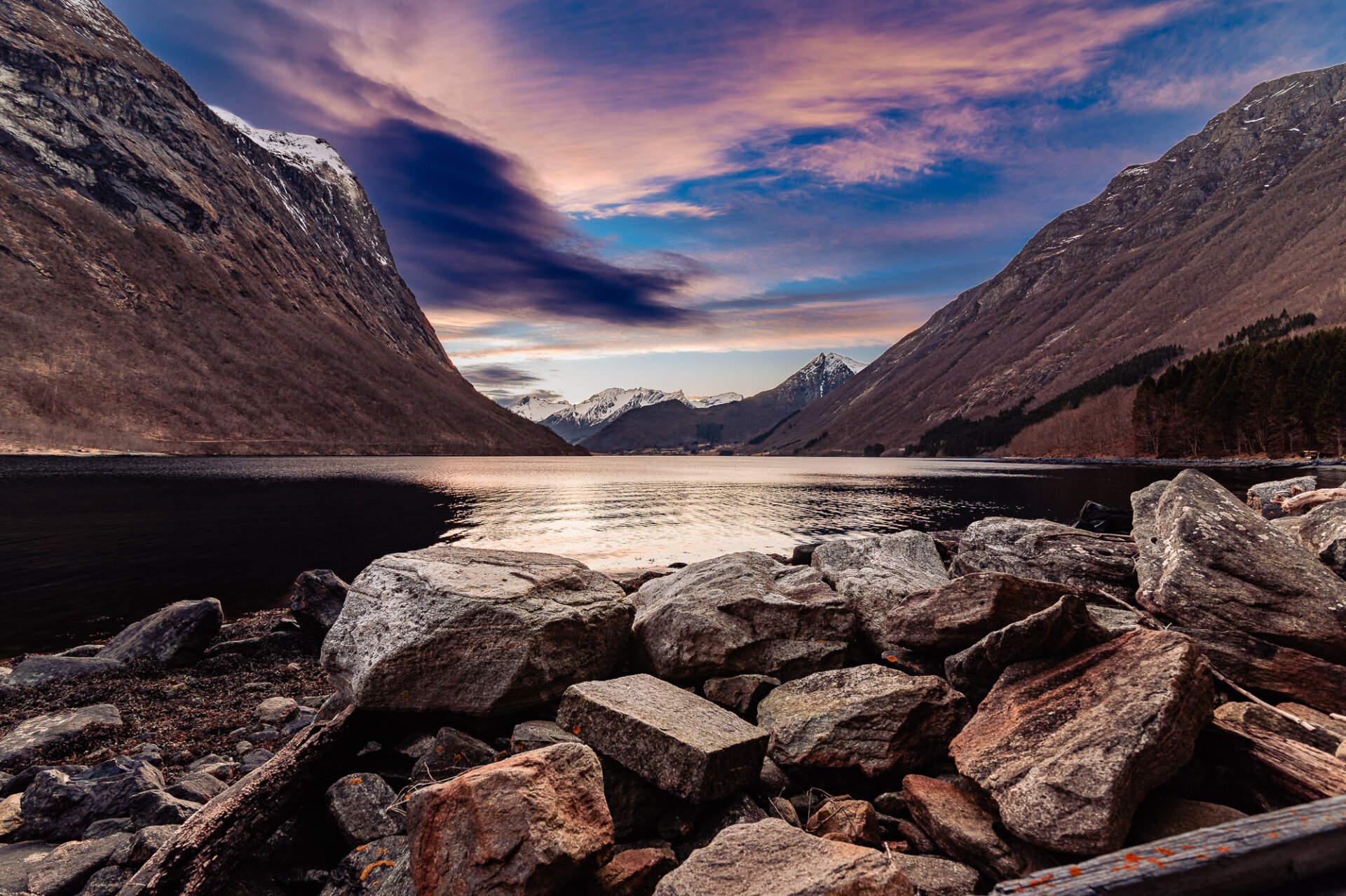
From Finland, our journey took us east to Norway, a country that revealed itself gradually as we traveled through it. Passing through the dramatic landscape of Lakselv Tindane, where jagged mountain peaks rise sharply above frozen valleys, we immediately understood that Norway operates on an entirely different scale. The fjords, the mountains, and the sheer verticality of the landscape demand a physical response. It genuinely recalibrates what you thought you knew about the natural world.
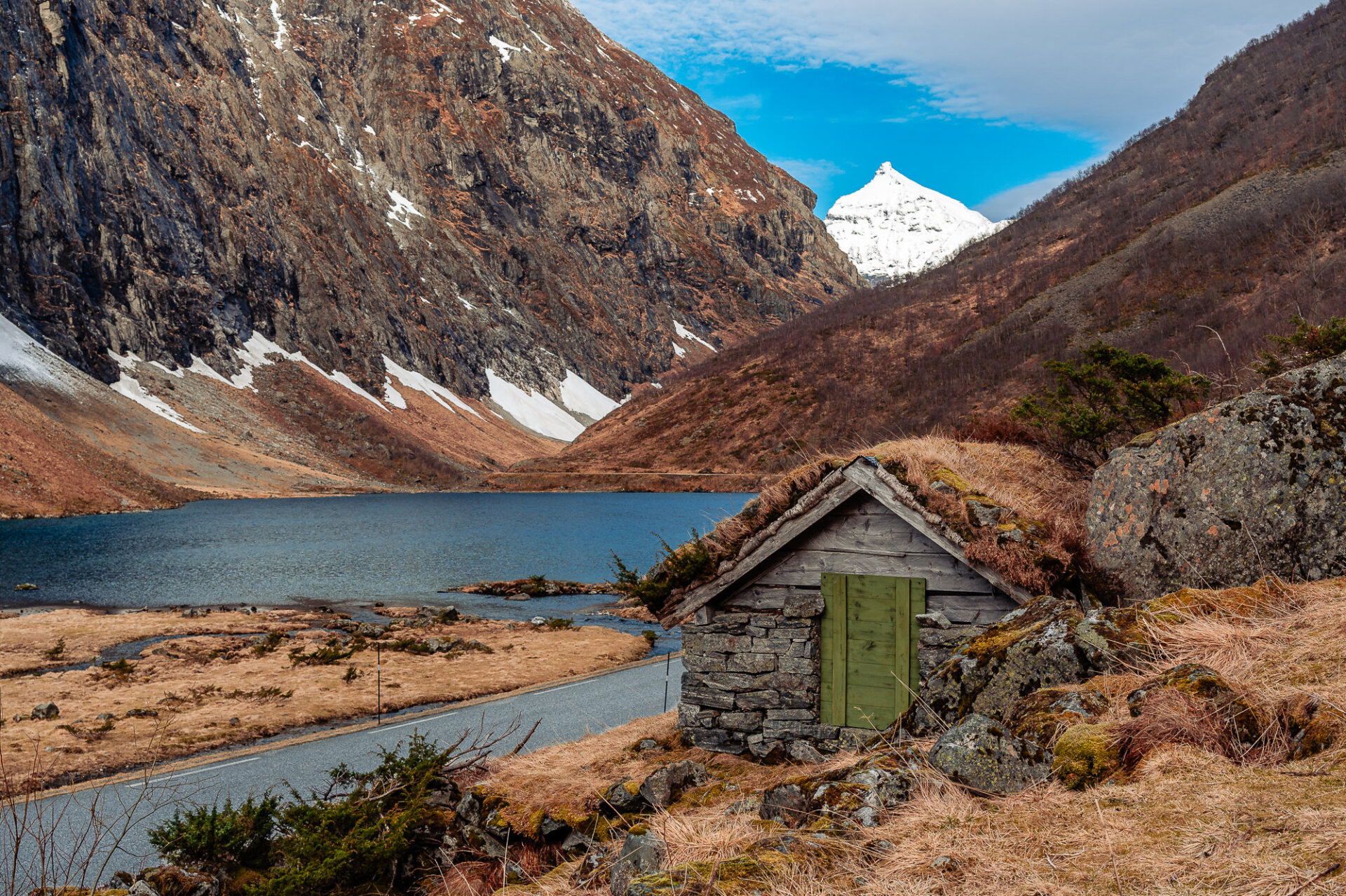
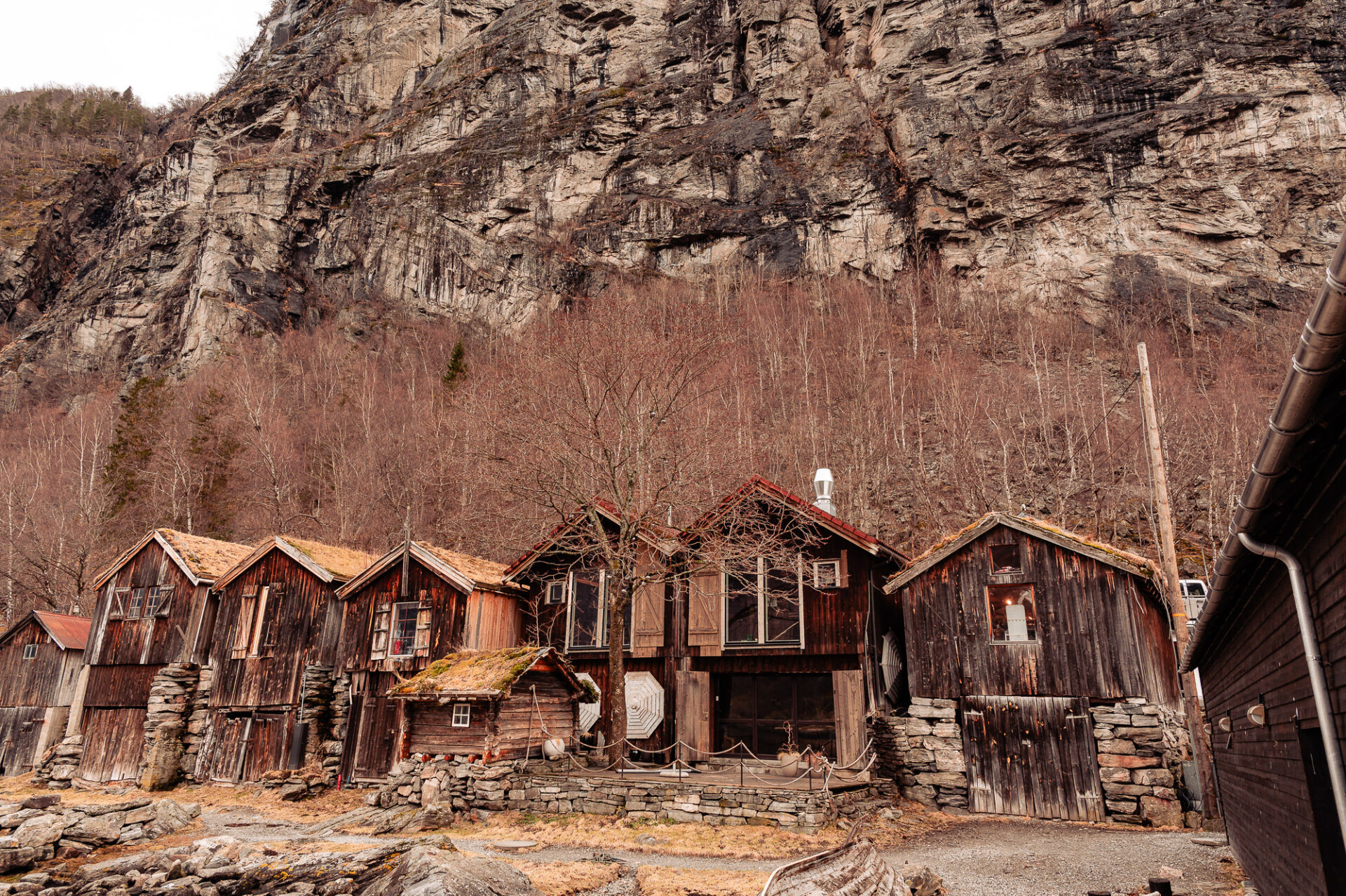
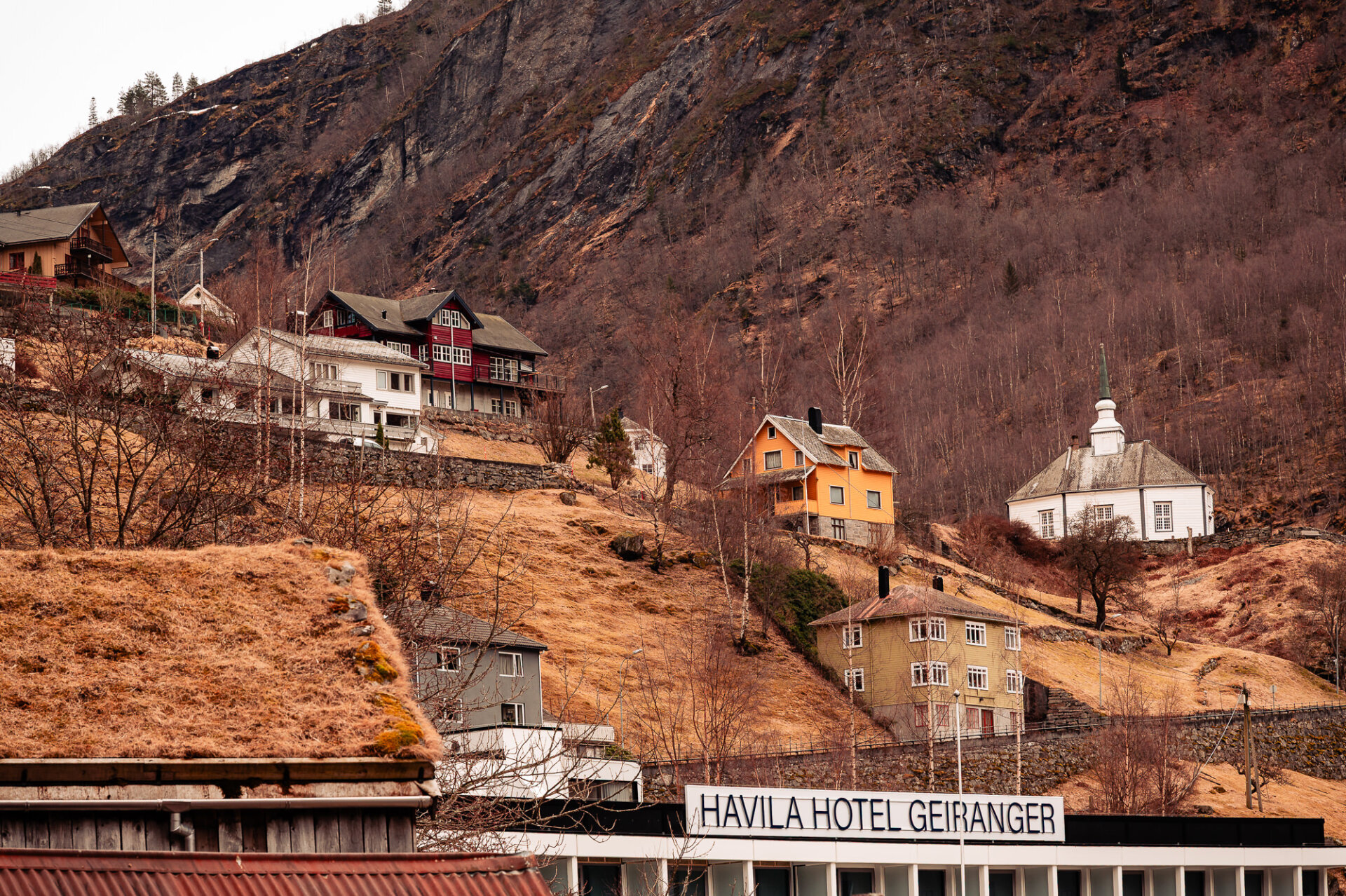
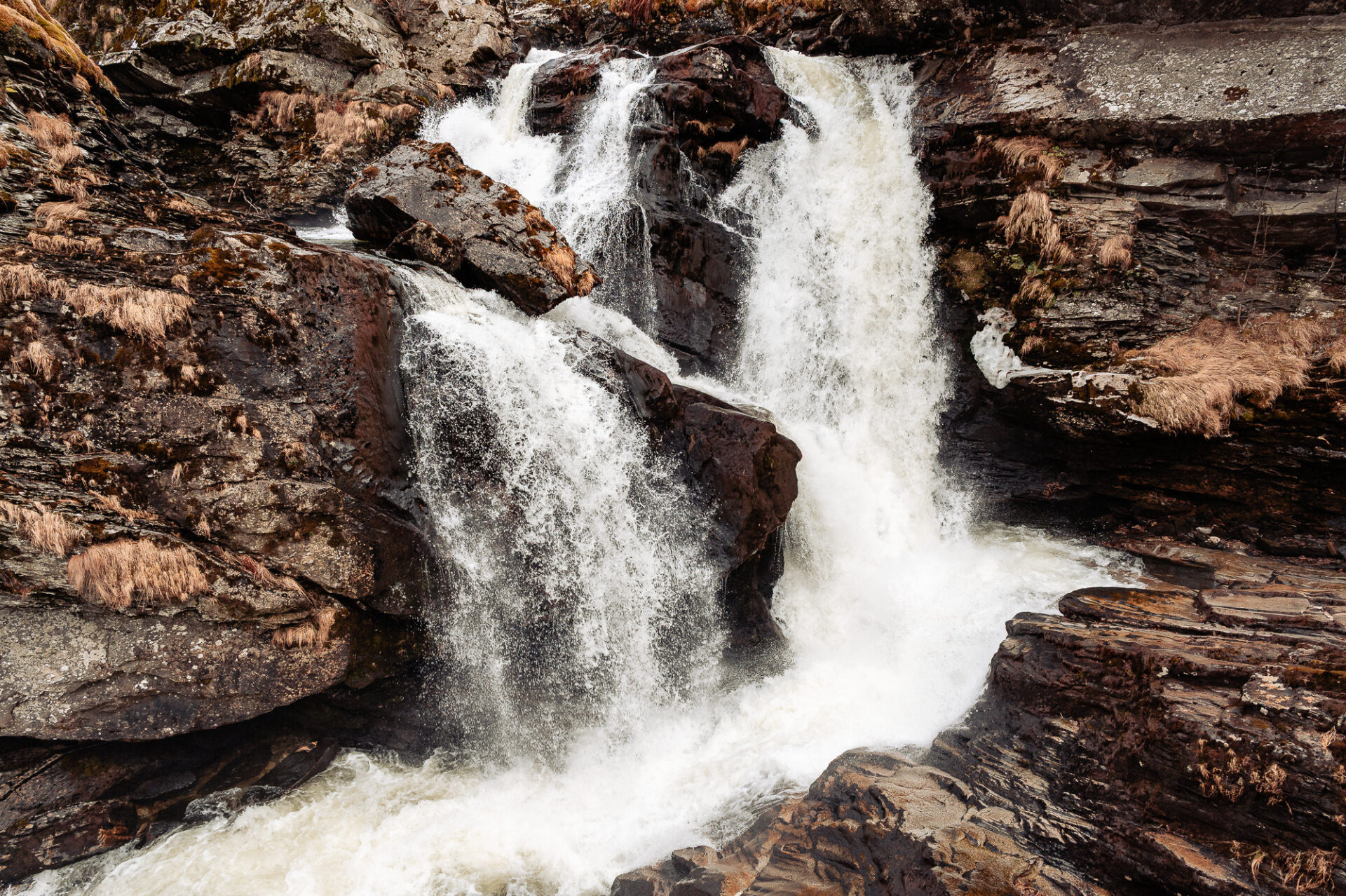
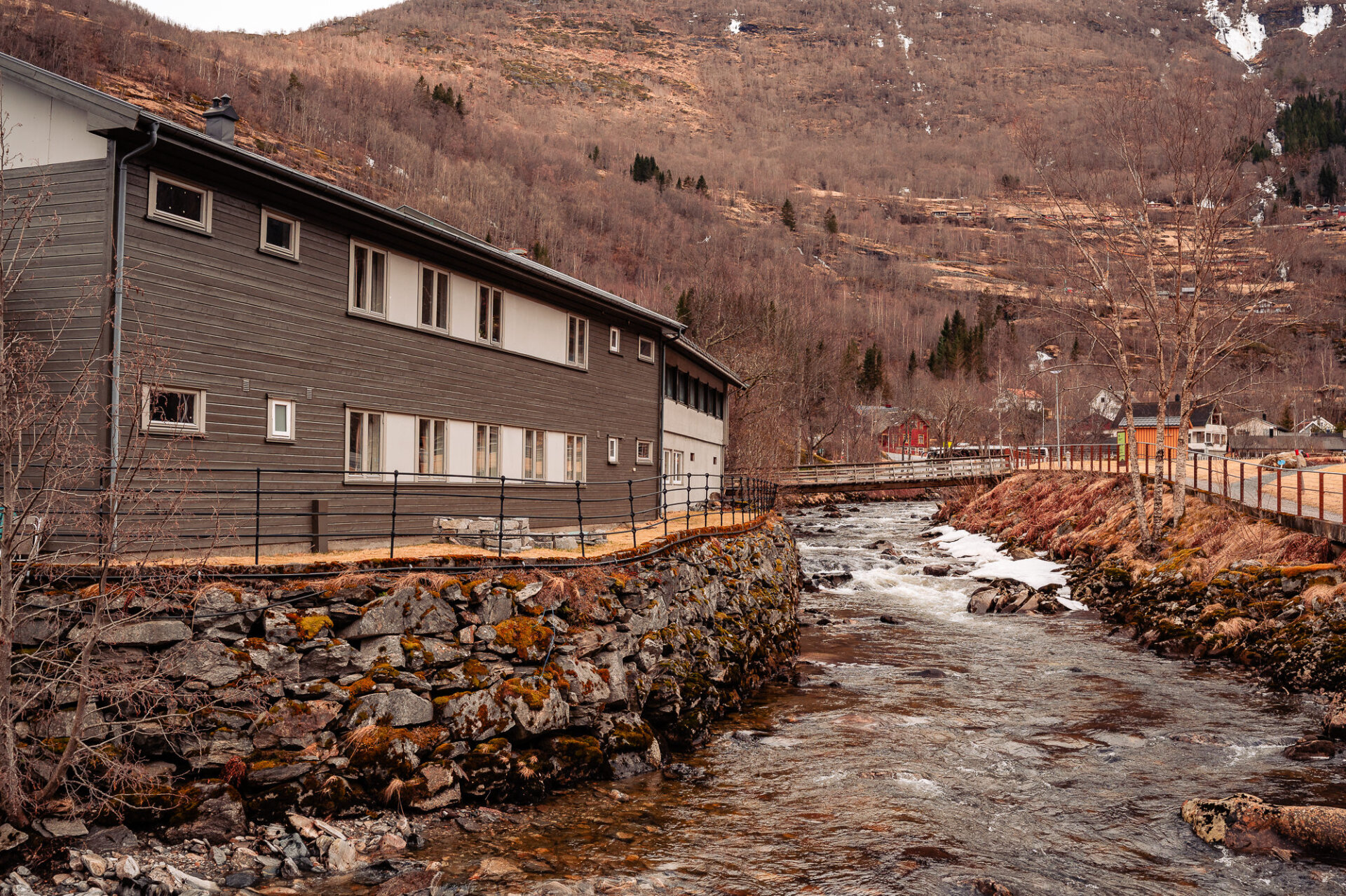
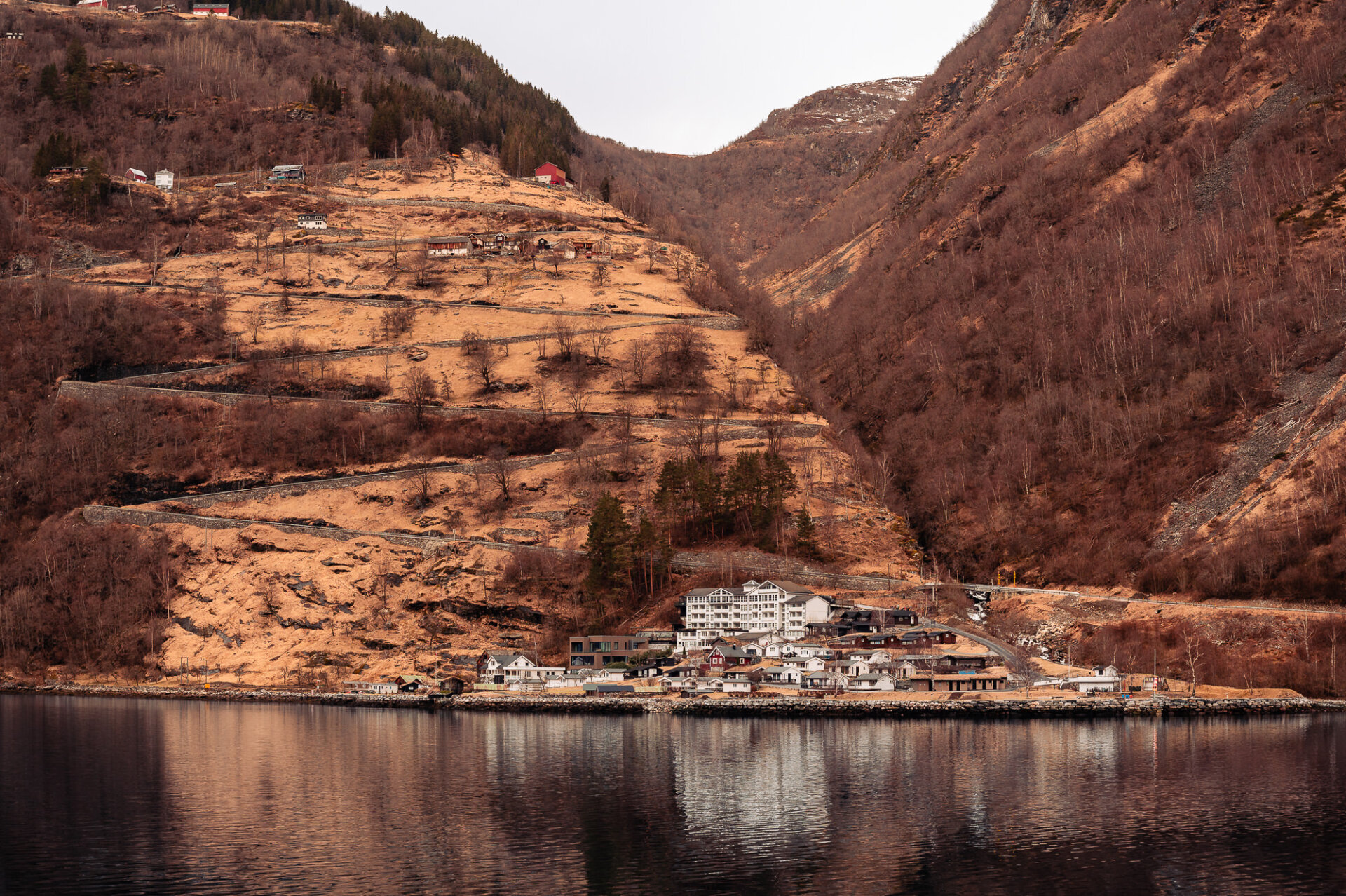
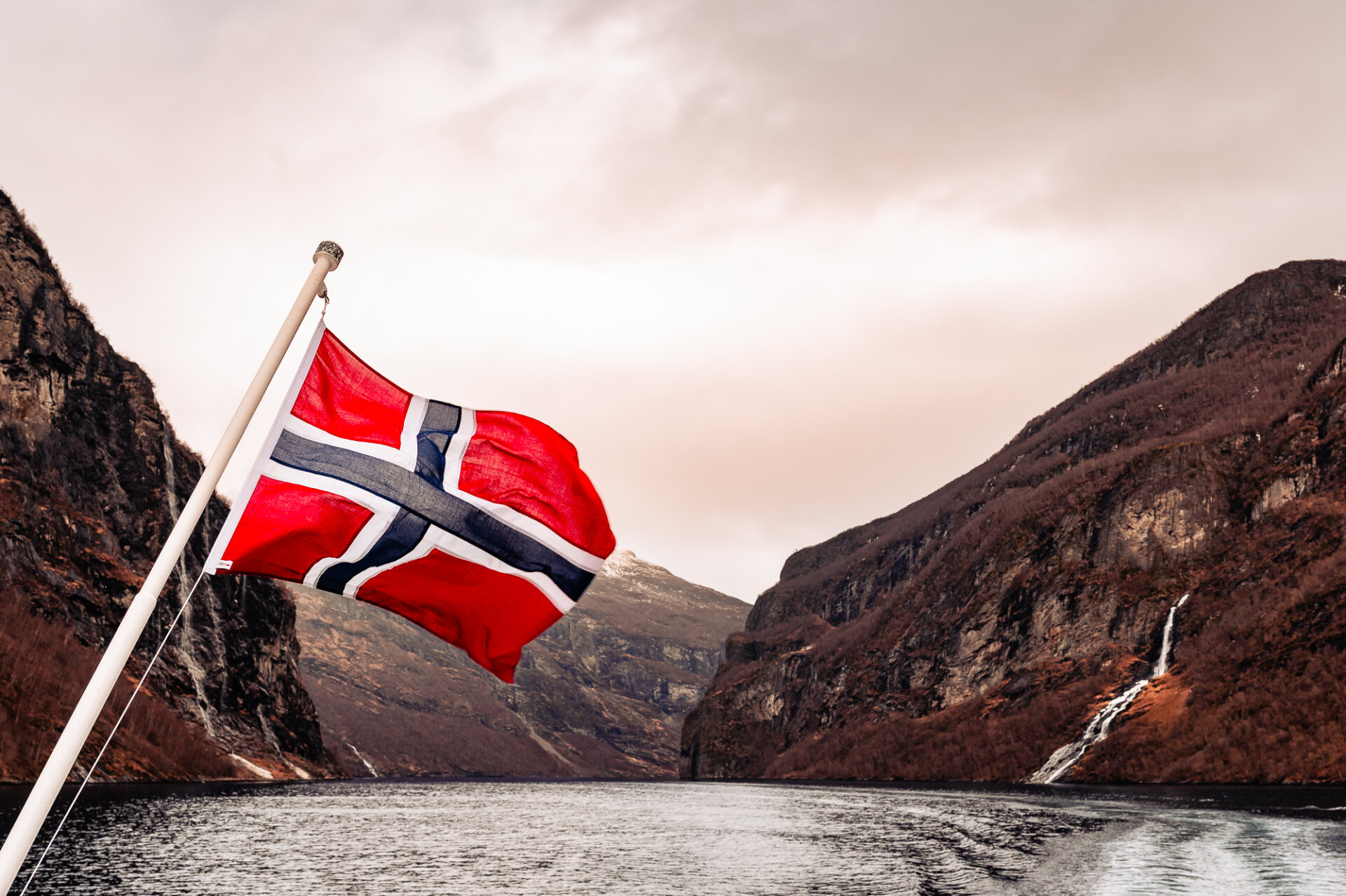
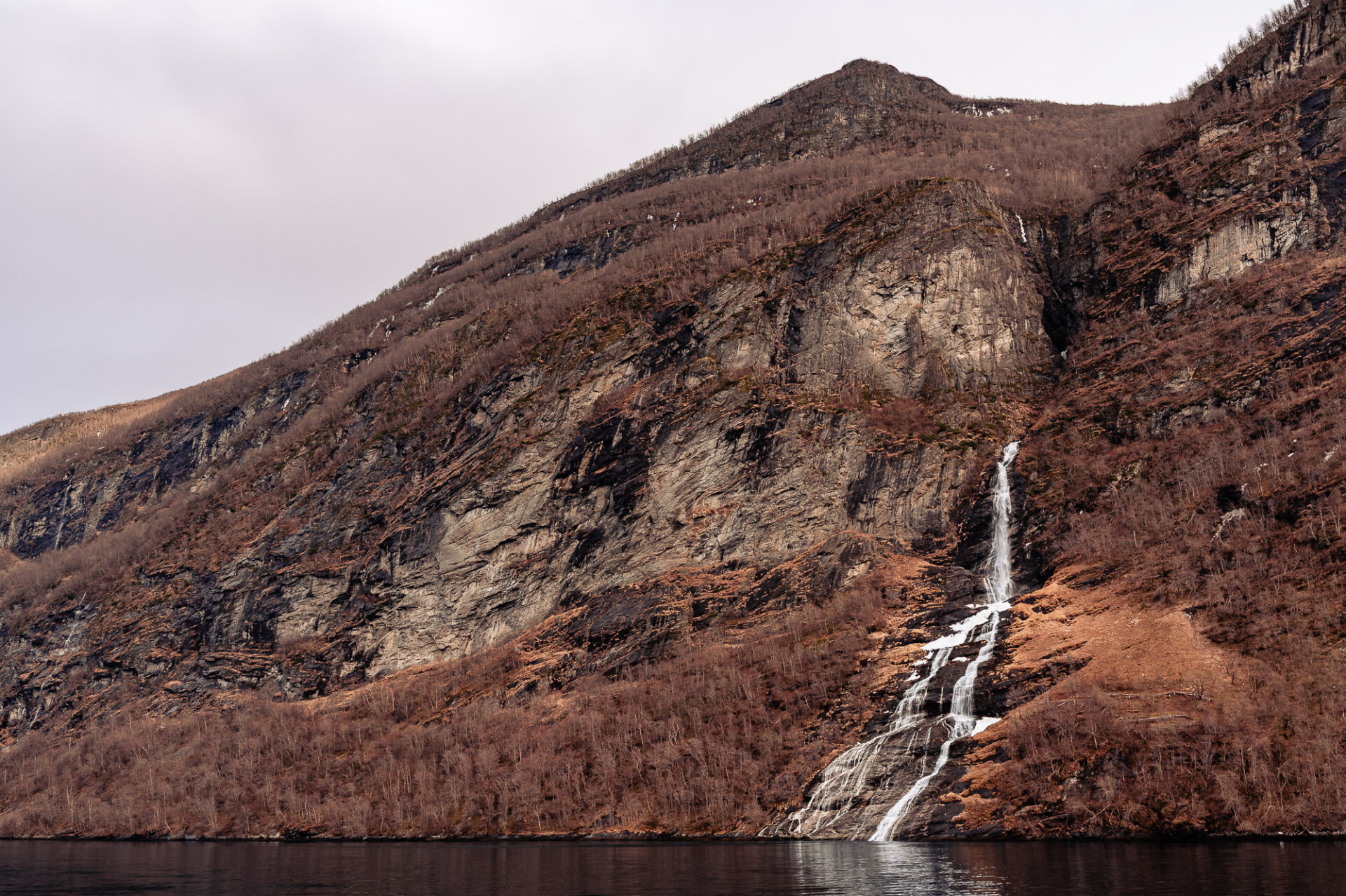
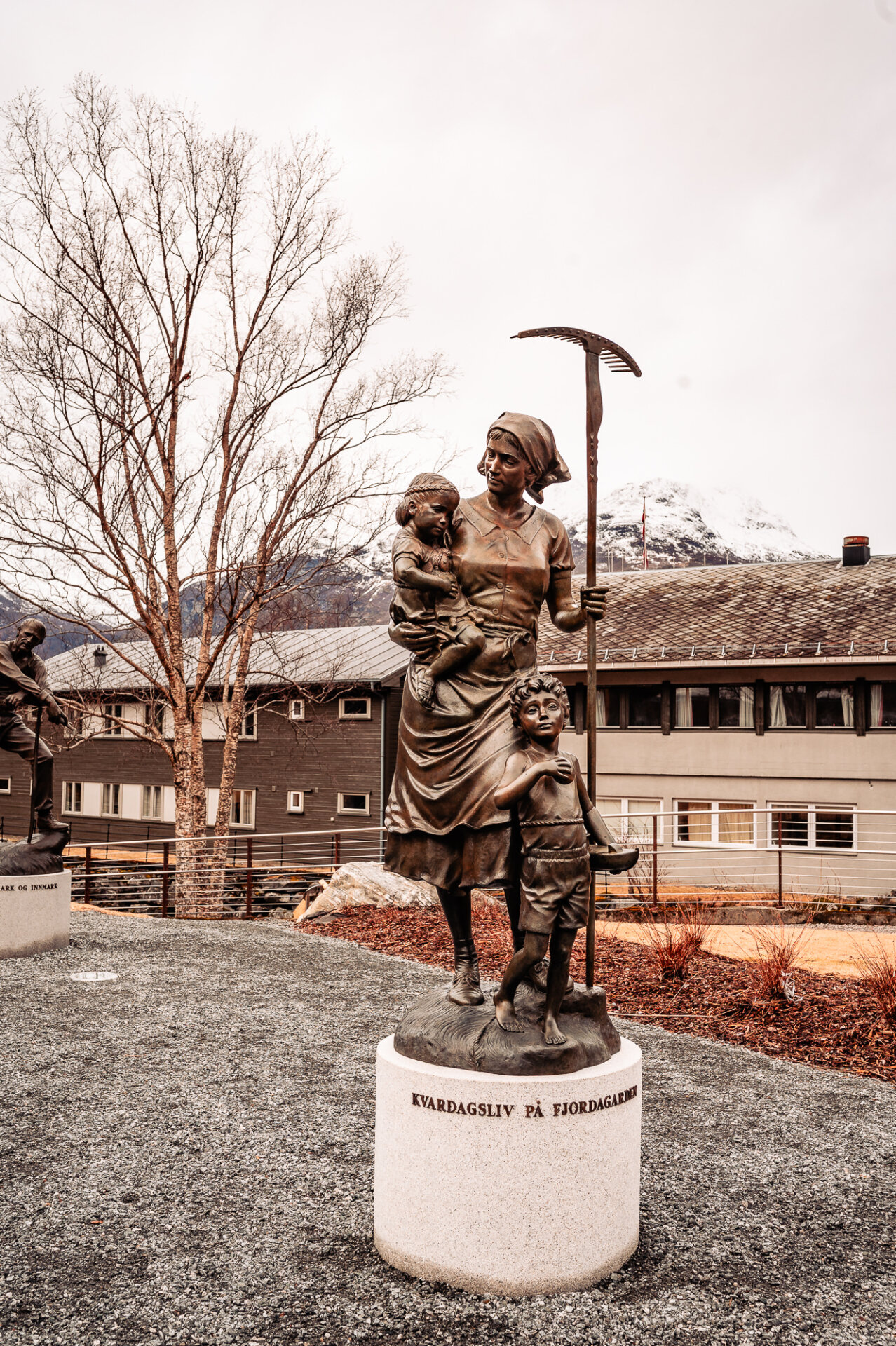
Our route took us through the village of Geiranger, one of Norway’s most celebrated destinations, nestled at the innermost point of the Geirangerfjord, a UNESCO World Heritage Site. The fjord walls rise nearly 1,500 meters on either side, their faces streaked with waterfalls dropping to the dark water below. At the Norwegian Fjord Centre in Geiranger, the story of these ancient waterways, their geology, their ecology, and their place in Norwegian culture is presented clearly and thoughtfully. It added real context to the landscape and made every subsequent fjord view more meaningful.
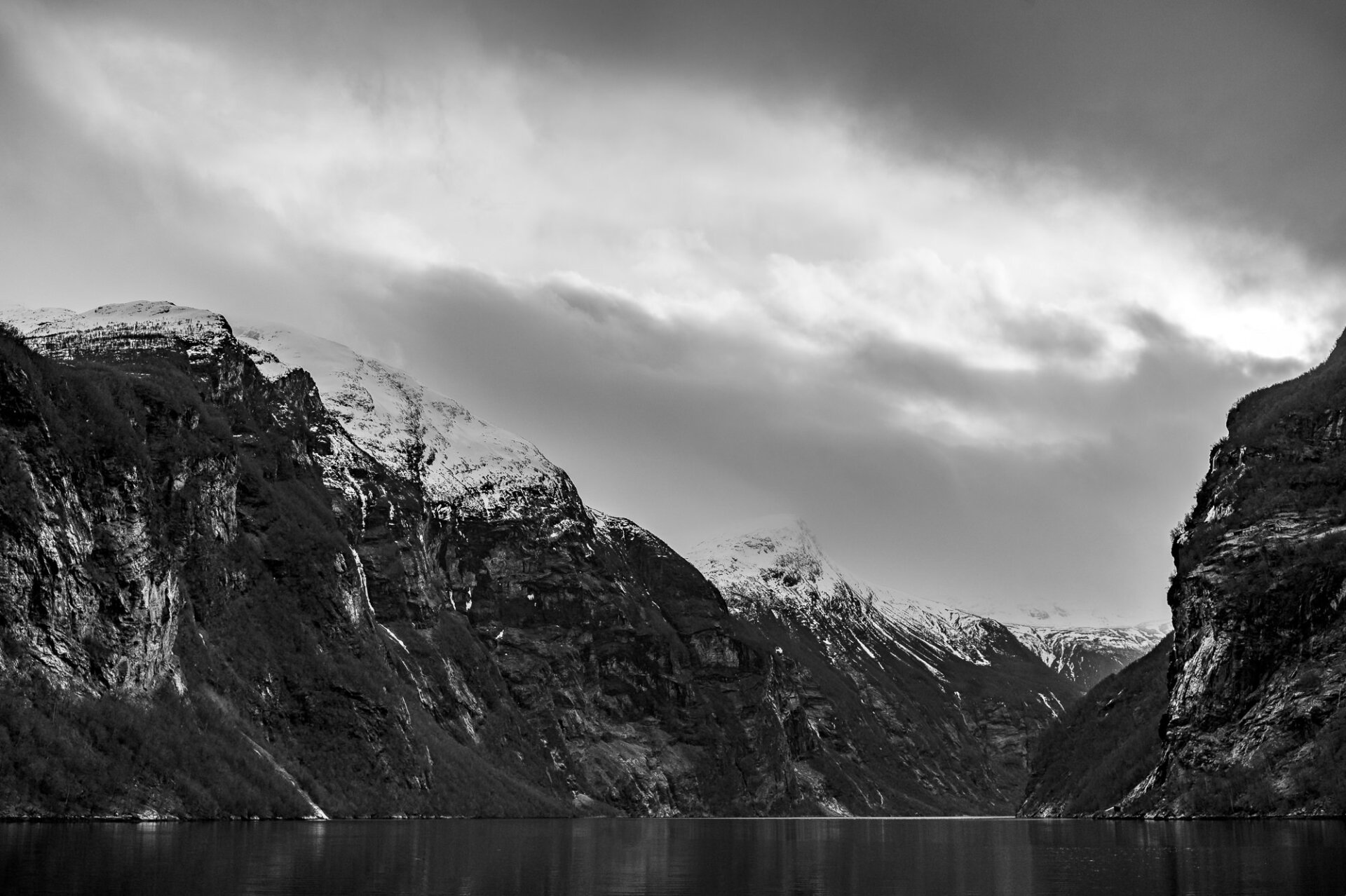
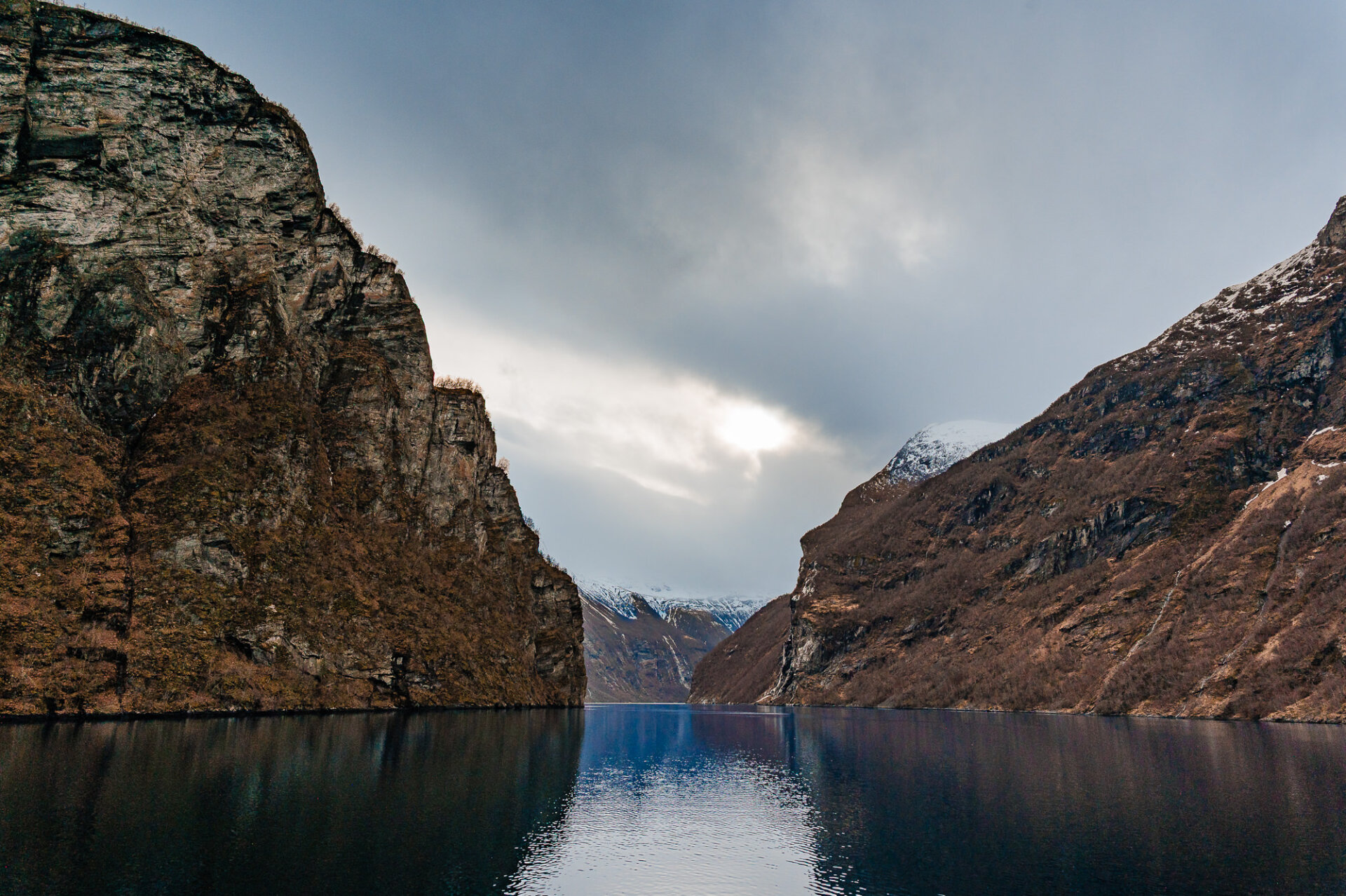
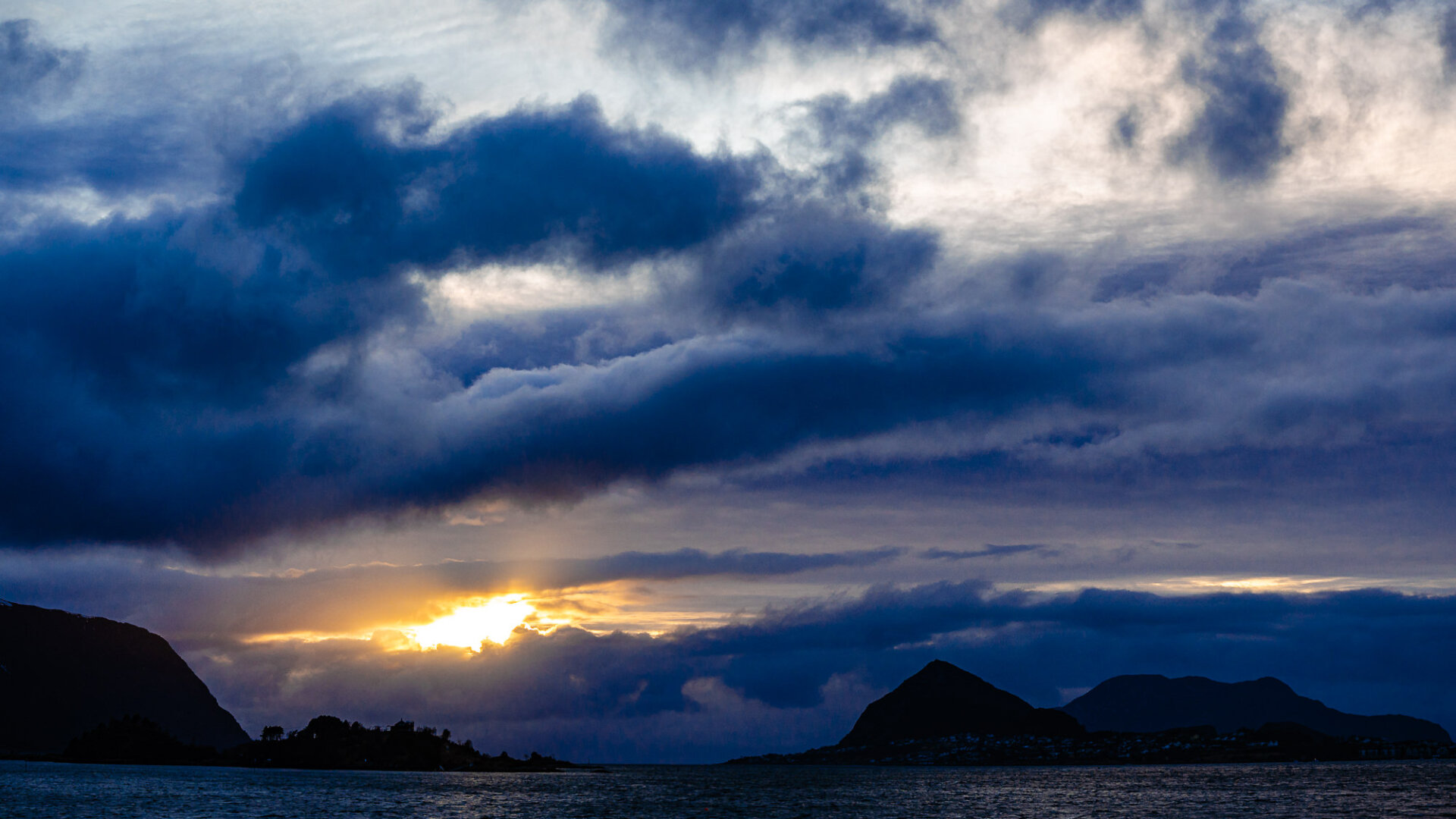
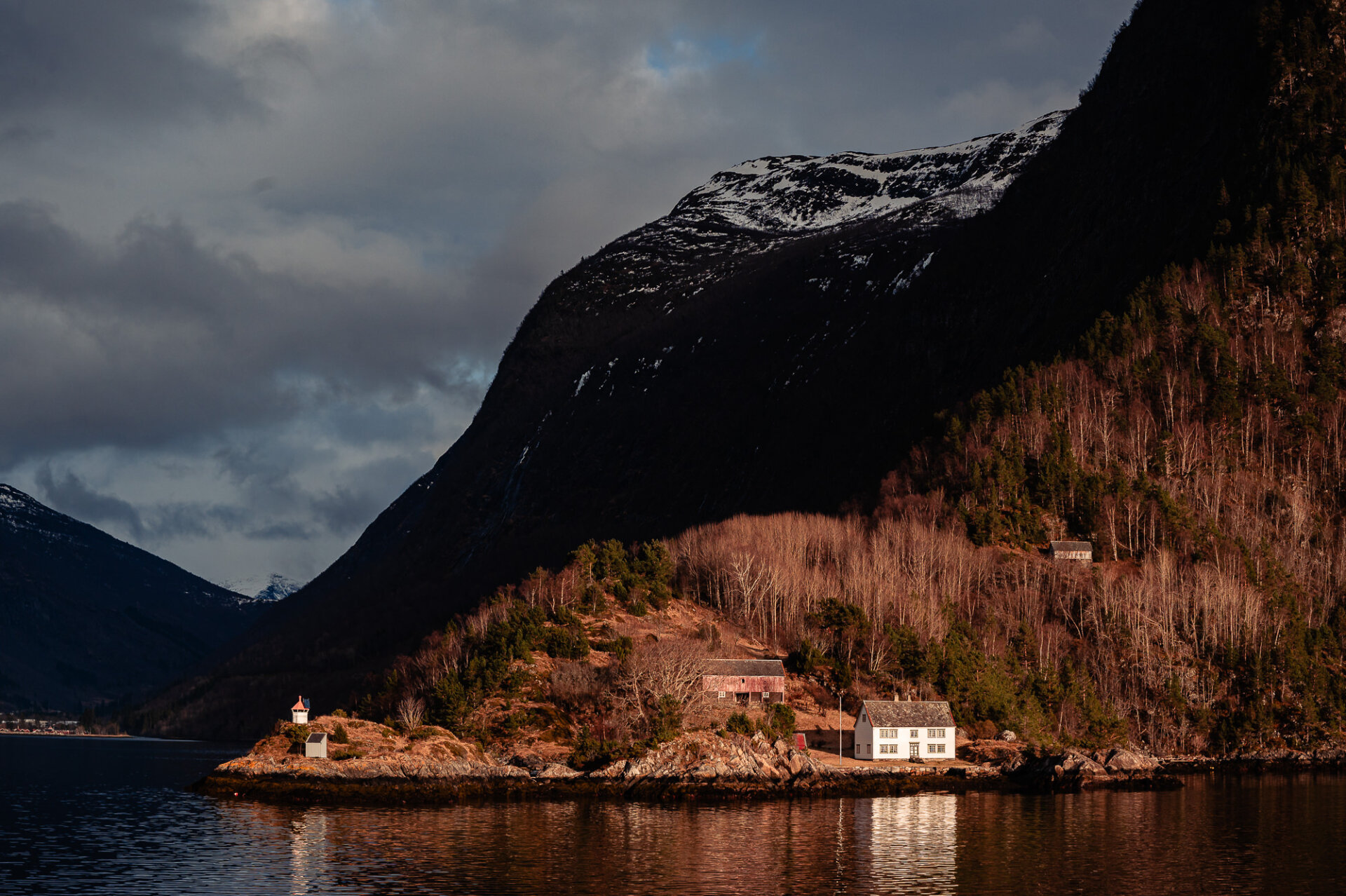
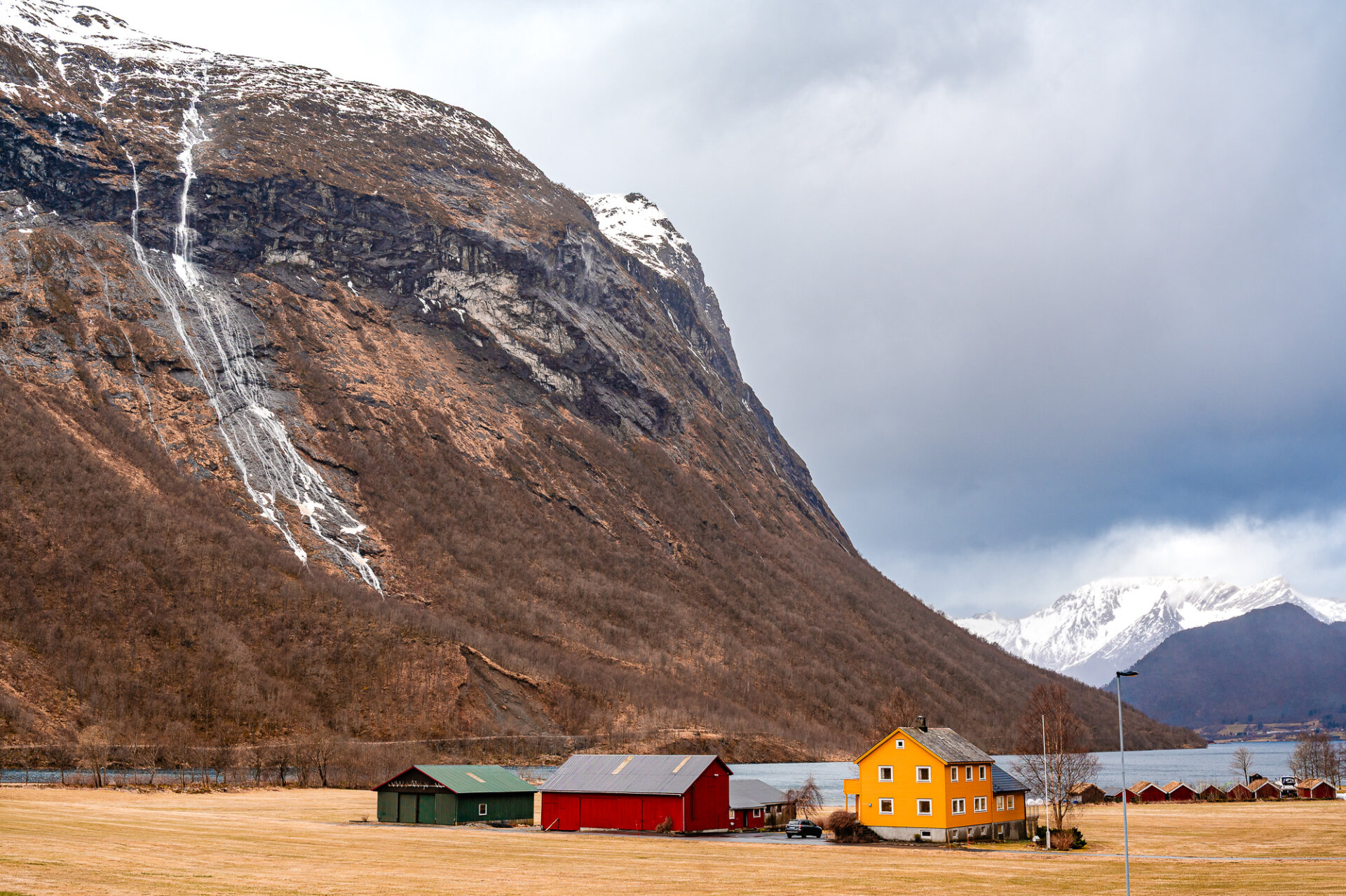
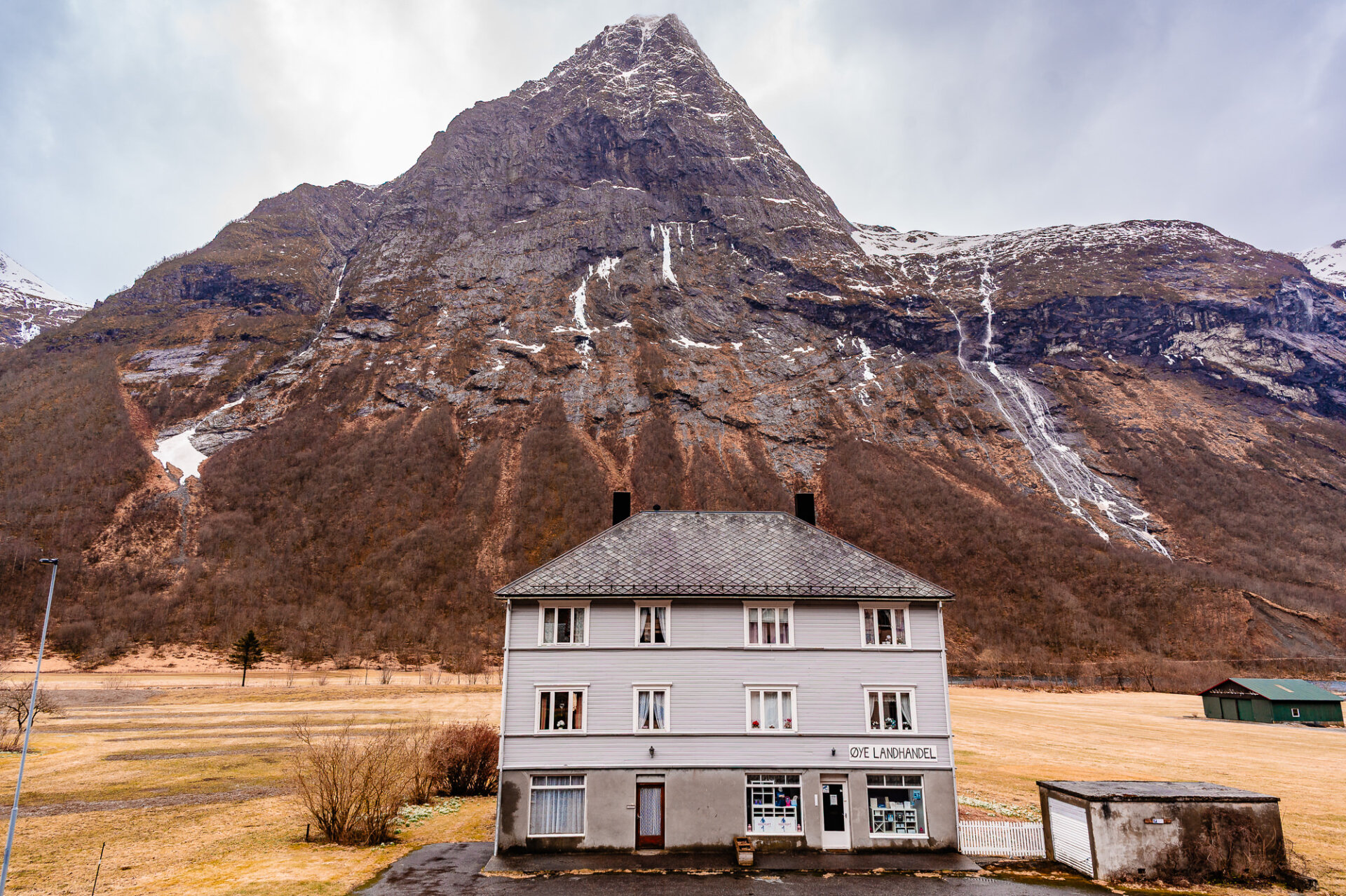
From Geiranger, we continued toward Ålesund. The tiny village of Øye appeared across the water, its traditional wooden buildings mirrored in the calm surface of the Norangsfjord. Steep mountain walls surrounded the village on all sides, creating a breathtaking landscape. It was a brief passing but a striking one, the kind of accidental composition that makes you glad you always have a camera within reach. Further along the coast, Haugesund emerged in the distance, its colorful waterfront façades and church spires standing quietly against the grey Norwegian sky. The town exuded a modest beauty that is characteristic of many smaller Norwegian towns.
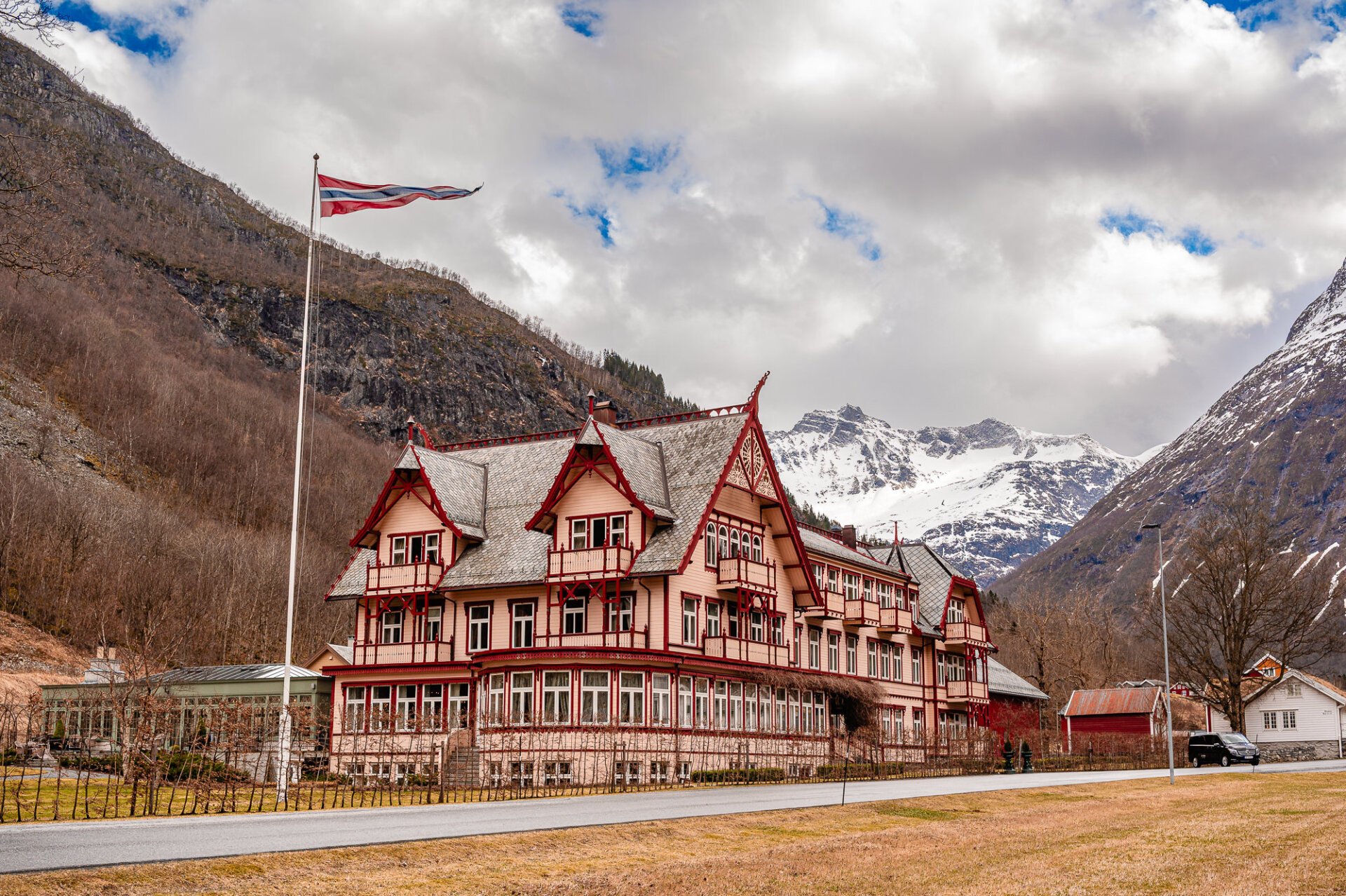
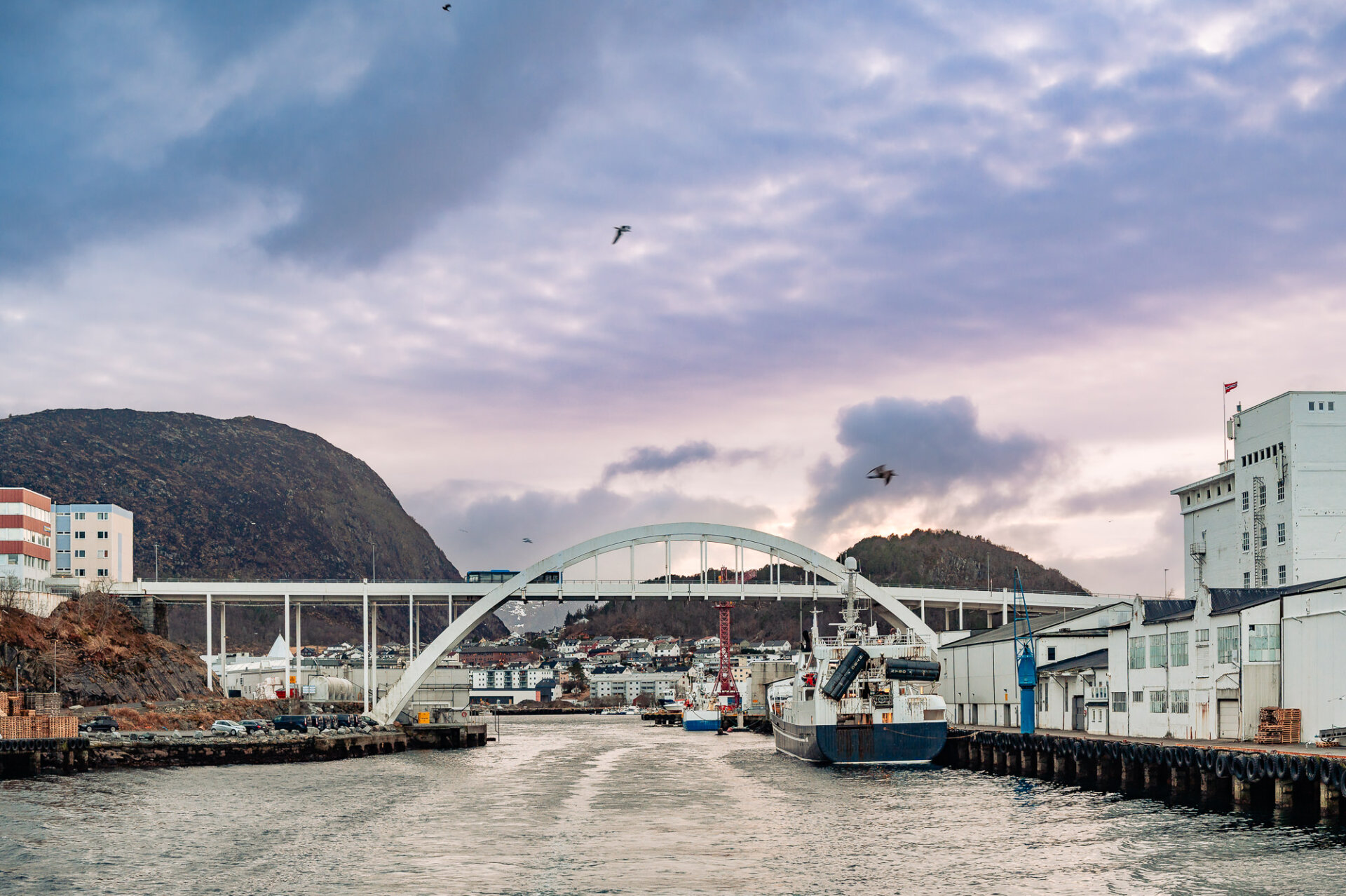
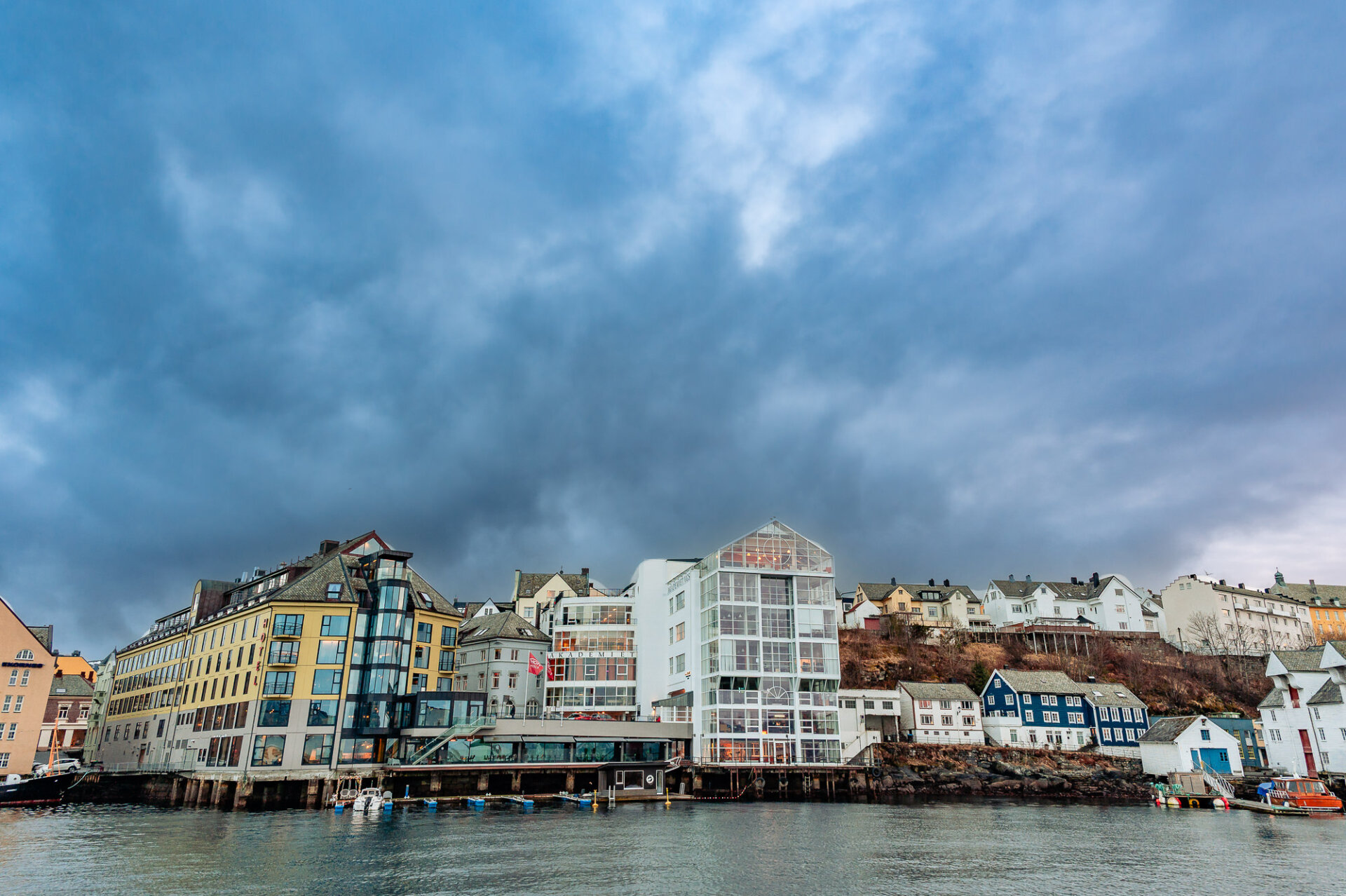
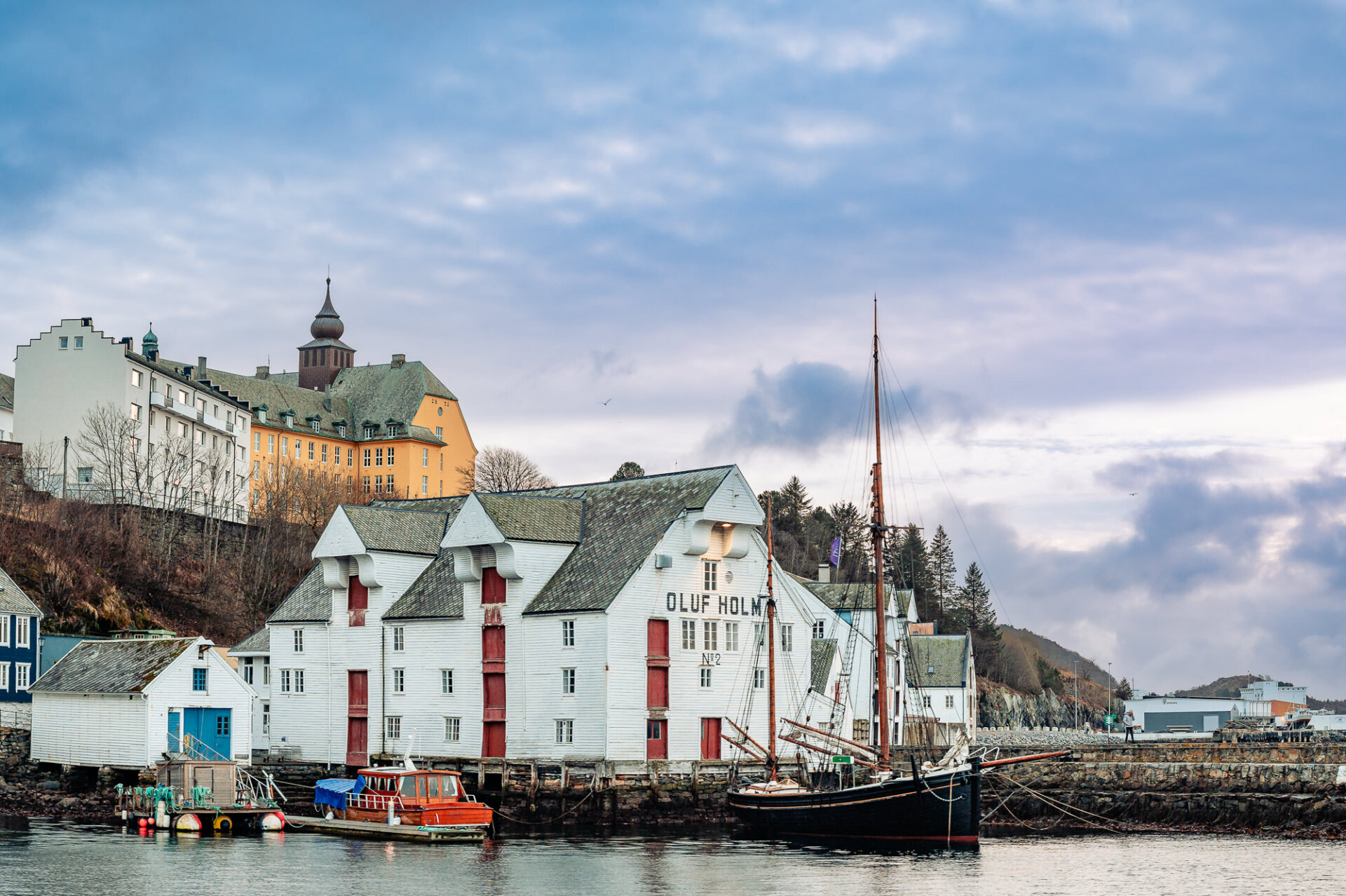
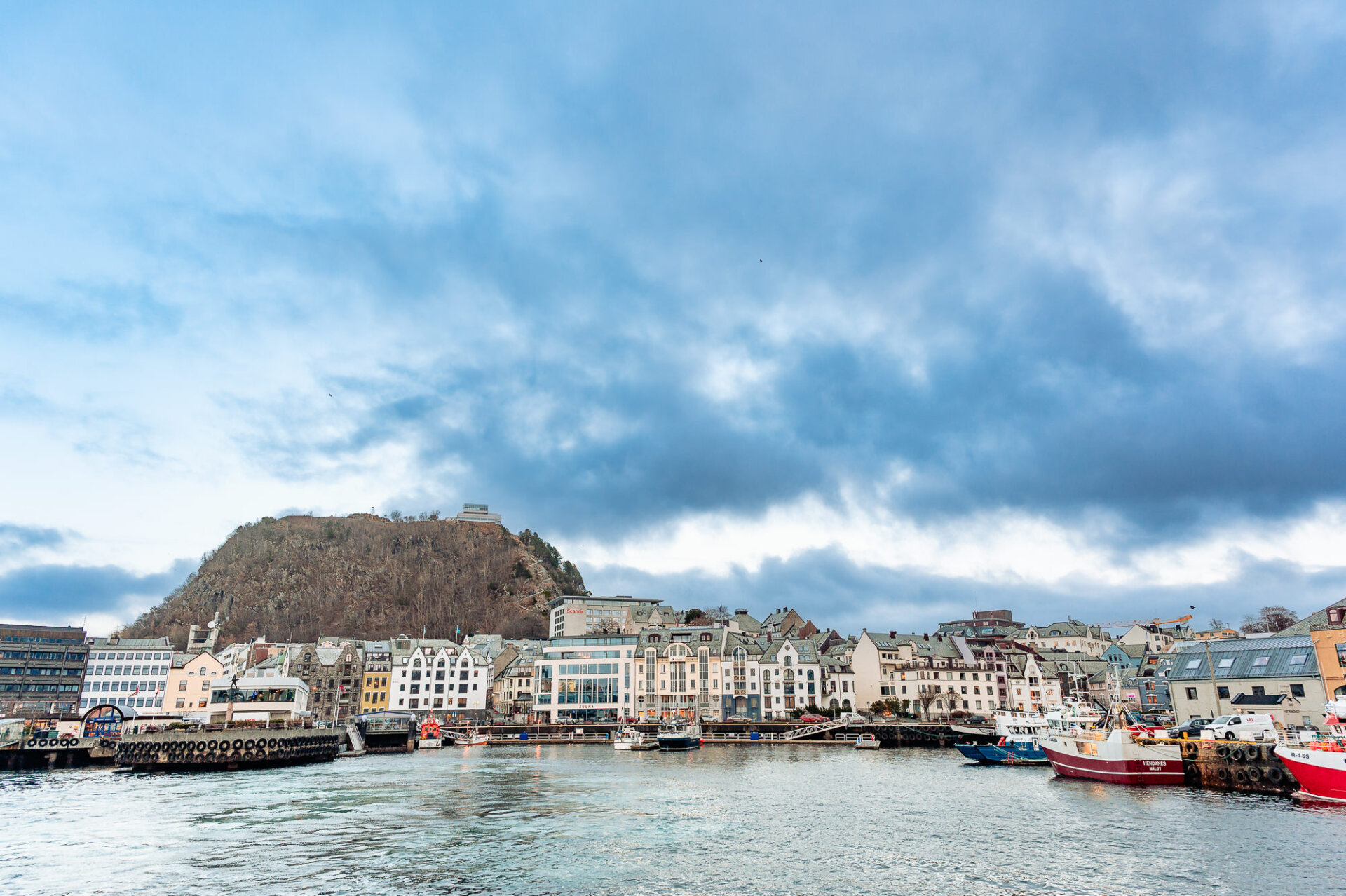
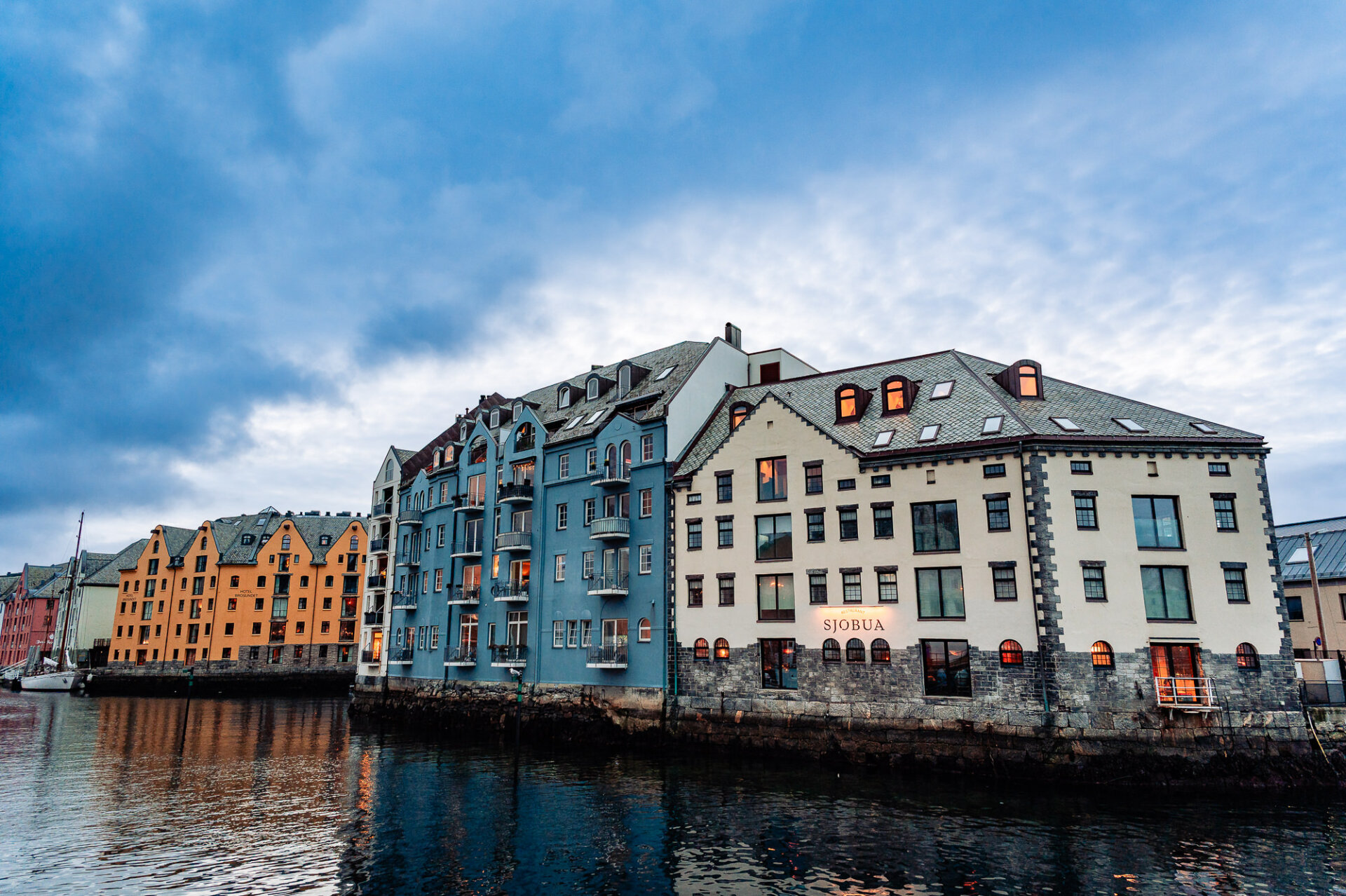
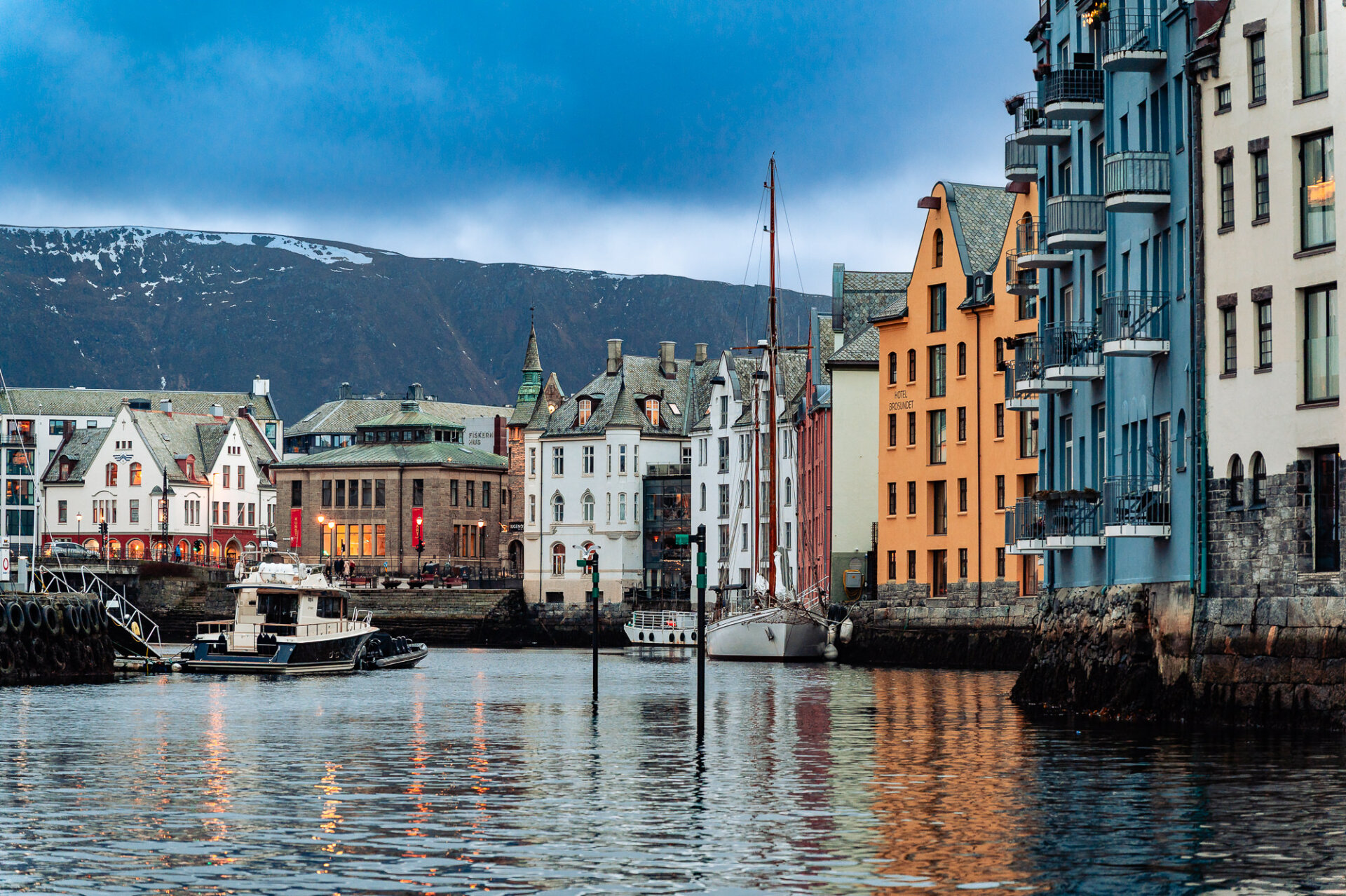
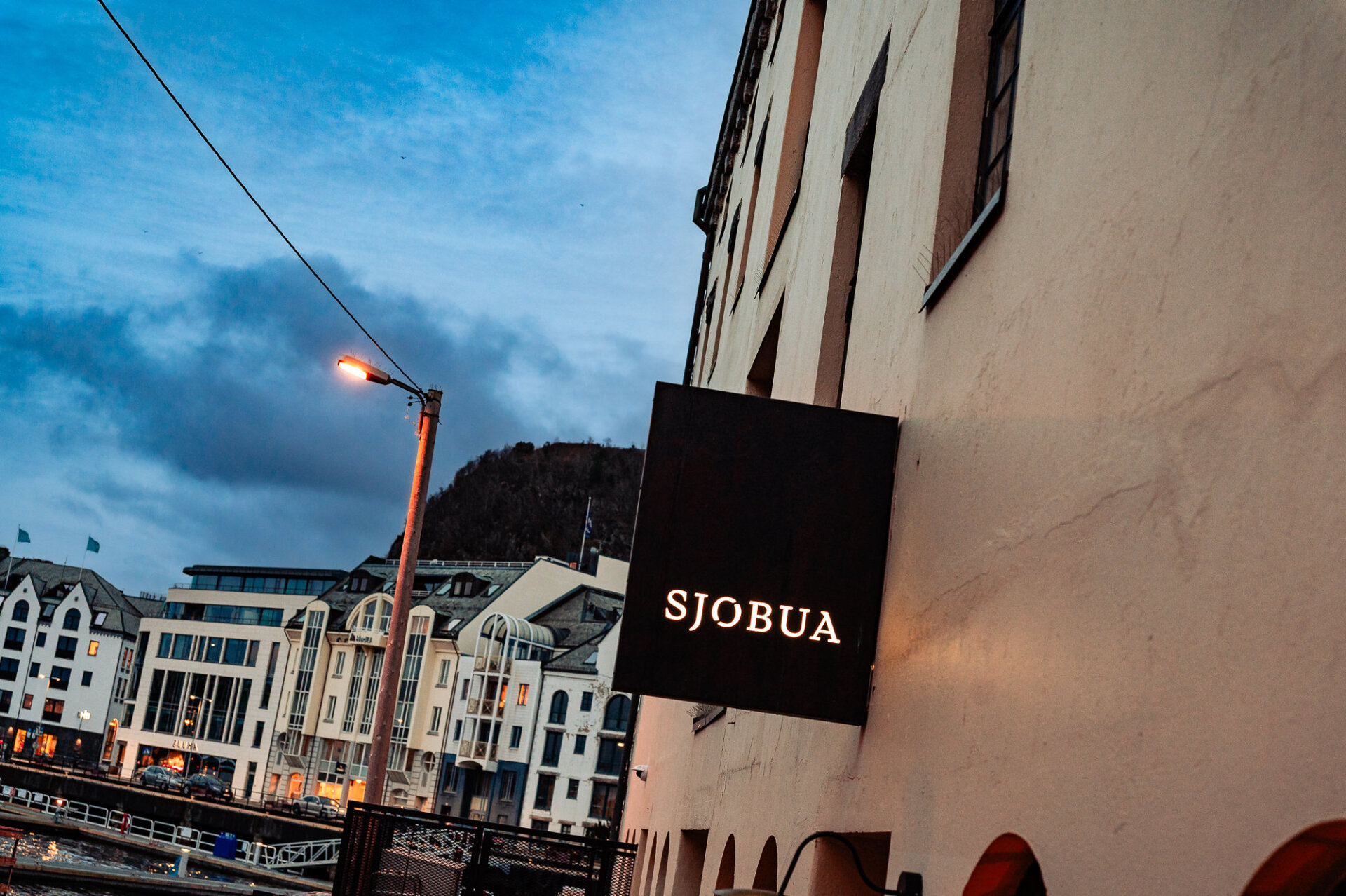
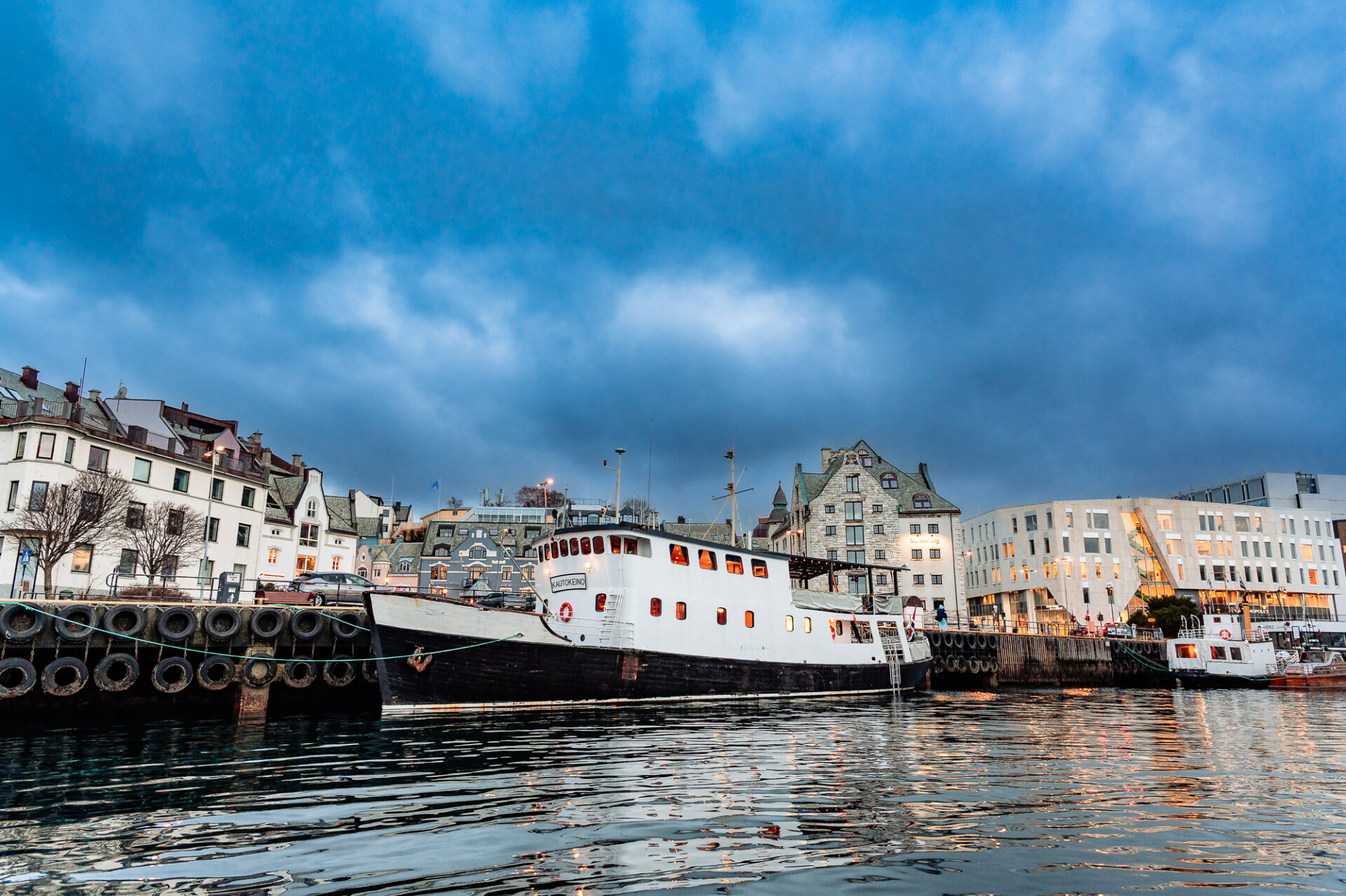
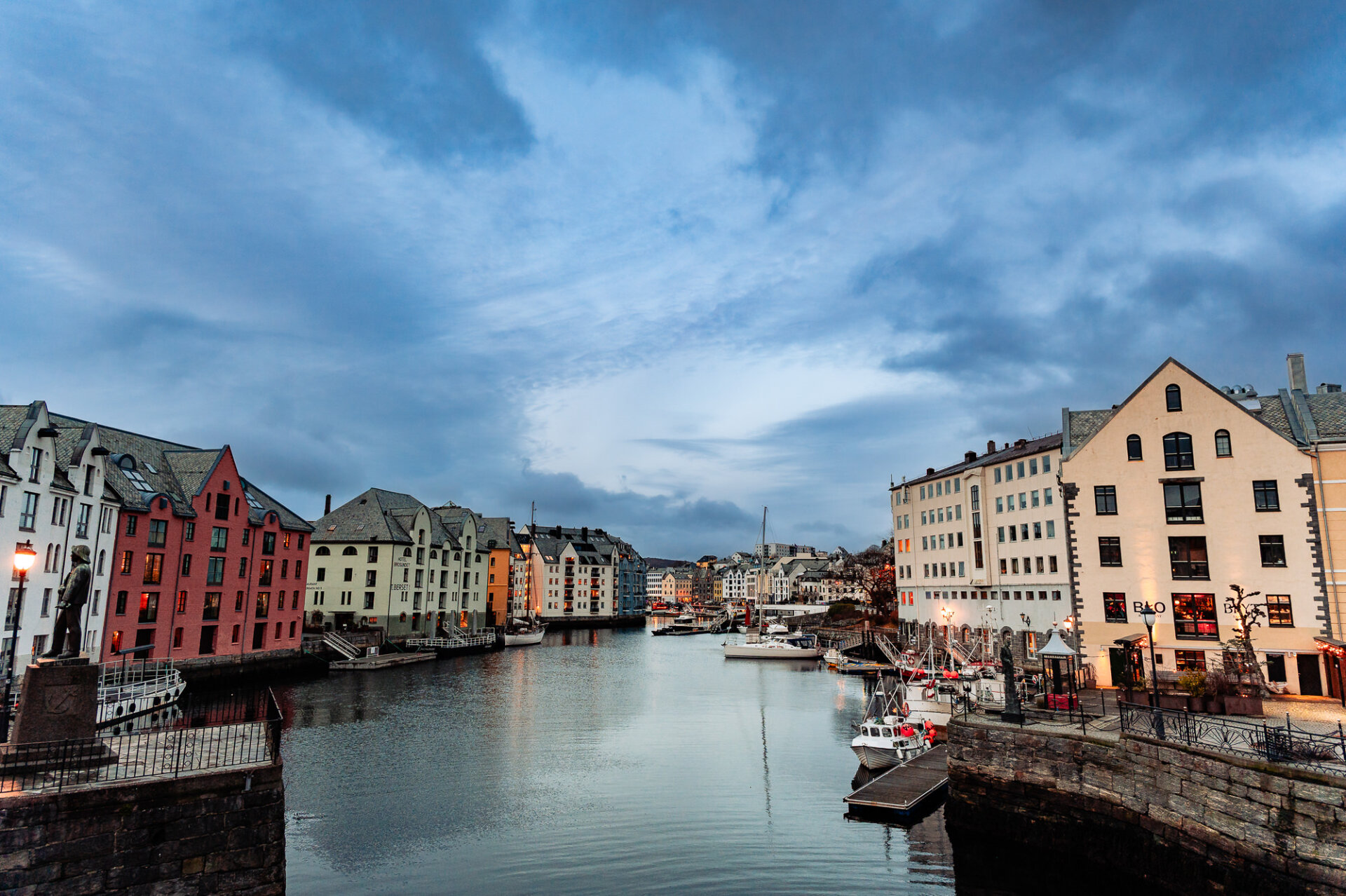
Ålesund is a coastal town with one of the most distinctive skylines in Scandinavia. The town was almost entirely rebuilt in the Art Nouveau style following a devastating fire in 1904. Walking its streets in the low arctic light, camera in hand, was a genuinely rewarding experience. Every facade carries the organic forms and ornamental detail that define the style, and the harbor below reflects the surrounding islands beautifully.
Final Reflections
Looking back, starting in Poland gave the trip its foundation. Everything that followed built on that, moving from history to landscape, from structure to openness, from observation to something quieter and more personal.
It is rare for a journey to hold that kind of progression from beginning to end.
This one did, and we will be going back.
Follow the journey: ralphdeal.com

