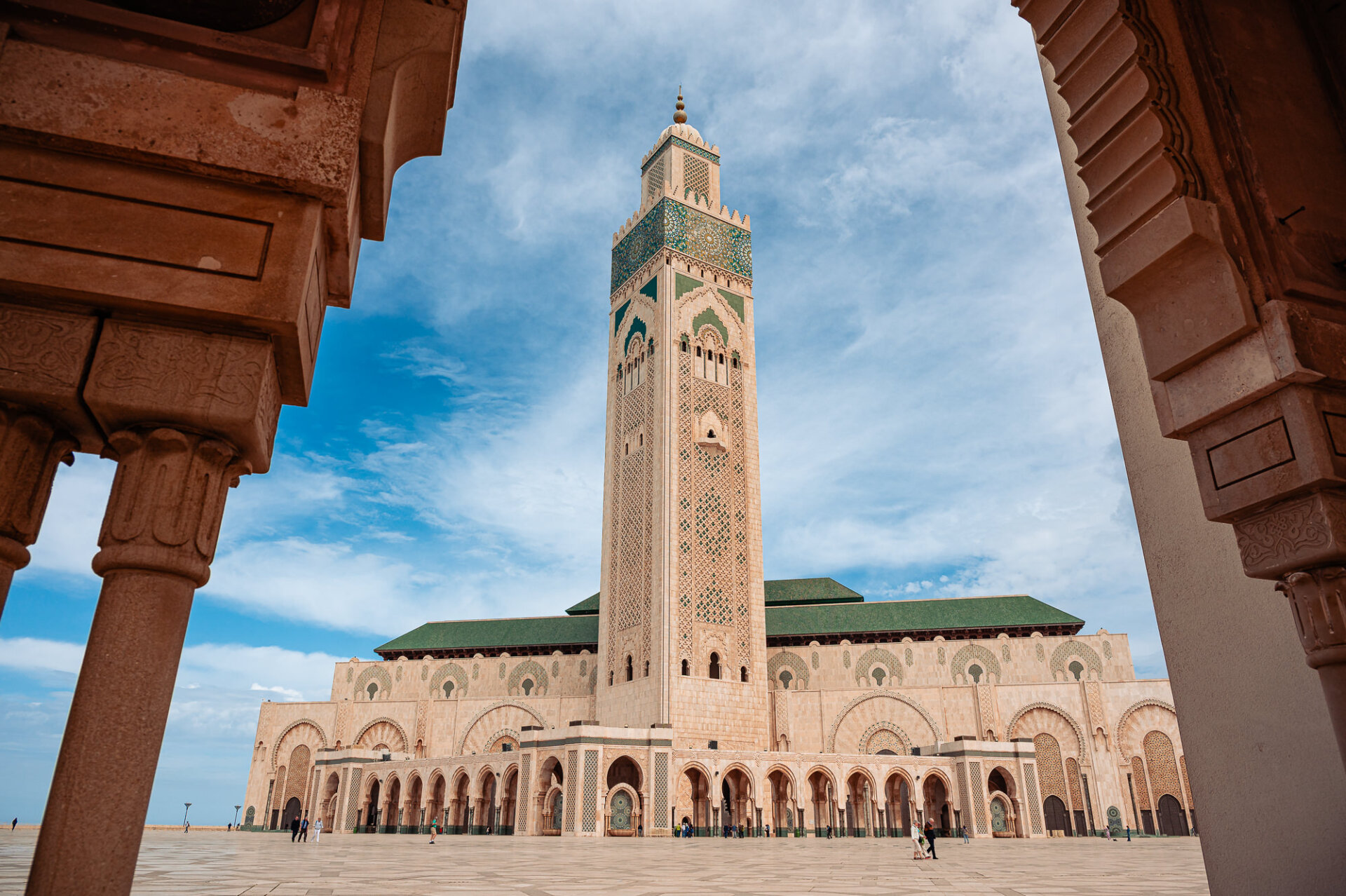
Two Families, One Story: A Journey to Casablanca, Morocco
There are trips you take for adventure. There are trips you take for beauty. And then there are trips that carry something heavier and sweeter than either of those things: trips that are, at their heart, about love.
Our journey to Morocco was one of the latter.
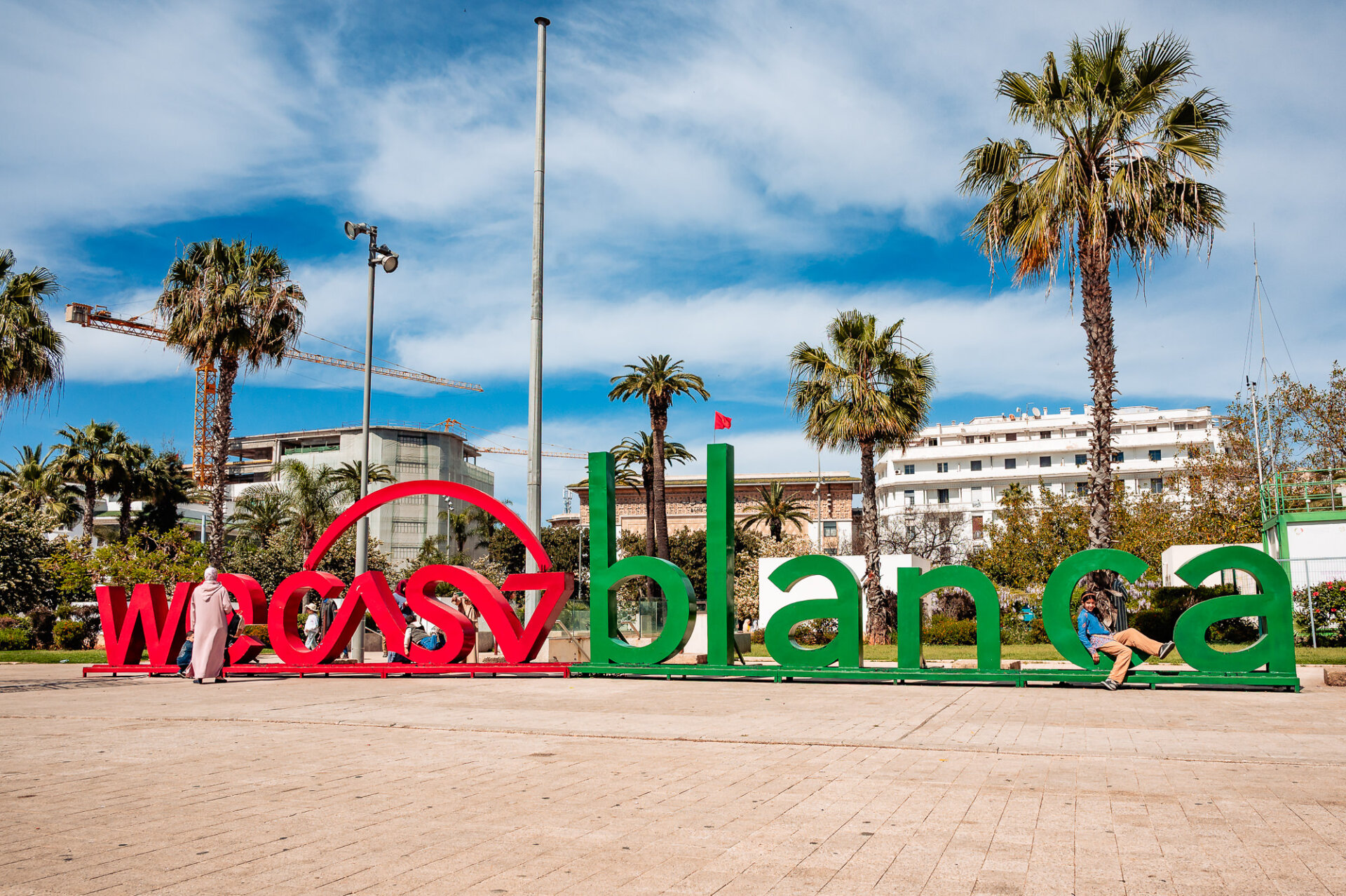
My wife and I traveled to Casablanca not as tourists, not as photographers, not as wanderers in search of the next great image, but as a family, crossing an ocean and a continent to sit across a table from another family and say, in the most meaningful way we know how: we welcome your child into ours. In Moroccan tradition, this moment has a name, the Khotba — a formal, deeply sacred coming-together of two families before a wedding, sealed with prayer, tea, and the particular warmth that only shared celebration can generate.
It was, without question, one of the most moving experiences of my life. And the city that held it — Casablanca, warm and welcoming and endlessly surprising, proved to be the most perfect backdrop imaginable.
The Four Seasons Hotel Casablanca: Our Home Away From Home
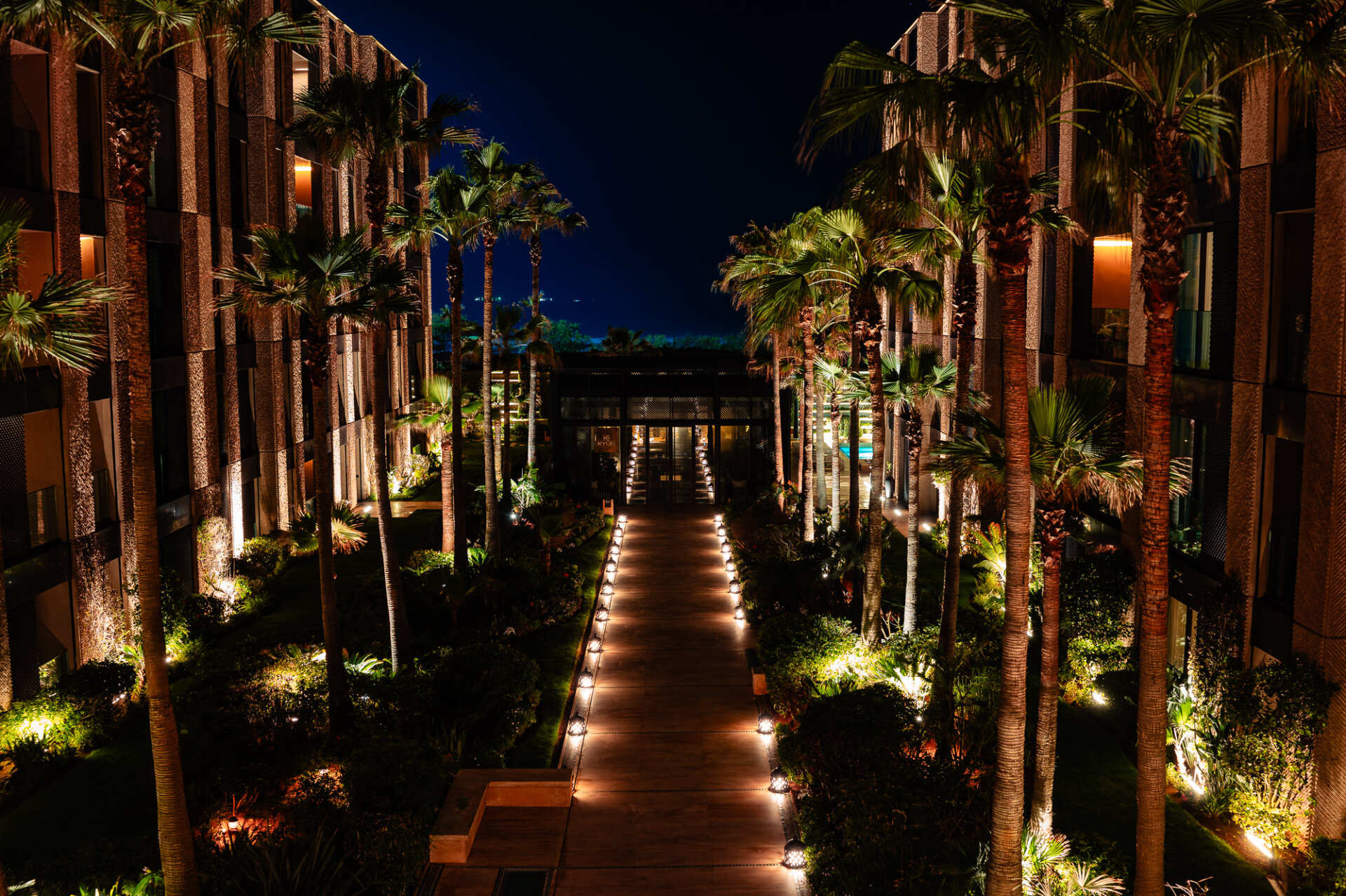
We stayed at the Four Seasons Hotel Casablanca, perched along the city’s Atlantic coastline, and it set the tone for everything that followed. Elegant, gracious, and suffused with that particular quality of hospitality that makes you feel simultaneously cared for and completely at ease, it was exactly the right place to anchor a trip of this significance.
Fun Fact: Casablanca sits on Morocco’s Atlantic coast and is the country’s largest city and economic capital, a fact that surprises many visitors who expect Marrakech or Fez to hold that distinction.
Hassan II Mosque: A Monument of Faith and Beauty
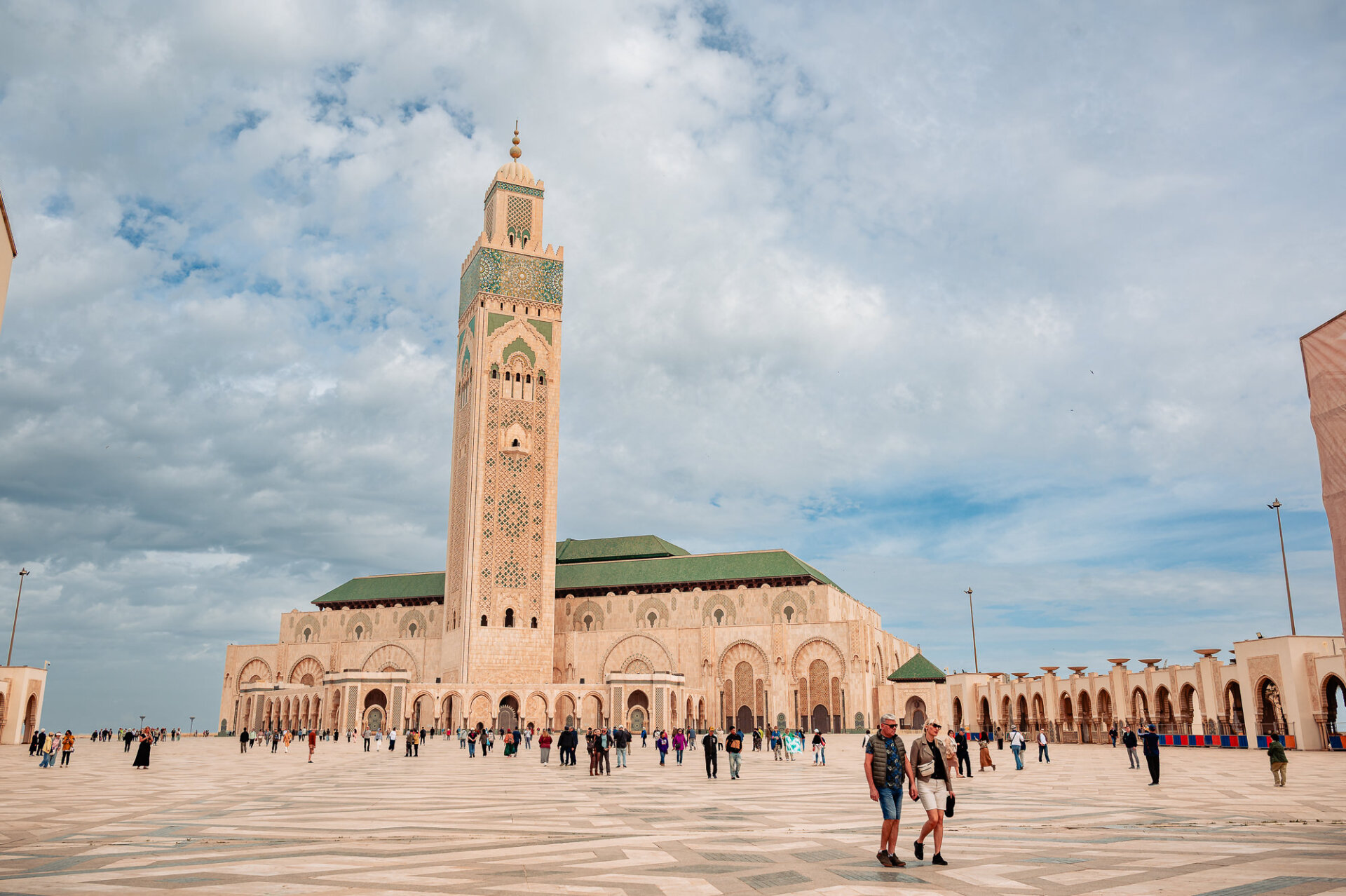
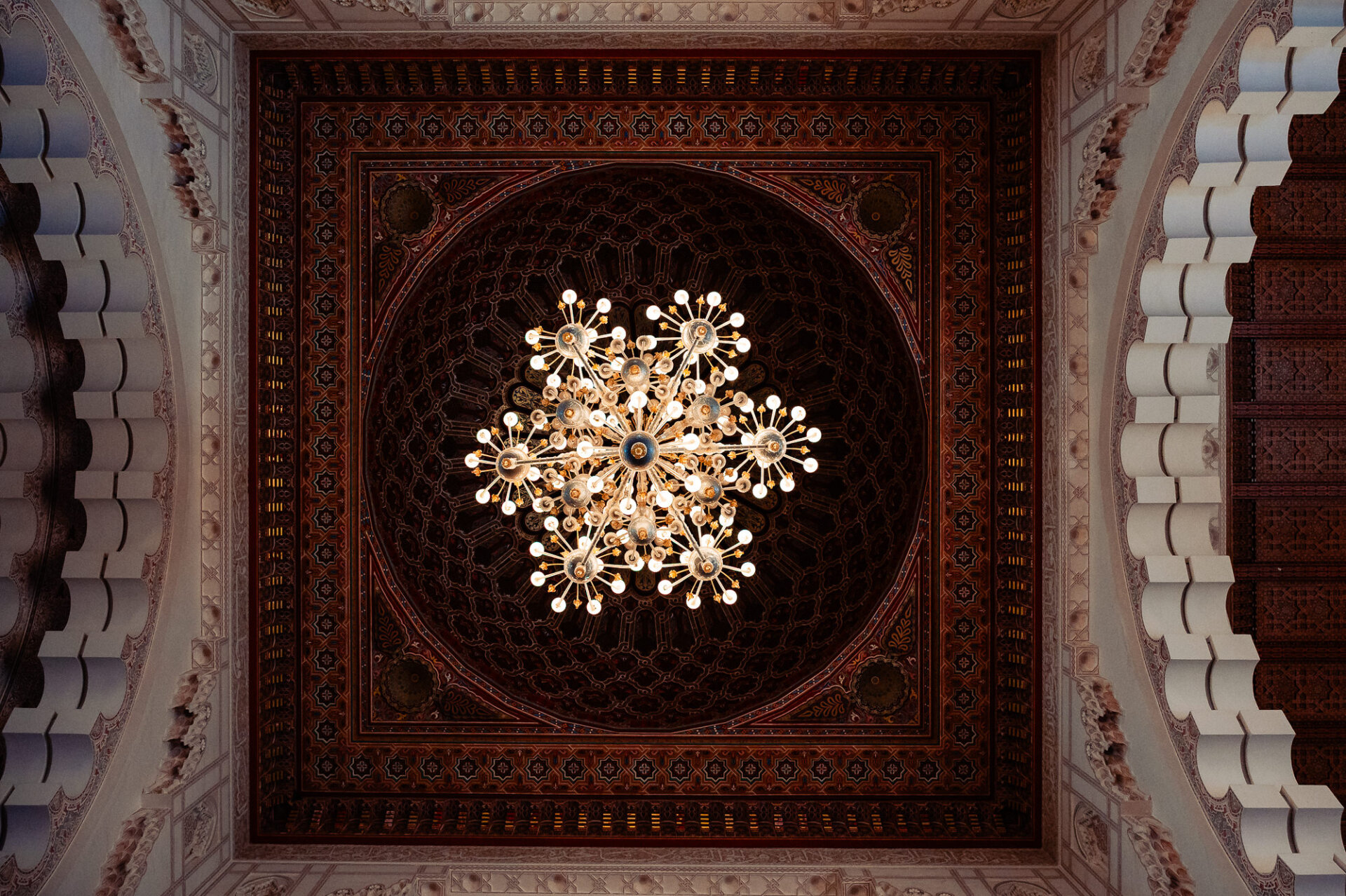
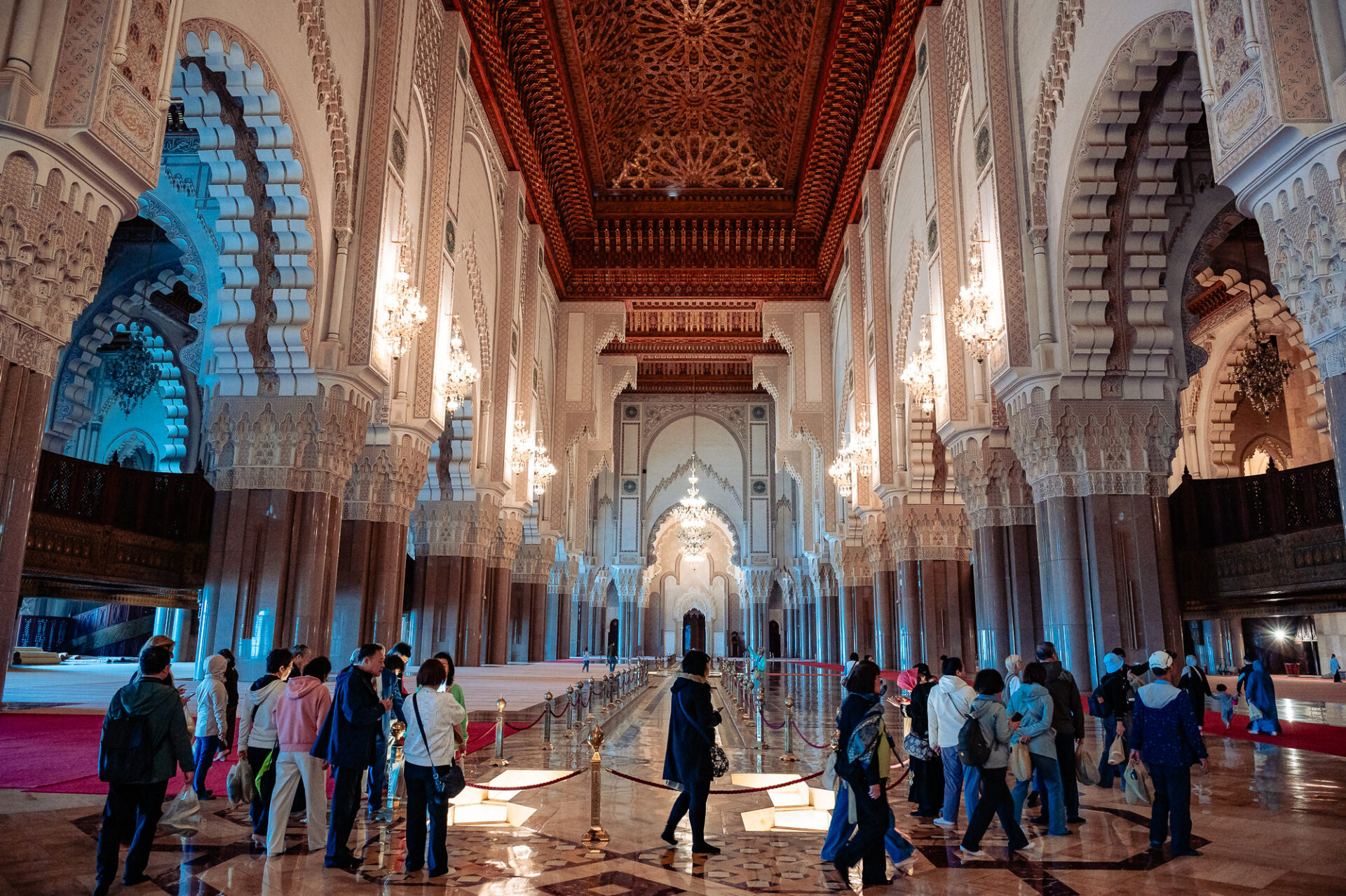
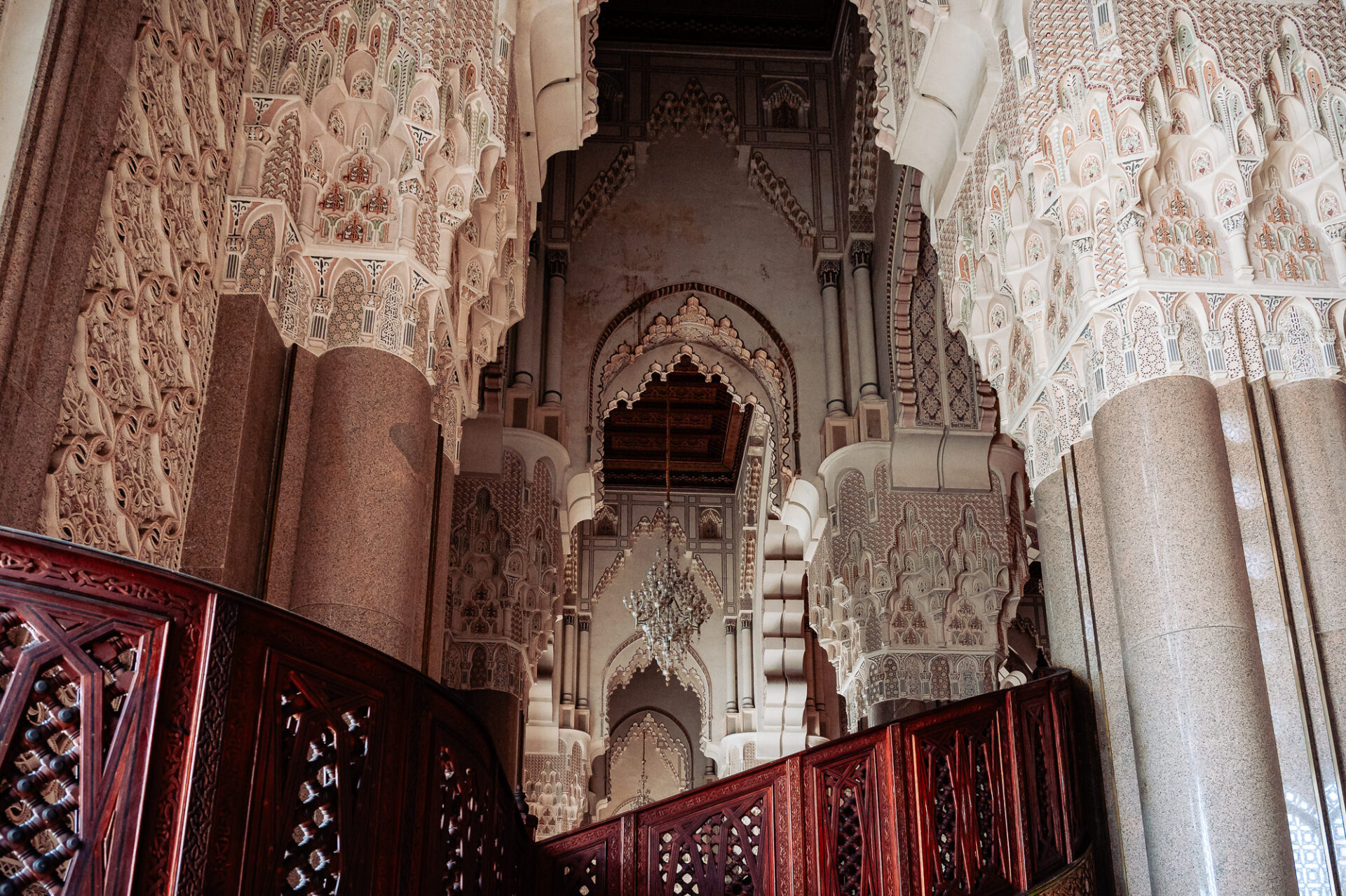
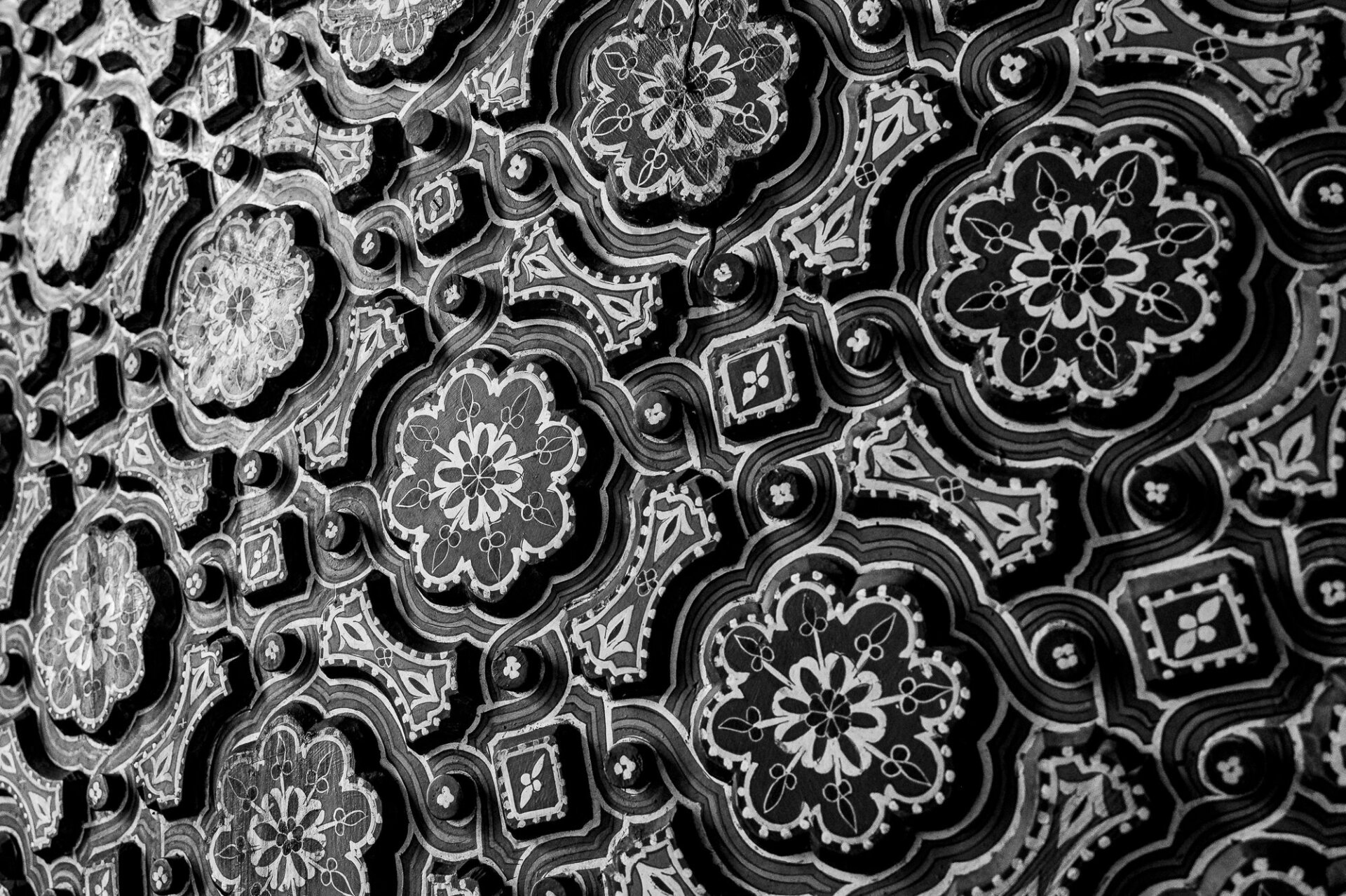
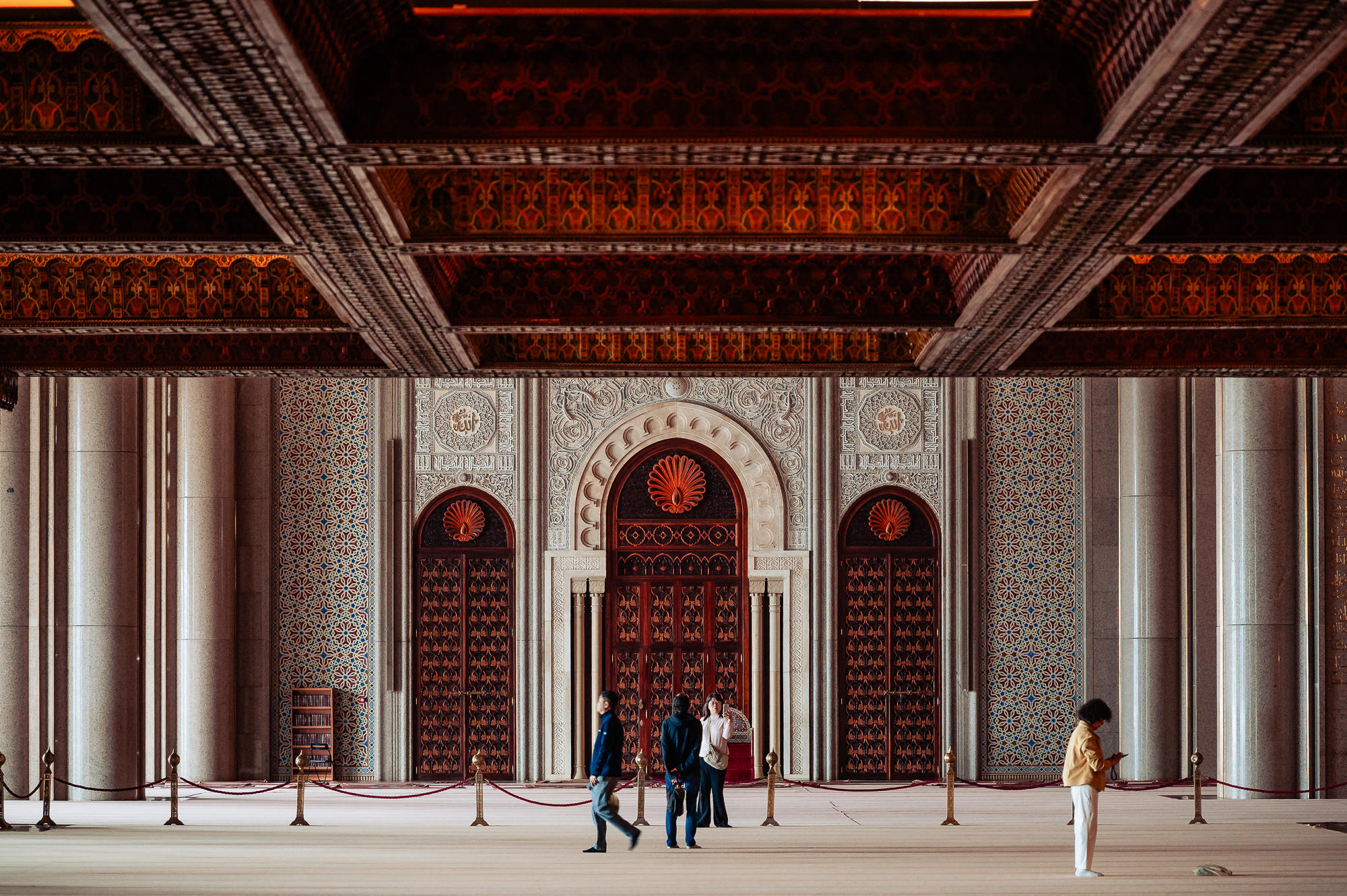
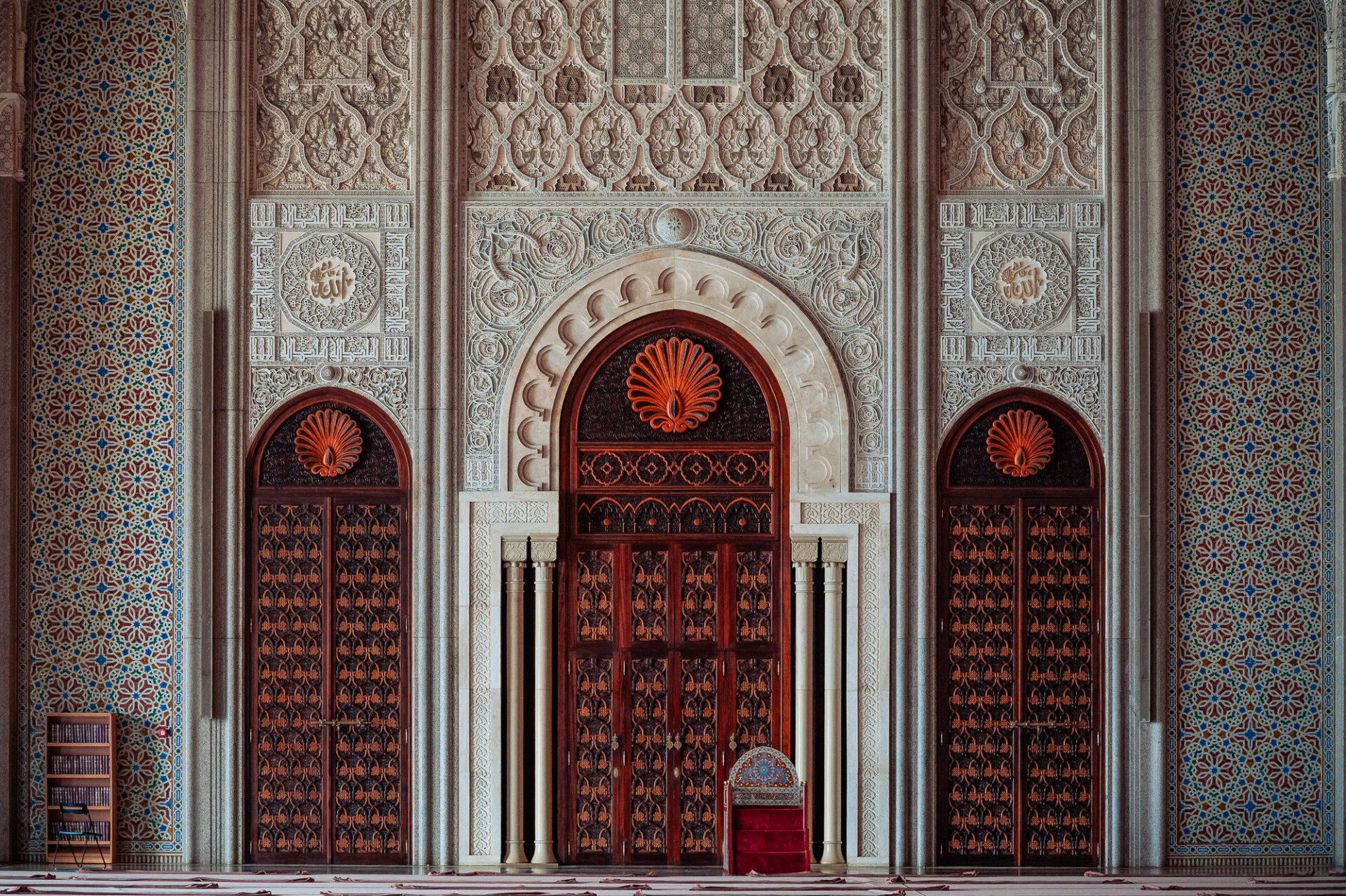
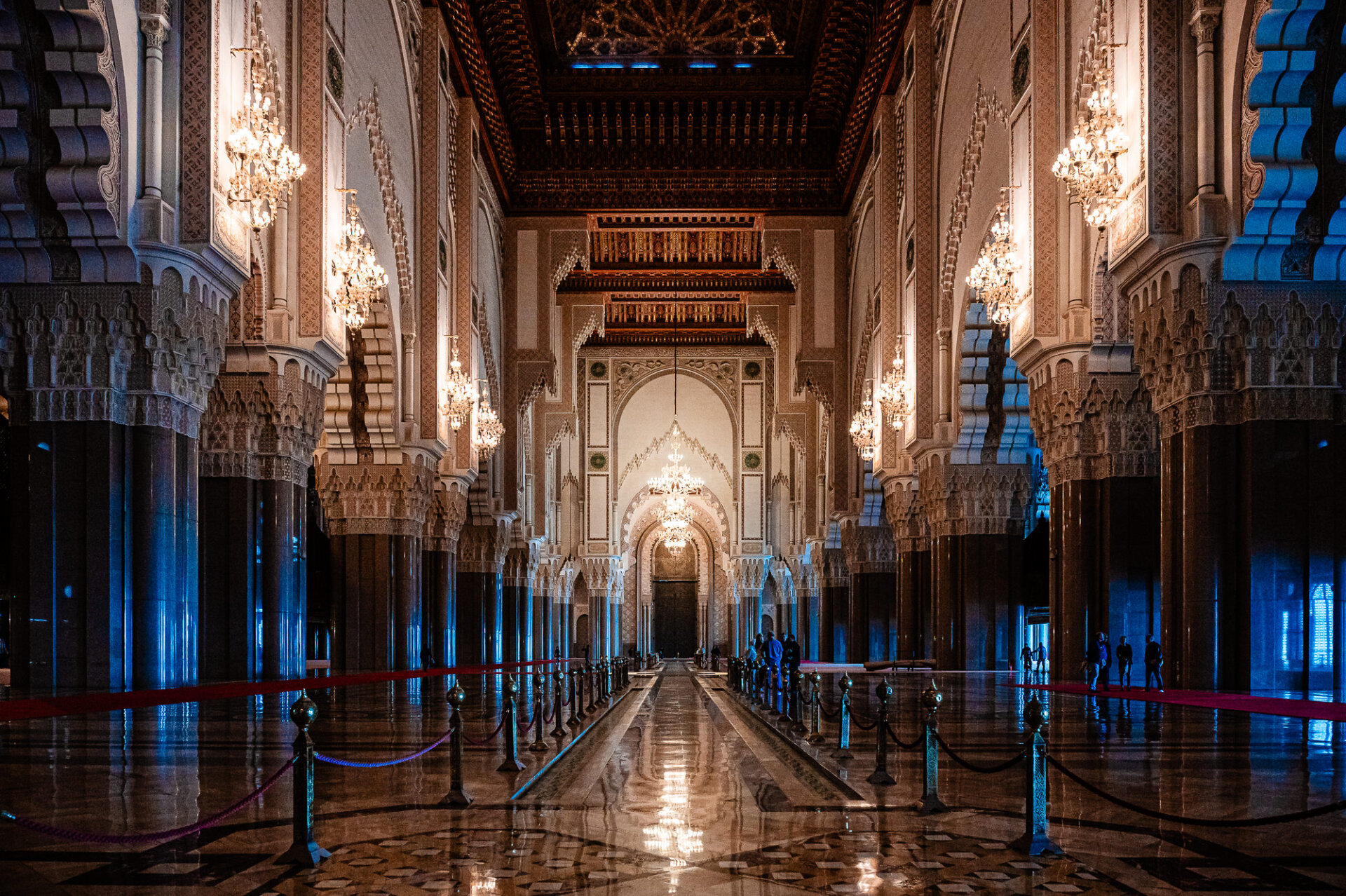
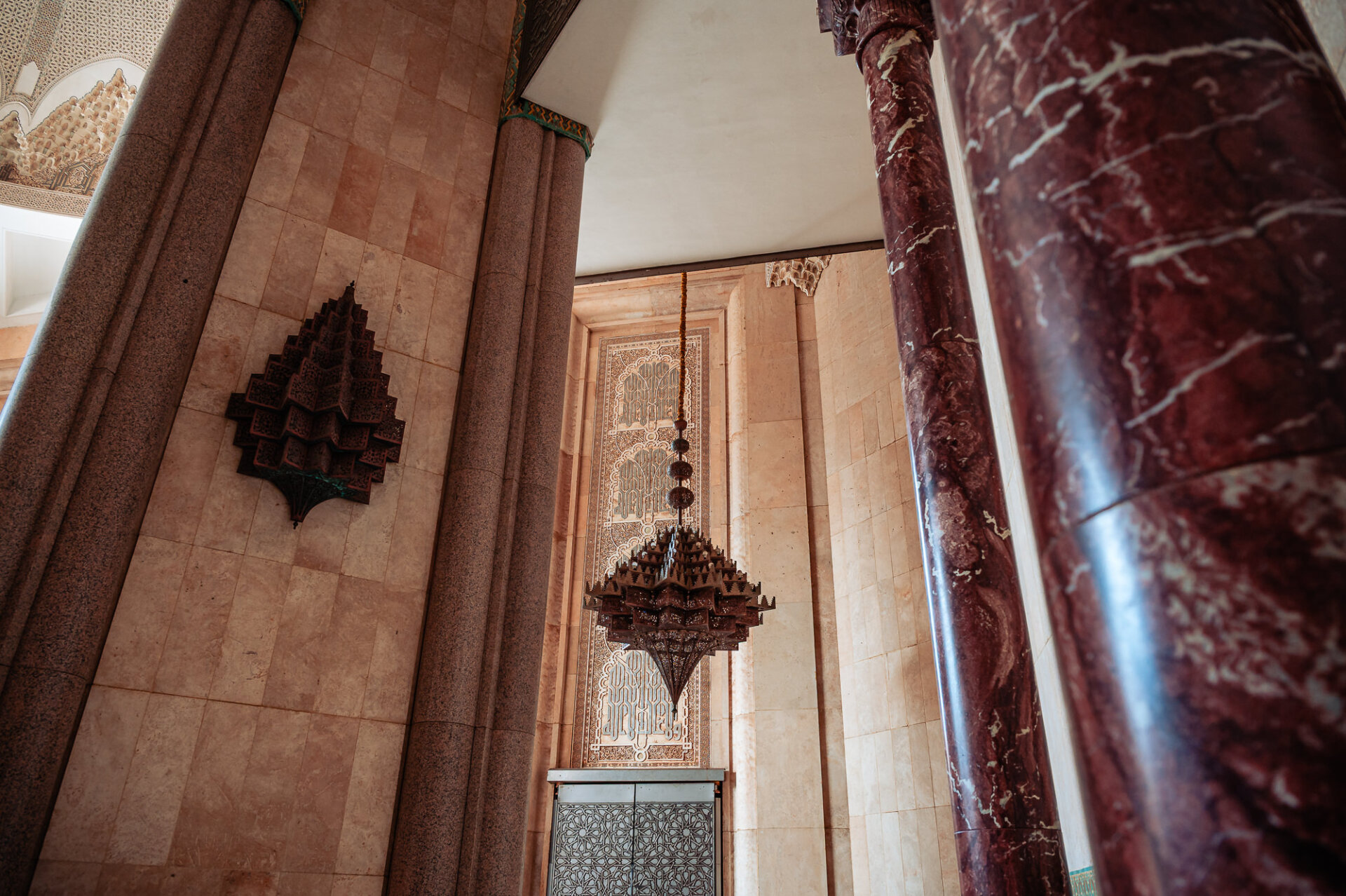
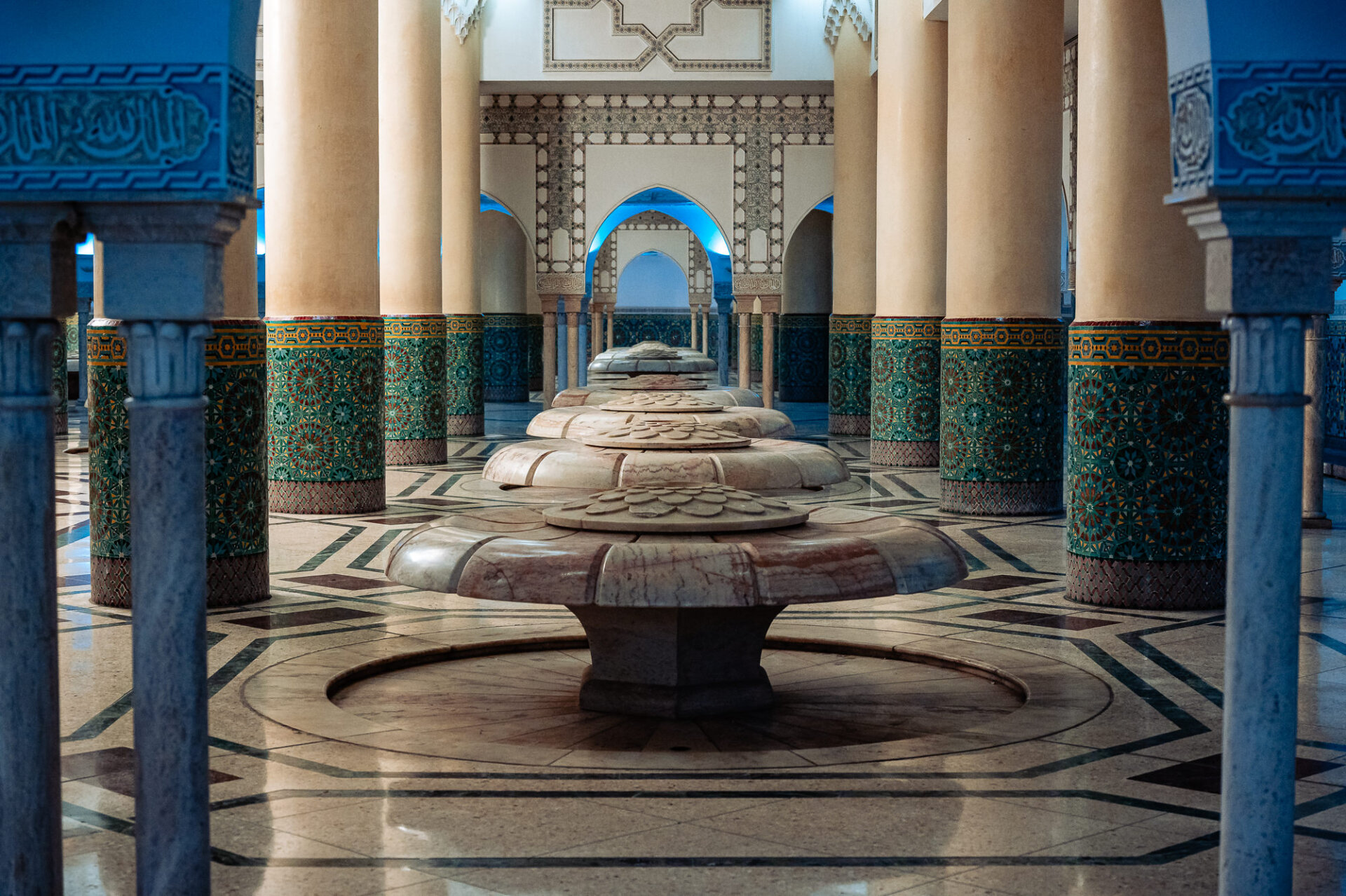
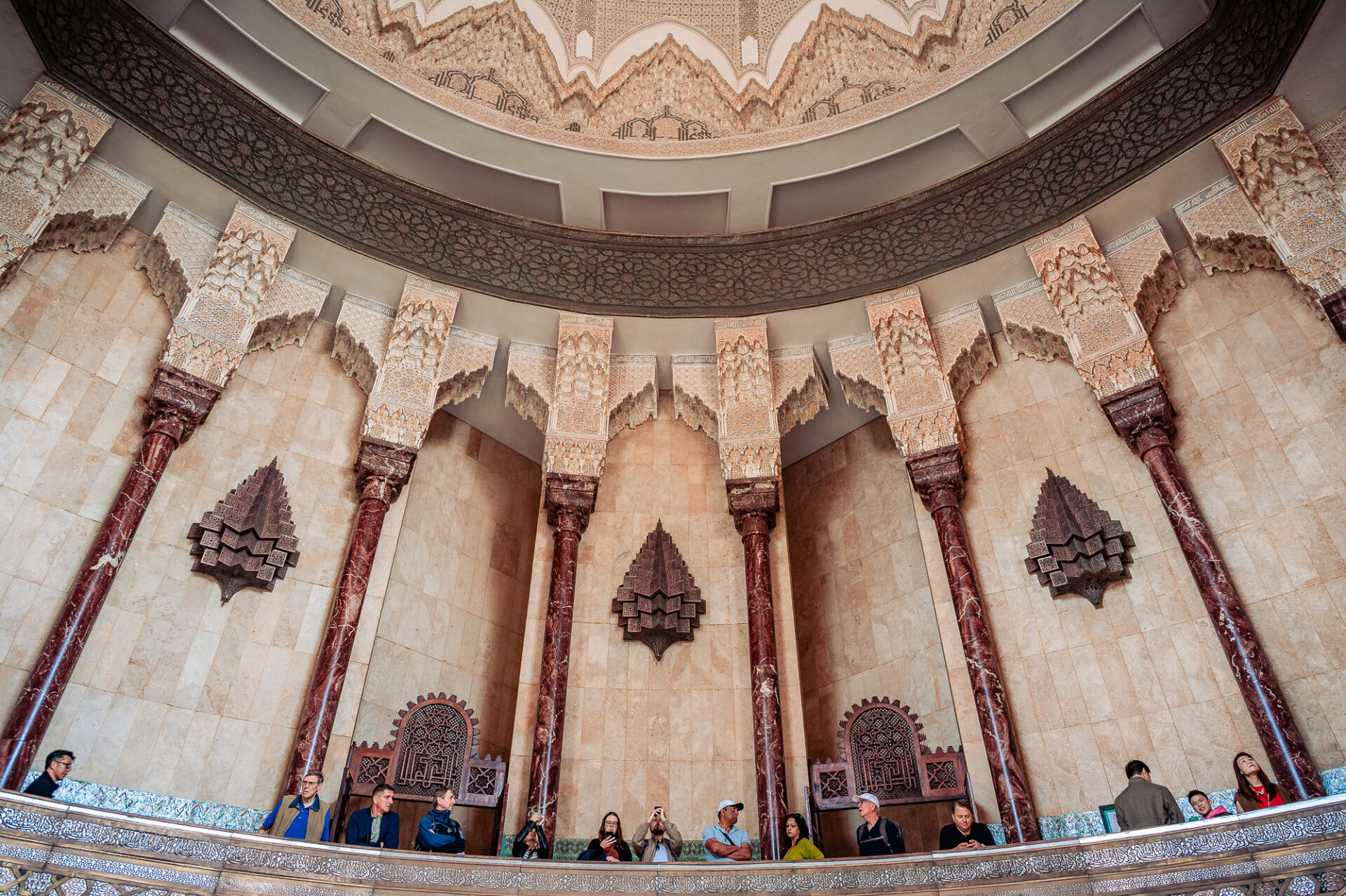
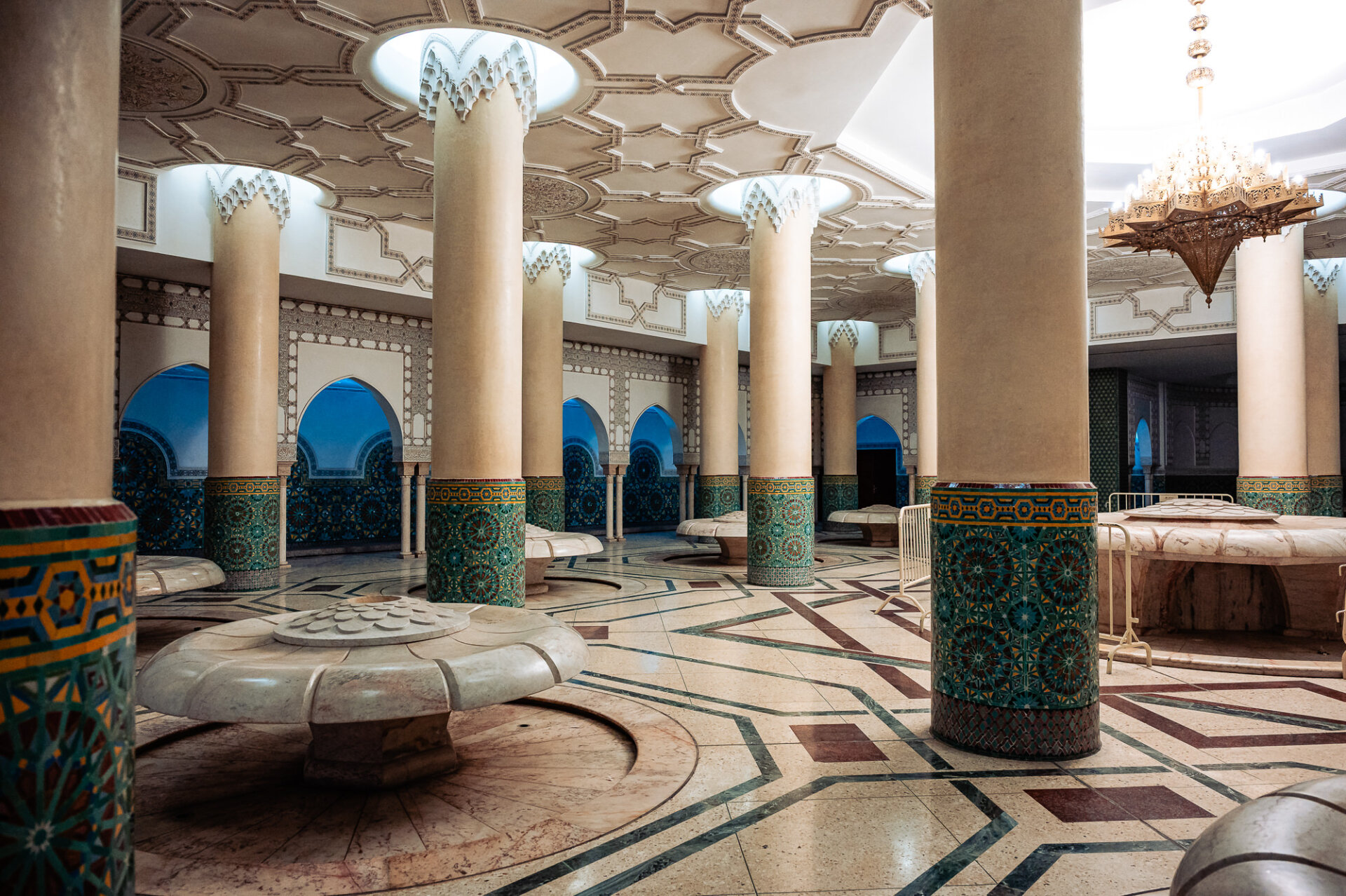
If there is one place in Casablanca that truly represents the city’s soul, ambition, faith, and extraordinary beauty, it is the Hassan II Mosque.
Perched on the edge of the Atlantic Ocean, the mosque stands on a promontory of reclaimed land. It is one of the largest mosques in the world, with a minaret that reaches 210 meters into the skies of Casablanca, making it the tallest religious structure on Earth. However, statistics alone cannot convey the experience of standing before it. The sheer scale of the building is almost beyond comprehension, yet it is crafted with extraordinary delicacy. Every surface is alive with hand-carved plaster, intricately laid zellige tilework, and exceptional cedarwood craftsmanship, which together prevent it from feeling overwhelming. Instead, it feels like a declaration of love. I’ll have the honor of photographing the wedding portraits of my son and his fiancé here the day before the wedding.
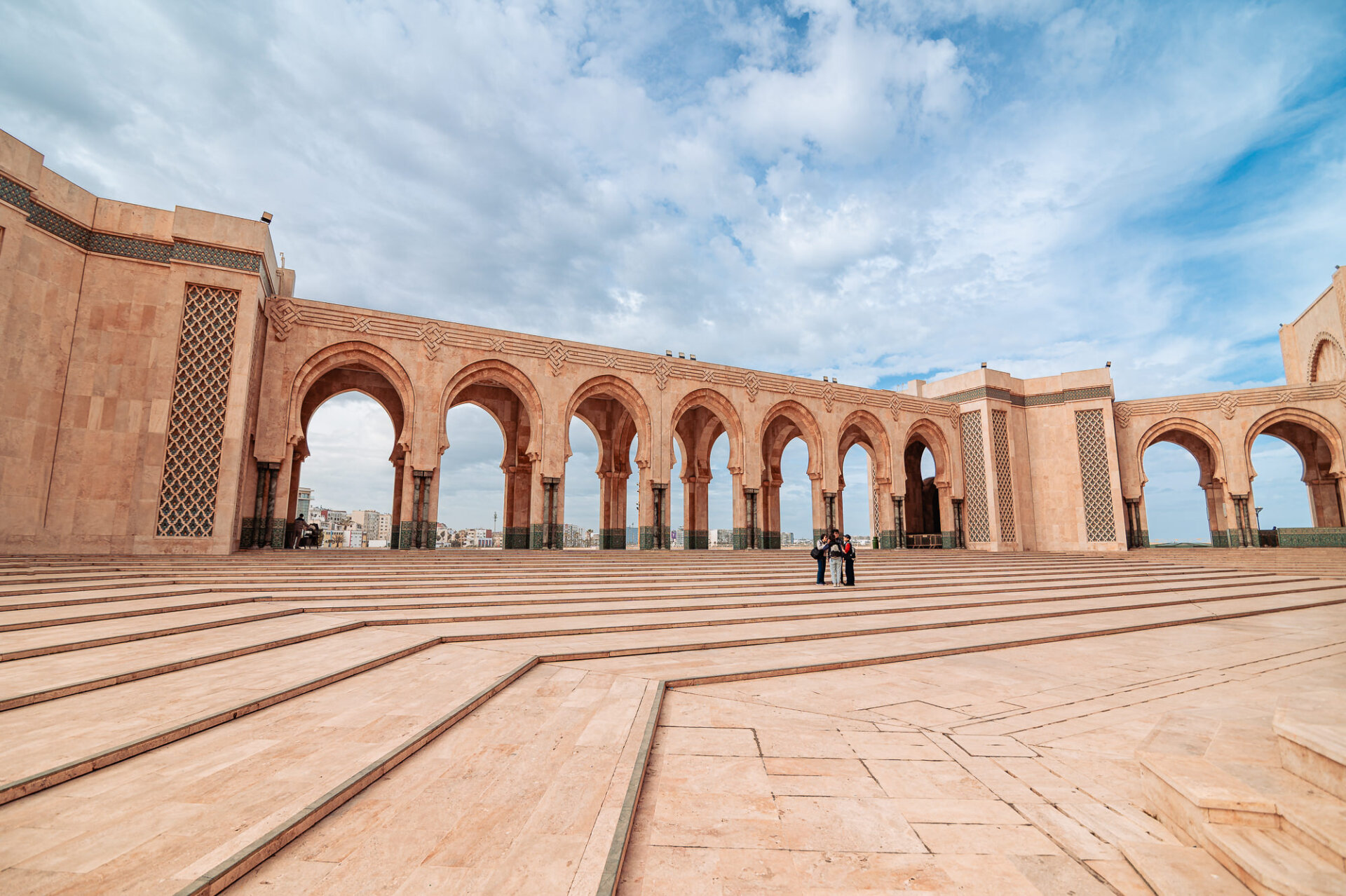
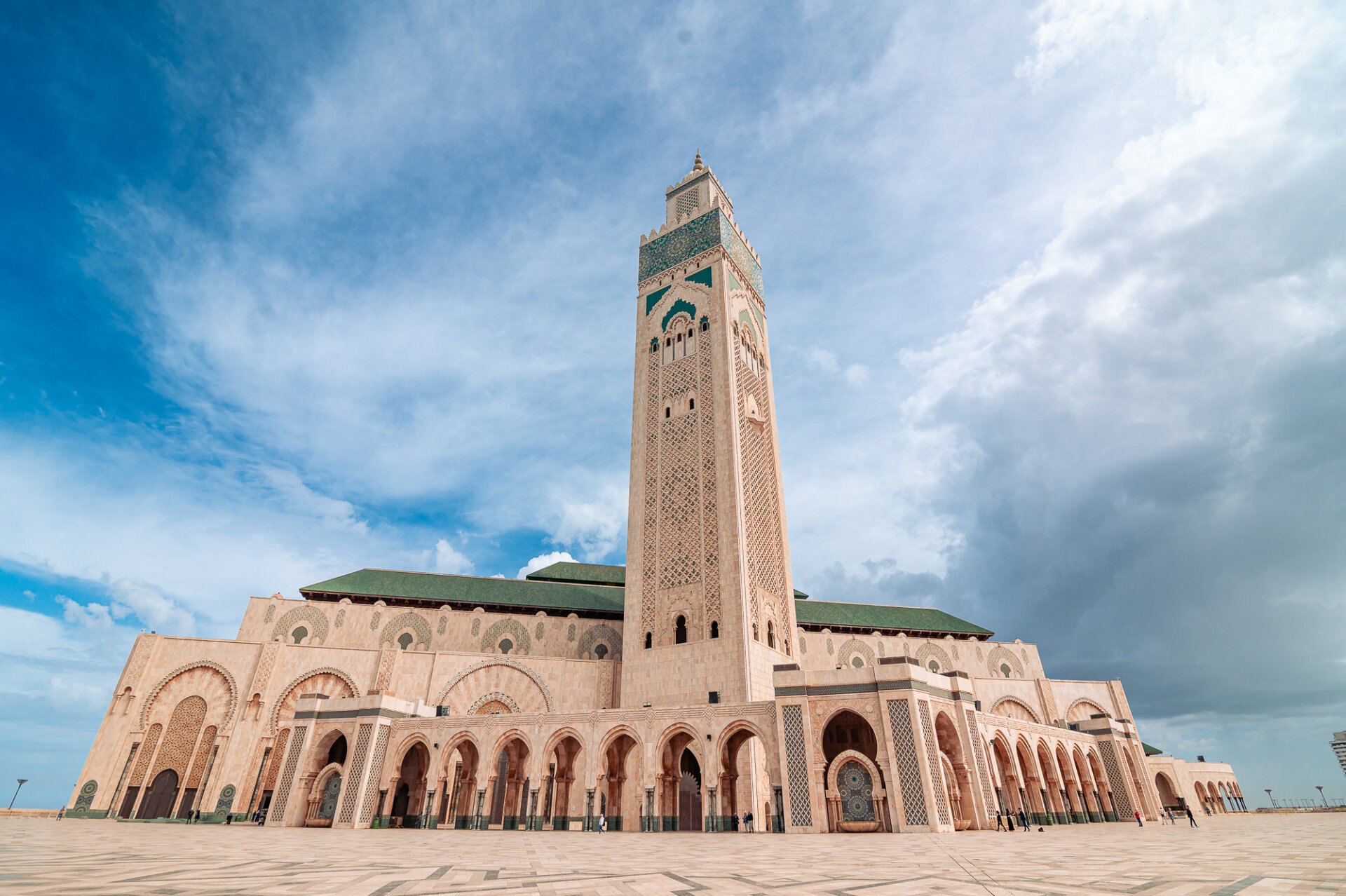
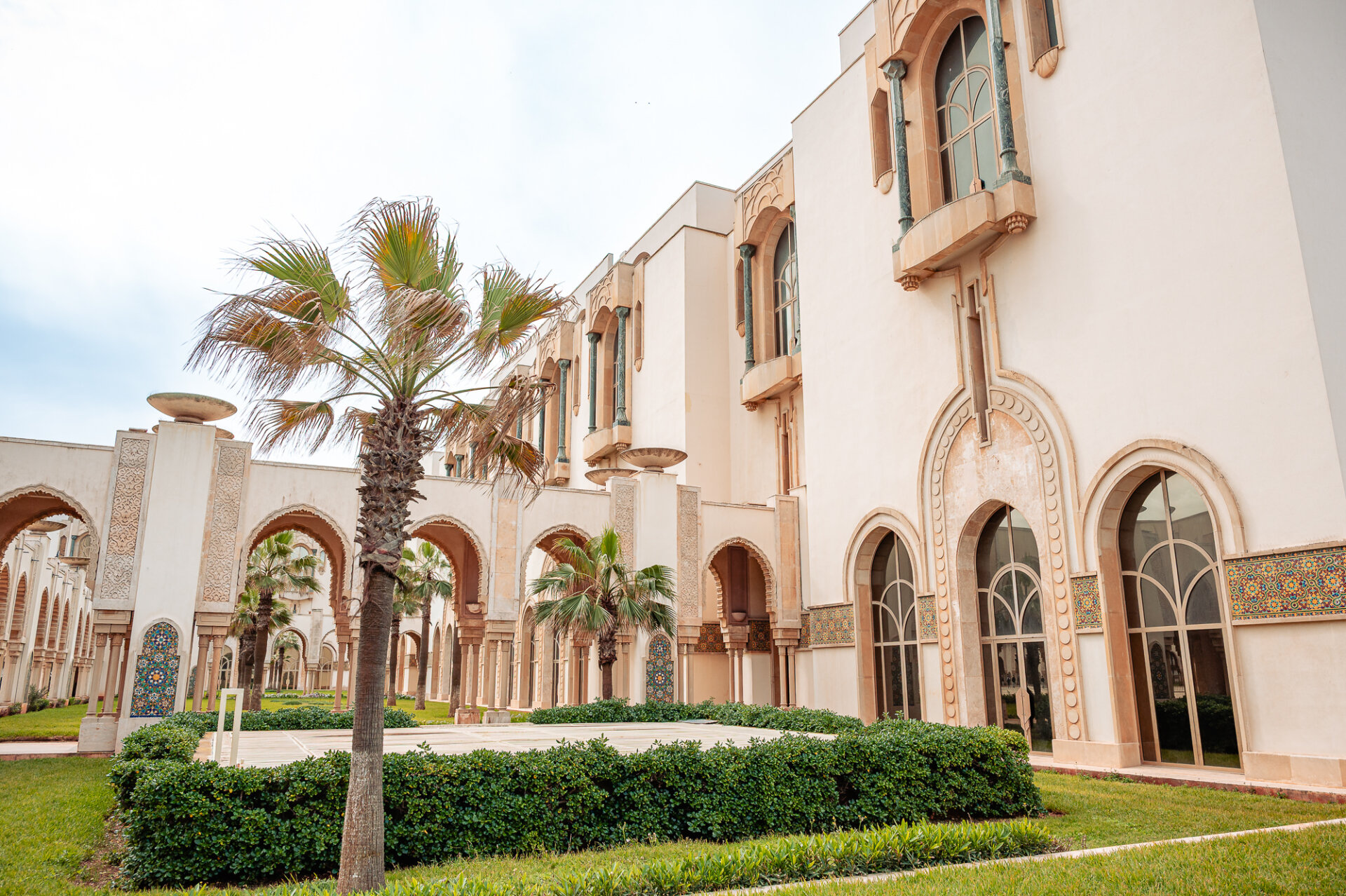
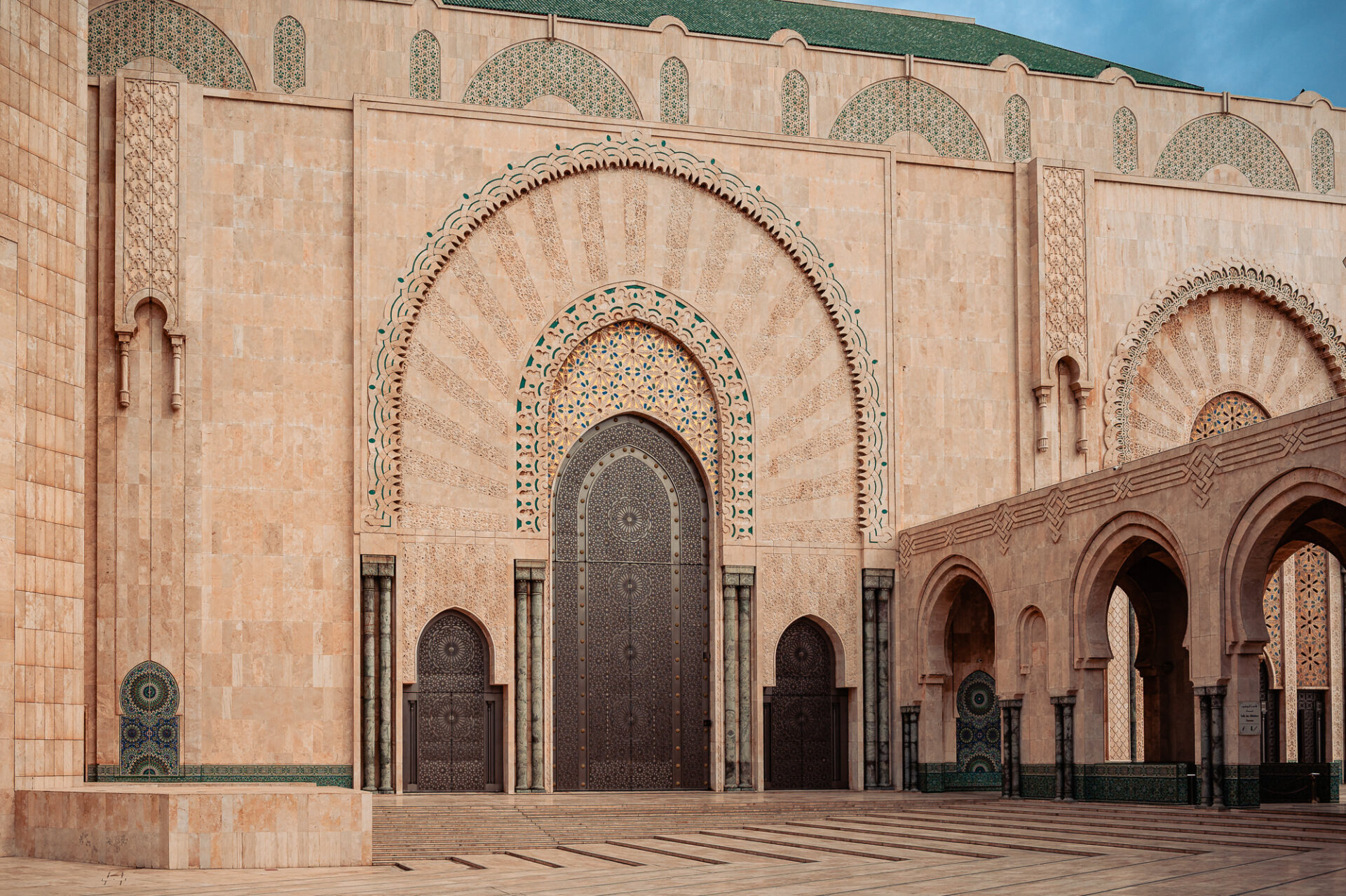
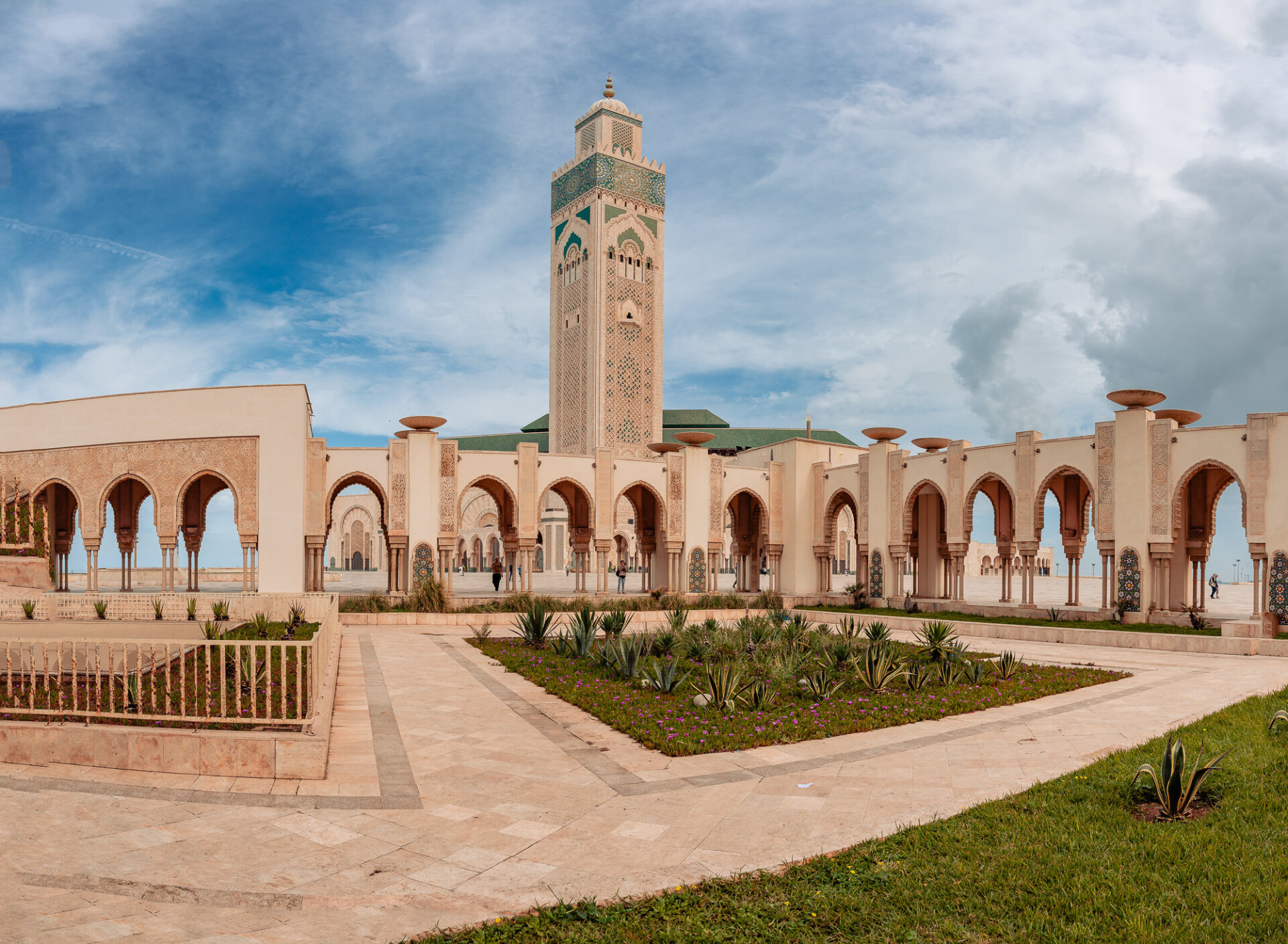
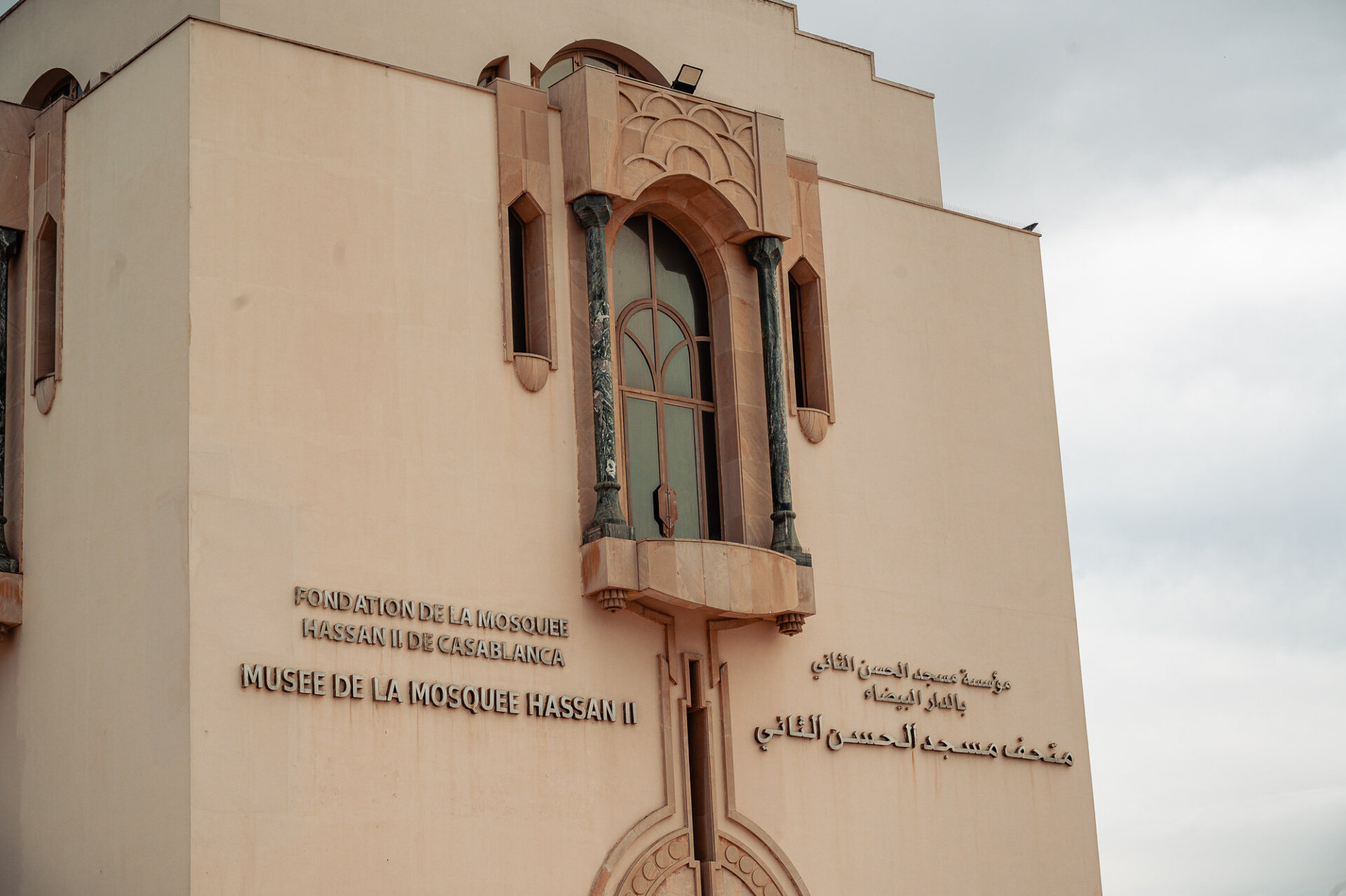
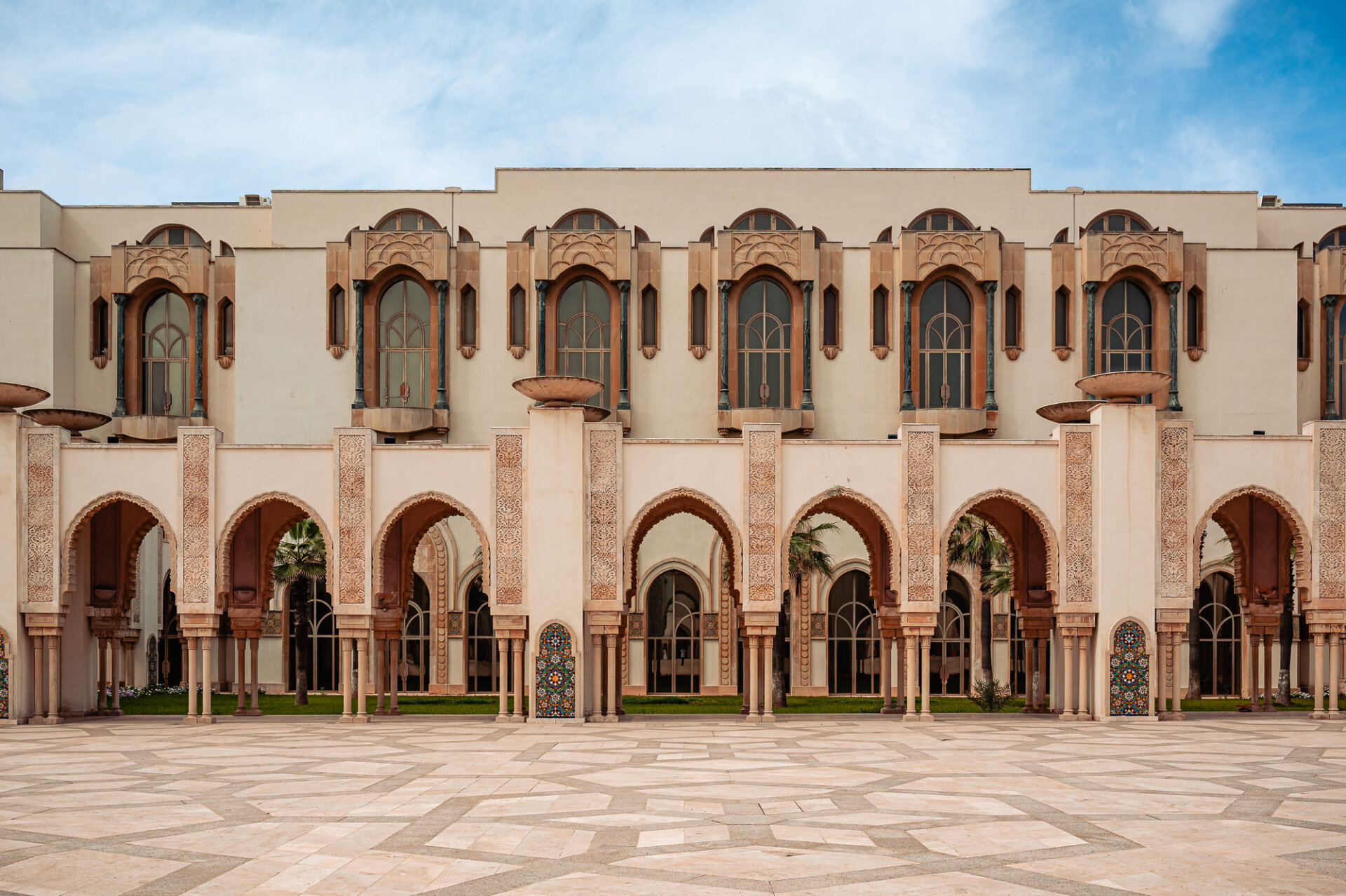
As a photographer, I have dedicated my career to capturing beautiful spaces. I have stood in cathedrals, gardens, clifftops and city streets around the world, always attentive to how a space conveys light and emotion. The Hassan II Mosque possesses both qualities with a generosity and grandeur that I have rarely encountered. The interior, which allows a limited number of non-Muslim visitors, is flooded with light through retractable roof panels, illuminating a prayer hall of breathtaking proportions.
Interesting Fact: The Hassan II Mosque was completed in 1993 and took 35,000 craftsmen six years to build. It stands on a platform extending over the Atlantic Ocean, a reference to a verse in the Quran stating that God’s throne was built upon the water.
Rick’s Café: Romance, Legend & the Perfect Glass of Wine
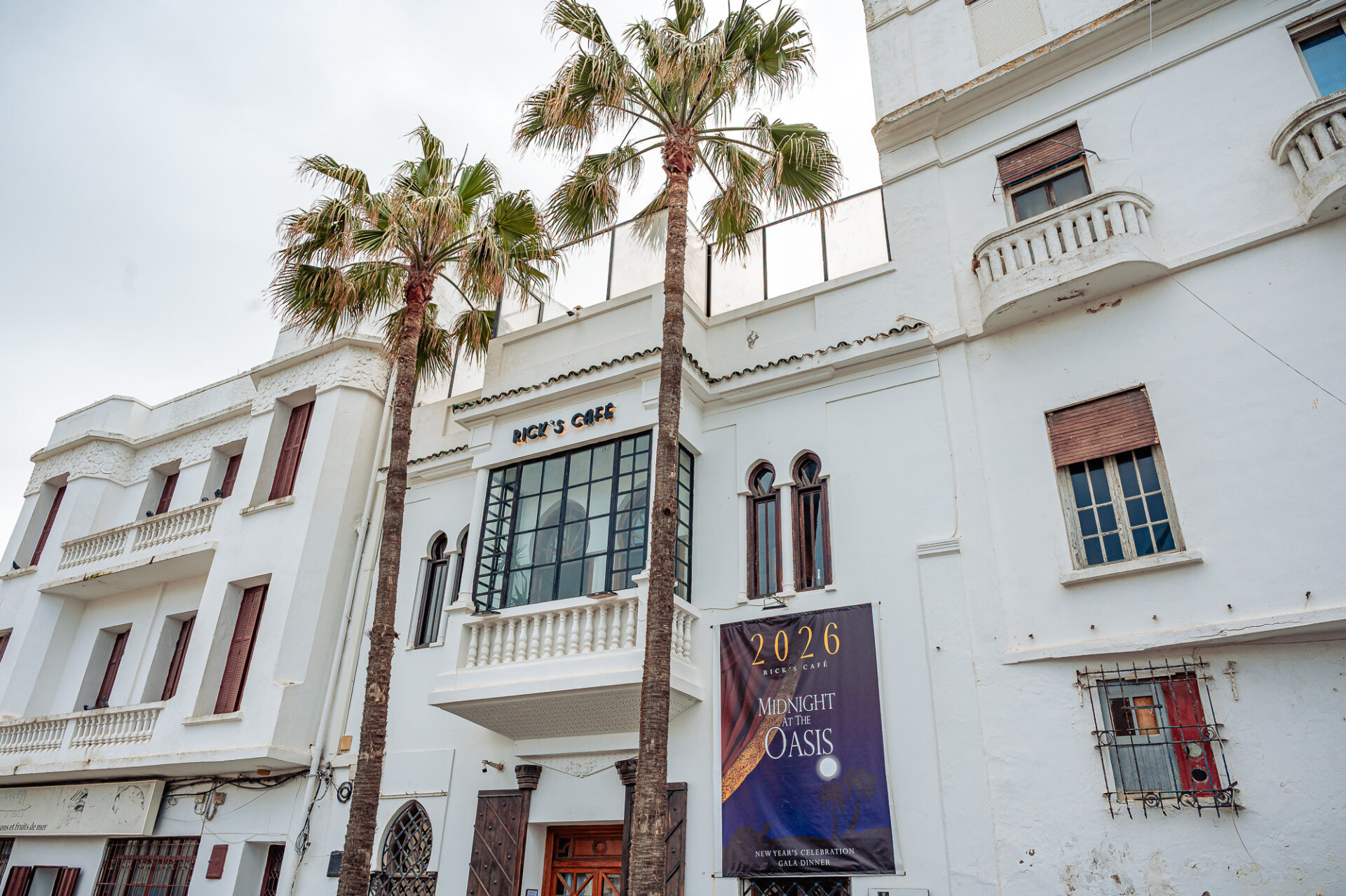
Located not far from the Hassan II Mosque, Rick’s Café is one of those rare places that not only lives up to its mythology but also surpasses it.
Inspired by the iconic fictional café from the 1942 classic film Casablanca, the actual Rick’s Café was established in 2004 by American entrepreneur Kathy Kriger, who transformed a beautifully restored 1930s Moroccan mansion near the old medina into one of the most enchanting dining experiences in Africa. With its white arches, intricately carved plasterwork, a grand central staircase, candlelit tables, and a grand piano at the heart of it all, the décor is so true to the film’s romantic essence that entering feels like stepping into a movie.
Fun Fact: The film Casablanca was never actually shot in Morocco; it was filmed entirely on studio sets in Hollywood. And yet Rick’s Café, inspired by that fictional world, has itself become one of Casablanca’s most beloved and iconic real destinations.
La Sqala: Where Old Casablanca Still Lives
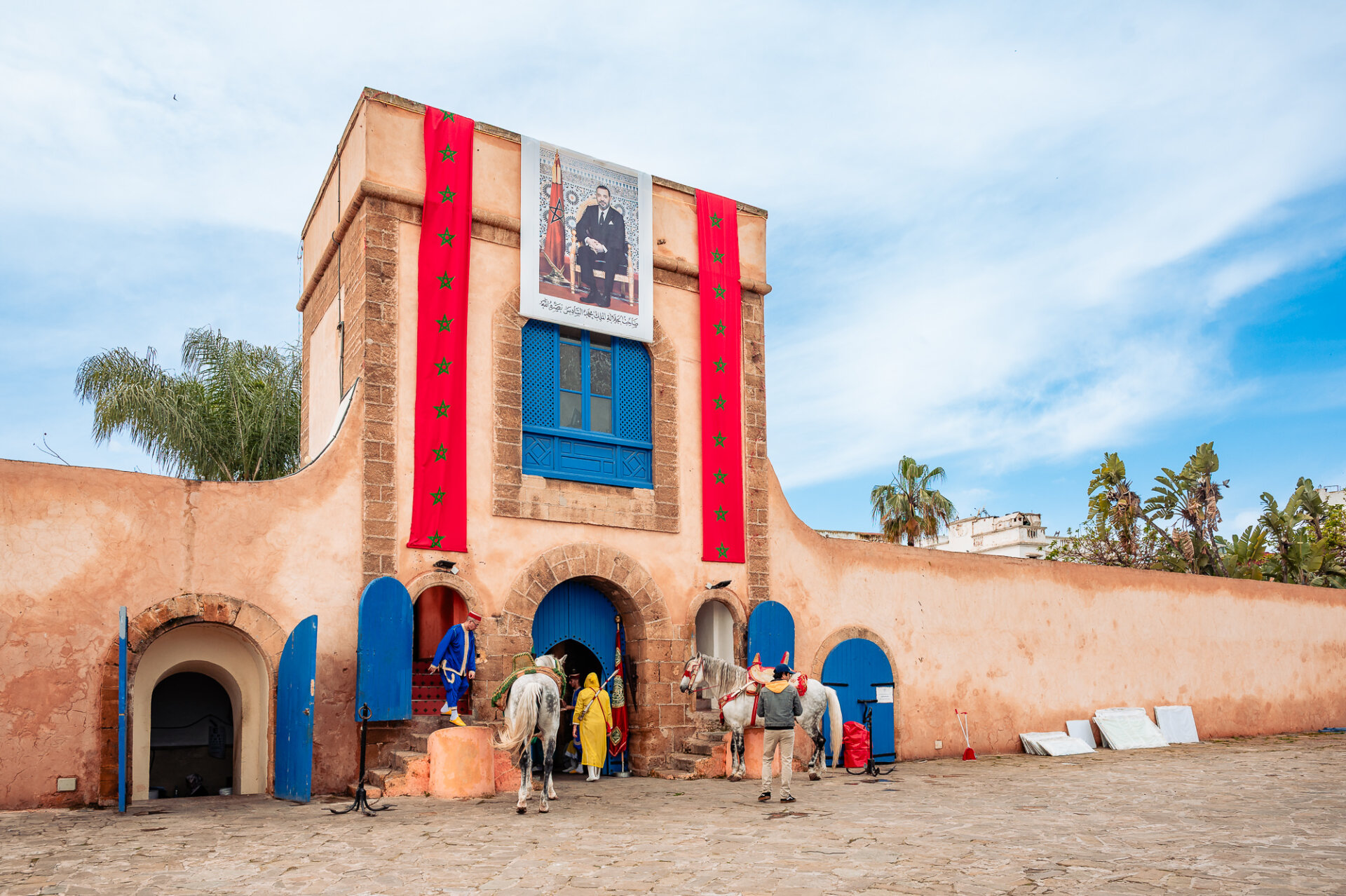
Tucked within the old Portuguese ramparts near the port, La Sqala is one of those places that feels like a secret the city has been quietly keeping a beautifully preserved bastion transformed into a restaurant and café garden of extraordinary charm.
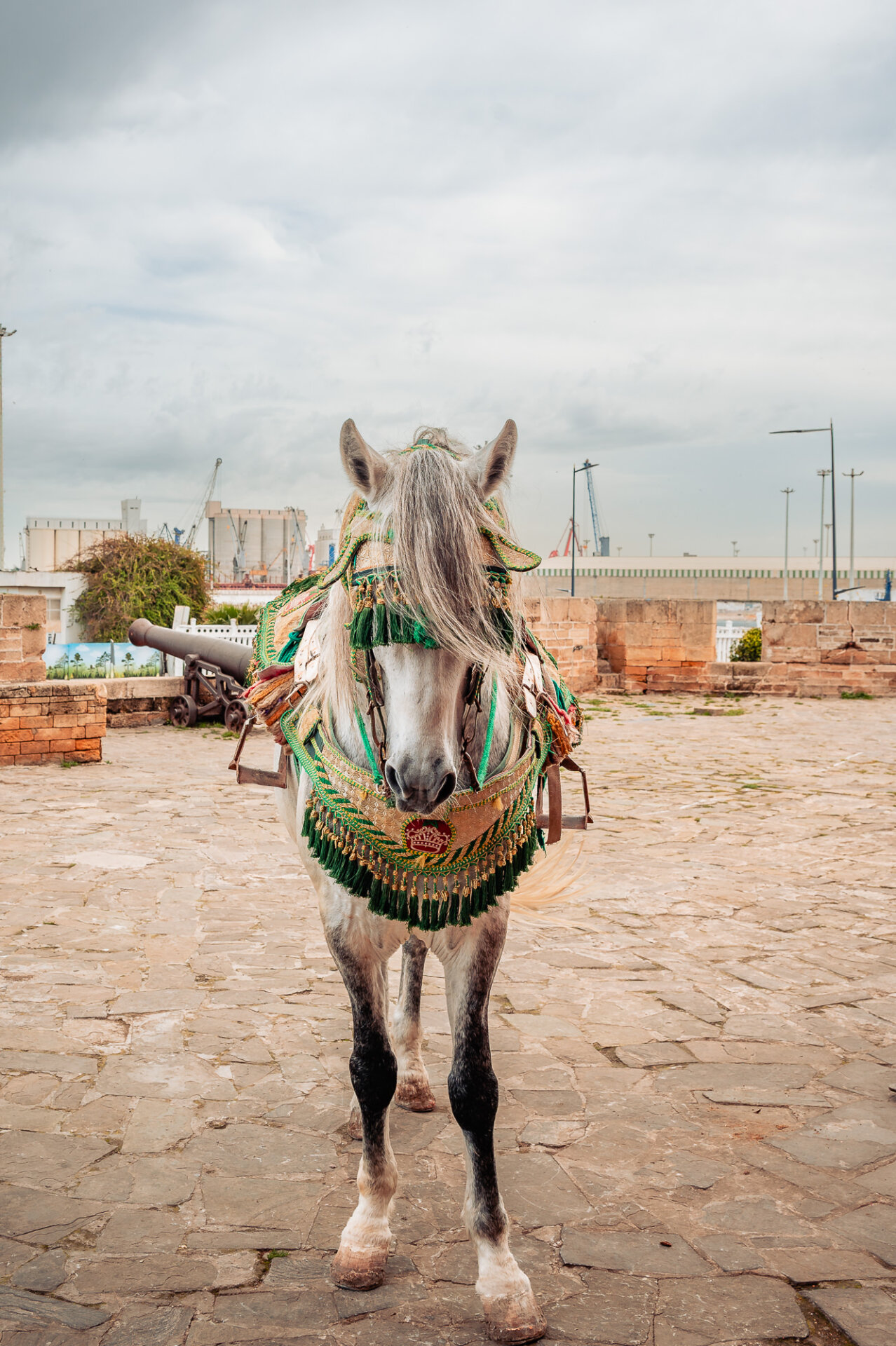
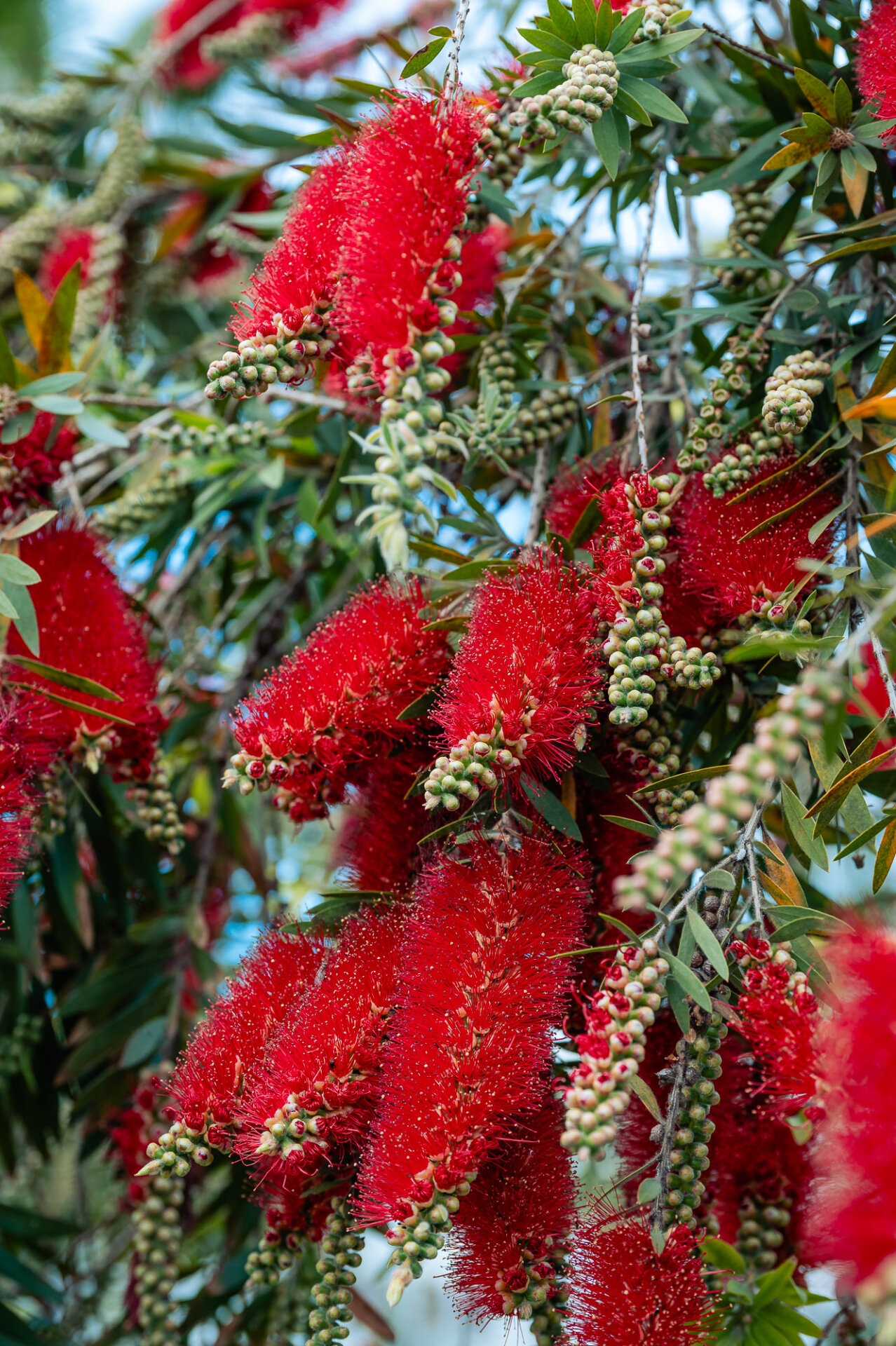
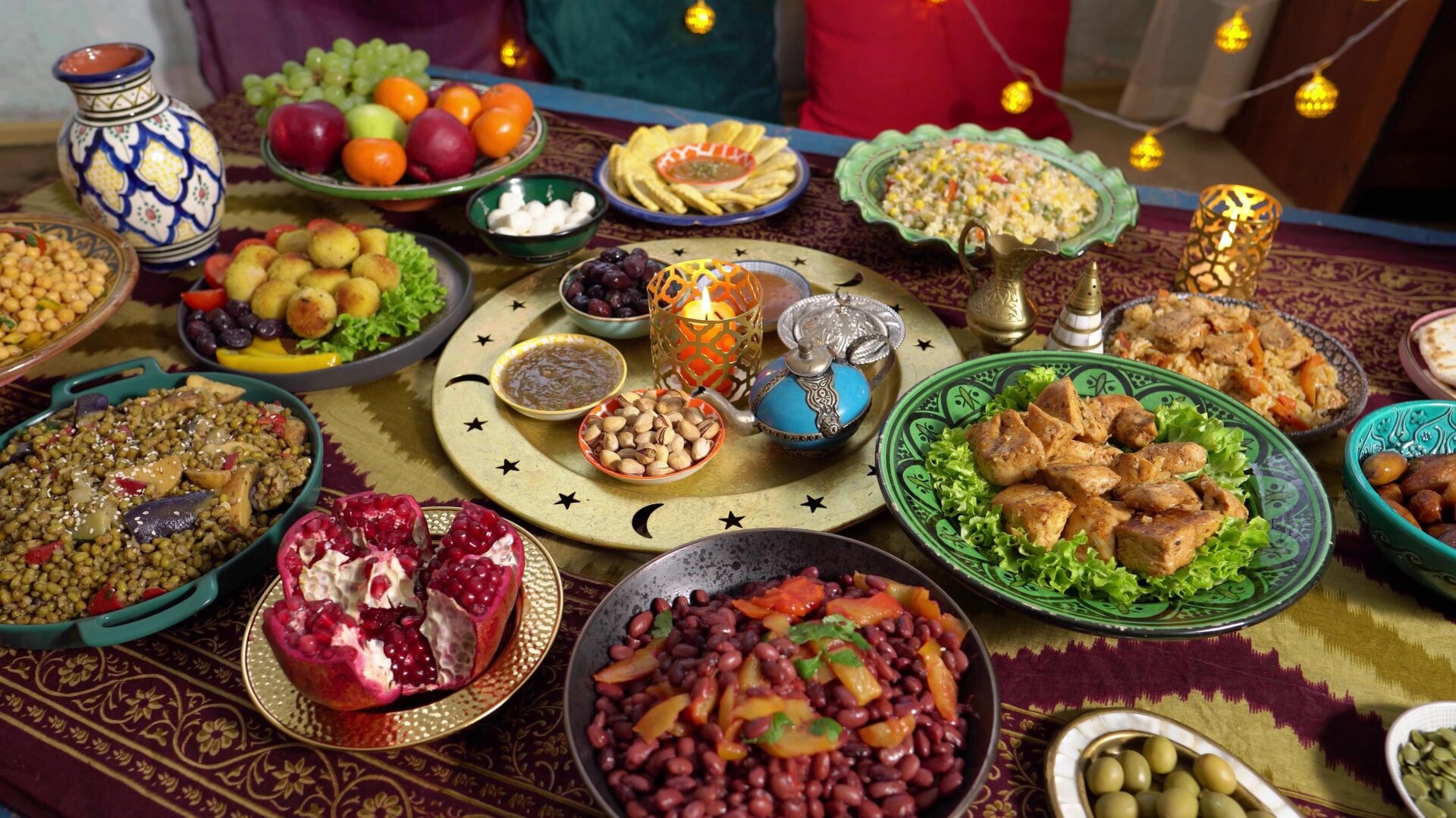
Bougainvillea drapes over ancient walls, creating a vibrant scene. Tables are arranged under orange trees in a tranquil courtyard that exudes fragrant beauty. The menu features a celebration of traditional Moroccan cuisine, including tagines, bastillas, and couscous, all prepared with care and generosity. In Morocco, food is always an act of hospitality first and foremost.
Traditional Moroccan Musicians: The Sound of Celebration
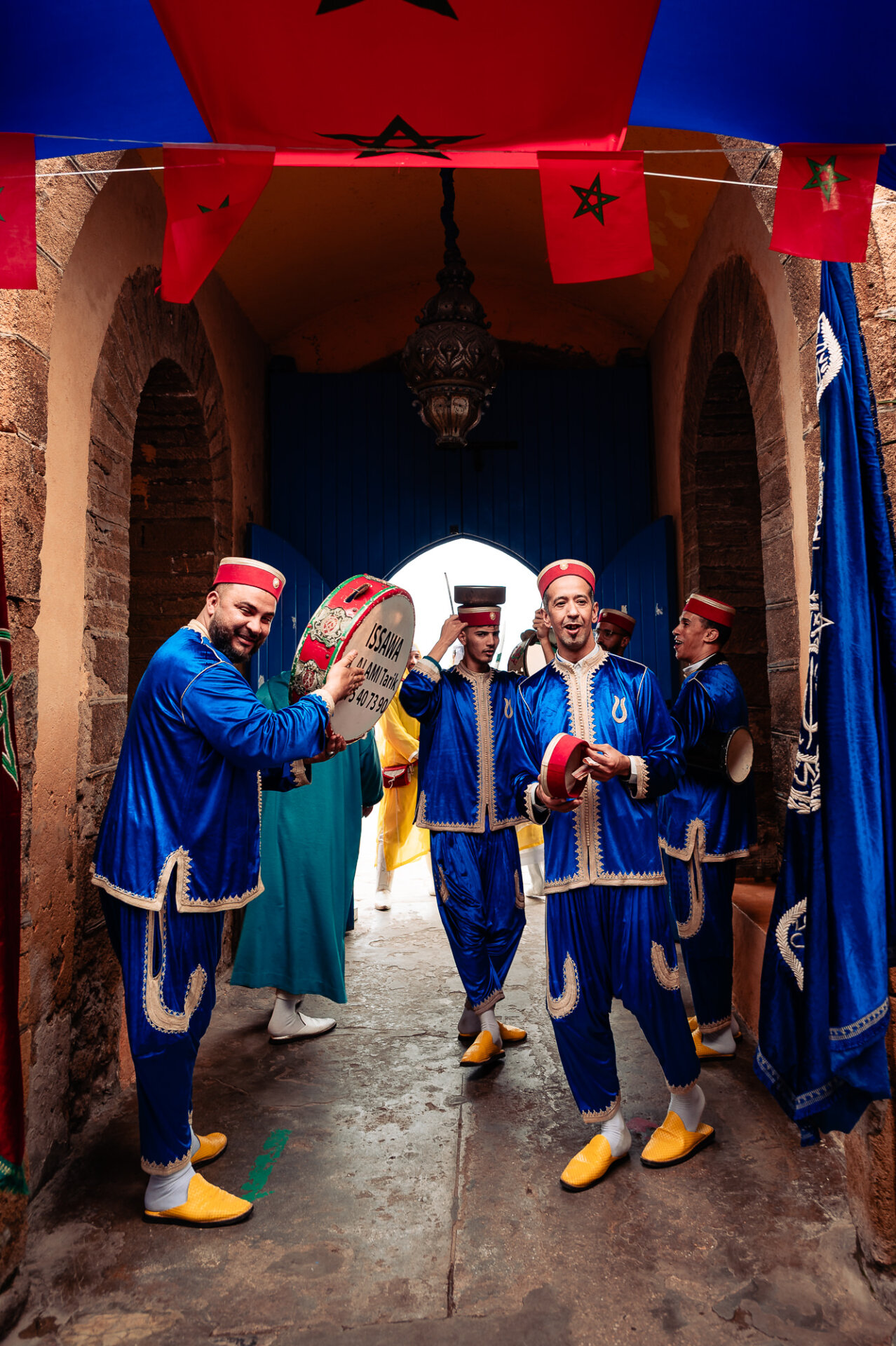
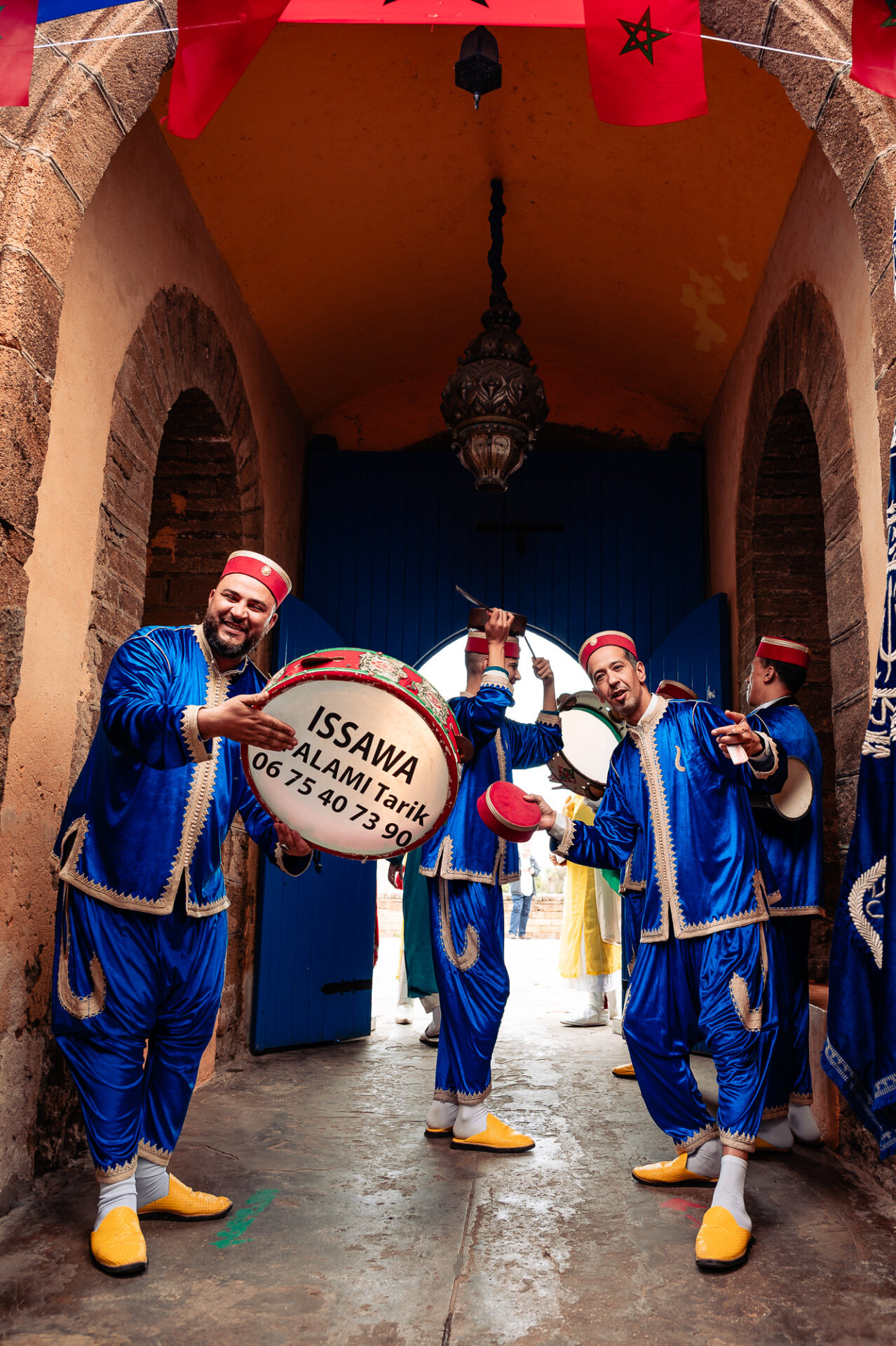
One of the most joyful and unexpected moments of our time in Casablanca was encountering traditional Moroccan musicians performing in the city, their instruments filling the air with a sound that felt at once ancient and completely alive.
Moroccan music carries the full complexity of the country’s cultural heritage, like Berber rhythms, Arab melodies, Andalusian influences, and the driving percussion of Gnawa tradition, woven together into something that is entirely and unmistakably Moroccan.
For our family, already in a celebratory state of mind, it felt like the city itself was joining in.
The Outdoor Marketplace: Color, Commerce & Community
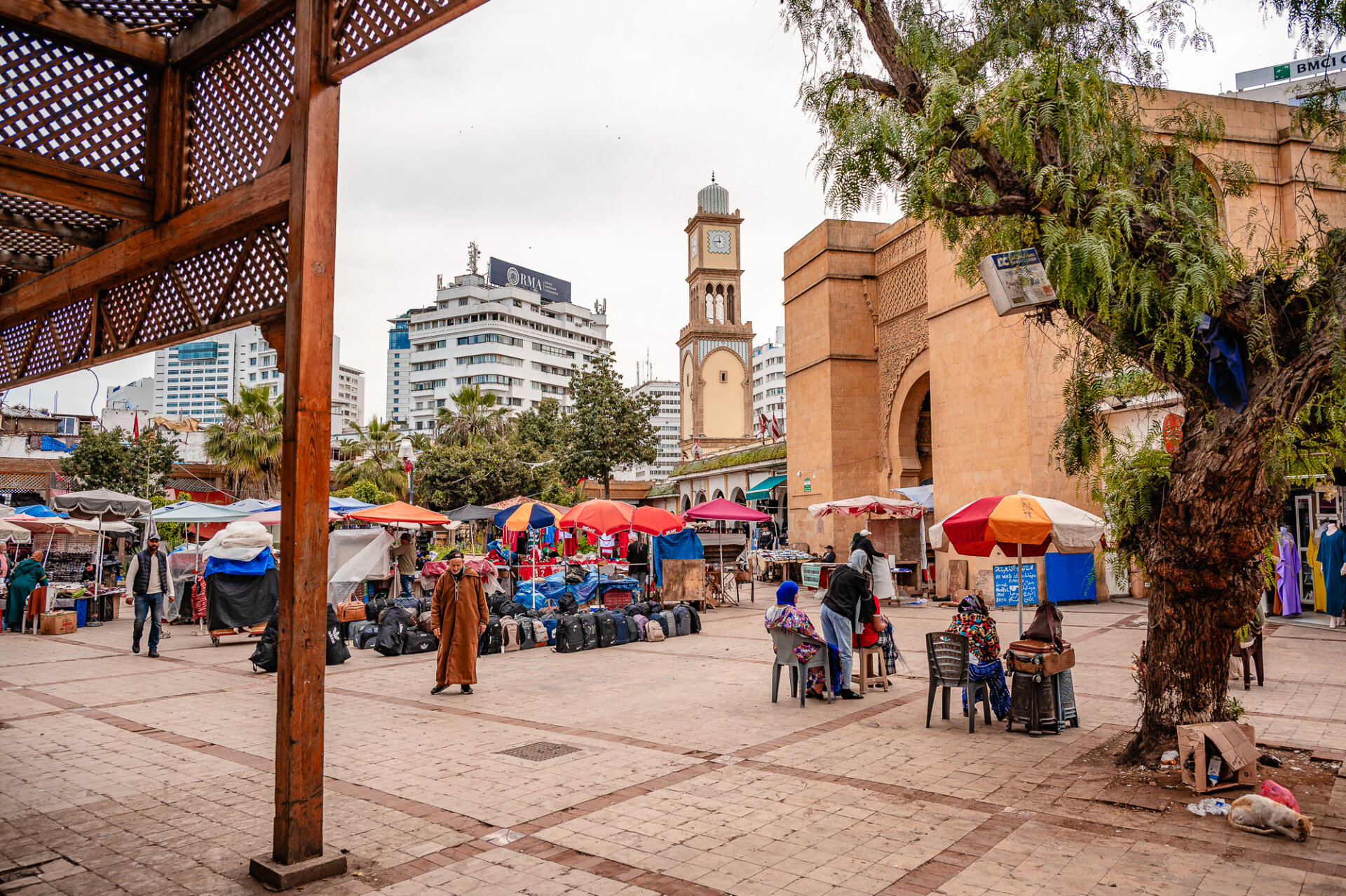
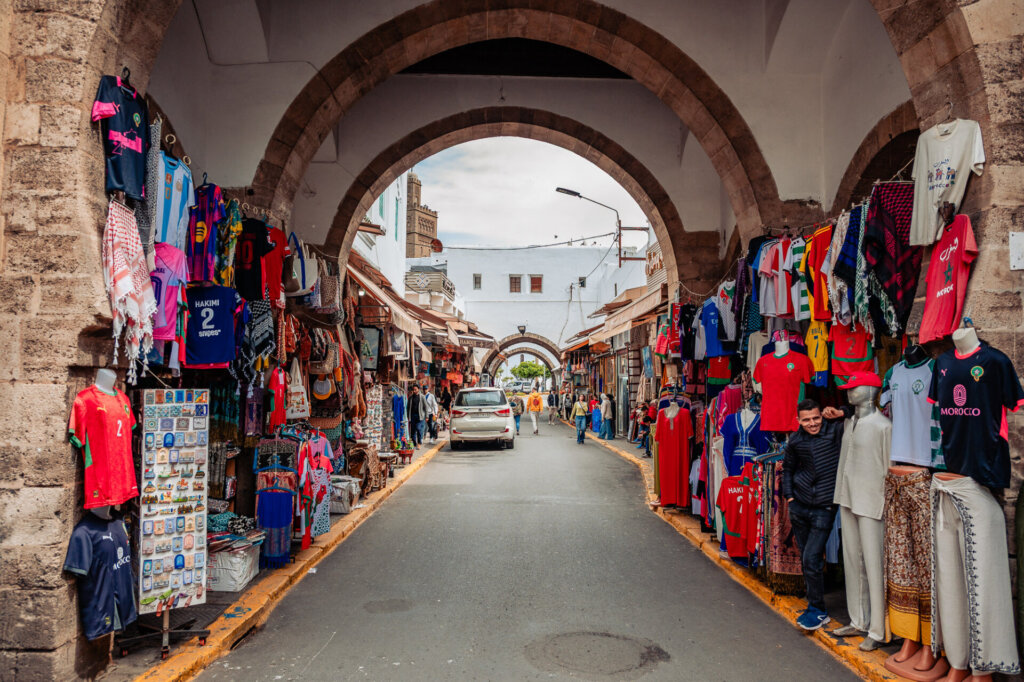
A visit to a Moroccan city is not complete without exploring its markets, and Casablanca’s outdoor marketplace exceeded our expectations. It is a vibrant and sensory-rich experience, filled with a tapestry of colors, commerce, and community that is as photogenic as it is lively.
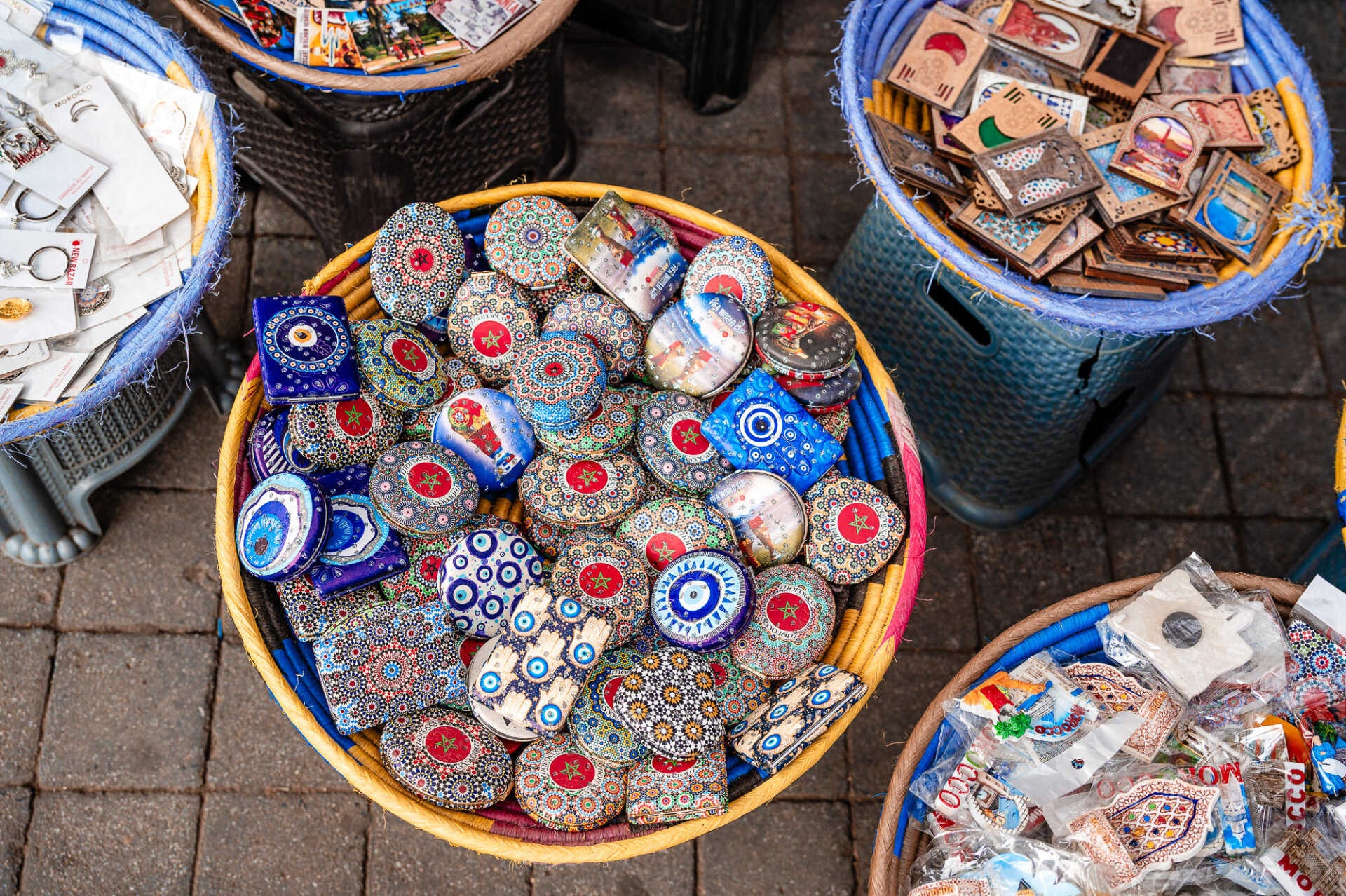
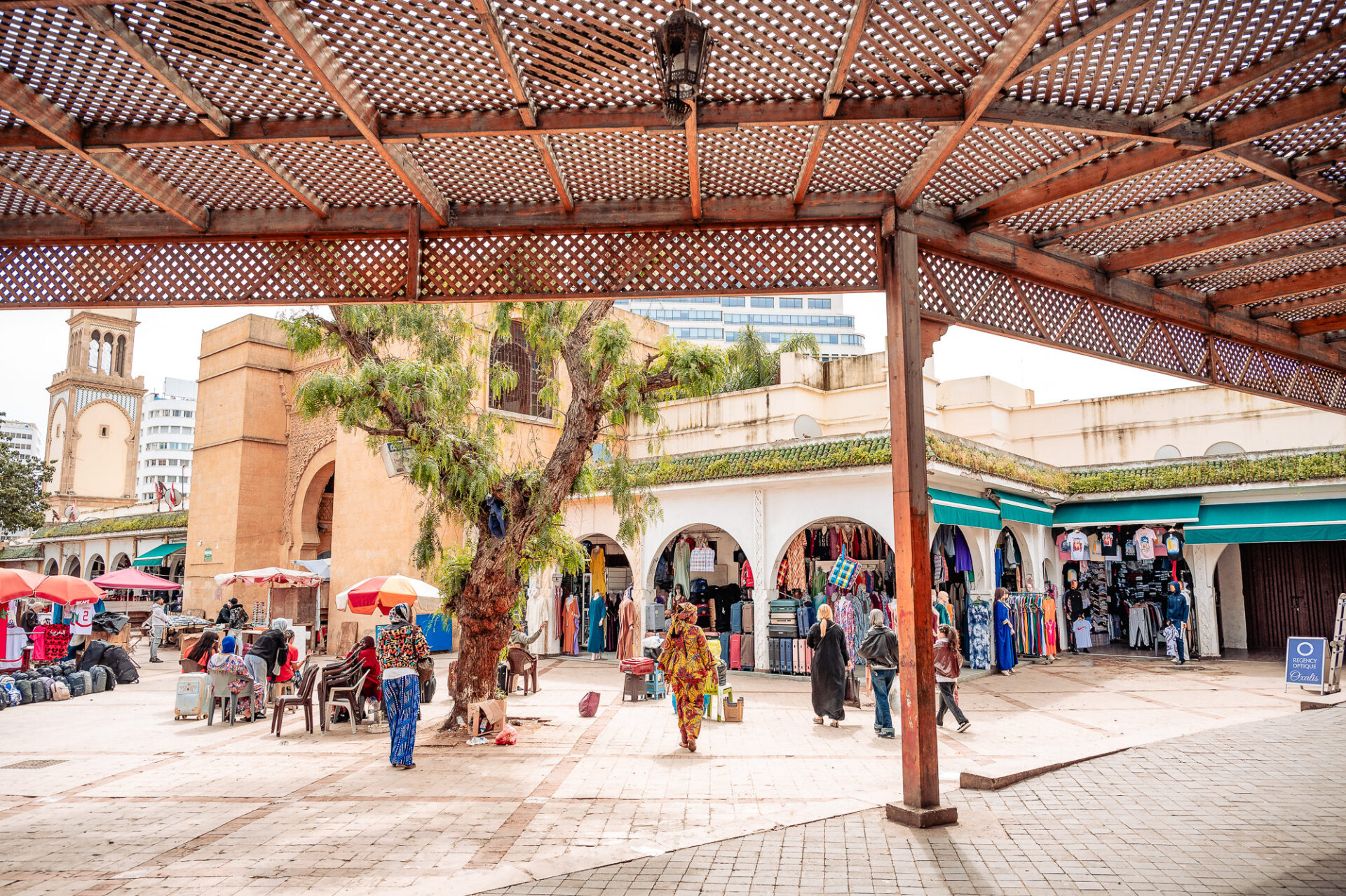
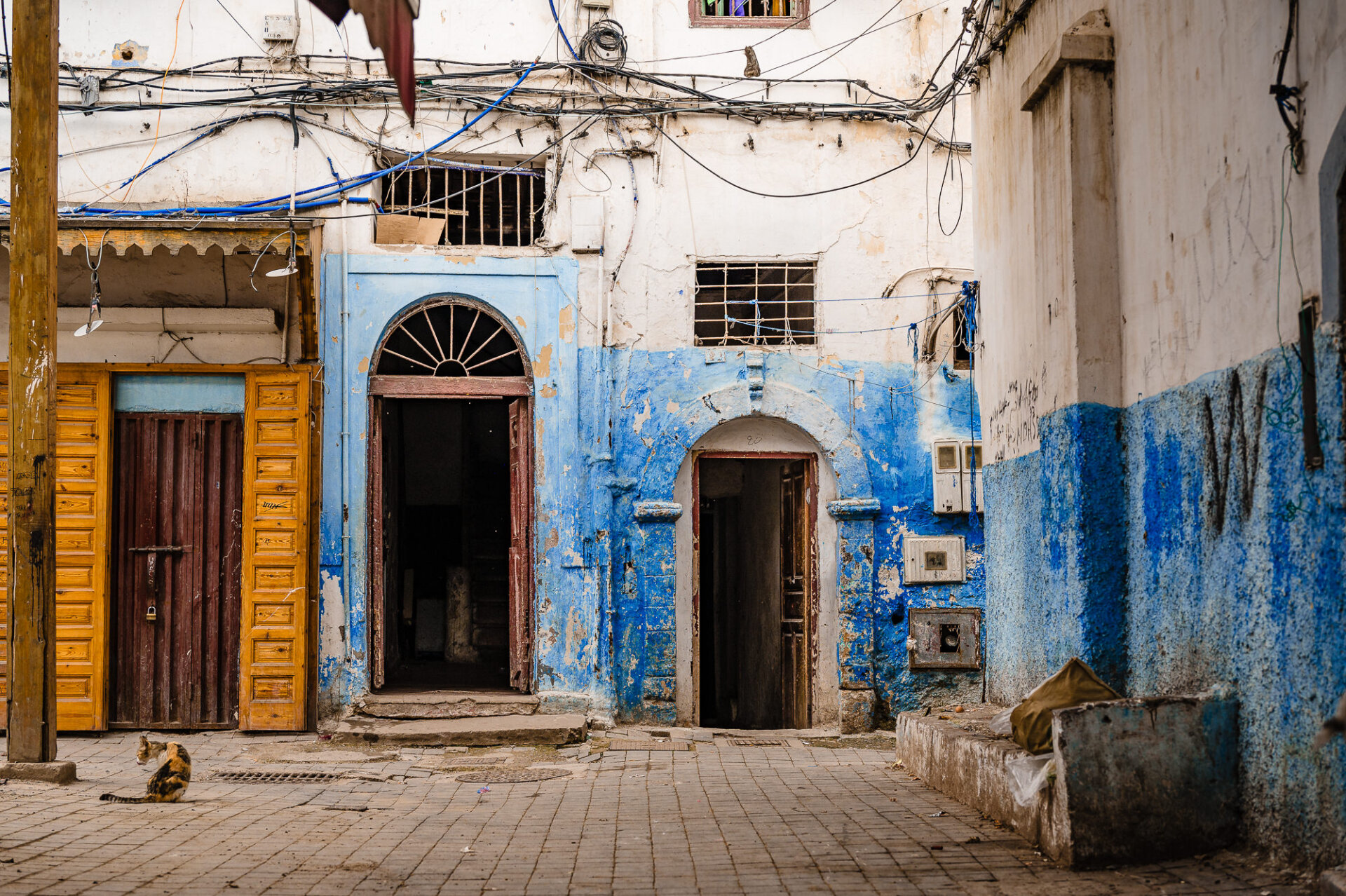
As a photographer, markets are among my favorite subjects anywhere in the world. The light, the faces, the layered textures of goods and architecture and humanity, they offer an inexhaustible supply of images. Casablanca’s marketplace was no exception.
Casablanca Cathedral: A Surprising Piece of History
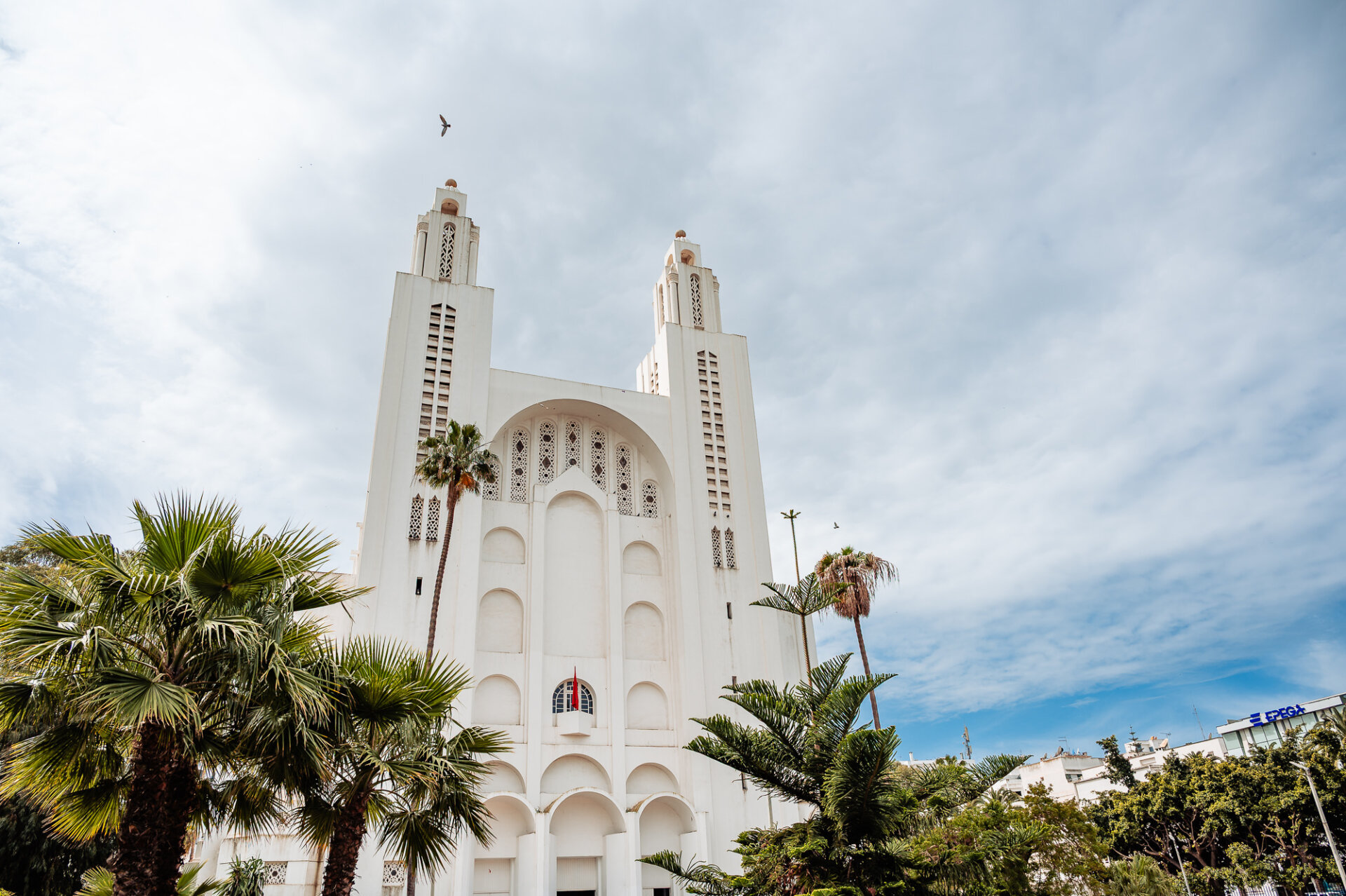
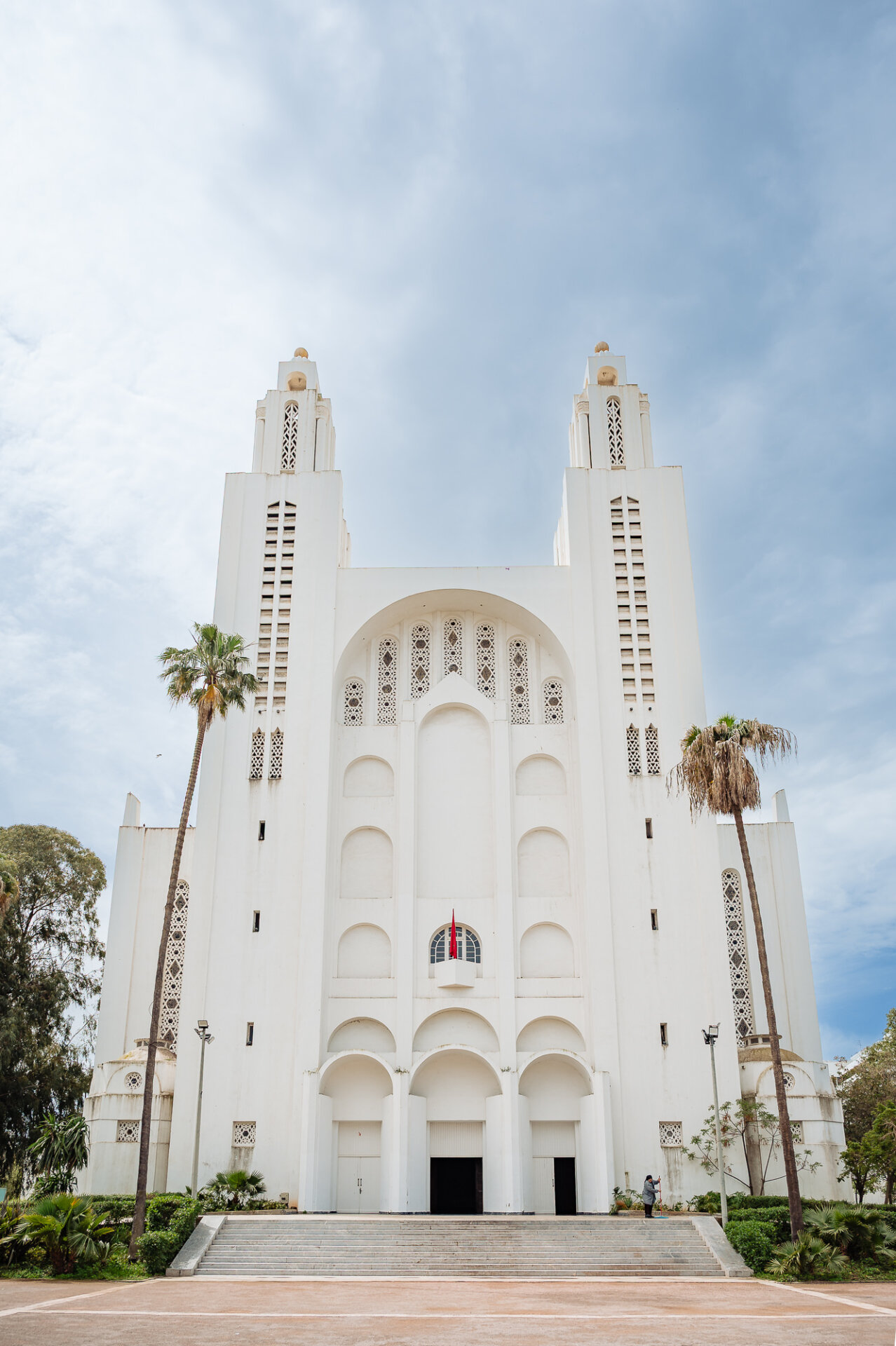
Among the more unexpected discoveries of our time in Casablanca was the city’s former cathedral — the Sacré-Cœur of Casablanca, a striking Art Deco structure built by the French in the 1930s that now serves as a cultural center rather than a place of worship.
Its soaring twin towers and elegant white facade rise incongruously above the surrounding neighborhood, a reminder of the French Protectorate period that shaped so much of Casablanca’s architectural character. The building’s interior is equally striking with its vast, light-filled nave of clean modernist lines that carries a quiet grandeur even stripped of its original religious function.
Interesting Fact: The Sacré-Cœur Cathedral of Casablanca was designed by French architect Paul Tournon and completed in 1930. After Moroccan independence in 1956, it was deconsecrated and has since served various cultural and civic purposes.
Central Market: The Art of Everyday Life
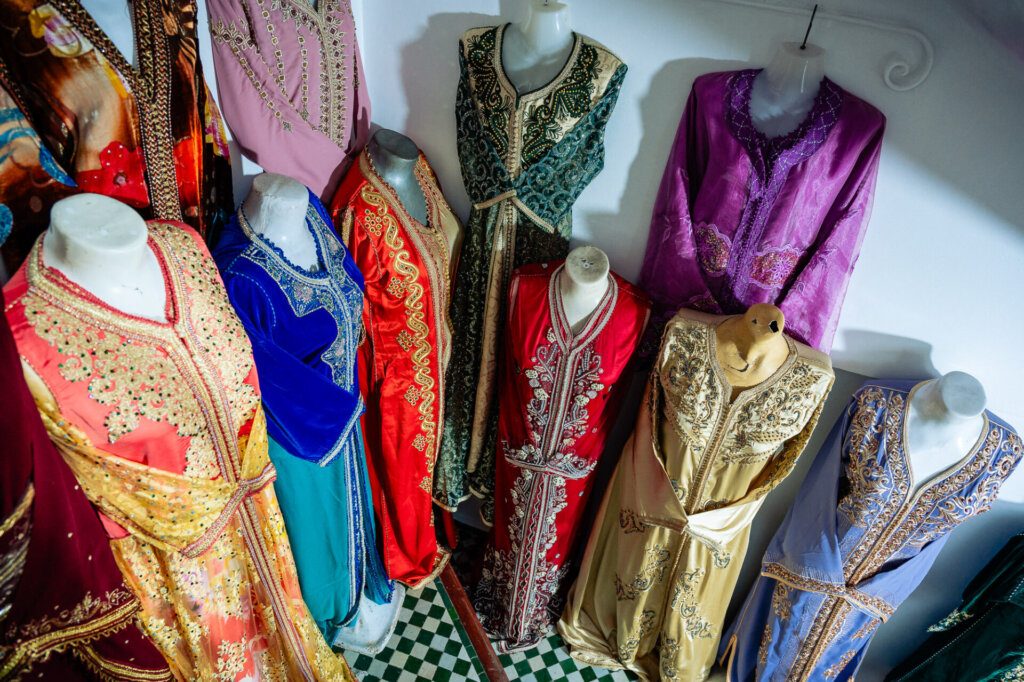
Located near the heart of the city, Casablanca’s Central Market offers a more intimate and local experience compared to the sprawling outdoor marketplaces. This covered market showcases beautiful Art Deco architecture and is where the city’s residents shop daily for fresh fish, meat, vegetables, flowers, spices and clothing. This is where my wife purchased one of her Kaftans for the wedding.
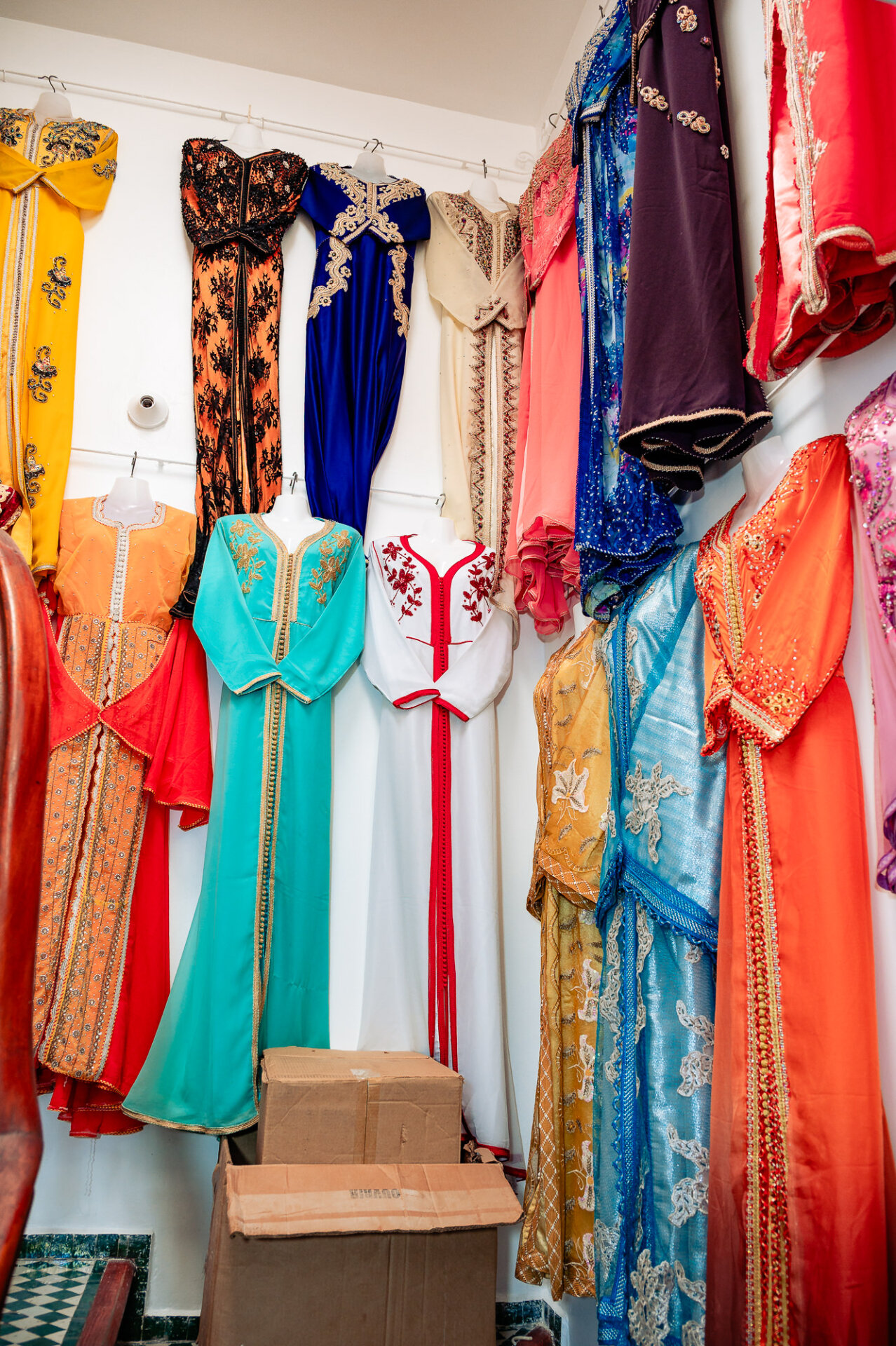
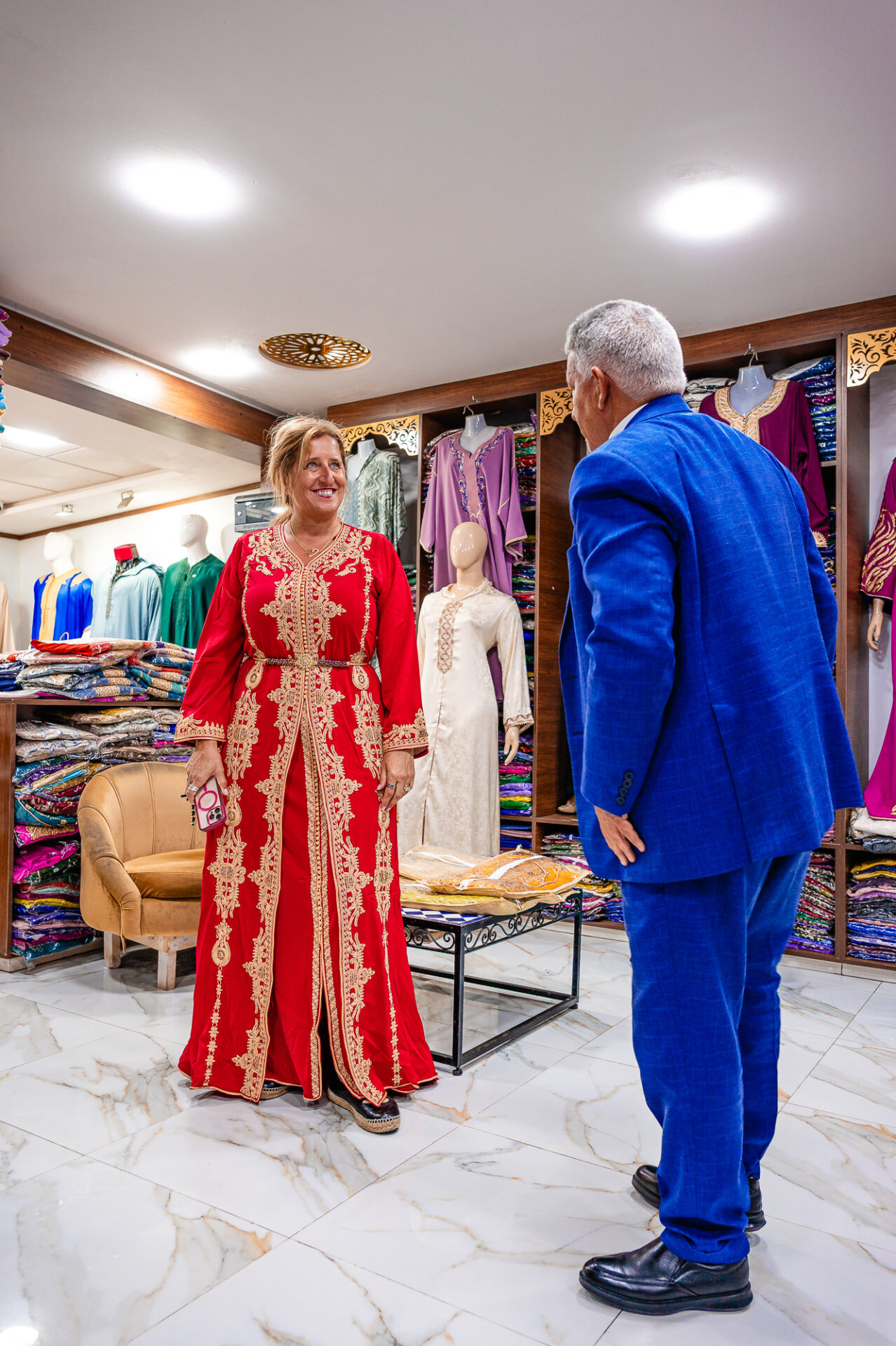
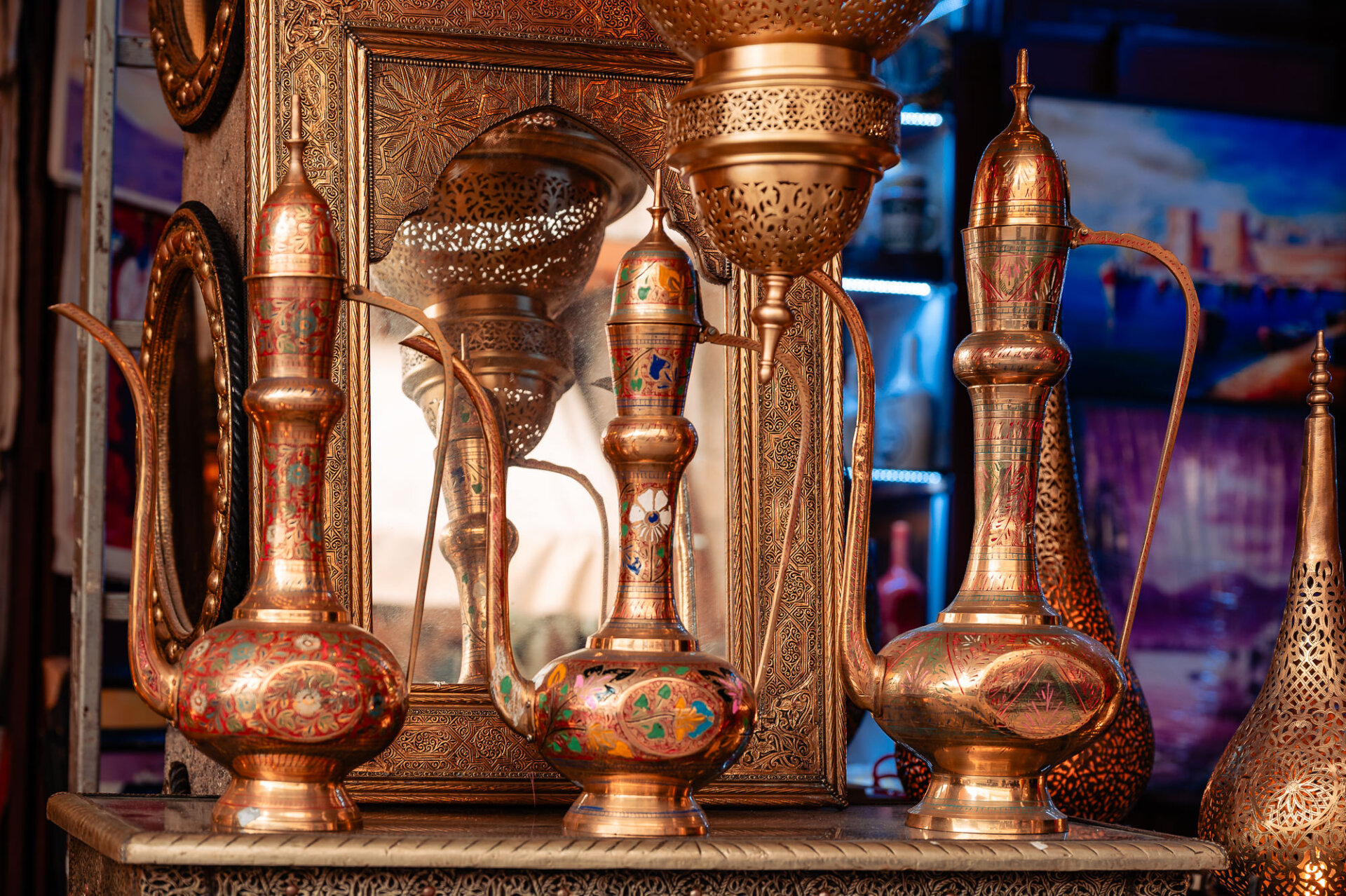
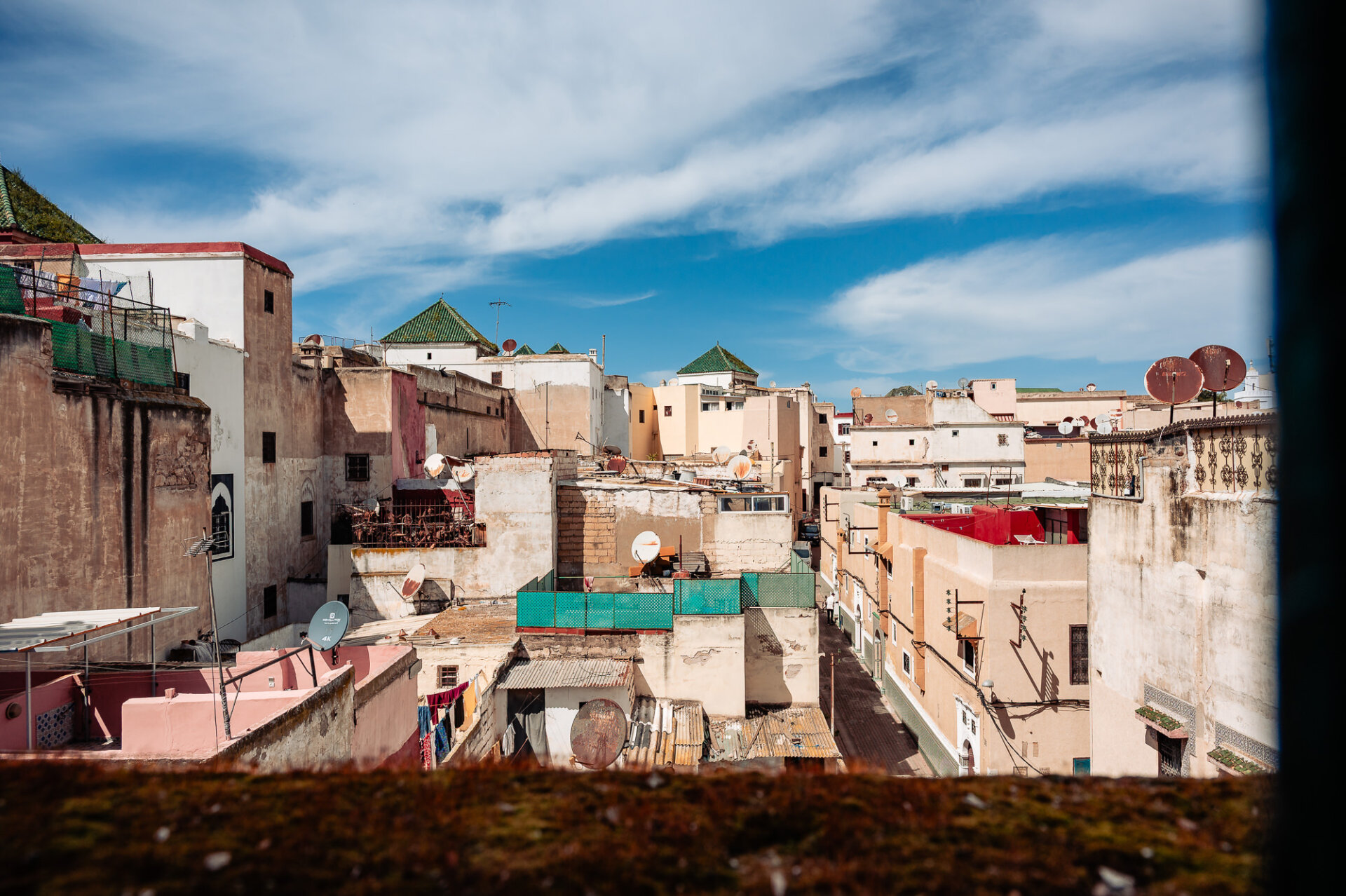
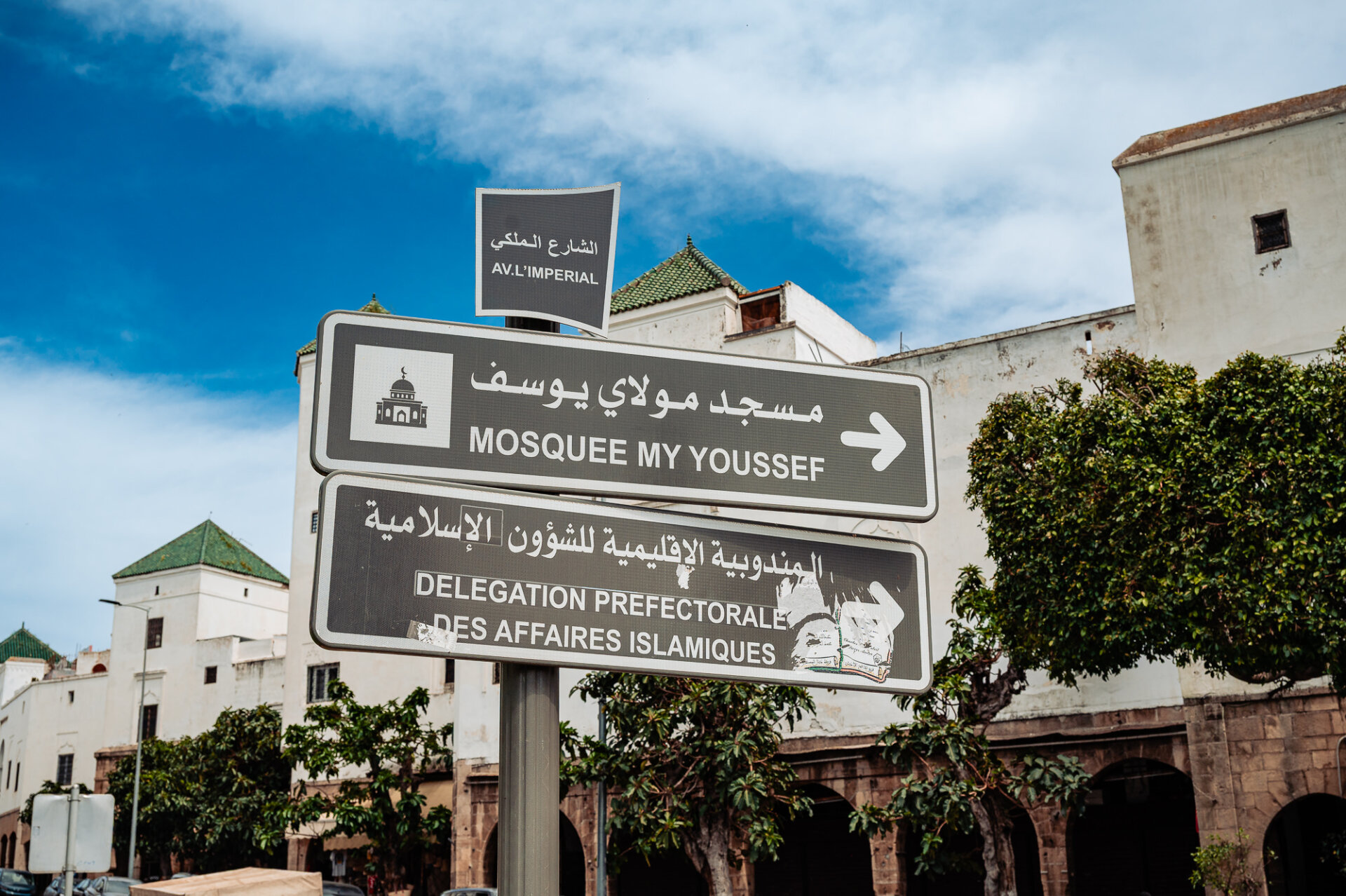
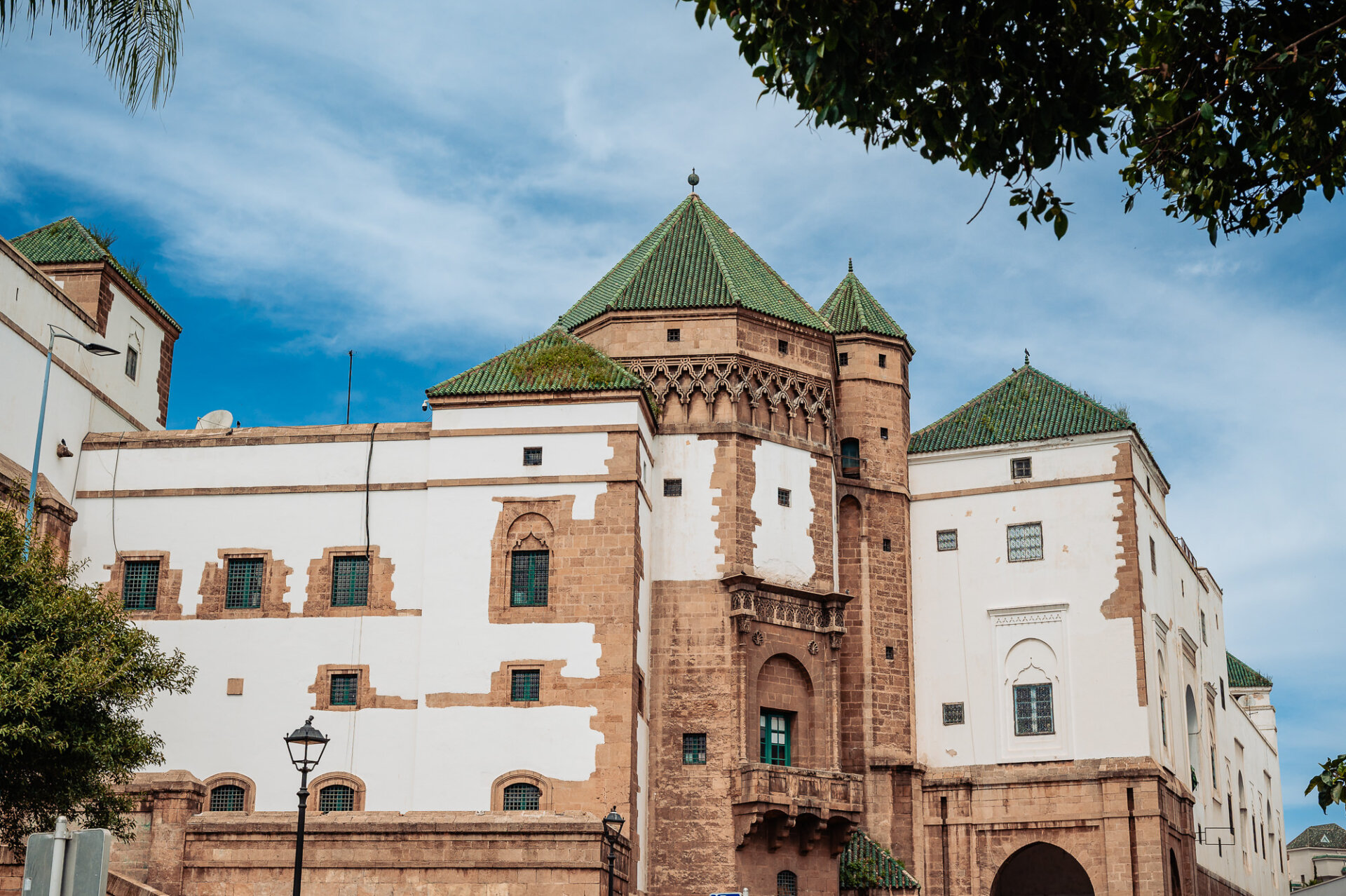
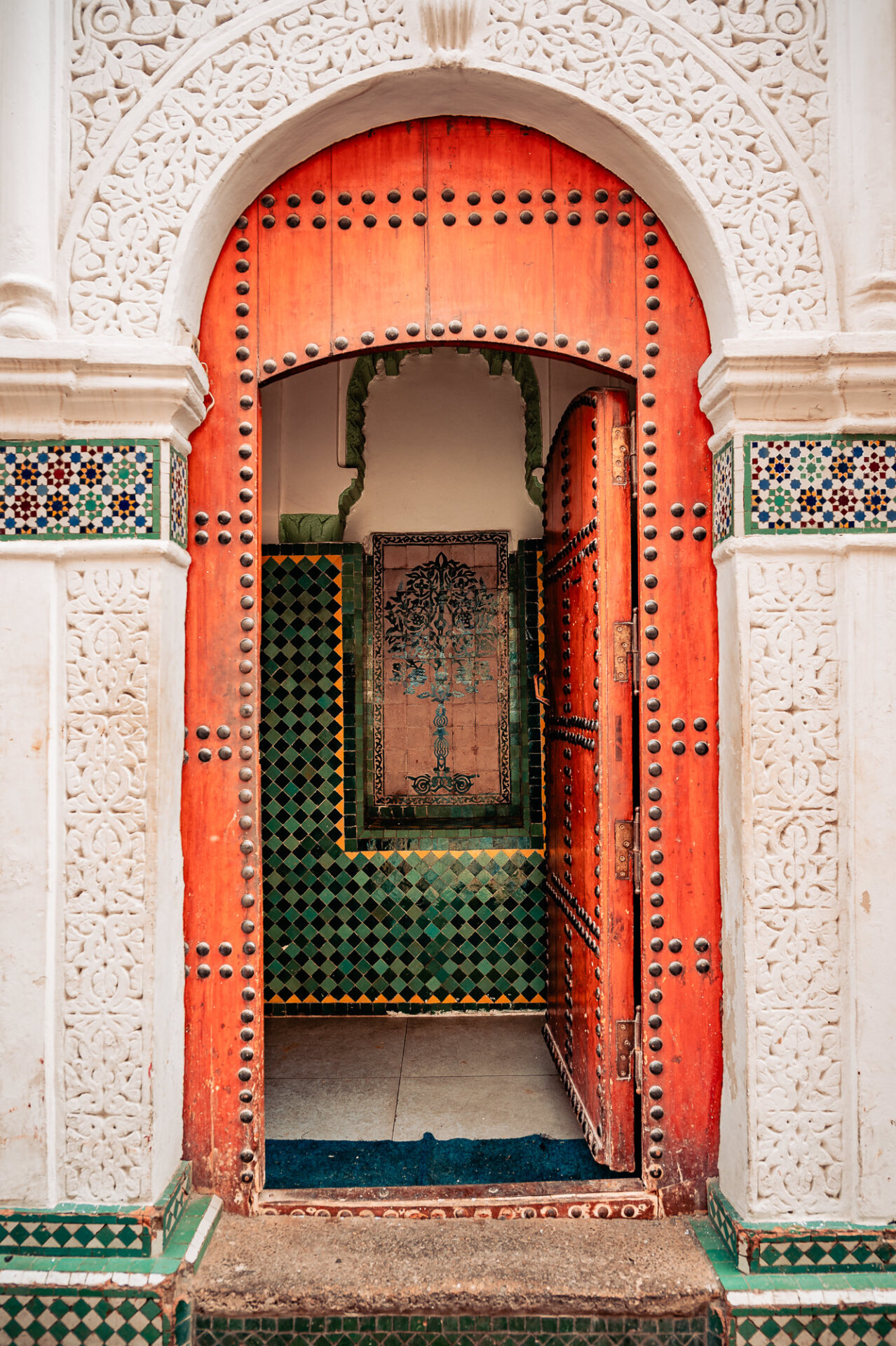
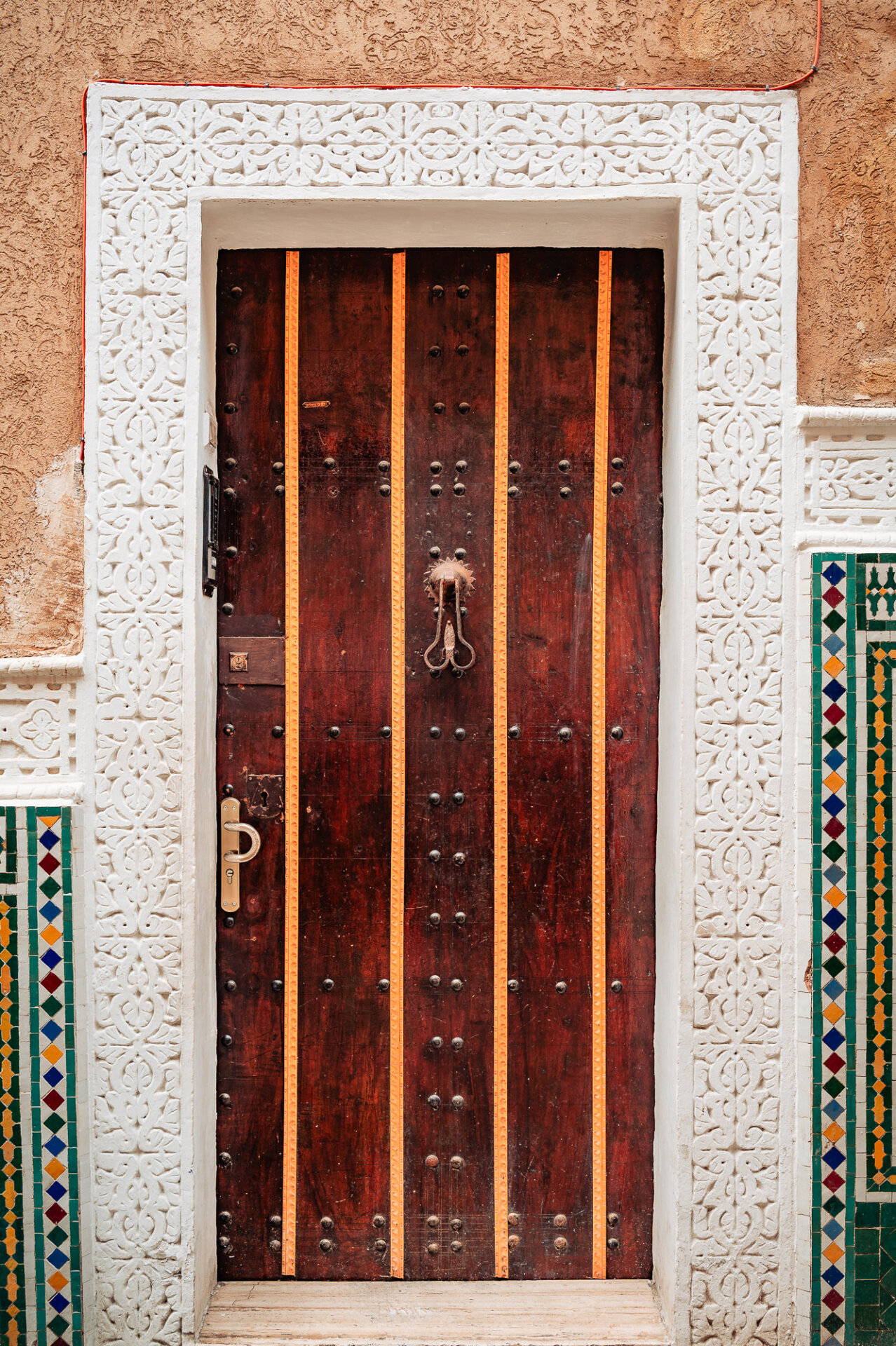
There is something deeply moving about a place like this, the ordinary commerce of daily life conducted in a space of genuine architectural beauty, by people for whom this market is simply part of the rhythm of the week. We wandered its stalls in the morning, when the light was at its best and the market at its most lively, and left with a deeper sense of the city as a place where people actually live, not merely a backdrop for travelers to pass through.
Mohamed V Square: The Heart of the City
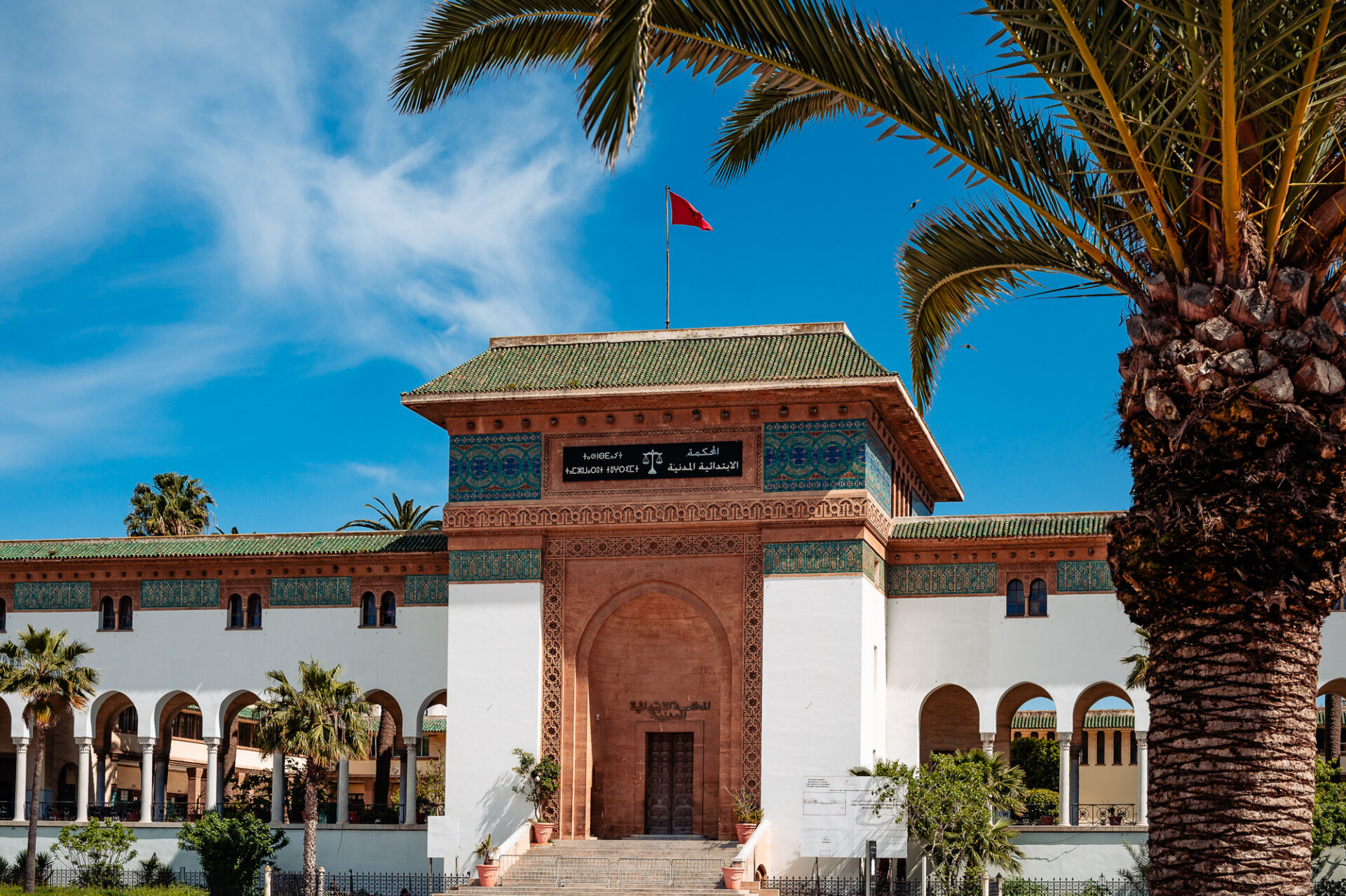
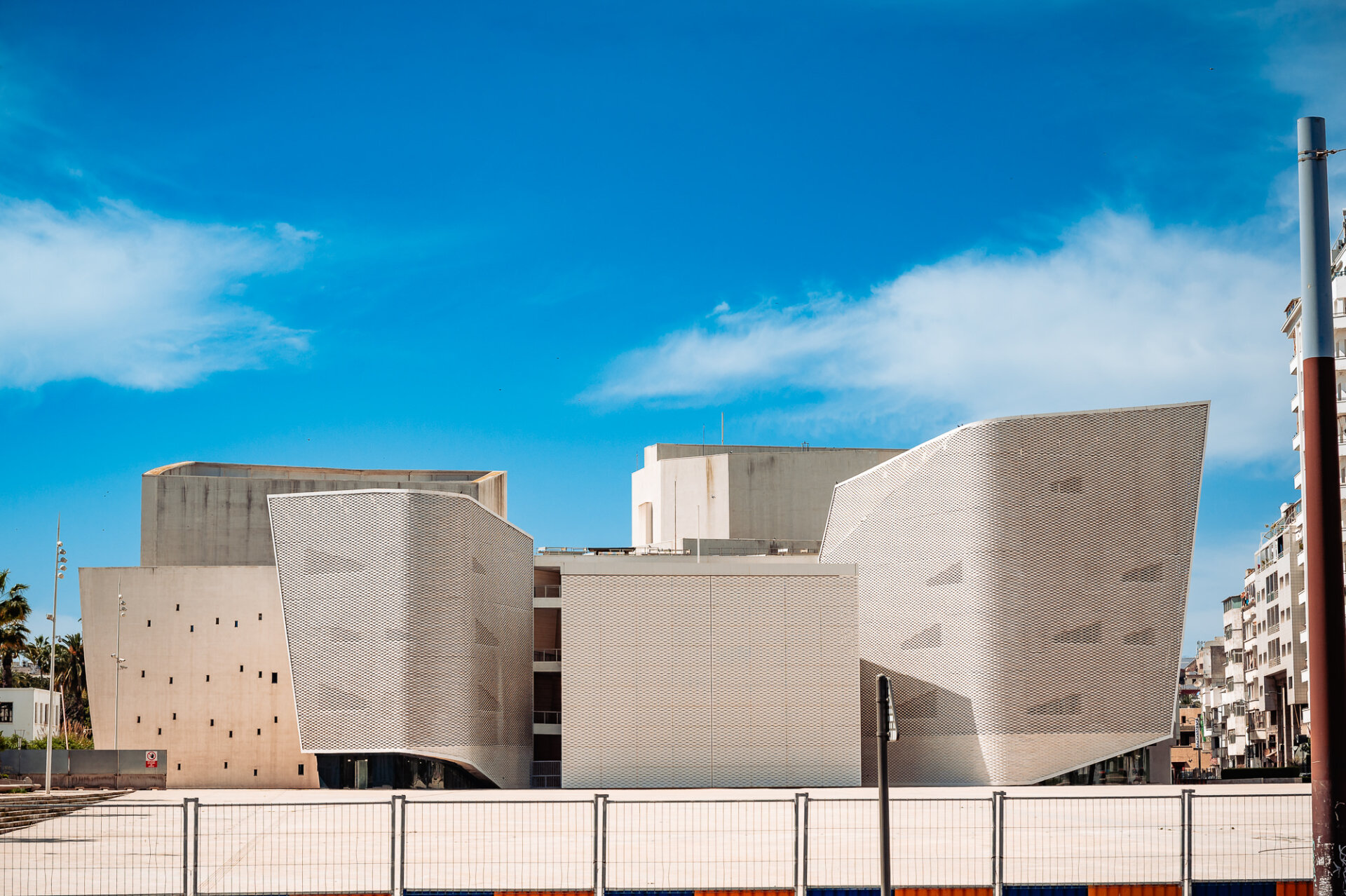
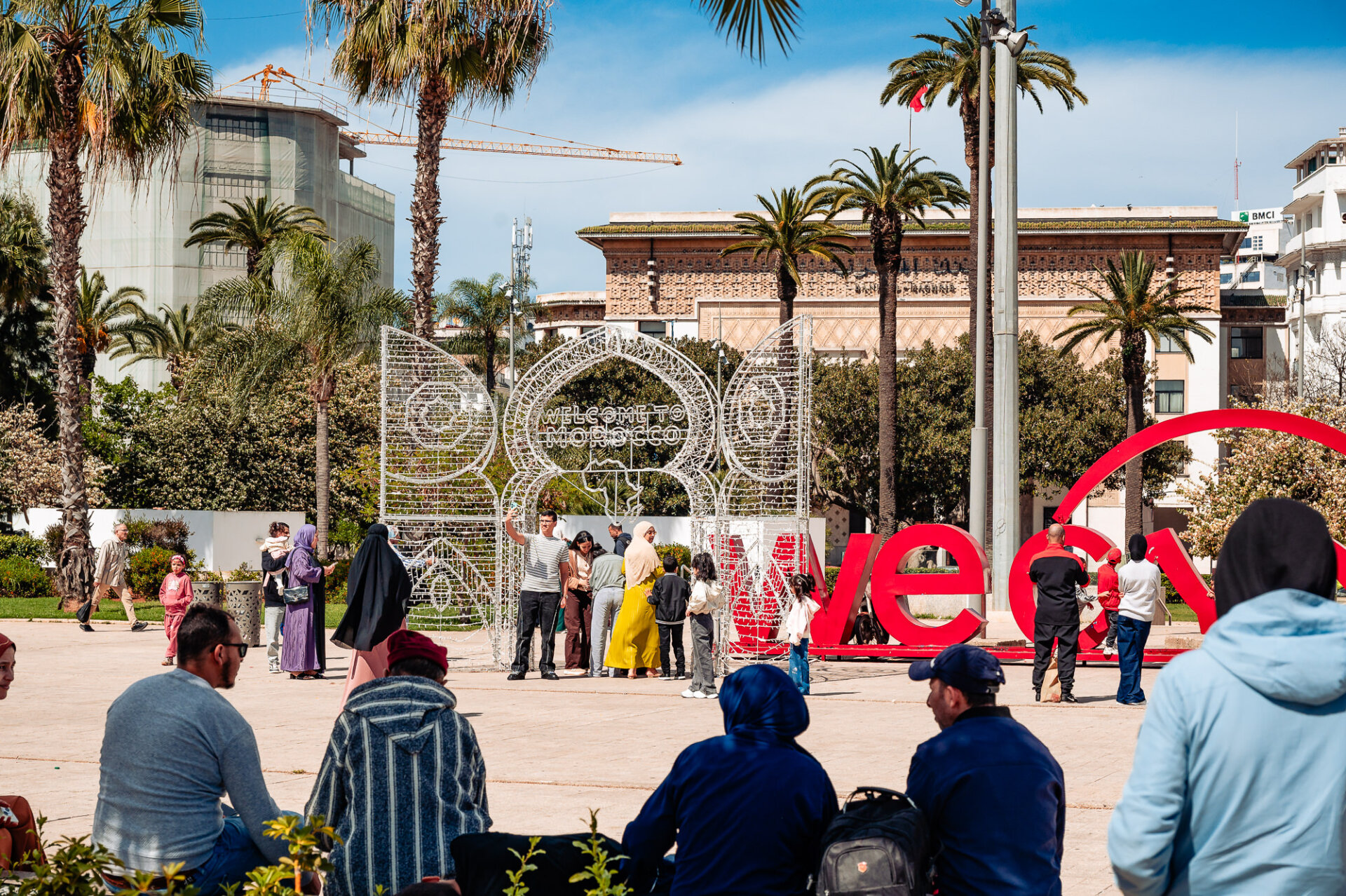
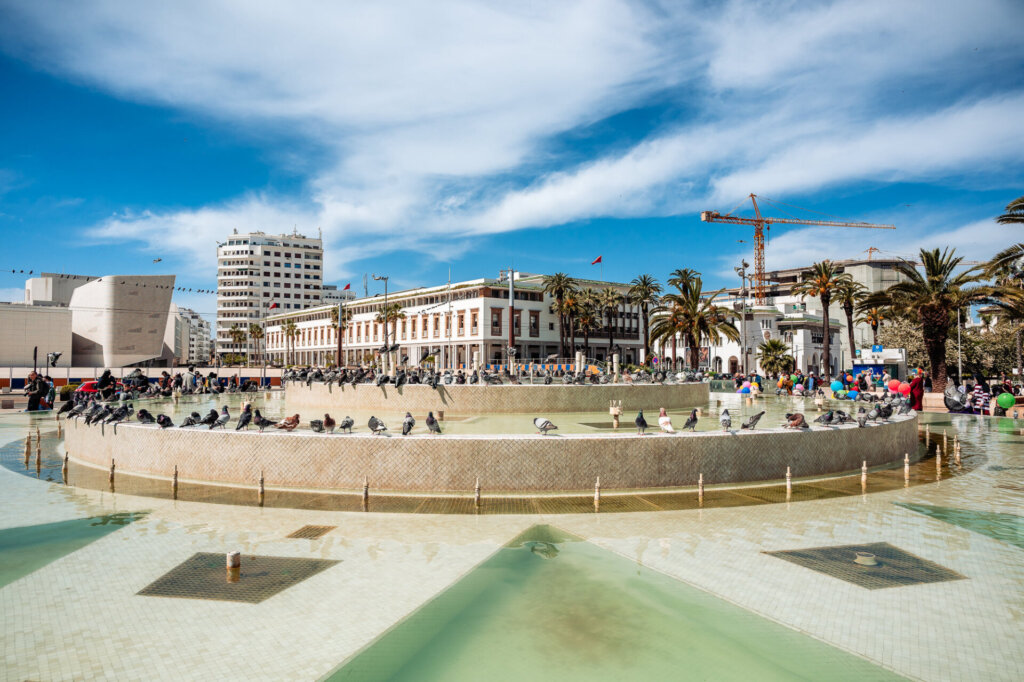
At the center of Casablanca’s civic life stands Mohamed V Square: a grand, formal space of fountains and gardens surrounded by the city’s most important Art Deco and Mauresque public buildings, including the law courts, the French Consulate, and the imposing Wilaya building.
For our family, arriving here in the soft light of late afternoon felt like a moment of genuine arrival — a sense of having found the beating heart of the city we had come to visit.
Fun Fact: The distinctive architectural style of many buildings around Mohamed V Square is known as Mauresque, a blend of French Art Deco and traditional Moroccan Islamic design that was developed specifically for colonial-era Morocco and remains one of Casablanca’s most distinctive visual signatures.
Street Art in L’Boulevard: Casablanca’s Creative Soul
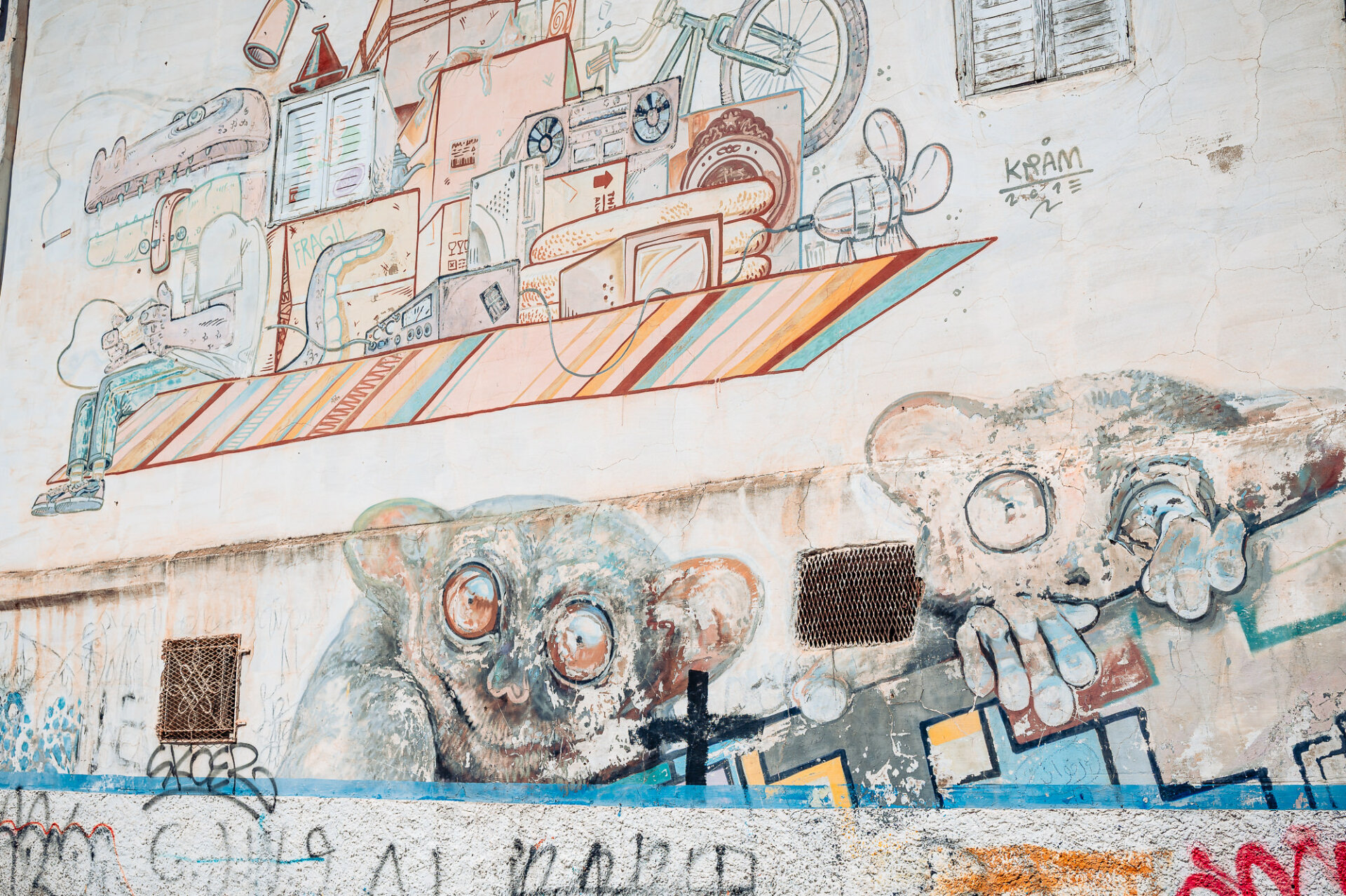
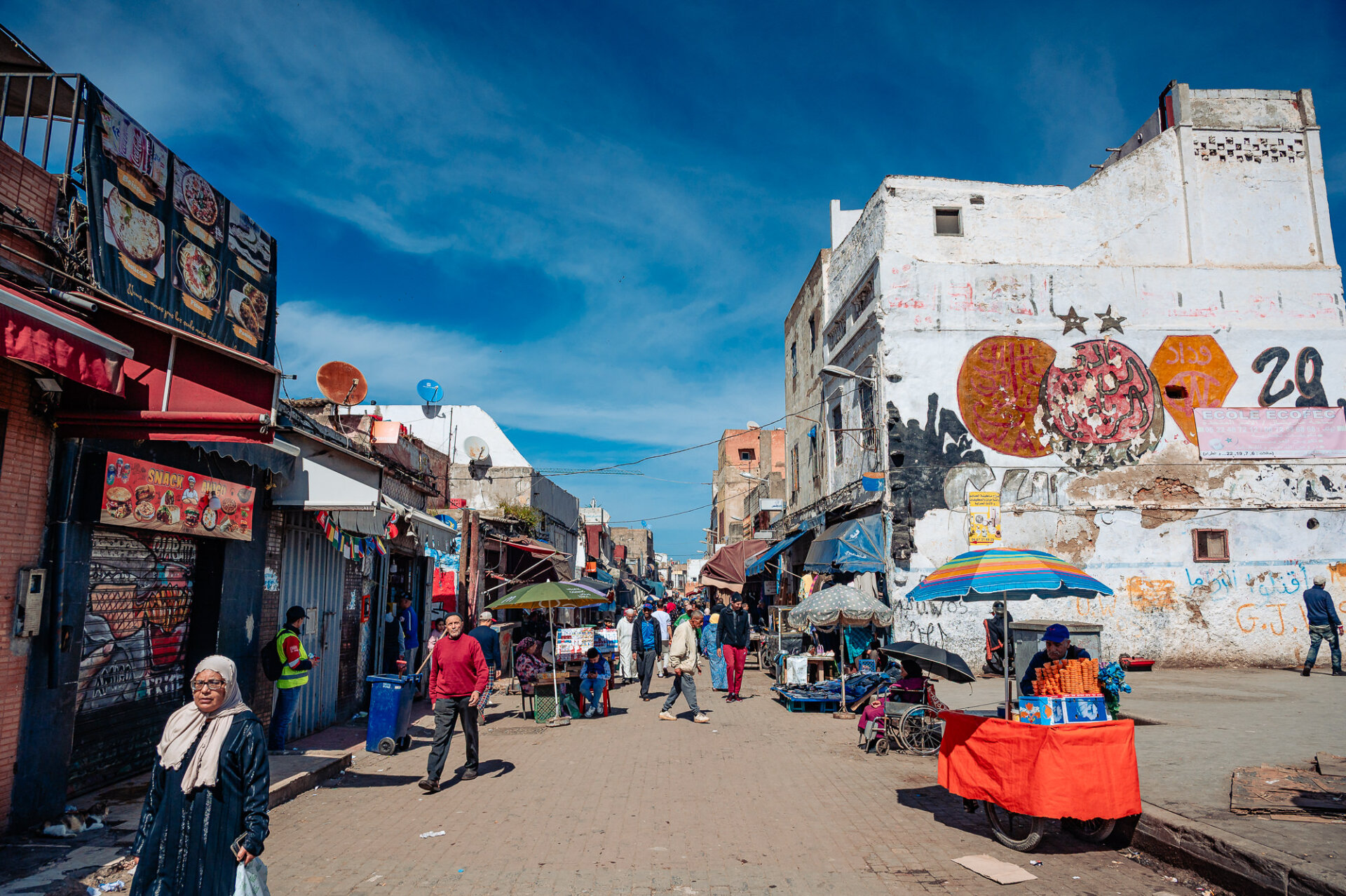
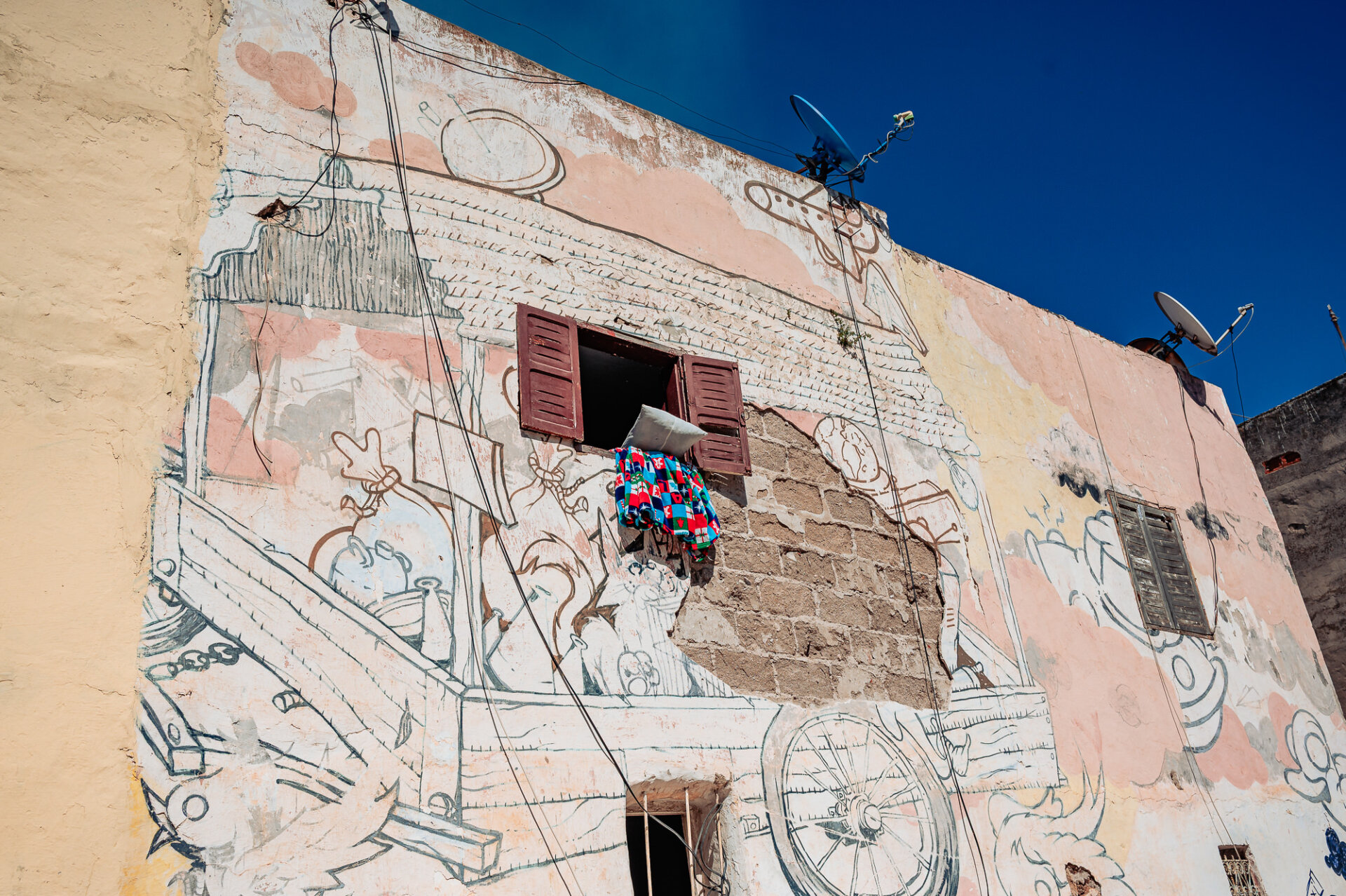
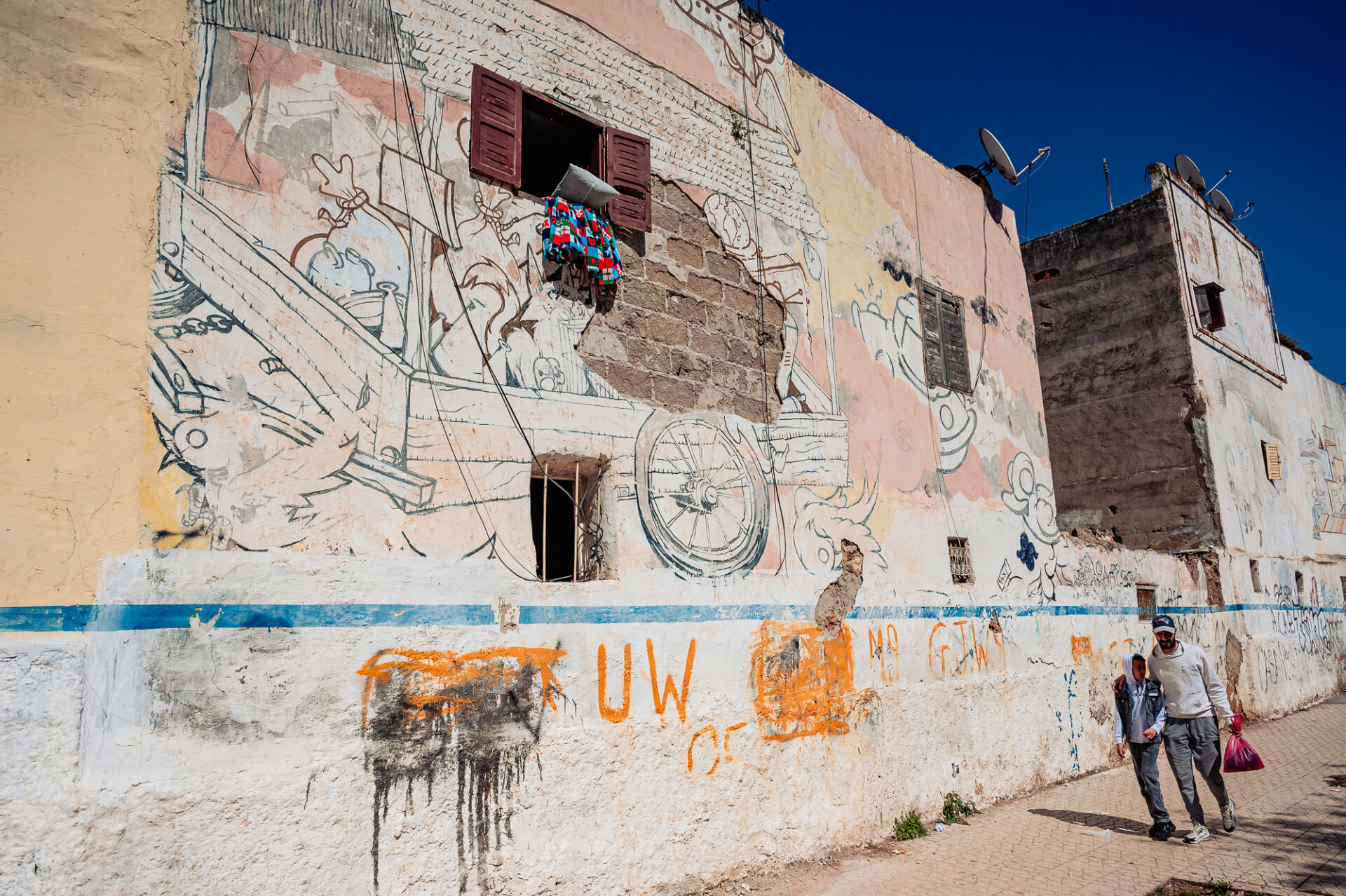
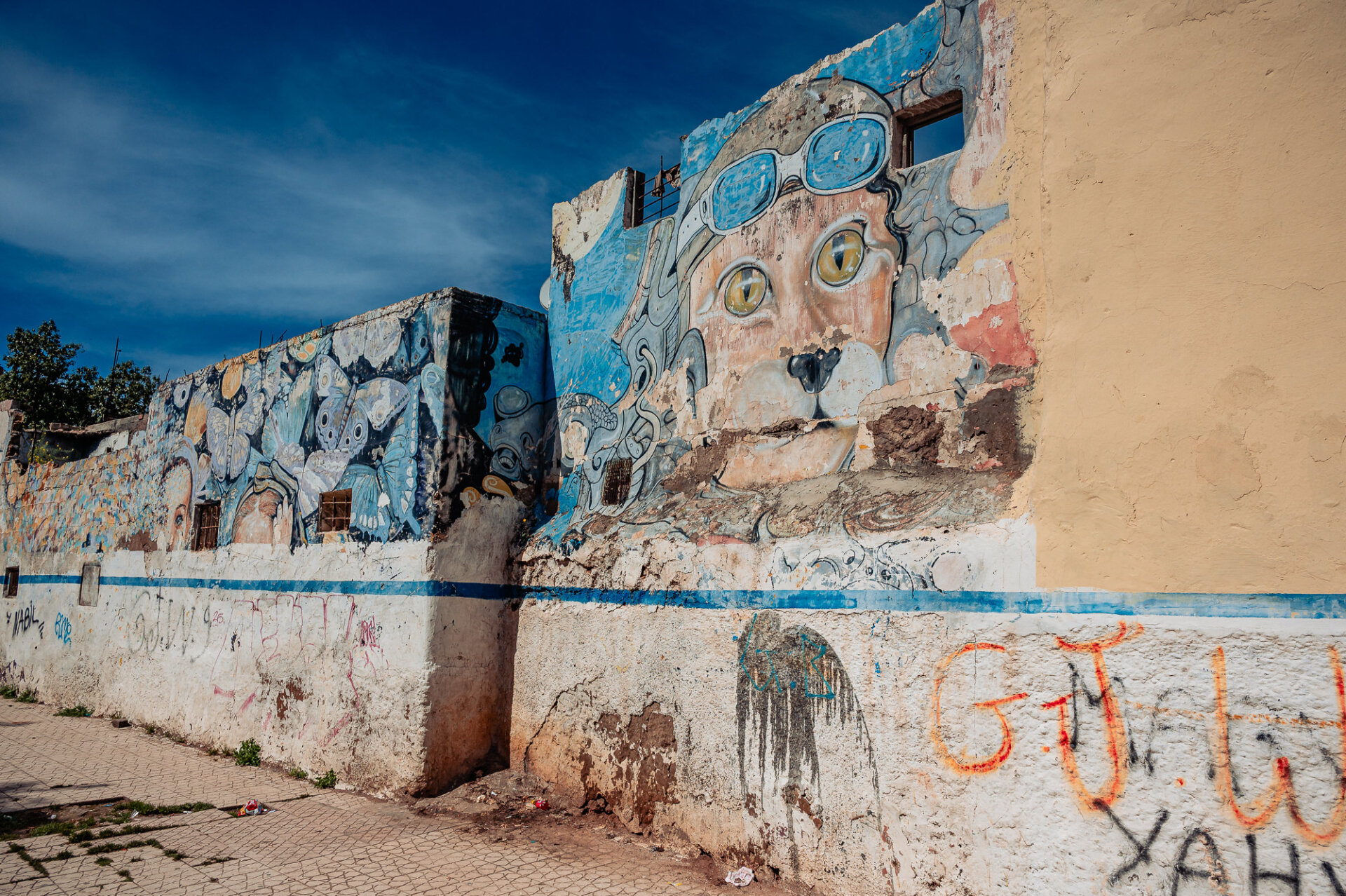
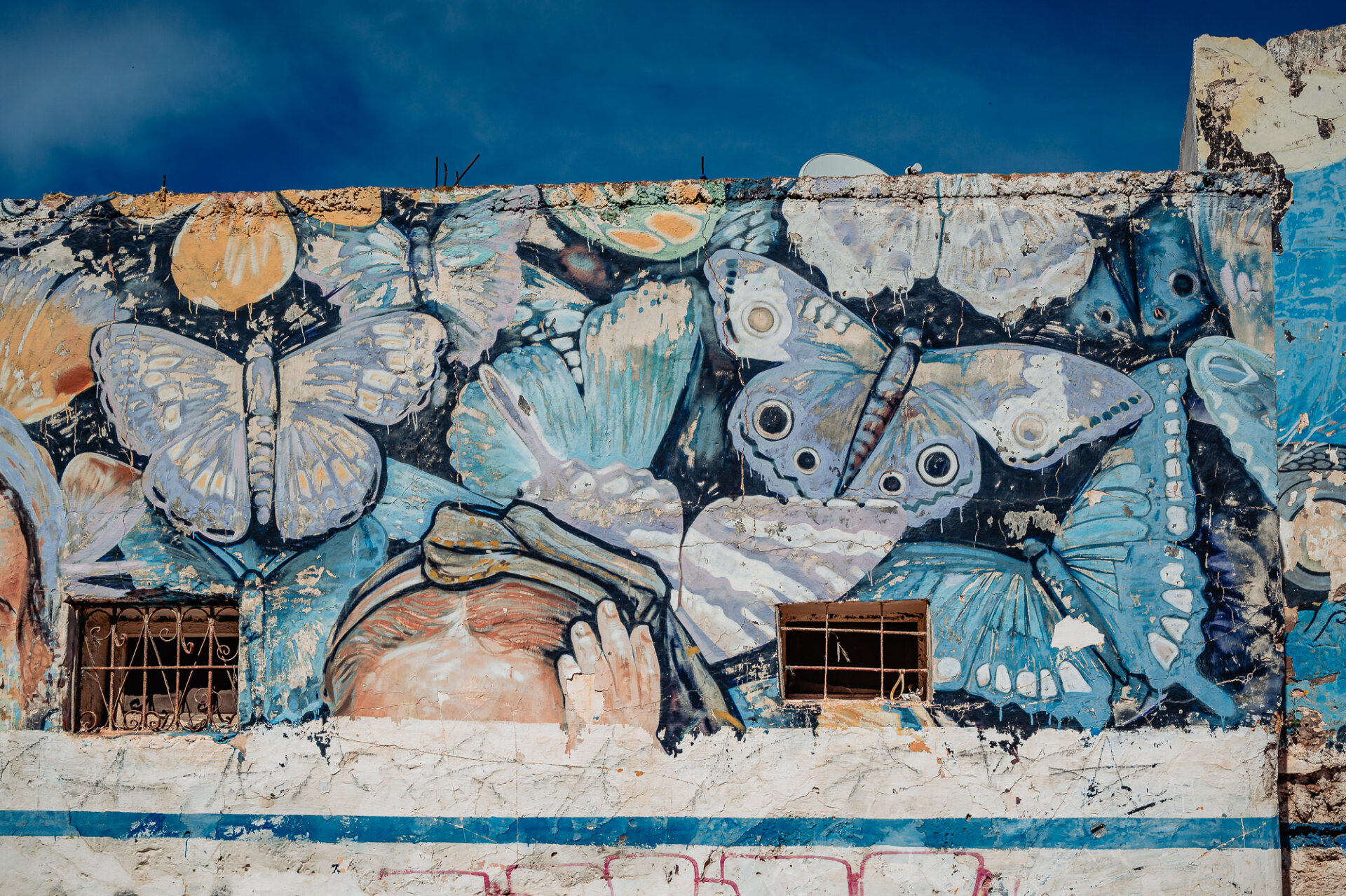
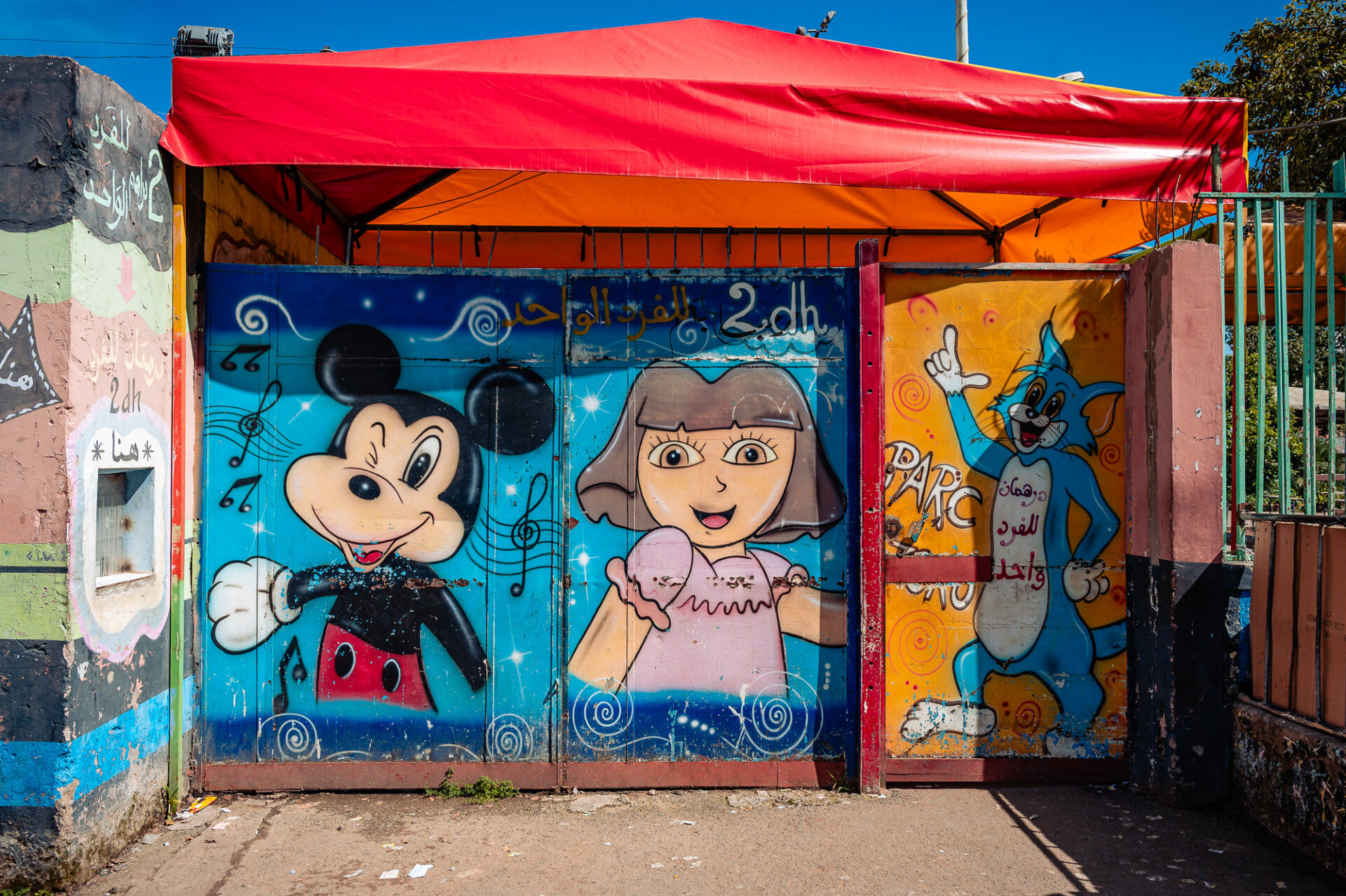
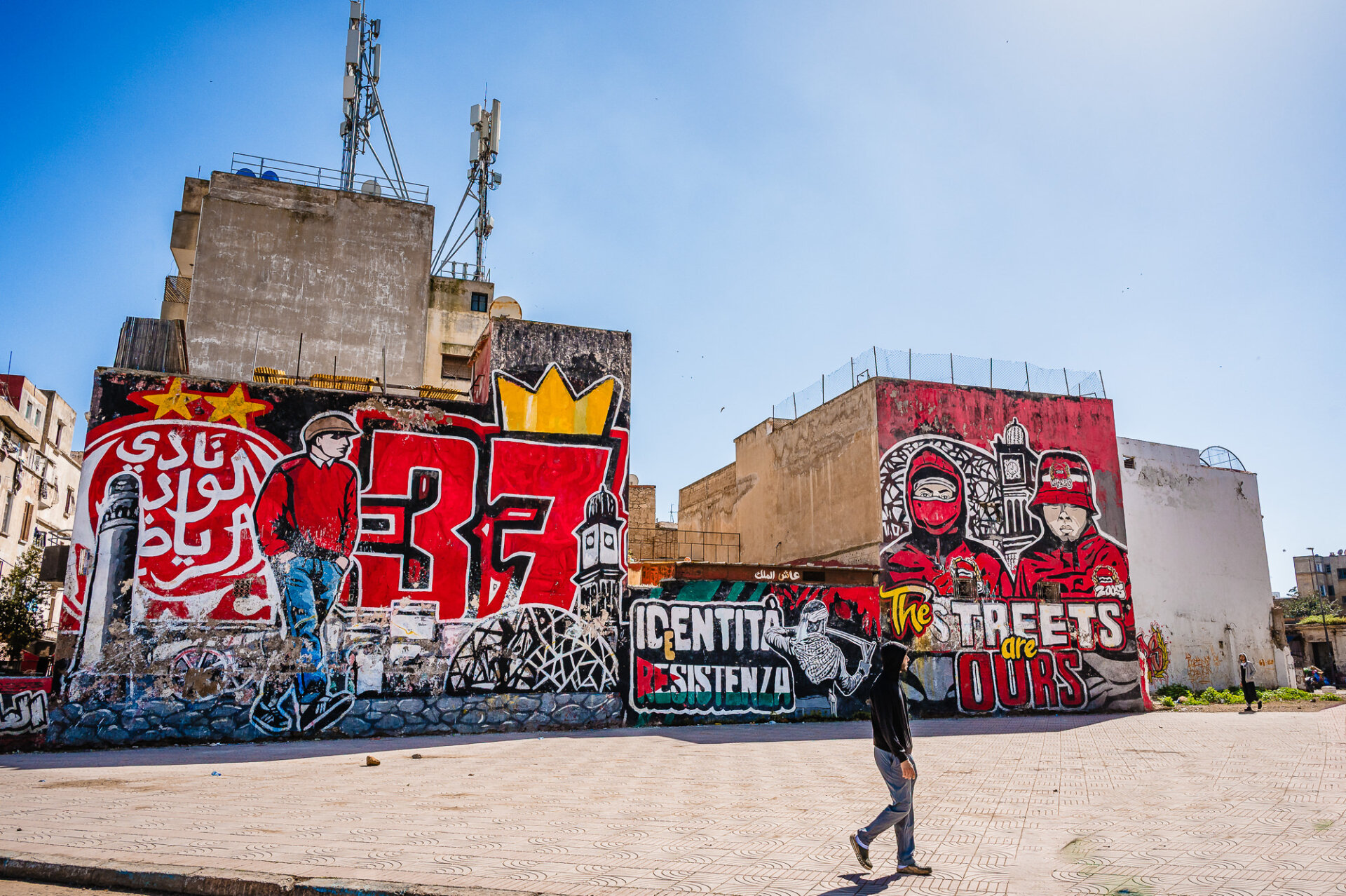
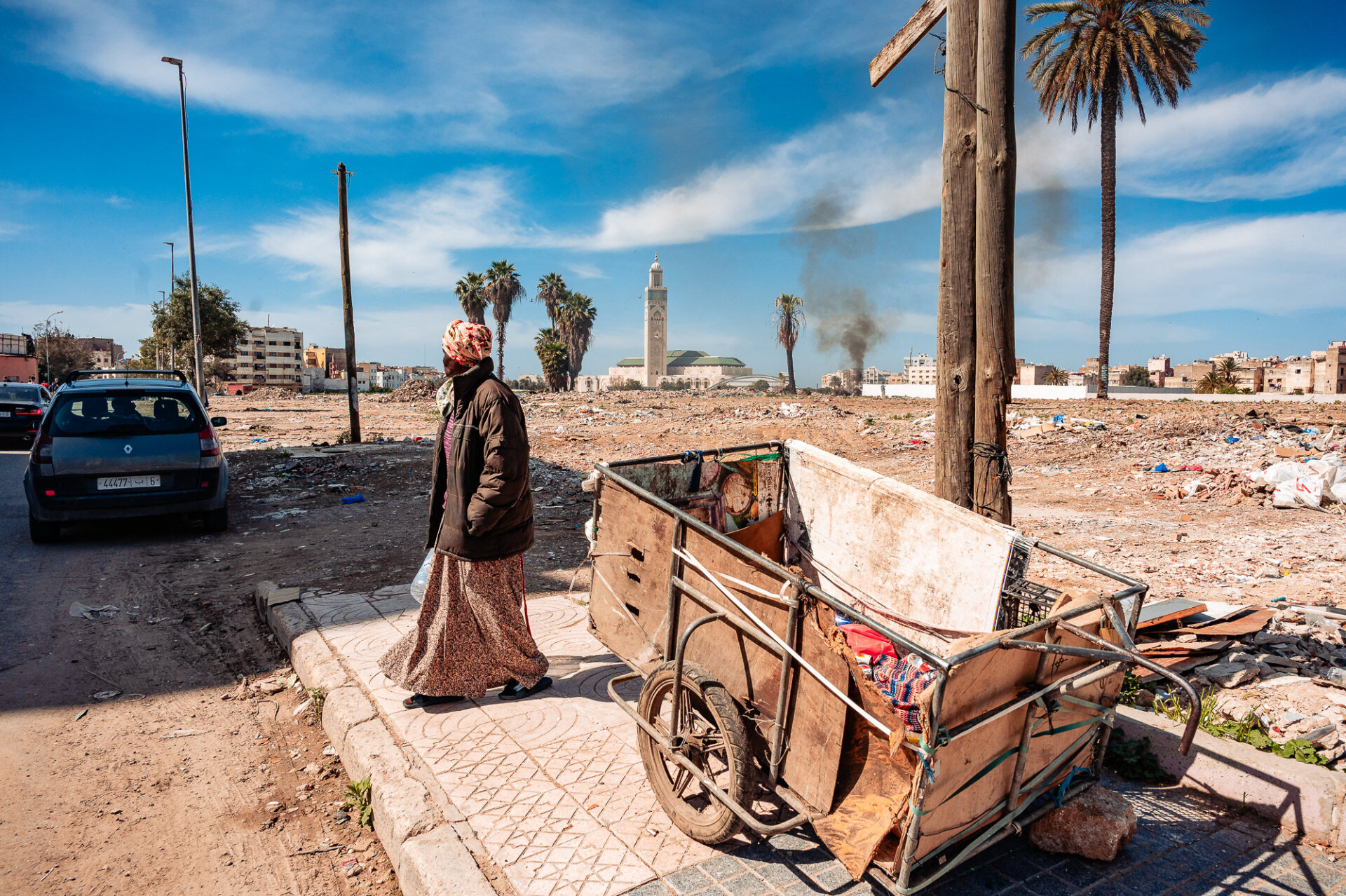
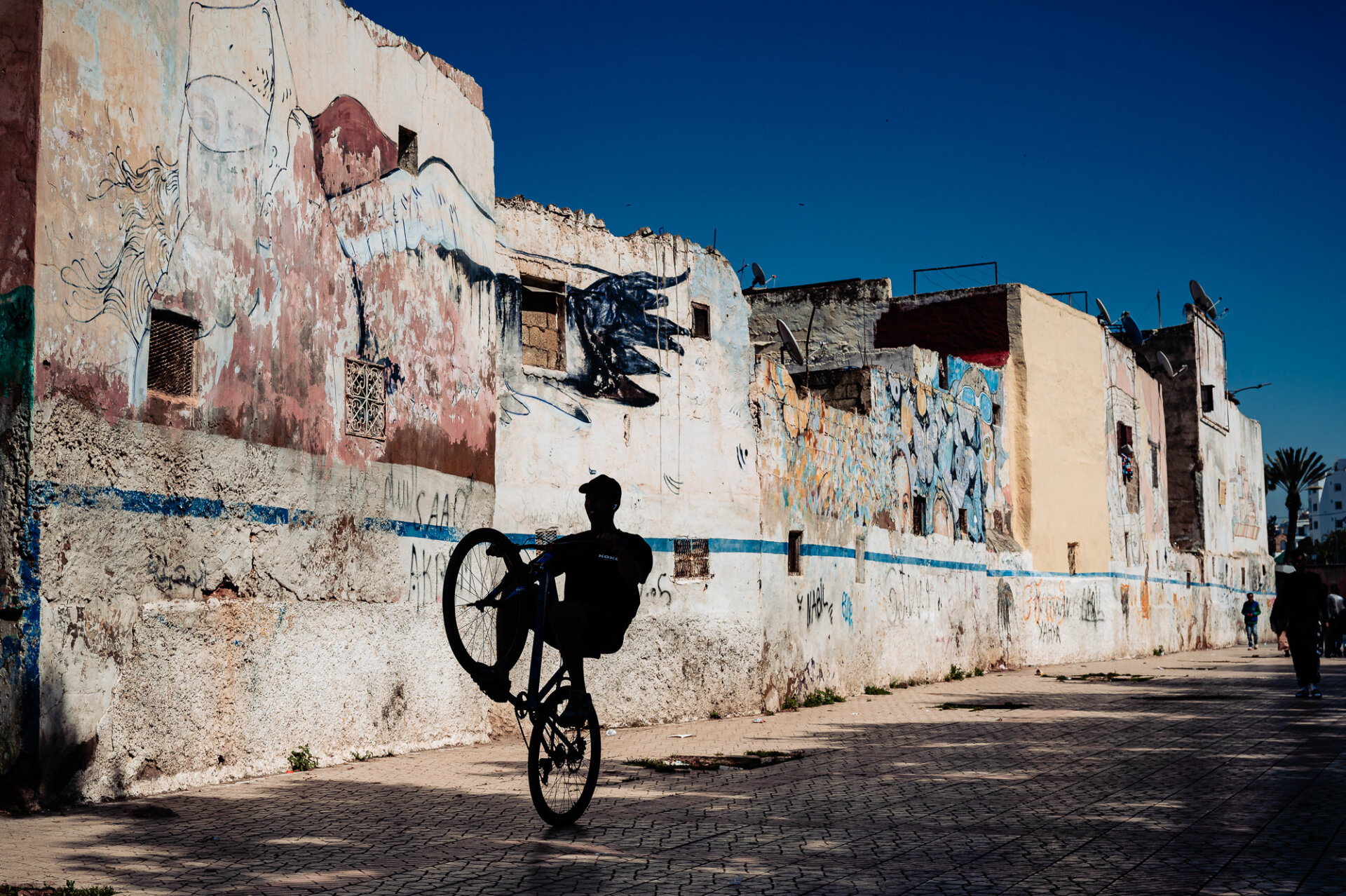
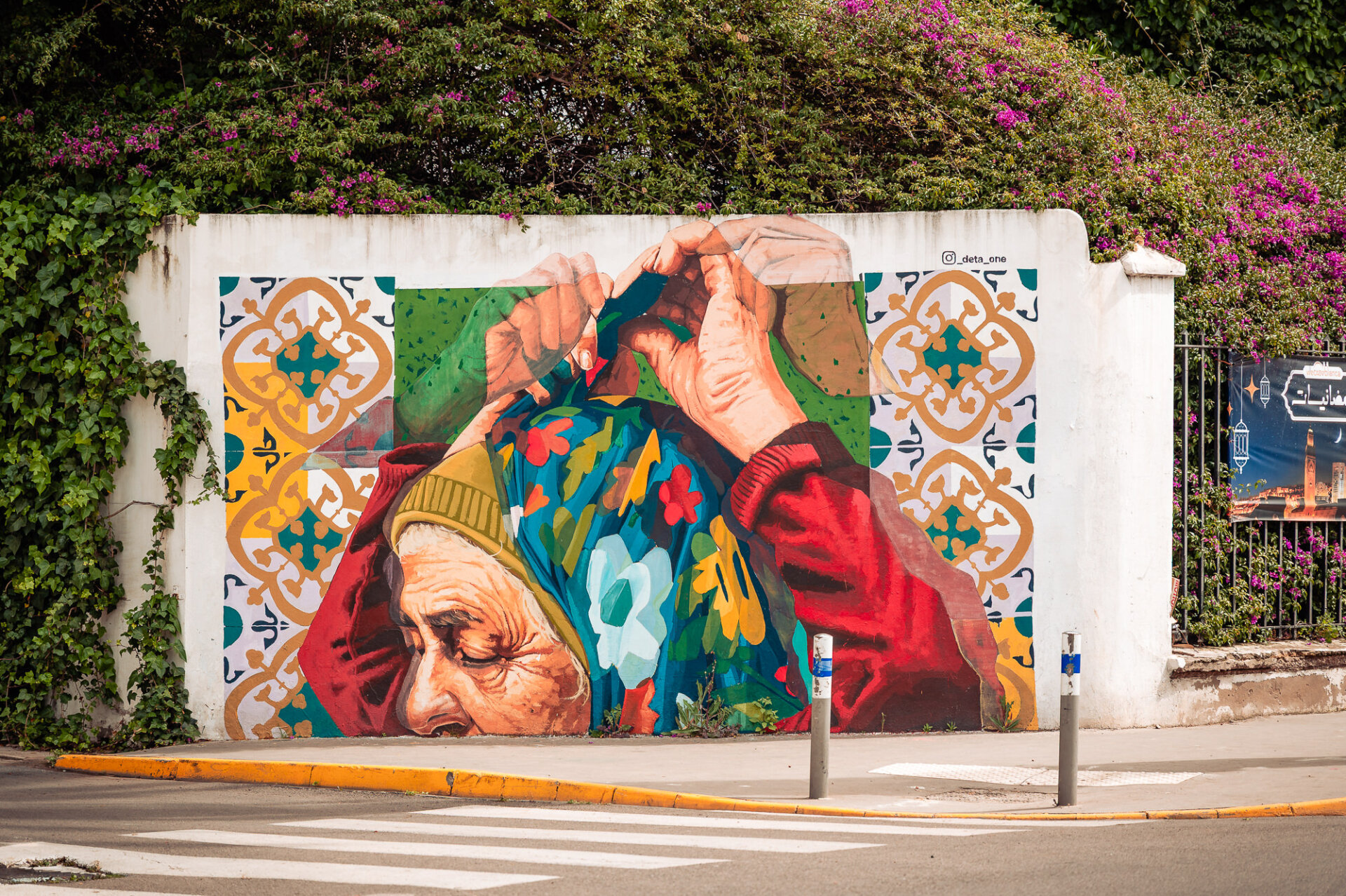
One of the most exhilarating discoveries of our time in Casablanca was the city’s vibrant street art scene, centered around the L’Boulevard festival — Morocco’s premier urban arts event, which has transformed entire neighborhoods of the city into open-air galleries of extraordinary scale and ambition.
Large murals adorn the facades of buildings throughout the district, showcasing powerful and sophisticated artistry that reflects Moroccan identity, global culture, and the vibrant creative energy of a young, confident city discovering its voice. As a photographer, I thrived in this environment; the scale of the artworks, the quality of the imagery, and the interaction between street art and the surrounding urban landscape produced some of the most visually dynamic photography of my entire trip.
The Casablanca Seafront: The Atlantic at the Edge of Everything
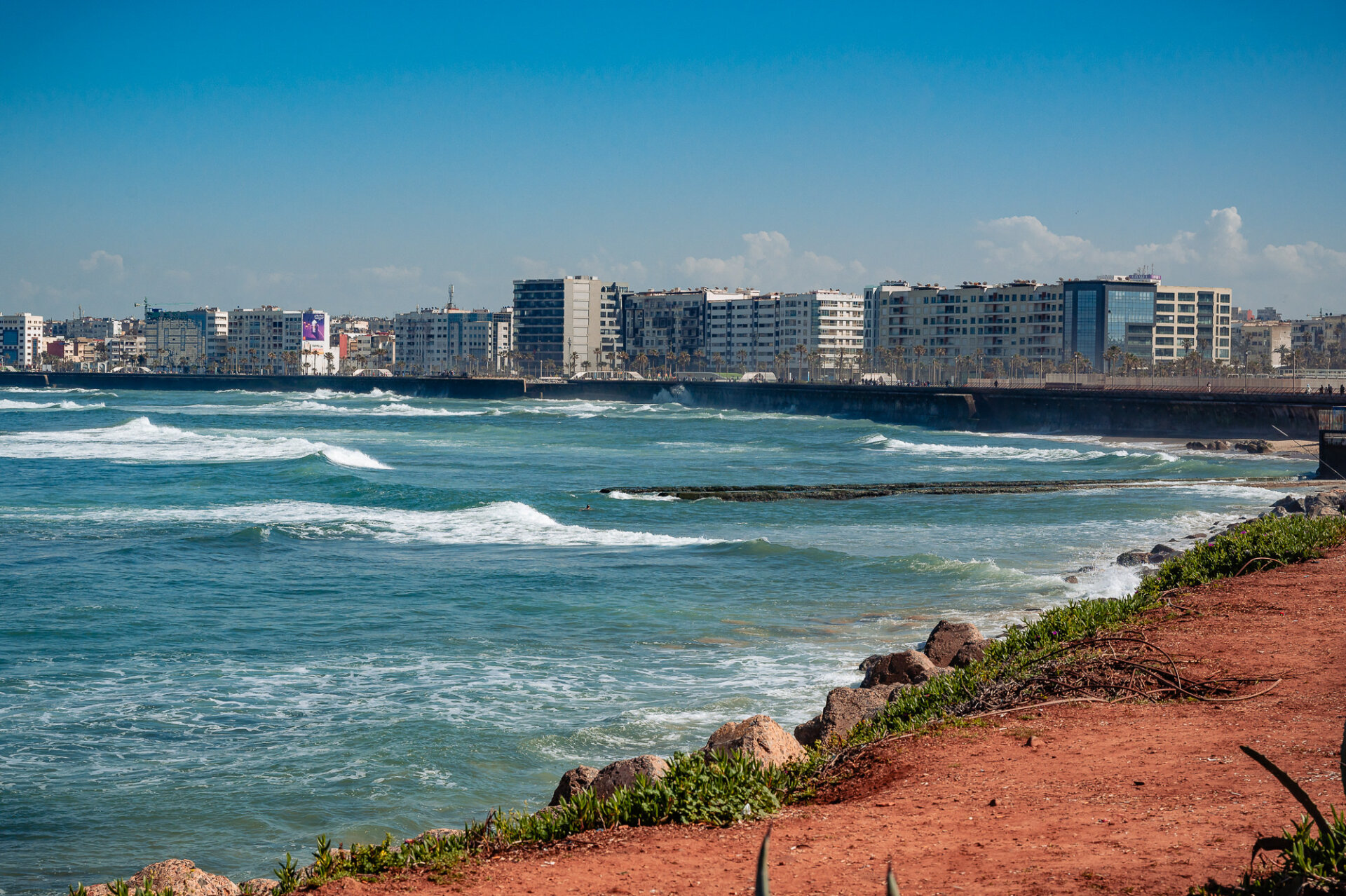
Running along the city’s western edge, the Casablanca seafront is one of those urban spaces that earns its place in a city’s identity through sheer, uncomplicated beauty. The Atlantic stretches away to the horizon in every direction, enormous and luminous and constantly changing its mood shifting from calm to dramatic with the weather and the light.
We walked the seafront on several occasions during our stay in the bright morning, when the light was clear and the sea glittered, and in the evening, when the sun dropped below the horizon and the water turned every shade of gold and rose and deep, saturated blue. Each time it offered something new, something worth stopping for, something worth photographing.
The Khotba: Two Families, One Table
And then there was the reason we came.
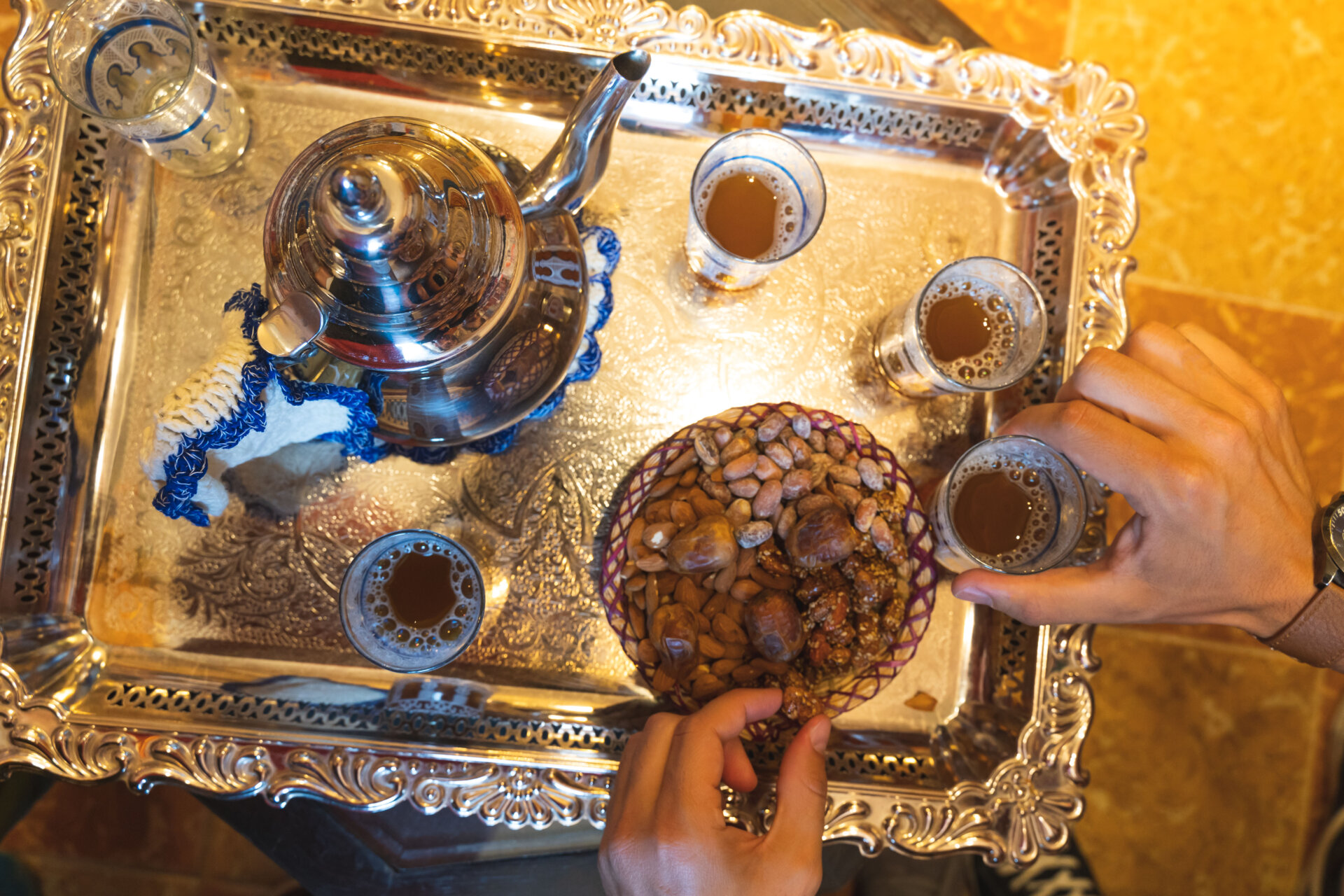
The Khotba is the formal meeting of our two families. It was everything we had hoped it would be, and more than we had known to hope for. Conducted in the warmth of a Moroccan home, with the ritual recitation of the Fatiha, the pouring of mint tea, the exchange of gifts, and the kind of laughter and tears that only the most meaningful occasions produce, it was a ceremony that reminded us what all of this — the travel, the photography, the pursuit of beauty across the world is ultimately in service of.
Family. Love. The brave, beautiful act of two people choosing each other, and two families choosing to welcome that choice with open arms.
Morocco gave us all of that. And Casablanca — warm and welcoming and endlessly generous, gave us the perfect city in which to receive it.
Final Thoughts: Casablanca, With Gratitude
We left Casablanca with full memory cards, full hearts, and a profound sense of gratitude. For the city, for its people, for the extraordinary hospitality of the family that welcomed us into their home and their lives.
As a photographer, I came to Casablanca expecting to find beautiful things to document. What I found instead was something I could not have anticipated…a city that matched the emotional significance of the occasion with a beauty, a warmth, and a depth entirely its own.
Casablanca turns out to be not just a city. It is an experience. And for our family, it will always be the place where something wonderful truly began!
Follow the journey: ralphdeal.com