Between Beauty and Memory: A Story Through Poland
Poland was the first stop on this trip. Before the Arctic, before the long nights and shifting skies, it gave us a starting point that felt grounded and steady. Poland carries an extraordinary weight of history, both the kind that fills you with admiration and the kind that fills you with grief. My wife and I arrived knowing that this journey would demand more from us than the usual pleasures of travel. What we did not fully anticipate was how completely Poland would also fill us with genuine wonder, warmth, and respect for a country that has rebuilt itself, repeatedly and with remarkable dignity, from the most devastating circumstances imaginable.
We began in Krakow and ended in Warsaw, with a day between them that we will carry with us for the rest of our lives. It shaped the trip early, not through spectacle, but through context. It gave us something to carry forward as we moved north.
Krakow: Poland’s Most Beautiful City
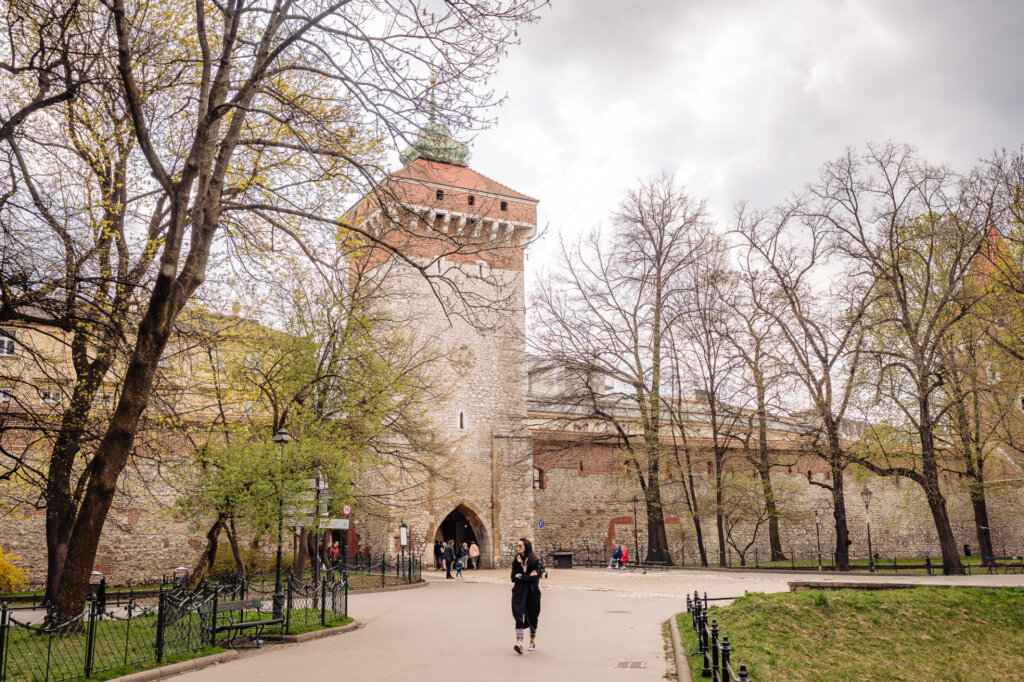
Krakow announces itself gently. There is no dramatic skyline, no overwhelming first moment. Instead, the city reveals itself gradually as you move through it, one beautiful street leading to another, the scale always human, the architecture always considered. The city has a settled, confident beauty that is entirely its own. Medieval towers and Gothic churches stand alongside Renaissance courtyards and Baroque facades, all of it worn with the comfortable ease of a place that has had a very long time to become itself.
For a photographer arriving with fresh eyes, it is an immediate and generous subject.
Krakow Old Town and Main Market Square
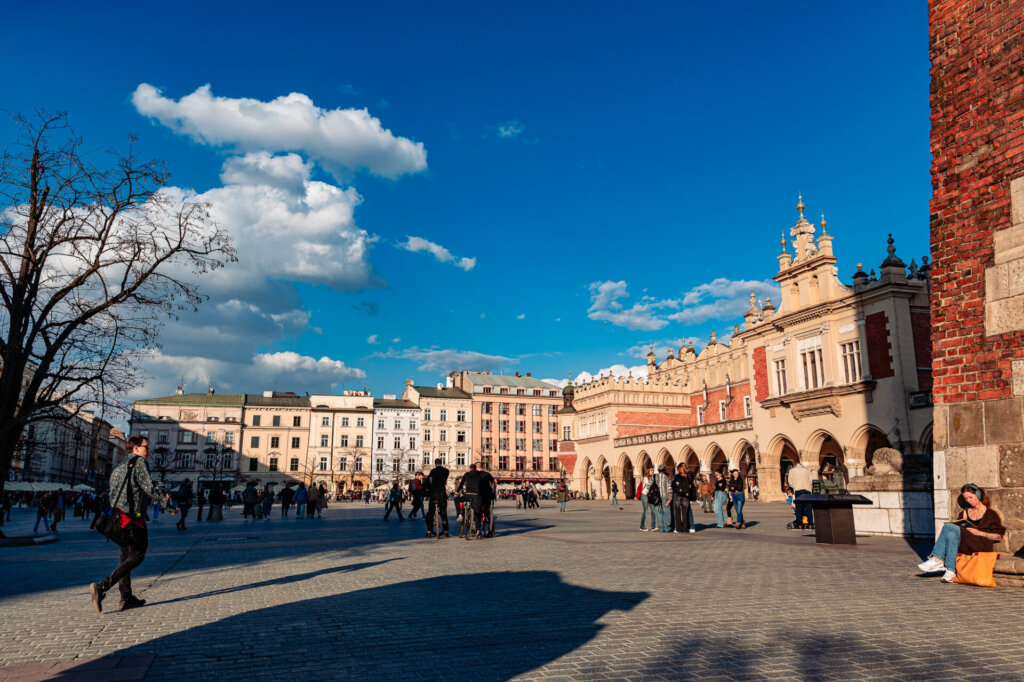
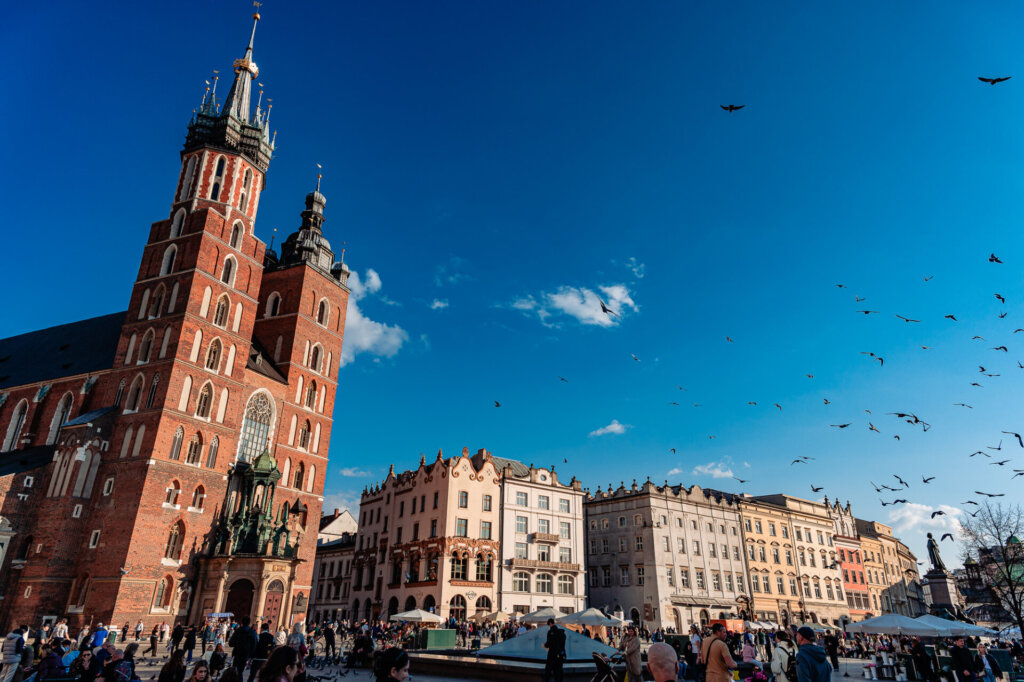
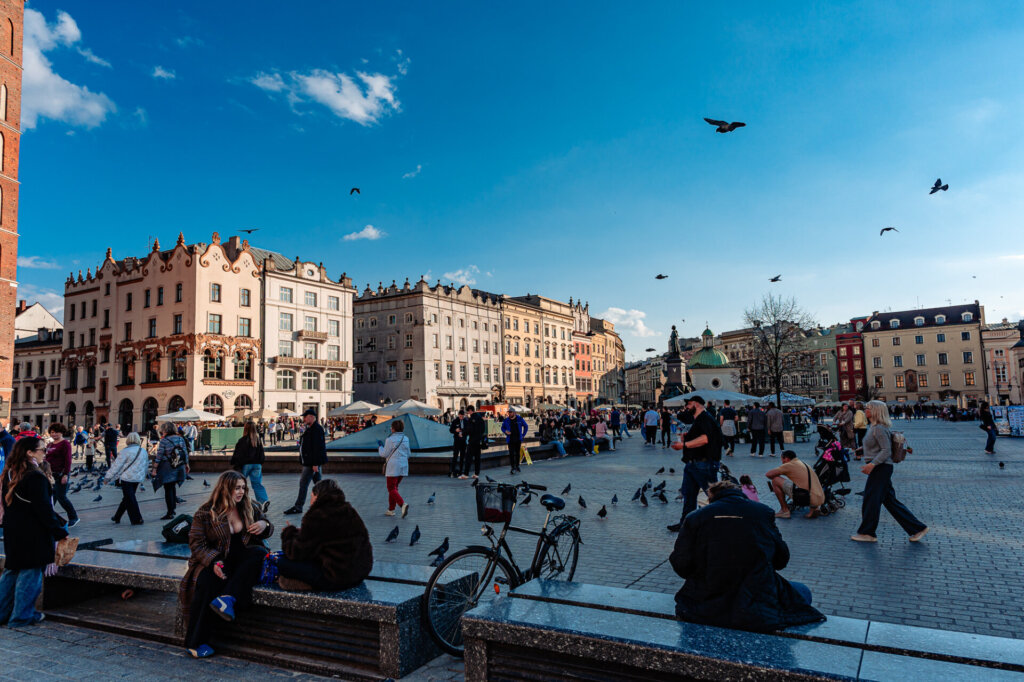
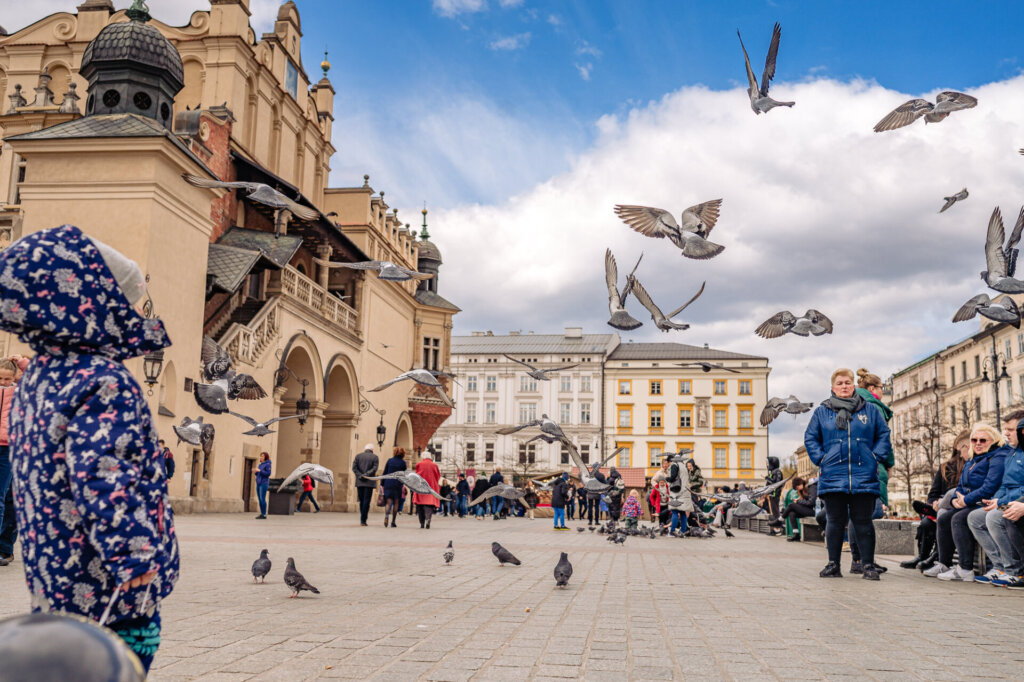
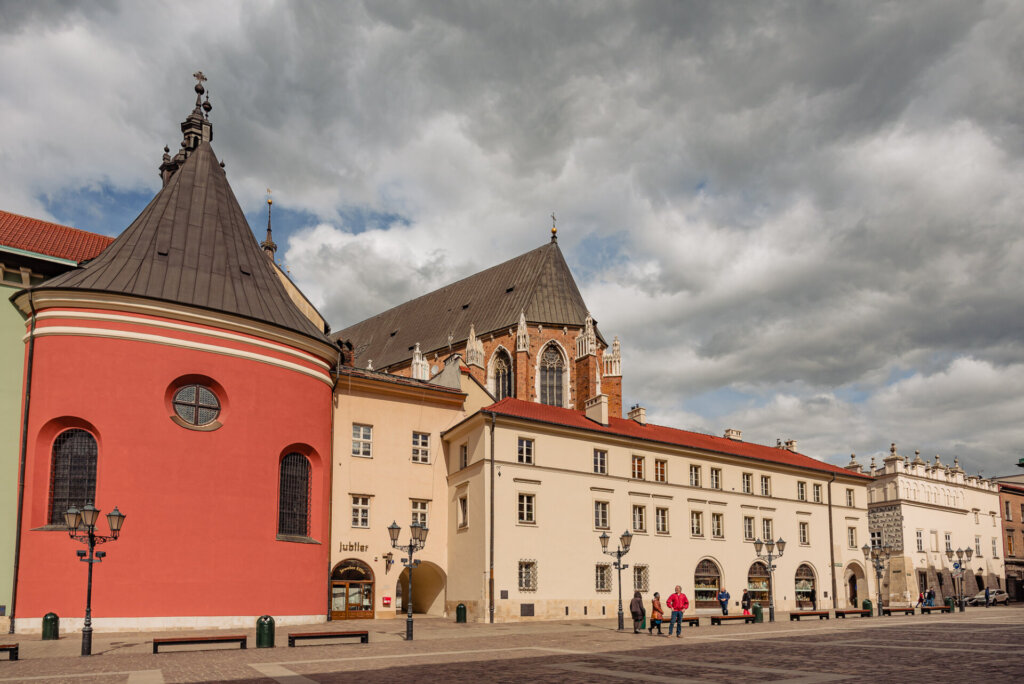
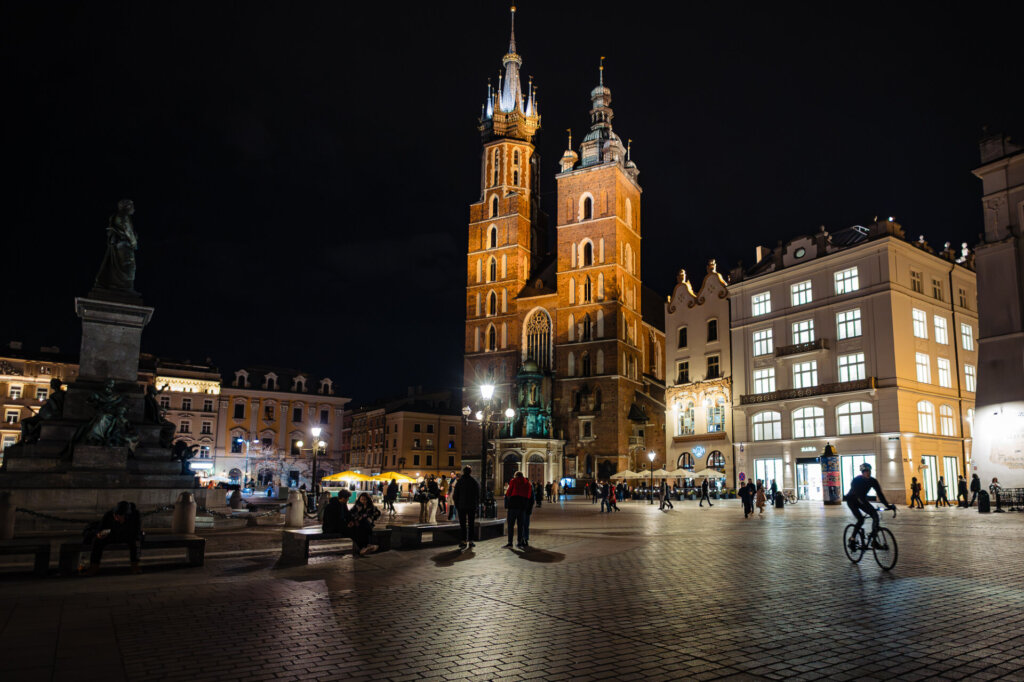
The heart of Krakow is its Main Market Square, Rynek Glowny, one of the largest medieval market squares in Europe and without question one of the finest public spaces I have encountered anywhere in my travels.
The square is framed on all sides by townhouses and palaces of real architectural distinction, their facades a layered record of the city’s long history. At its center stands the Cloth Hall, a magnificent Renaissance trading hall that has occupied this spot since the 14th century, its arcaded ground floor still home to market stalls selling amber, linen, and traditional Polish crafts. It is a building that manages to be both monumental and entirely approachable, and it anchors the square with exactly the right kind of quiet authority.
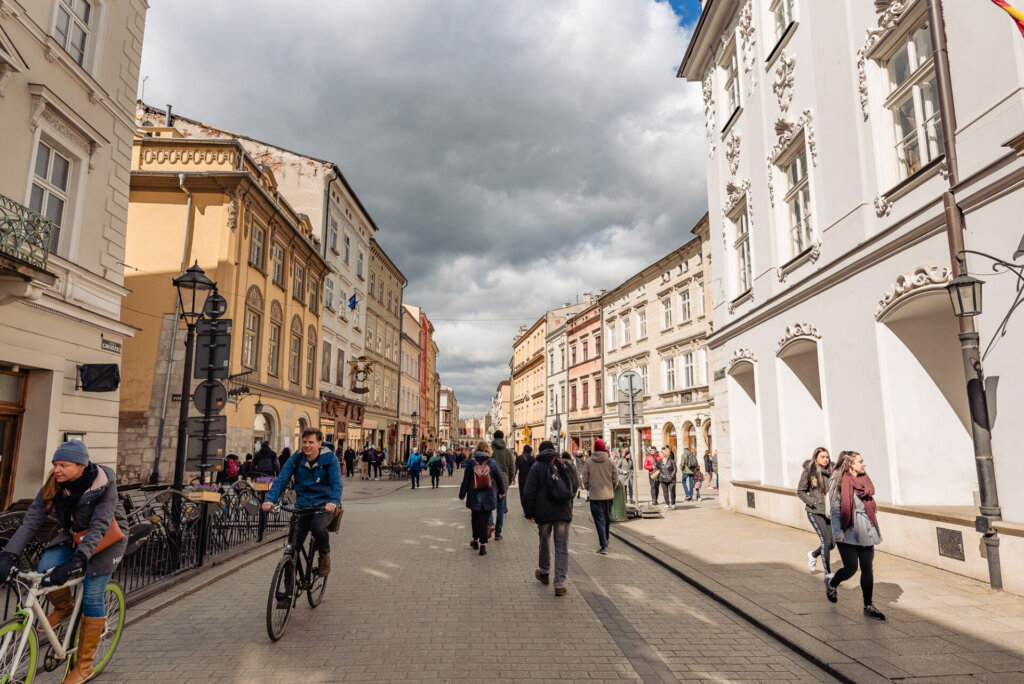
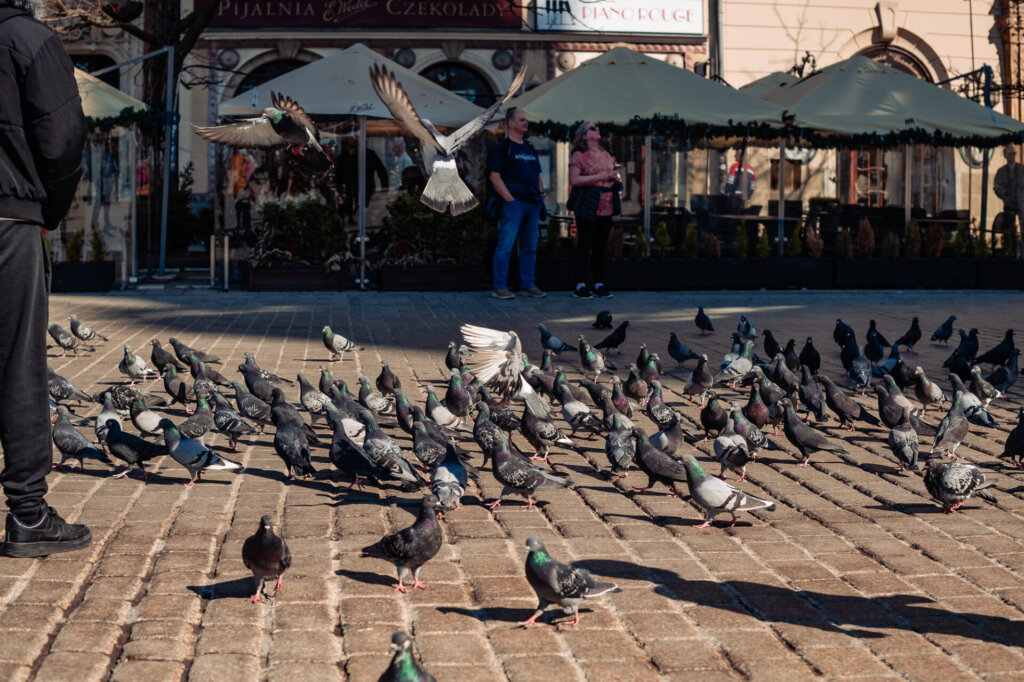
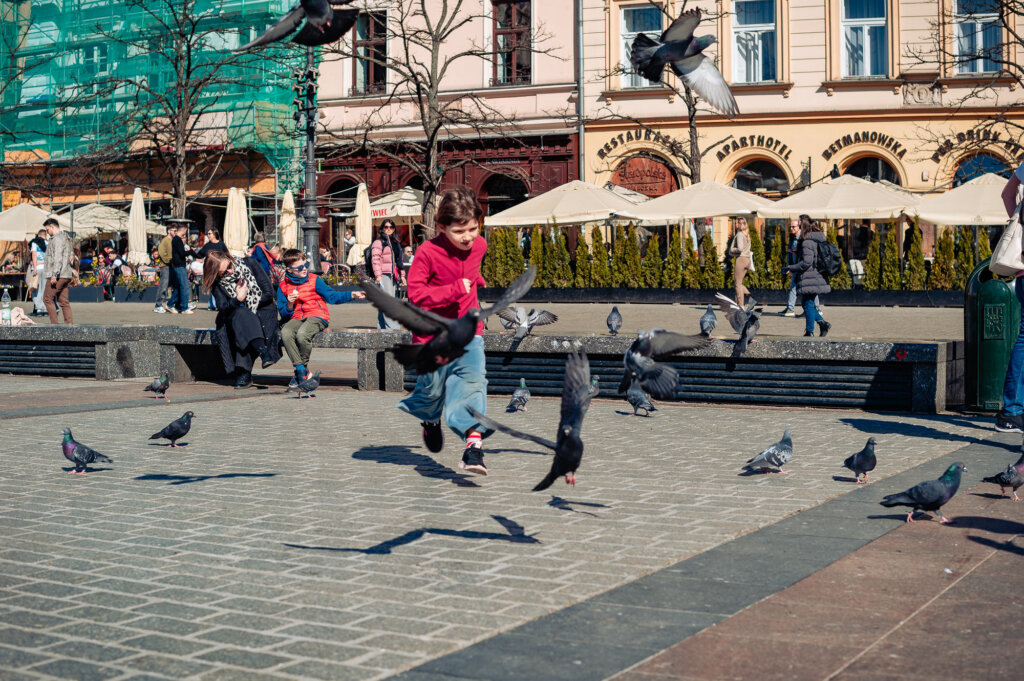
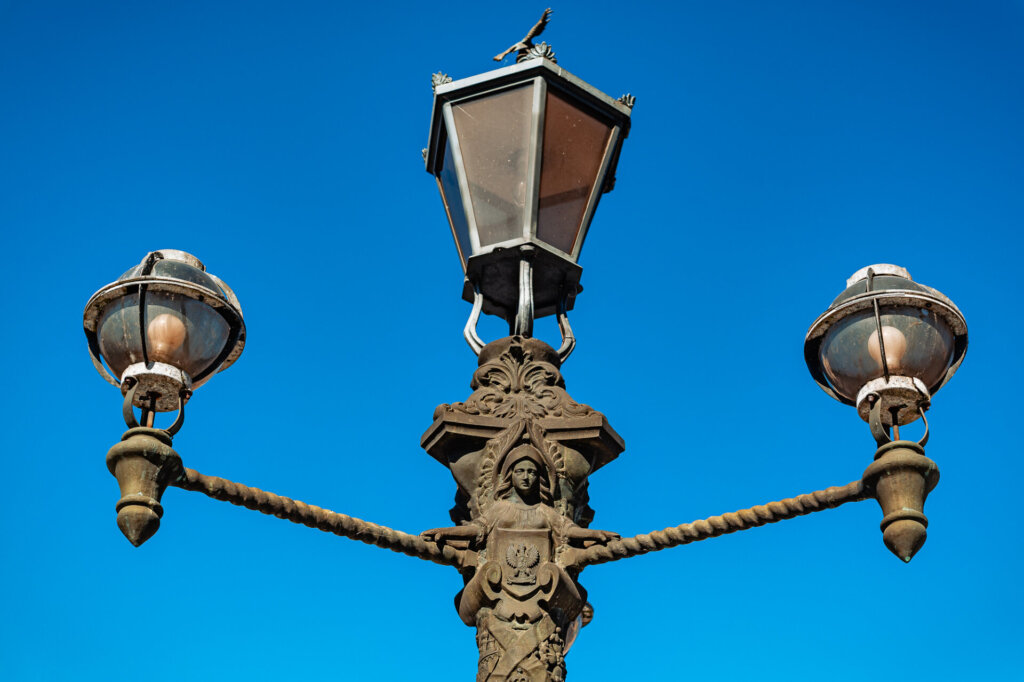
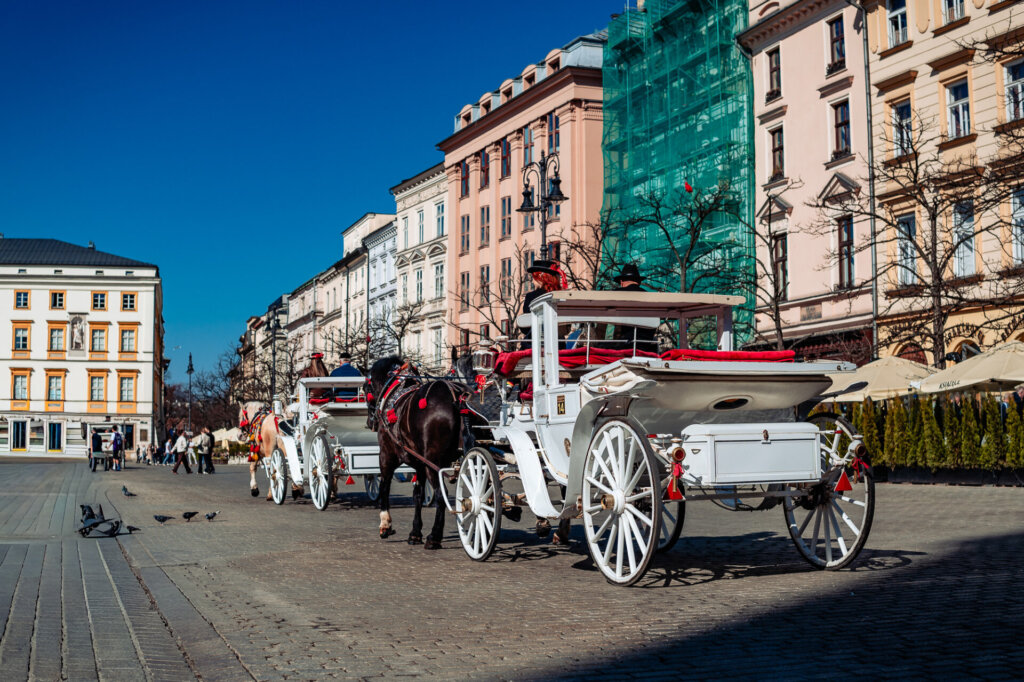
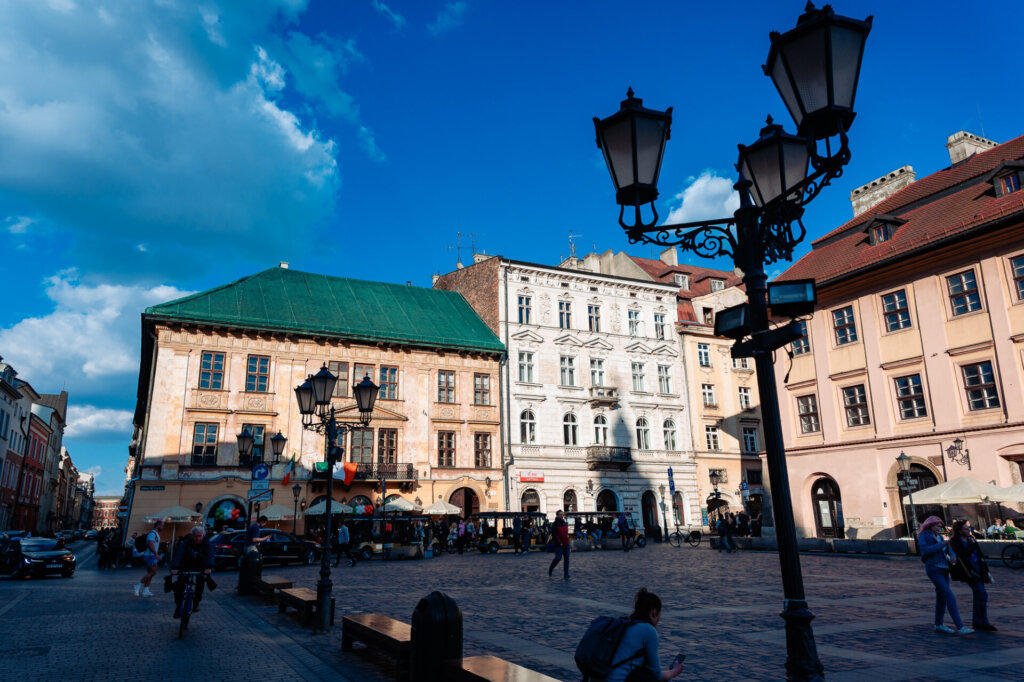
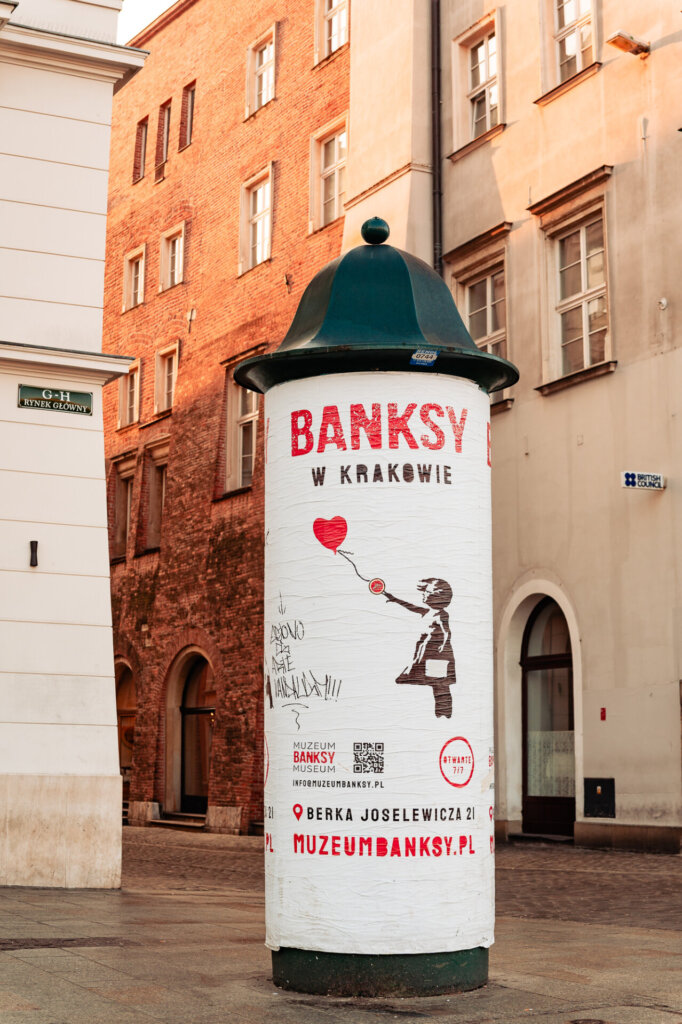
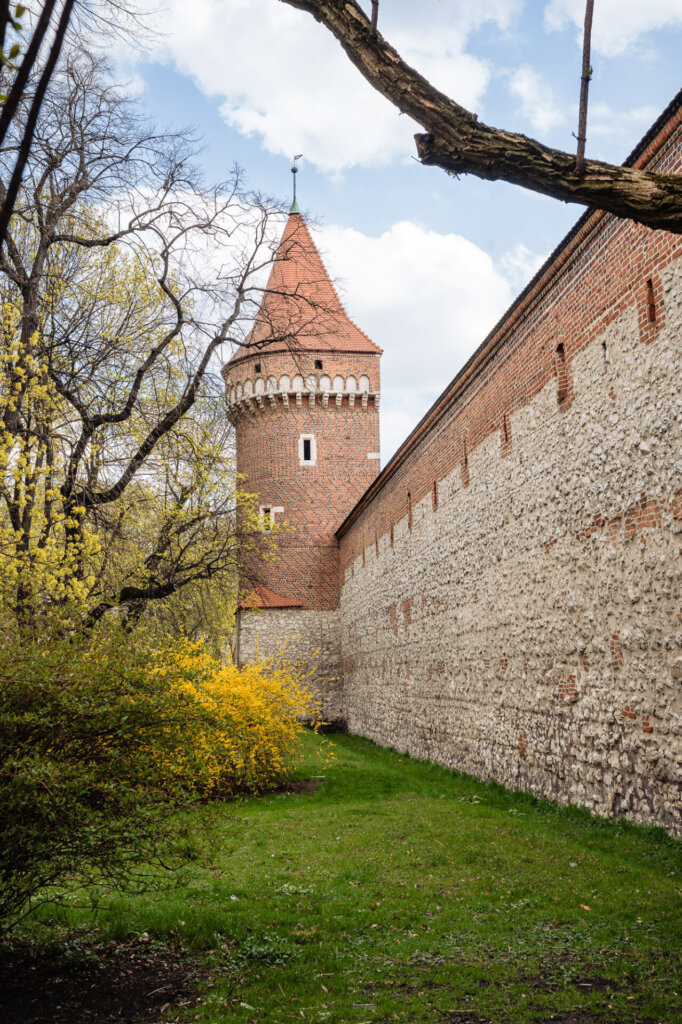
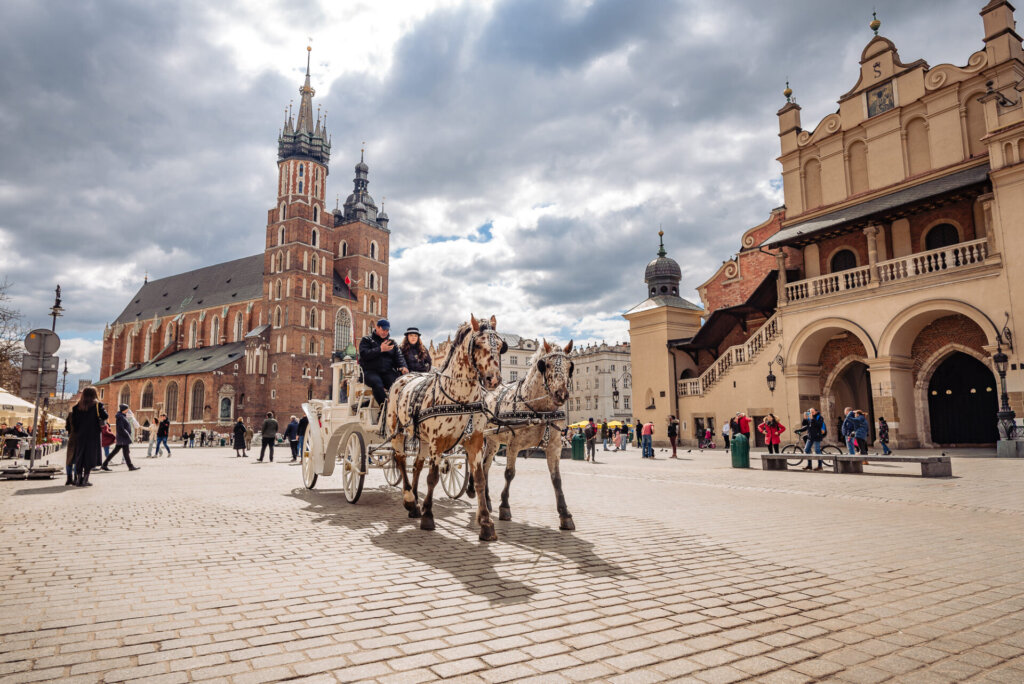
The square itself is constantly alive. Locals and visitors share the space easily, horse-drawn carriages move slowly around the perimeter, and the cafes and restaurants that line the surrounding buildings spill their tables onto the cobblestones in warm weather. It is the kind of public space that cities spend centuries trying to get right, and Krakow has had it all along.
Interesting Fact: Rynek Glowny has served as Krakow’s main market square since the 13th century, making it one of the oldest continuously functioning public squares in Europe. At 200 meters across, it is one of the largest medieval town squares on the continent.
St. Mary’s Basilica
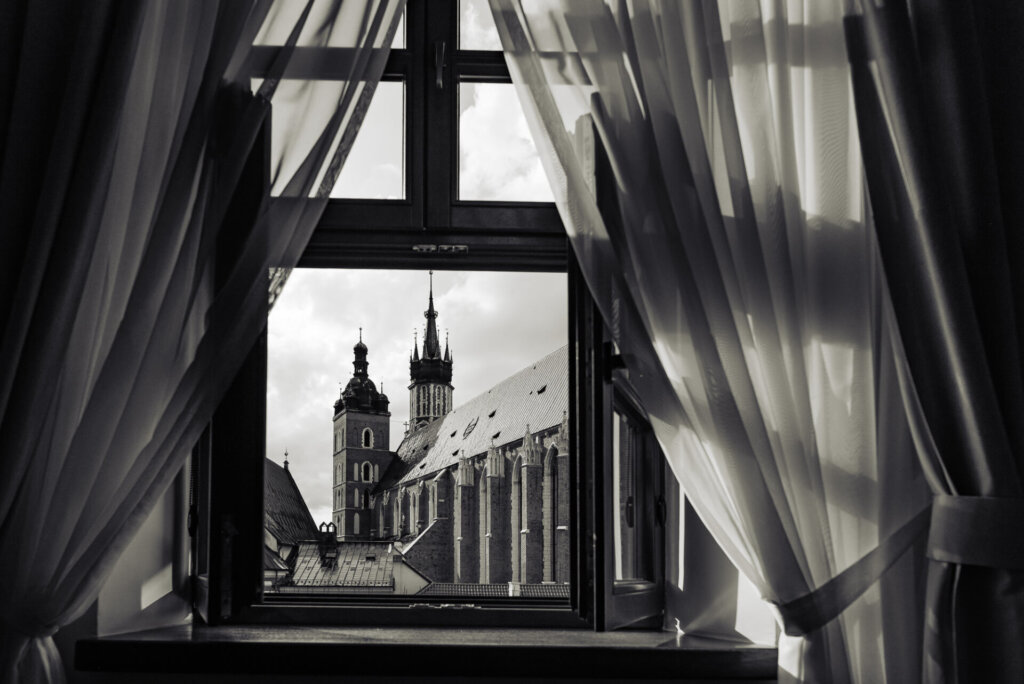
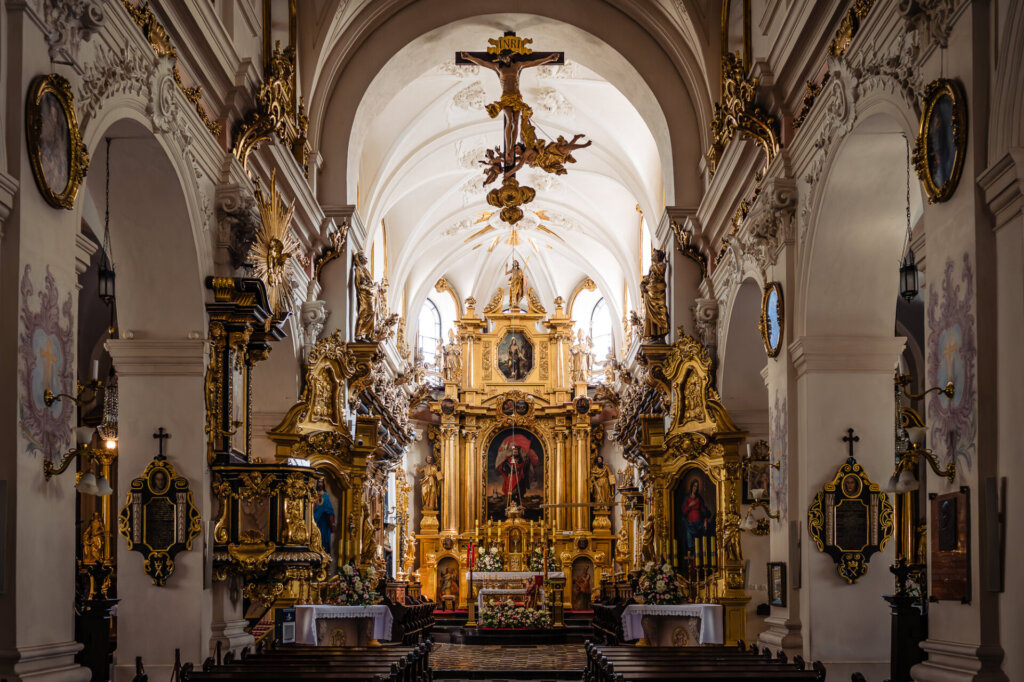
Rising above the northeastern corner of the Main Market Square, St. Mary’s Basilica is one of the great Gothic churches of Central Europe, and its interior is among the most extraordinary spaces I have ever photographed.
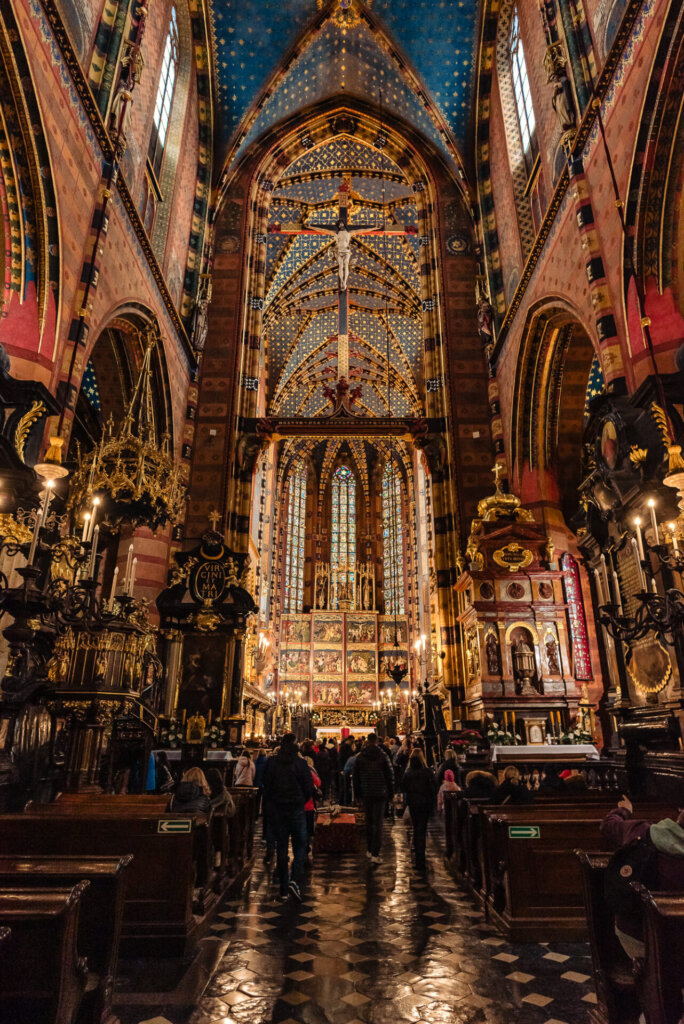
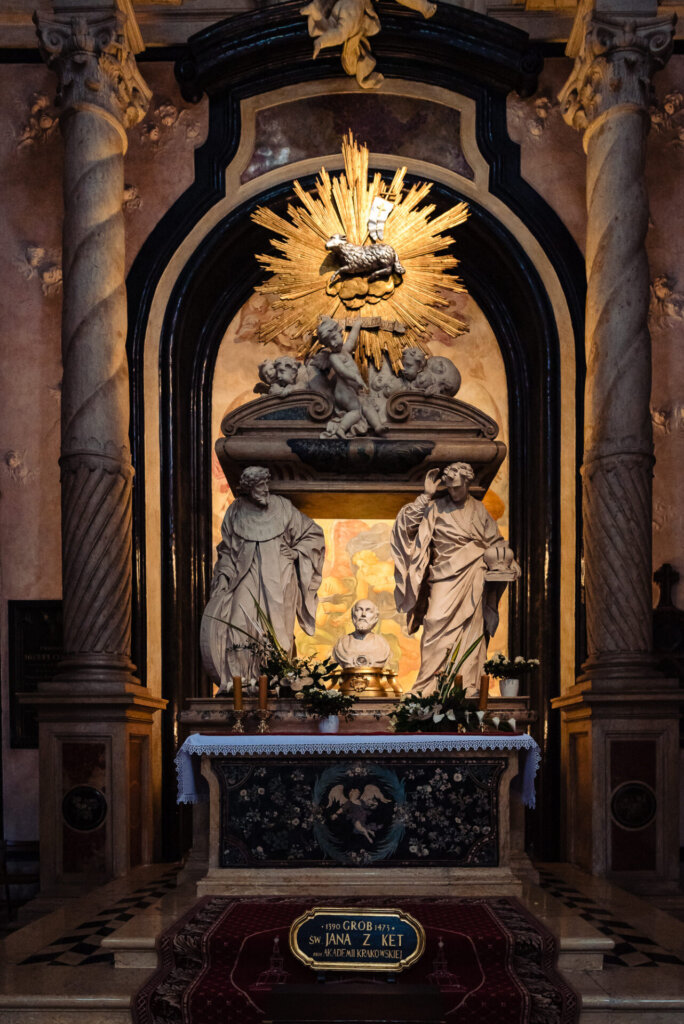
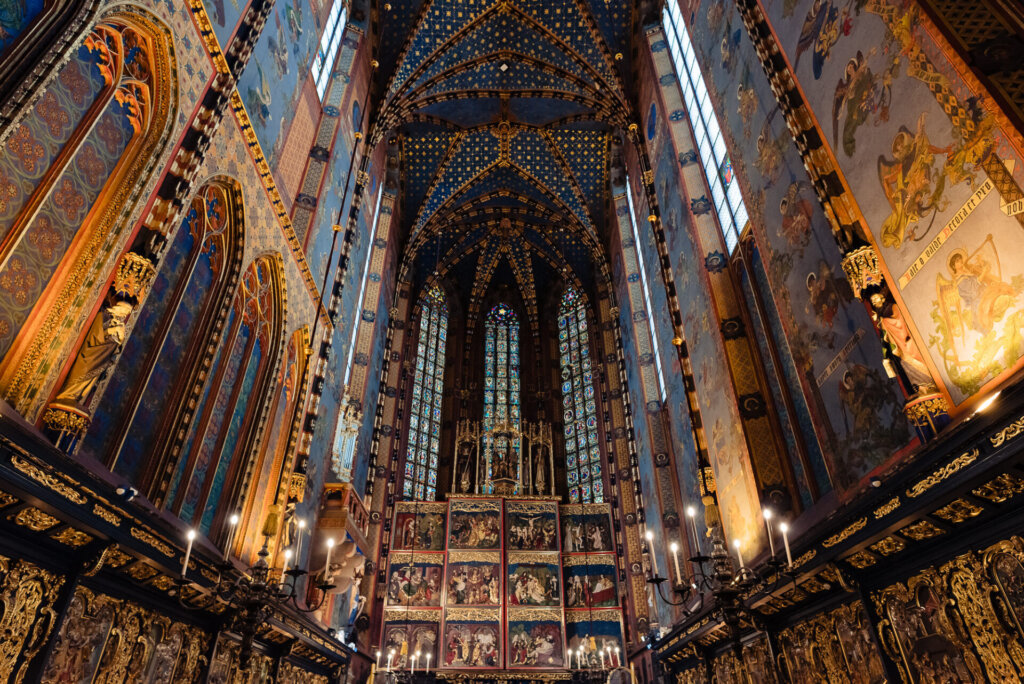
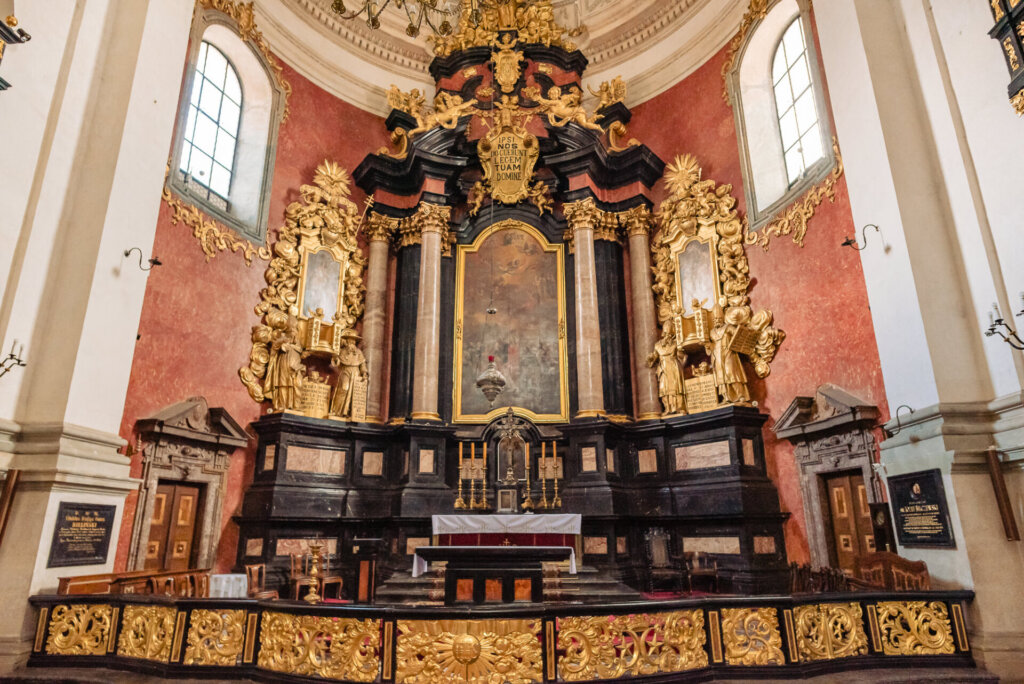
The nave is a cascade of blue and gold, its painted vaults and walls alive with color that has been maintained and restored over centuries. At the far end, the carved wooden altarpiece by Veit Stoss, completed in 1489 and considered one of the finest works of late Gothic sculpture in existence, dominates the space with a scale and detail that takes considerable time to fully absorb.
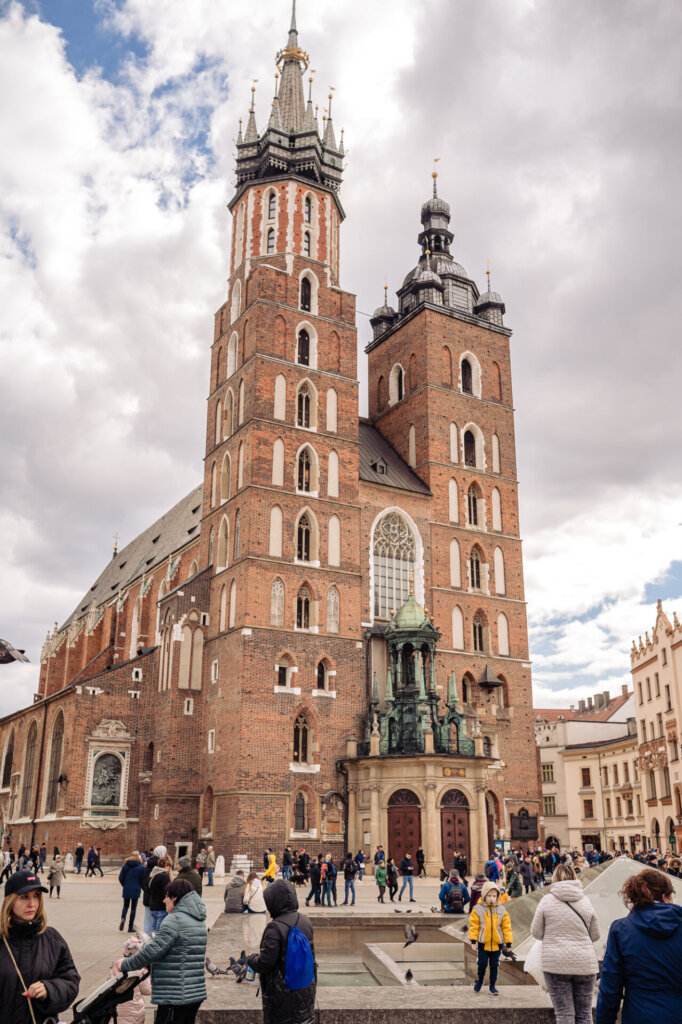
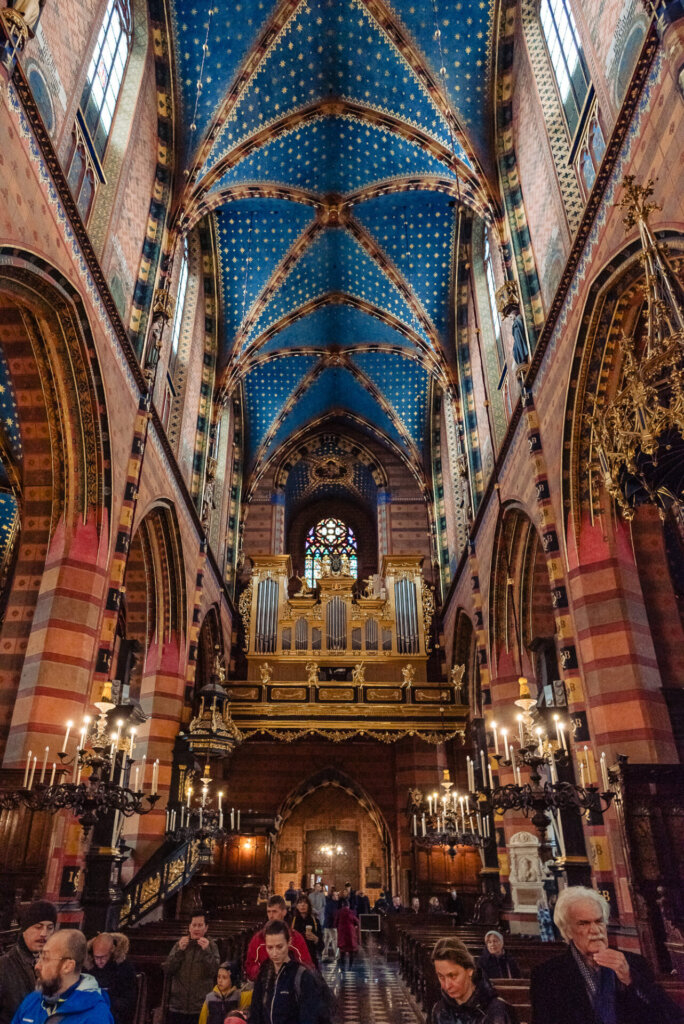
As a photographer, the light inside St. Mary’s is a constant challenge and reward. It enters through tall stained glass windows in shifting colored bands, illuminating different parts of the interior at different times of day, and requires patience and attention to work with well.
Fun Fact: The Hejnal Mariacki has been played from St. Mary’s tower every hour, day and night, without interruption since the 14th century, with the sole exception of the Nazi occupation of Krakow during World War II.
The Cloth Hall
The Cloth Hall, or Sukiennice, deserves a mention beyond its role as the centerpiece of the Main Market Square. Its upper floor houses a branch of the National Museum containing a remarkable collection of 19th century Polish painting, largely unknown to international visitors but well worth the short climb.
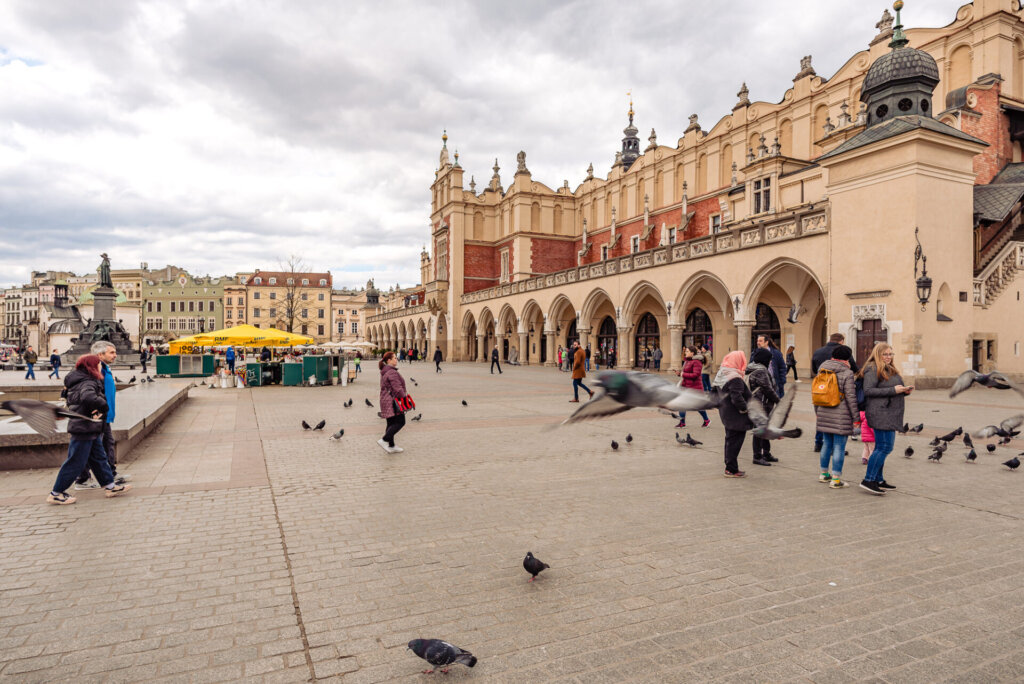
The ground floor market stalls are genuinely good for browsing. The amber jewelry, wooden crafts, and embroidered textiles on offer are among the better quality souvenirs we encountered anywhere on this journey, and the atmosphere of the arcaded hall, busy but not overwhelming, makes the experience enjoyable rather than pressured.
Wawel Royal Castle
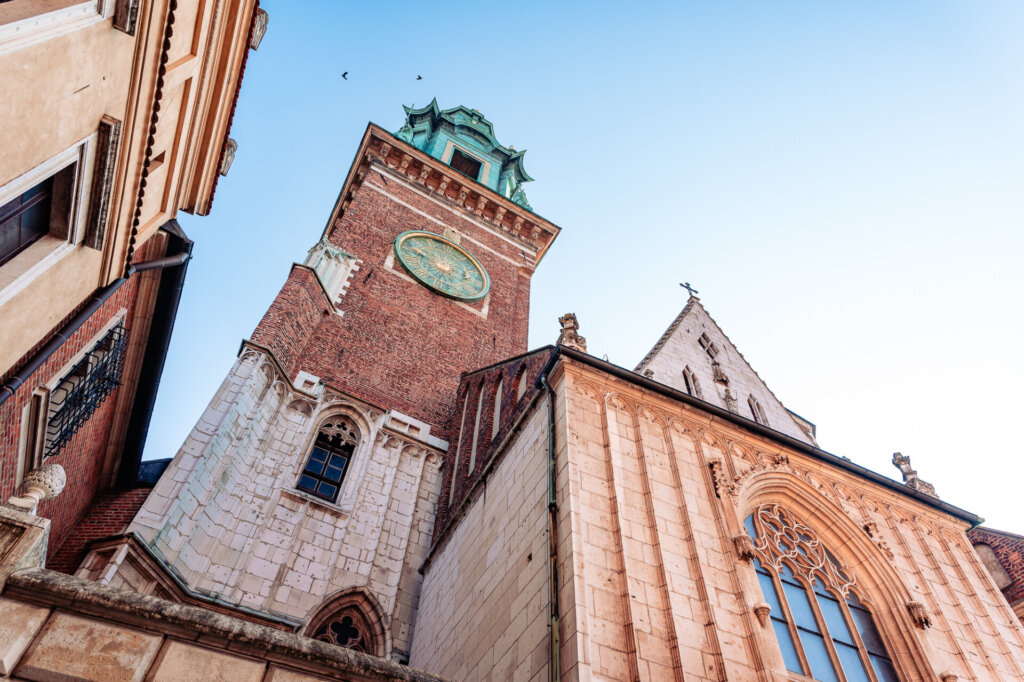
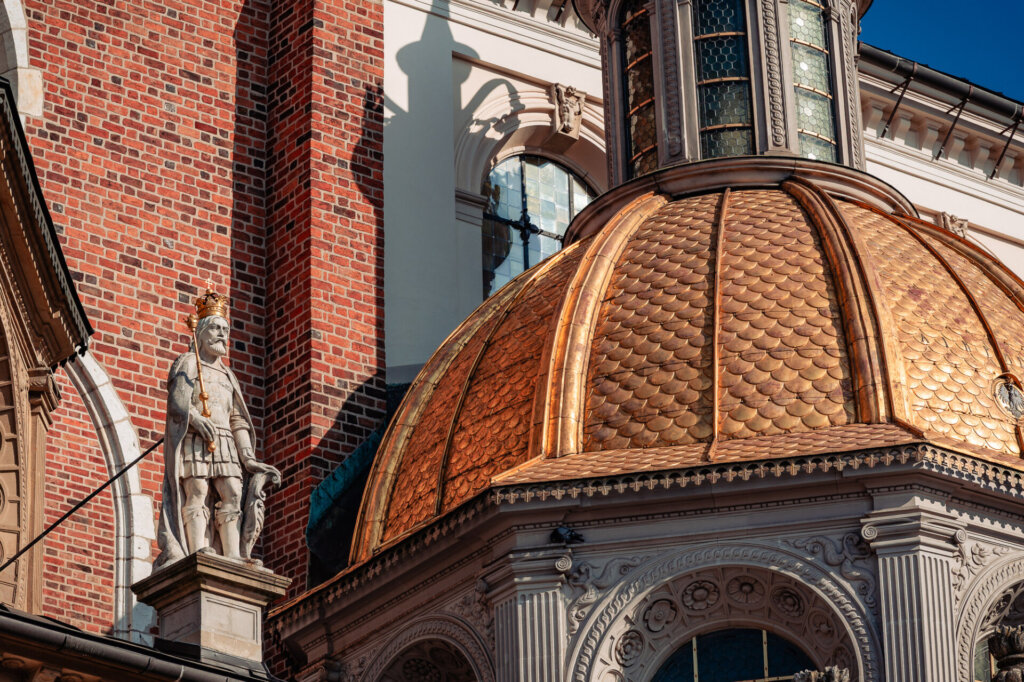
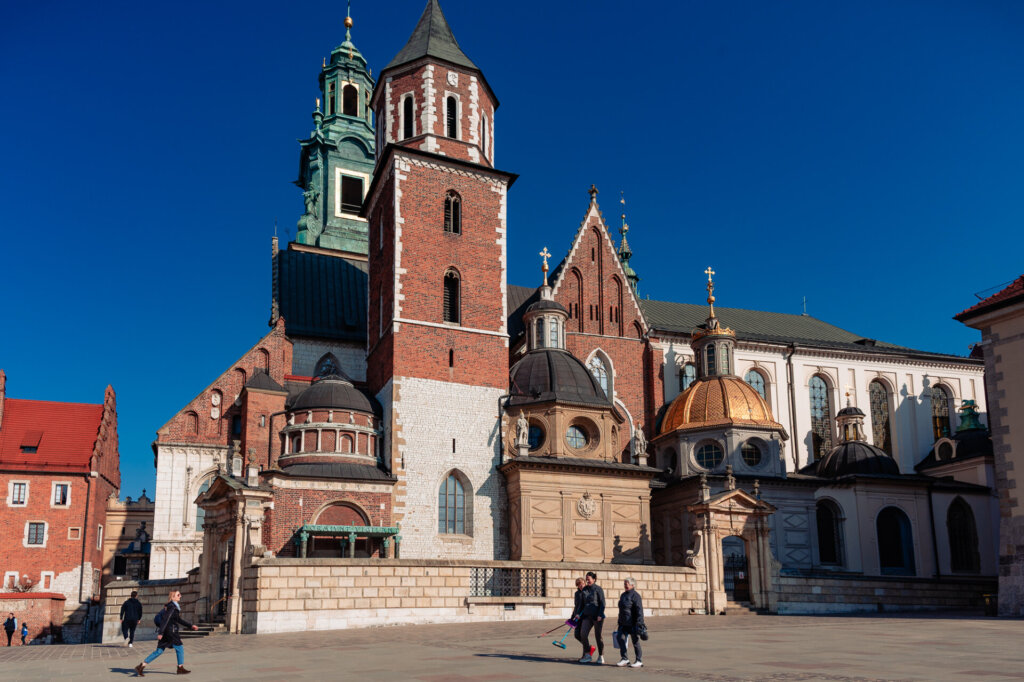
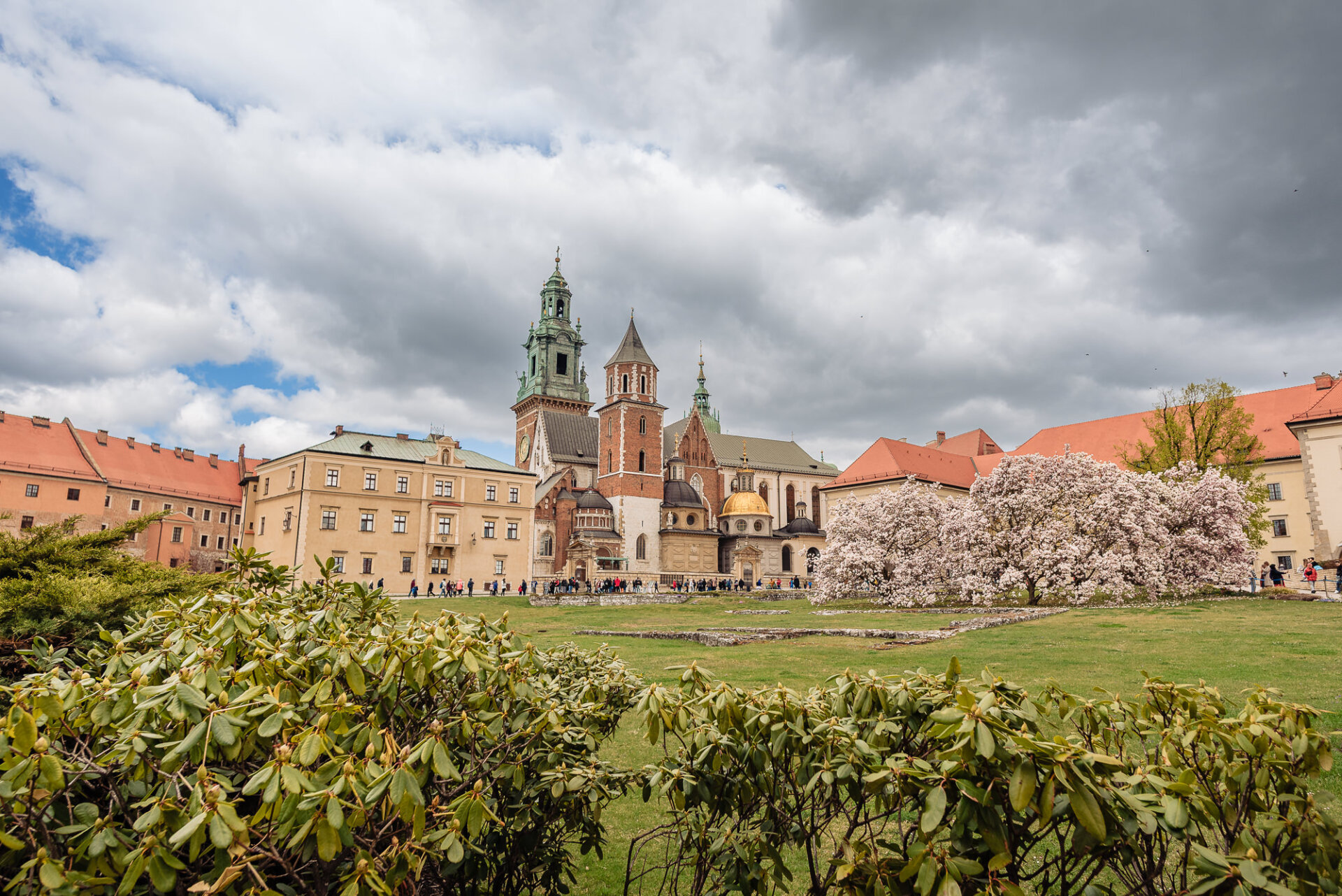
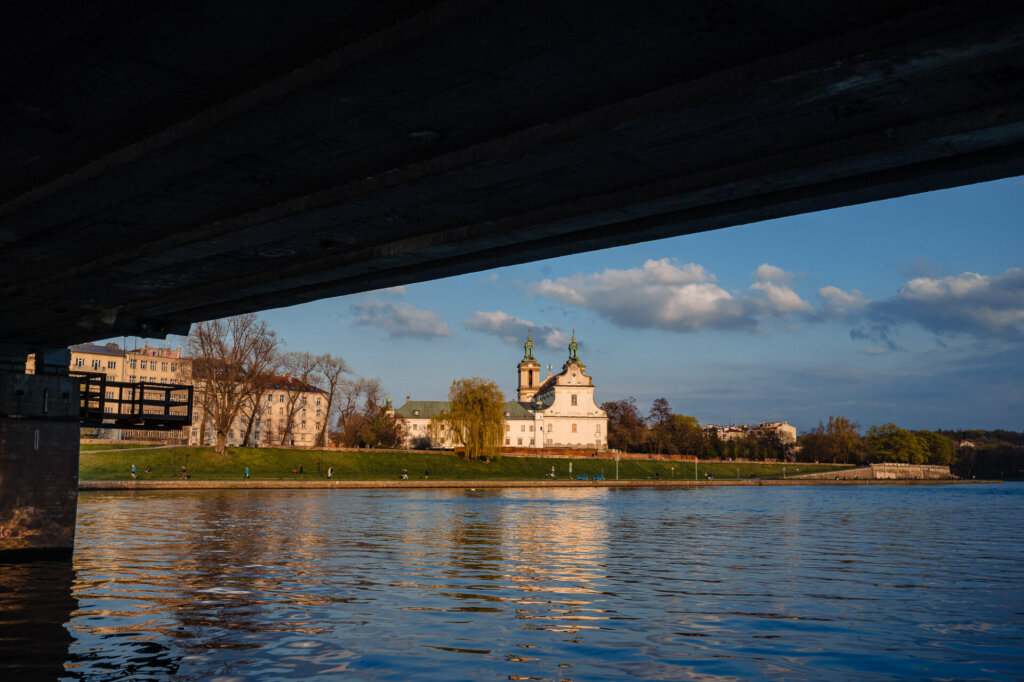
On a limestone hill above the Vistula River, Wawel Royal Castle commands the city of Krakow with a quiet, enduring authority. For centuries the seat of Polish kings, it is today one of the most important historical and cultural sites in the country, and a place that carries a weight of national significance that is palpable from the moment you pass through its gates. We spent most of a morning here and felt we had only covered a portion of what the site contains.
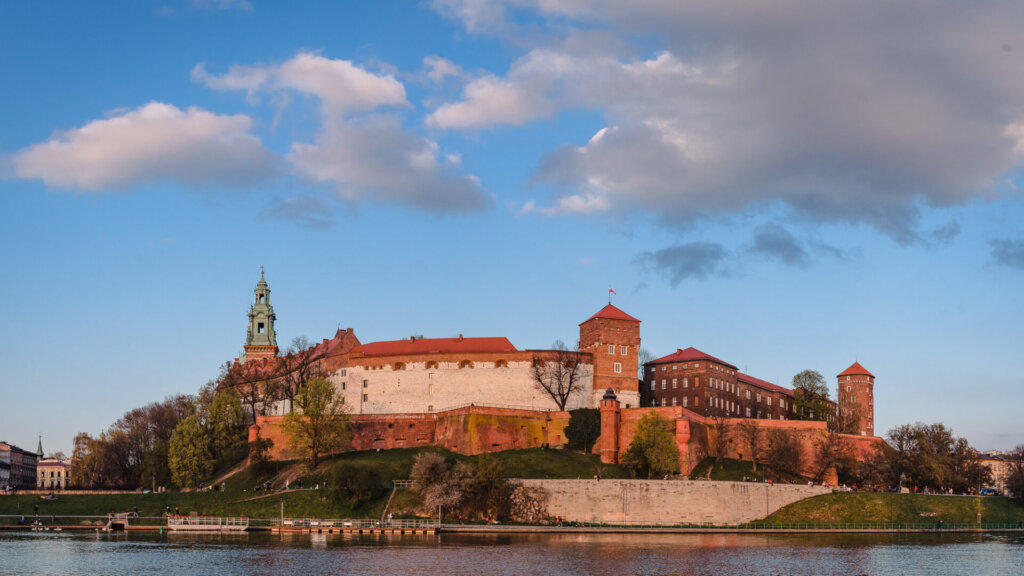
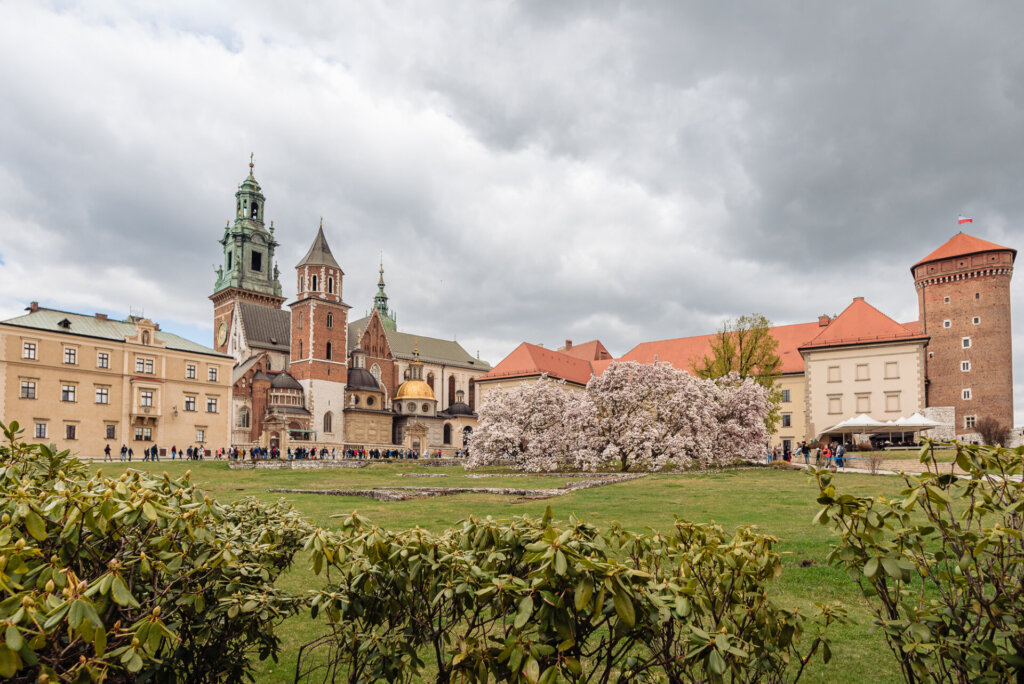
The views from the castle hill over the Vistula and the city below are excellent, and the interplay of Romanesque, Gothic, and Renaissance architecture within the complex itself is a genuine pleasure to photograph and to simply spend time in.
Interesting Fact: Wawel Cathedral contains the tombs of Polish kings, queens, and national heroes spanning nearly a thousand years of Polish history. It is considered the most sacred site in Poland and remains an active place of worship.
Kazimierz: The Jewish Quarter
A short walk from the Old Town, the Kazimierz district is one of the most historically significant and visually compelling neighborhoods in Krakow. For centuries the center of Jewish life in the city, Kazimierz carries a history of extraordinary richness and, in the 20th century, of devastating loss.
Today the neighborhood is a layered, thoughtful space, its synagogues and Jewish cultural institutions sitting alongside independent cafes, bookshops, galleries, and one of the best food markets in the city. It is a place that takes its history seriously without being defined entirely by grief, and that balance feels both deliberate and deeply respectful.
Walking through Kazimierz, particularly in the quieter streets away from the main tourist thoroughfares, you encounter a texture and authenticity that is genuinely moving. The buildings bear their age visibly, the cobblestones are uneven, and the scale is intimate in a way that invites slow, attentive walking rather than hurried sightseeing.
Interesting Fact: Before World War II, Krakow had a Jewish population of approximately 68,000, roughly 25 percent of the city’s total population. The Kazimierz district was the heart of that community. Today it is a center of Jewish cultural memory and renewal in Poland.
Wieliczka Salt Mine
A short drive from Krakow, the Wieliczka Salt Mine is one of those destinations that sounds interesting on paper and turns out, in person, to be genuinely astonishing.
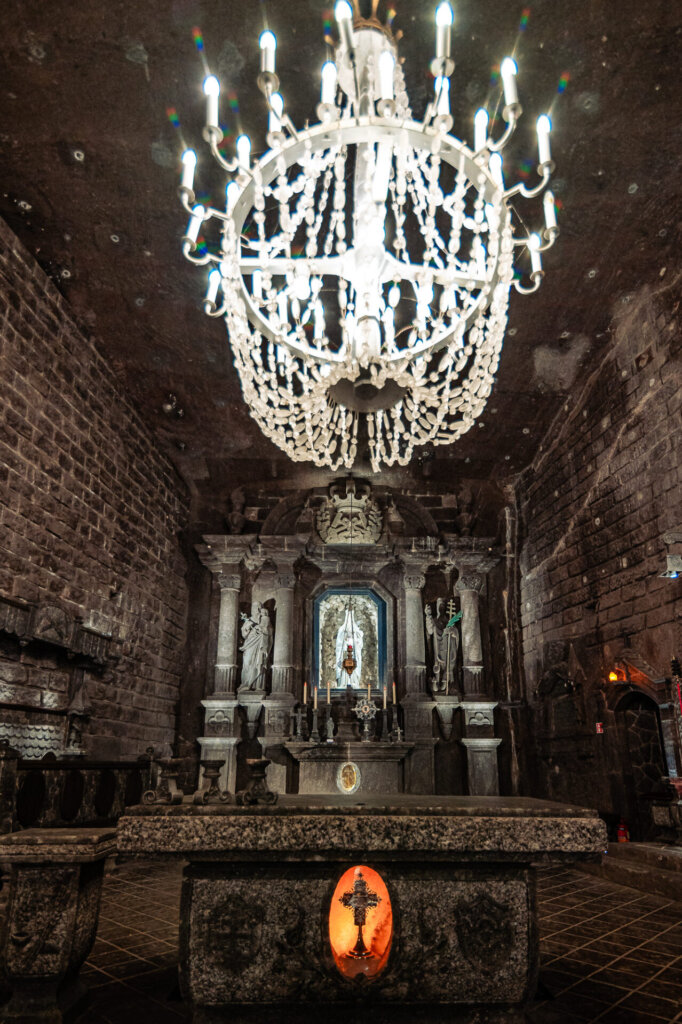
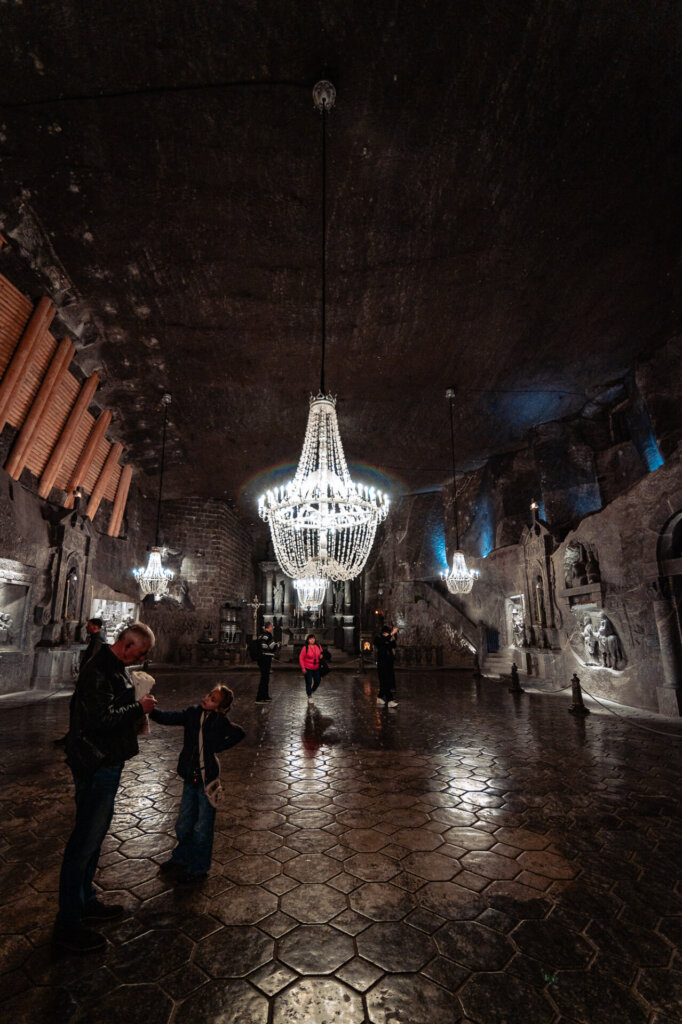
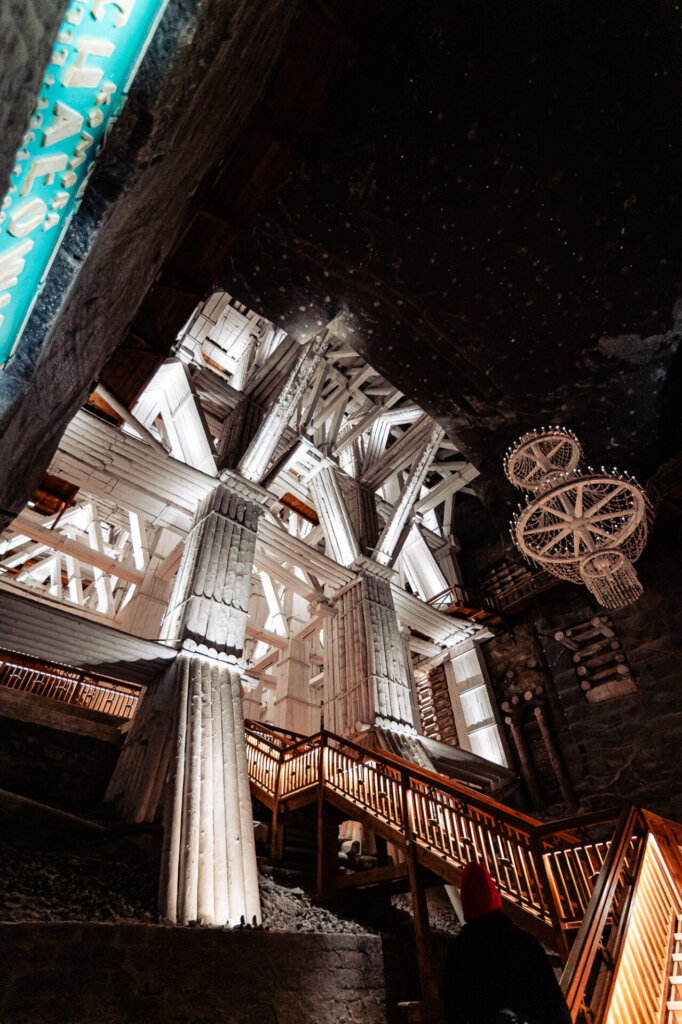
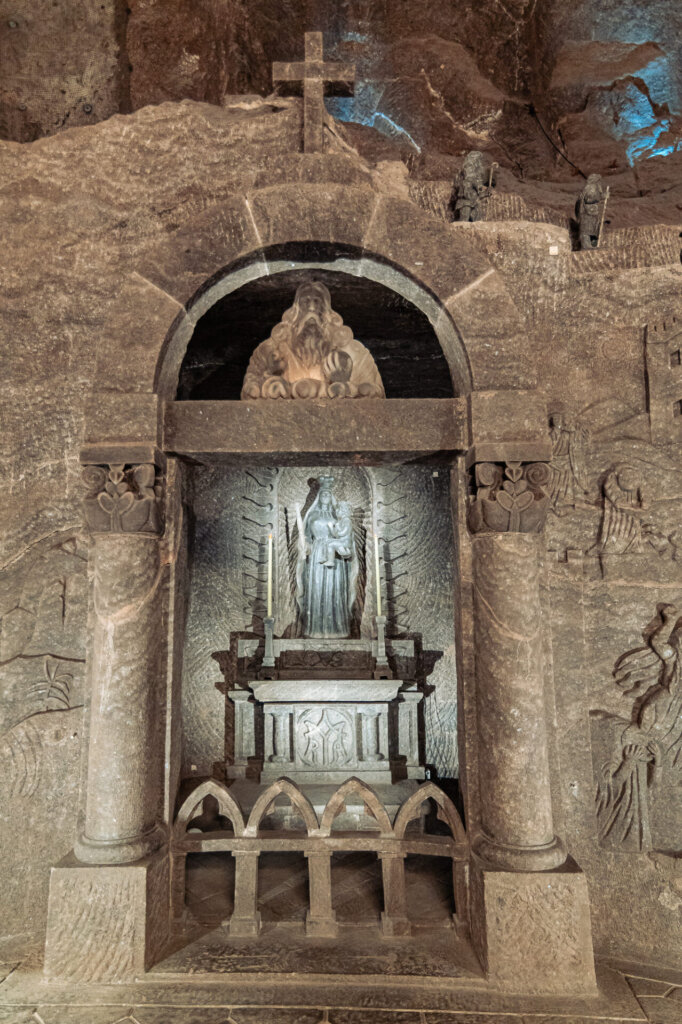
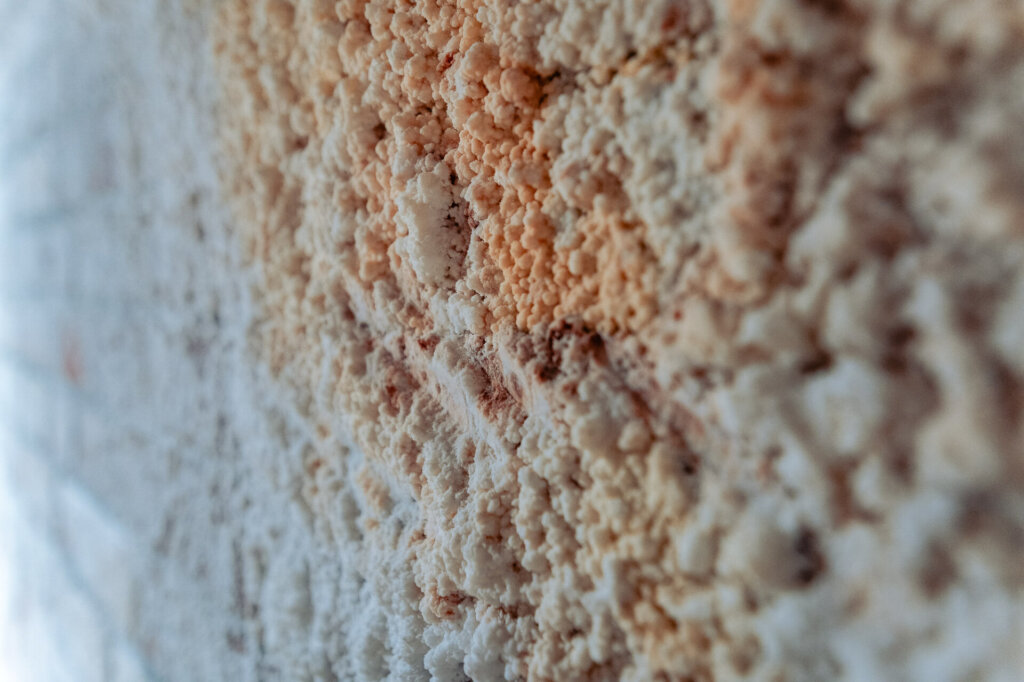
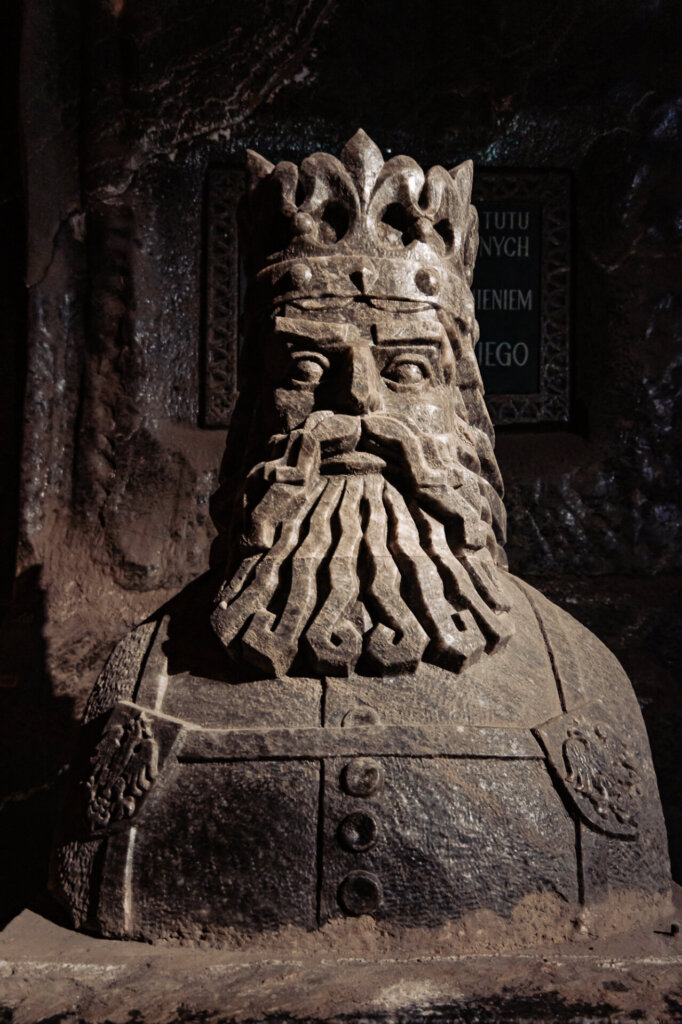
Descending into the mine is a descent into a world that has been continuously excavated and inhabited since the 13th century, its tunnels and chambers stretching for hundreds of kilometers through the earth. Miners over the centuries carved the salt walls into chapels, sculptures, and decorative reliefs of real artistry, and the result is a subterranean world that is simultaneously industrial, spiritual, and visually extraordinary.
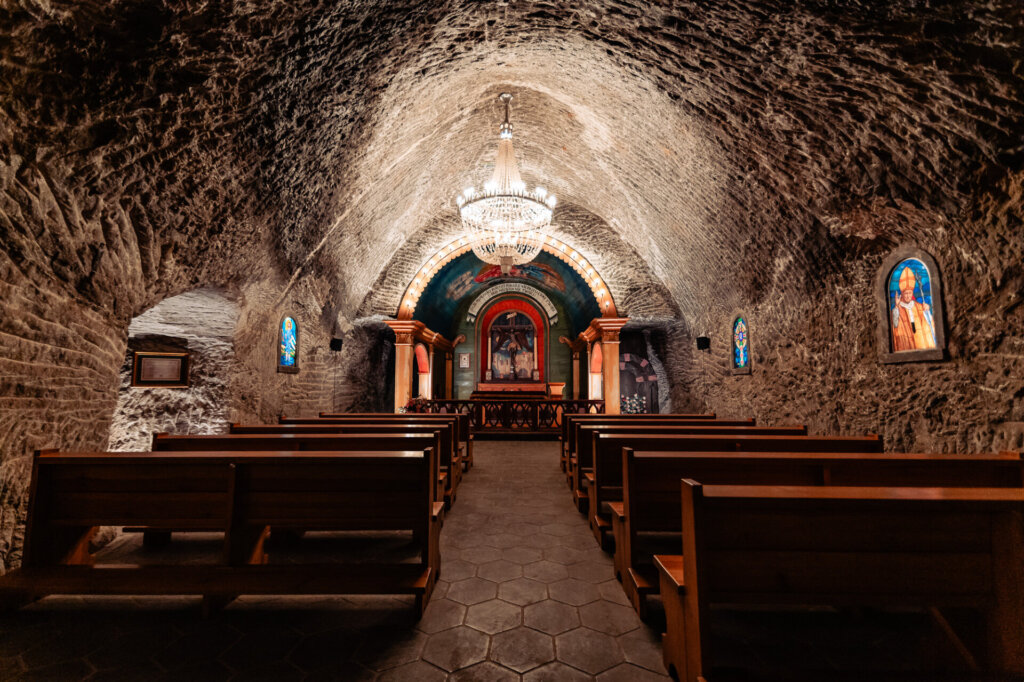
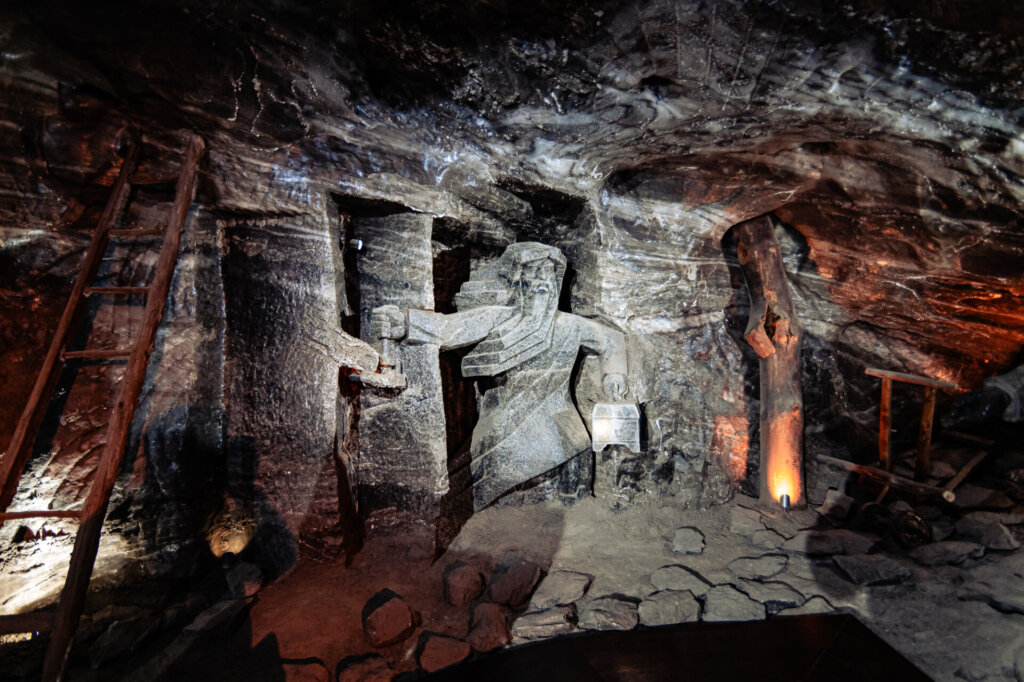
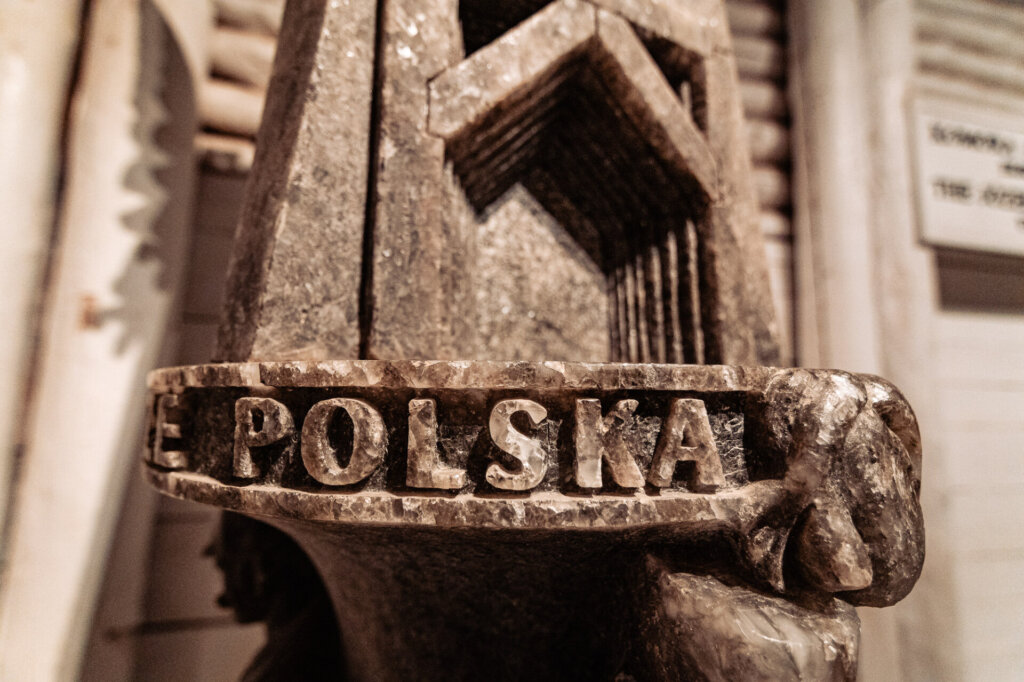
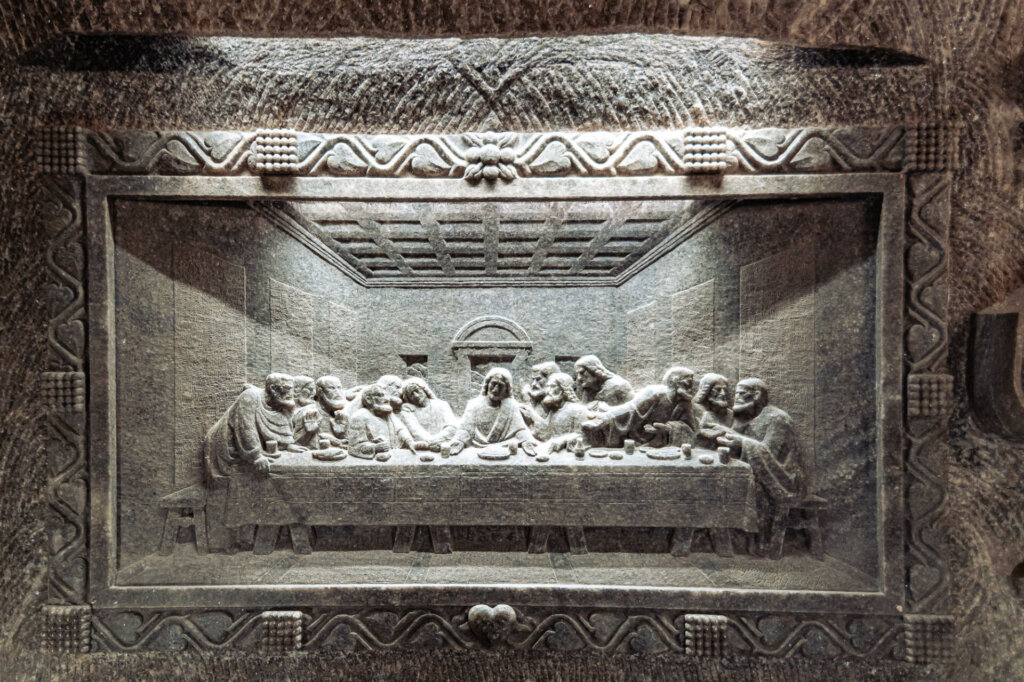
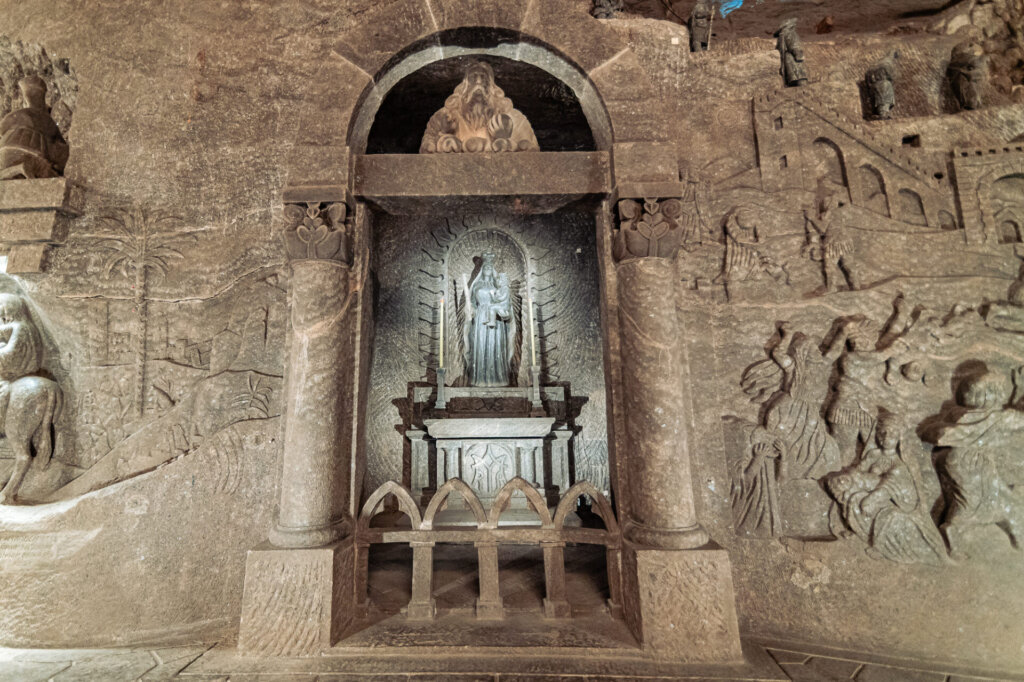
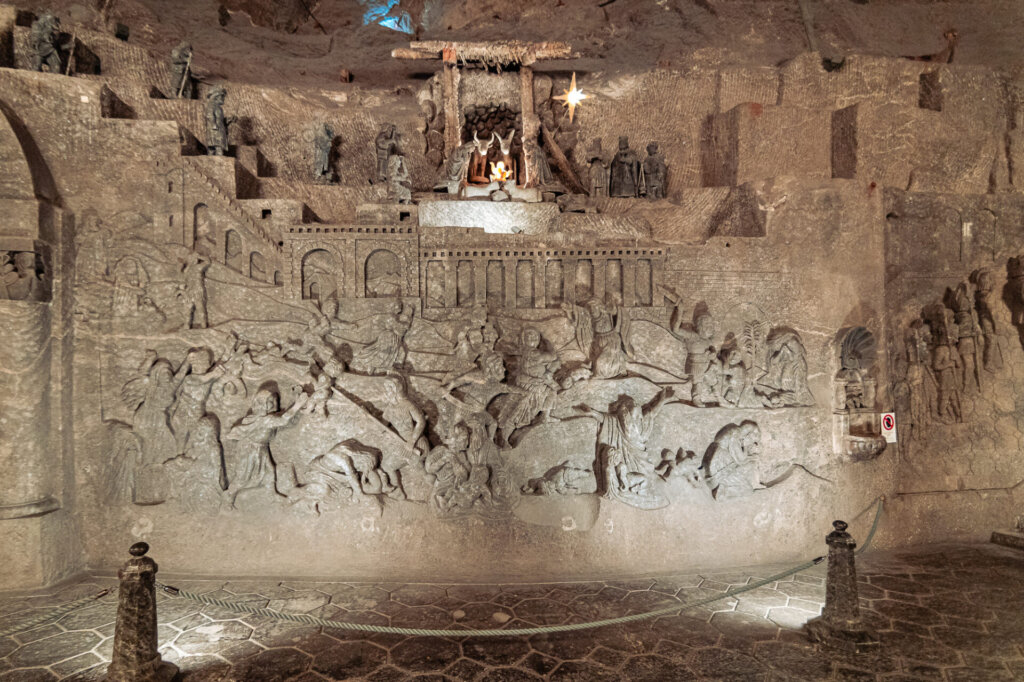
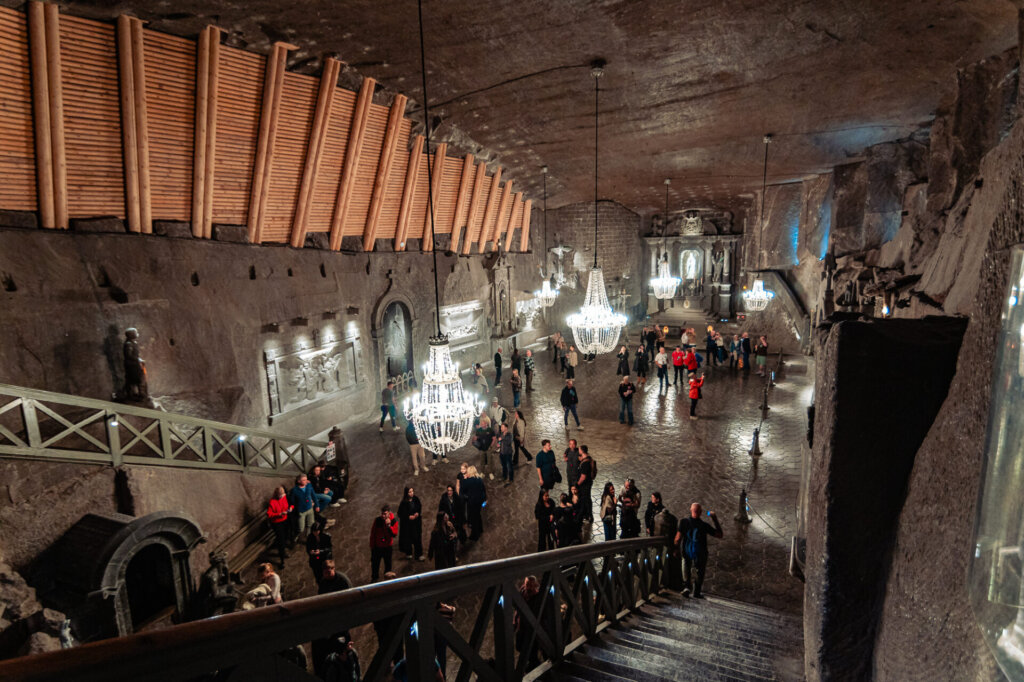
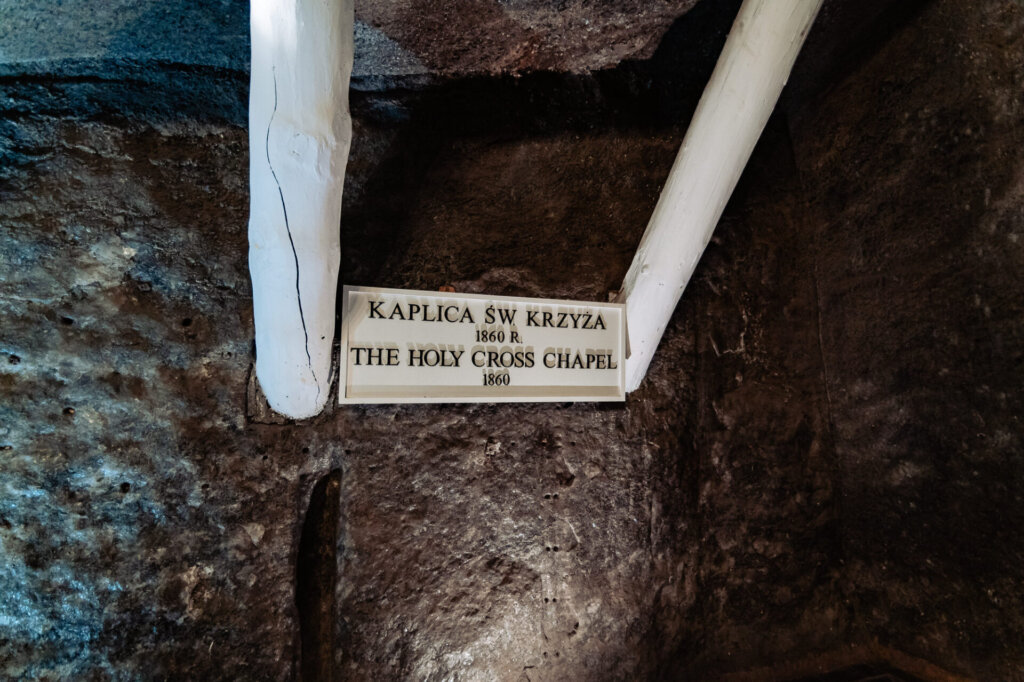
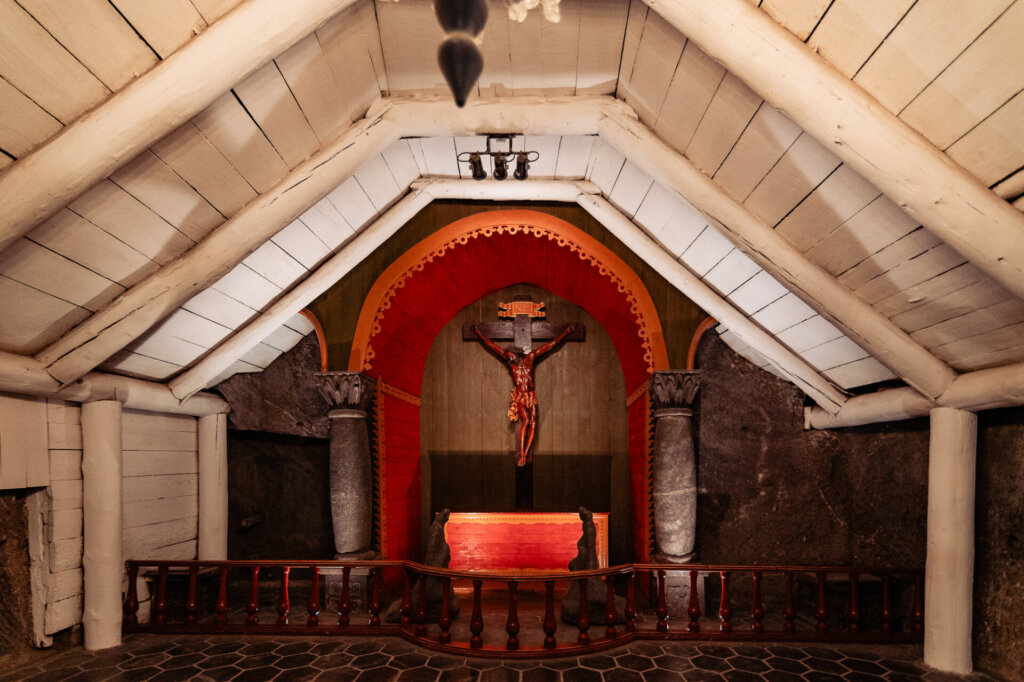
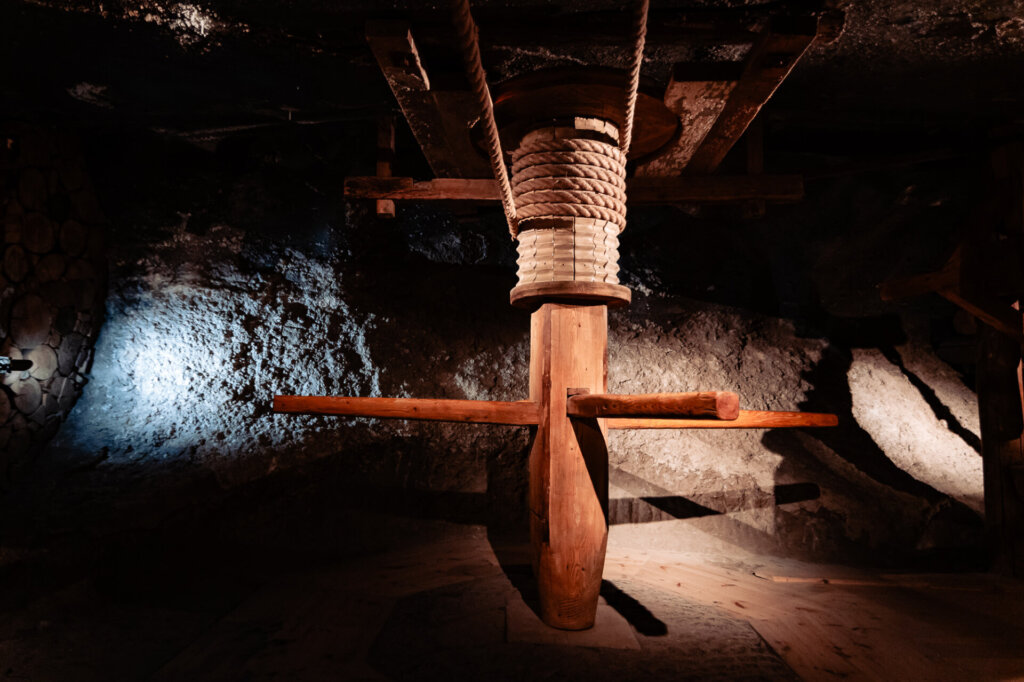
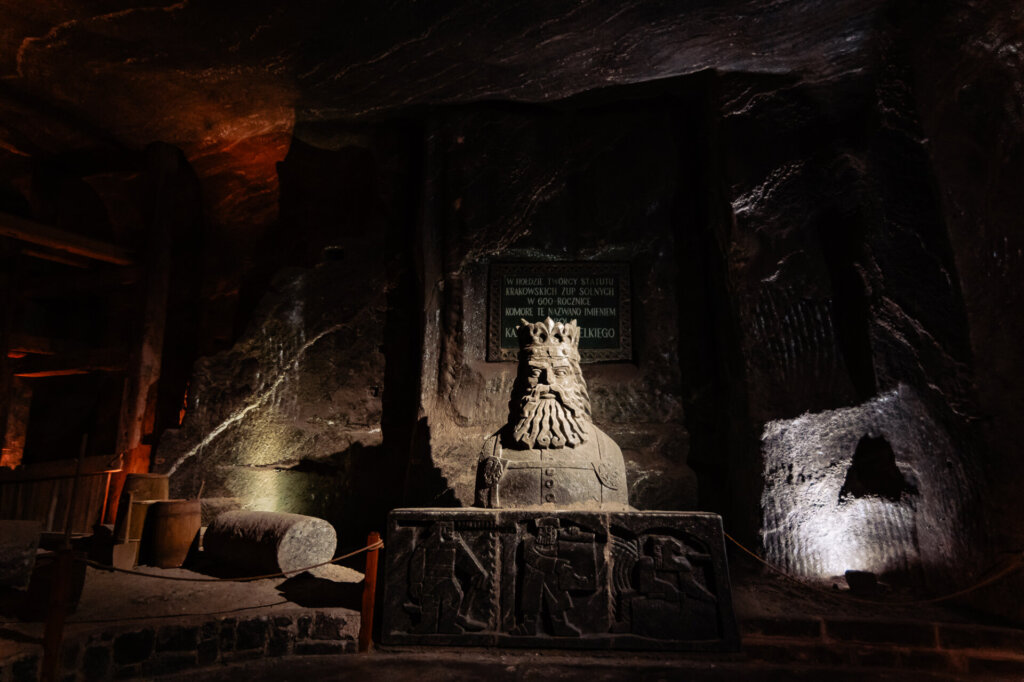
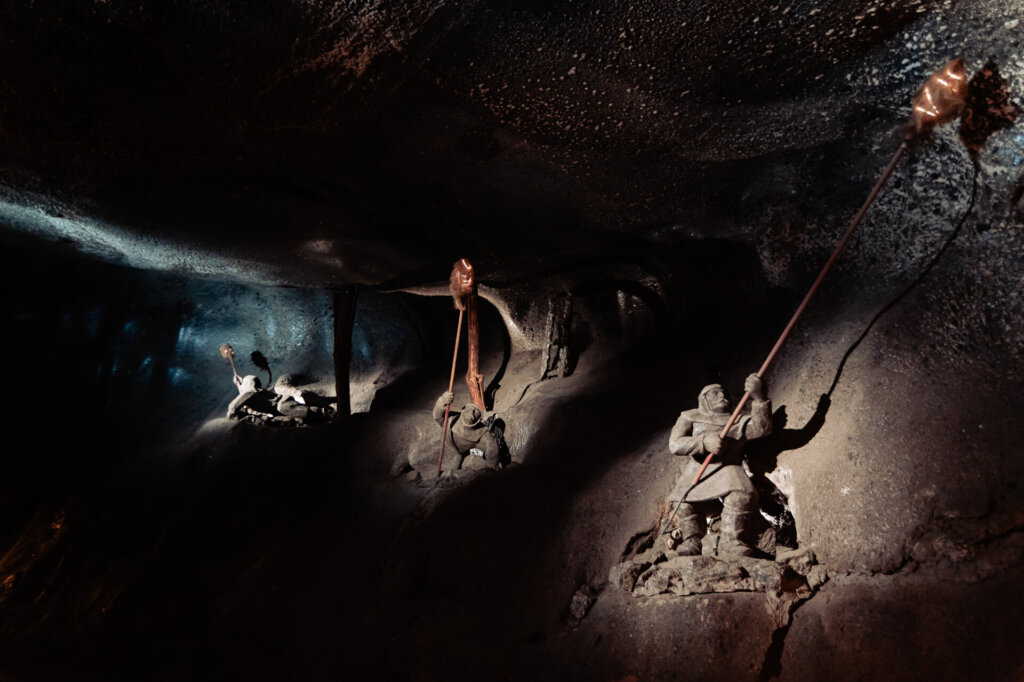
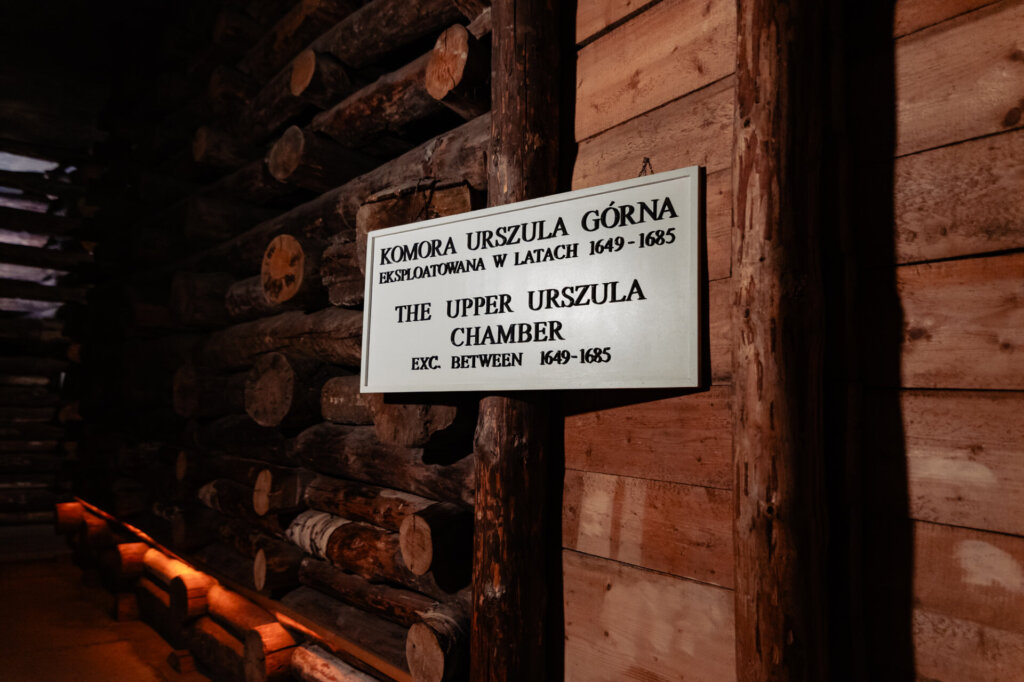
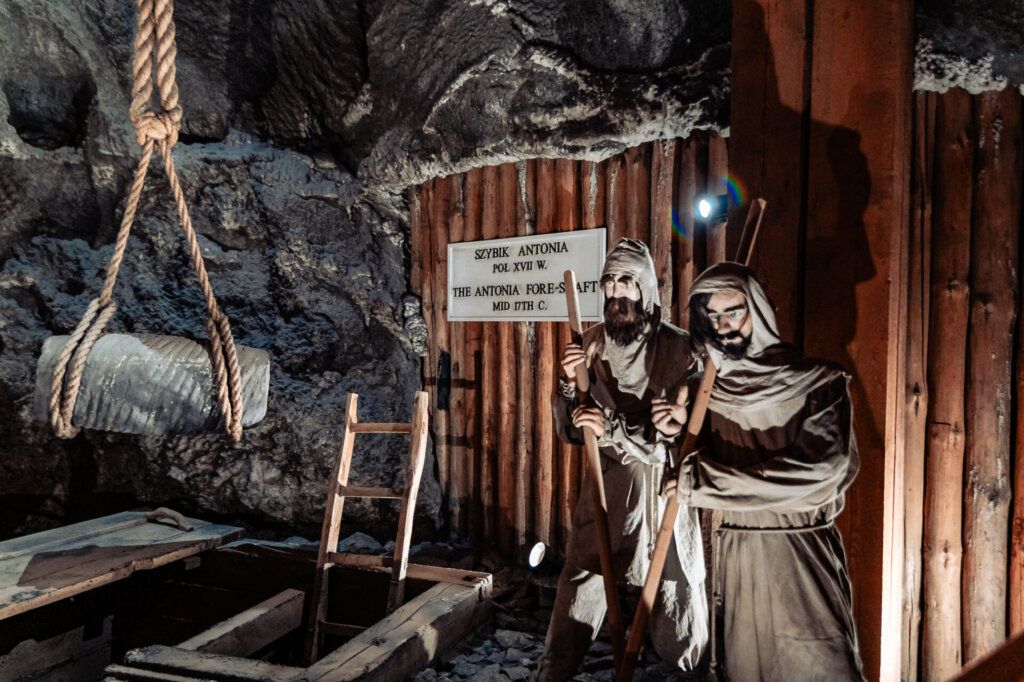
The centerpiece is the Chapel of St. Kinga, a full-scale underground church carved entirely from salt, its floors, walls, altarpieces, and chandeliers all made from the same grey-white material. Standing in it, hundreds of meters underground, looking up at chandeliers that catch and refract light in the way salt does, is one of the more unexpected moments of wonder that travel occasionally delivers without warning.
Fun Fact: The Wieliczka Salt Mine has been in continuous operation since the 13th century, making it one of the world’s oldest operating salt mines. It was added to the original UNESCO World Heritage List in 1978, among the first sites in the world to receive that designation.
Auschwitz and Birkenau: Bearing Witness
There is no comfortable way to write about Auschwitz and Birkenau. There is no framing that makes the visit easy, no photographer’s perspective that softens what you see, and no amount of historical preparation that fully readies you for the experience of standing in these places.
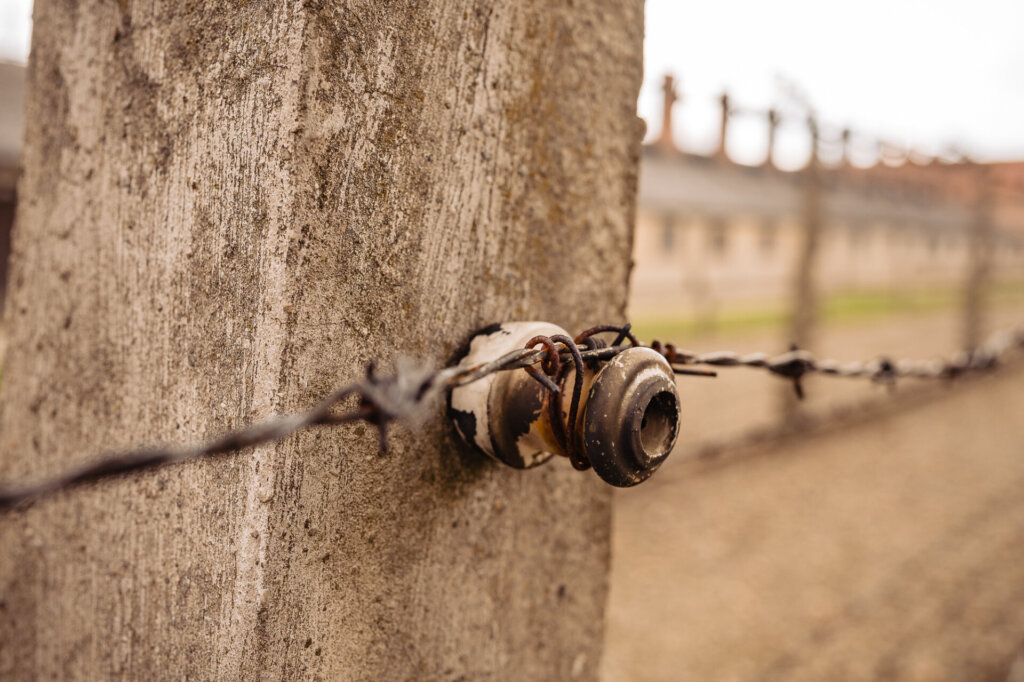
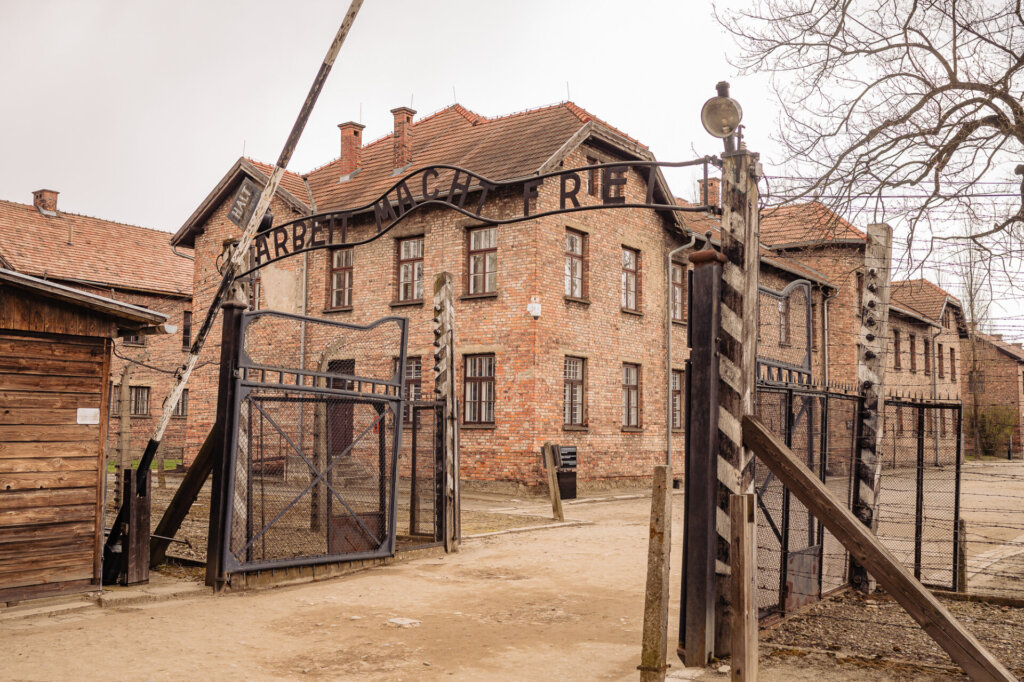
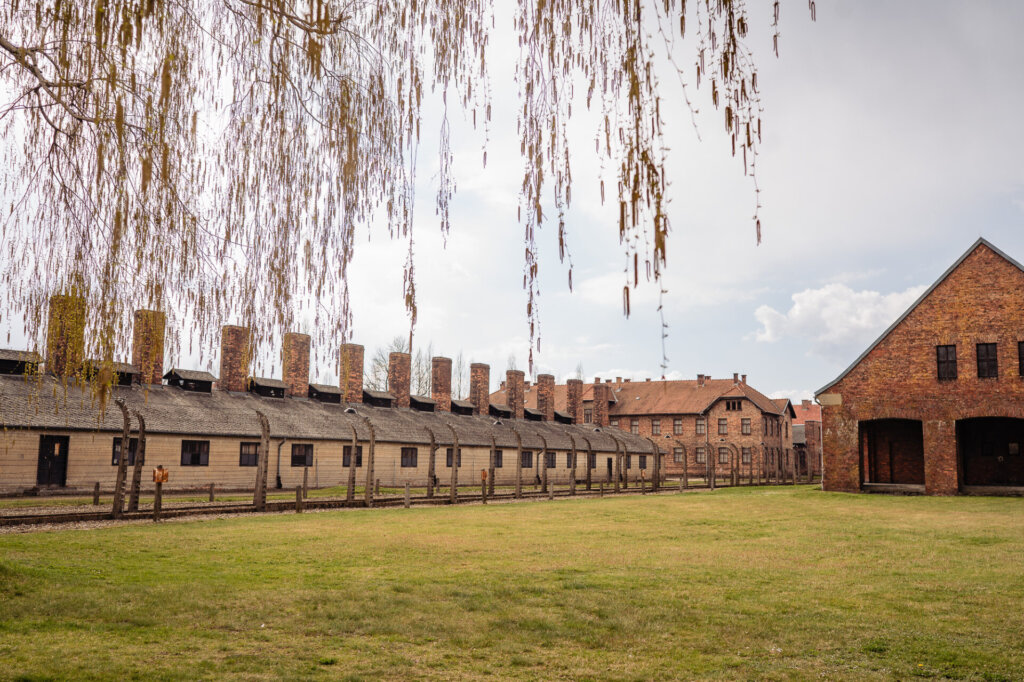
I will not try to make it easier than it is. What I will do is describe it honestly, because I believe that is what these sites ask of every visitor who comes to them.
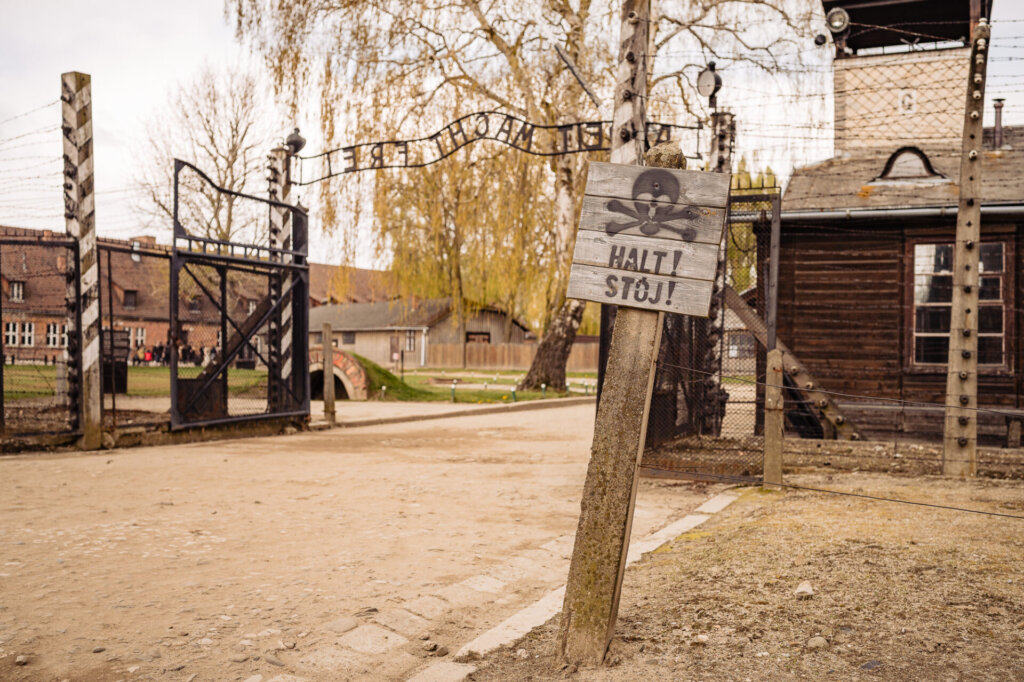
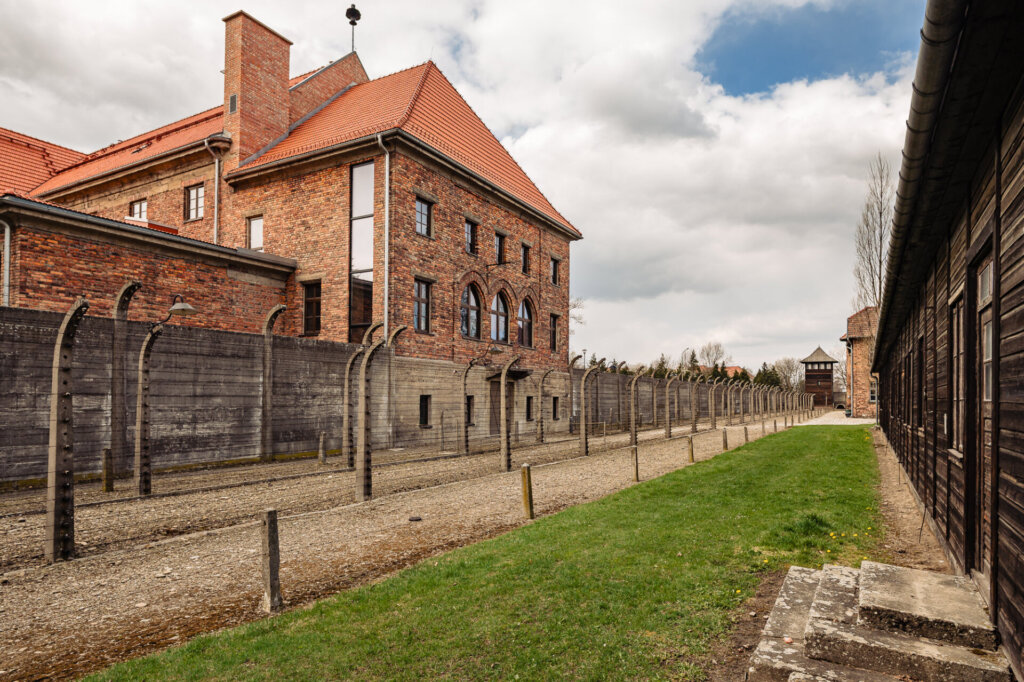
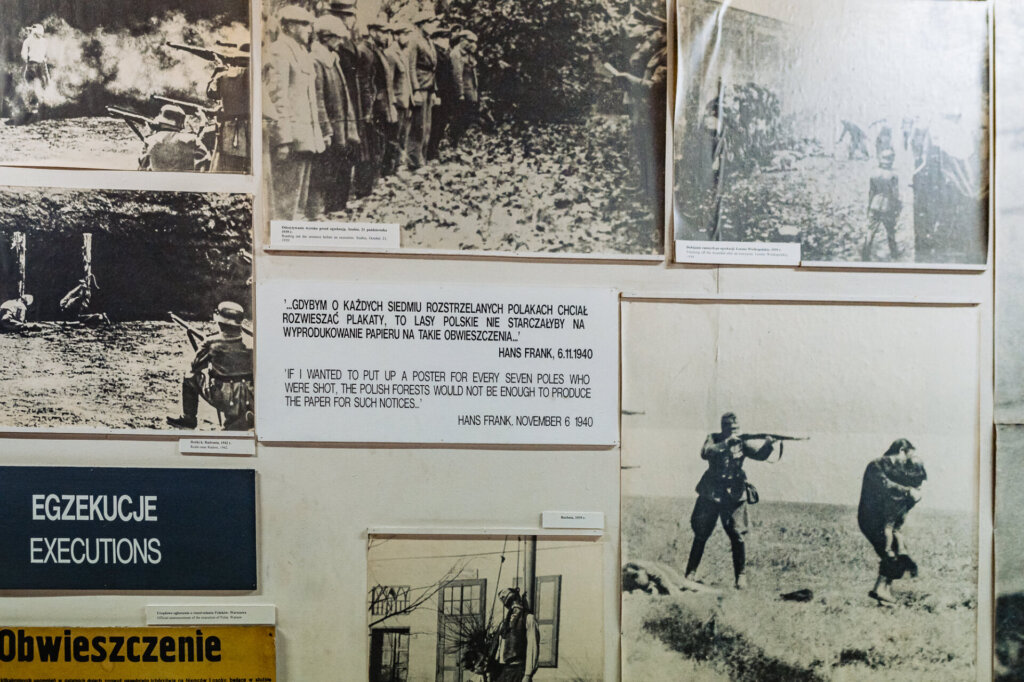
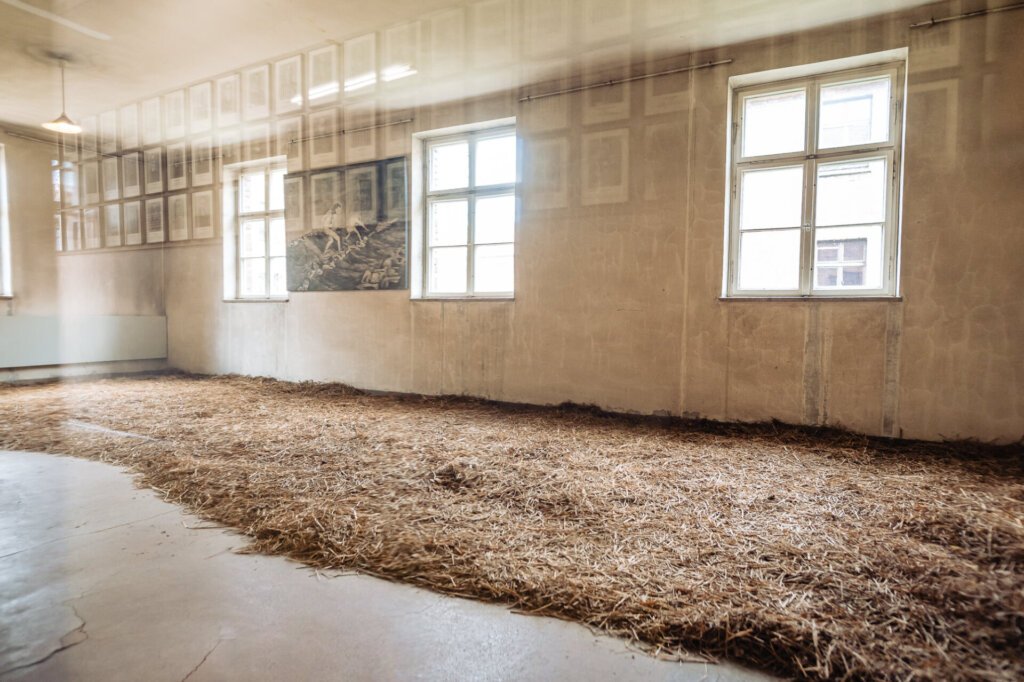
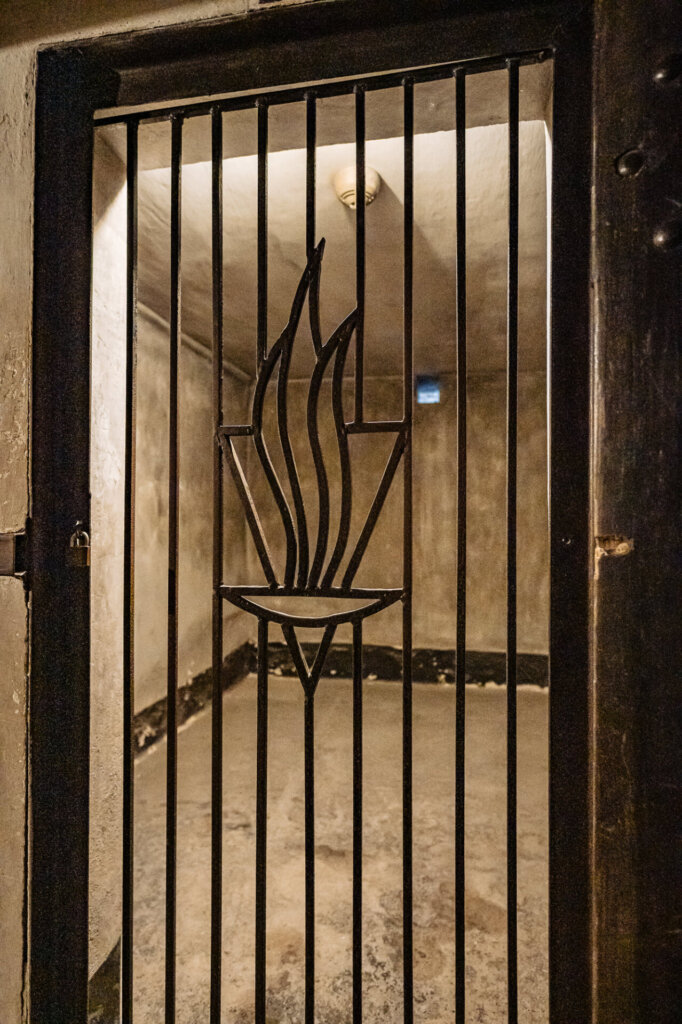
We arrived early in the morning, before the larger tour groups, and spent the better part of a full day moving through both Auschwitz I and Auschwitz II-Birkenau. A guide accompanied us, and I am grateful for that. The information and context she provided made it possible to understand what we were seeing with something beyond raw, unprocessed emotion.
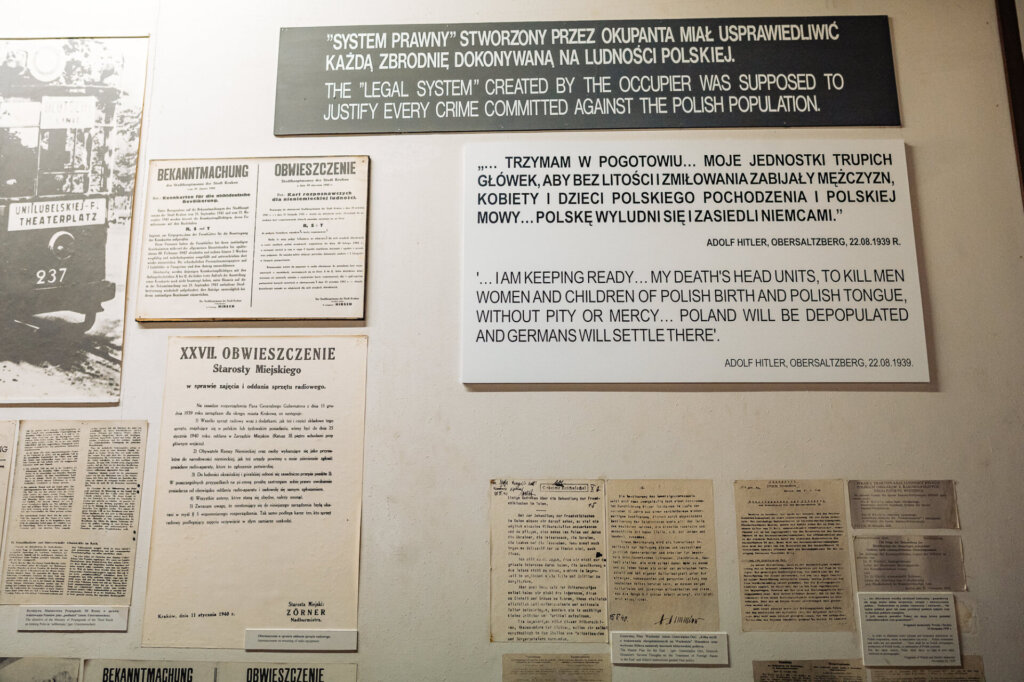
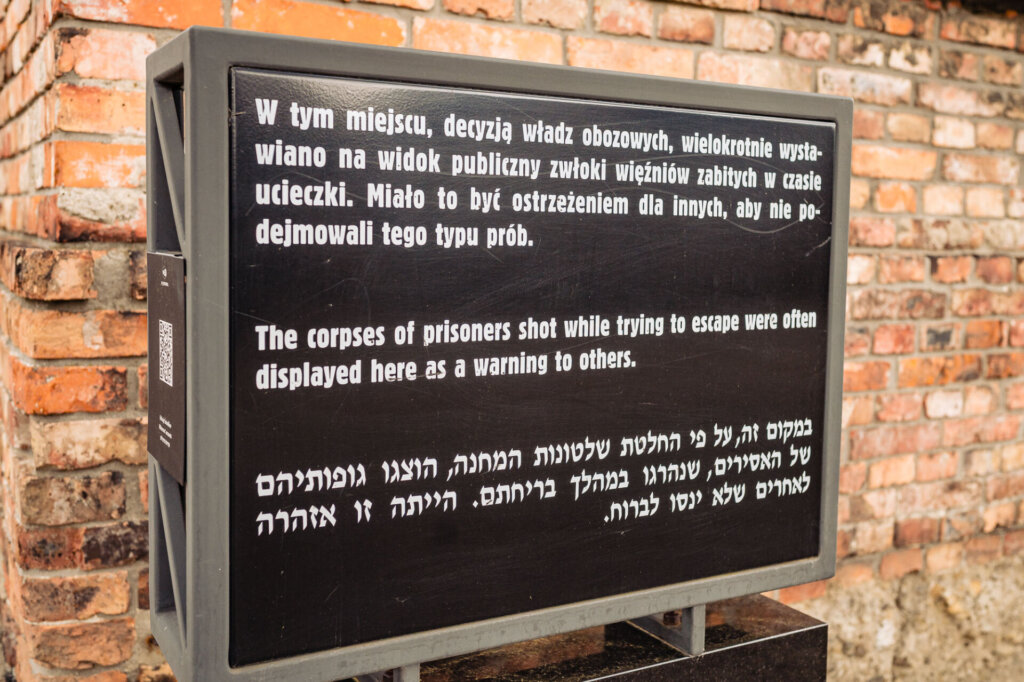
The two photos below are located in the yard at the side of block 11. The condemned were led to the wall for execution. SS men shot several thousand people there—mostly Polish political prisoners and, above all, members of clandestine organizations.
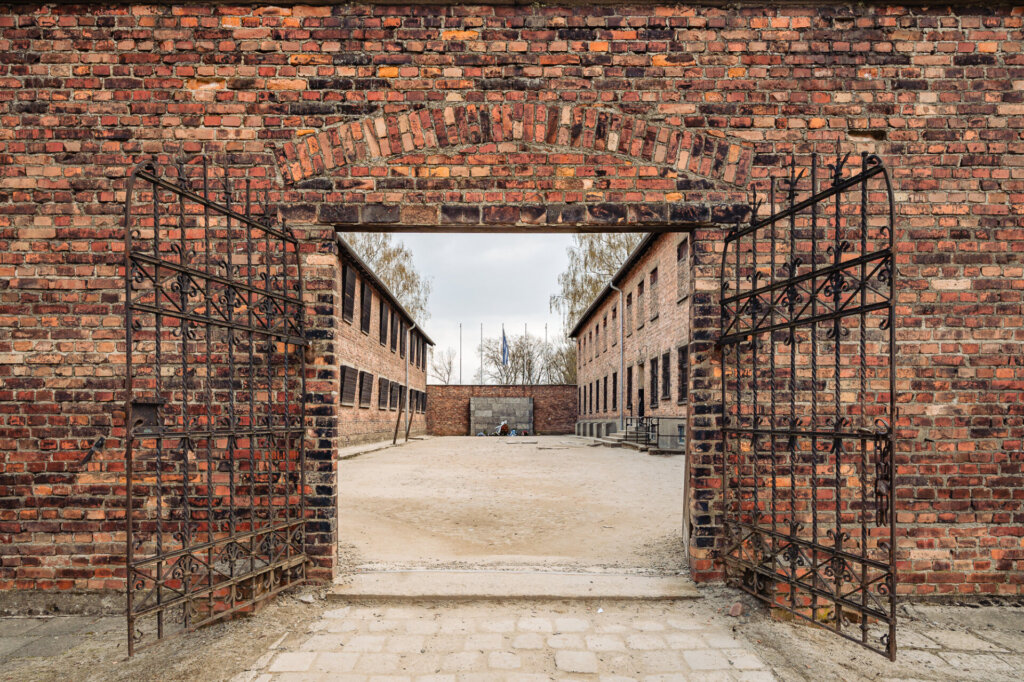
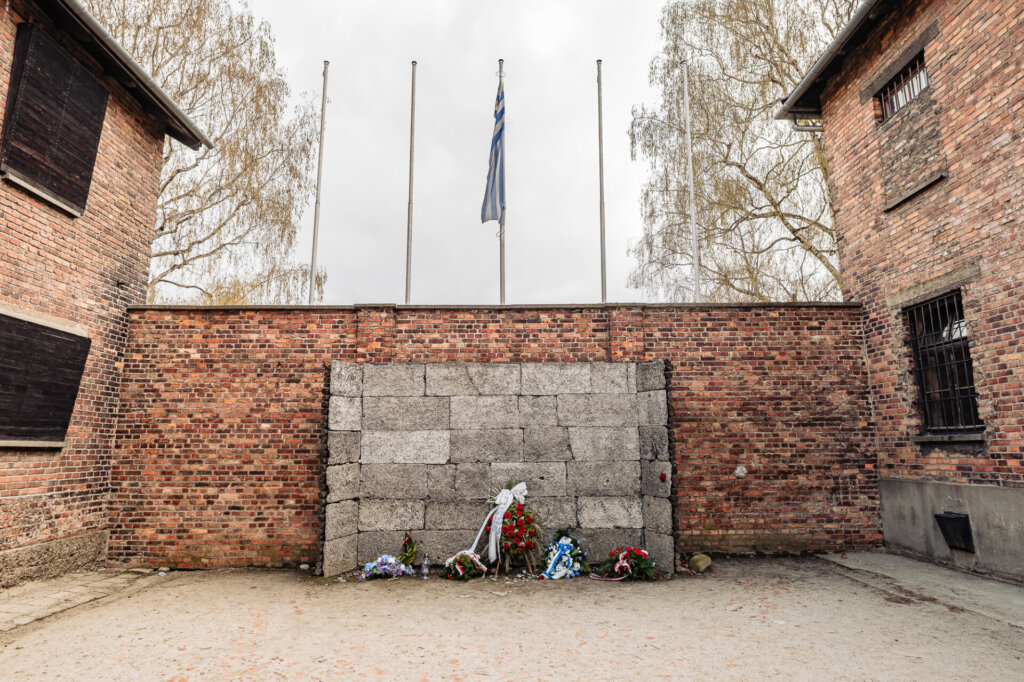
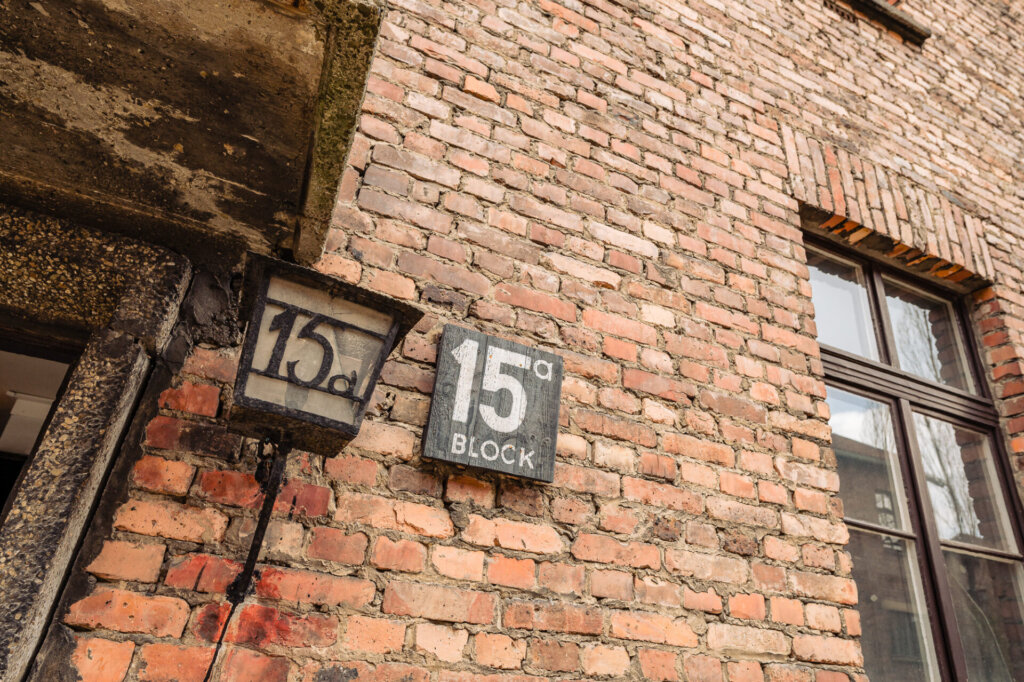
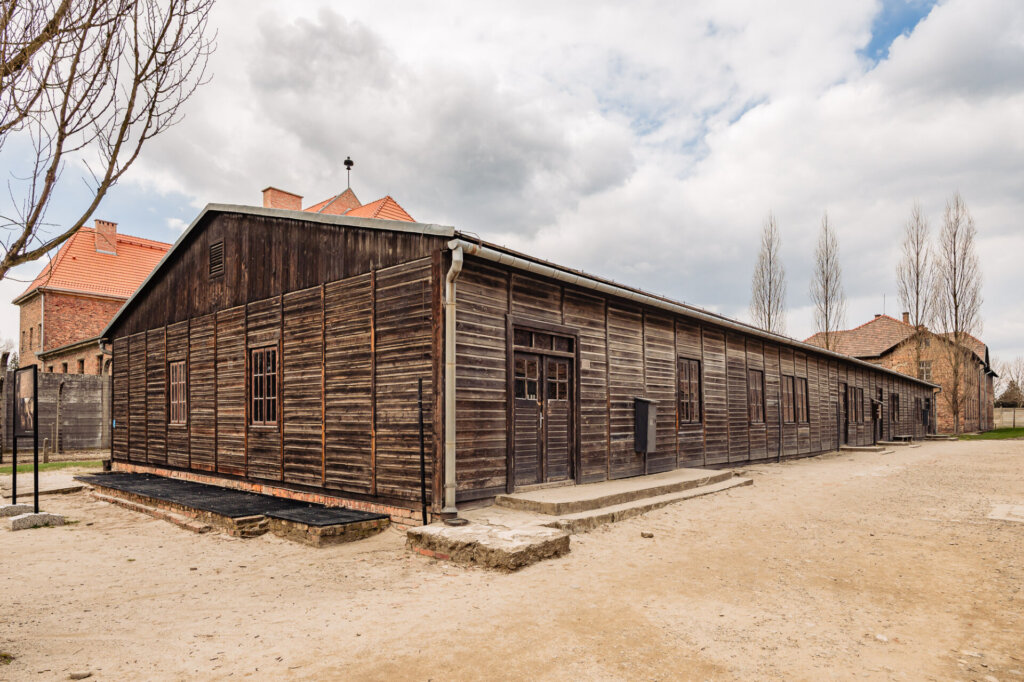
Auschwitz is where the systematic nature of what happened here first becomes tangible. The brick blocks, now museums, contain exhibitions built around the objects left behind by those who were murdered here: eyeglasses, shoes, suitcases, hair. These are not reproductions. They are the actual possessions of actual people, and standing before them, the scale of the genocide moves from an abstraction you have read about into something physically present in a way that no book or film can replicate.
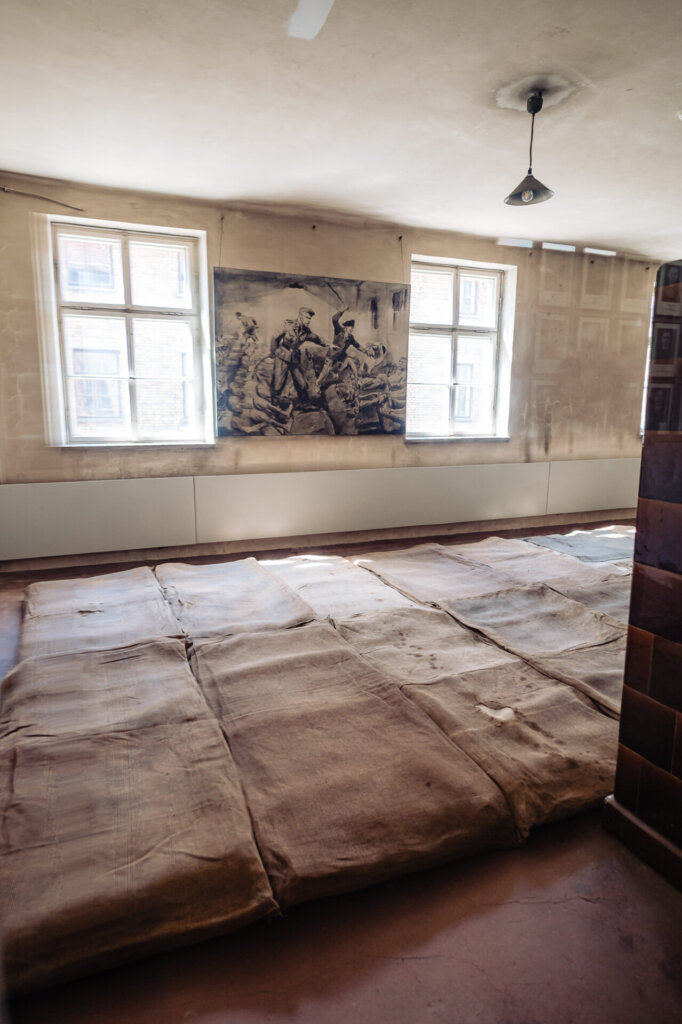
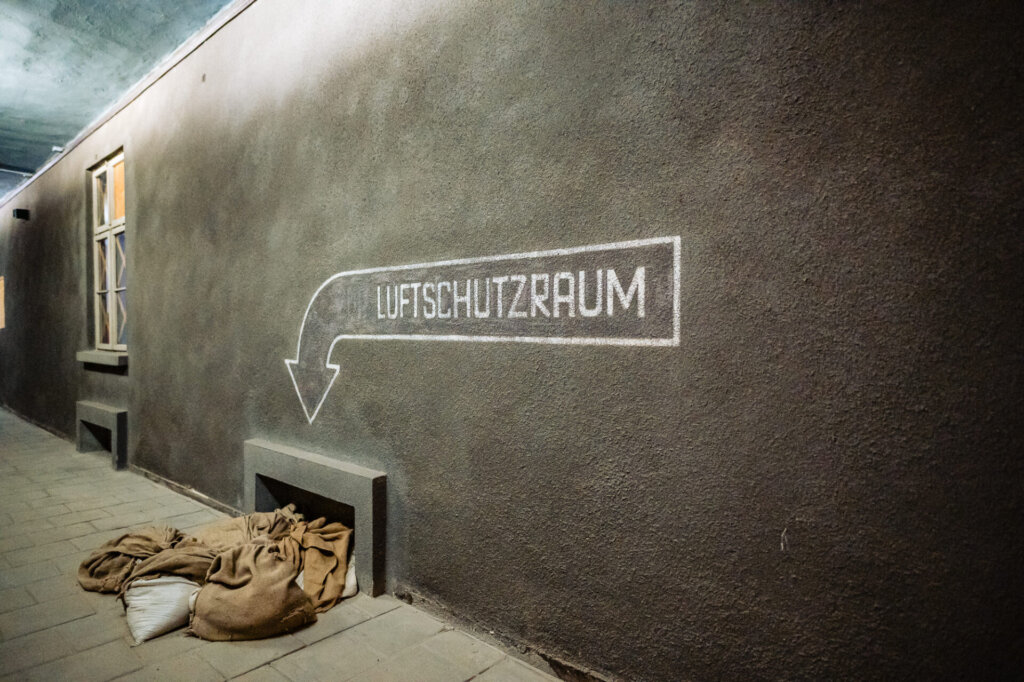
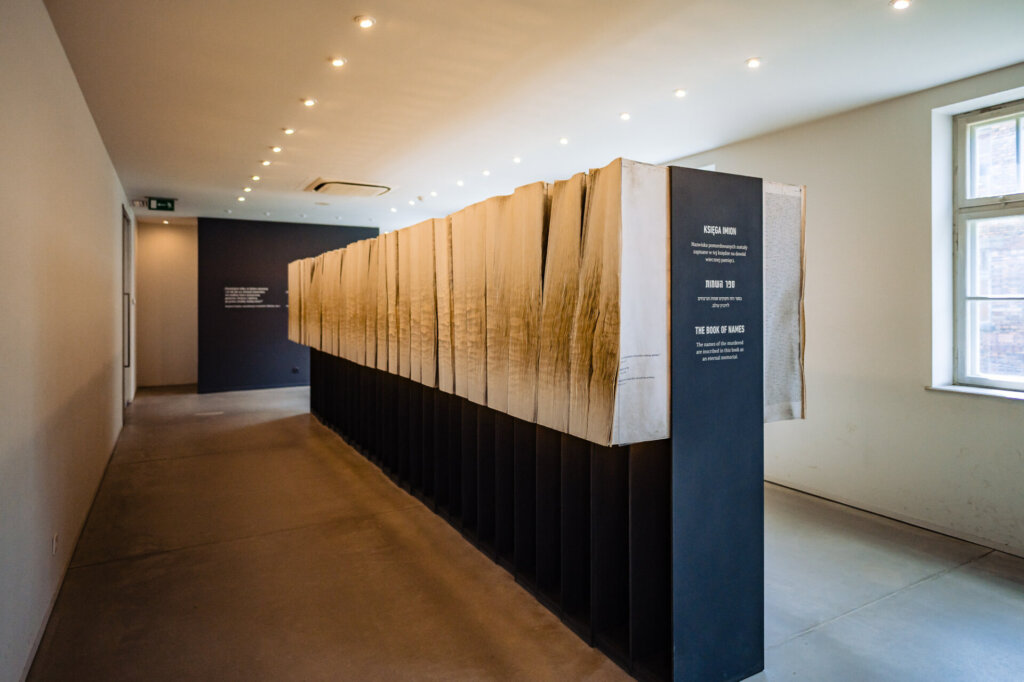
The Book Of Names
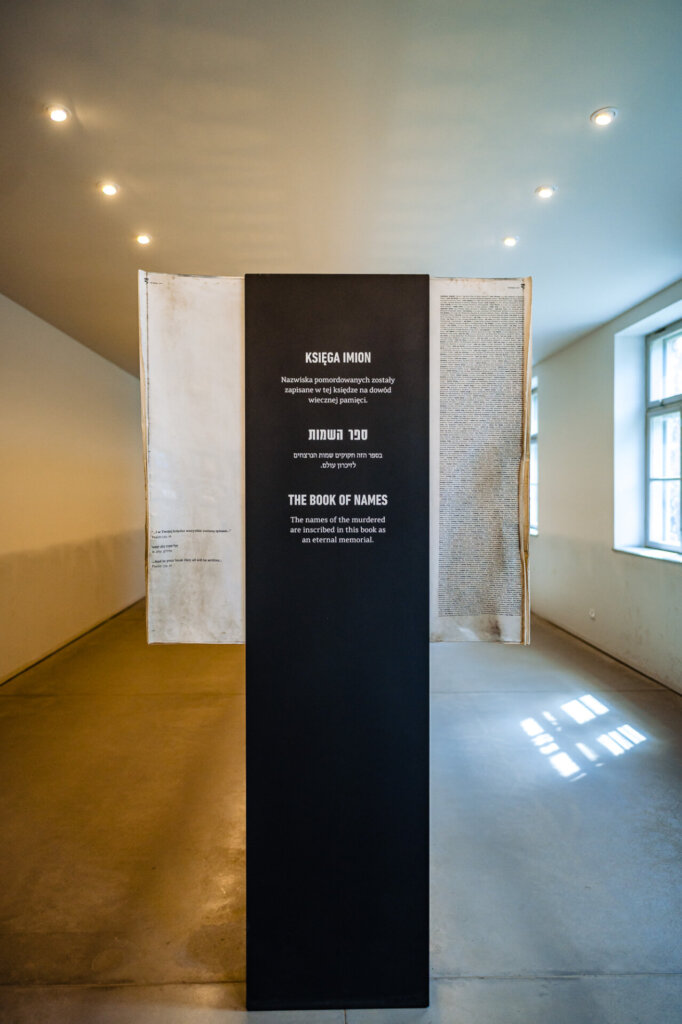
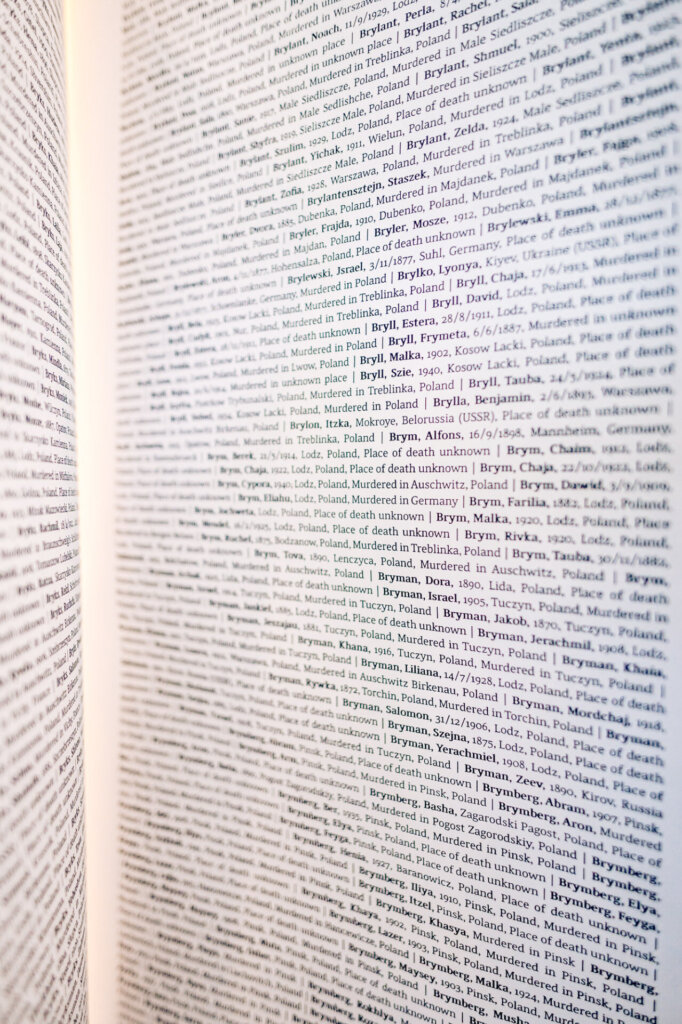
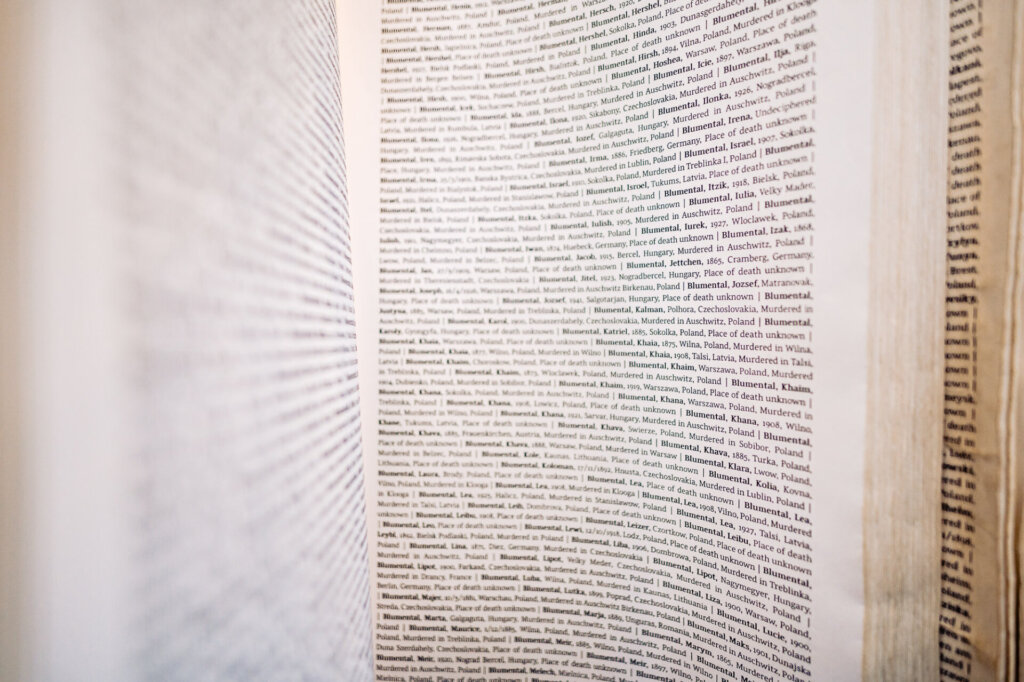
The last building we entered before leaving for Birkenau contained The Book Of Names. I wasn’t aware that this book existed and quite frankly, I wasn’t prepared for it. The moment of learning what it was, is a moment I’ll never forget.
The book contains the names and a short biography of 4.8 million Jewish victims of the Holocaust. The scale of the book (20,000 pages), the size of the pages (1 foot across x 3 feet high), are bound into 70 volumes of about 80,000 names each.
The IDEA that this actually happened and the names of most (but not all) the victims are contained in this book, is impossible to wrap your mind around.
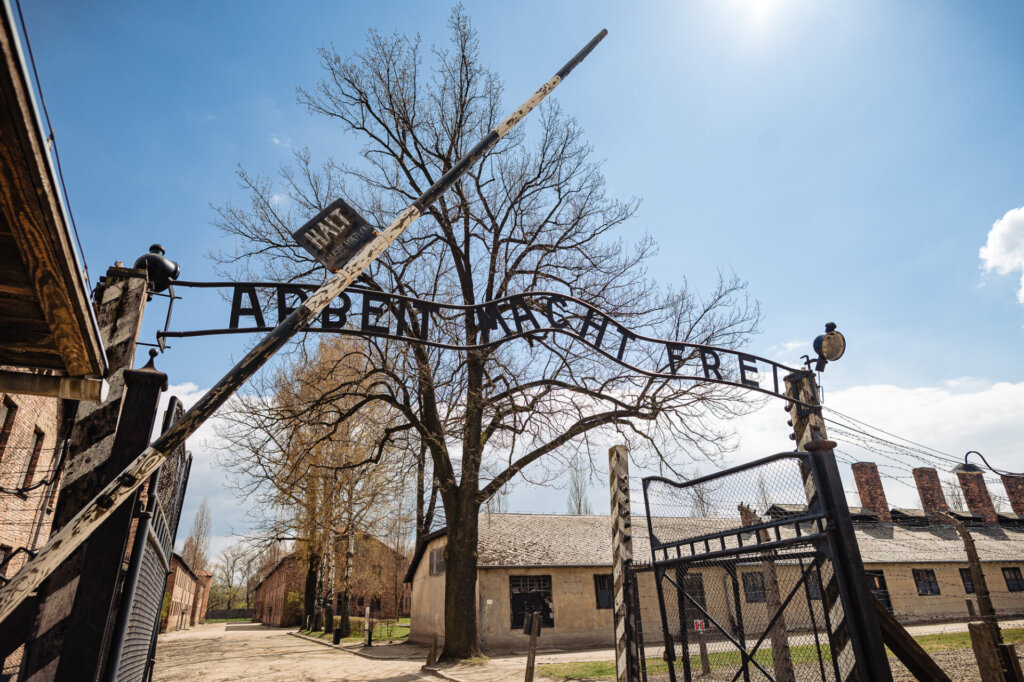
The inscription above the main gate, Arbeit Macht Frei, “Work Sets You Free”, is one of the most cynical lies in human history, rendered in iron by the hands of prisoners forced to forge it. Standing beneath it, you feel that cynicism in your bones.
Birkenau is a different and, in some ways, even more overwhelming experience. The scale is immense. The camp stretches across a flat, open landscape with a vastness that is itself a statement about the industrial nature of what was planned and carried out here. The remaining barracks, the ruins of the gas chambers and crematoria, the railroad tracks that brought hundreds of thousands of people to their deaths directly from the train, all of it occupies a silence so complete and so heavy that conversation feels genuinely inappropriate.
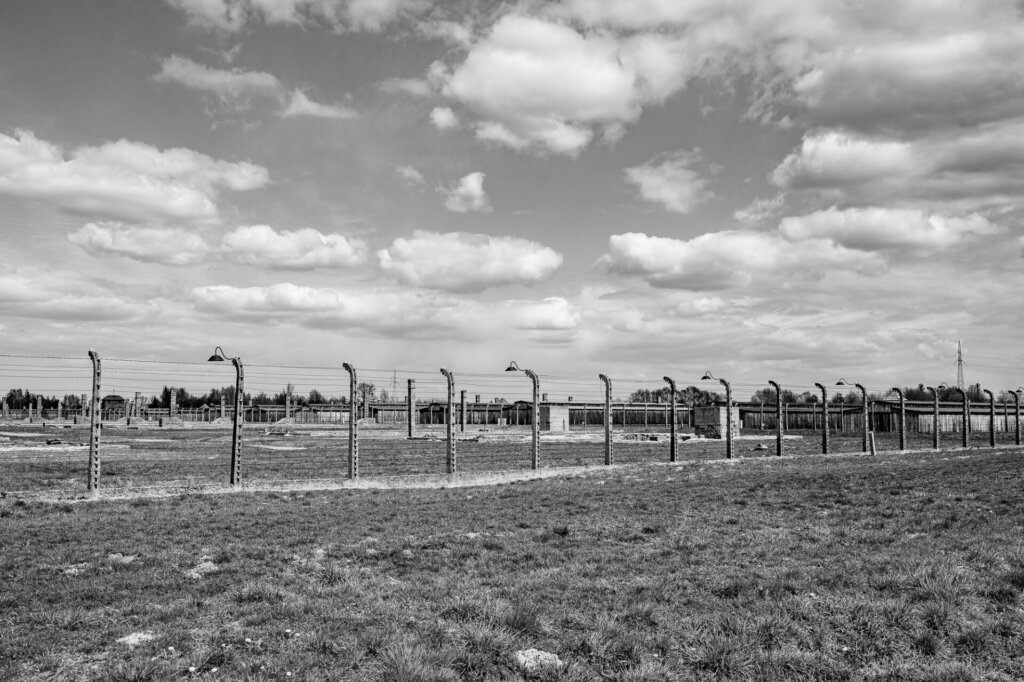
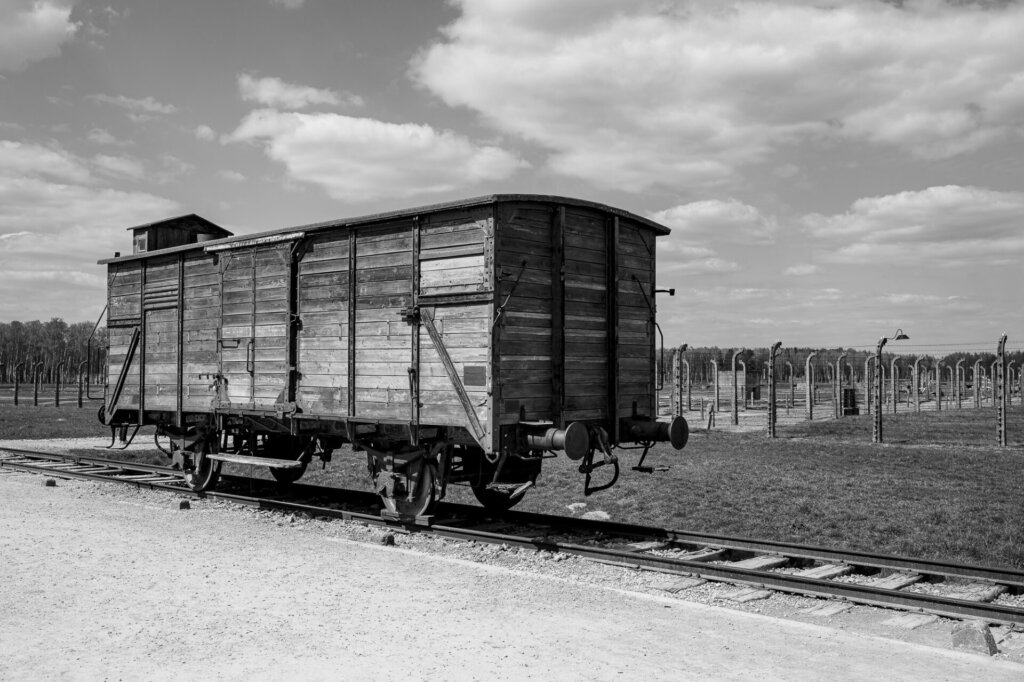
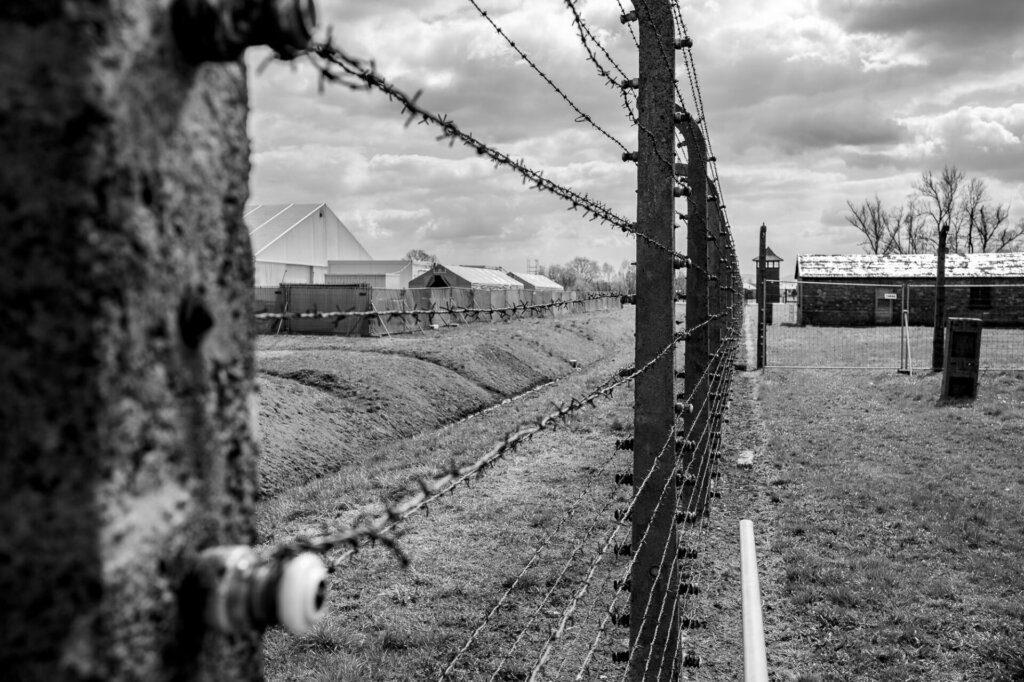
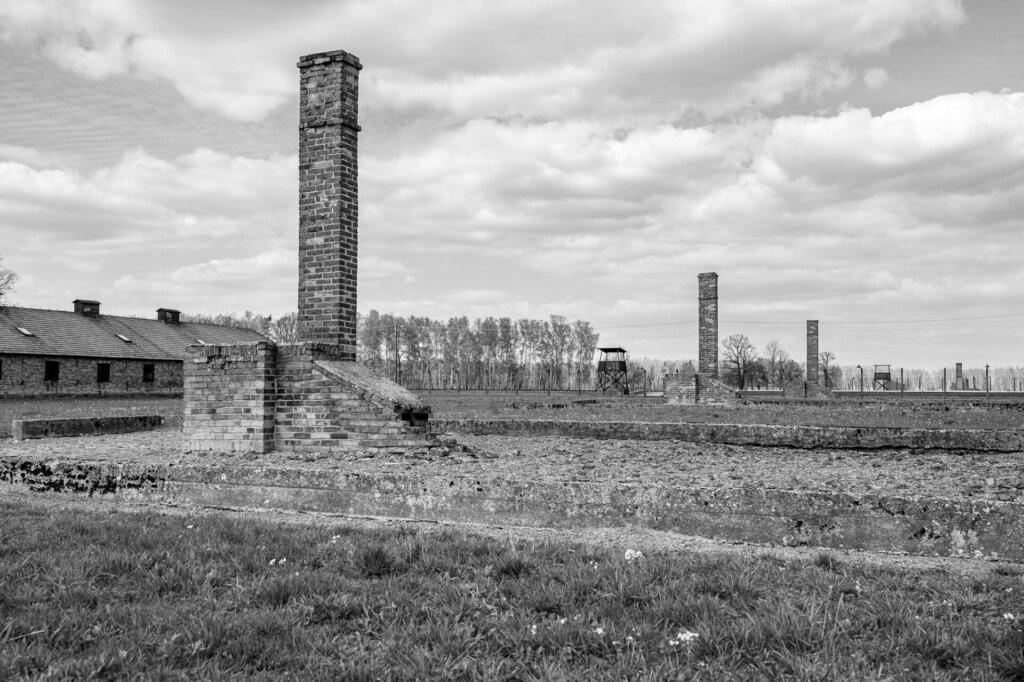
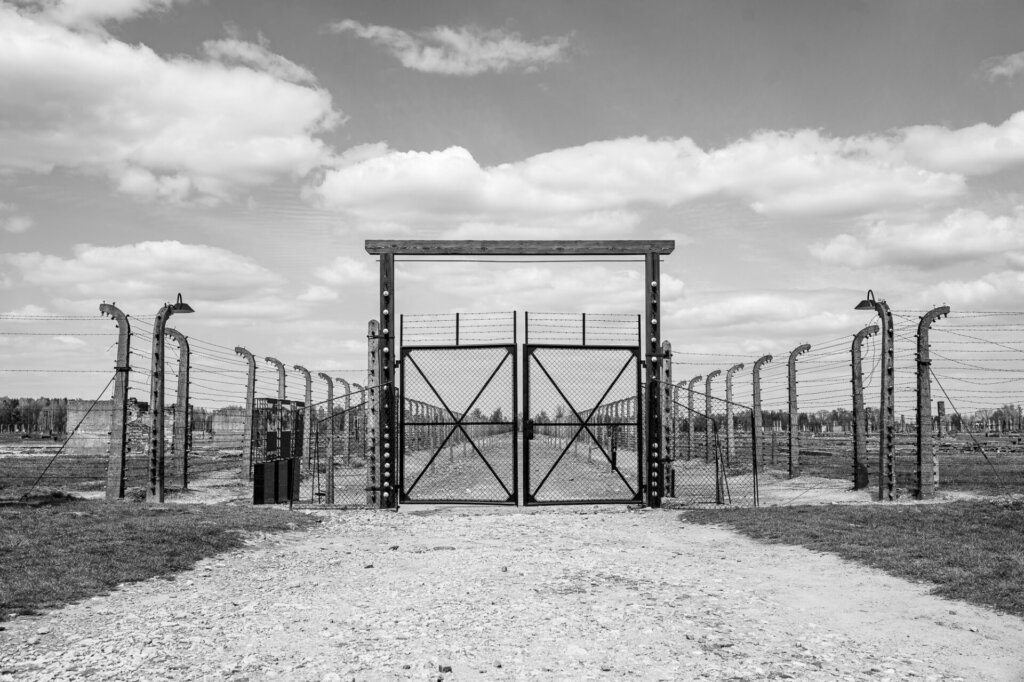
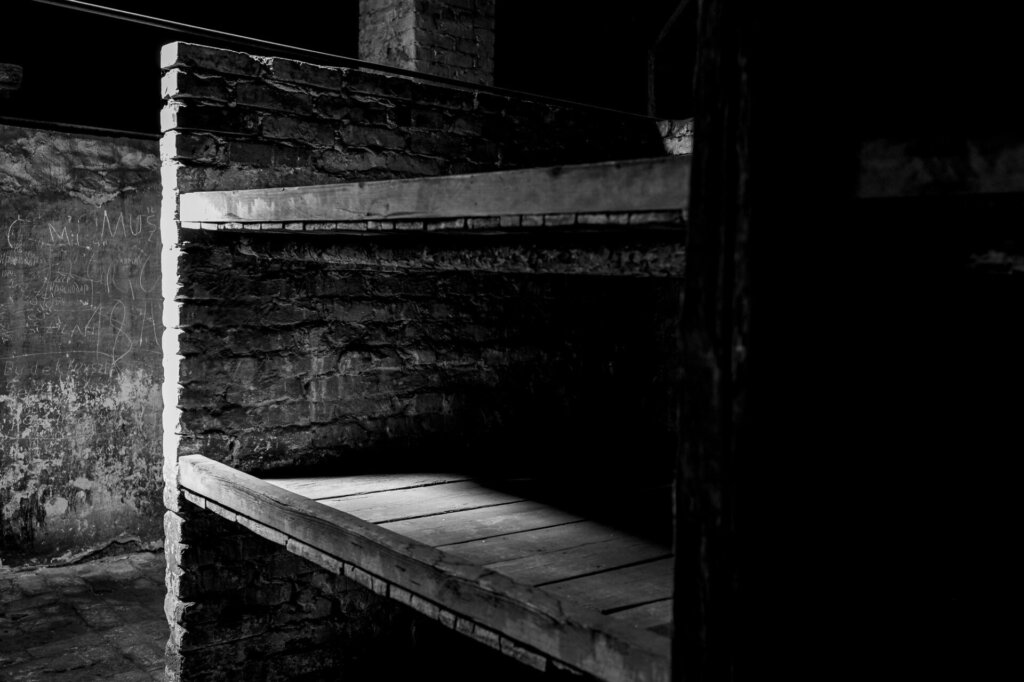
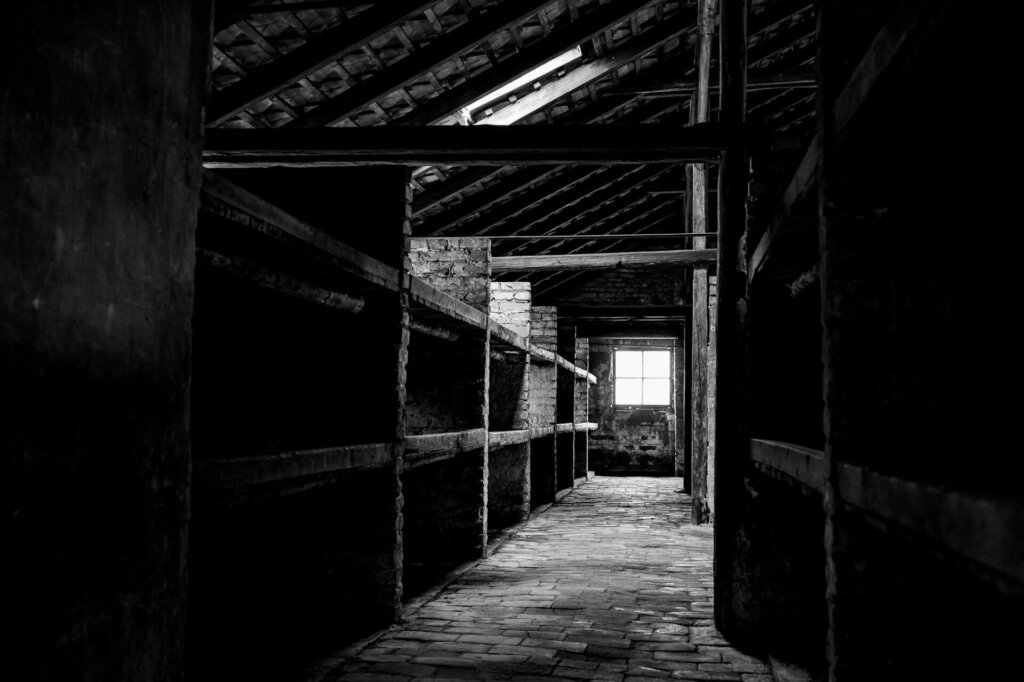
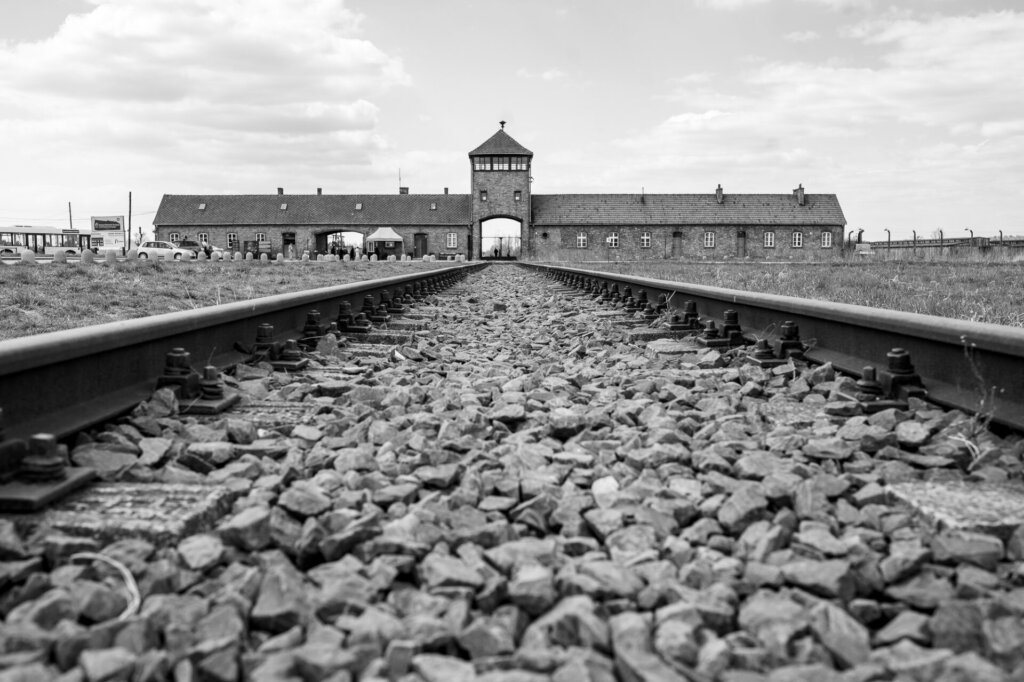
We stood at the end of those tracks for a long time without speaking. As a photographer, I made a personal decision to put my camera away for most of our time at Birkenau. Some places ask to be witnessed rather than photographed, and this was one of them.
The visit to Auschwitz and Birkenau is deeply sobering and entirely necessary. I would say, without hesitation, that every person who is able to make this journey should do so. Bearing witness to what happened here is one of the most important things a person can do.
Memory is not passive. It requires presence.
Interesting Fact: Between 1940 and 1945, the Nazis imprisoned more than 1.3 million people at Auschwitz-Birkenau. Of those, approximately 1.1 million were murdered, the vast majority of them Jewish men, women, and children deported from across occupied Europe.
Warsaw: A City That Refused to Disappear
After the weight of Auschwitz and Birkenau, Warsaw received us with a different kind of gravity.The city was nearly obliterated during World War II, with its Old Town left in ruins and its residents significantly reduced in number. The systematic targeting of its identity aimed to erase its rich heritage and cultural significance. And yet Warsaw is here. Rebuilt, restored, and very much alive, with an energy and a confidence that feels hard-won and deeply deserved.
Warsaw is a larger, more complex city than Krakow. It does not have Krakow’s settled medieval beauty, but it has something else: a tenacity and a vitality entirely its own, and a historical depth that rewards attention.
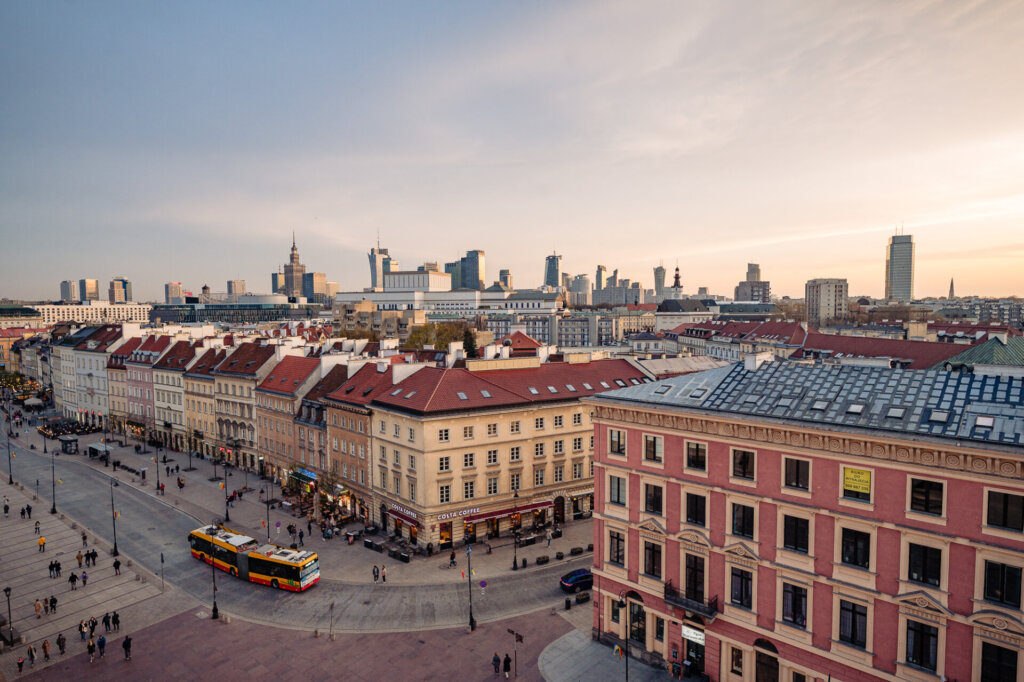
Warsaw Old Town and the Royal Castle
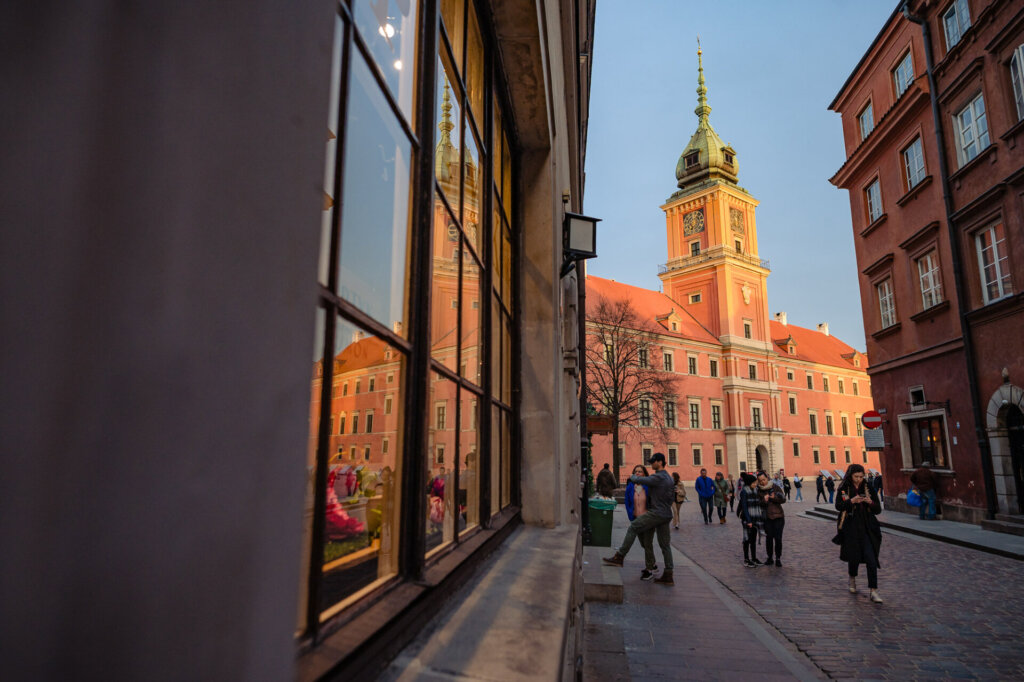
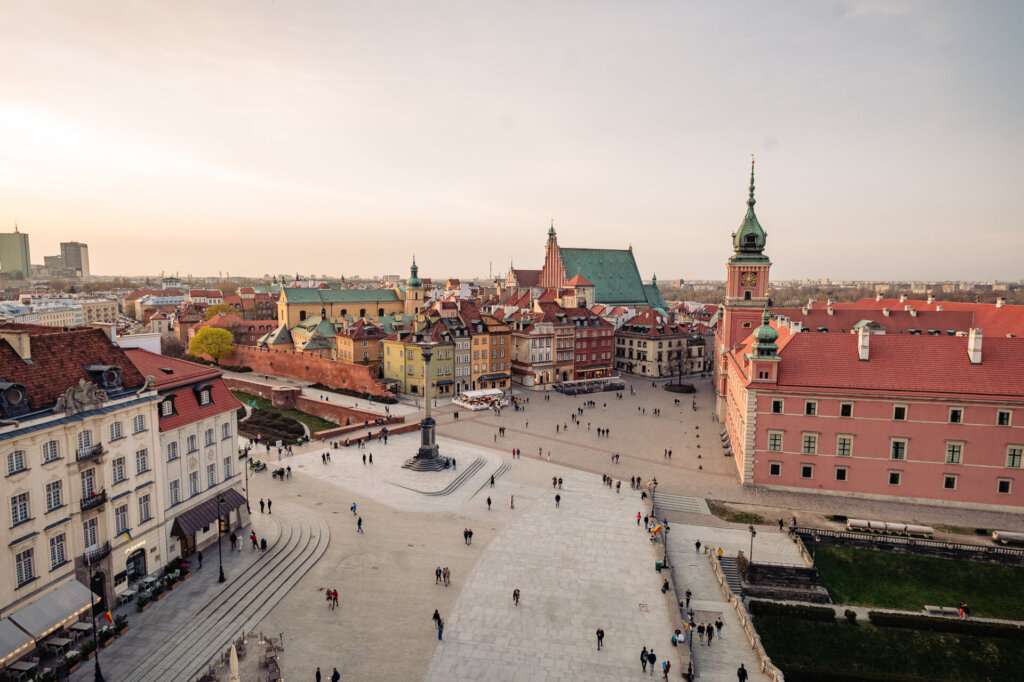
Warsaw’s Old Town is one of the most remarkable urban reconstructions in history. After the city was deliberately demolished by the Nazis following the Warsaw Uprising of 1944, the Old Town was rebuilt from scratch in the postwar decades, its buildings reconstructed in meticulous detail from historical records, paintings, and photographs.
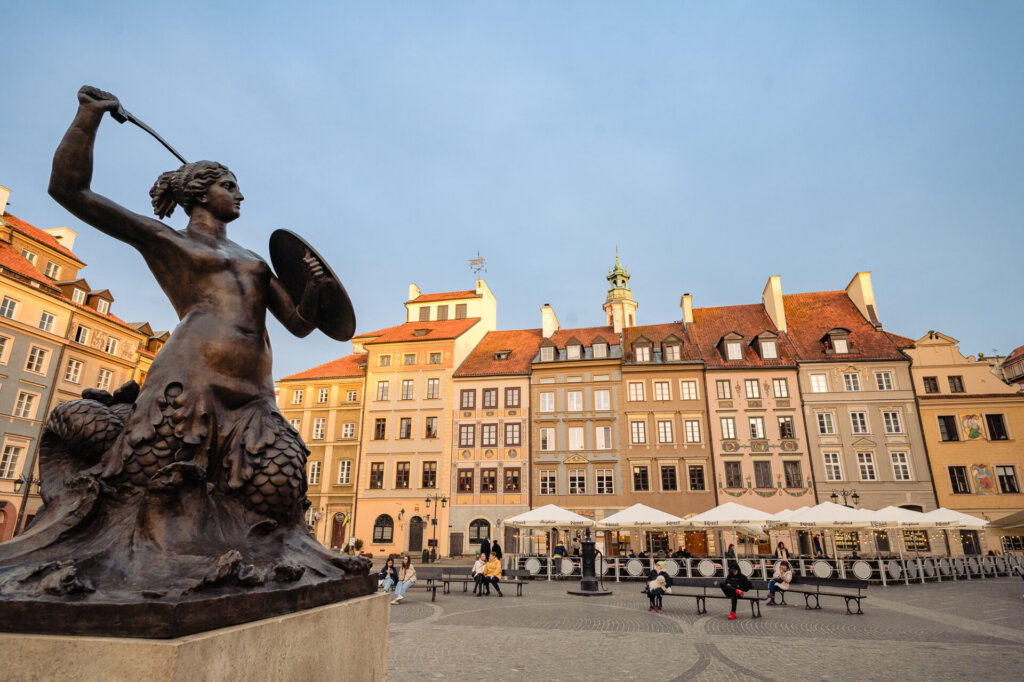
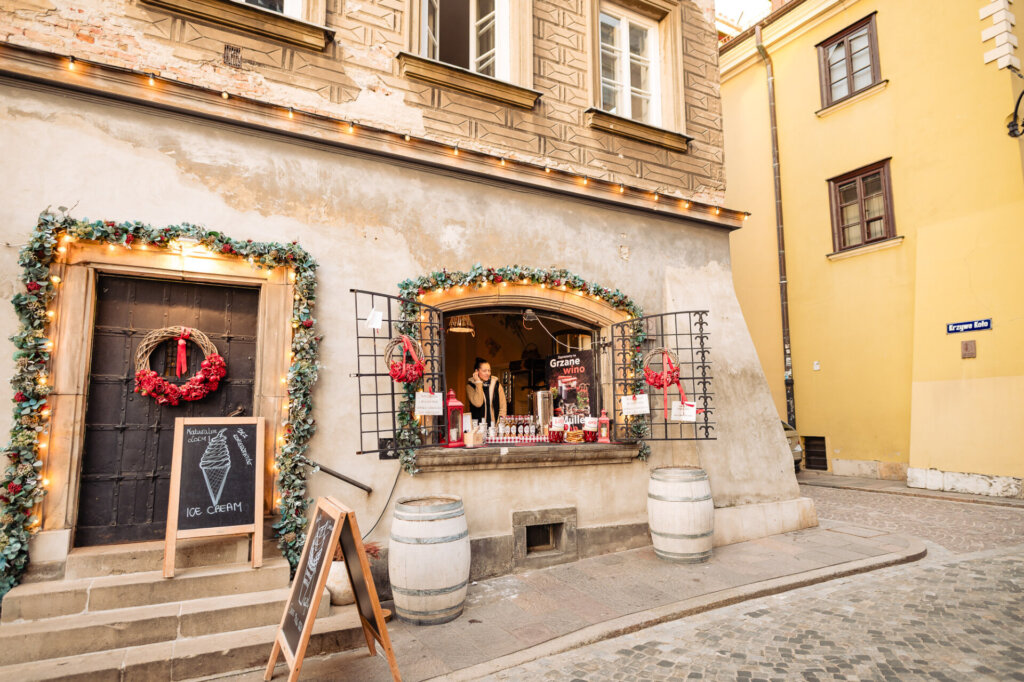
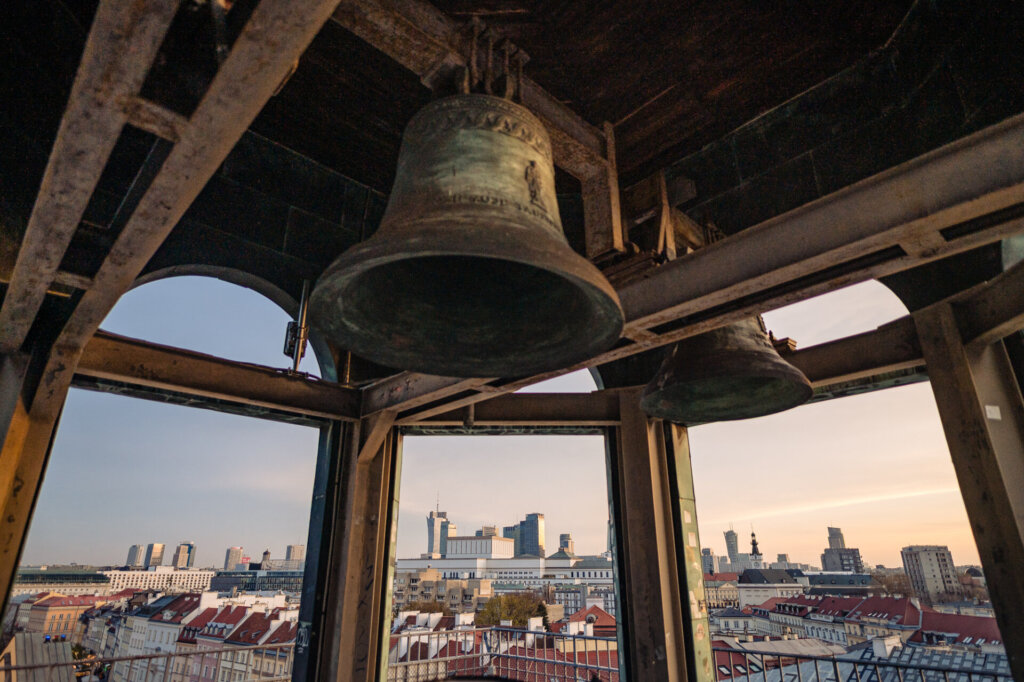
Walking through it today, the colorful townhouses and cobblestone streets feel entirely genuine, because in every sense that matters, they are. The reconstruction was an act of collective will and national identity, a refusal to accept erasure, and the result is a neighborhood of real beauty and considerable symbolic weight. At the edge of the Old Town, the Warsaw Royal Castle stands fully restored after its own wartime destruction.
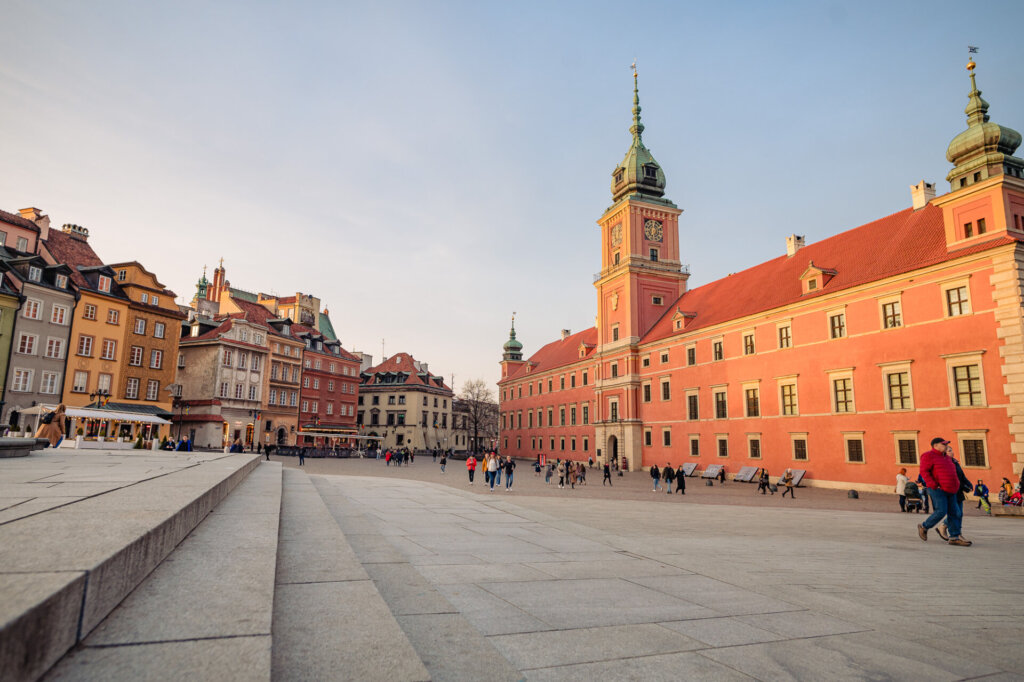
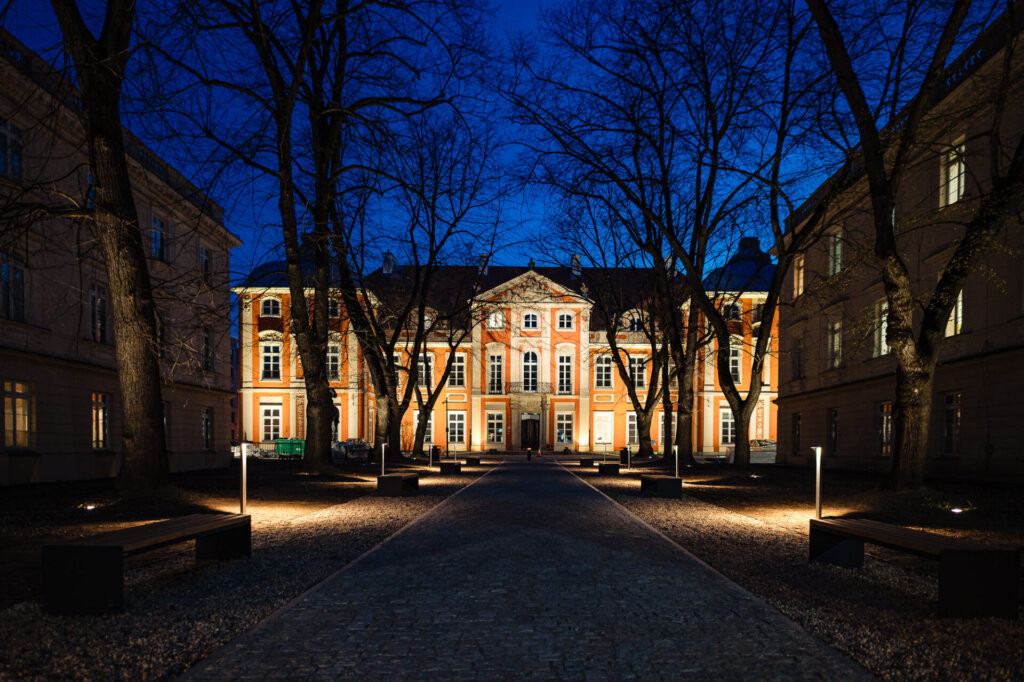
Czapski Palace (above image) sits on Krakowskie Przedmieście, one of Warsaw’s main historic streets, just a short 10-minute walk from Warsaw Old Town and the Royal Castle, placing it within the city’s central heritage district.
Warsaw Uprising Museum
Of all the places we visited in Warsaw, the Warsaw Uprising Museum made the deepest impression.
The museum documents the Warsaw Uprising of 1944, in which the Polish resistance fought for 63 days against the German occupation. It is one of the finest history museums I have visited anywhere in the world, its exhibitions combining personal testimonies, artifacts, film footage, and spatial design in a way that makes the history immediate, human, and genuinely moving.
We spent several hours here and could easily have spent more. The museum does not shy away from the full complexity of the Uprising, its extraordinary courage, its catastrophic cost, and the political circumstances that left the fighters without the outside support they needed and deserved.
Fun Fact: The Warsaw Uprising began on August 1, 1944, a date still commemorated annually in Warsaw with a citywide minute of silence at 5pm, the exact hour the Uprising began, then the entire city stops.
Palace of Culture and Science
The Palace of Culture and Science is impossible to ignore and difficult to feel neutral about. Completed in 1955, this gift from Stalin to the Polish people rises 237 meters above the city center. Its Soviet wedding cake style and decorative excess exemplify the power and ideology of Stalinist architecture across Eastern Europe.
Today, it houses theaters, cinemas, universities, and a viewing terrace on the 30th floor with the best panoramic views of Warsaw available anywhere in the city.
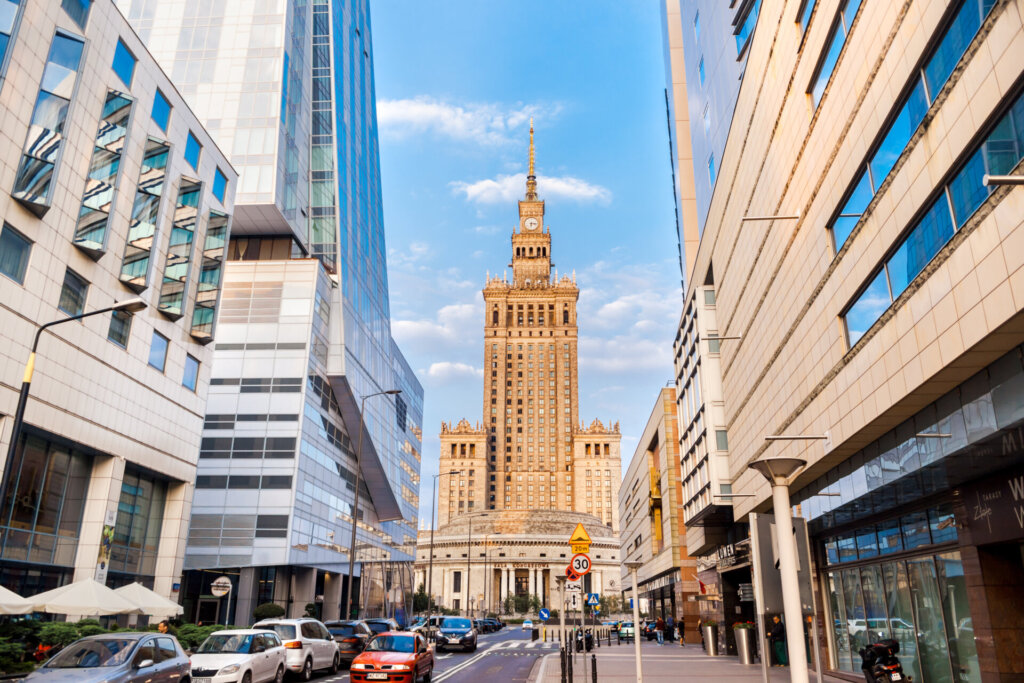
As a photographer, the Palace is a compelling subject regardless of one’s feelings about its origins. Its sheer scale, its ornamental details, and its relationship to the surrounding cityscape make it one of the more interesting architectural subjects in Poland.
Interesting Fact: The Palace of Culture and Science remains the tallest building in Poland at 237 meters, though it is closely challenged by a number of modern skyscrapers now rising in Warsaw’s rapidly developing business district.
Wilanow Palace
On the southern edge of Warsaw, the Wilanow Palace offers a welcome contrast to the city’s more turbulent history. The palace interior is rich with original furnishings, portraits, and decorative arts of the period, and the gardens, formal in the French style near the palace and more naturalistic beyond, are among the most pleasant outdoor spaces in Warsaw. We spent a quiet, late afternoon here, walking the grounds as the light softened, and left feeling that Warsaw had offered us, in its final hours, exactly the kind of restful beauty the day needed.
Fun Fact: Wilanow Palace is known in Poland as the Polish Versailles, a comparison that does not overstate the case. Like Versailles, it was designed to project the power and cultural refinement of its royal owner, and like Versailles, it succeeds.
Final Thoughts: What Poland Asks of You
Poland asks more of a traveler than most countries. It asks you to hold beauty and grief in the same hands, to move between a medieval market square and a concentration camp and a rebuilt city center and to find a way to honor all of it honestly.
I left Poland quieter than we arrived. Not sad, exactly, but changed. More aware. More grateful for the ordinary privileges of our lives, and more conscious of what it means to bear witness to history rather than simply observe it from a distance.
Poland set the tone for the rest of the trip in a way I did not fully expect. It grounded us early, giving us context and a slower pace before moving into something very different. From there, we turned north. What came next could not have been more of a contrast. We left behind structured cities and moved toward open space, long nights, and a landscape defined by light and silence.
Finland was where that shift became real.