Canals, Windmills & a City That Moves: Amsterdam, Netherlands
Our son’s wedding was in Morocco, and somewhere in the planning of that journey, my wife and I decided to make a detour. Amsterdam was a short flight away; we had a window of time before the celebrations in Casablanca, and neither of us had been to the Netherlands before. It felt like exactly the kind of decision that travel rewards.
Amsterdam has a reputation that precedes it, and like most cities with strong reputations, the reality turned out to be considerably more interesting than the version we had carried in our heads. It is not the quiet, bicycle-and-canal postcard city we had half-expected. It is vibrant, fast-moving, culturally layered, and very much alive in the way that only genuinely great cities manage to be. We had a few days, explored them well, and left with a genuine fondness for a place that surprised us at almost every turn.
Arriving at Amsterdam Centraal
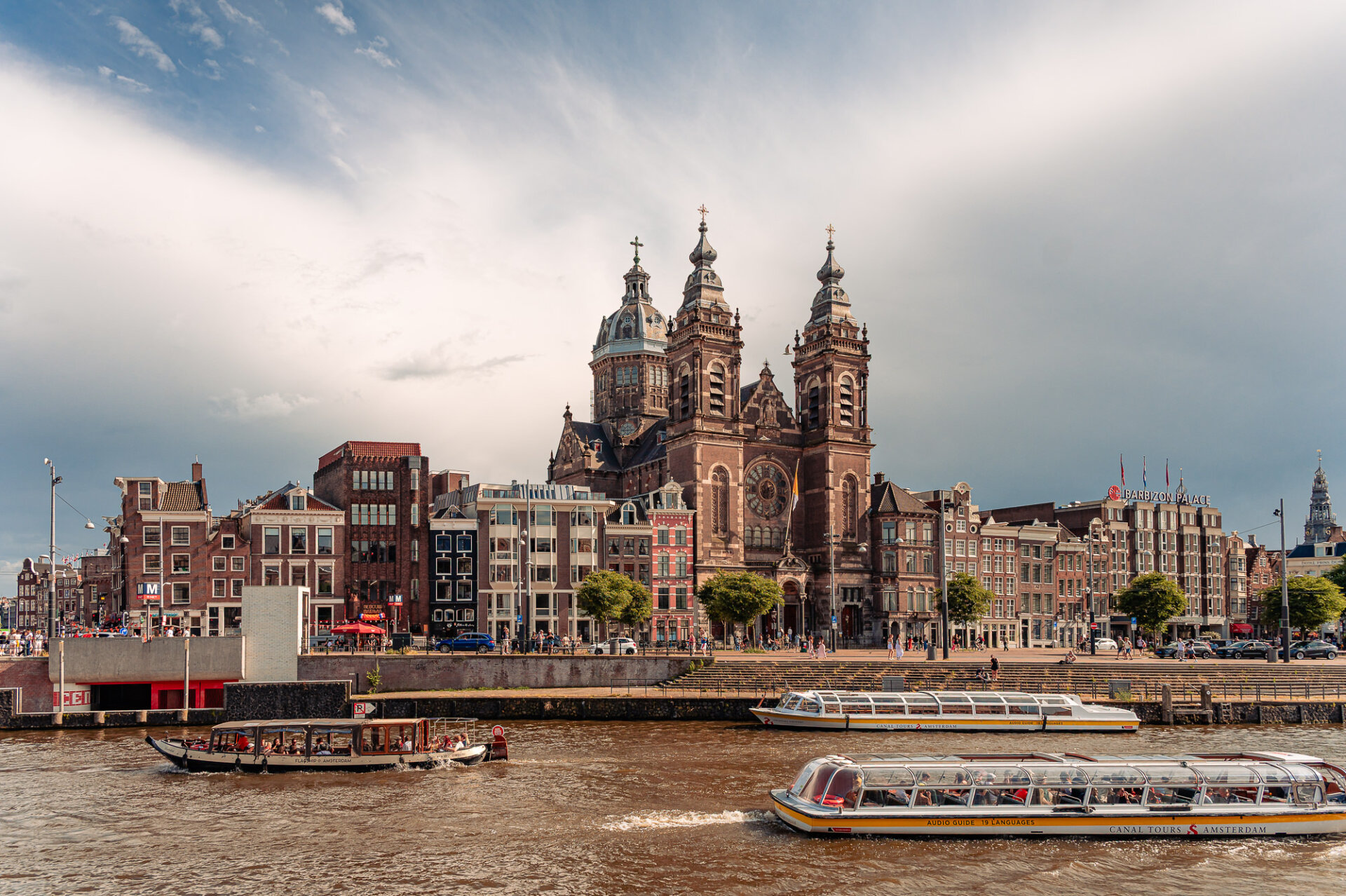
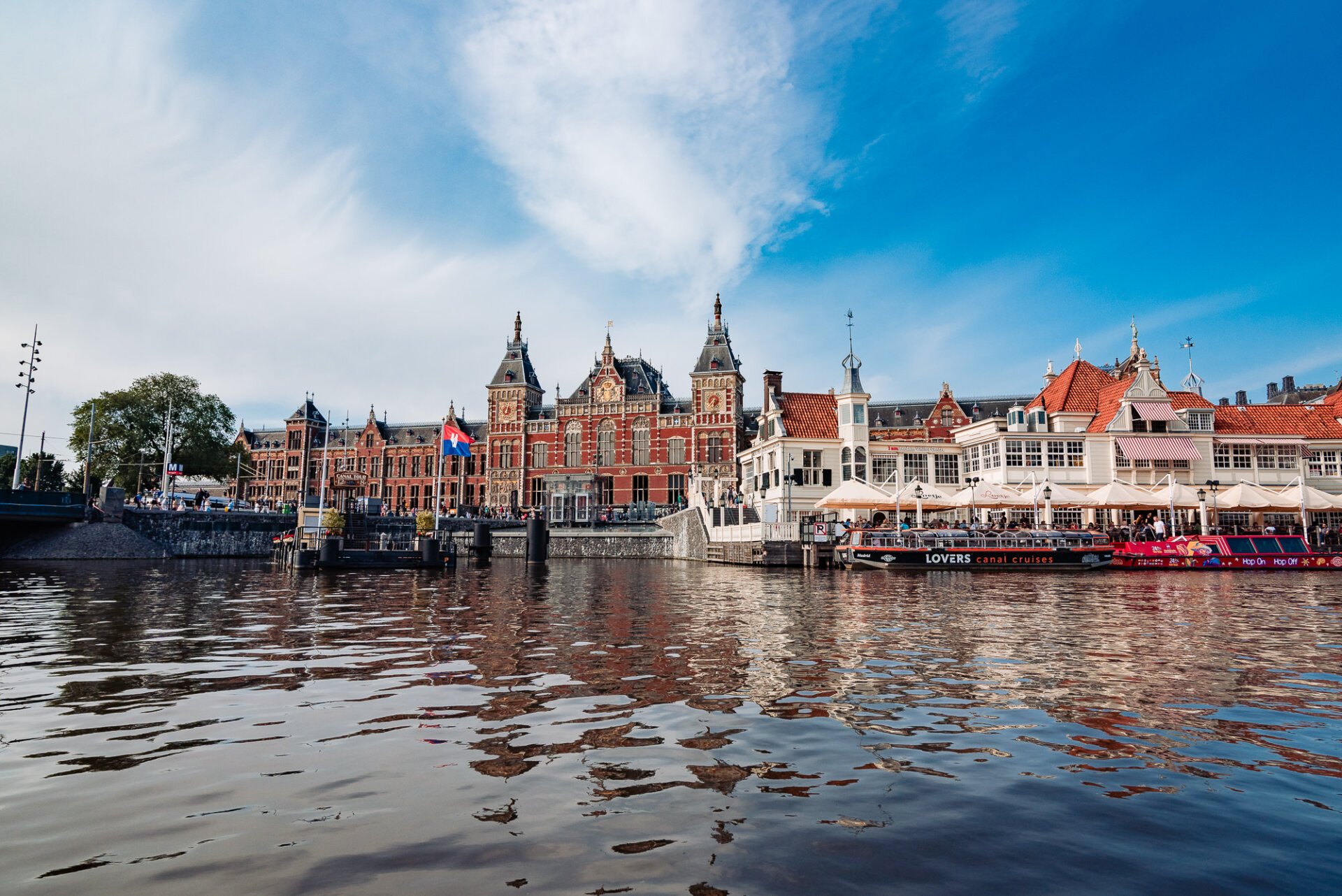
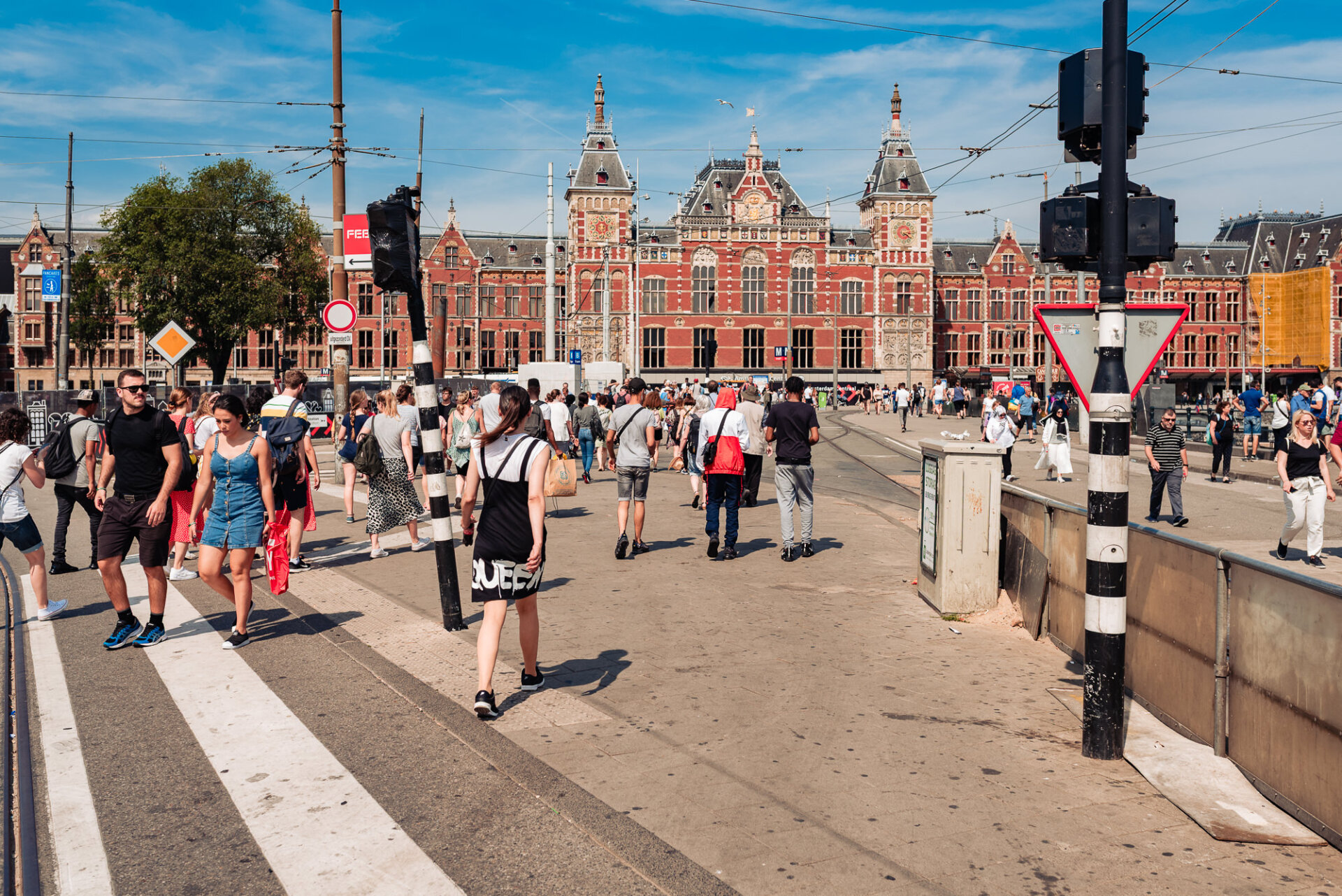
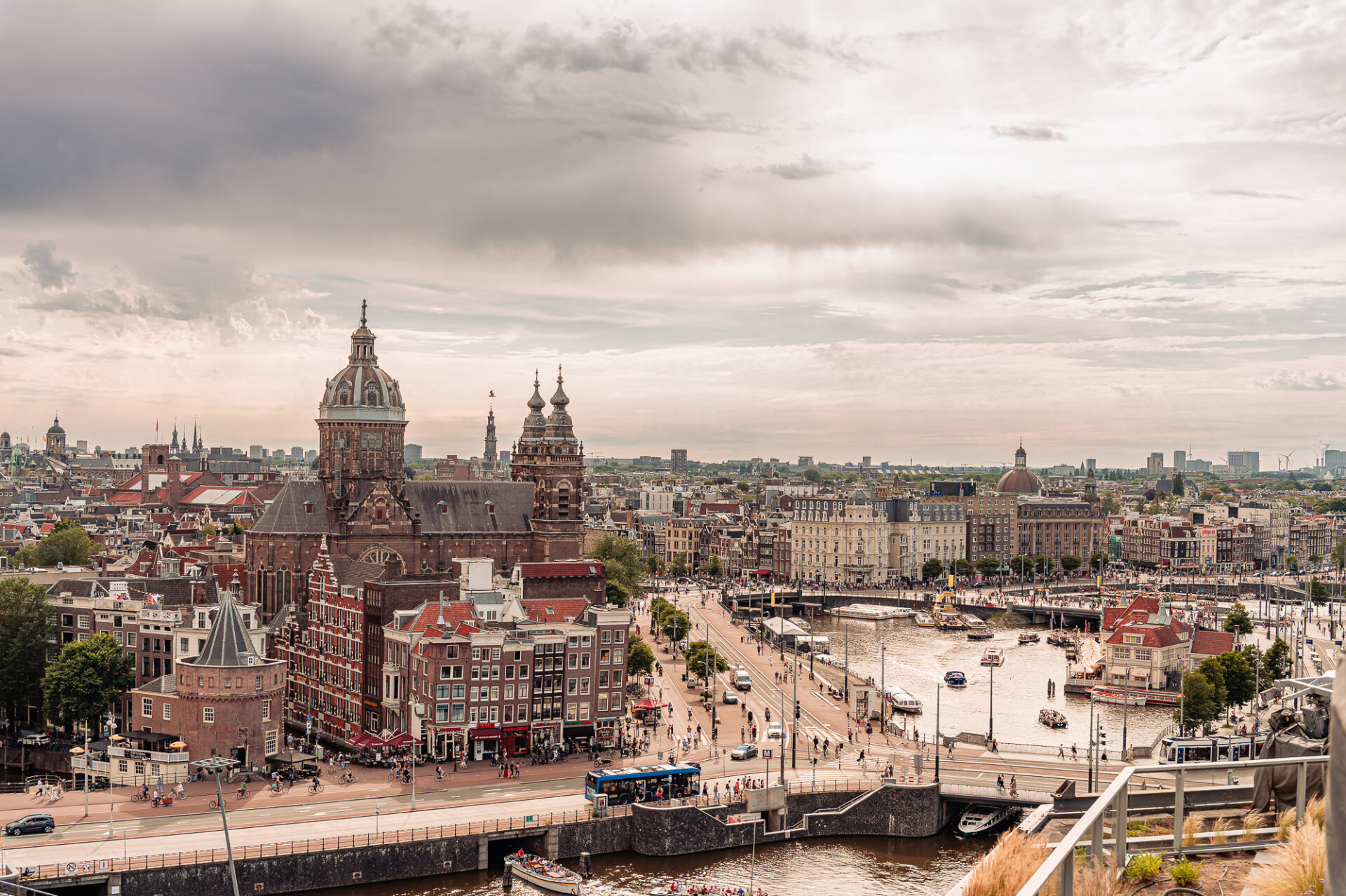
The first impression of Amsterdam, for most visitors, is Amsterdam Centraal Station, and it is a good one. The station building itself is a landmark of Dutch neo-Renaissance architecture, its ornate brick facade and twin towers rising above the waterfront with a grandeur that signals immediately that this is a city with serious architectural ambitions and the history to back them up.
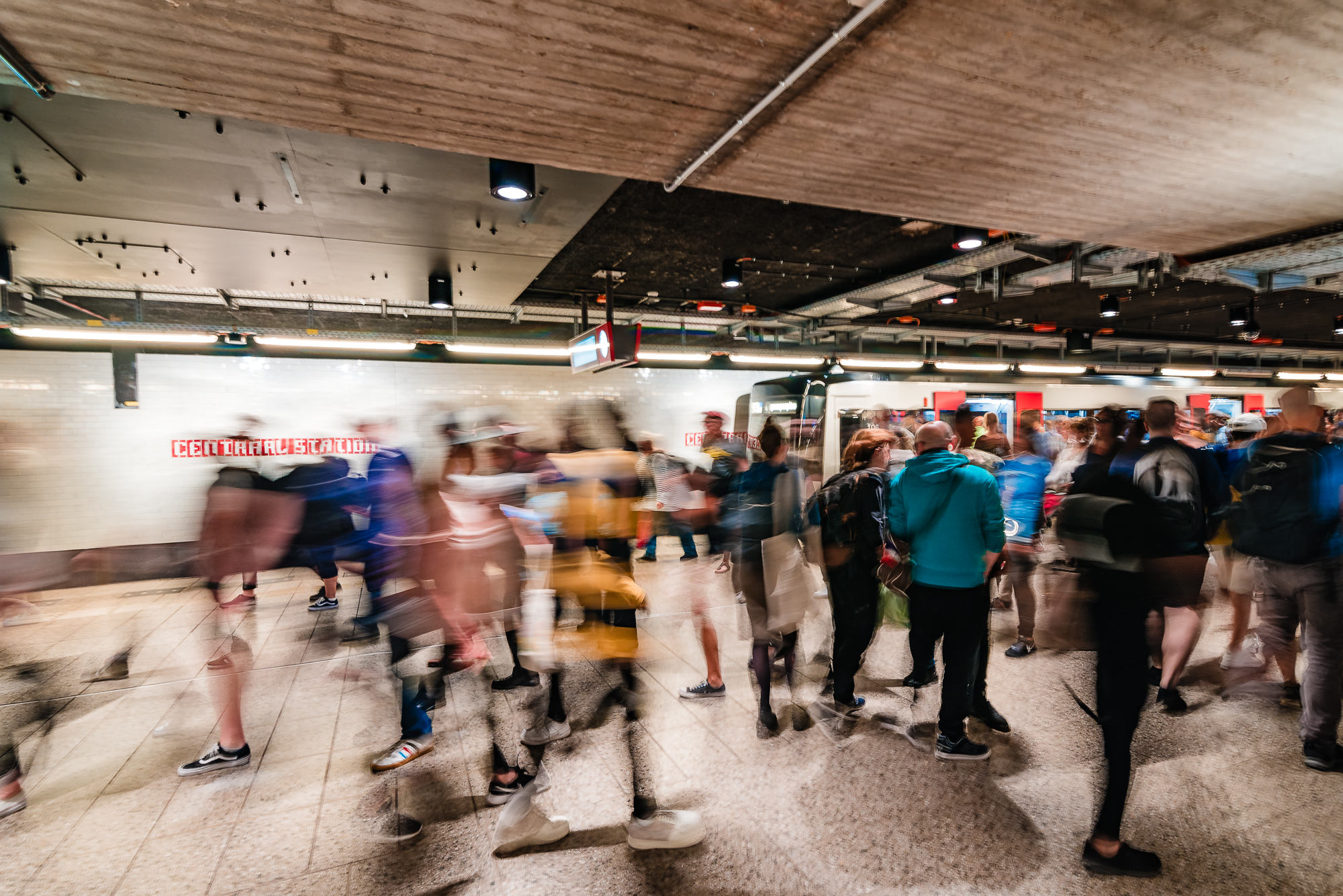
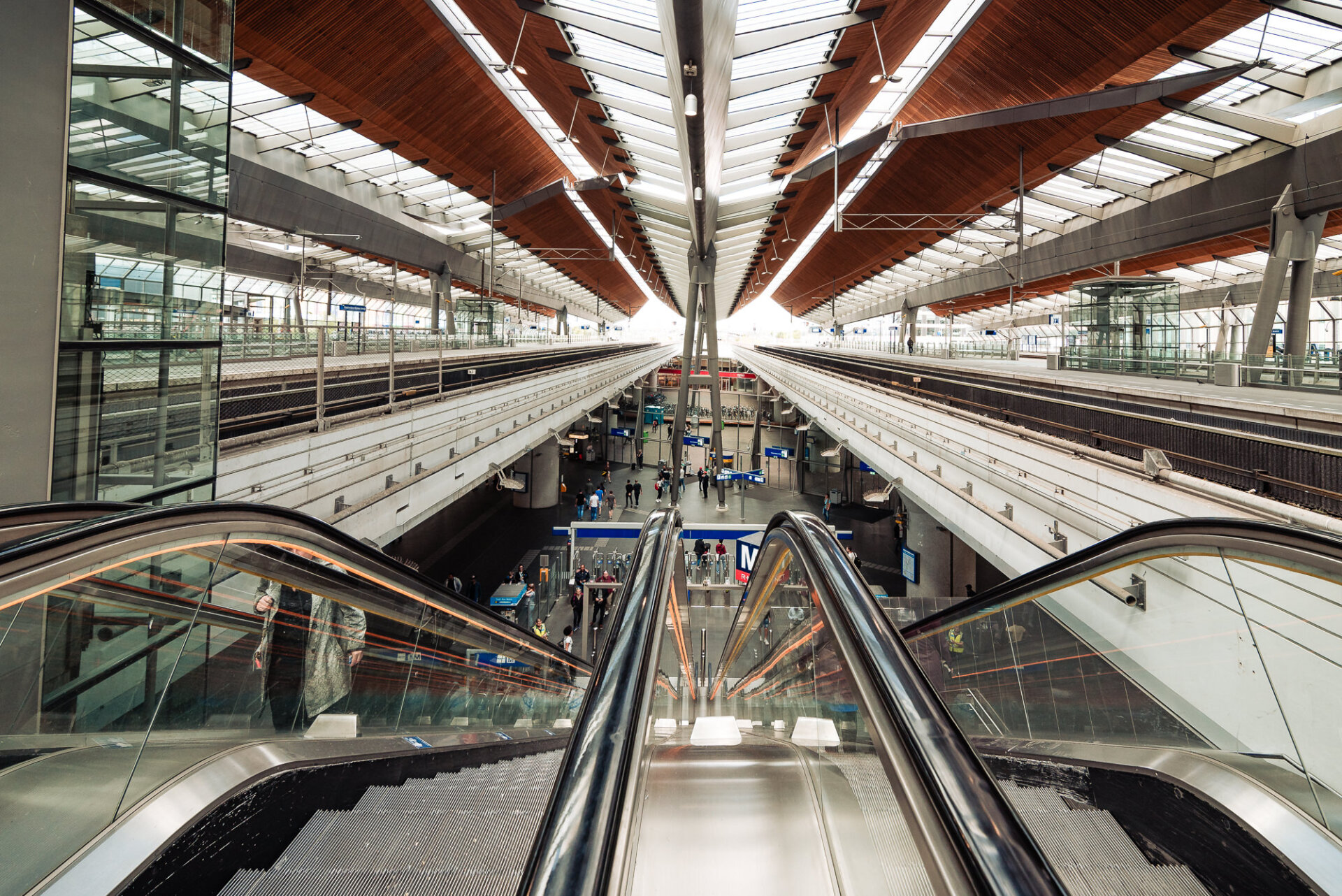
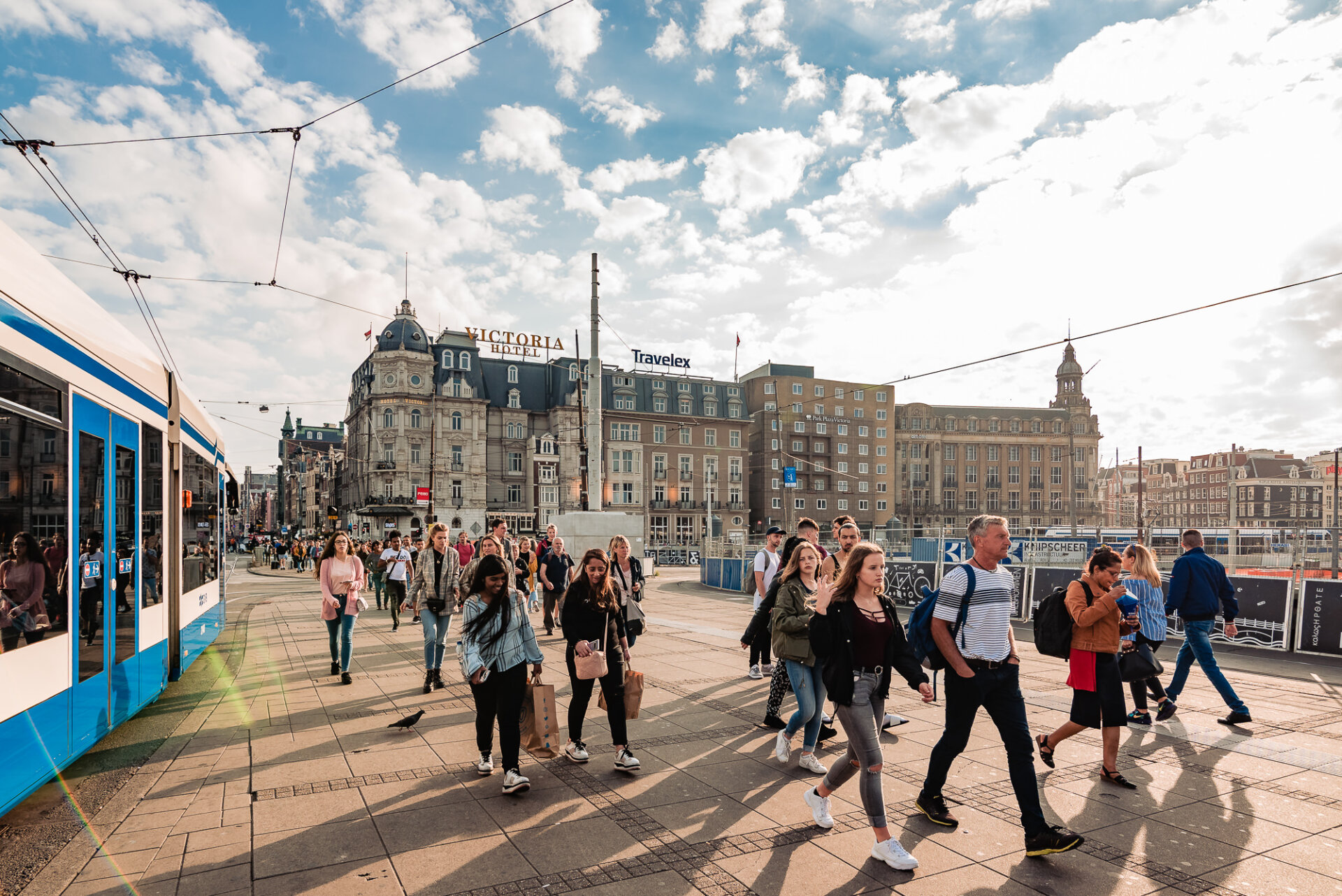
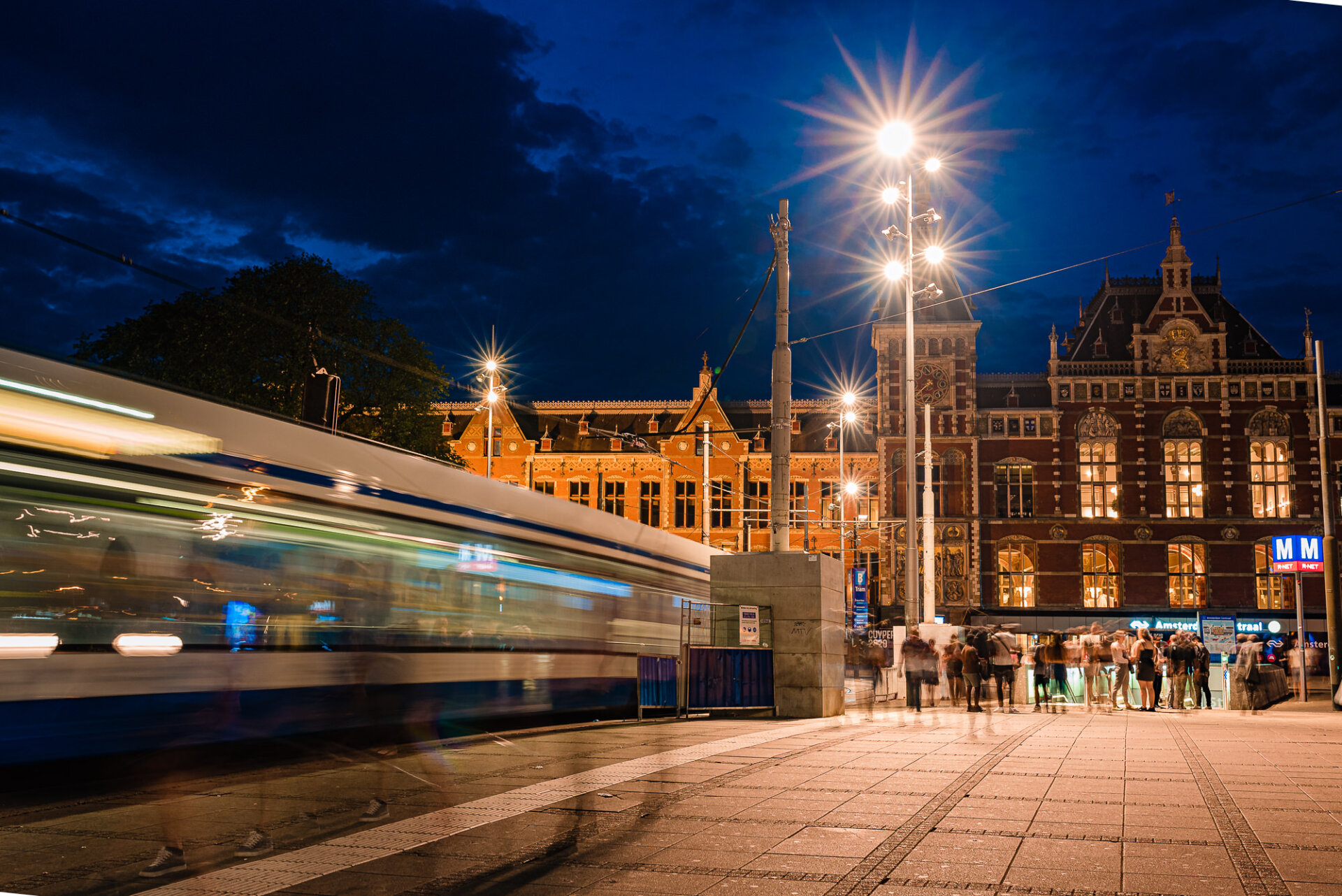
What strikes you when stepping outside is the organized energy of the place. Trams, bicycles, ferries, and pedestrians move through the space in front of the station in a choreography that looks chaotic from a distance and turns out, on closer inspection, to be remarkably fluid. Amsterdam manages its density well, and Centraal is where that management is most visibly on display.
The view across the water from the station steps, the waterway stretching away to the north, the city fanning out behind you, is one of the better arrival views in Europe. We stood there for a few minutes, taking it in before the city pulled us forward.
Interesting Fact: Amsterdam Centraal was completed in 1889 and was deliberately built to shield the view of the harbor from the city center, a decision that was deeply controversial at the time and remains a subject of debate among Dutch architects and urban planners.
Damrak: The Spine of the City
Running south from Centraal Station, Damrak is the main artery connecting the station to the heart of Amsterdam, a wide boulevard lined with hotels, restaurants, exchange offices, and the kind of tourist commerce that inevitably clusters around any major European city center.
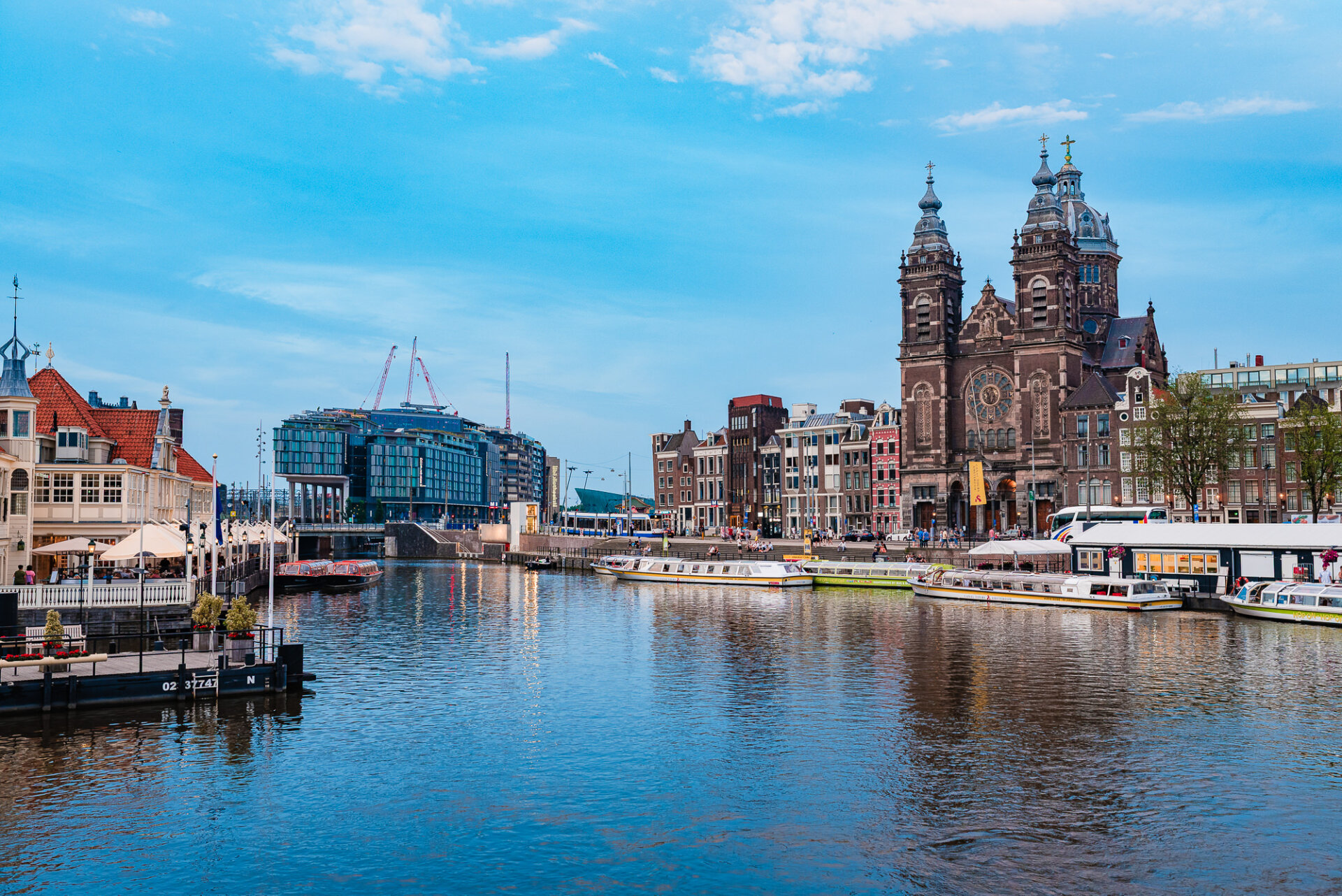
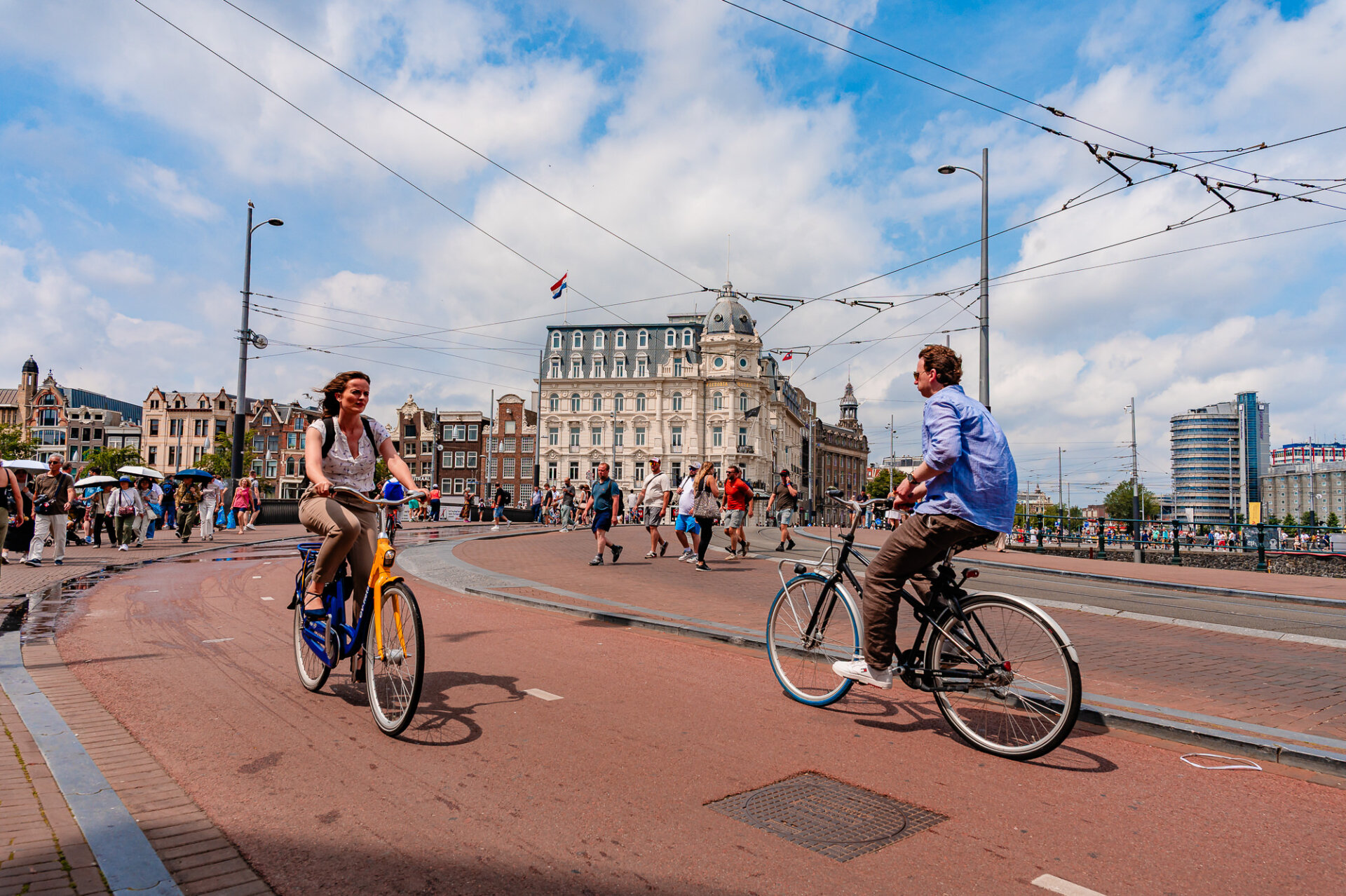
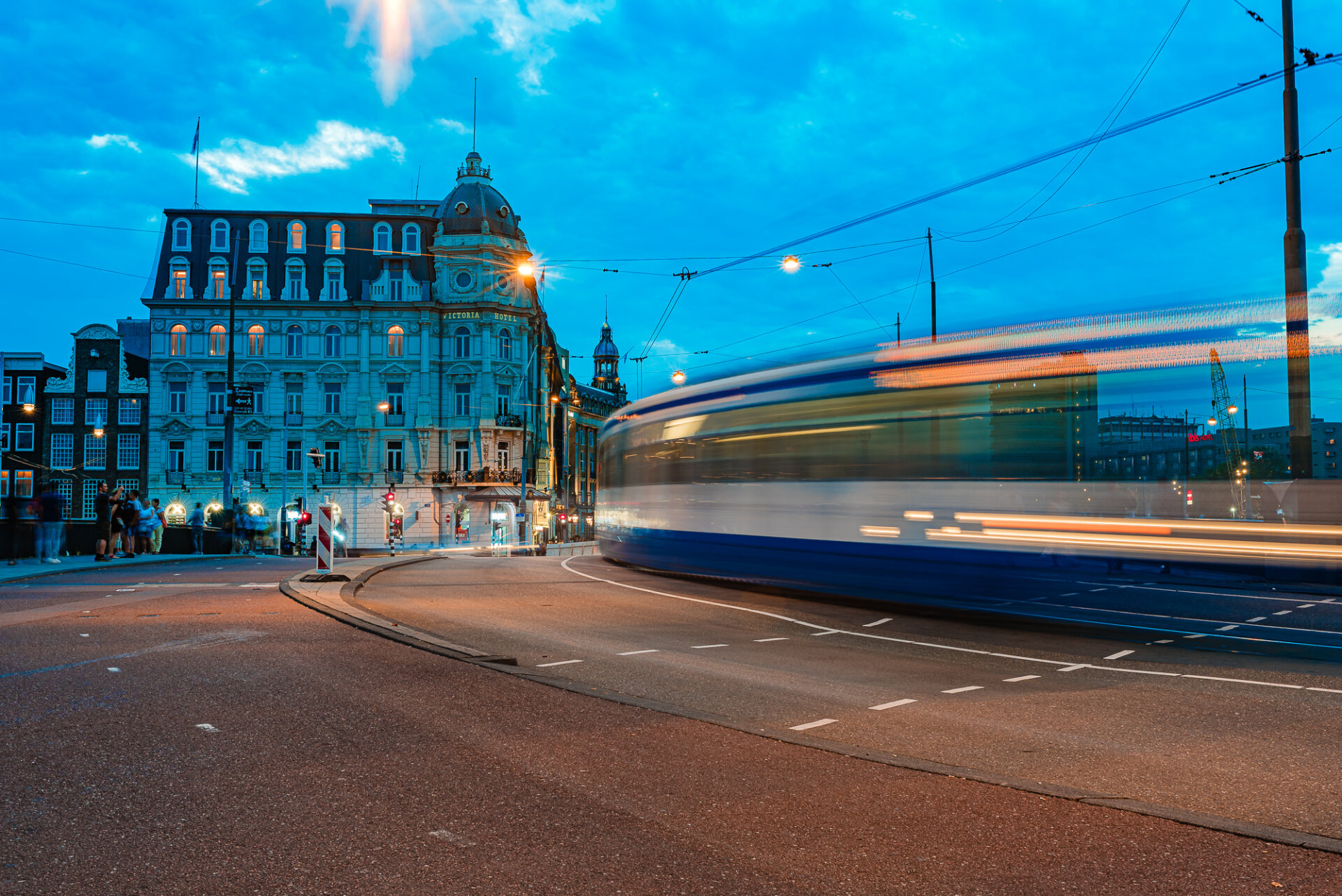
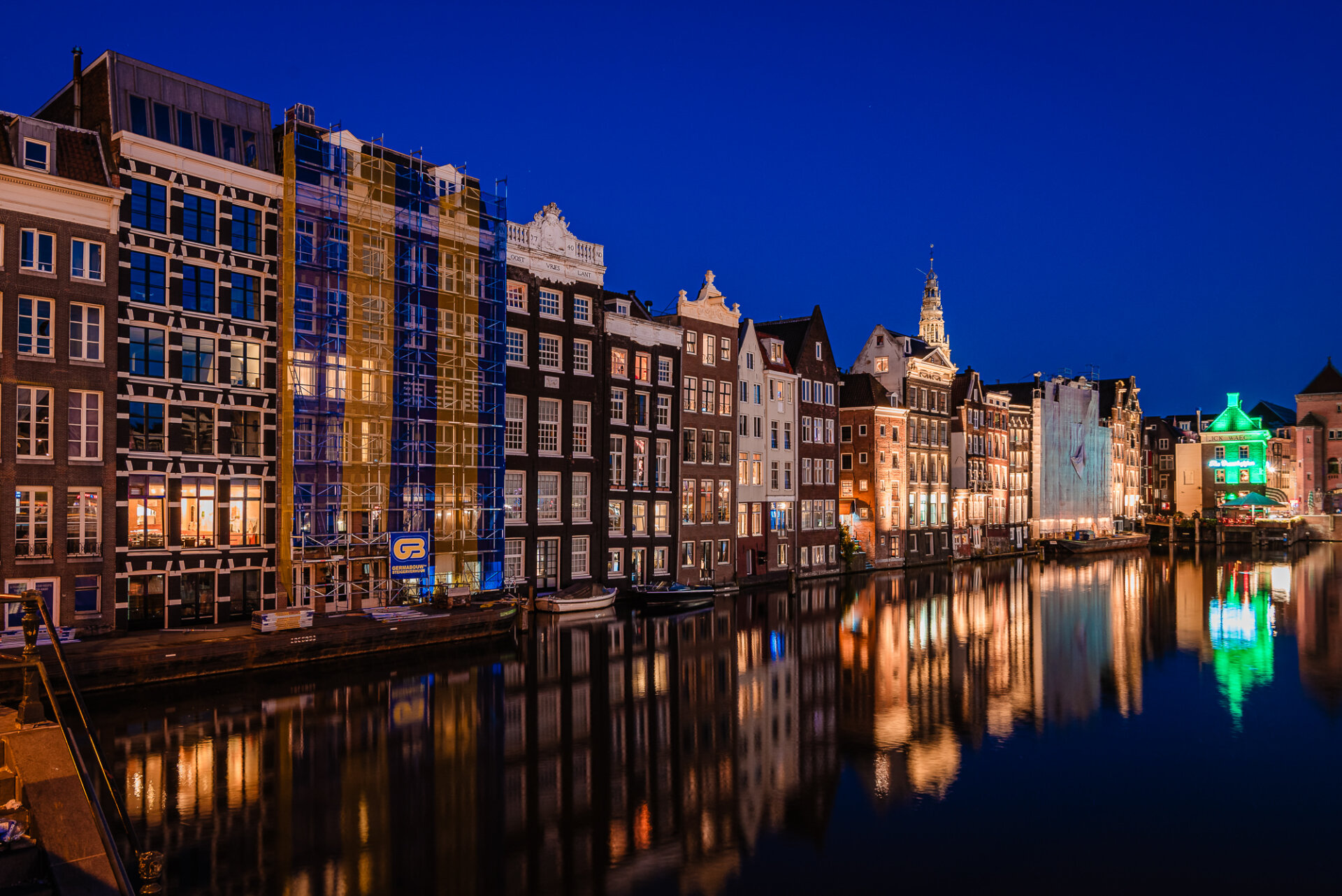
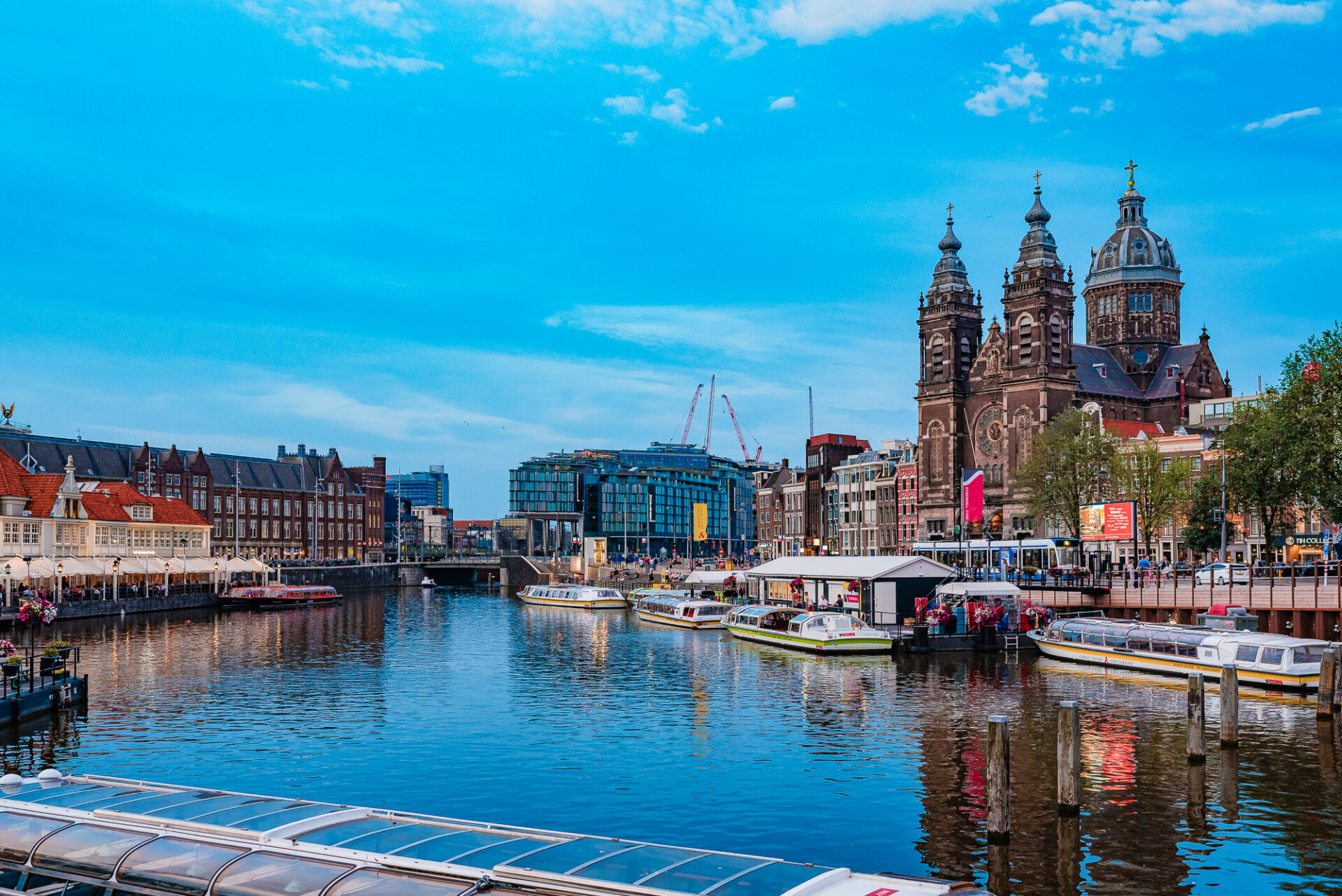
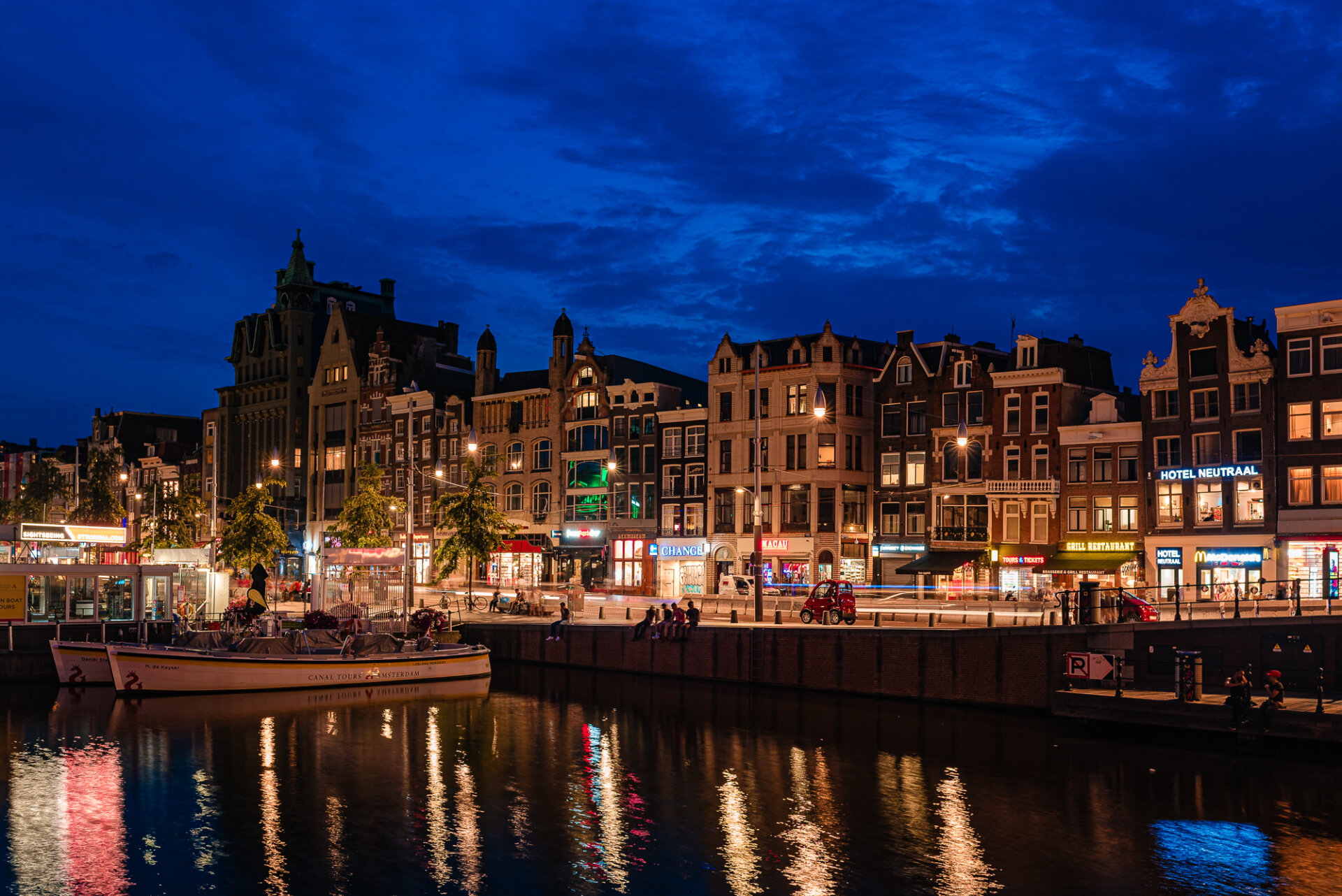
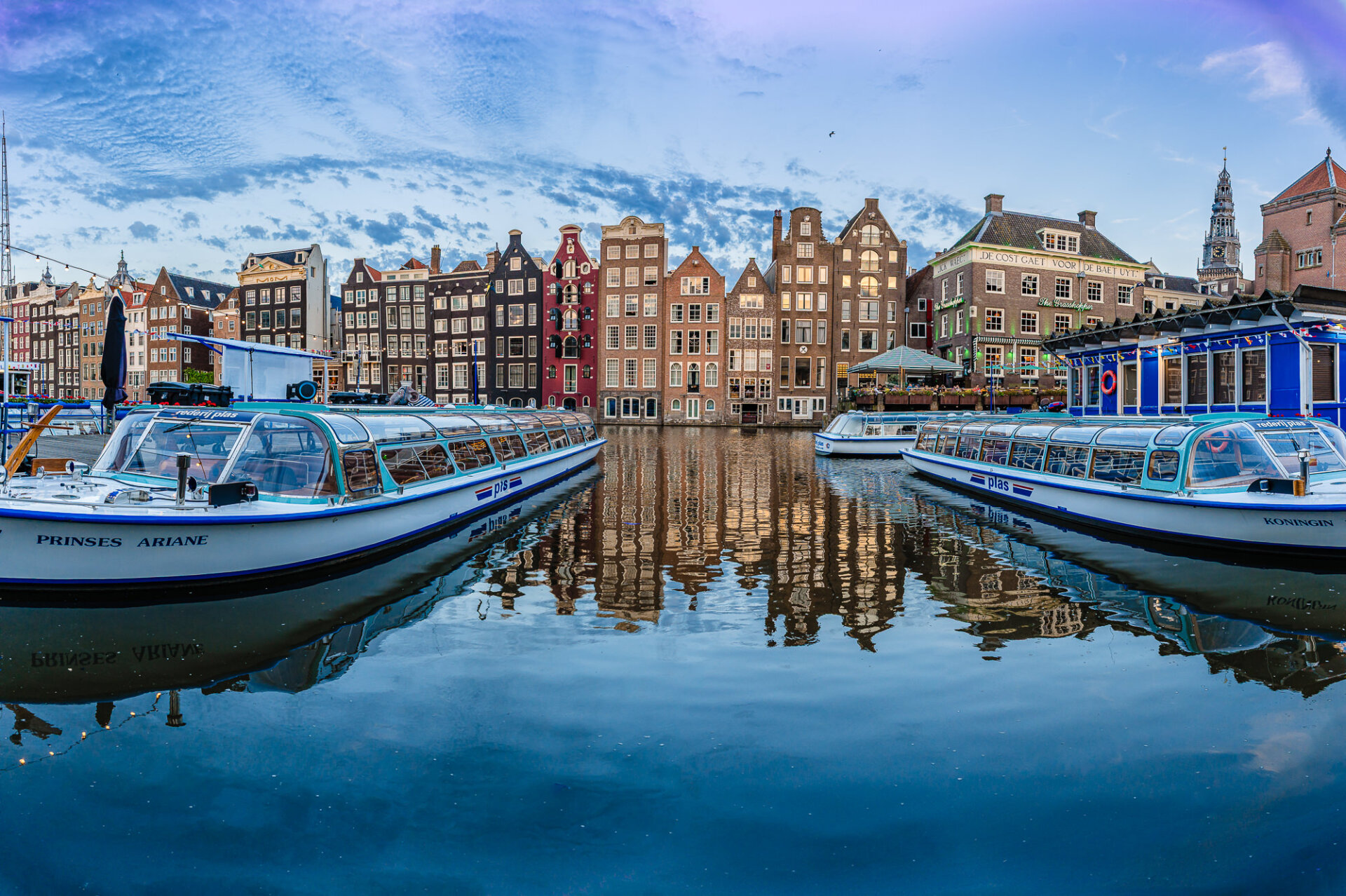
It is not Amsterdam at its most refined, but it is Amsterdam at its most immediate, and walking it for the first time, camera in hand, there is plenty to hold your attention. The canal boats moving along the water to the right, the density of cyclists navigating the bike lanes with practiced ease, the mix of 17th-century gabled facades and modern shopfronts- all of it adds up to a street that is busy and alive and genuinely photogenic if you know where to point the lens.
The Beurs van Berlage, the old stock exchange building that anchors the midpoint of Damrak, is worth slowing down for. Its clean, unornamented brickwork was radical when it was completed in 1903 and remains one of the most significant buildings in Dutch architectural history.
The Historic Canals of Amsterdam
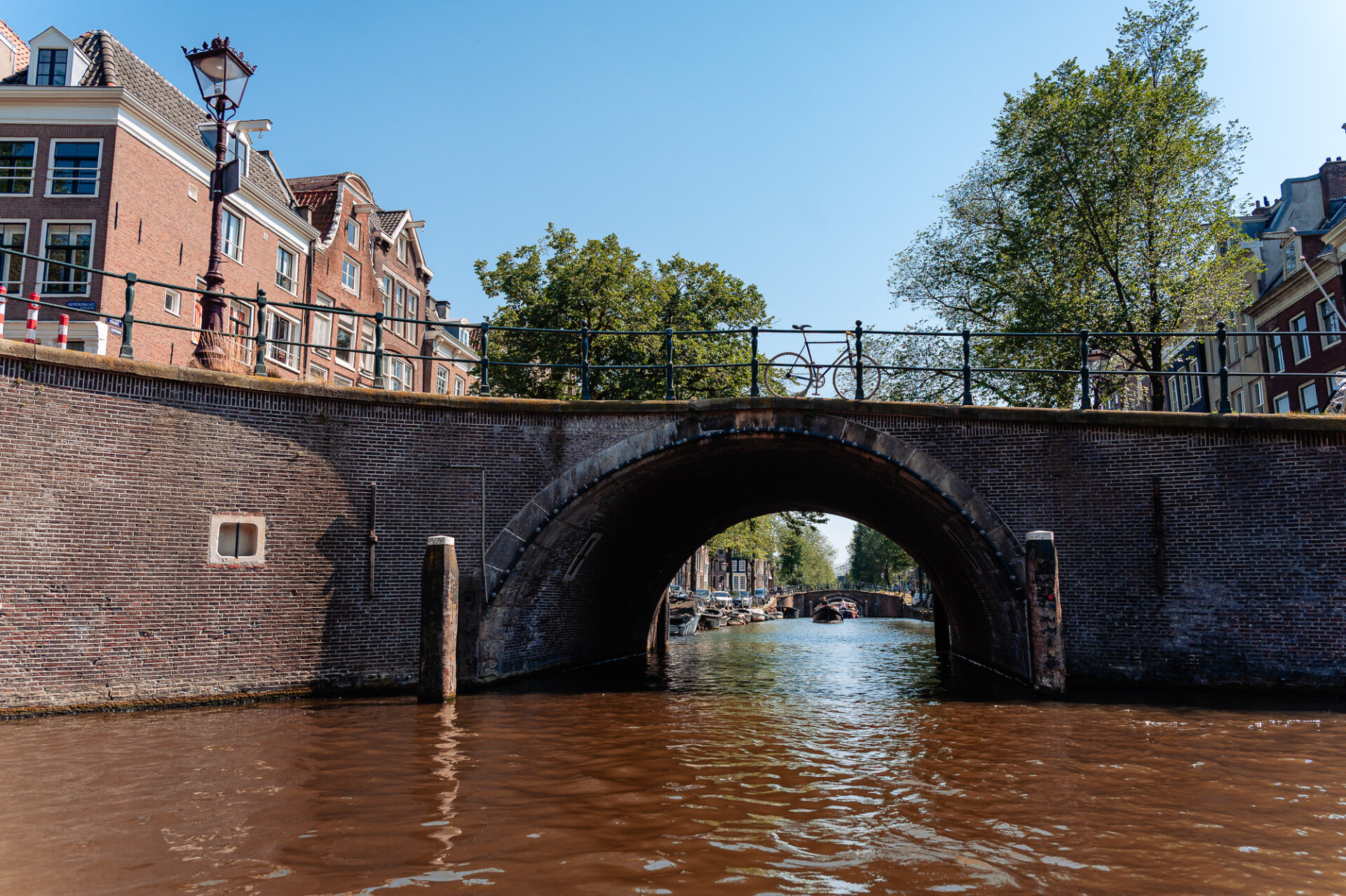
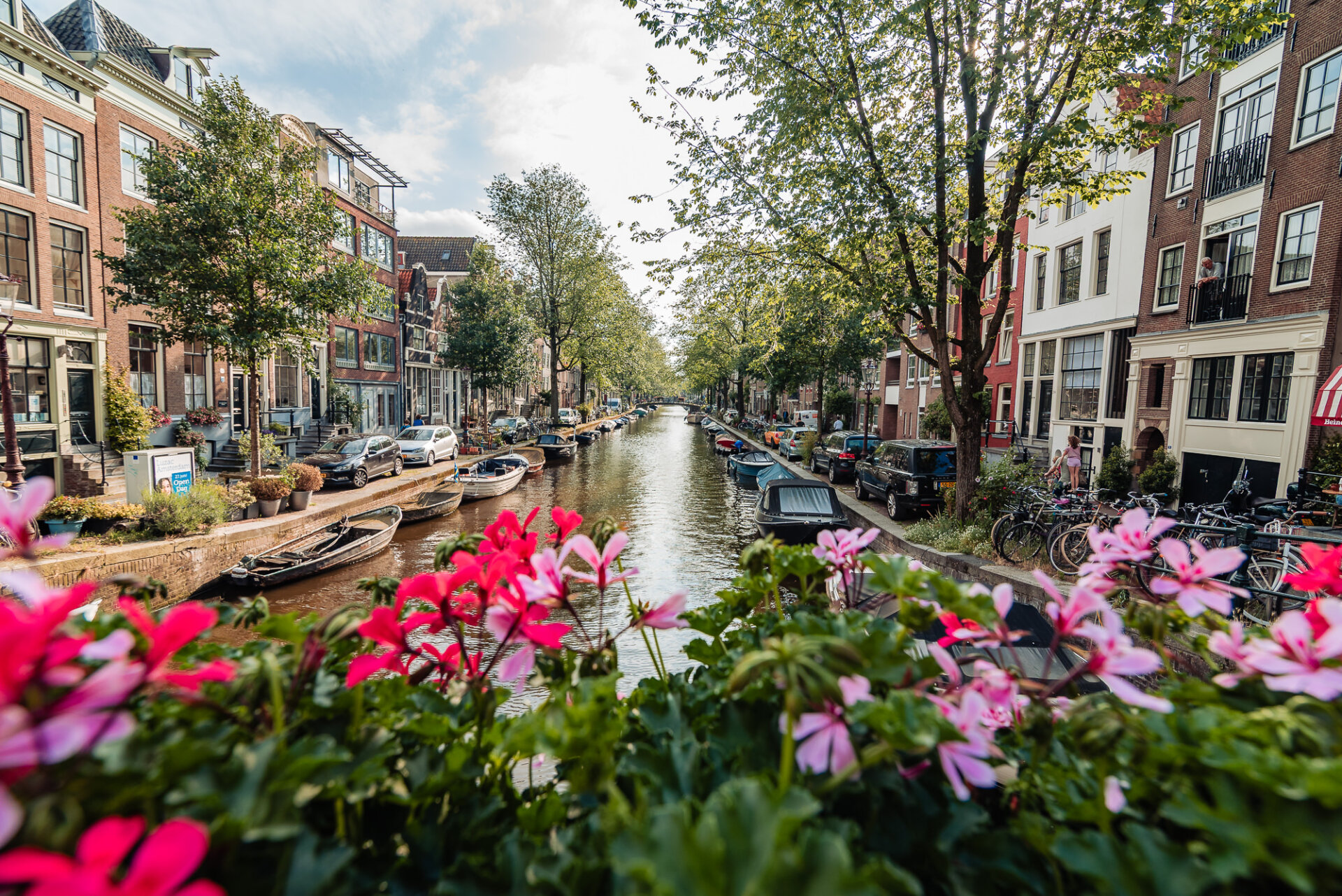
Away from Damrak, Amsterdam reveals the version of itself that earns genuine admiration. The historic canal ring, a UNESCO World Heritage Site, is one of the great feats of urban planning in history: four concentric canals dug in the 17th century that transformed a small fishing settlement into one of the wealthiest trading cities in the world.
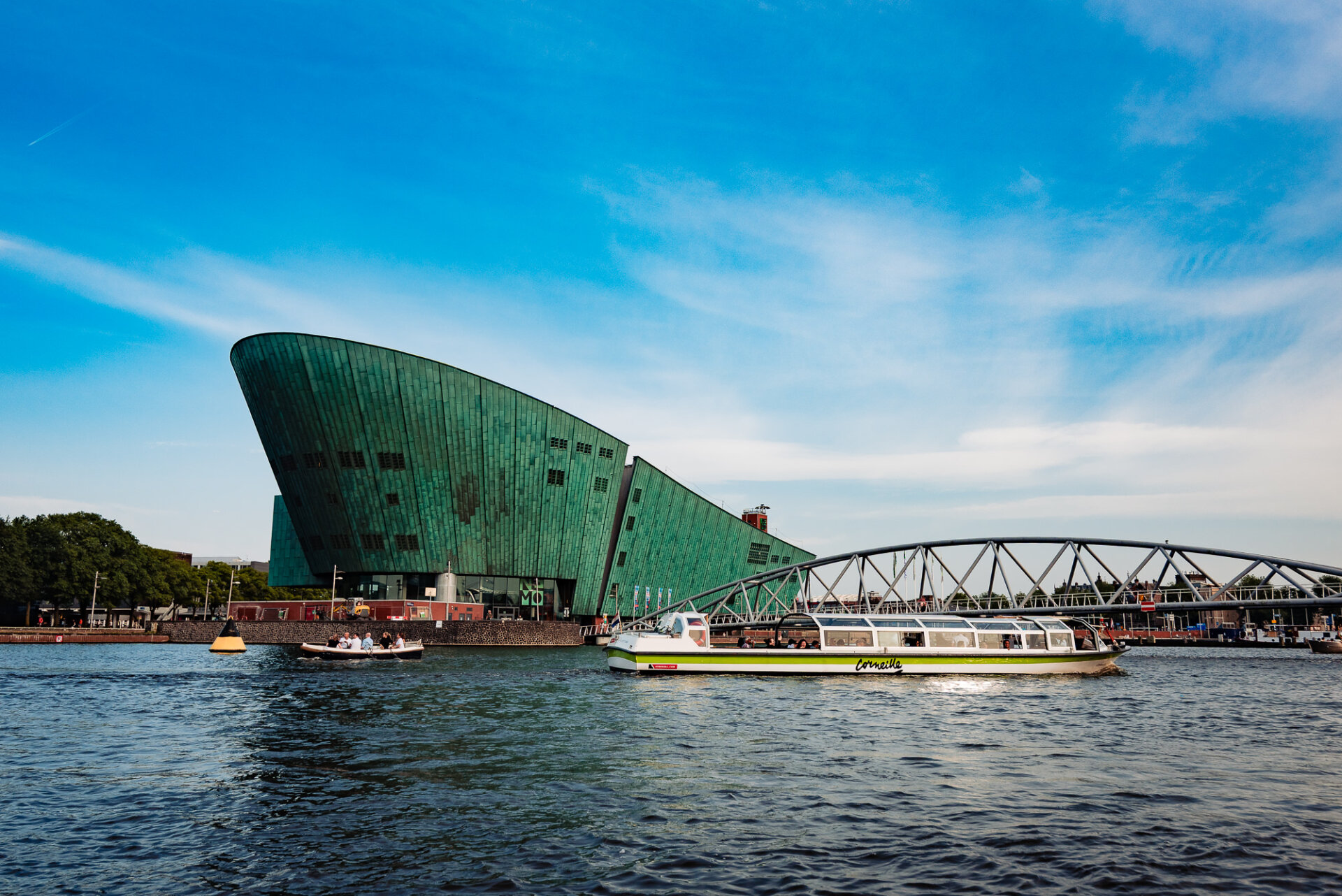
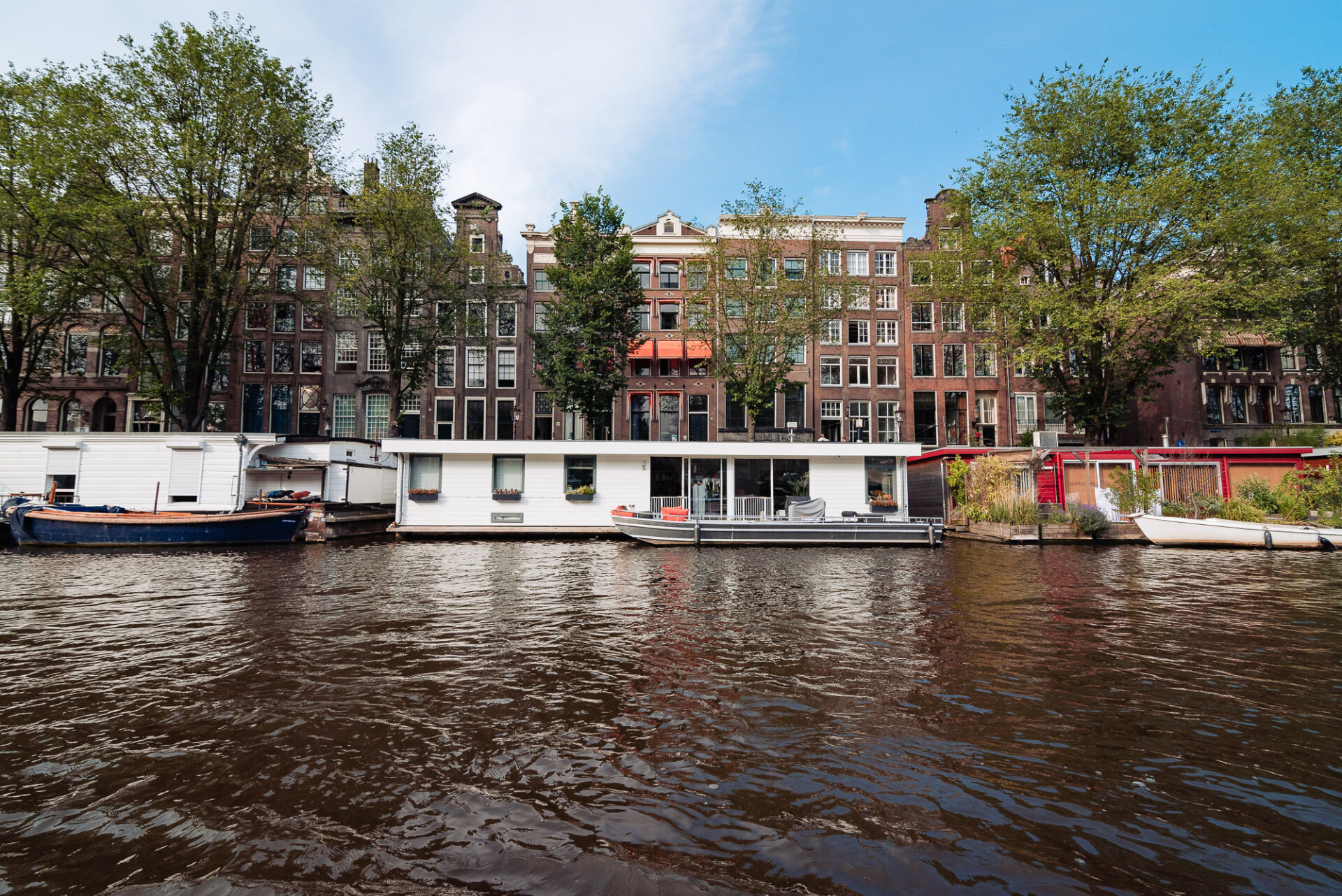
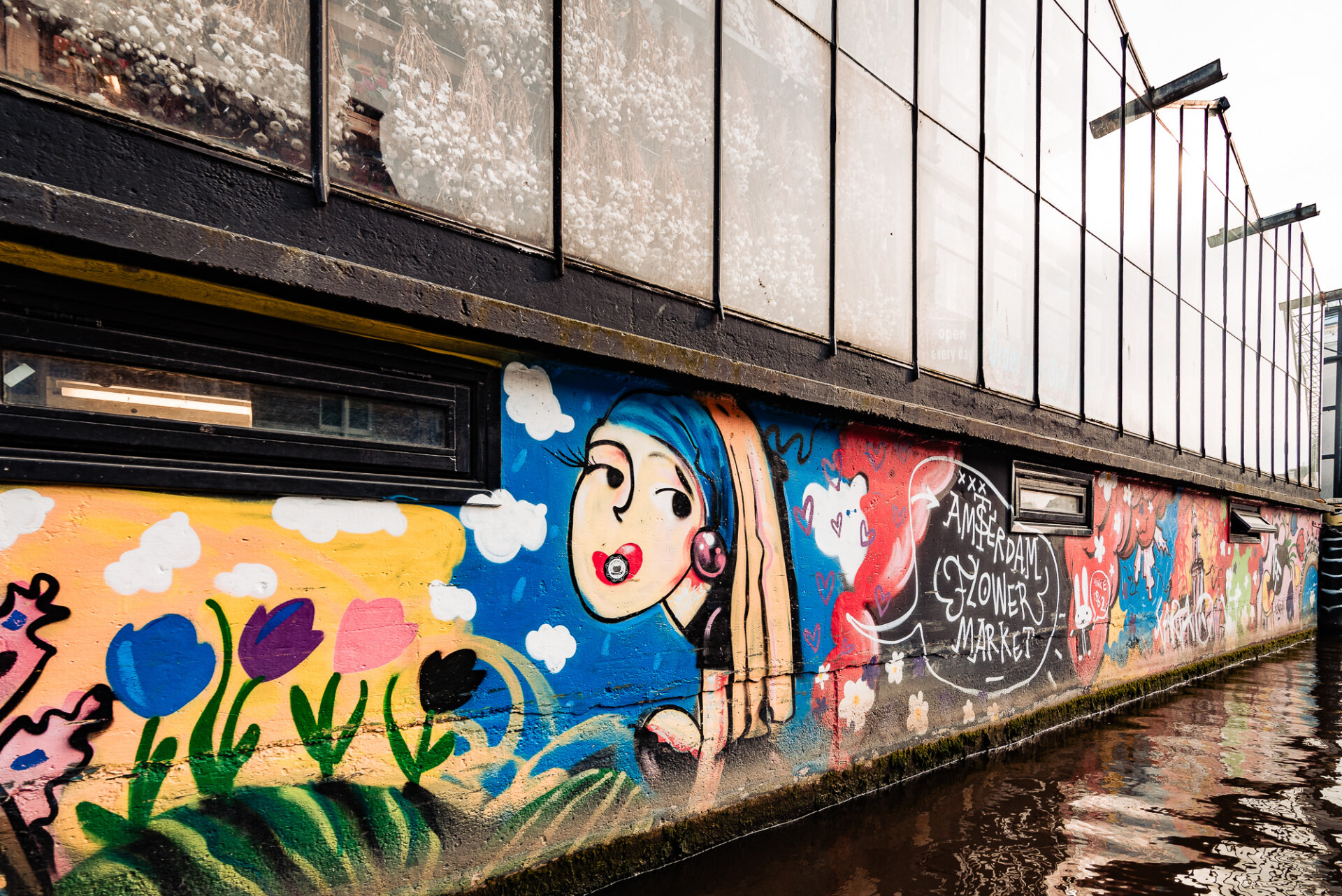
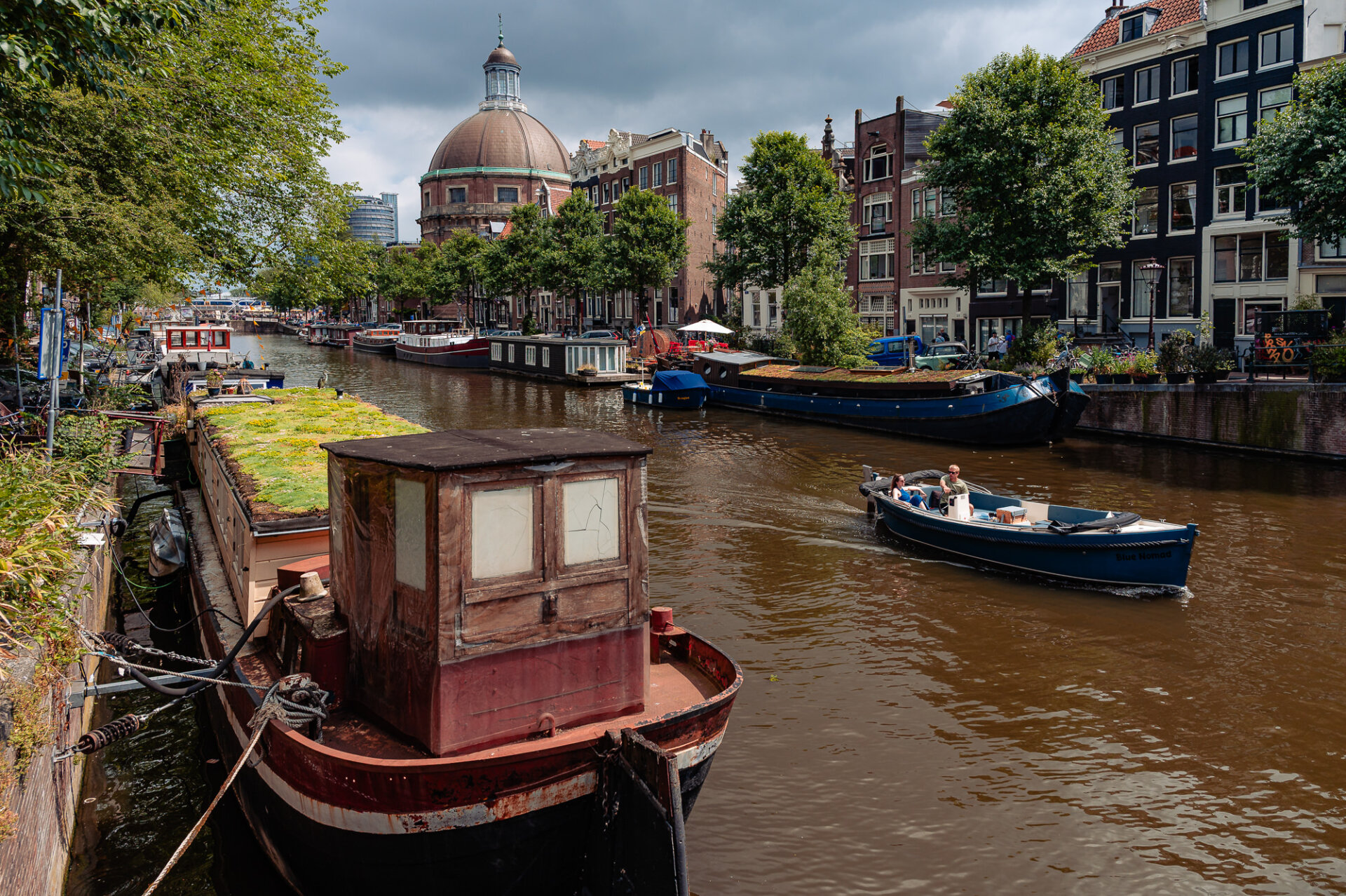
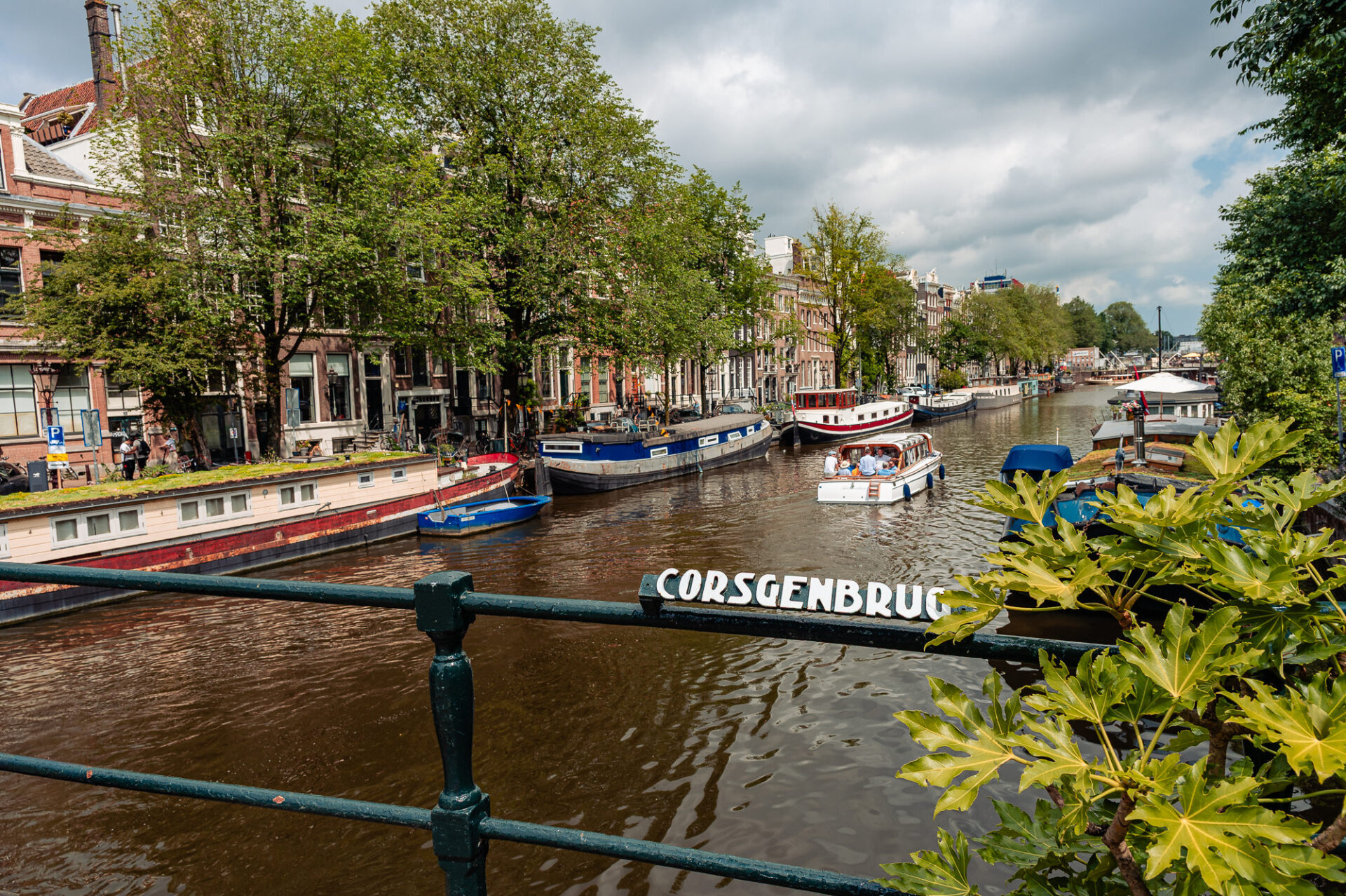
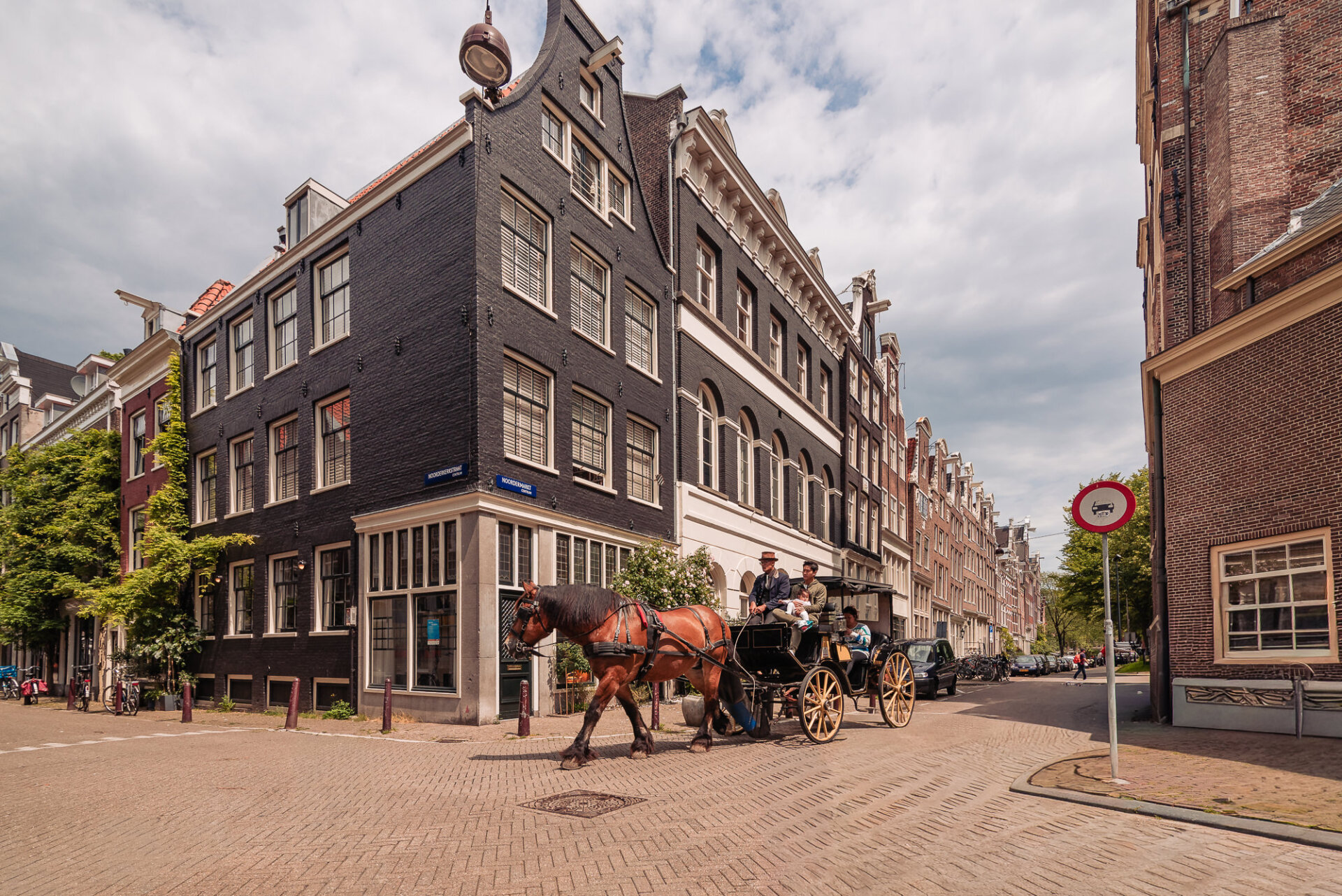
Walking the canal streets is one of the great pleasures Amsterdam offers. The narrow gabled houses that line the waterways, each one slightly different from its neighbors, leaning at various angles from centuries of ground subsidence, reflected in the water below when the light and wind cooperate, are simply beautiful. They are also, as a photographer, endlessly variable. The same canal street looks completely different in morning mist, afternoon sun, and evening lamplight, and all three versions are worth having on a card.
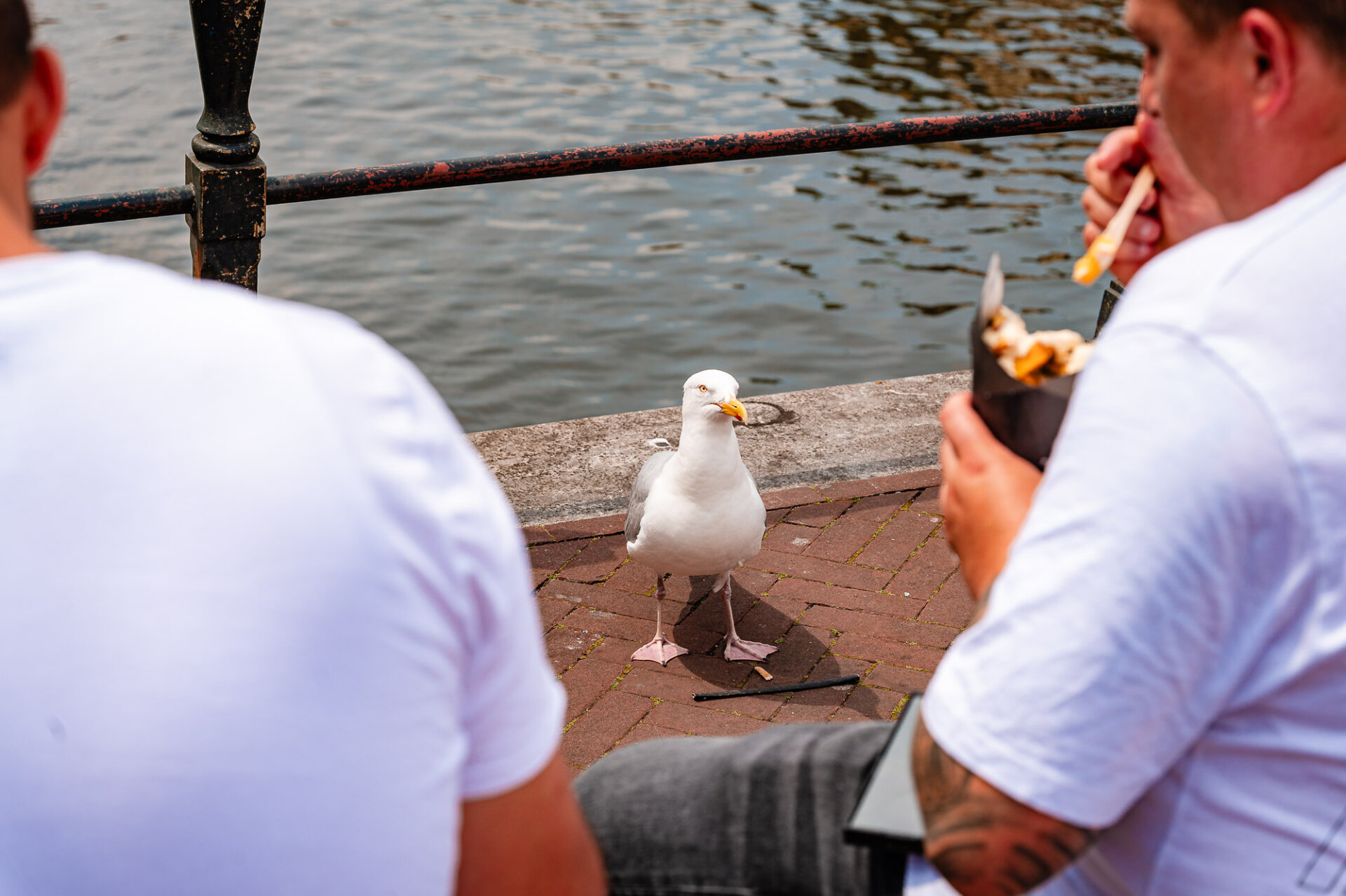
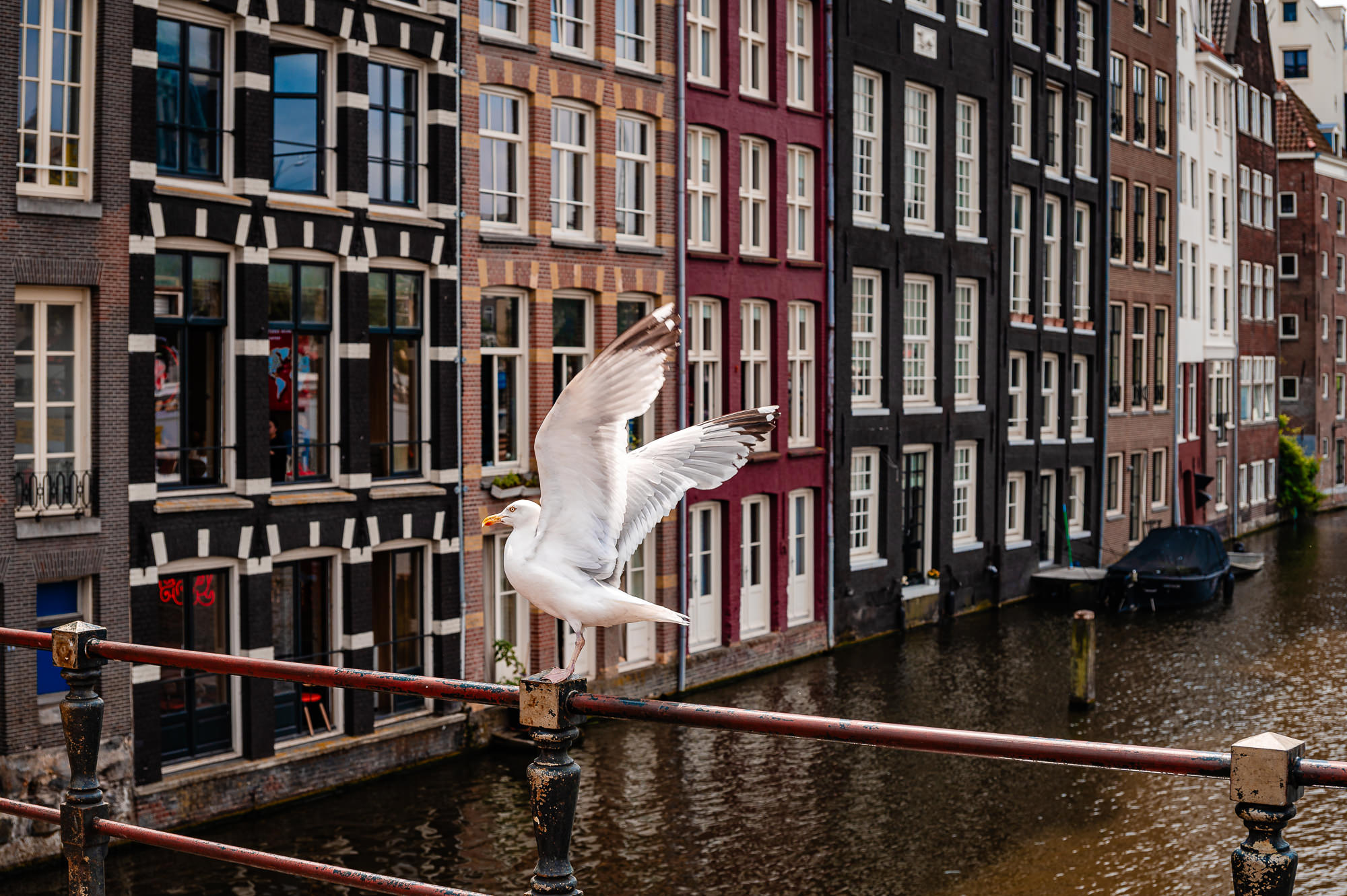
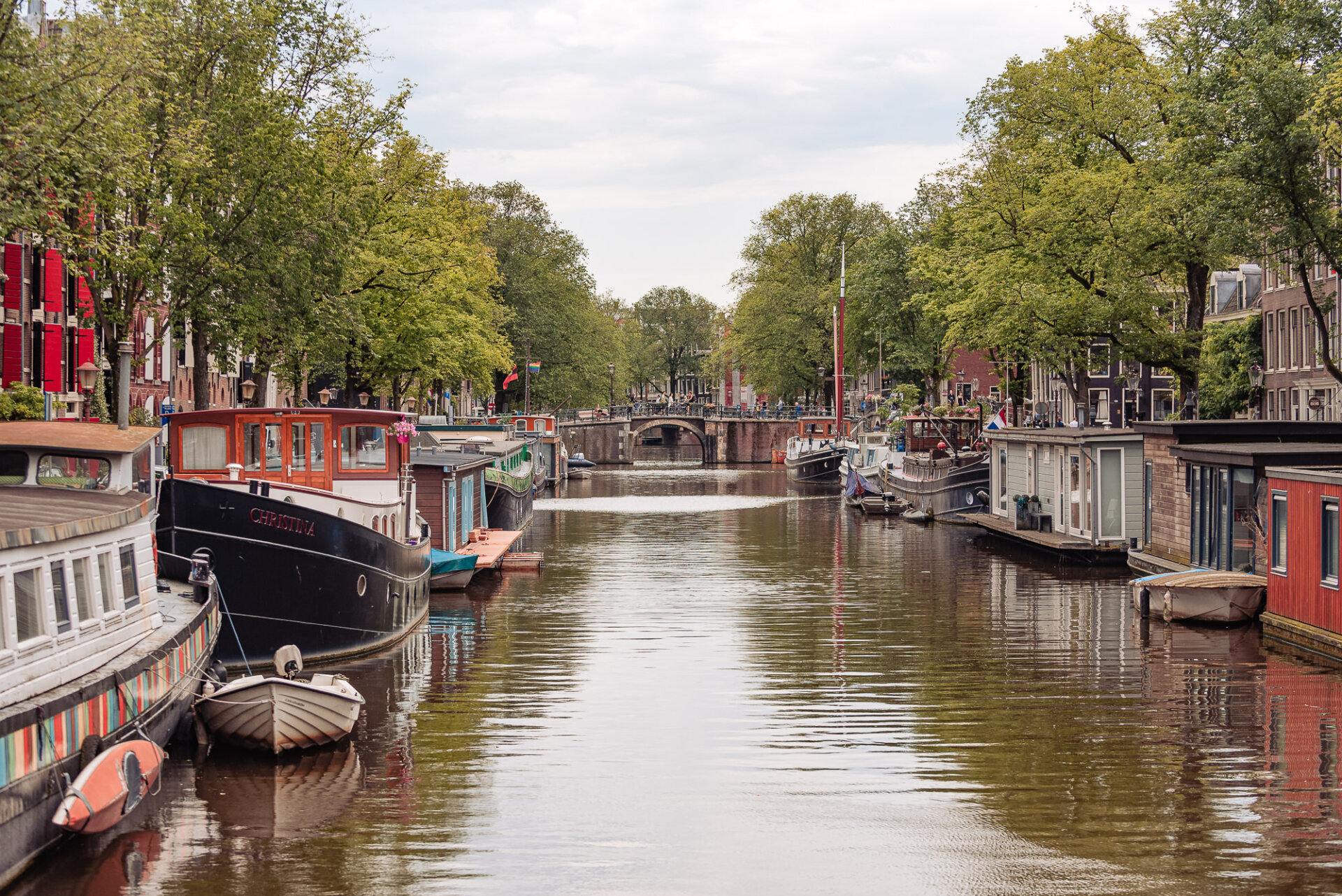
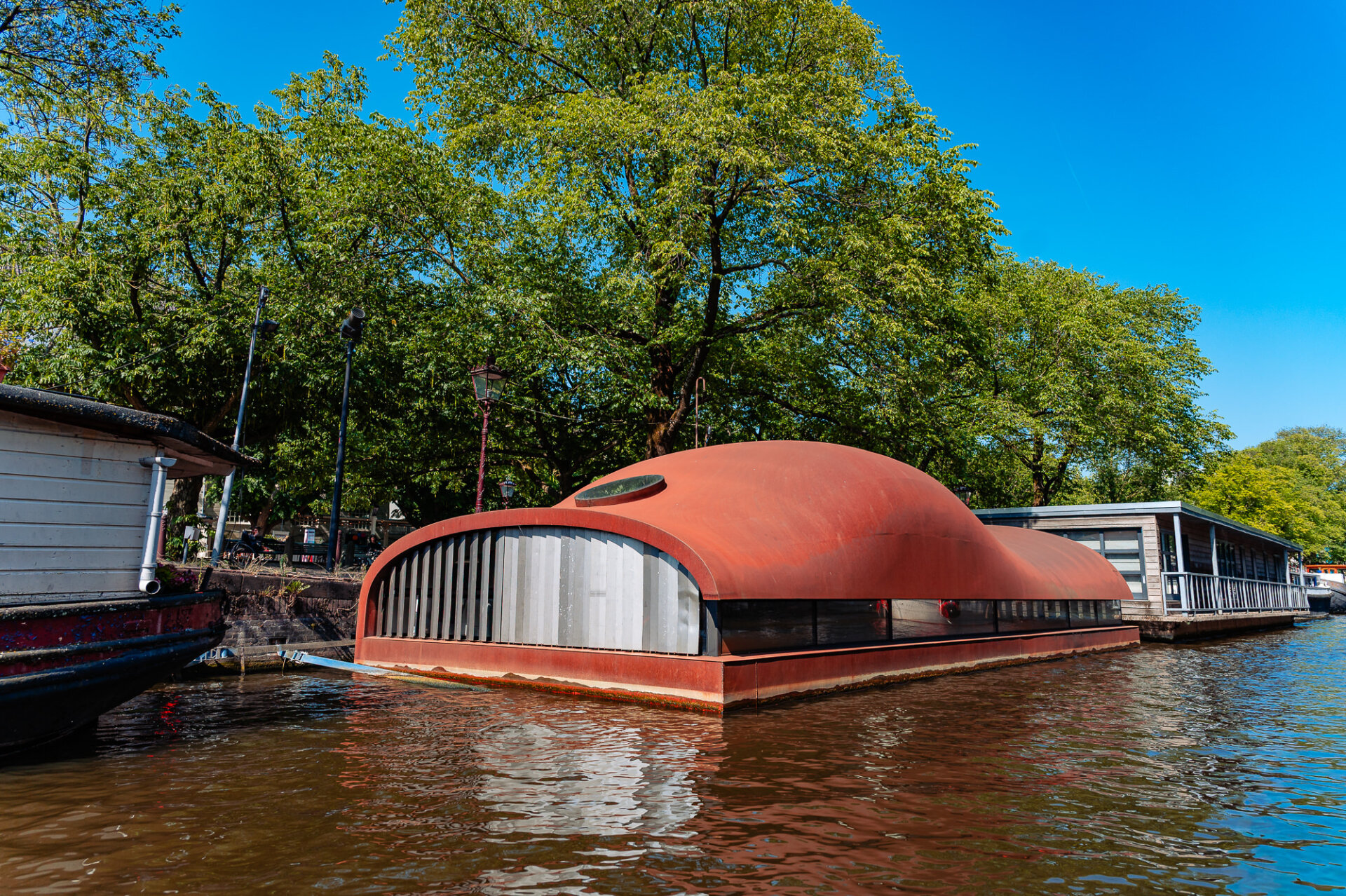
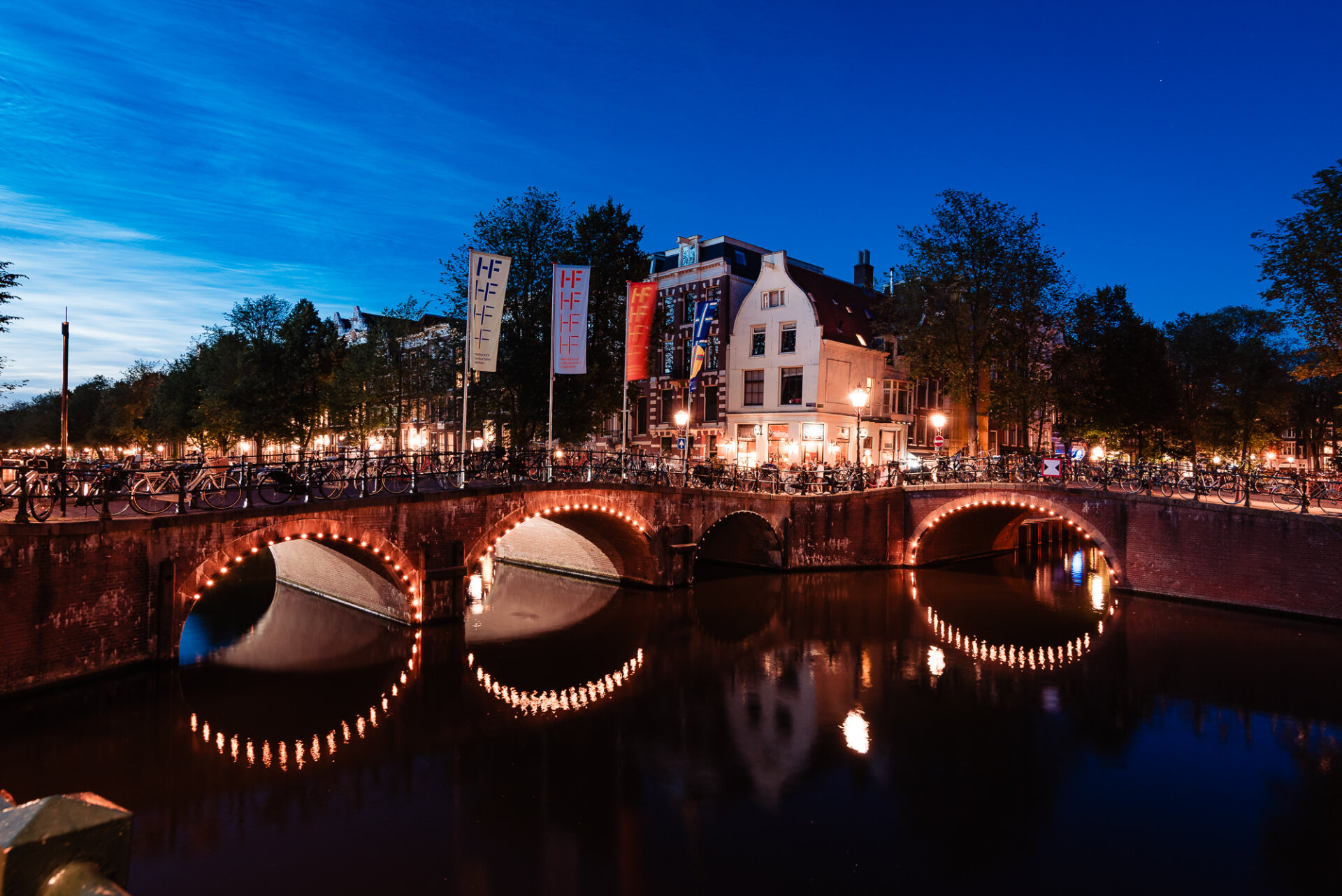
The houseboats moored along the canals add another layer of texture, their window boxes and potted plants and bicycles chained to the railings giving the waterways a domestic intimacy that cuts against the grandeur of the architecture behind them. Amsterdam is a city of contrasts held in easy balance, and the canals are where that balance is most visible.
Interesting Fact: Amsterdam’s canal ring was dug during the Dutch Golden Age in the early 17th century and represents one of the largest planned urban expansions in European history. The city has approximately 100 kilometers of canals, 1,500 bridges, and around 2,500 houseboats.
Rokin Station: Art Beneath the City
One of the more unexpected discoveries of our time in Amsterdam was Rokin metro station, part of the city’s relatively new North-South metro line that opened in 2018 after decades of construction delays and considerable controversy.
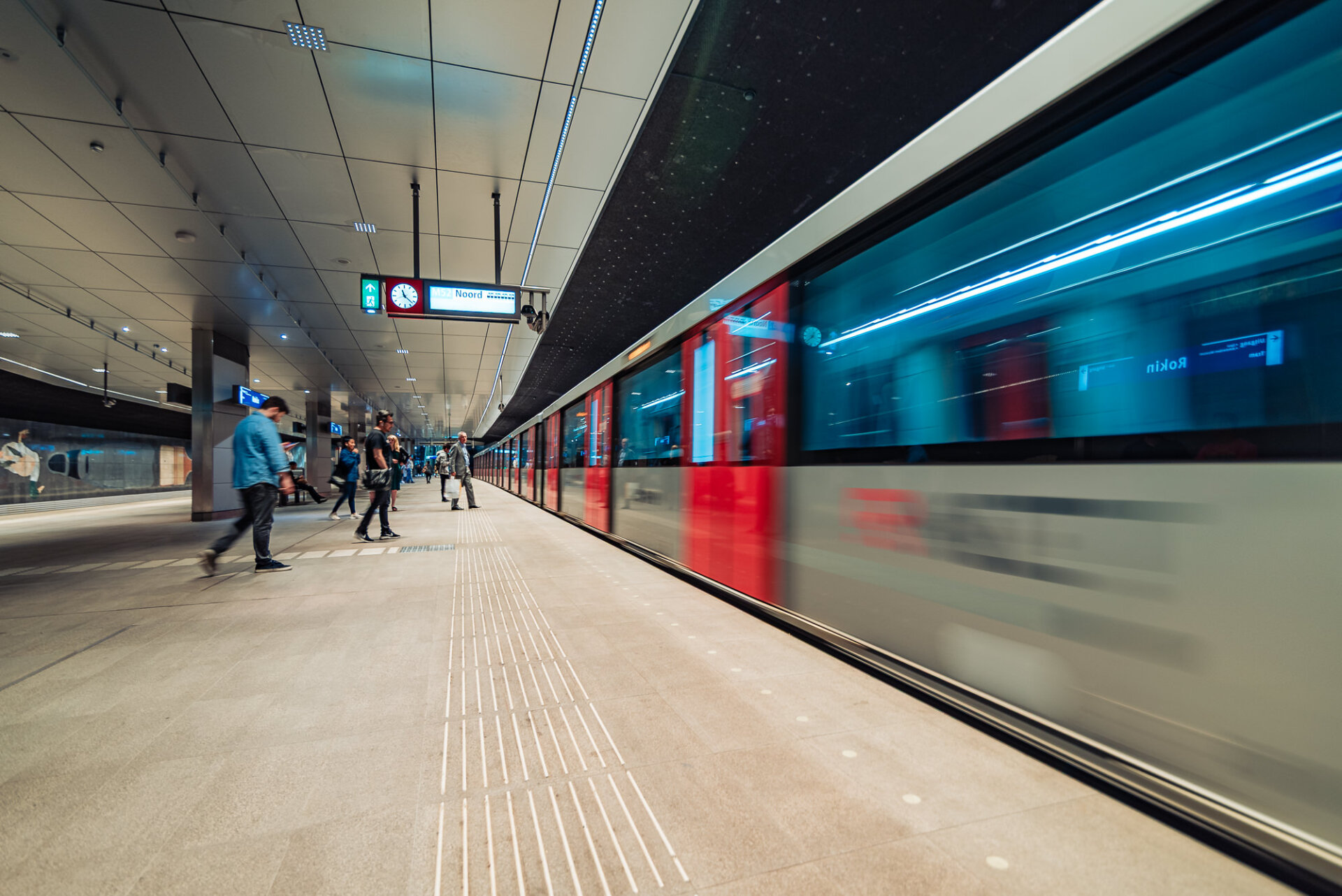
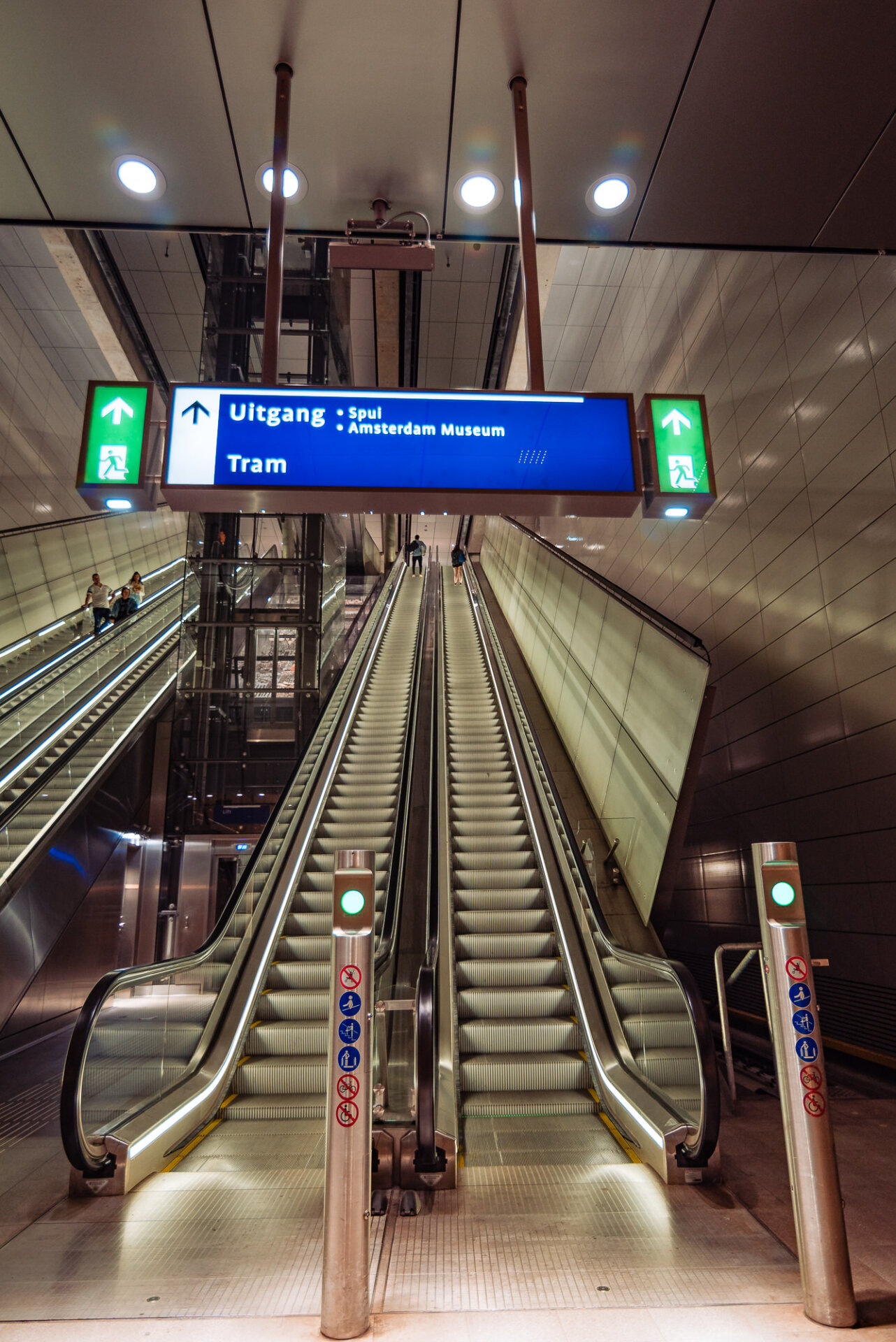
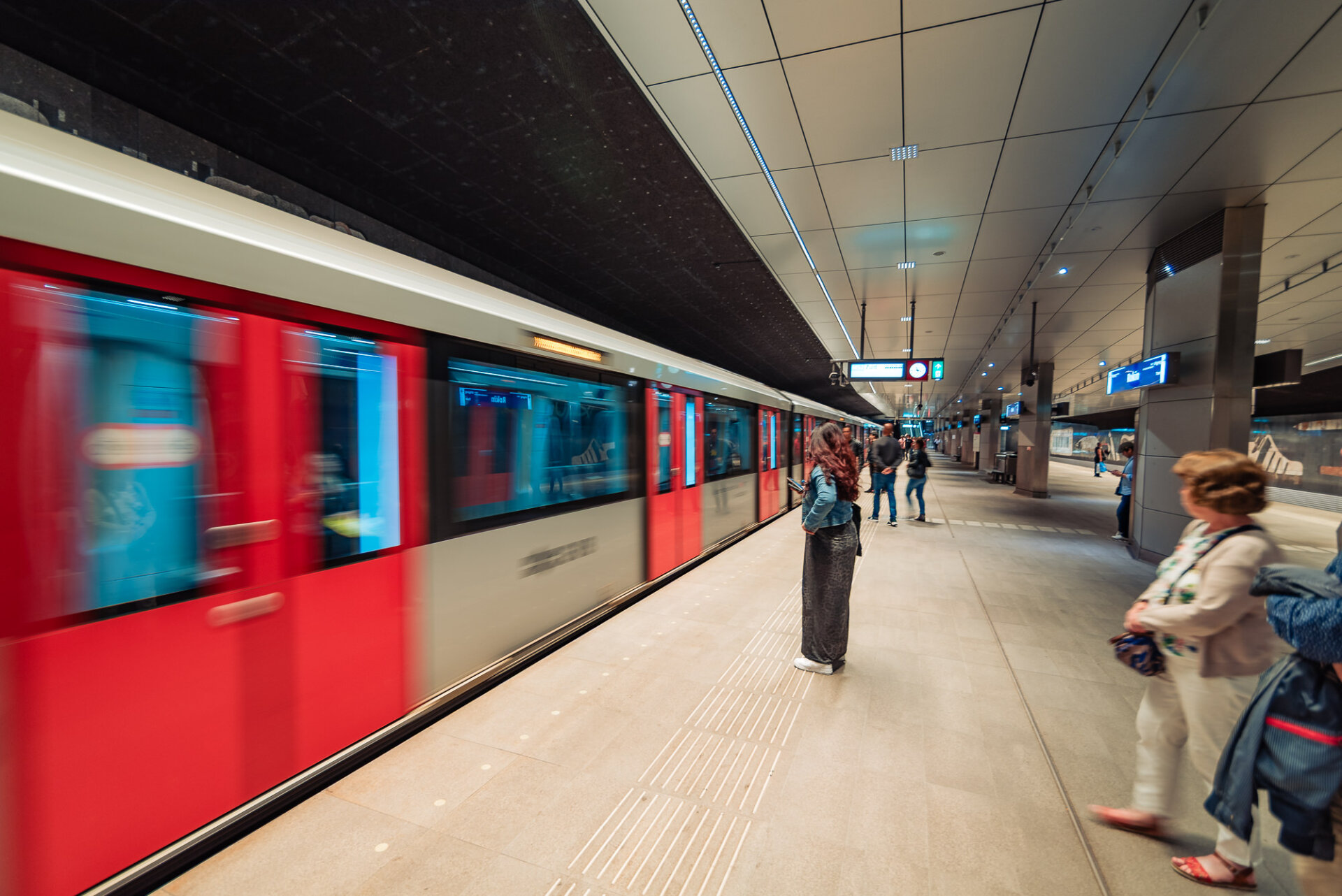
The station is genuinely worth going underground for. During its construction, archaeologists excavated the bed of the old Rokin canal, which had been filled in during the 20th century, and recovered thousands of objects lost to the water over four centuries of city life. A selection of these finds, ranging from personal items and coins to toys and tools, is now displayed within the station itself behind glass panels integrated into the platform design.
Standing on the platform waiting for a train and looking at objects that were dropped into a canal in the 1600s and retrieved in the 2000s is a quietly remarkable experience. It is exactly the kind of detail that makes Amsterdam interesting beyond its surface.
Fun Fact: Among the objects recovered during the Rokin excavation were items dating back to the 15th century, including shoes, pottery, and a remarkable collection of personal artifacts that together paint a detailed picture of daily life in Golden Age Amsterdam.
Amstel Station: The Working City
Amstel Station, one of Amsterdam’s major rail and metro interchange points, is not a tourist destination in the conventional sense. We passed through it as part of our daily movement around the city, and found in it something that polished tourist districts rarely offer: an unguarded look at how Amsterdam actually functions day to day.
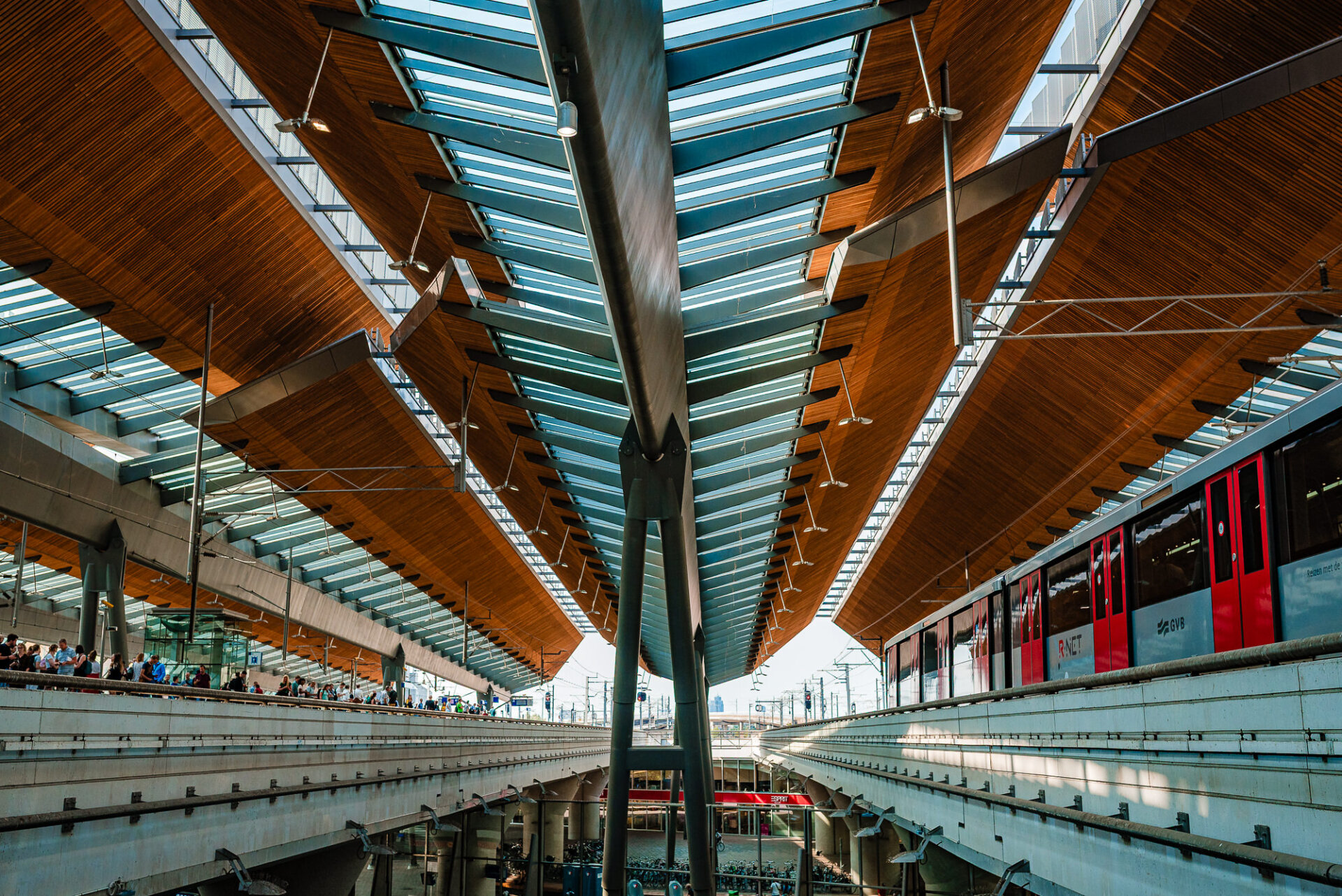
The area around Amstel Station is workaday and unpretentious. Its streets are busy with commuters and locals going about their lives with the practical efficiency the Dutch are known for. As a photographer, these kinds of neighborhoods often yield the most honest and interesting images, and the area around Amstel was no exception.
Urban Scenes: Amsterdam at Street Level
Some of the most rewarding times we spent in Amsterdam were simply walking without an agenda, following streets that looked interesting and seeing where they led. The city rewards this approach consistently.
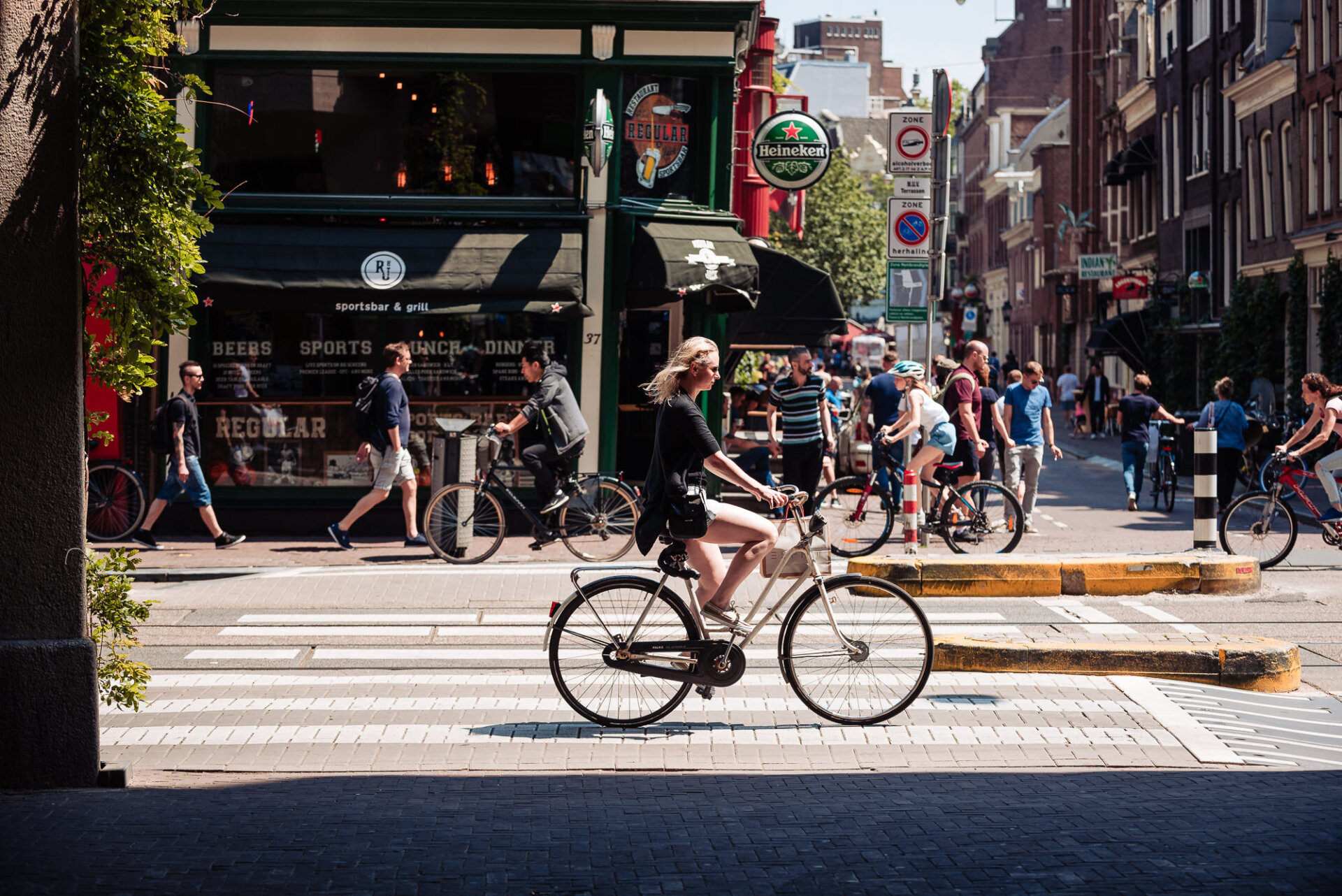
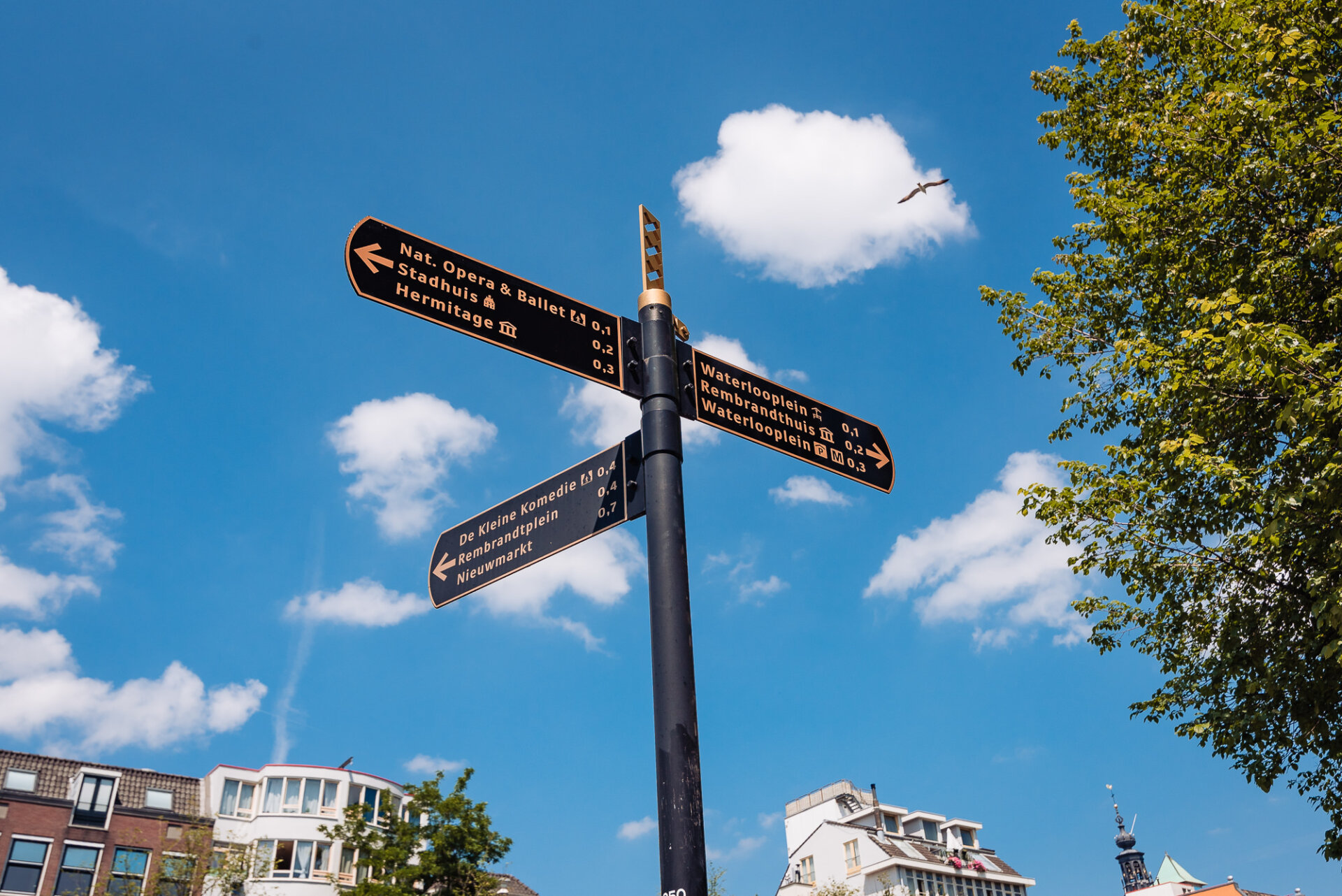
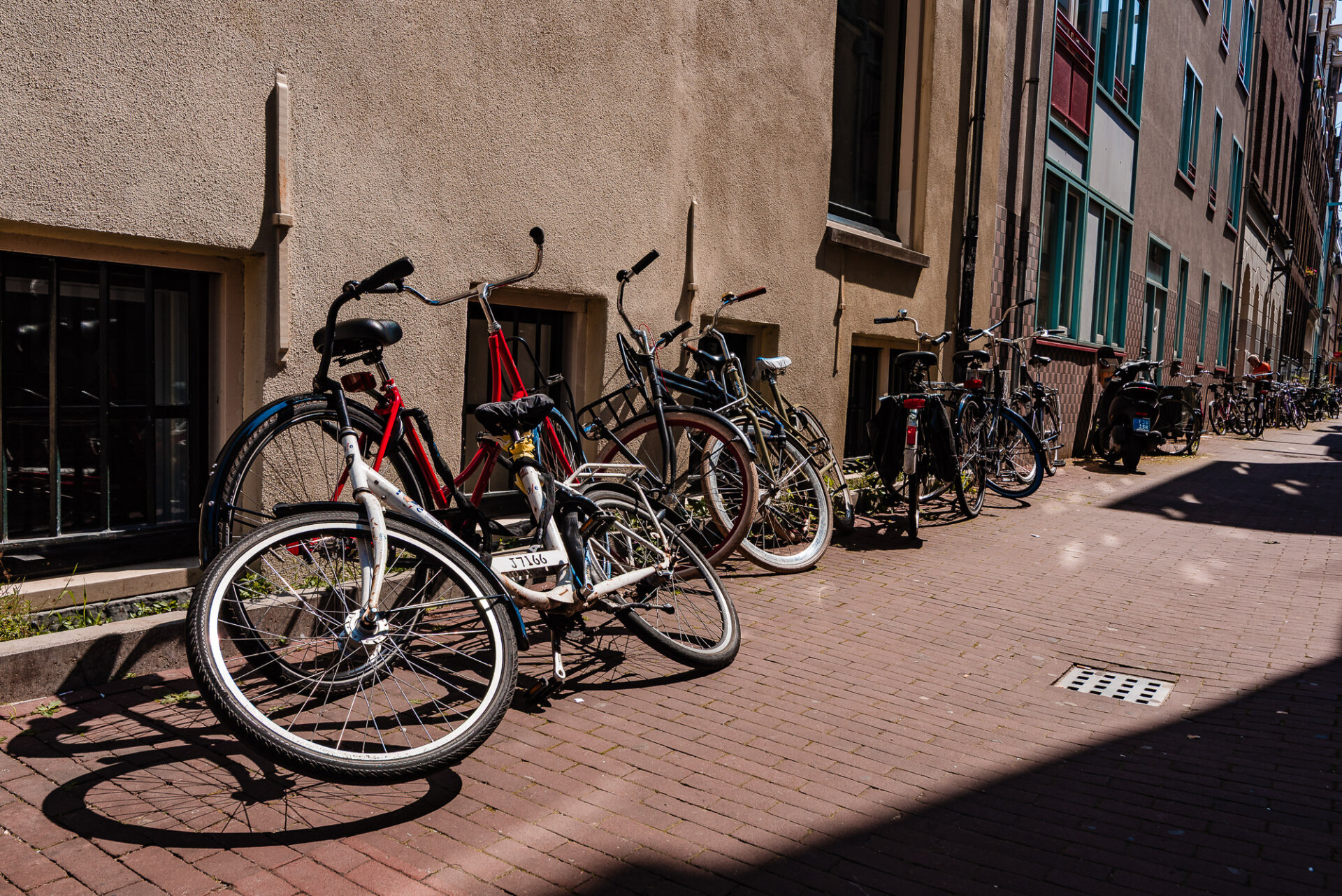
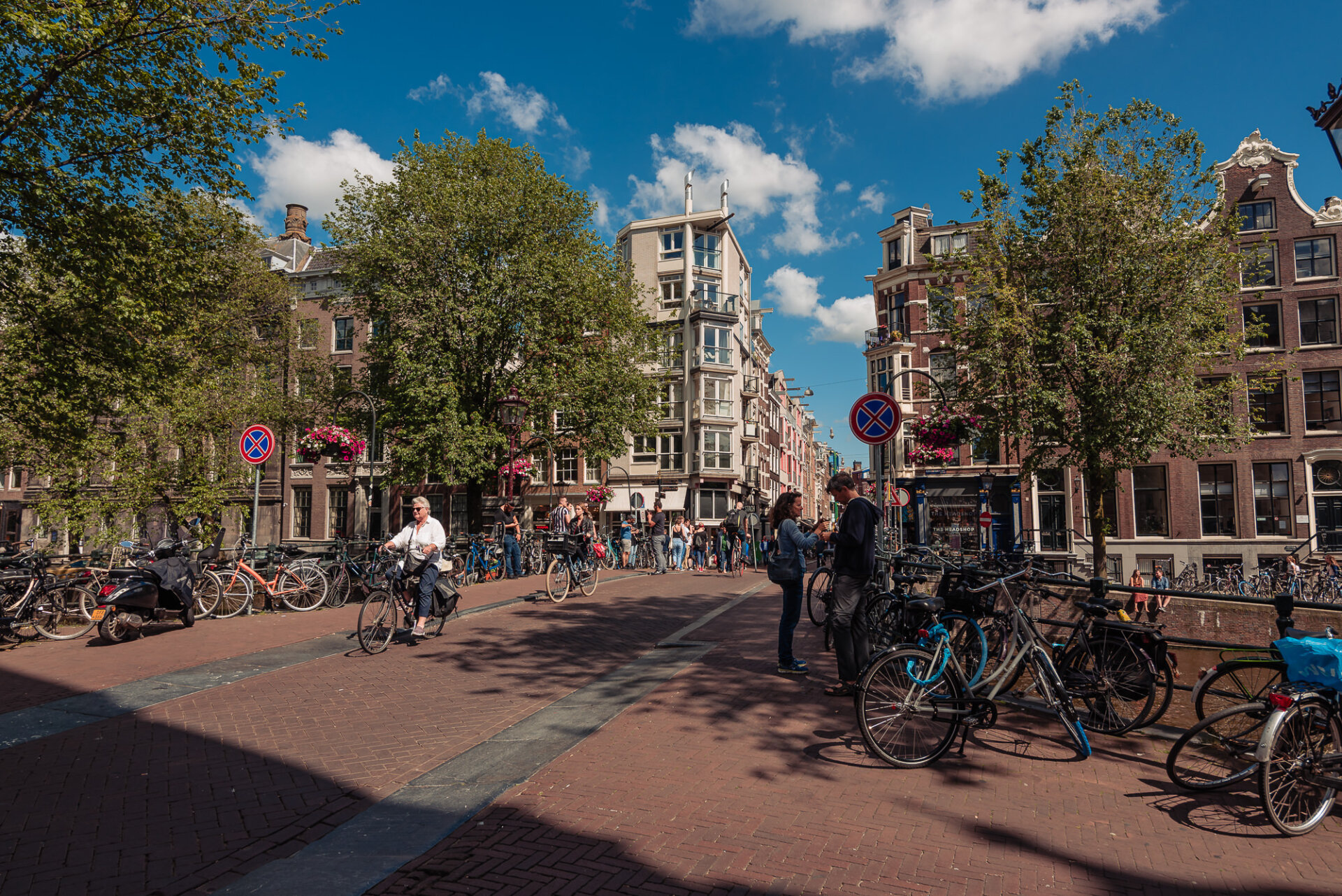
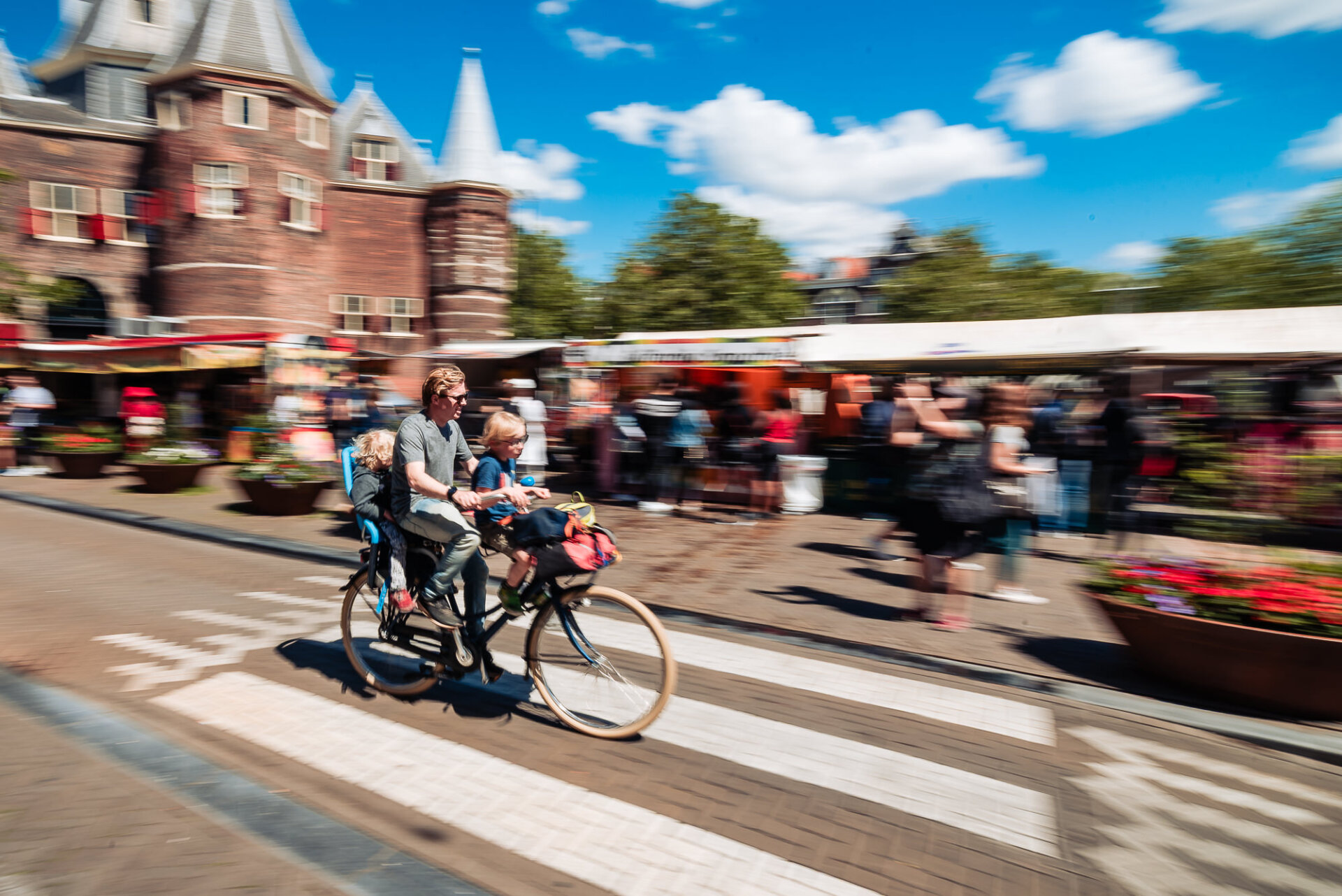
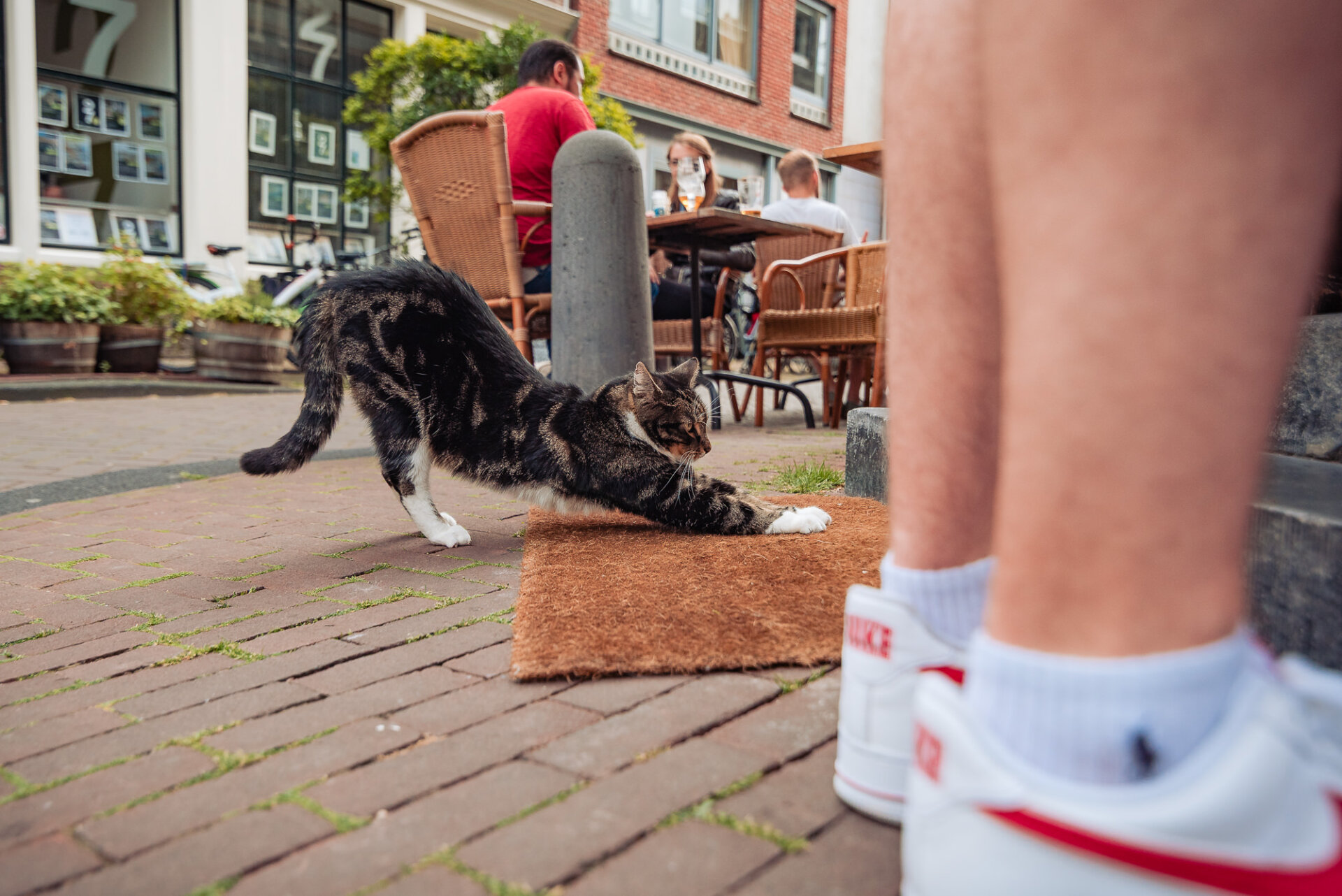
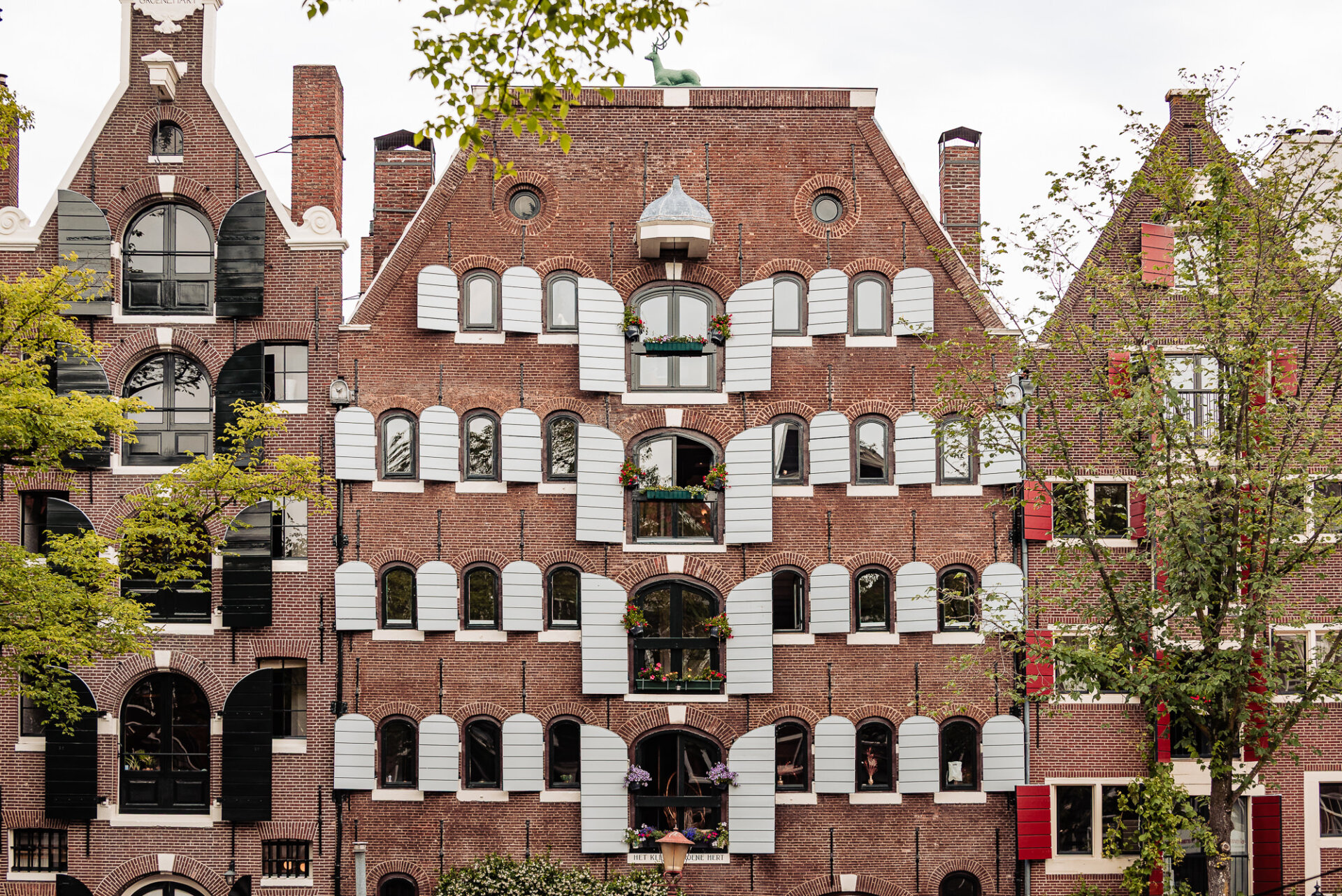
Amsterdam at street level is a constantly shifting composition of cycling culture, canal architecture, street markets, independent shops, and the kind of casual, well-designed public life that Dutch cities have refined over generations. The bicycle infrastructure alone is worth studying as a photographer; the sheer density and variety of bikes parked, moving, and stationary across every neighborhood create visual patterns that are unlike anything in any other city we have visited.
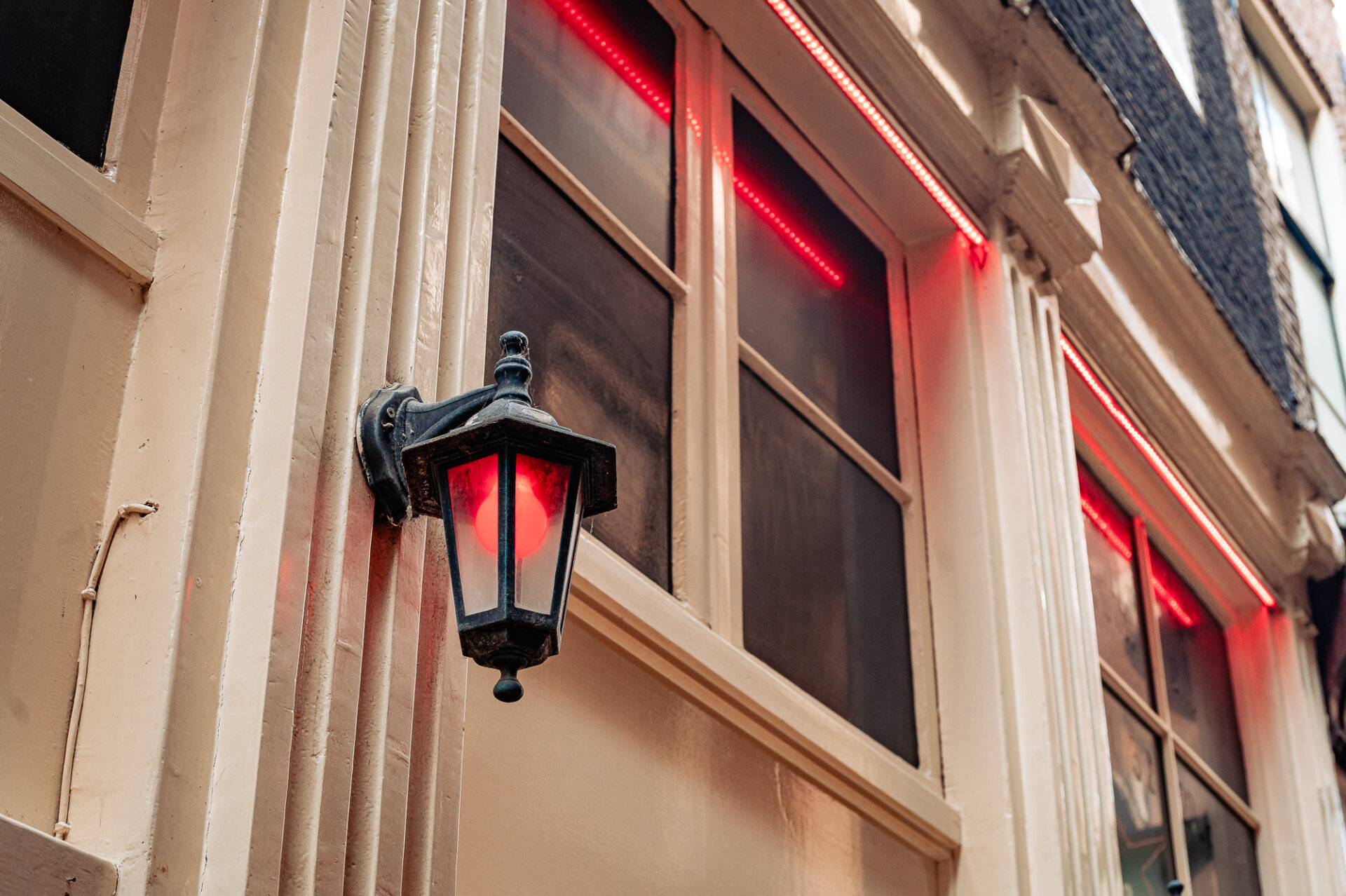
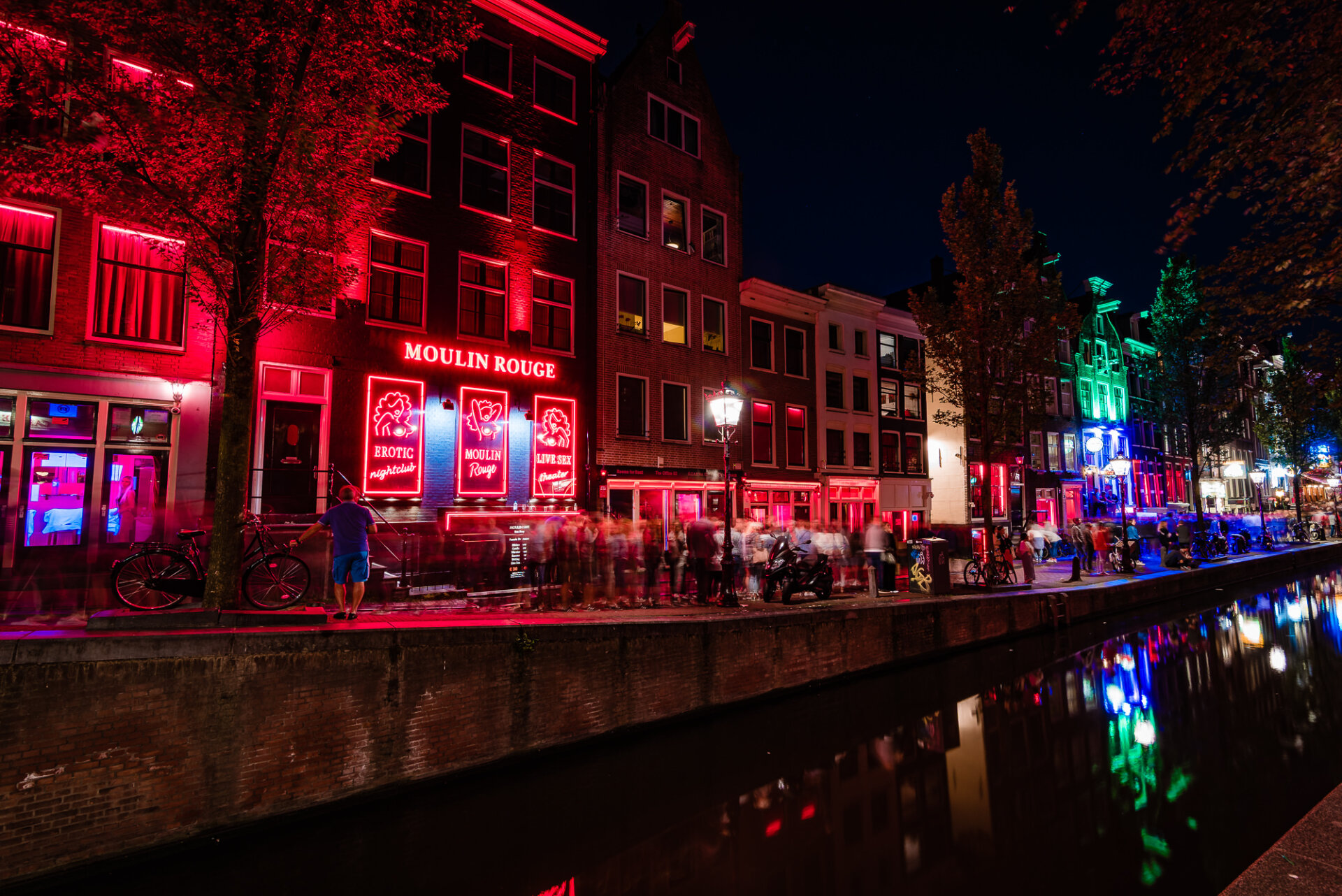
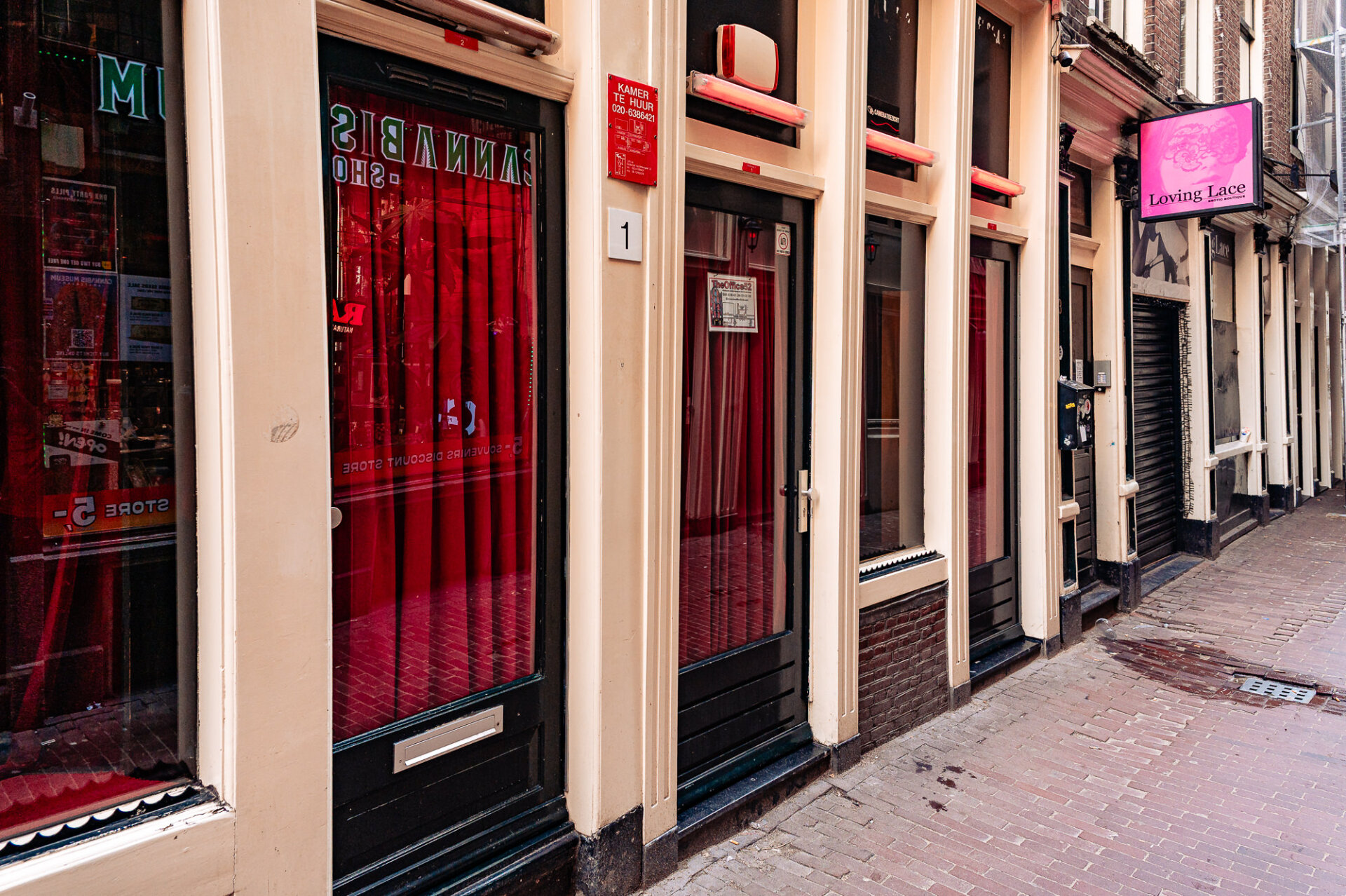
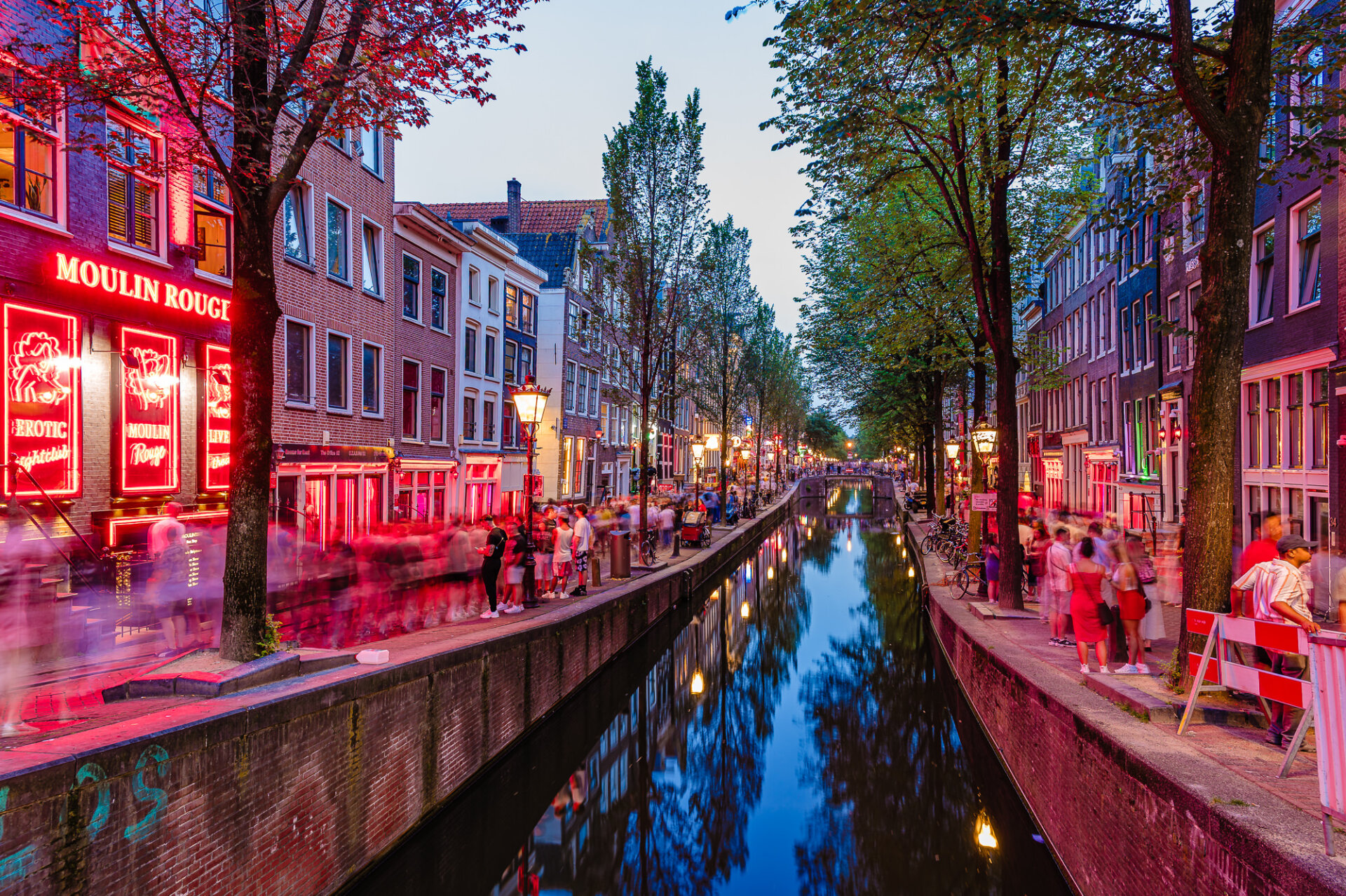
No honest account of Amsterdam’s street life would be complete without a mention of De Wallen, the city’s famous Red Light District, which sits just minutes from Centraal Station in the heart of the medieval city center. Walking through it during the day, it is striking how matter-of-factly it coexists with the surrounding neighborhood, old churches, family restaurants, and independent shops sharing the same narrow streets and canal bridges. It is a part of the city’s identity that Amsterdam neither hides nor dramatizes, and experiencing it as simply one layer of a very complex urban fabric says something about the Dutch approach to tolerance and pragmatism that no amount of reading quite captures.
The mix of architectural periods is equally compelling throughout the city. A 17th-century merchant’s house sits beside a modernist infill building beside a converted warehouse beside a traditional brown cafe, and the whole thing hangs together with a coherence that seems effortless and is almost certainly the result of very deliberate planning and strong design culture.
Dominicuskerk: The Dominican Church
On Spuistraat, a few minutes’ walk from the main canal ring, the Dominicuskerk is a 19th-century Dominican church that has found a thoughtful second life as a community and cultural space while retaining its function as a place of worship.
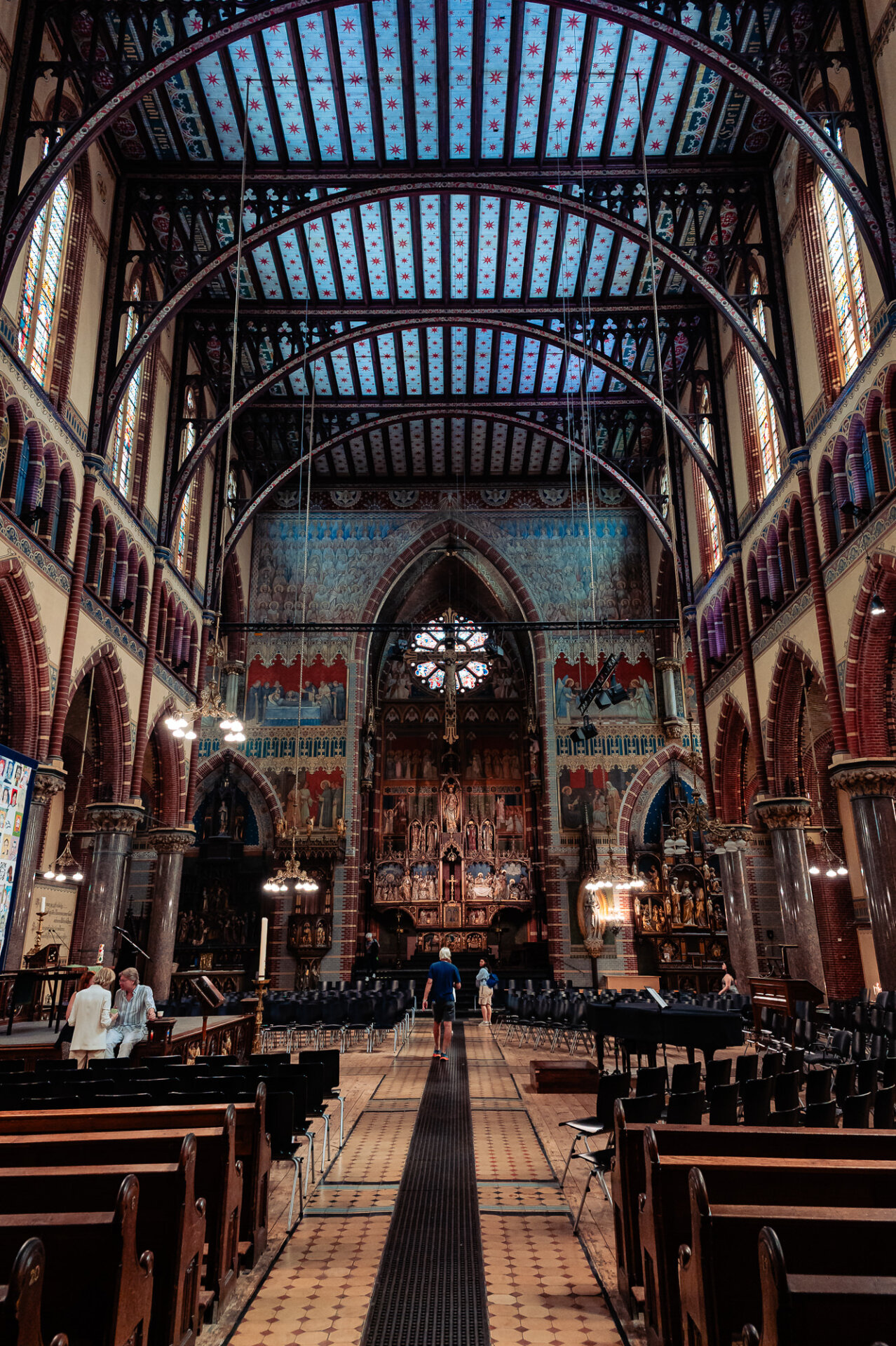
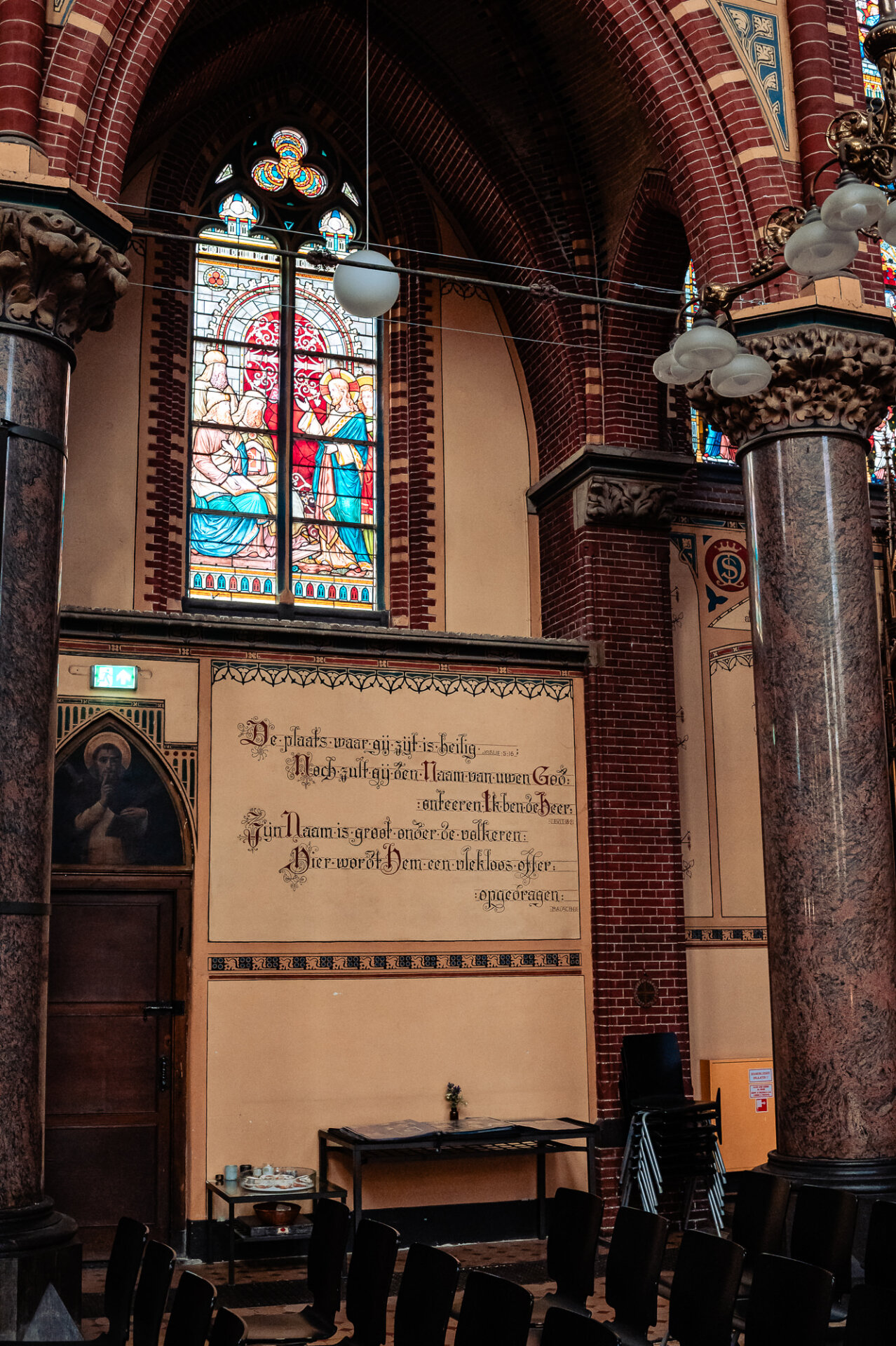
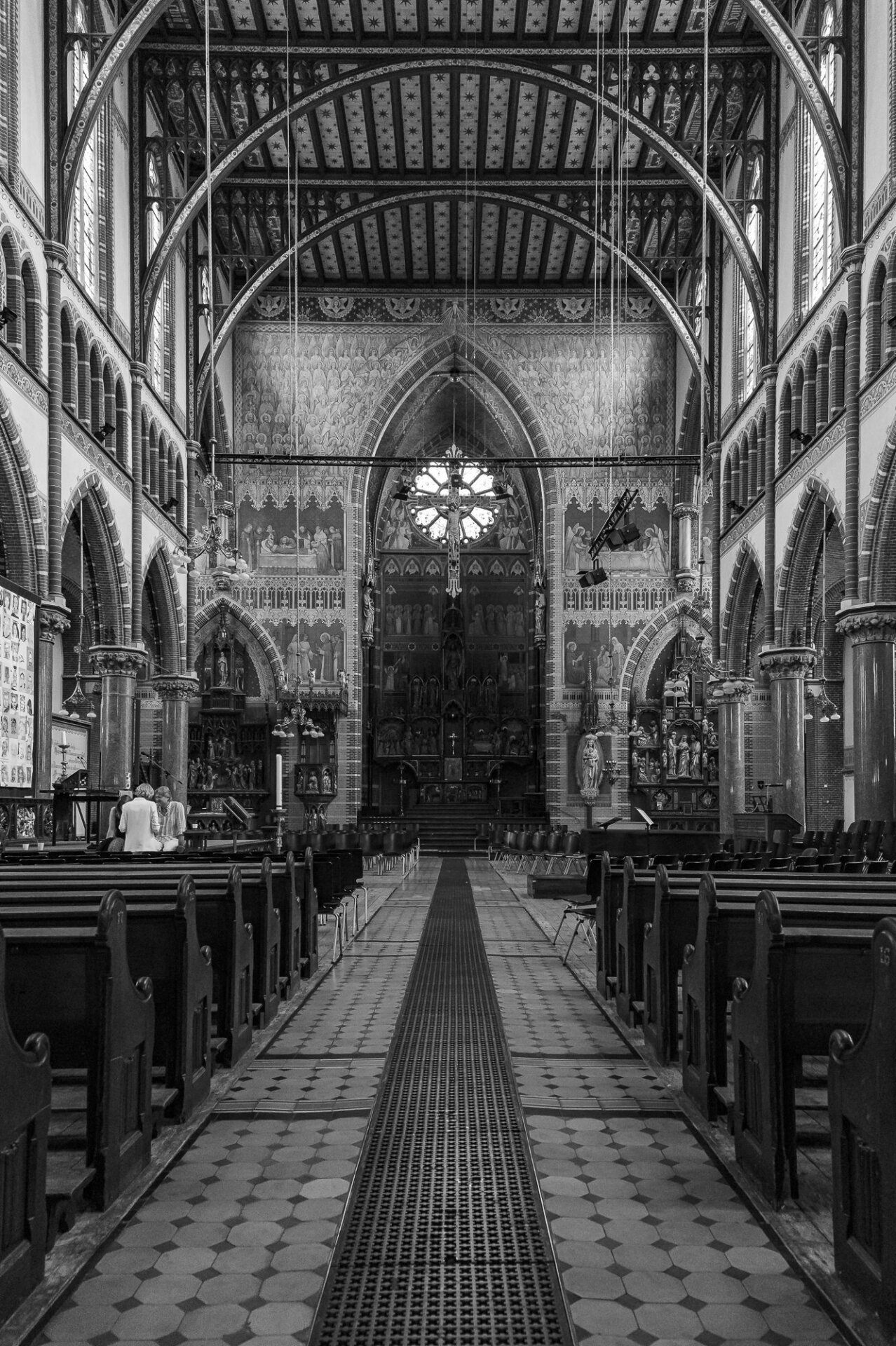
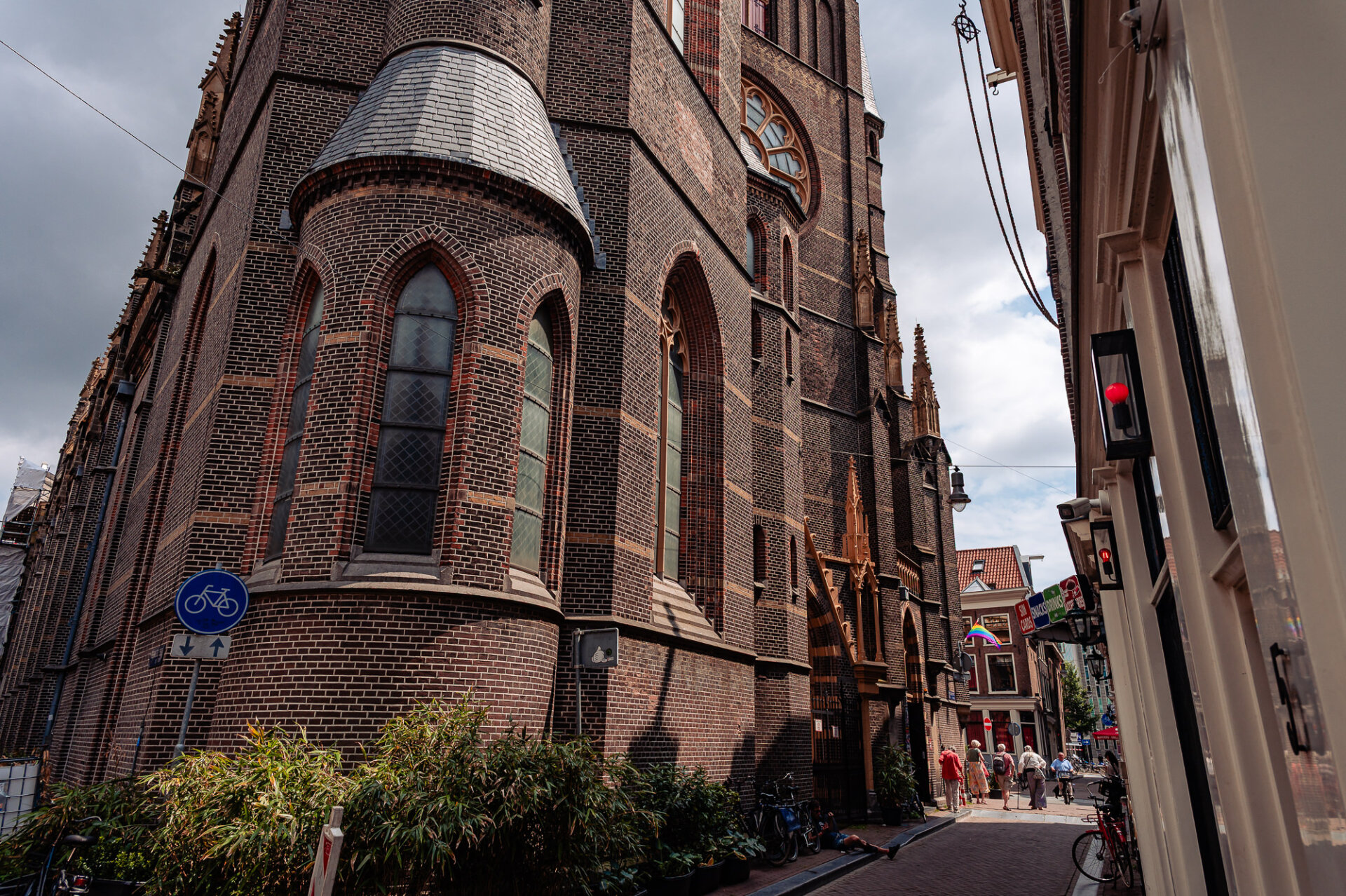
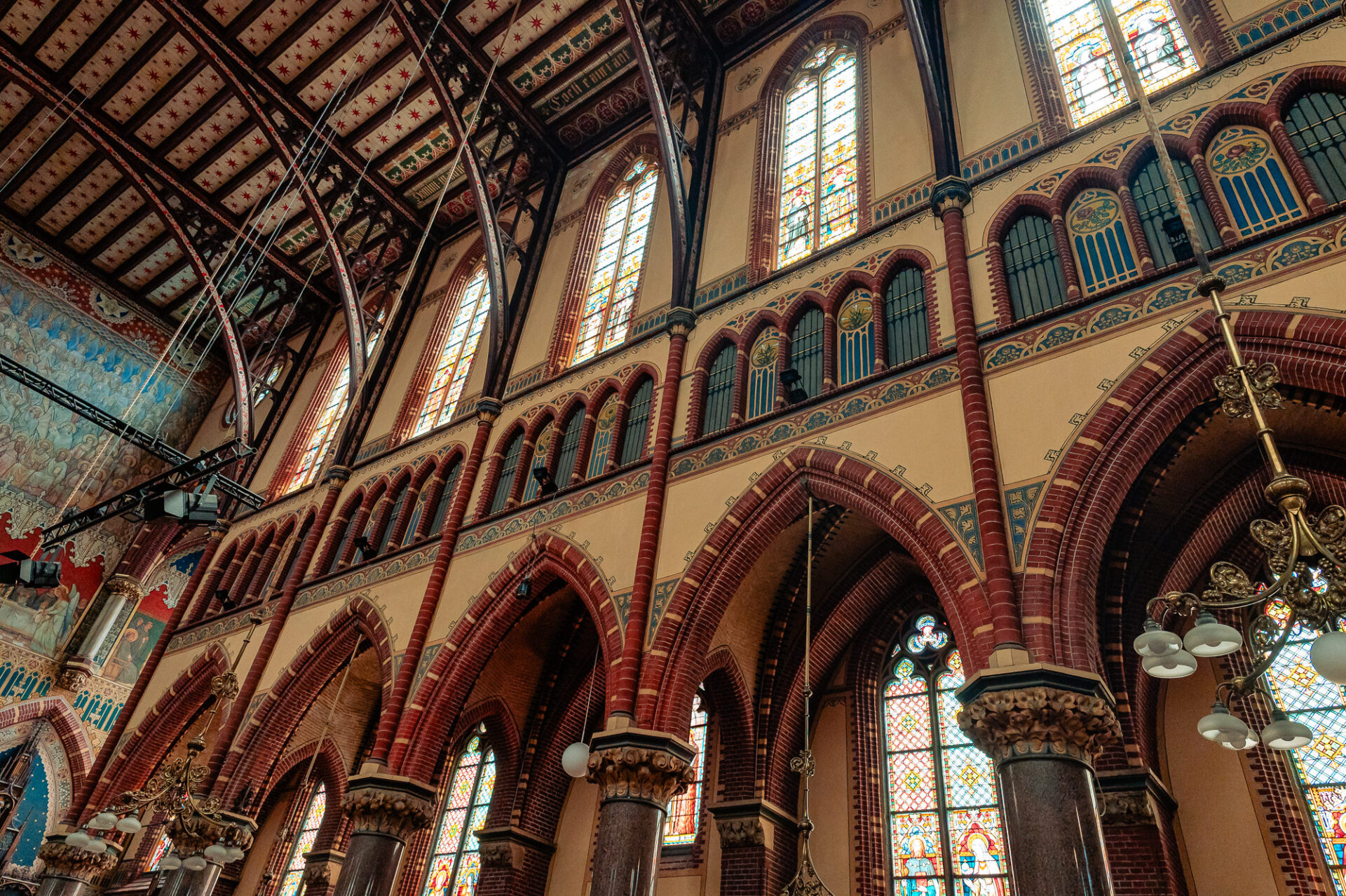
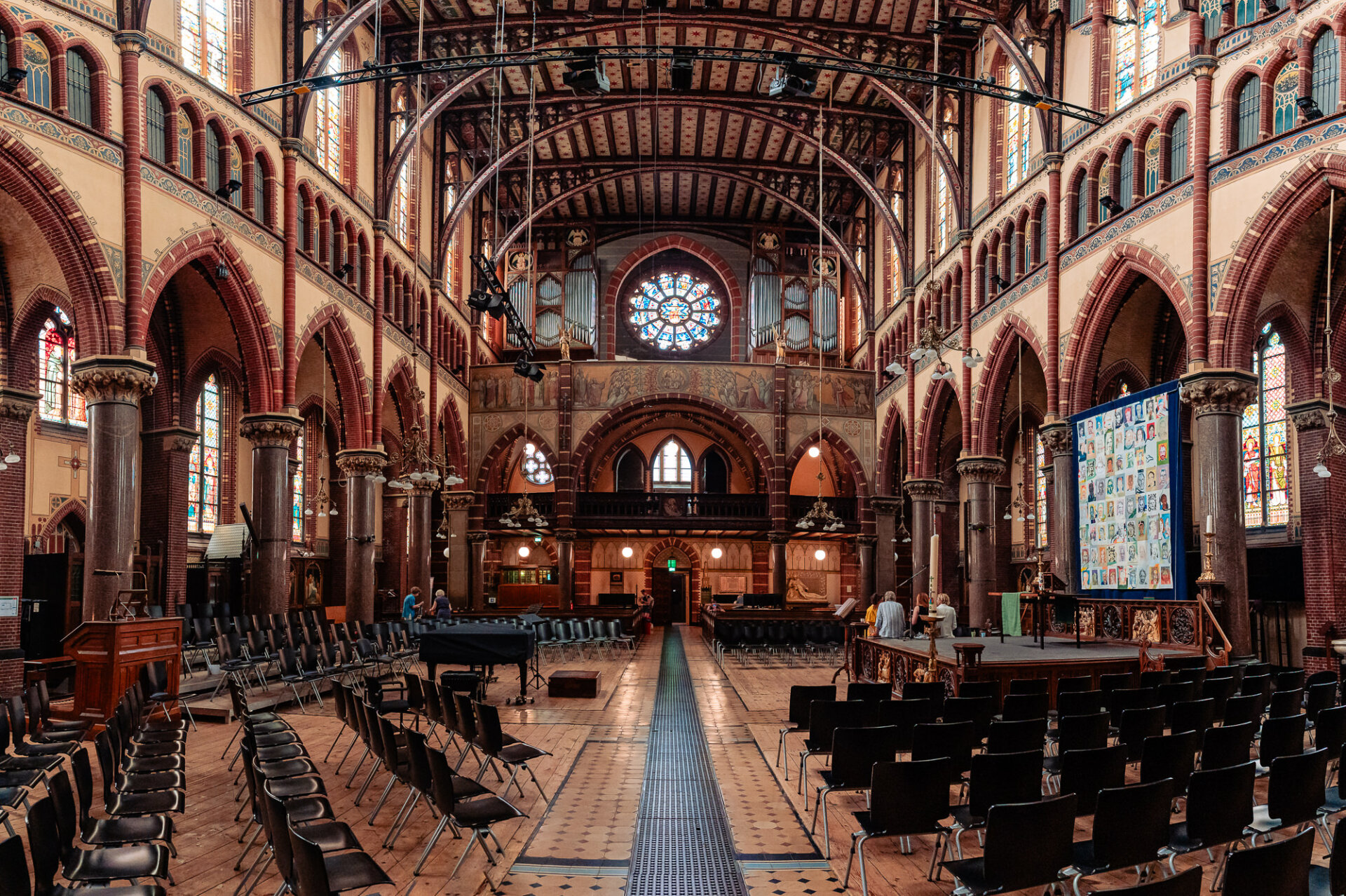
The interior is large, light-filled, and architecturally dignified, its neo-Gothic vaulting and generous windows creating the kind of space that invites quiet and reflection regardless of one’s relationship with faith. We stepped in on a weekday morning when it was nearly empty and spent a short time simply sitting in the stillness.
For a photographer working in a city as visually busy as Amsterdam, the Dominicuskerk offered a welcome change of pace, a space where the light was soft and slow and the geometry was clear and considered.
Anne Frank House: A Necessary Stop
On Prinsengracht, one of the main canal streets, the Anne Frank House is one of those places that belongs in a different category from the other attractions on any Amsterdam itinerary. It is not a pleasant visit. It is not meant to be. It is a necessary one.
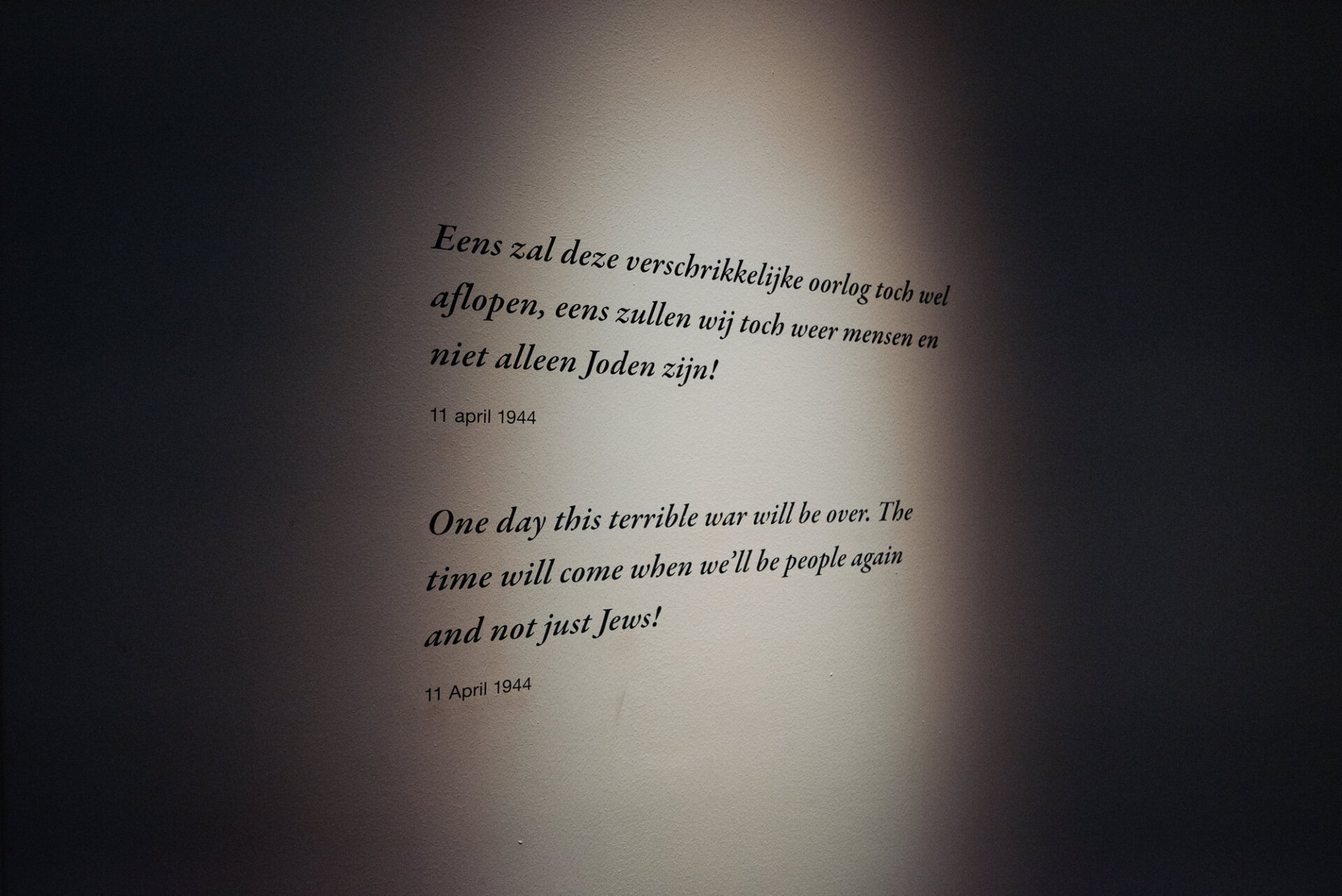
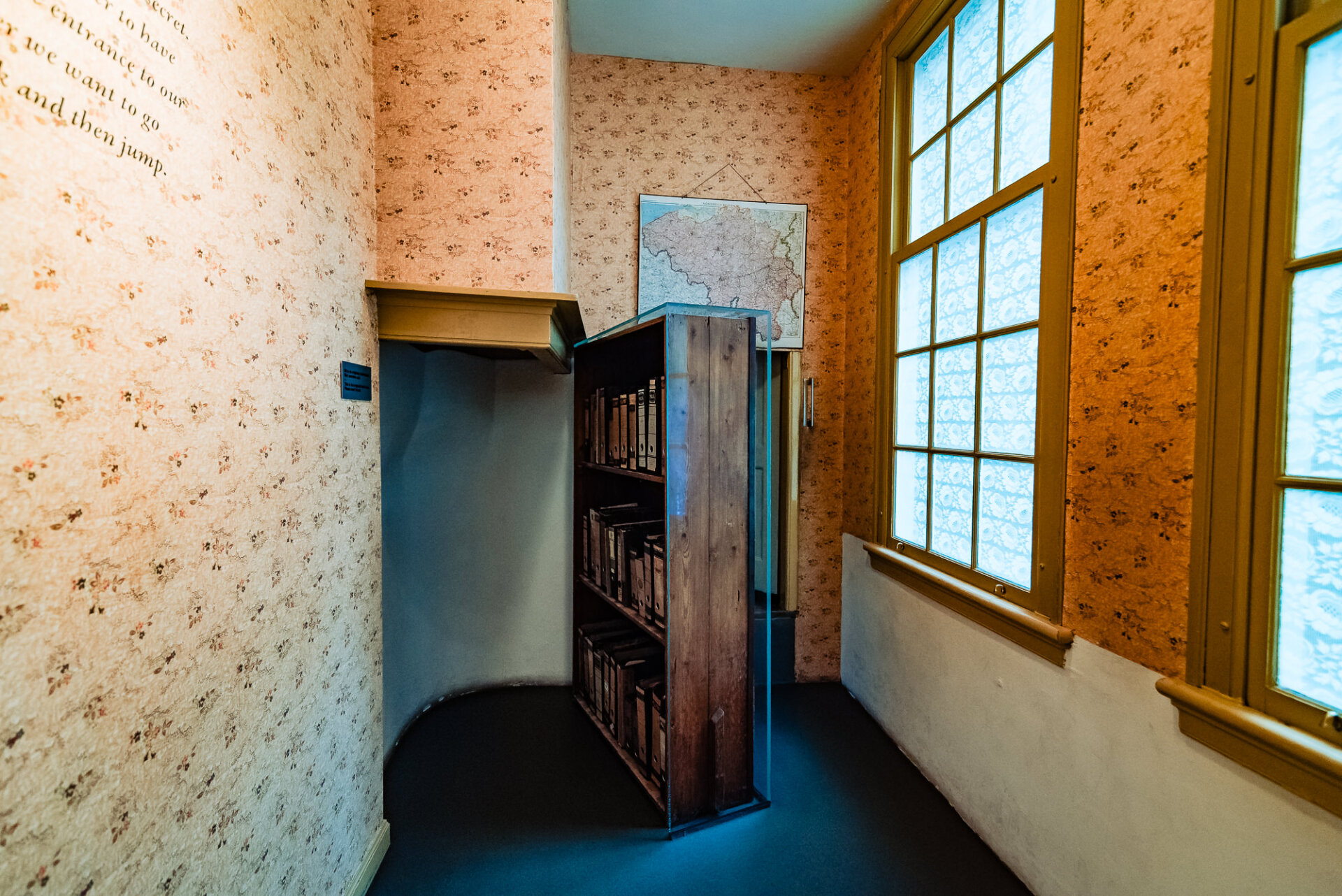
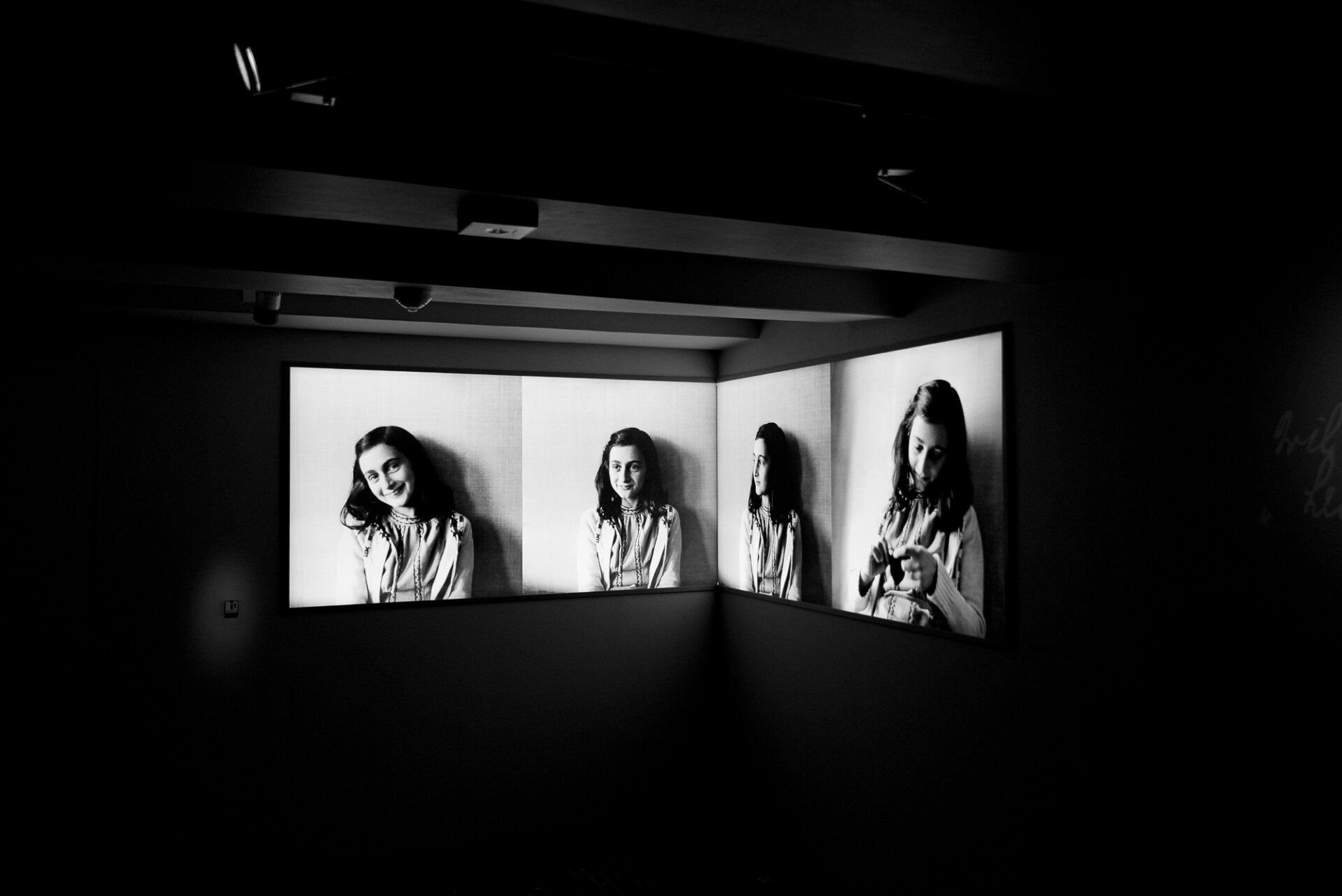
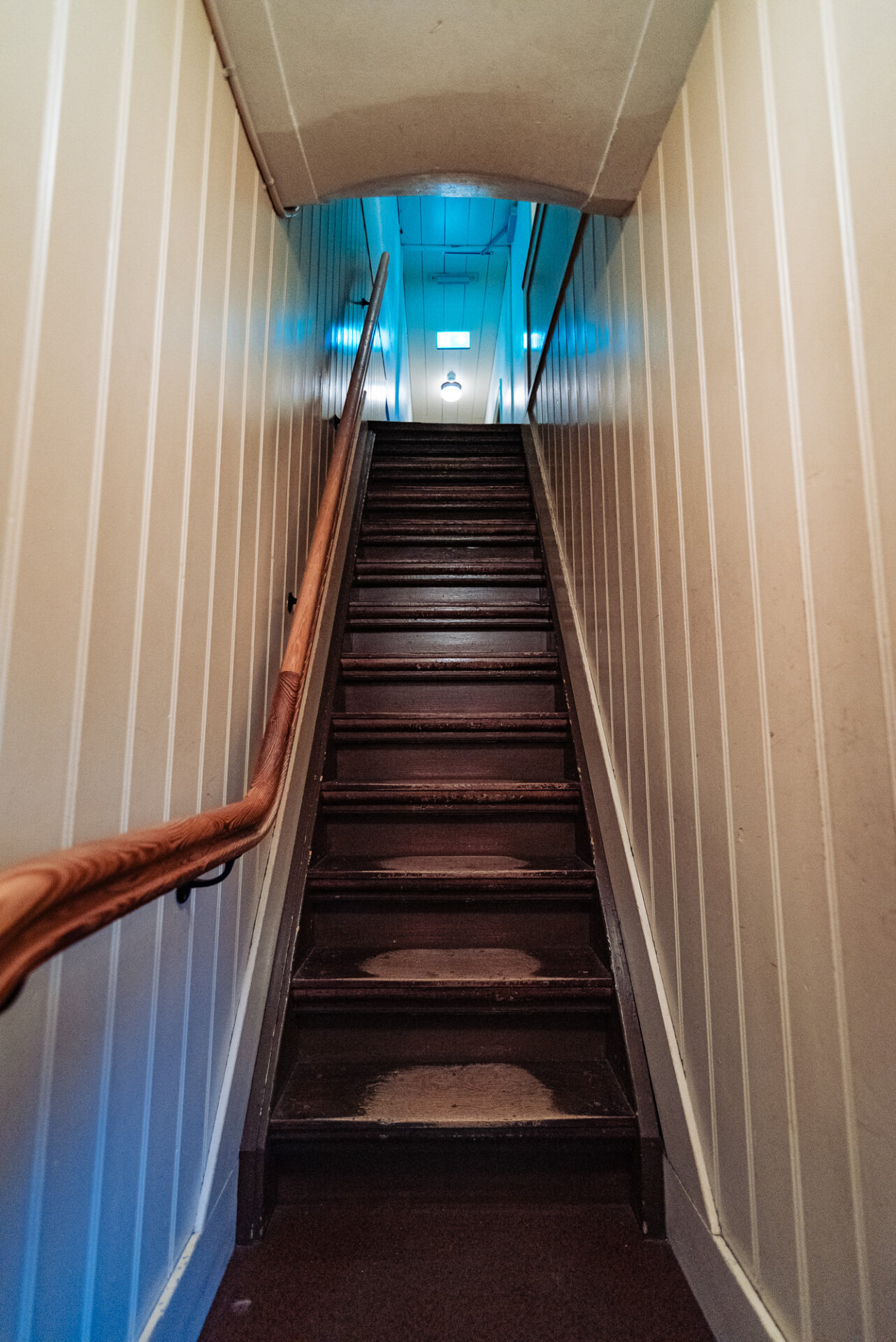
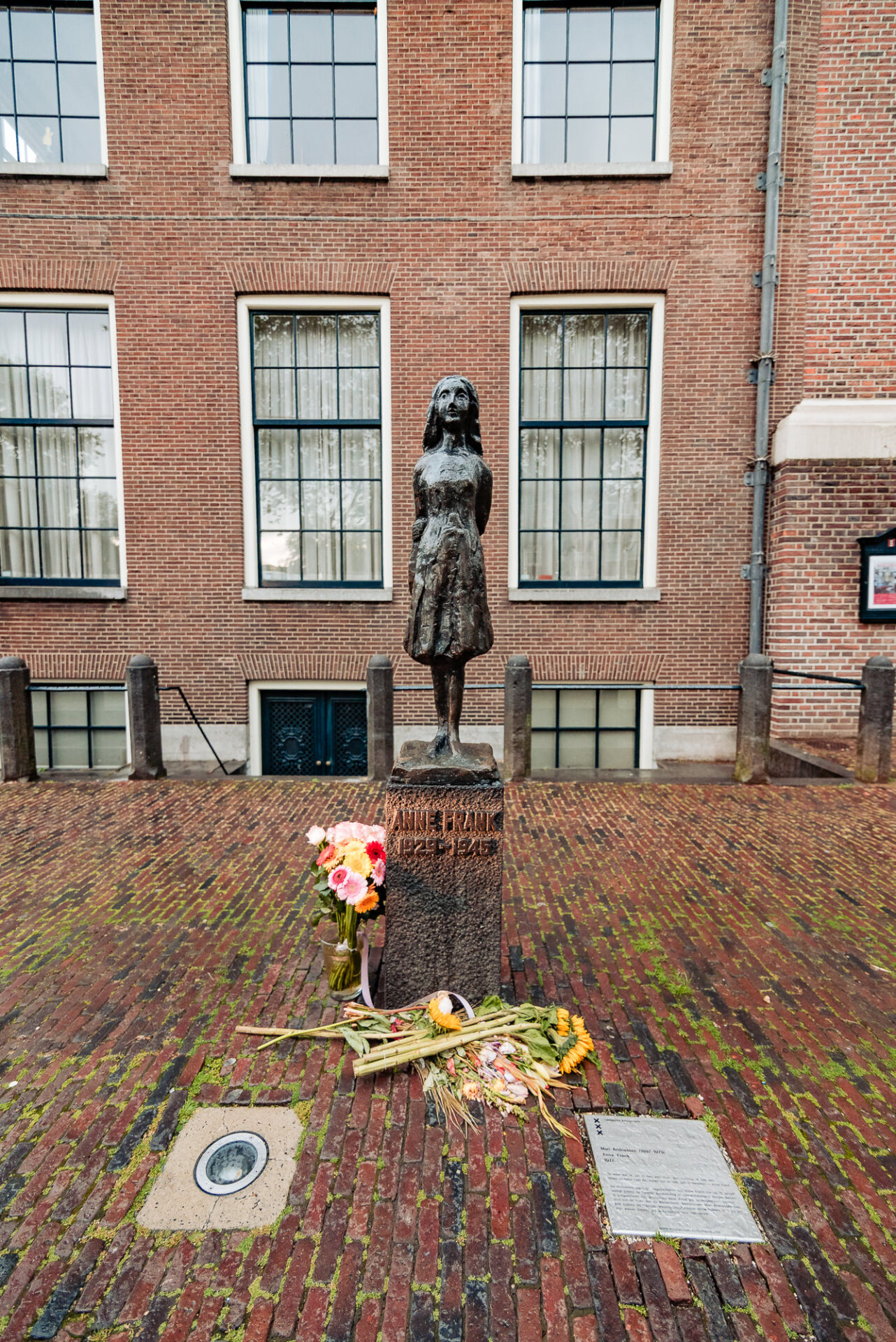
The hiding place where Anne Frank, her family, and four others lived in concealment for more than two years before their arrest in 1944 is preserved with extraordinary care and restraint. The rooms are empty, deliberately so, their emptiness communicating something that furnishings could not. The steep, narrow staircases, the bookcase that concealed the entrance to the hiding place, the windows that could not be opened or even approached during daylight hours- all of it makes the confinement of those two years tangible in a way that is genuinely affecting.
The diary entries and documents displayed throughout the house, including pages from Anne’s actual diary, are presented with the same restraint as the rooms themselves. The museum does not dramatize or sentimentalize. It simply shows you what happened and trusts you to respond.
We came out onto Prinsengracht into the afternoon light and walked quietly for a while before either of us said anything.
Interesting Fact: Anne Frank was 13 years old when she went into hiding in July 1942 and 15 when she was arrested in August 1944. She died in Bergen-Belsen concentration camp in February or March 1945, just weeks before the camp was liberated by British forces. She was 15 years old.
Zaanse Schans: Windmills in the Landscape
A short train ride north of Amsterdam, the open-air museum village of Zaanse Schans is where the Netherlands of the imagination, all windmills and wooden houses and flat green landscape, becomes something very real and very photogenic.
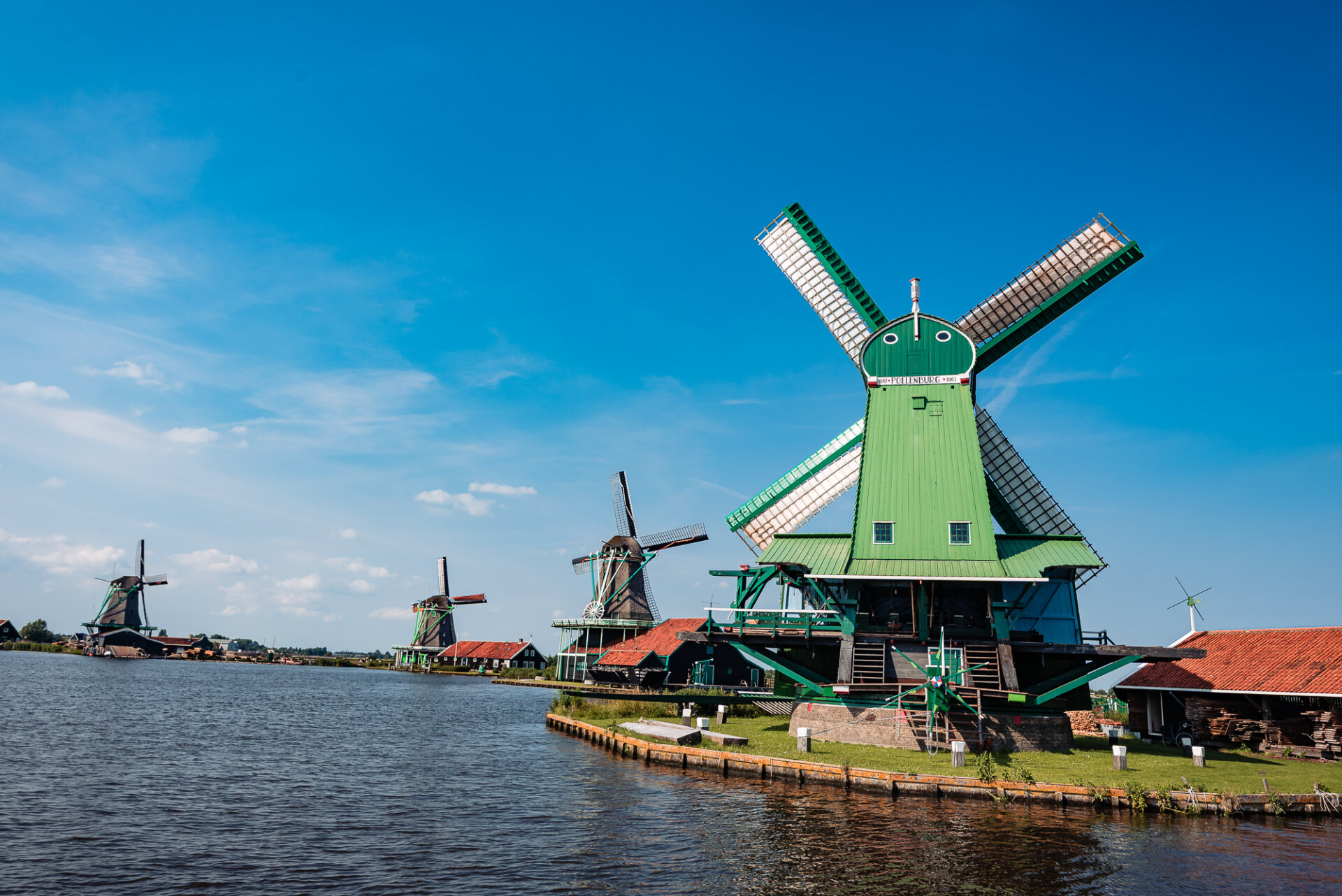
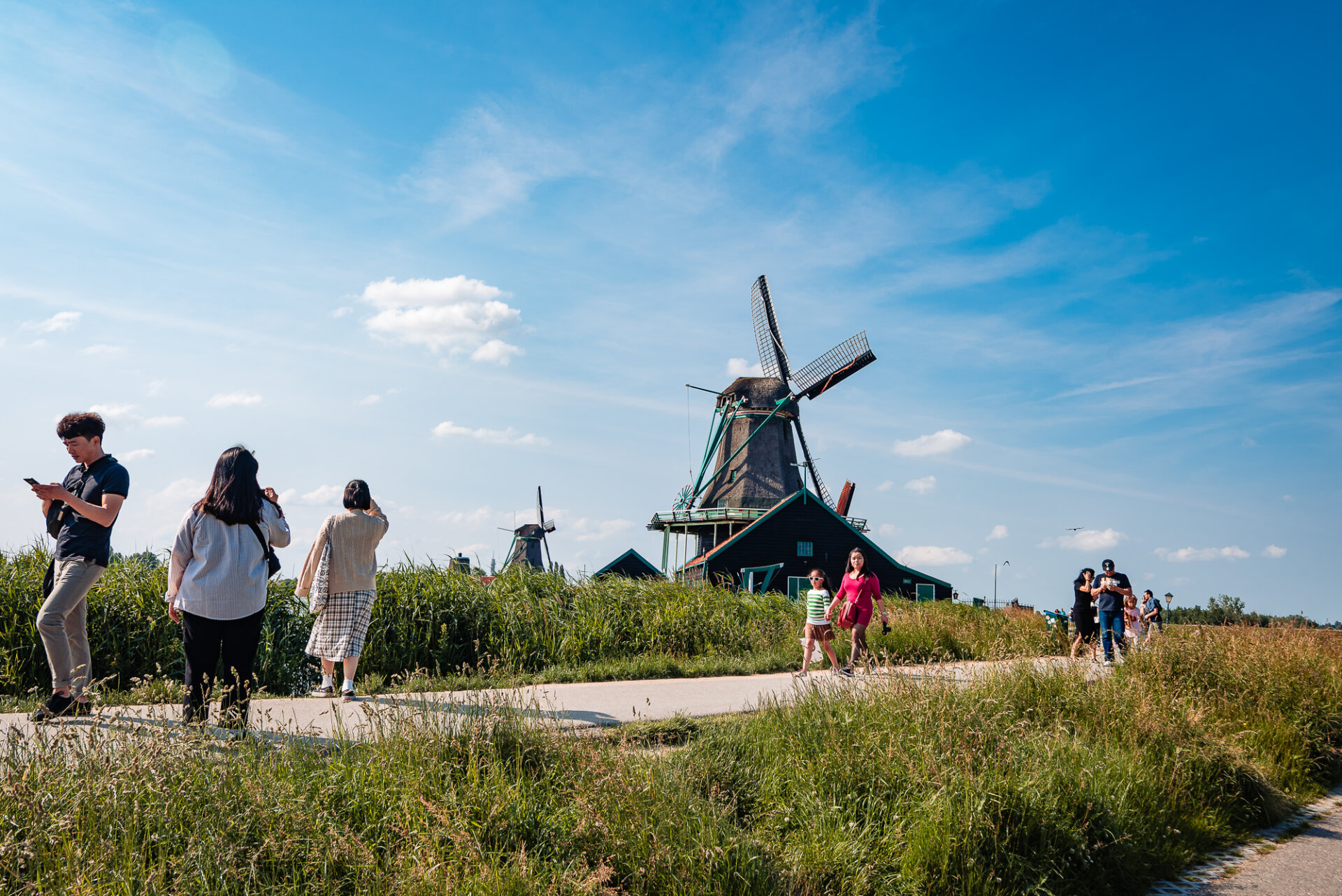
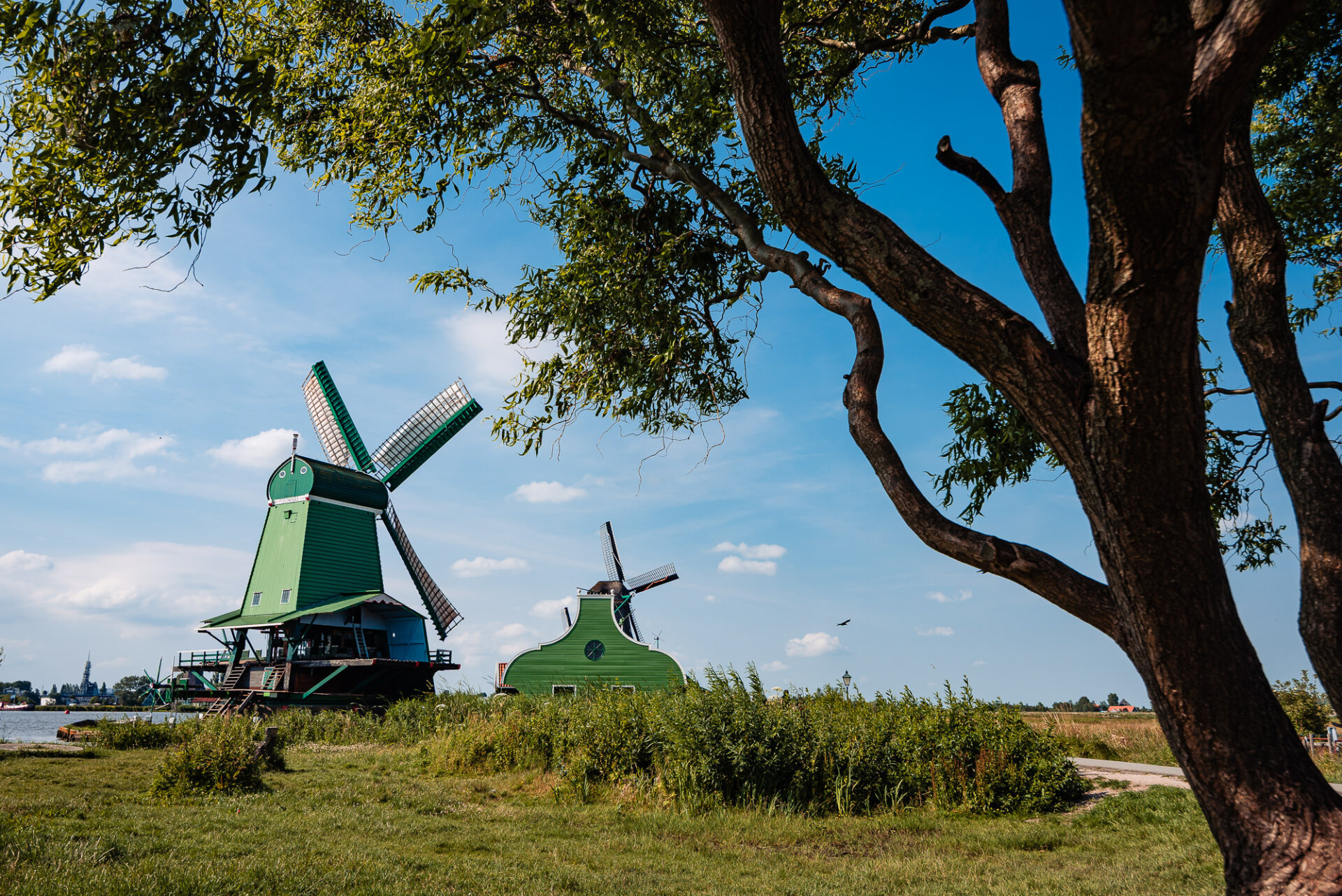
The windmills at Zaanse Schans are working historical mills, not decorative reproductions, and seeing them in operation against the wide Dutch sky gives them a presence and a dignity that photographs alone cannot fully convey. They are large, purposeful machines, built to process lumber, produce oil, and grind grain, and the engineering intelligence behind their design is visible in every detail.
The surrounding village of traditional green-painted wooden houses, craft workshops, and cheese and clog makers is unashamedly tourist-oriented but well done. The landscape itself, flat and open and crossed by water in every direction, with the windmills rising against a sky that seems larger here than anywhere else, is simply beautiful to move through and photograph.
We spent a morning here and left with some of the most distinctly Dutch images of the entire trip, which, given that we were in the Netherlands, felt entirely appropriate.
Fun Fact: At the height of the Dutch Golden Age in the 17th century, the Zaan region north of Amsterdam had more than 1,000 working windmills, making it arguably the world’s first industrial area. Today, fewer than a dozen survive at Zaanse Schans, but they remain in full working order.
Final Thoughts: Amsterdam on Its Own Terms

Amsterdam does not need to be understood through its reputation. It is a richer, more complex, and more genuinely interesting city than any single narrative about it suggests. And the best way to find that out is simply to walk its streets without too fixed an agenda and let it show you what it is.
We came as a detour on the way to something else and left with a city we genuinely want to return to on its own terms. The canals are as beautiful as advertised. The architecture is better than expected. Street life is endlessly interesting. And the people, direct and pragmatic and quietly warm in the Dutch way, made us feel welcome without making a performance of it.
Morocco and the wedding were waiting for us. But Amsterdam made a strong case for itself in the days before we got there.
Ralph Deal is a wedding photographer based in the Philadelphia area, documenting love stories across the Northeast and beyond. His travel journal records the places, light, and moments that shape his eye and his life.
Follow the journey: ralphdeal.com