
Crescent & Stone: An Elegant Escape Through Turkey
The day finally arrived: we were off to Turkey.
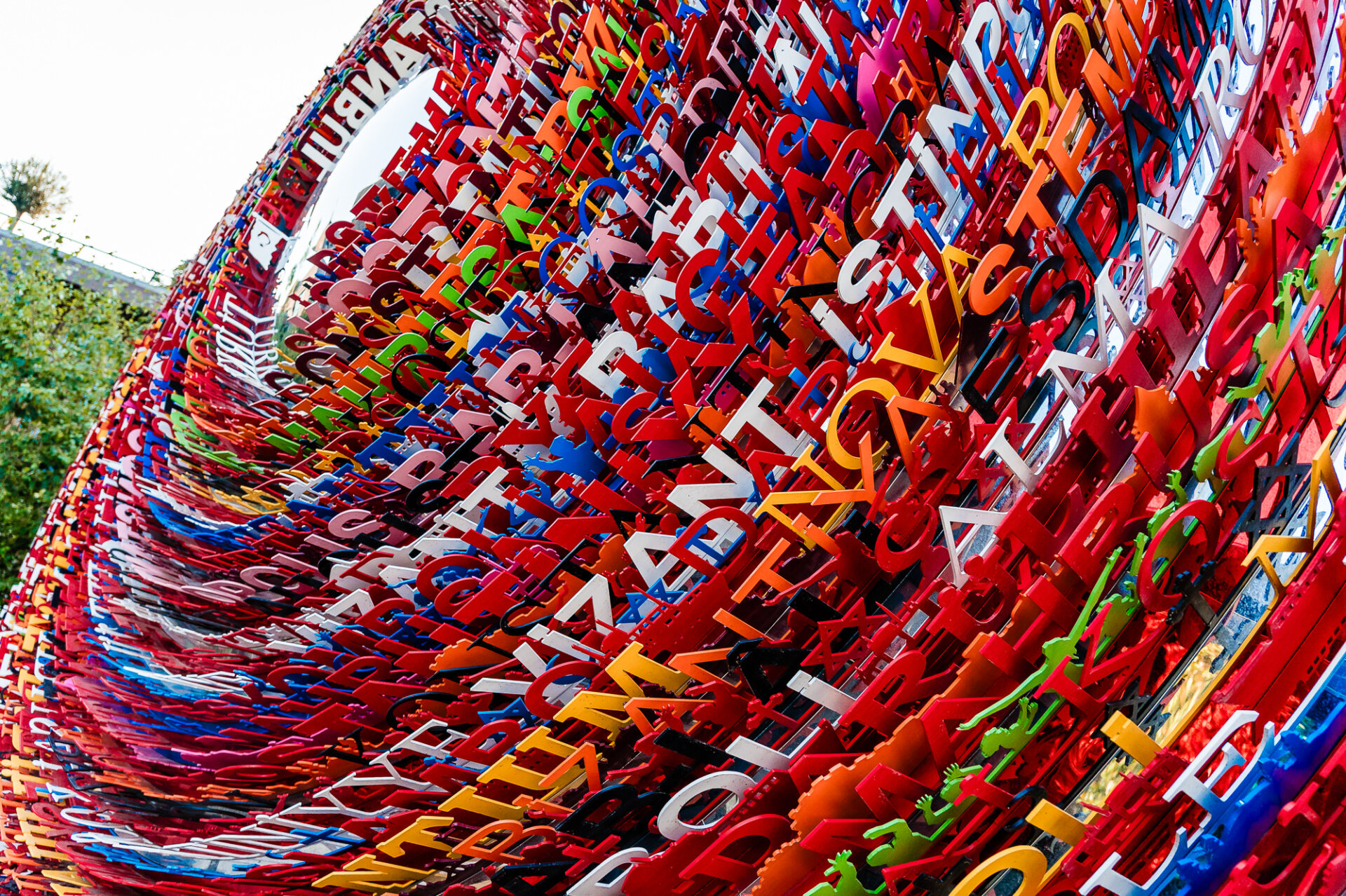
From the very first glimpse of Istanbul, it felt like the kind of place that stays with you. The skyline was unlike anywhere else we had been, filled with domes, minarets, water, and layers of history that seemed to stretch in every direction. There was movement everywhere. Ferries crossing the Bosphorus. The call to prayer carried across the city. Street life unfolds at every corner.
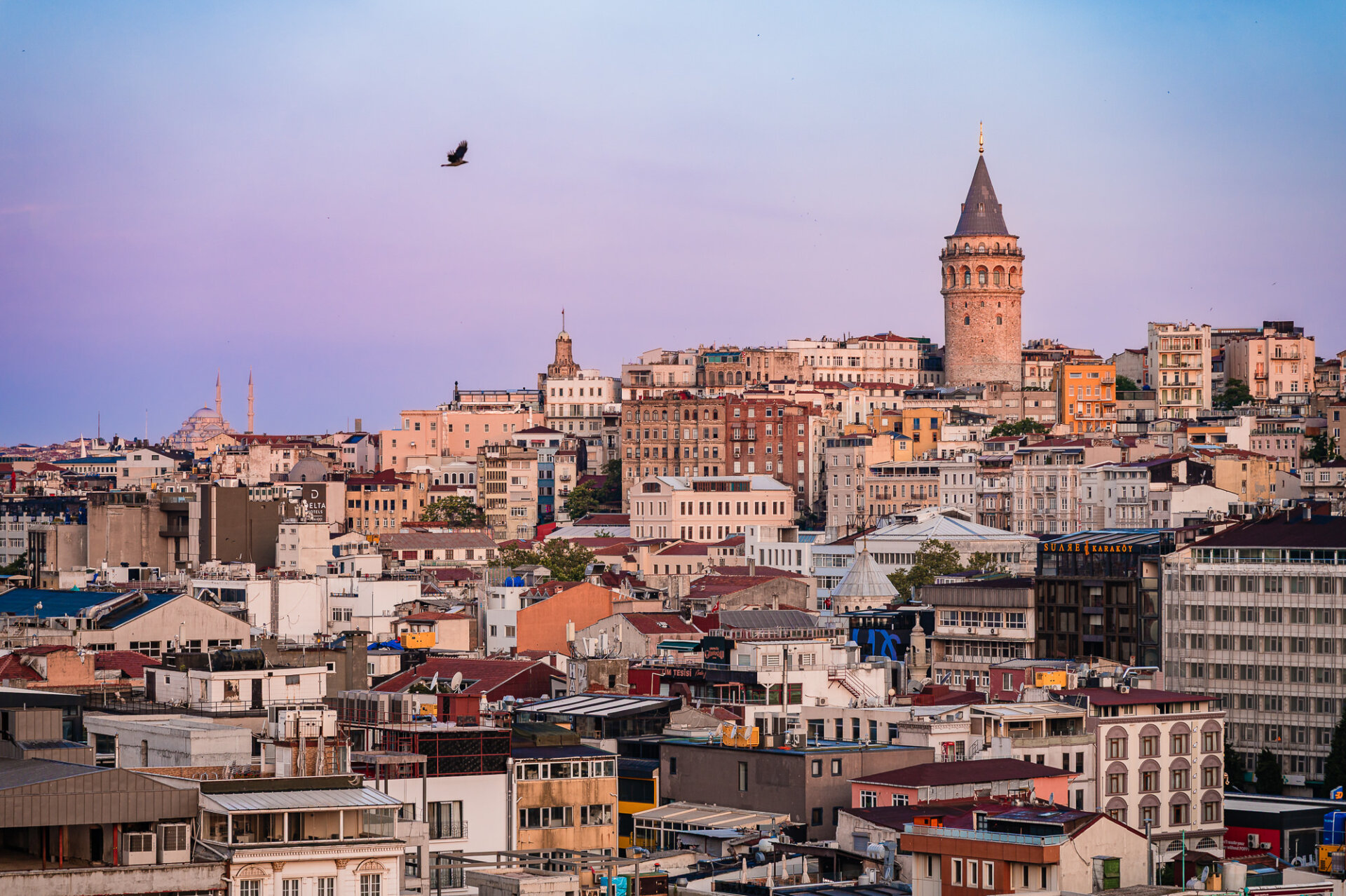
As a photographer, I’m always drawn to places with strong contrast and character, and Turkey had both in abundance. Our trip took us through two very different sides of the country: the energy and grandeur of Istanbul, and the slower, ancient atmosphere of Kusadasi and Ephesus.
Istanbul
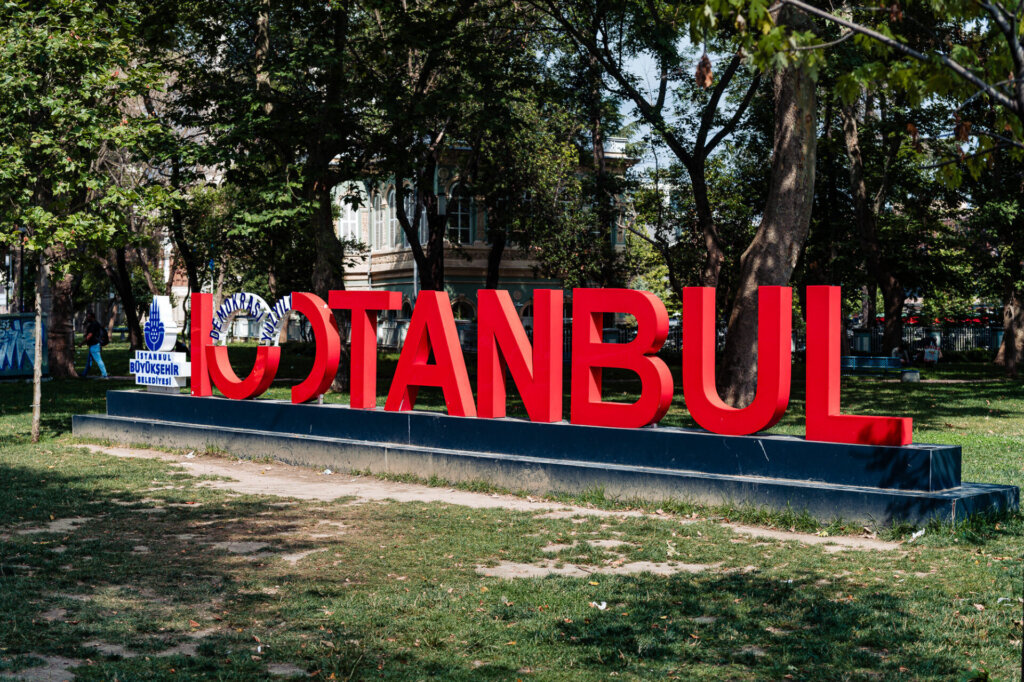
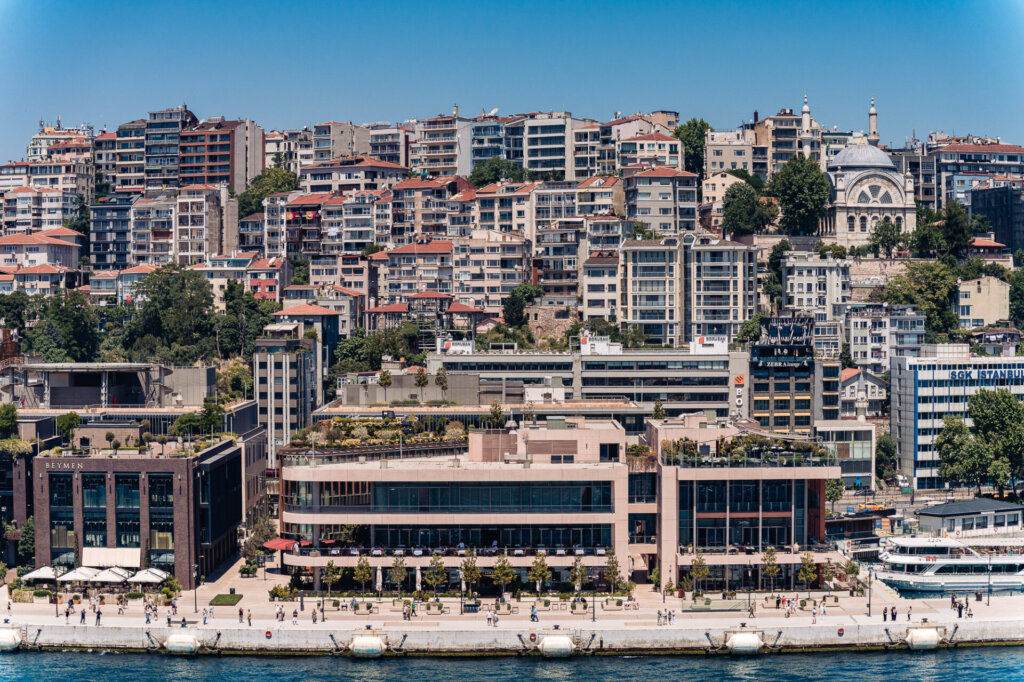
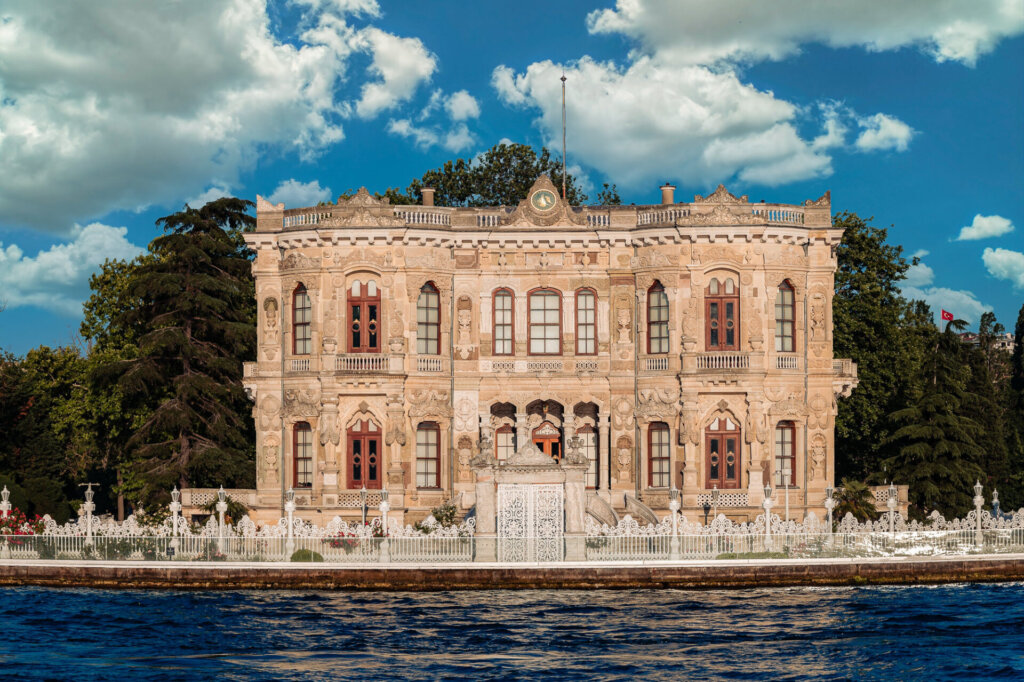
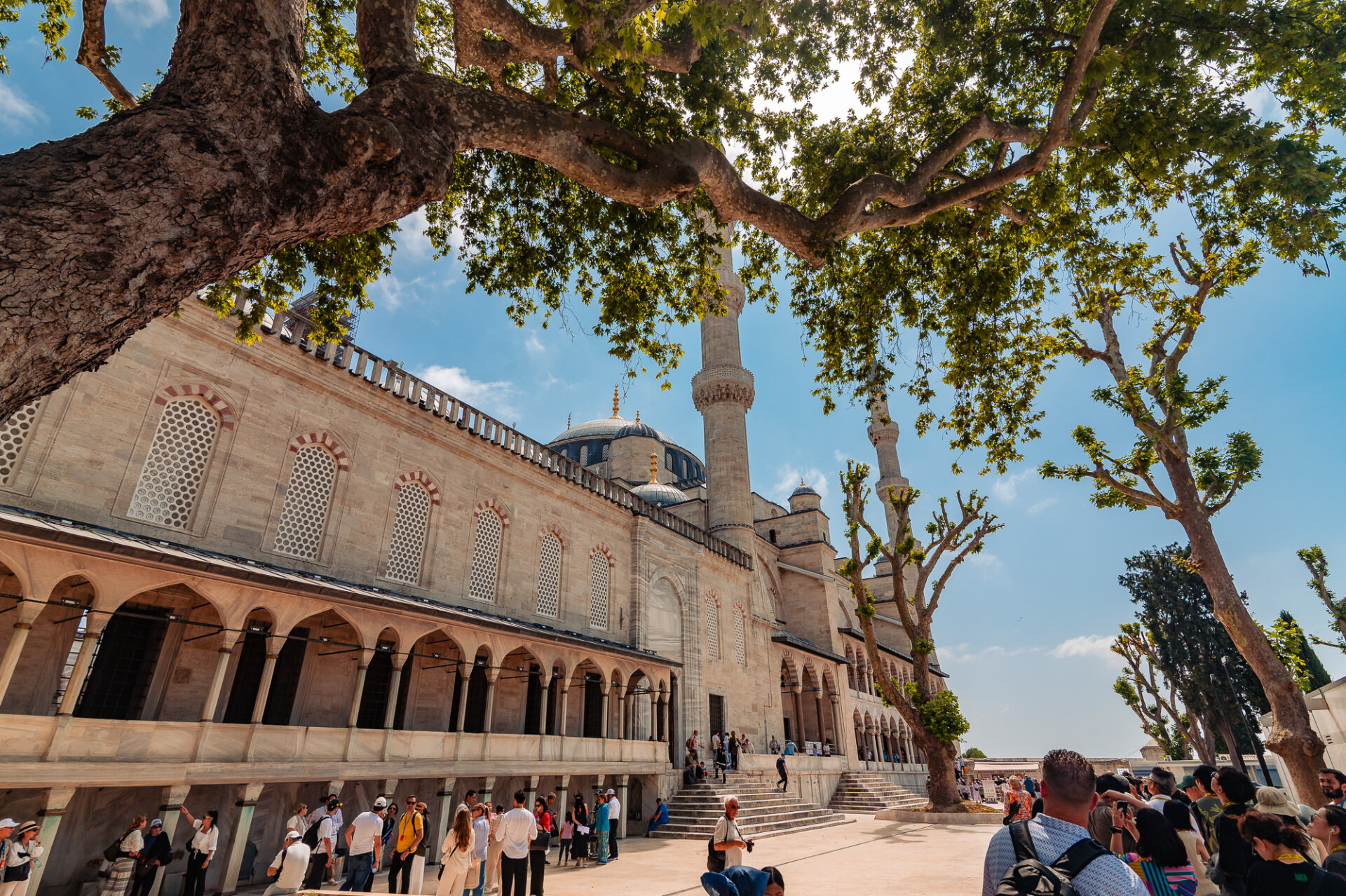
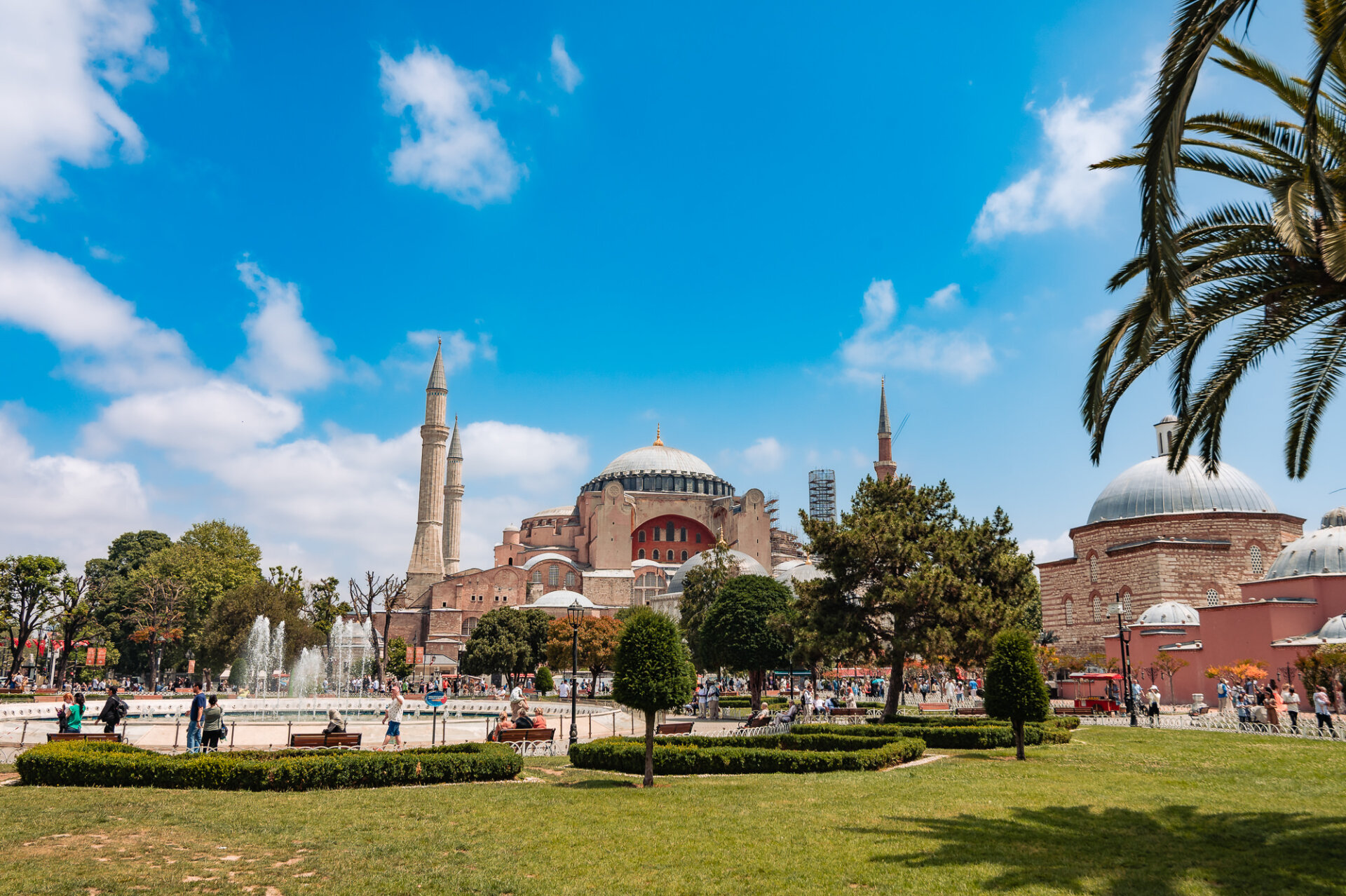
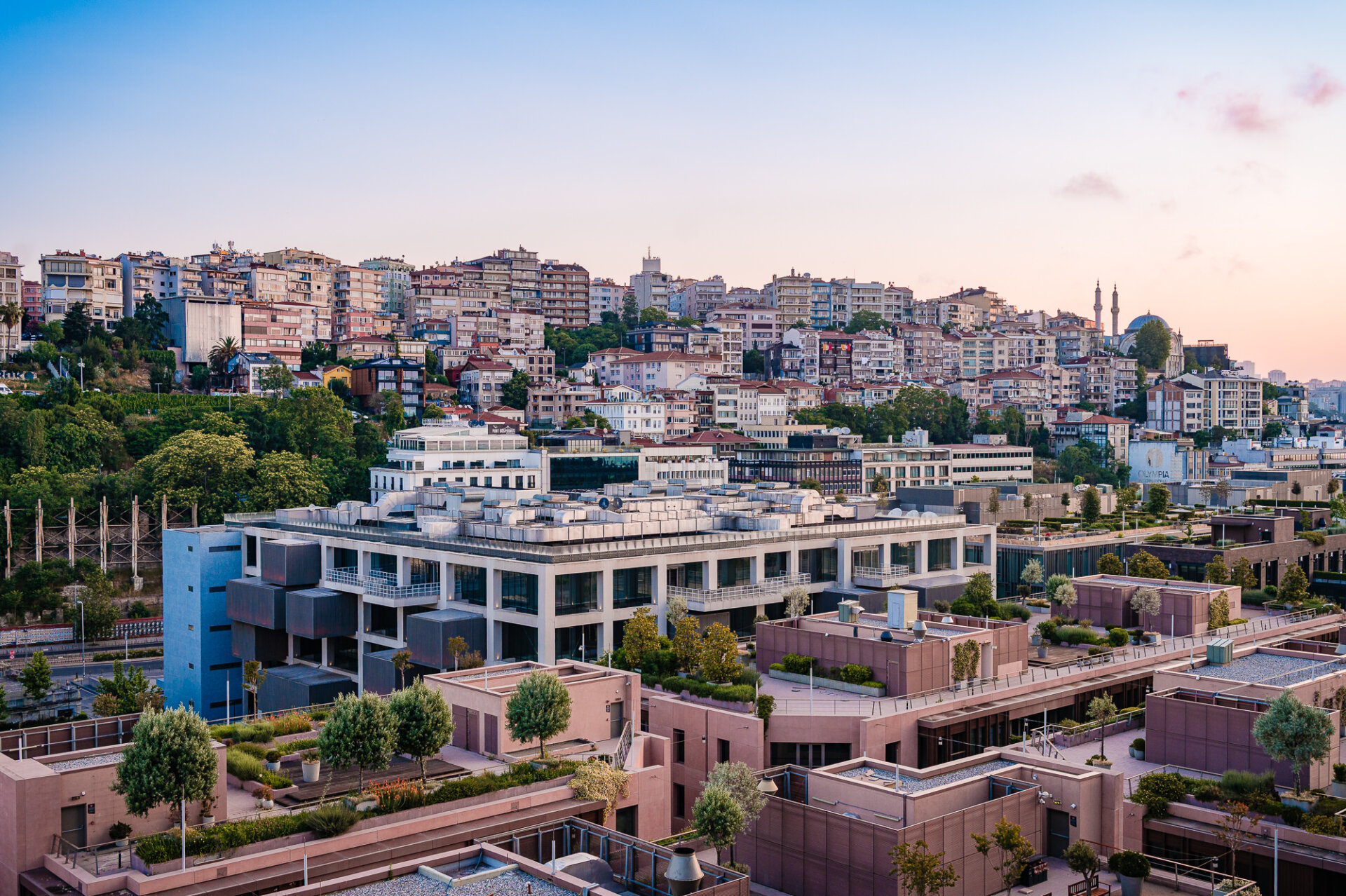
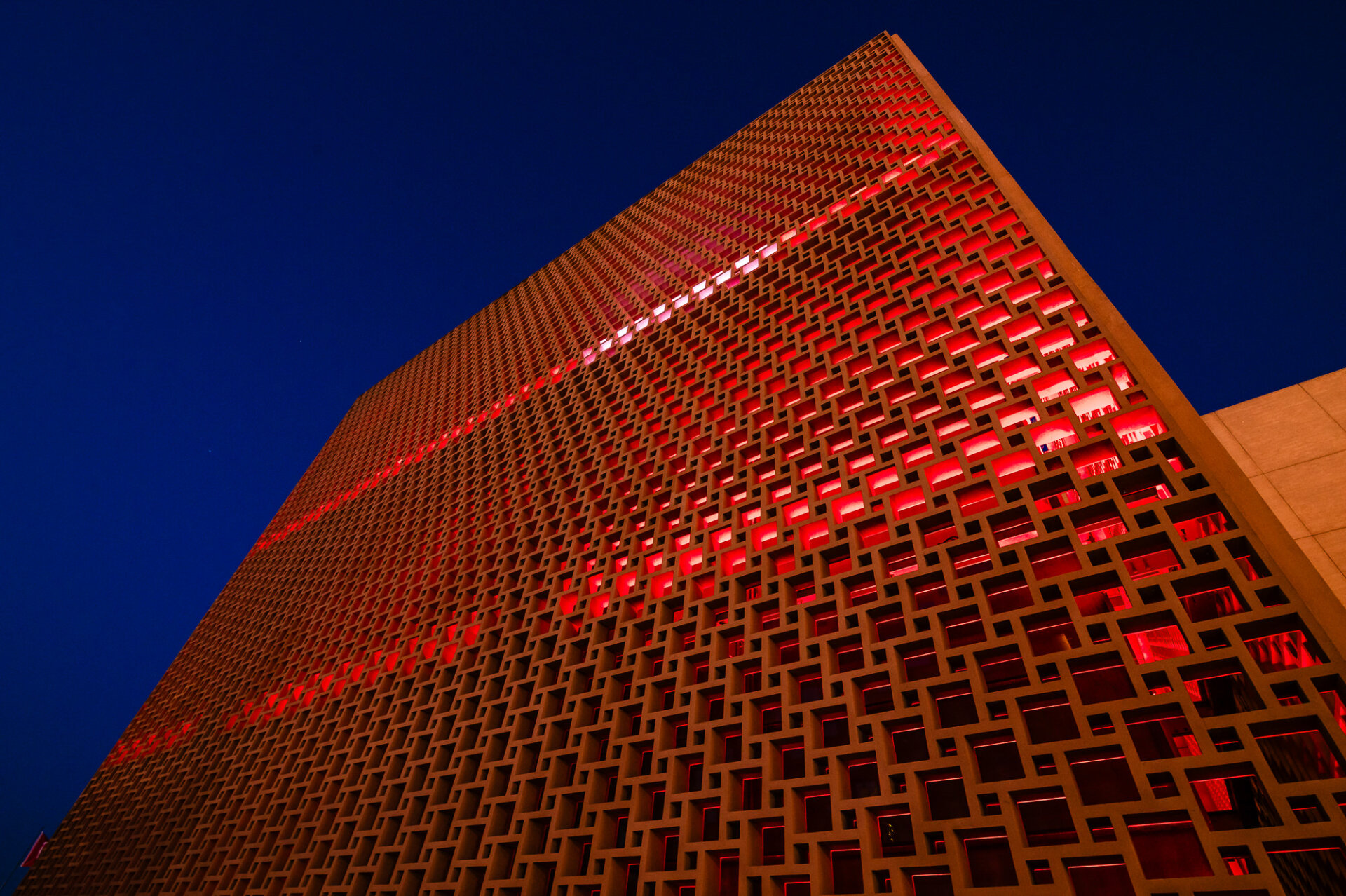
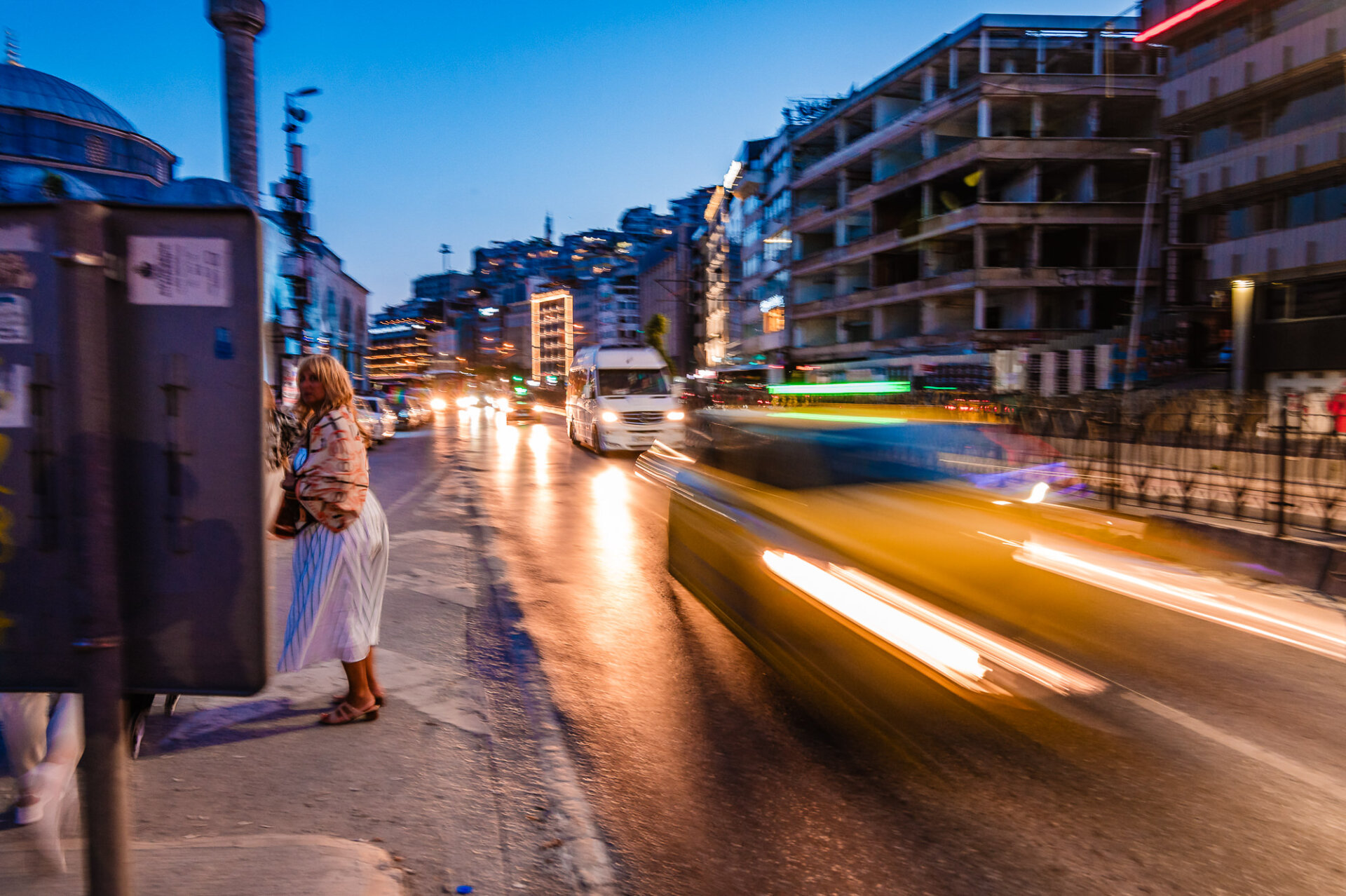
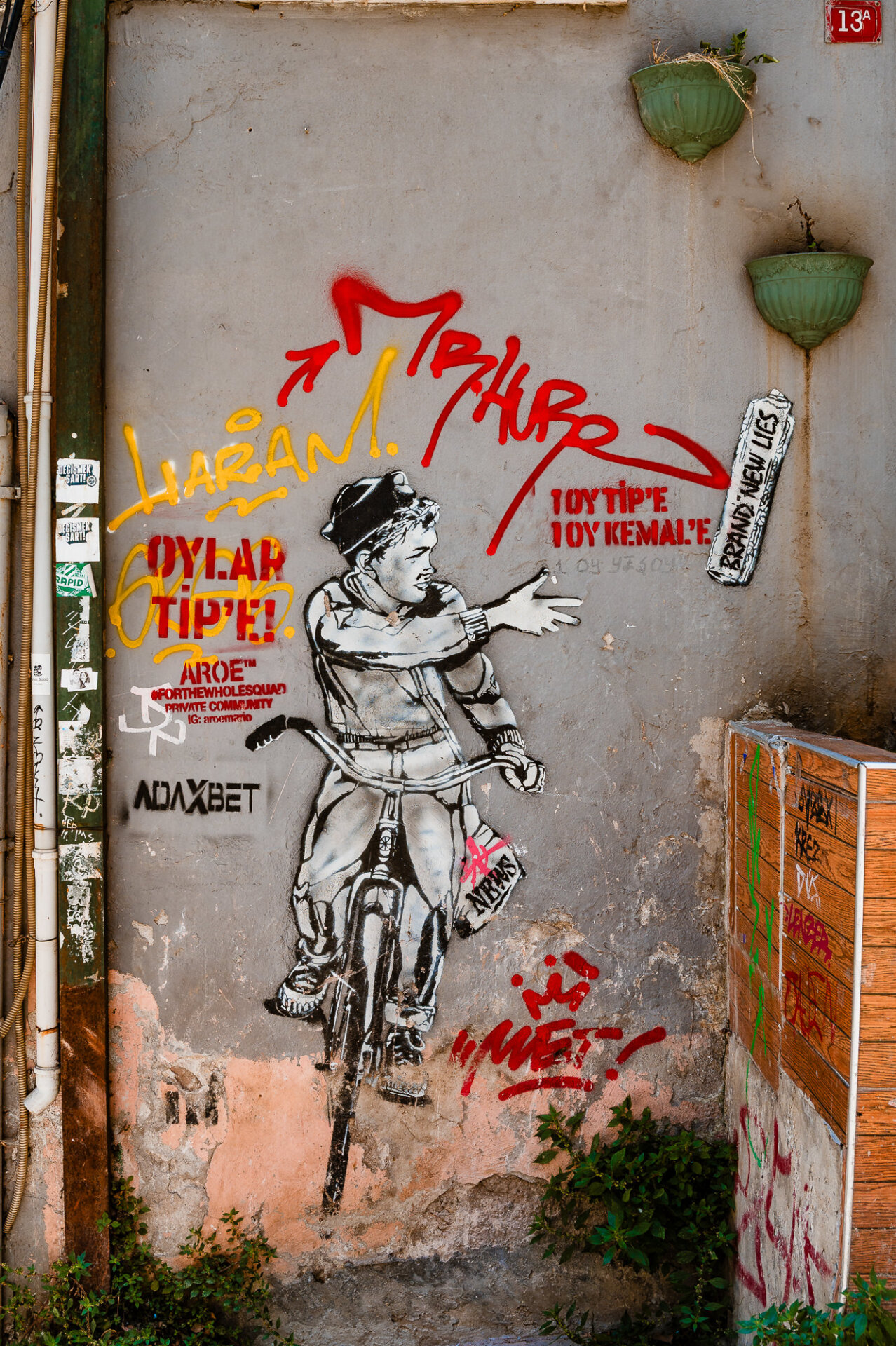
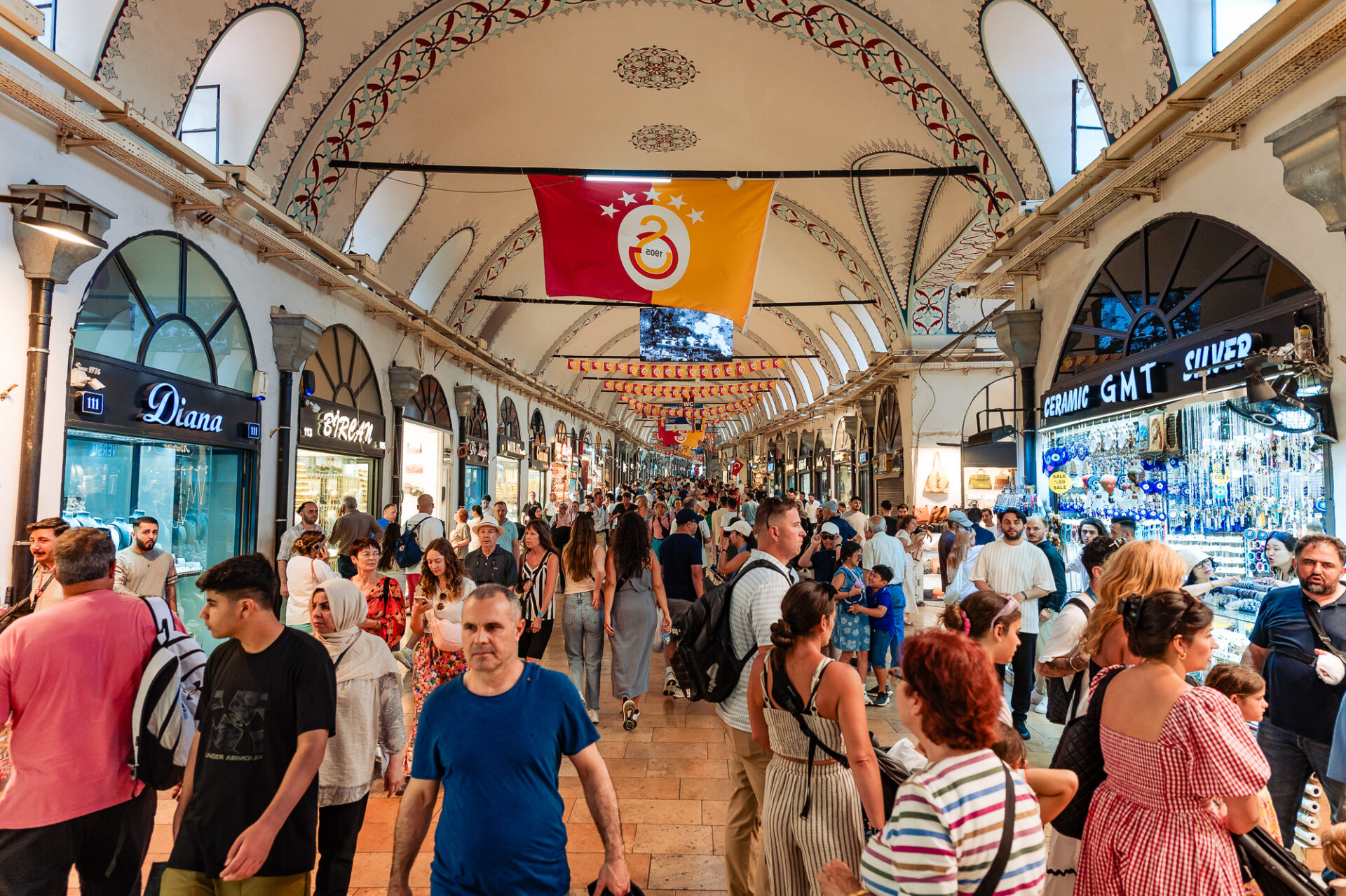
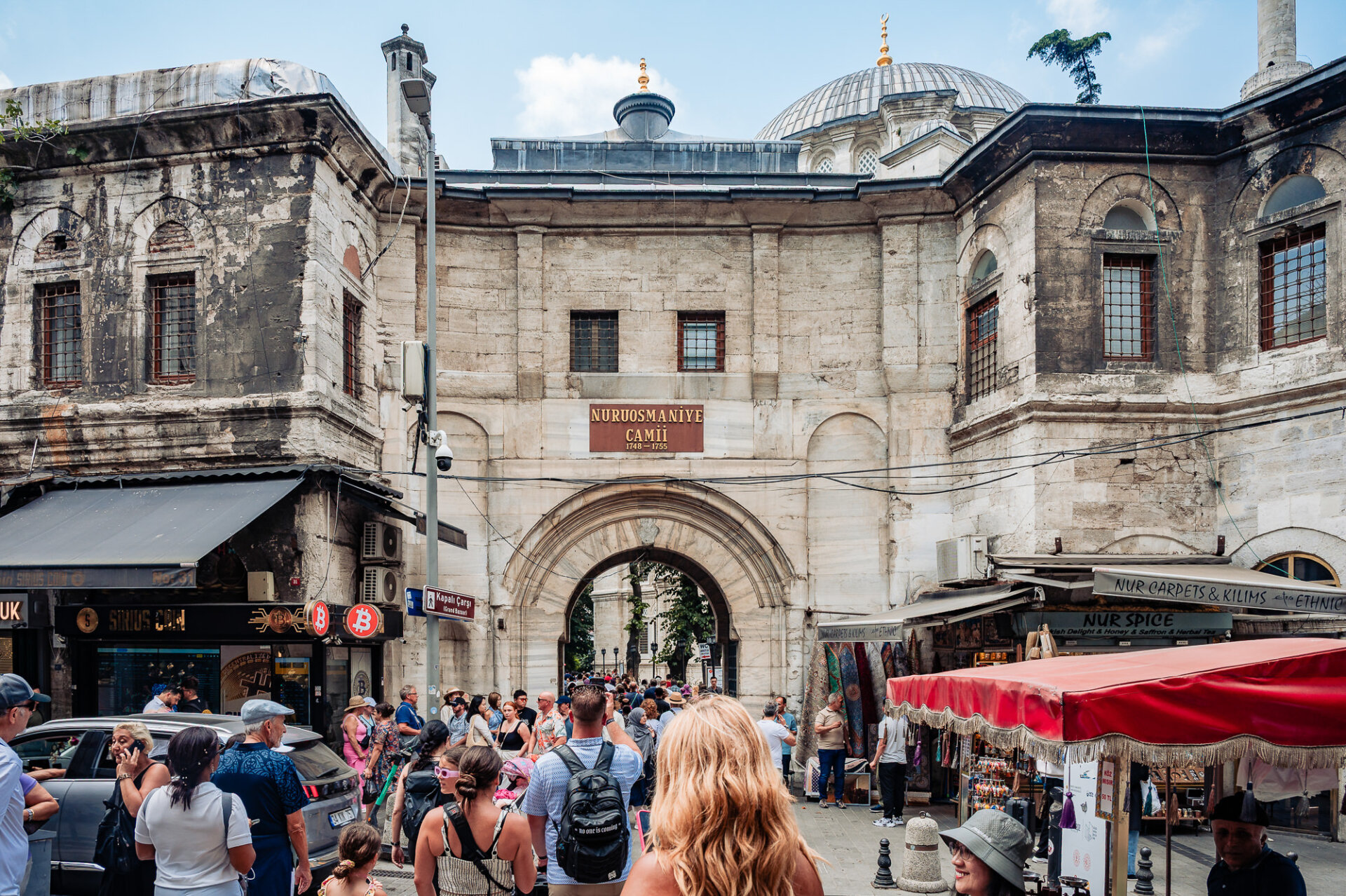
Istanbul does not hold back. It is busy, textured, and full of visual detail from the moment you arrive. One street gives you historic stone walls and old mosques. The next gives you trams, cafés, and the rush of modern city life. That mix is part of what makes it so memorable.
For me, Istanbul felt like a city built for wandering with a camera.
The Bosphorus
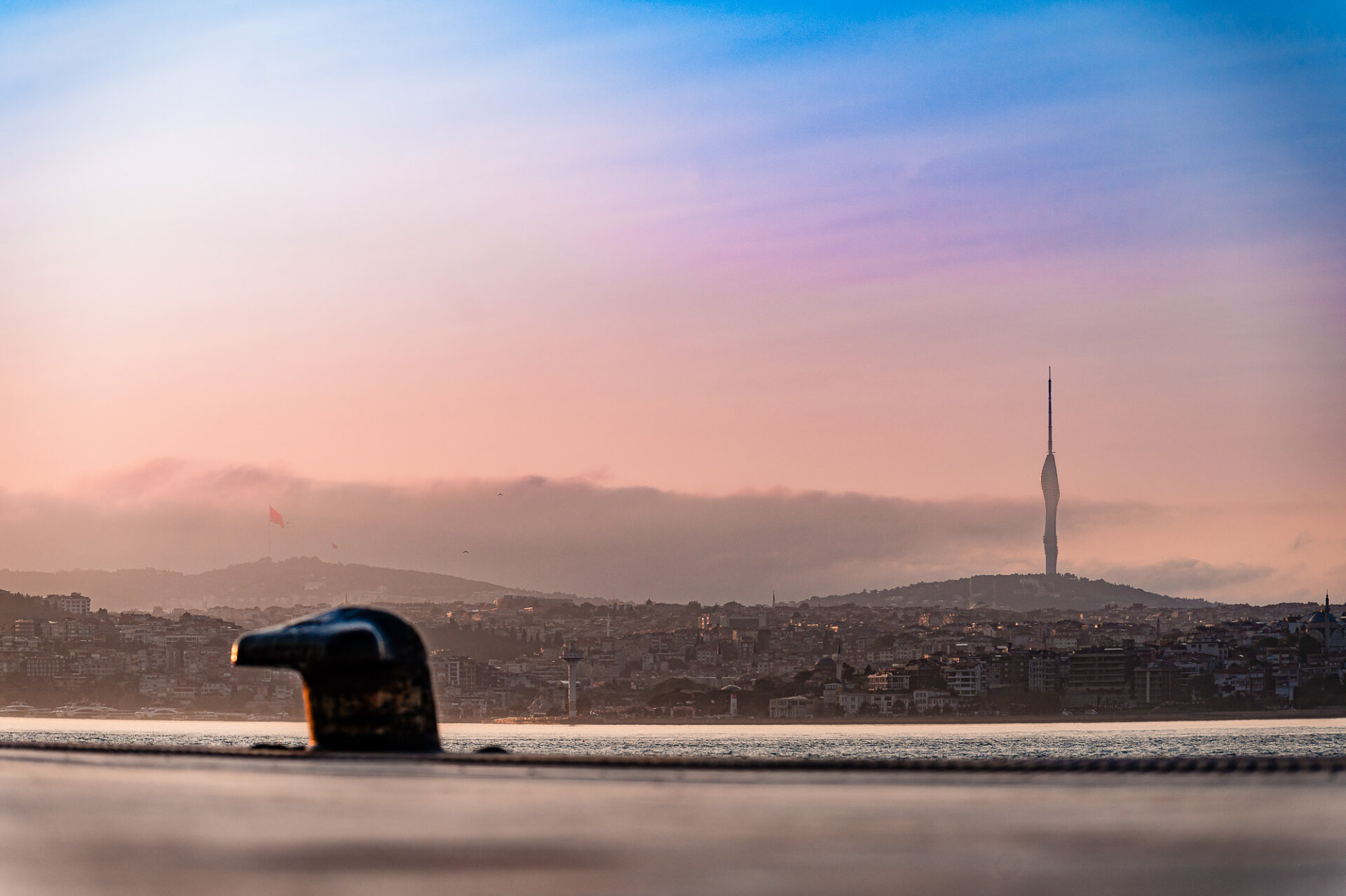
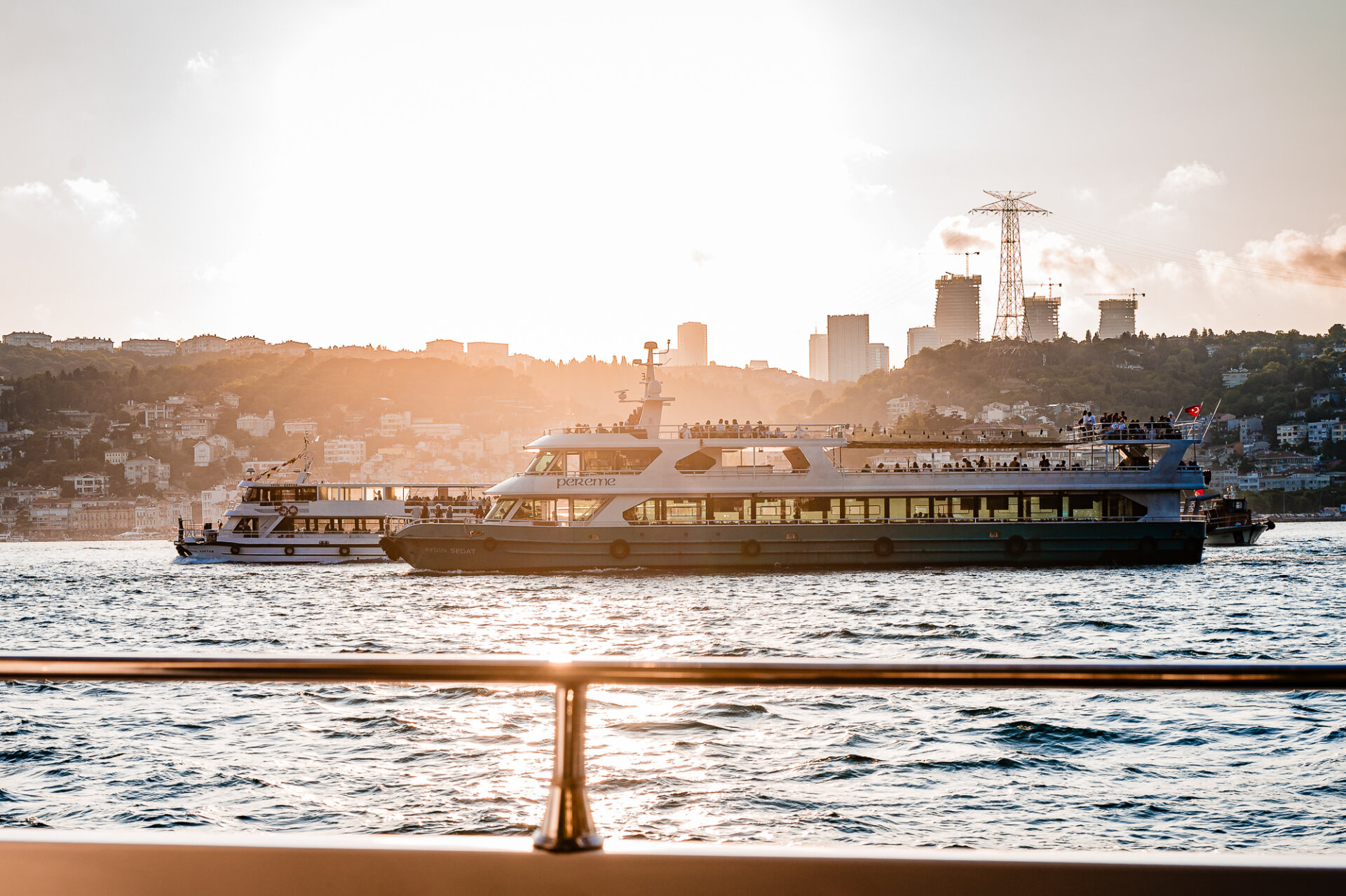
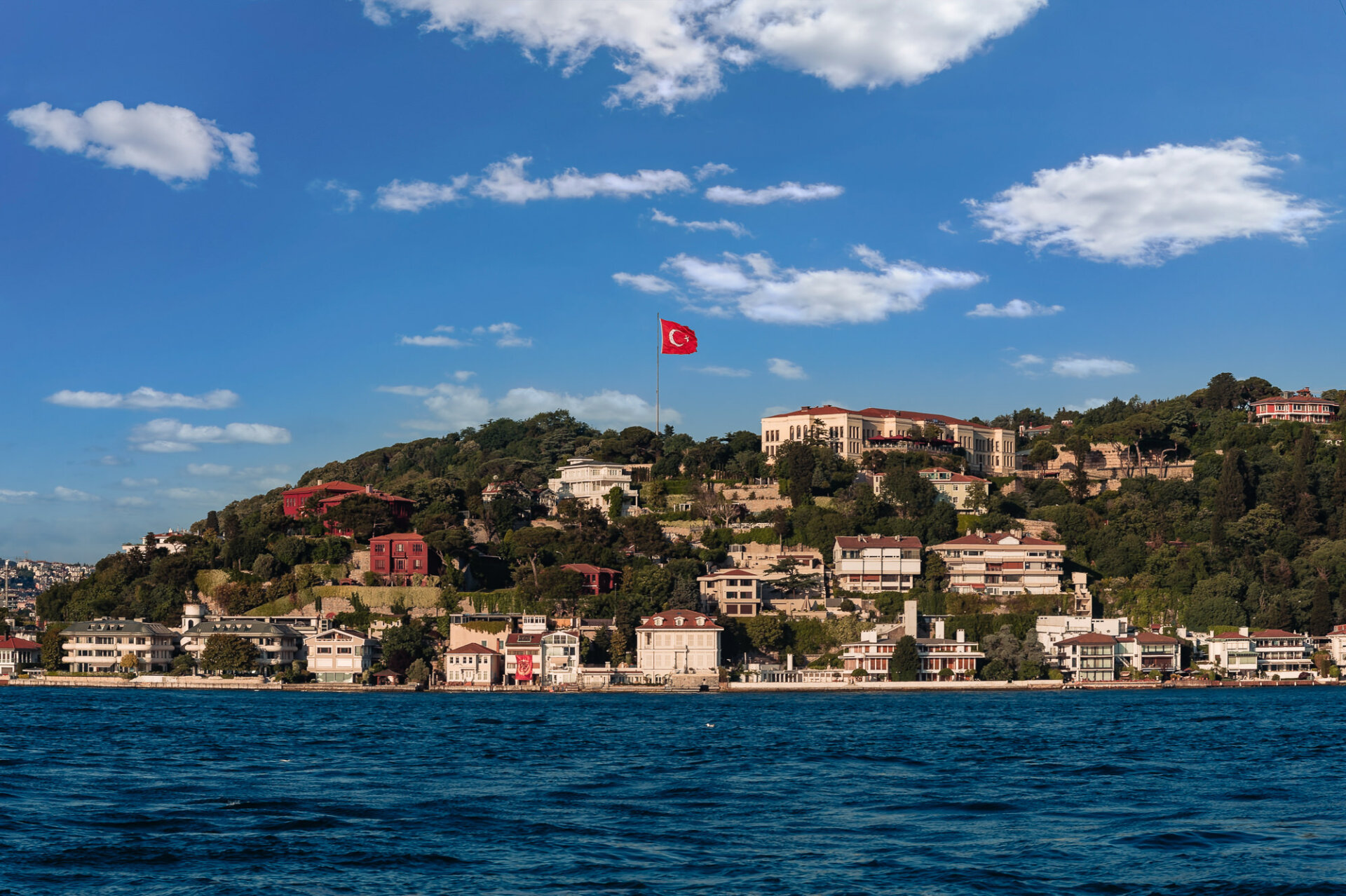
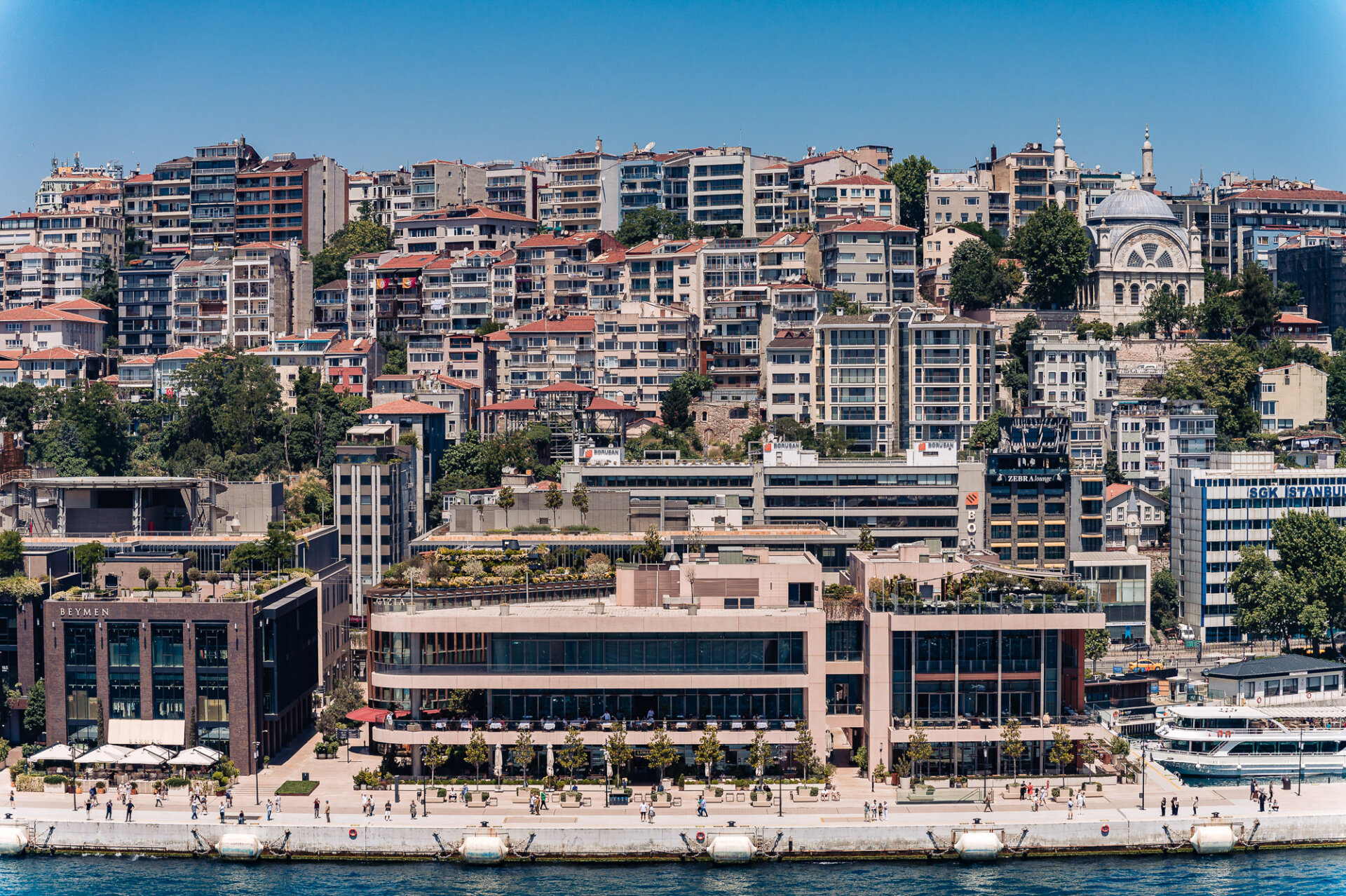
One of the first things that stood out was the Bosphorus itself. There are not many places where you can look across the water and feel the meeting point of two continents so clearly. The views from the shoreline were striking at every hour, but late afternoon and blue hour were my favourites.
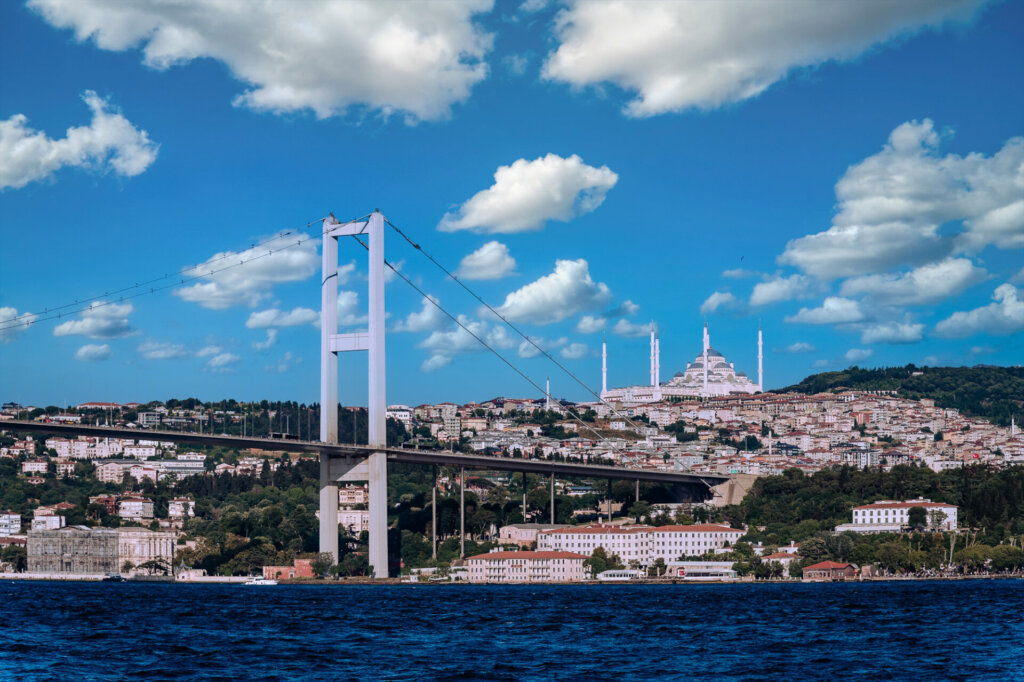
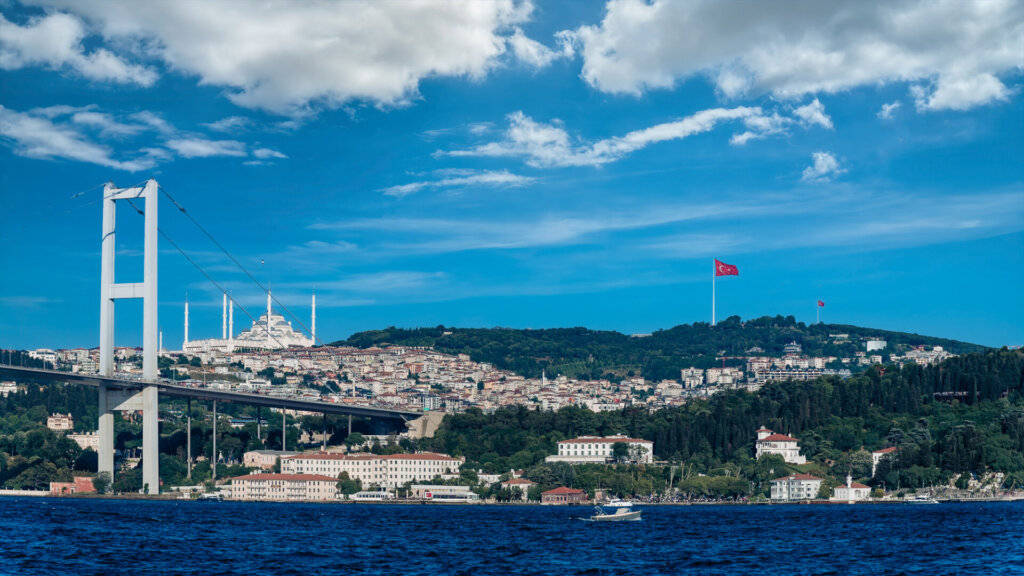
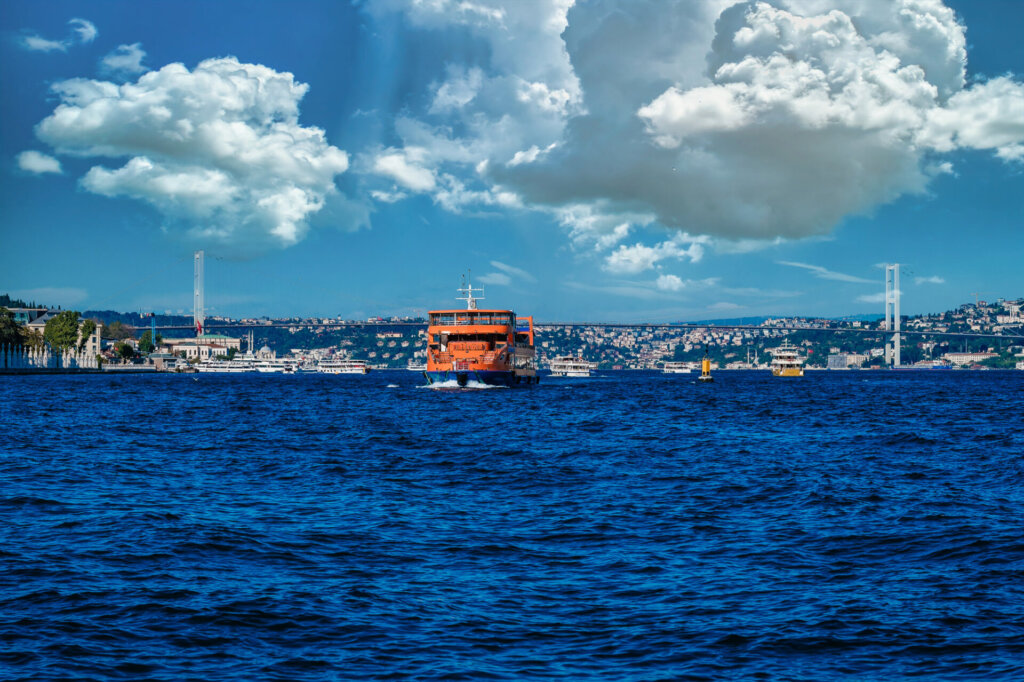
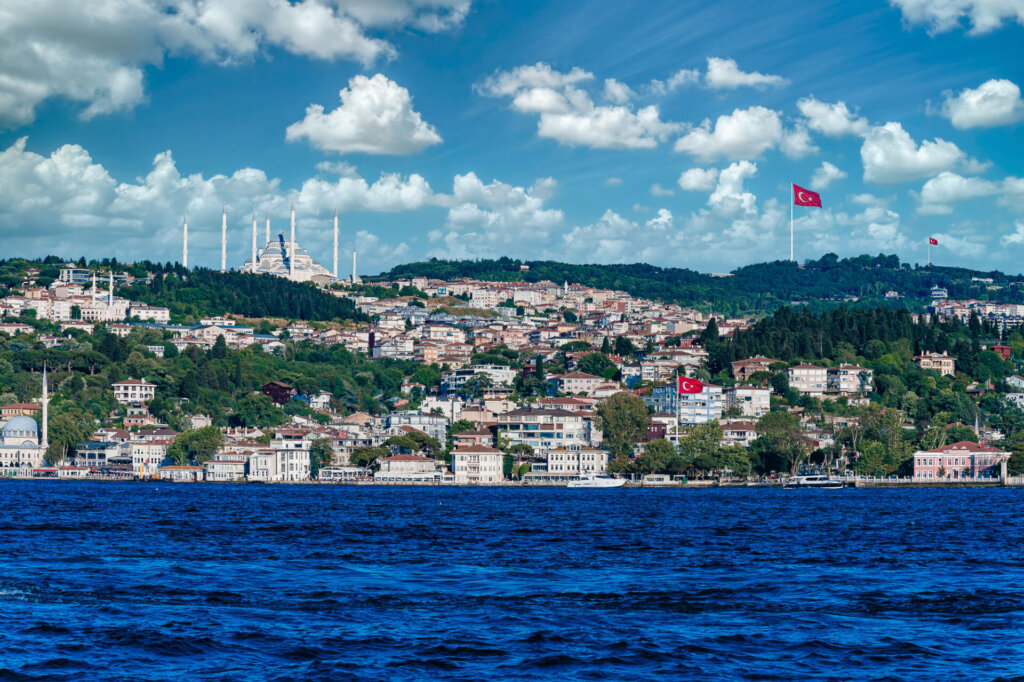
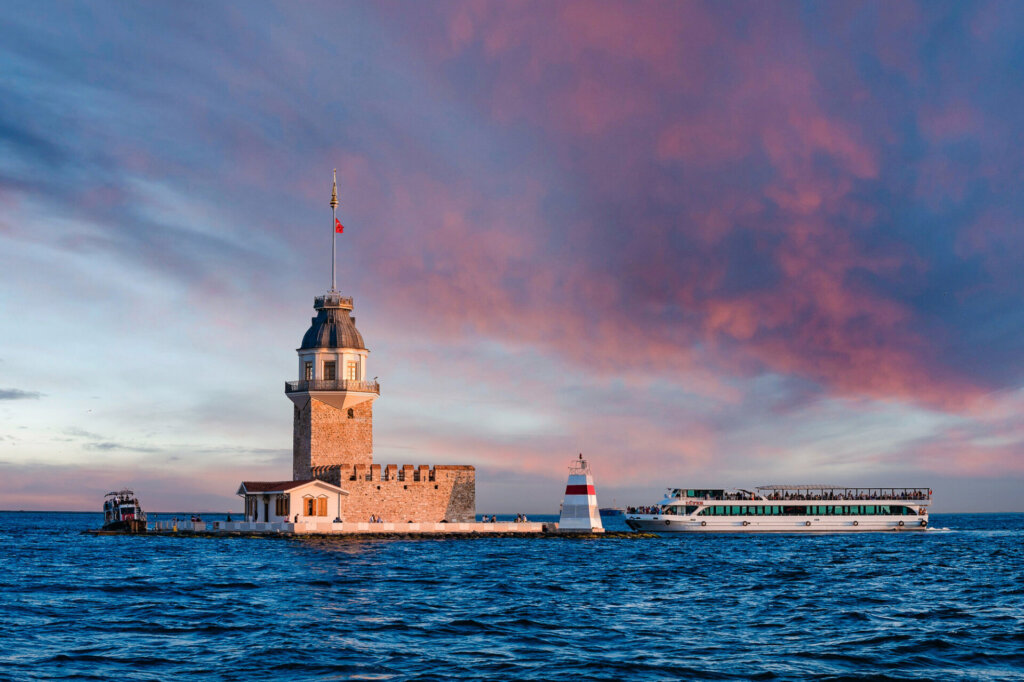
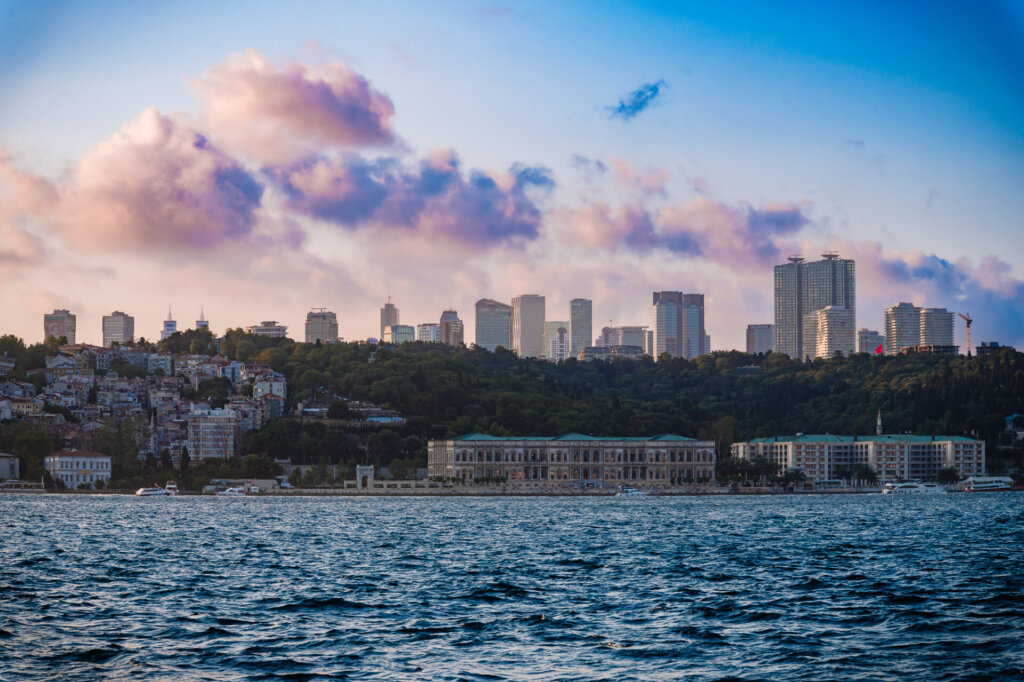
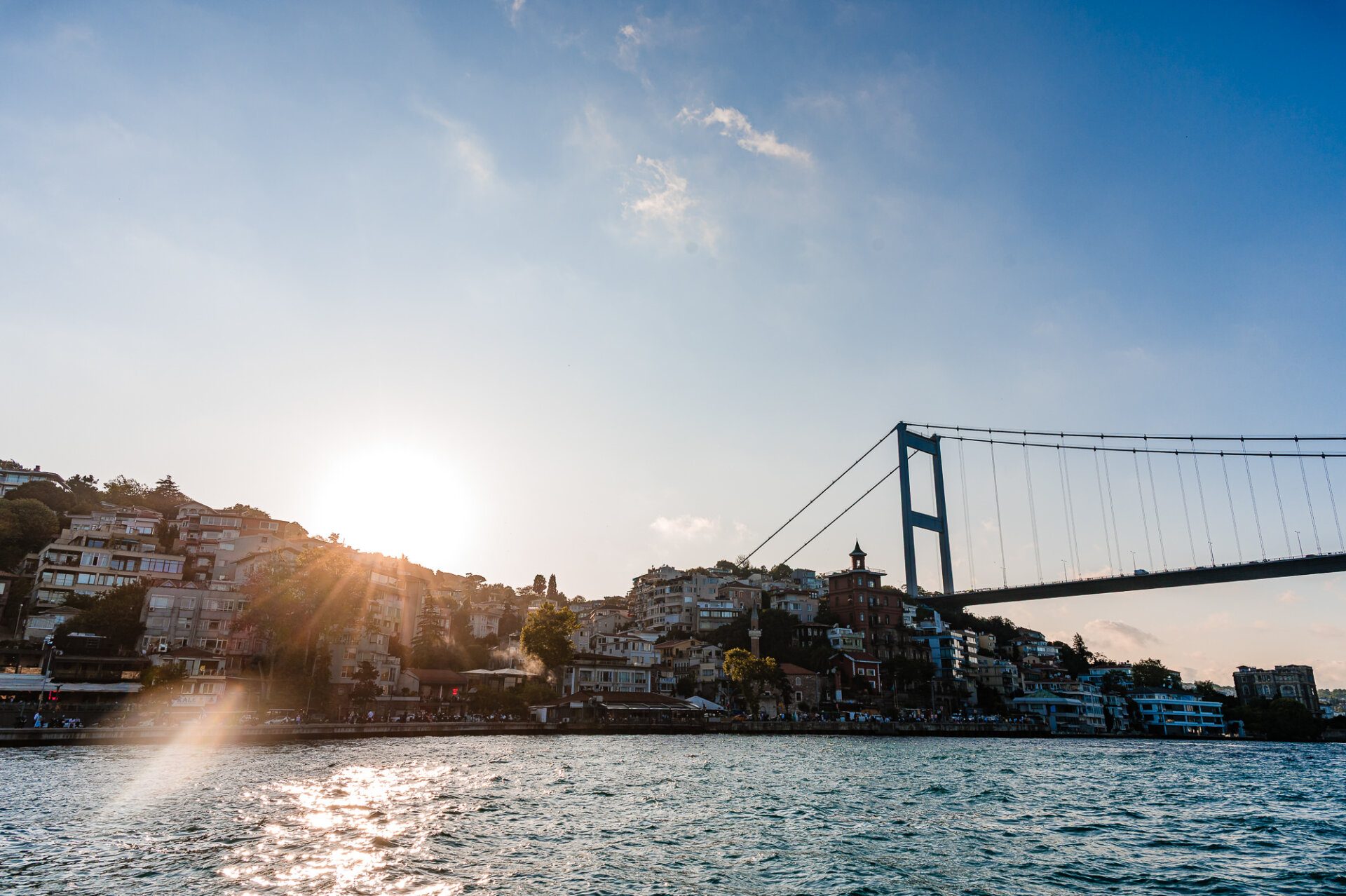
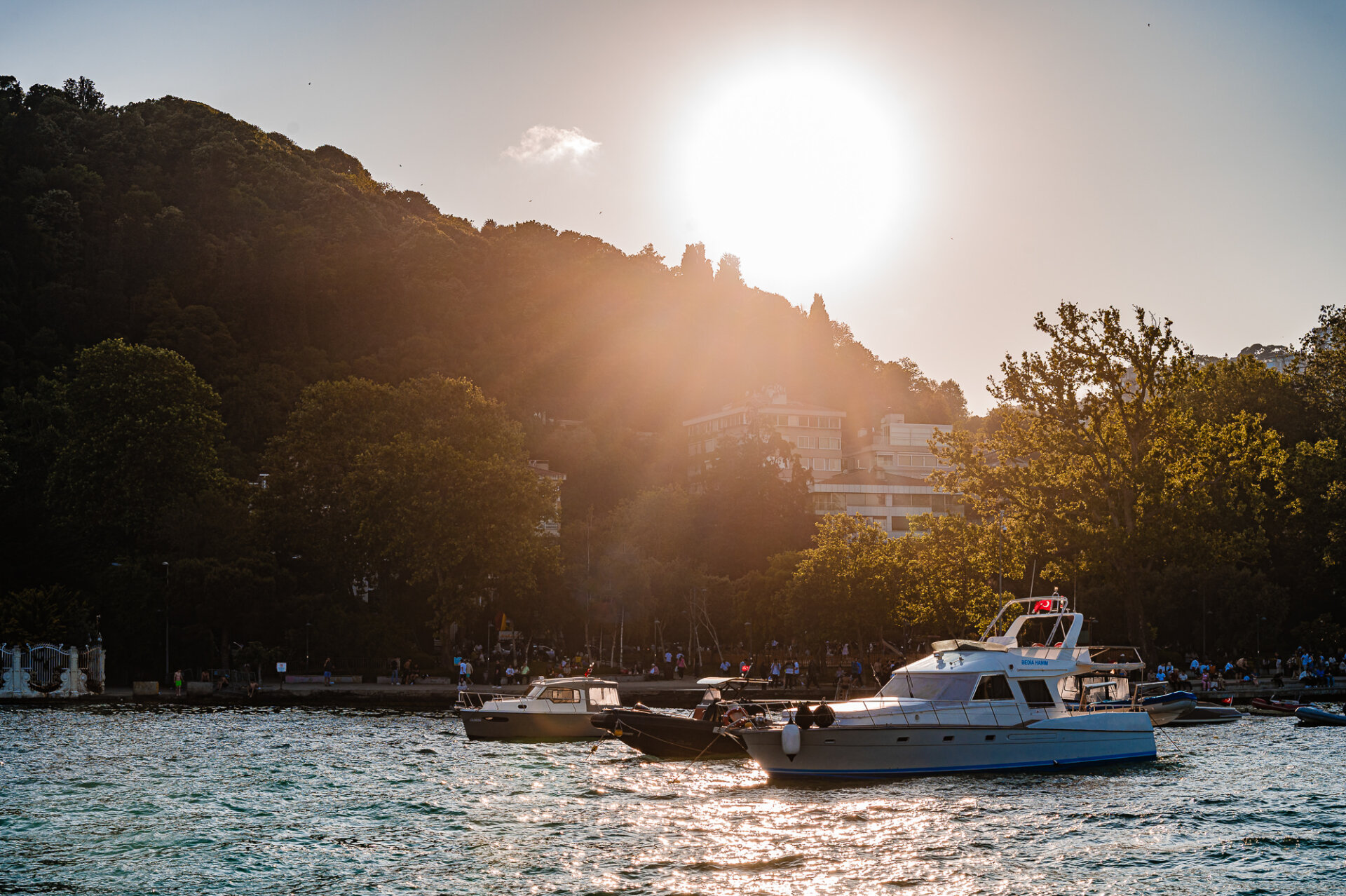
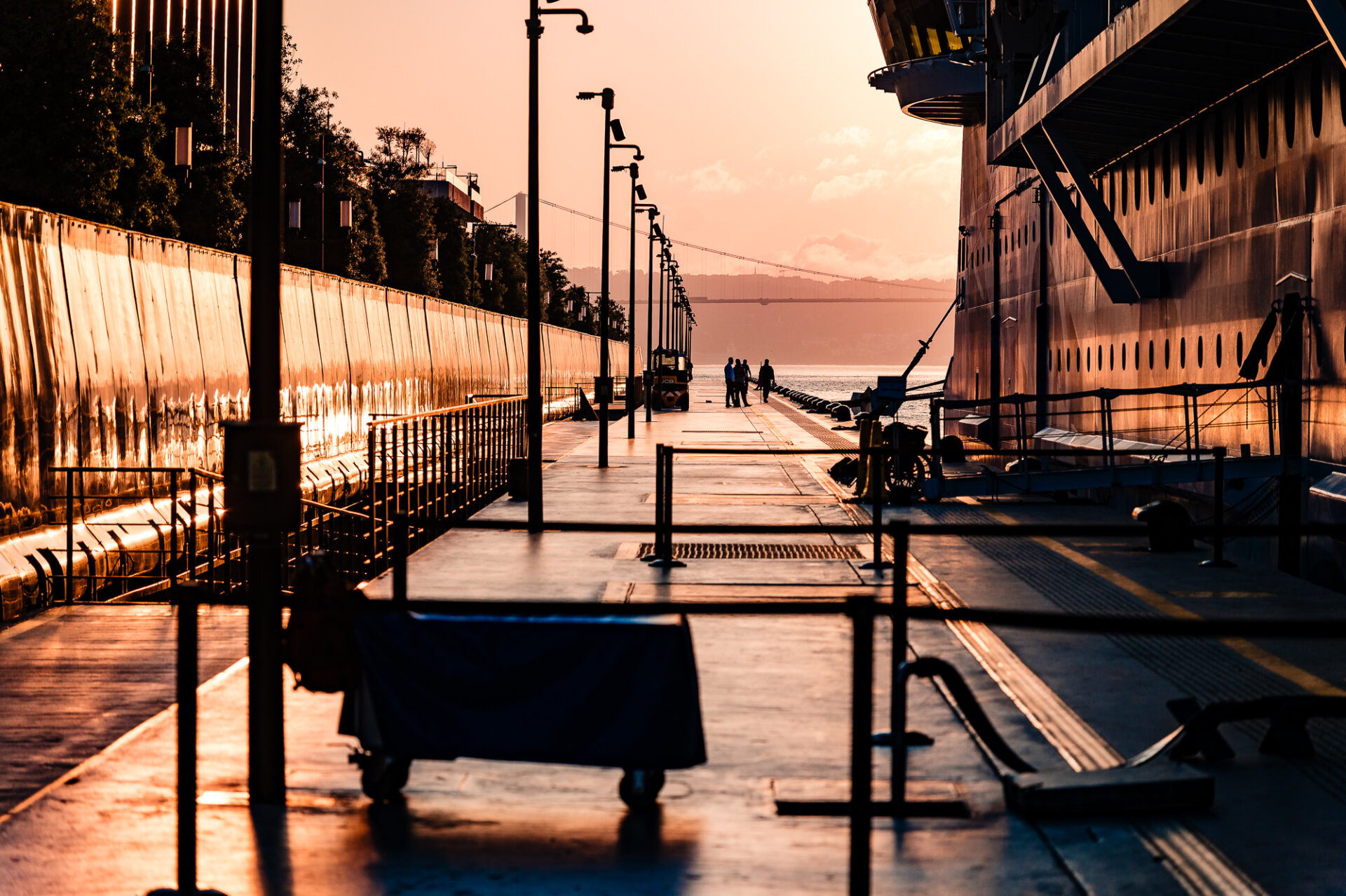
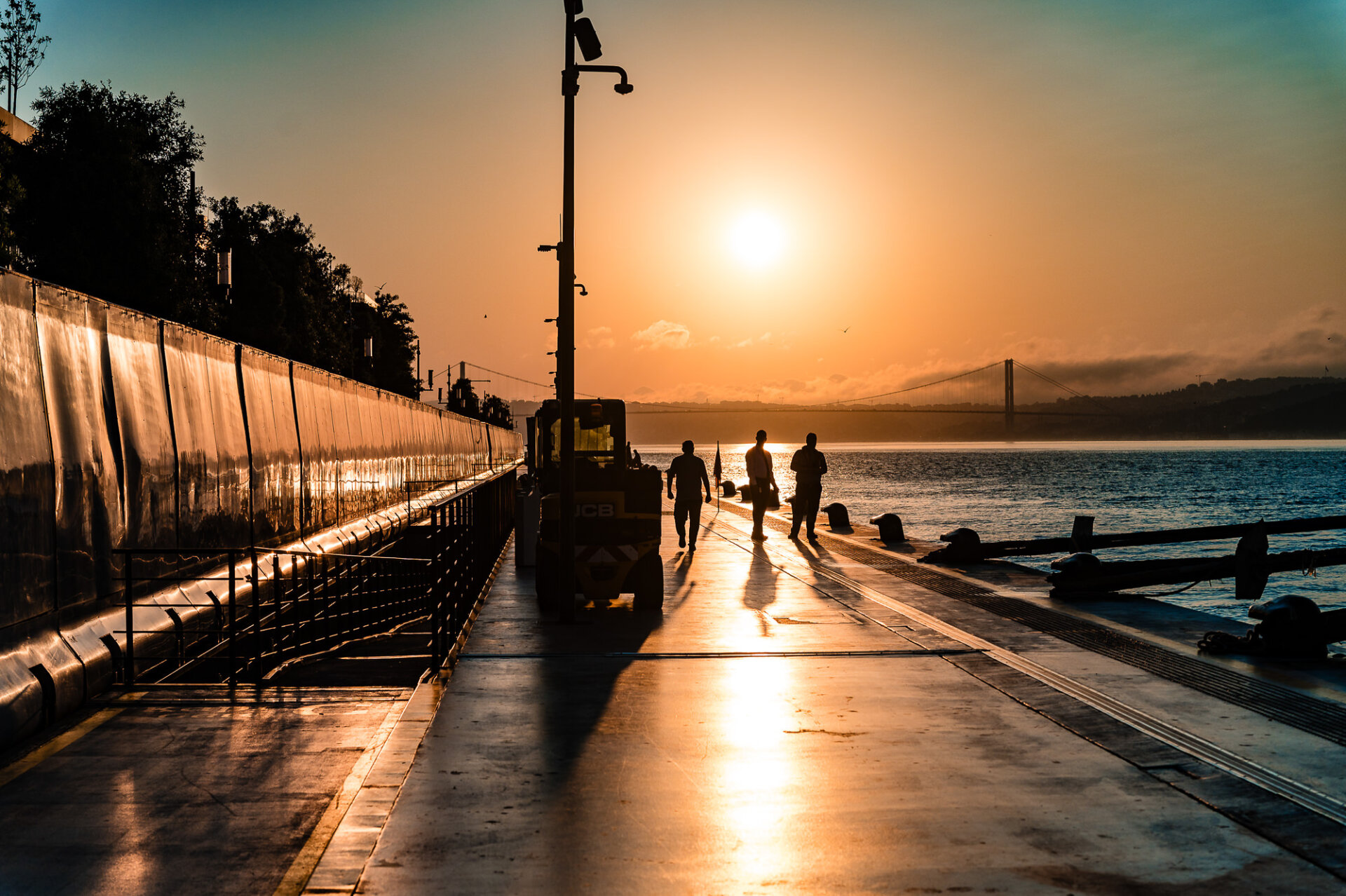
As the light softened, the water picked up a metallic glow, and the city began to shift. Bridges lit up. Ferries moved across the strait. The skyline became softer, moodier, and more cinematic.
This was one of those places where I kept stopping to take one more frame.
Galata Tower & Karaköy
The area around Karaköy had a completely different energy. It felt younger, more creative, and a little more relaxed. Cafés, galleries, side streets, and waterfront views all came together in a way that made it easy to spend hours there.
Galata Tower remains one of the best vantage points in the city. From above, Istanbul opens up in every direction. You can trace the curve of the water, pick out the old city skyline, and get a better sense of just how layered the place really is.
Even without going up the tower, the neighbourhood itself is worth the time. It has a great balance of history and movement.
Nusretiye Mosque
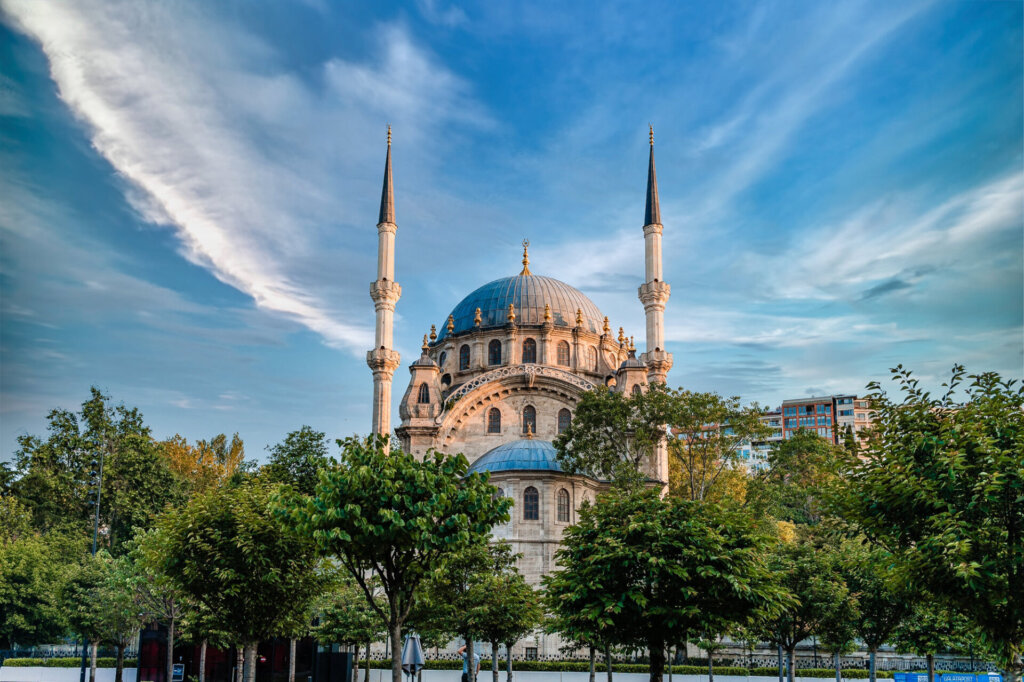
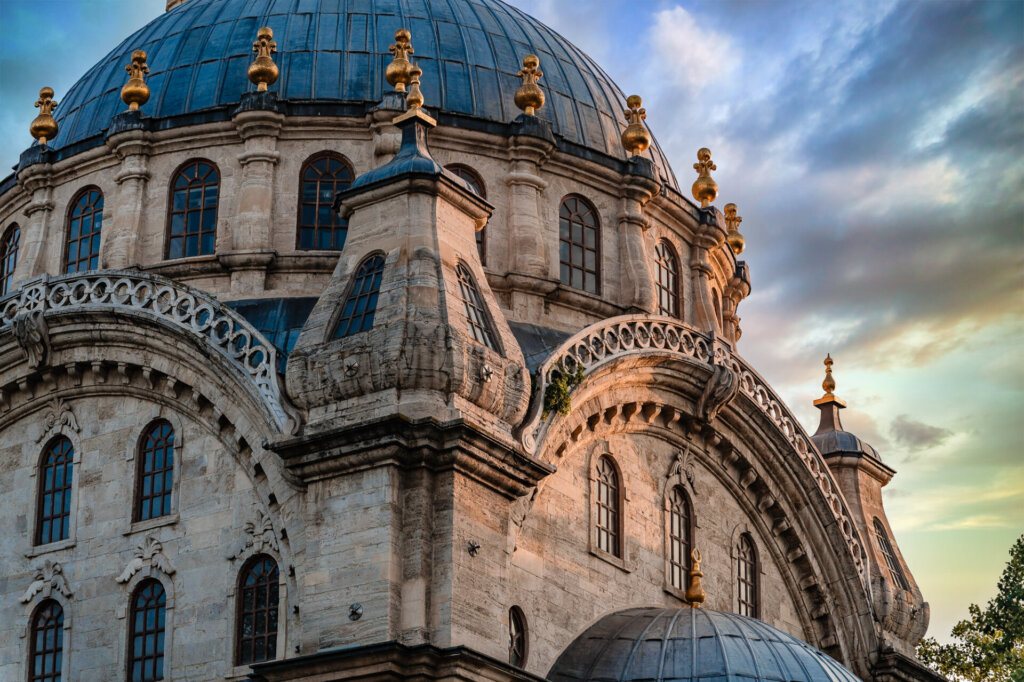
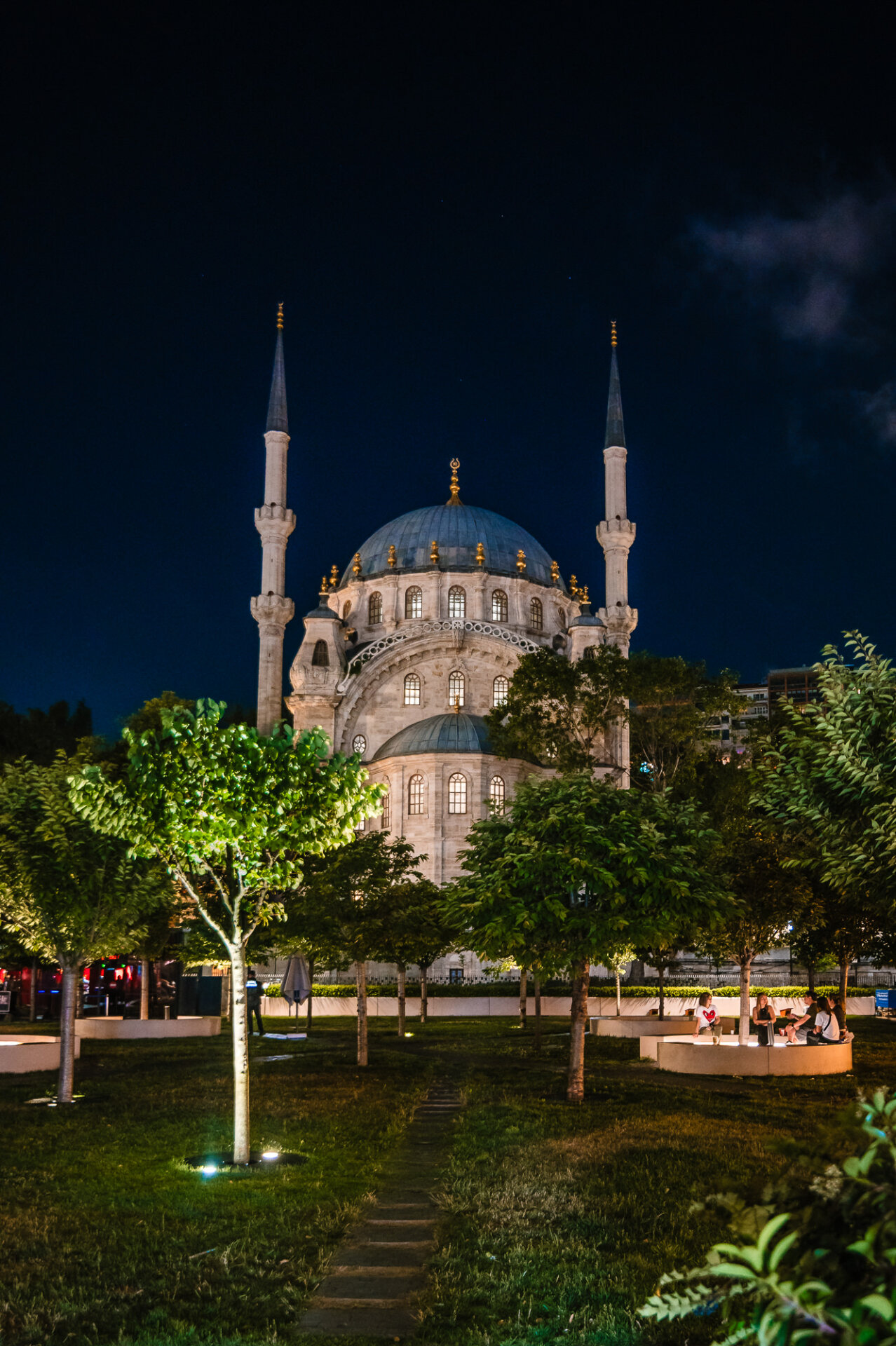
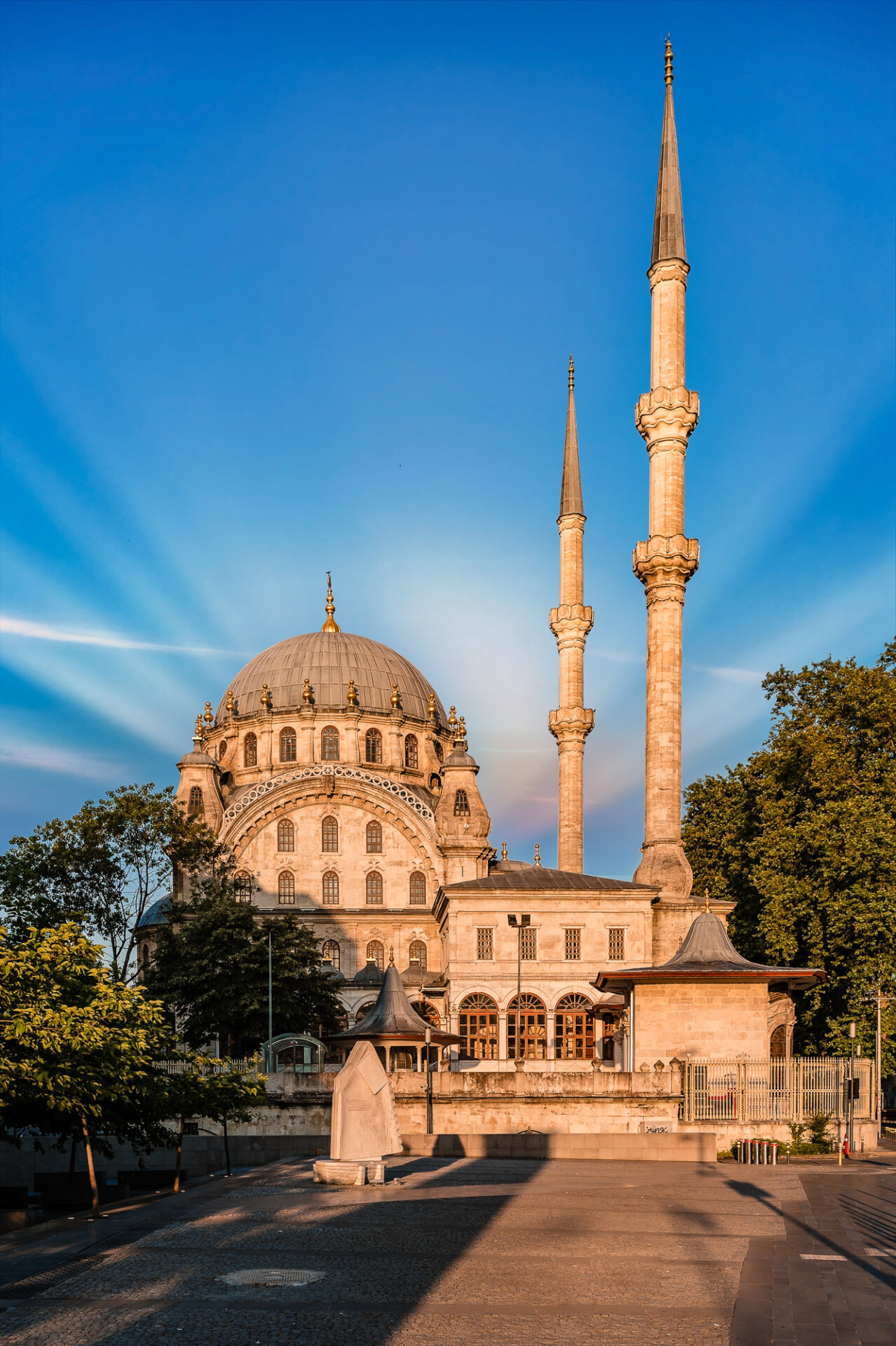
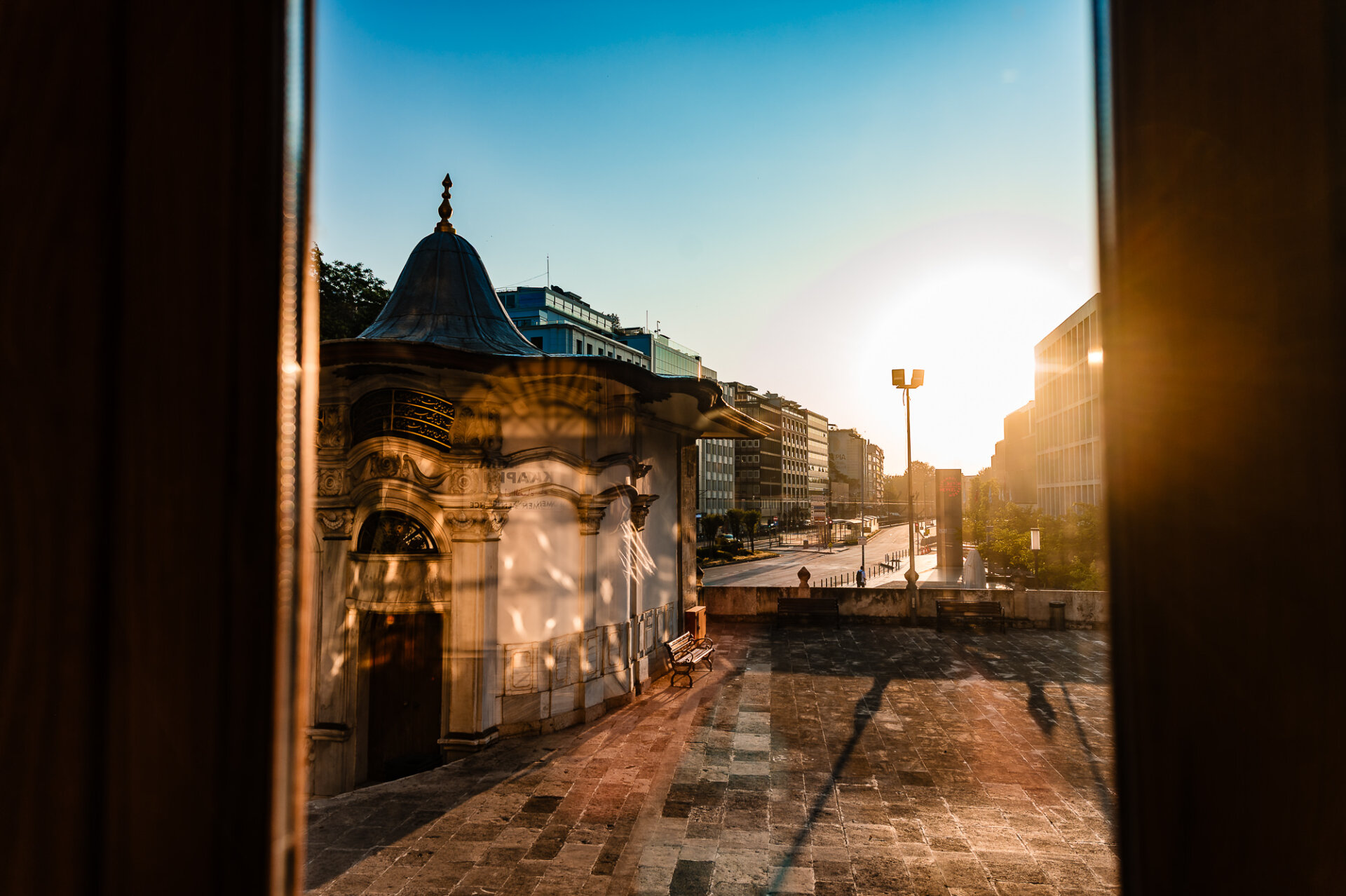
One of my favourite discoveries in Istanbul was the Nusretiye Mosque. It may not be the first site most visitors put on their list, but it stopped me in my tracks.
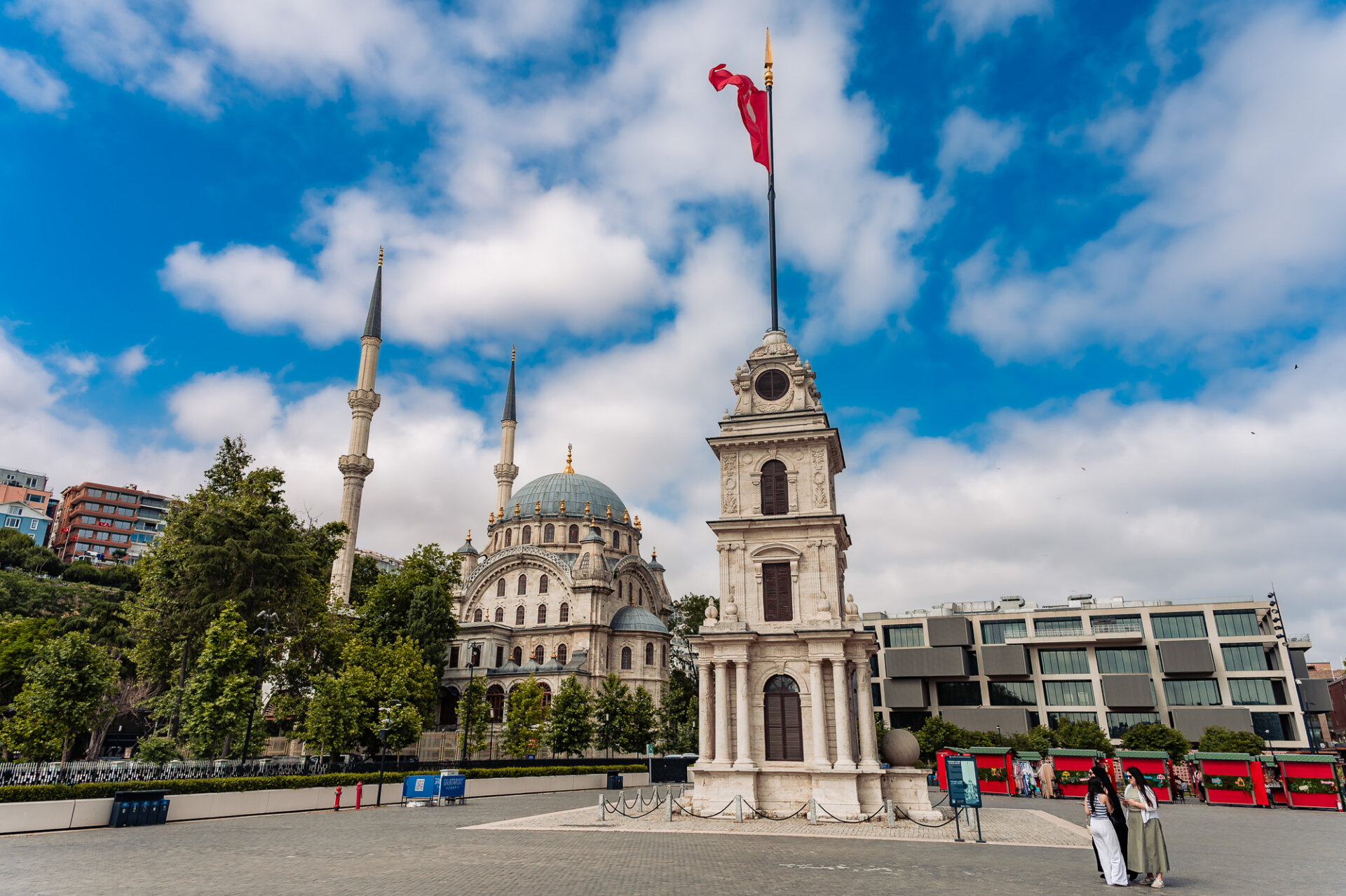
The Nusretiye Clock Tower (also known as Tophane Clock Tower)
The design felt lighter and more delicate than some of the city’s grander mosques. Inside, the atmosphere was calm and intimate. The light coming through the windows gave the interior a softness that was especially beautiful to photograph.
I always love finding places that feel slightly removed from the main current of tourism, and this was one of them.
The Blue Mosque
Of course, no visit to Istanbul feels complete without seeing the Blue Mosque.
From the outside, it has the kind of presence that instantly explains why it is one of the city’s best-known landmarks. The domes, the minarets, the scale of it all, it holds the skyline in a way that is hard to ignore.
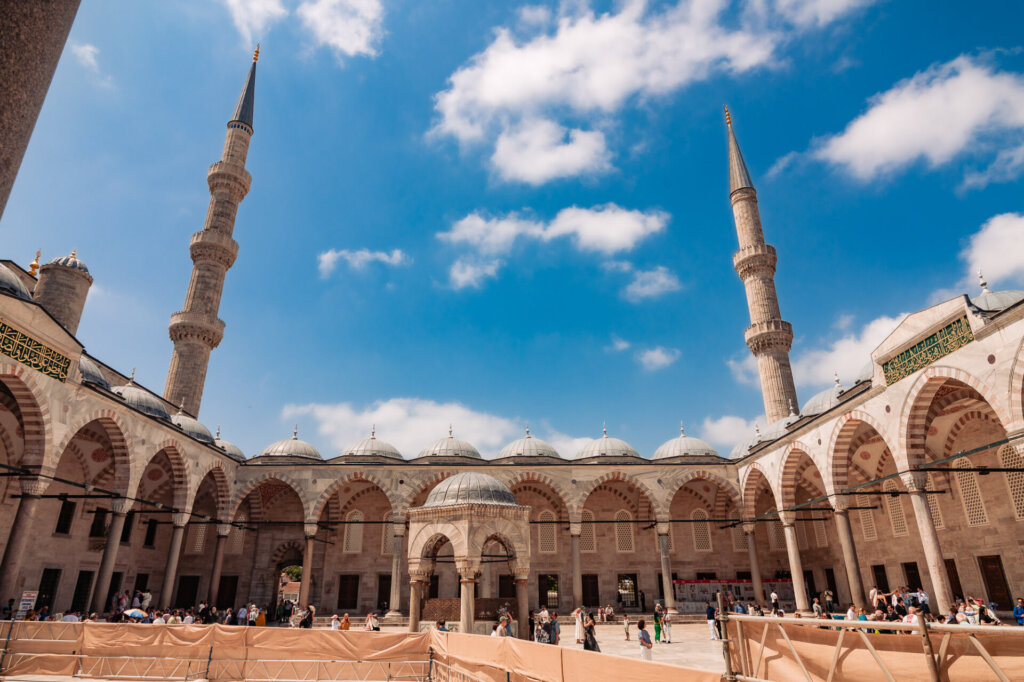
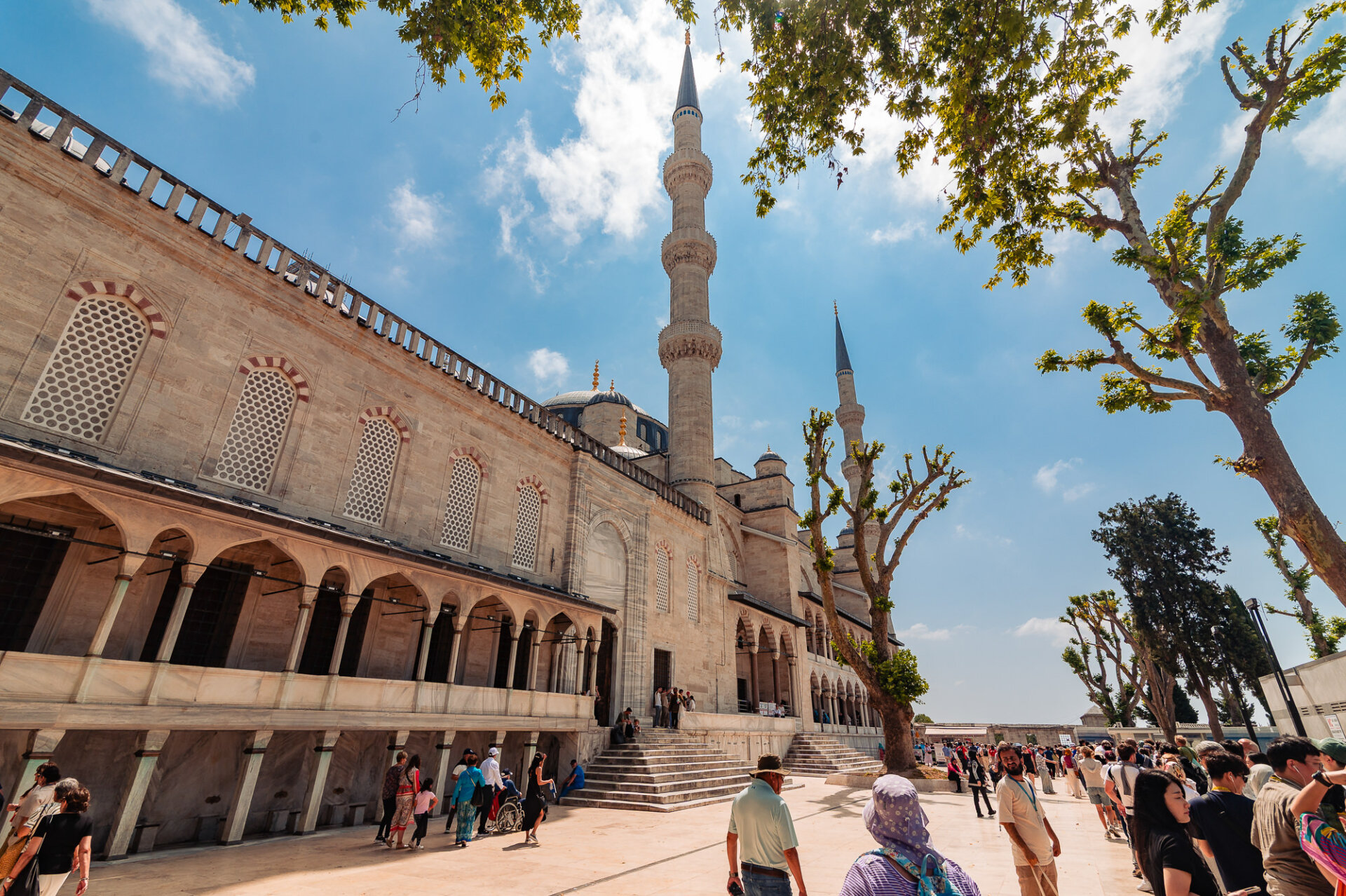
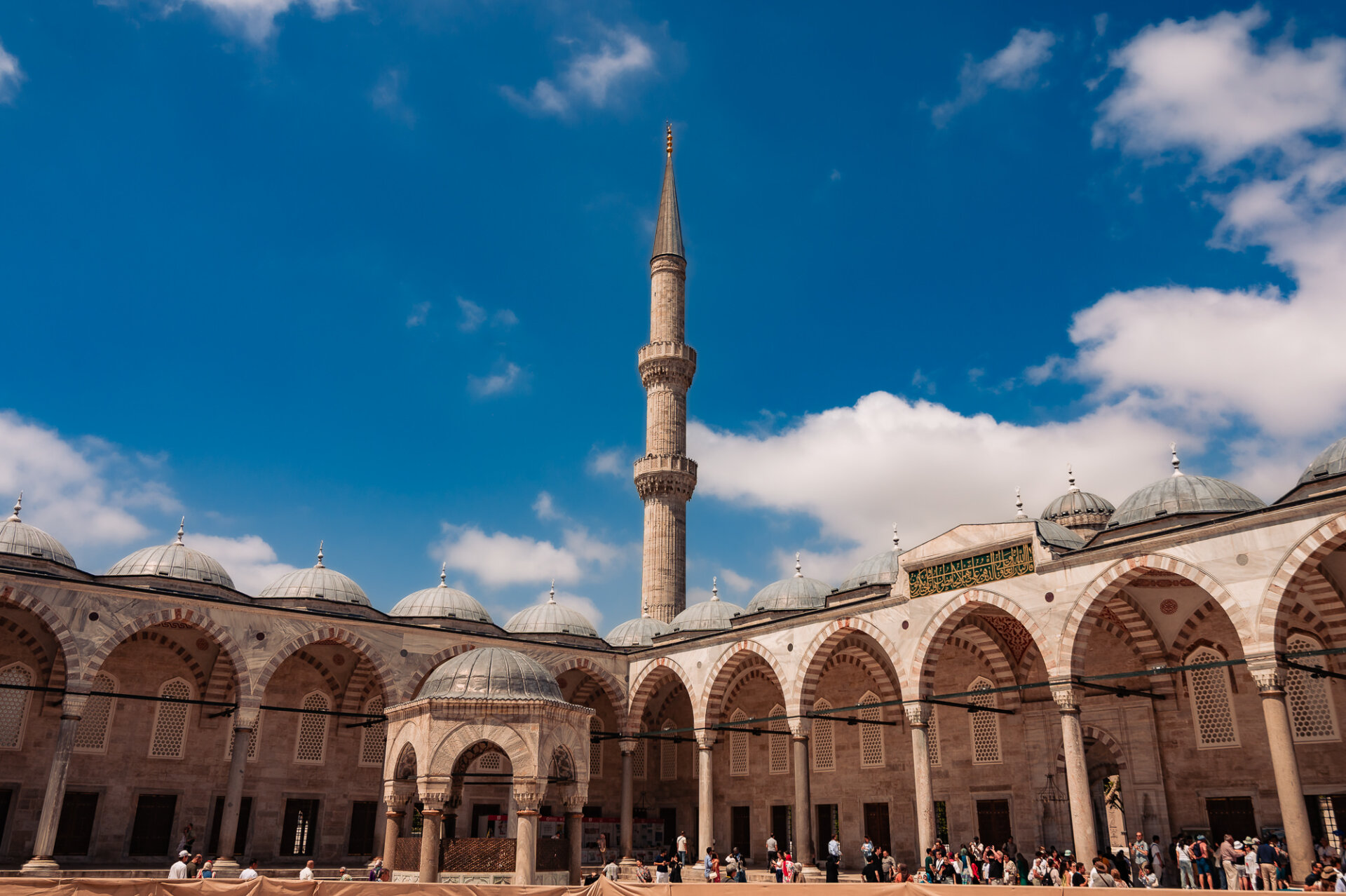
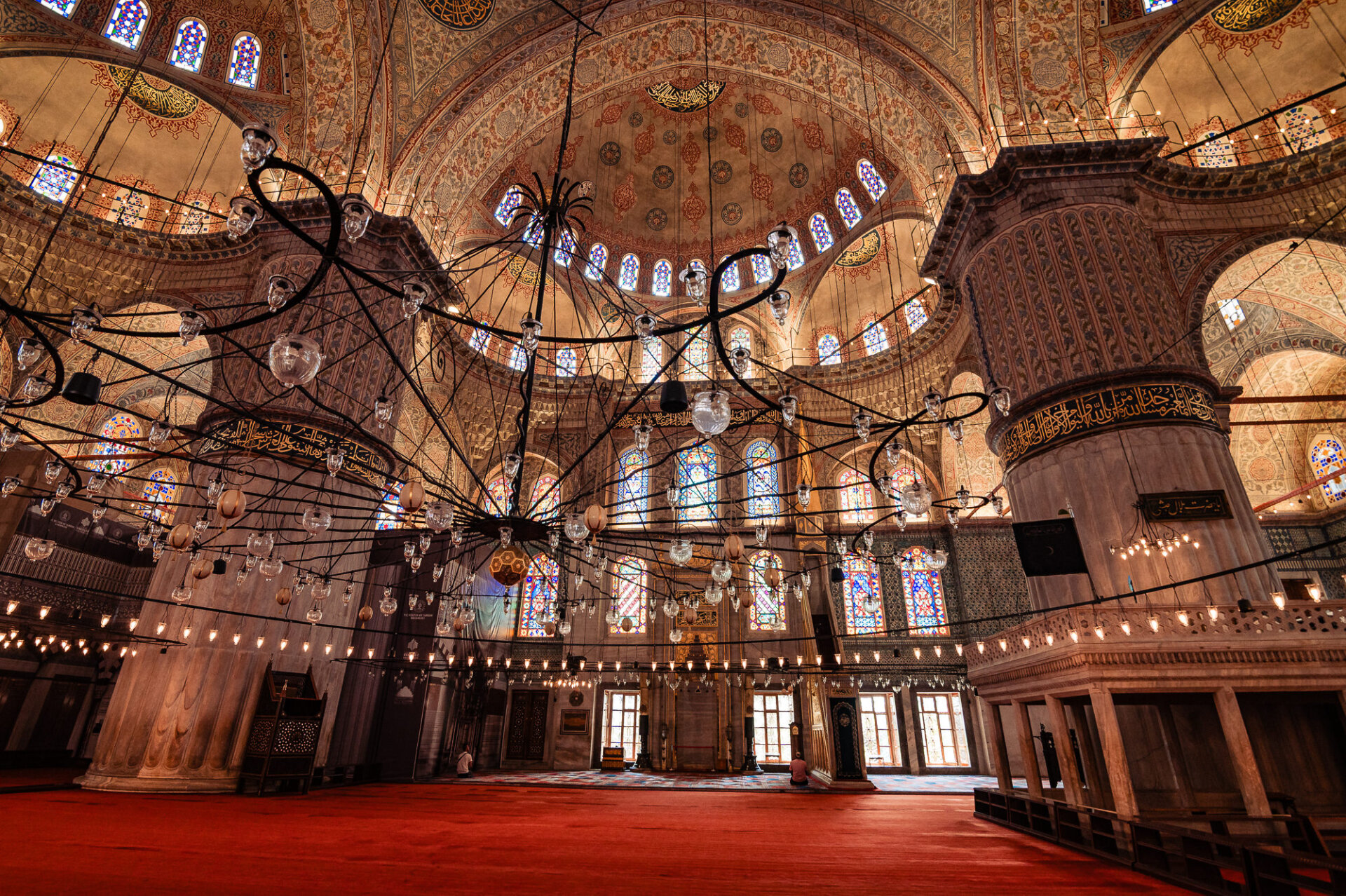
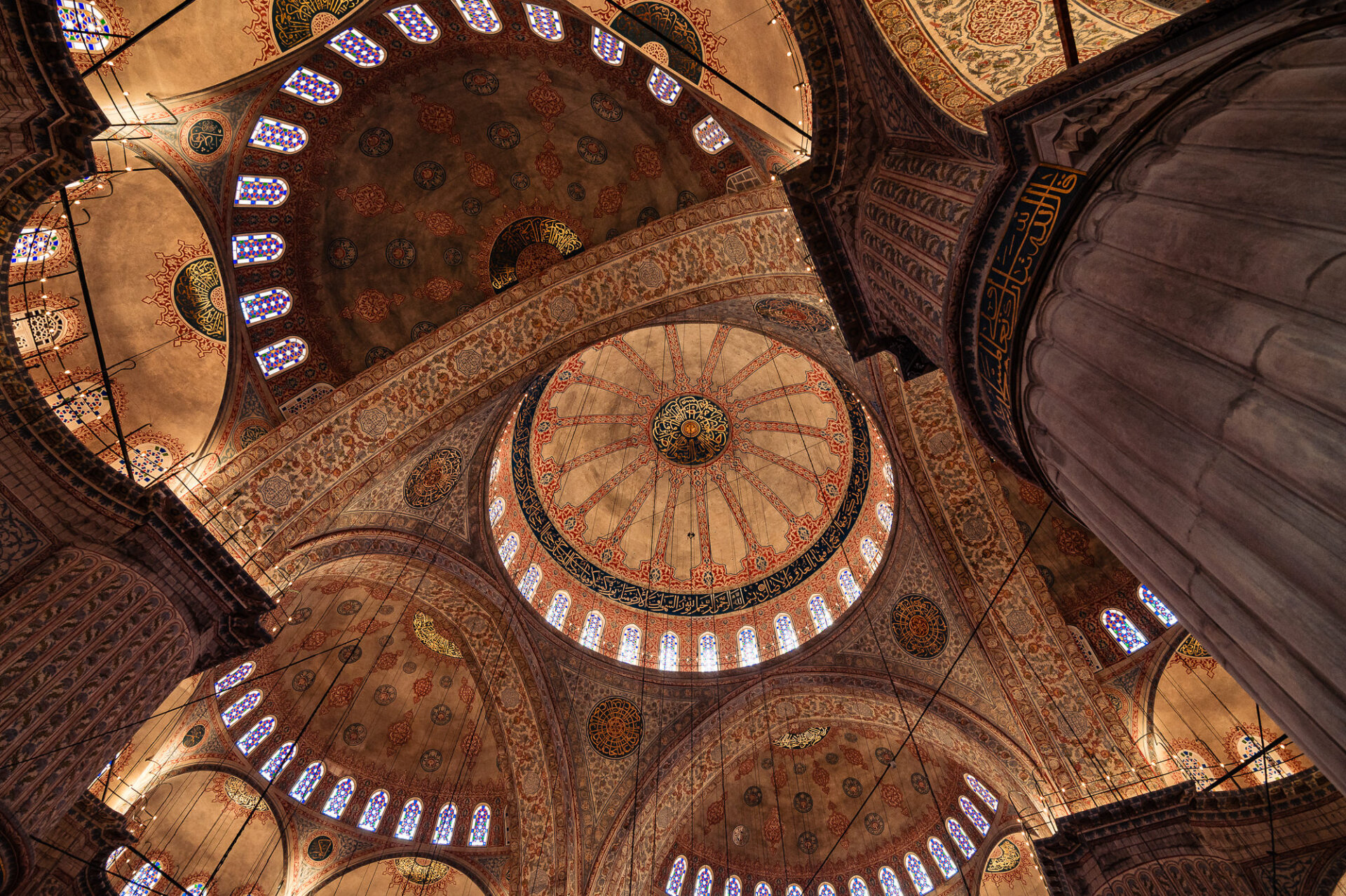
Inside, what struck me most was the light. It filtered through the space so gently that everything felt quieter, even with other visitors around. As a photographer, I kept noticing how the tones shifted depending on where you stood. It is the kind of place that rewards patience.
A Family Note on Istanbul
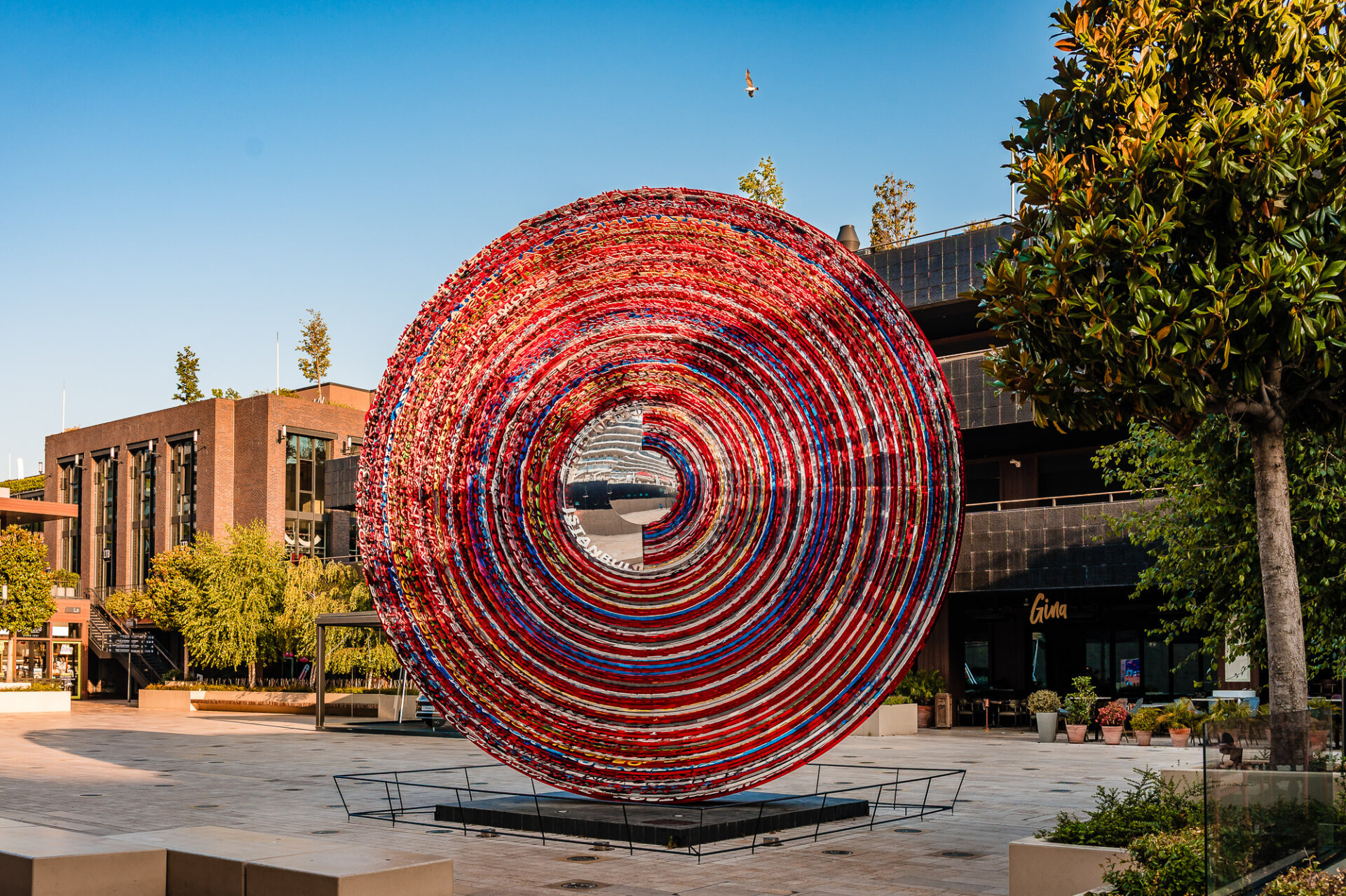
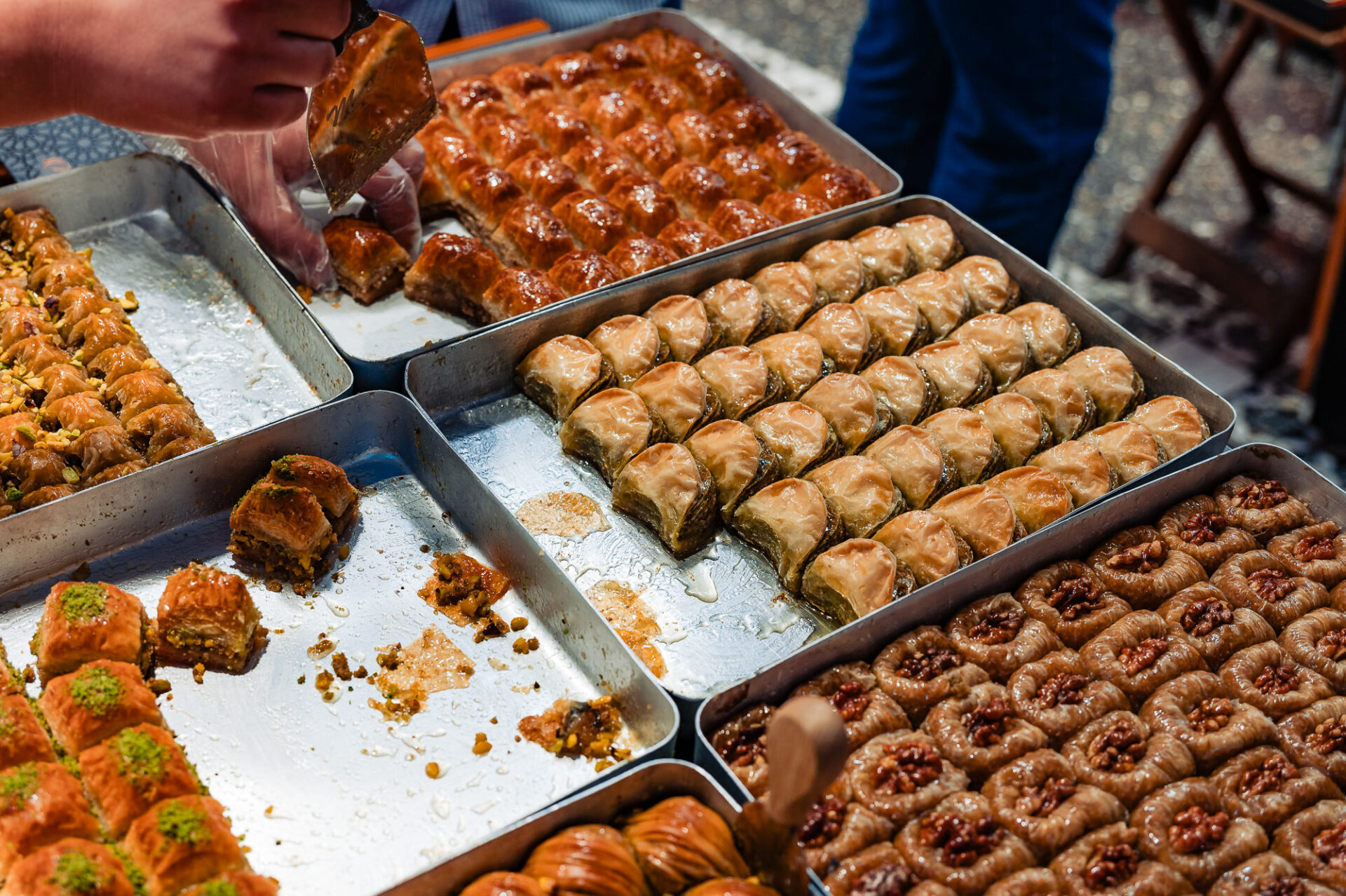
For our family, Istanbul was full of small moments as much as it was of famous landmarks. Warm bread from a street cart. The sound of the city settling into the evening. Looking out over the water and trying to take in everything at once.
Those are often the details that stay the longest.
Kusadasi
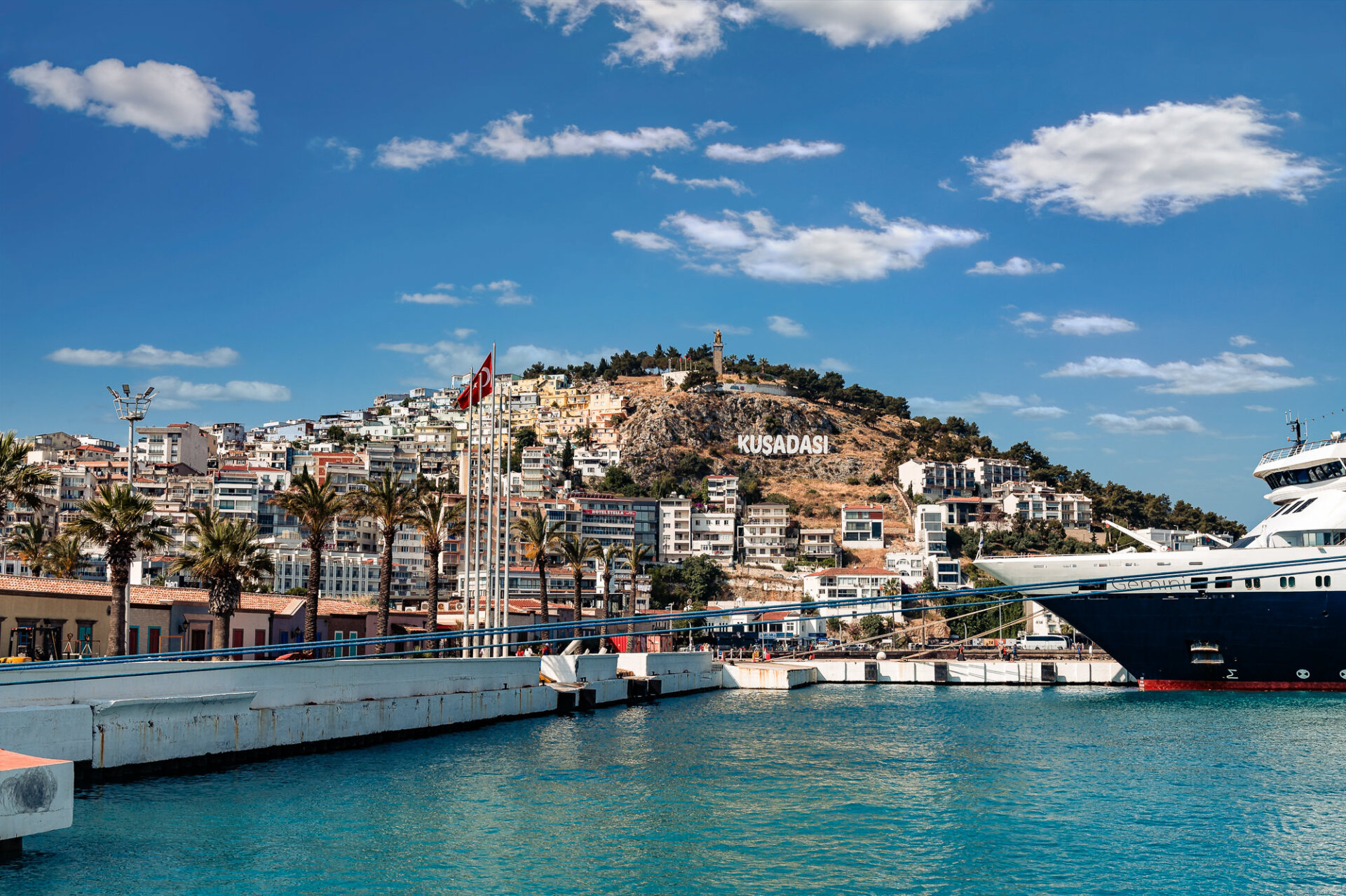
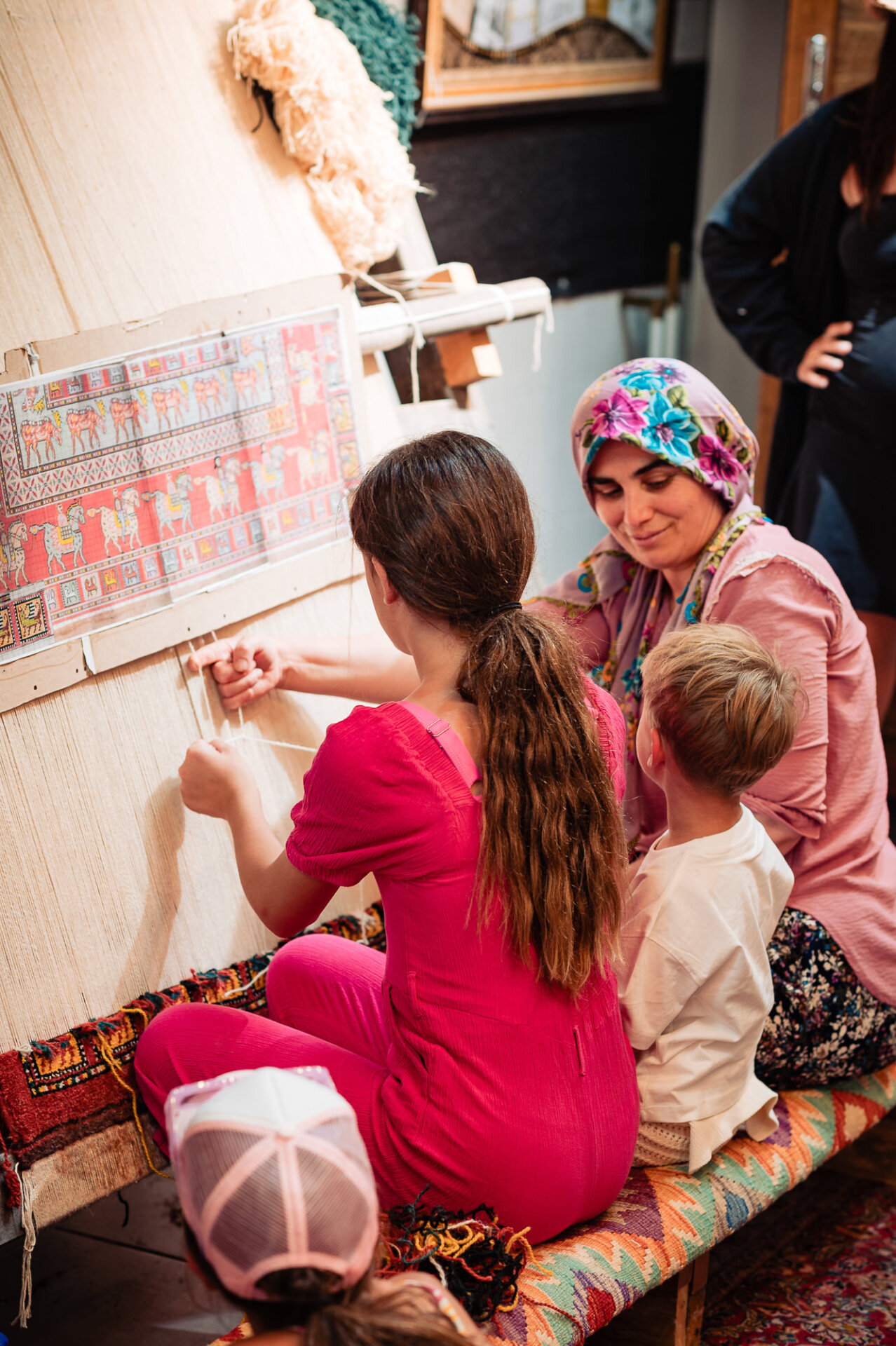
After Istanbul, Kusadasi felt like the best change of pace. The atmosphere was lighter and quieter, with sea air, sun, and a more relaxed rhythm. It made a good base for heading into one of the most remarkable places we visited on the entire trip.
Ephesus
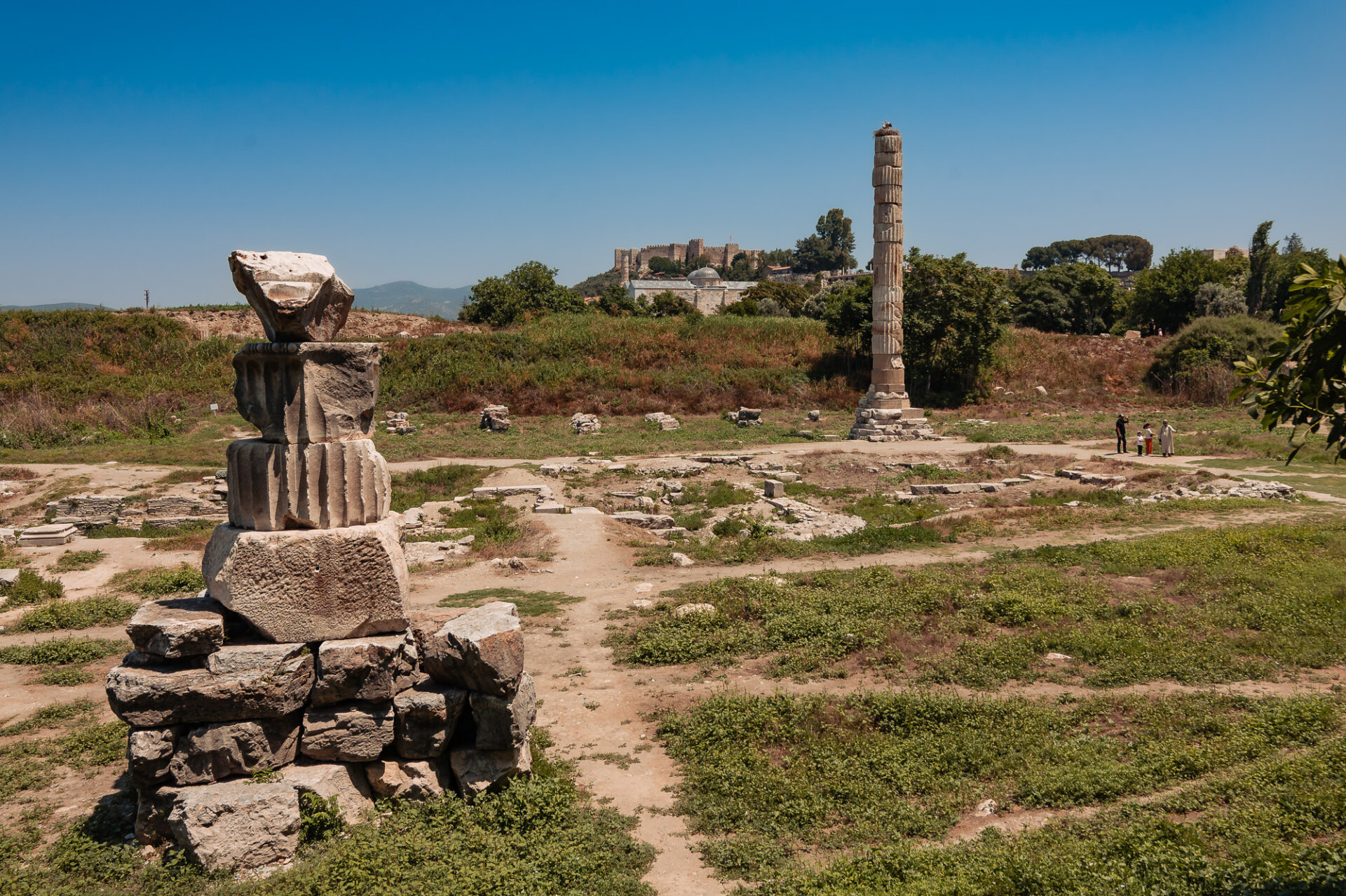
Ephesus was extraordinary.
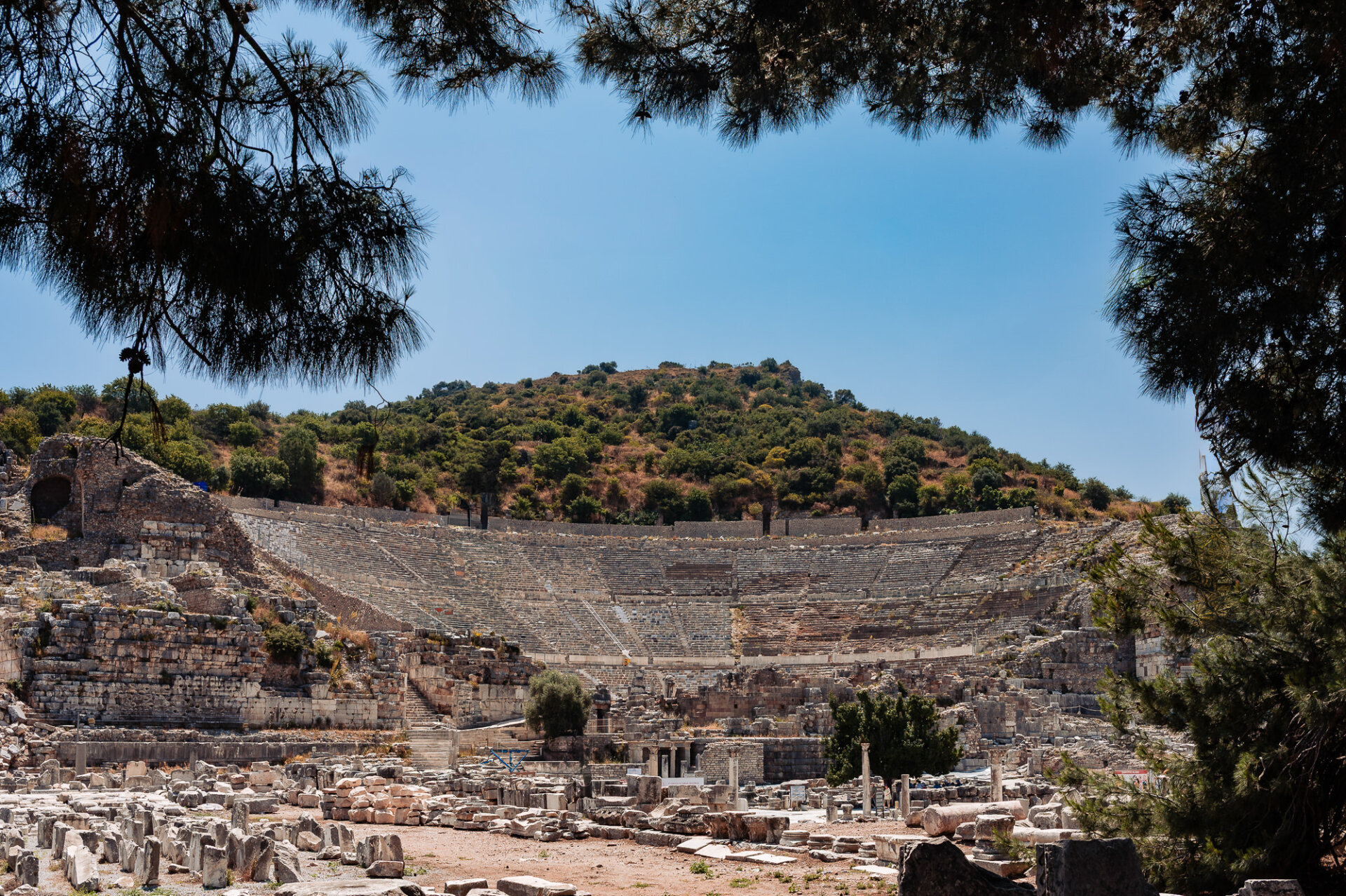
I have visited historic sites before, but this one felt different because it still reads so clearly as a city. You are not looking at fragments and trying to imagine the rest. You can walk the streets and feel the shape of daily life that once happened there.
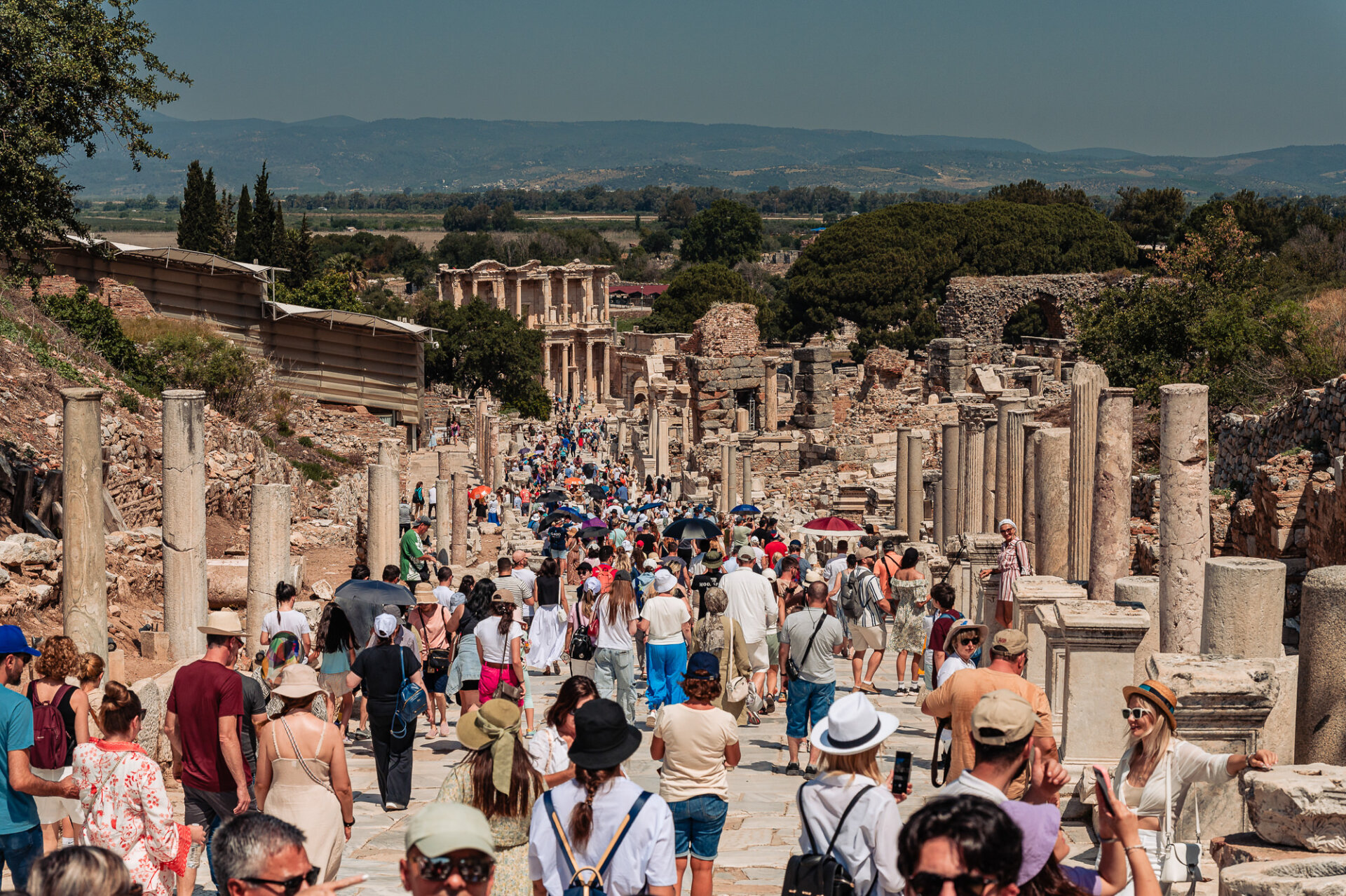
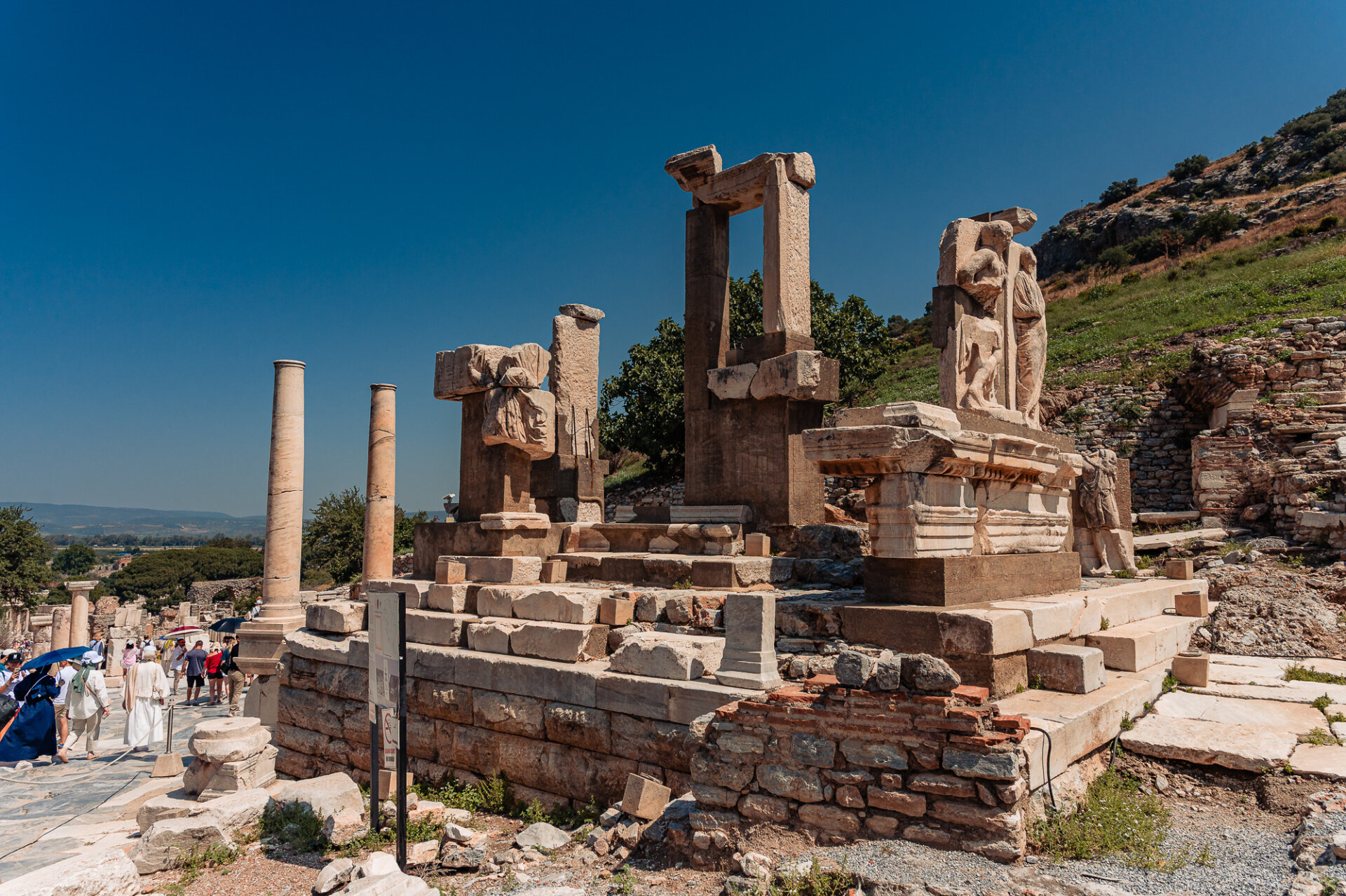
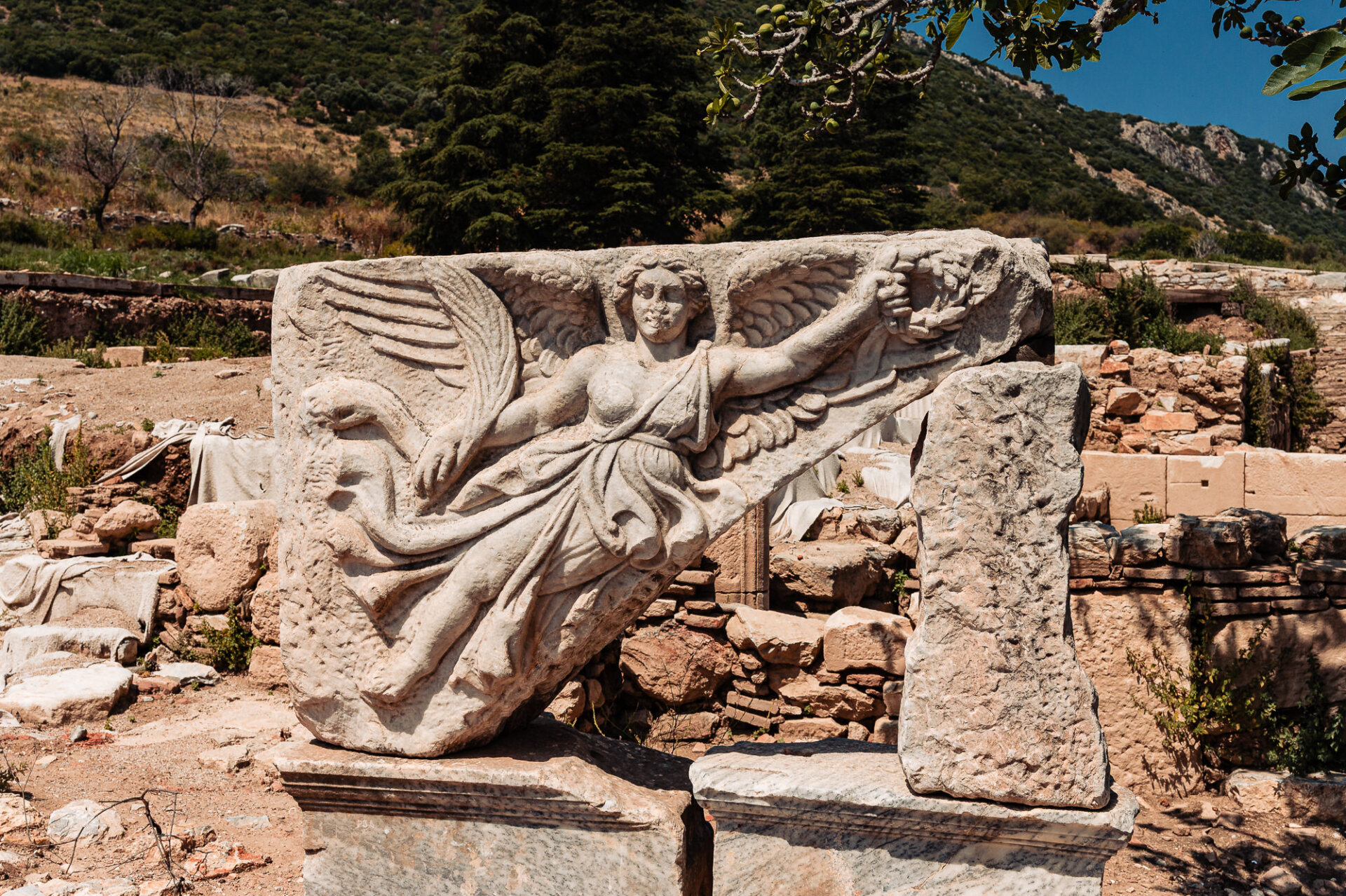
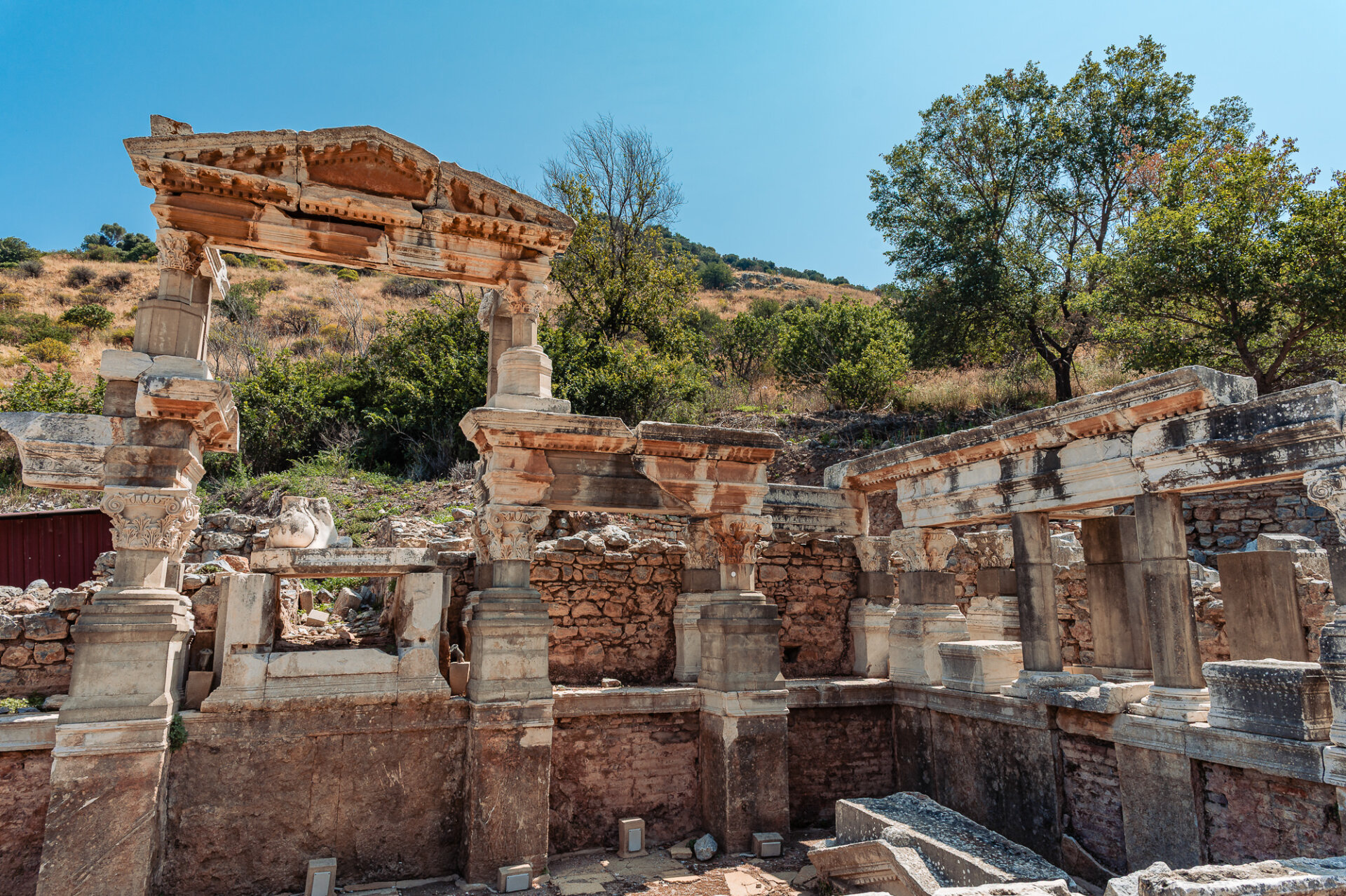
The scale of it is impressive, but so is the detail. Marble streets, façades, columns, terraces, and views opening up at nearly every turn. Everywhere I looked, there was another line, texture, or composition worth photographing.
What I appreciated most was that Ephesus never felt flat. It had depth. You could move through it slowly and keep noticing new things.
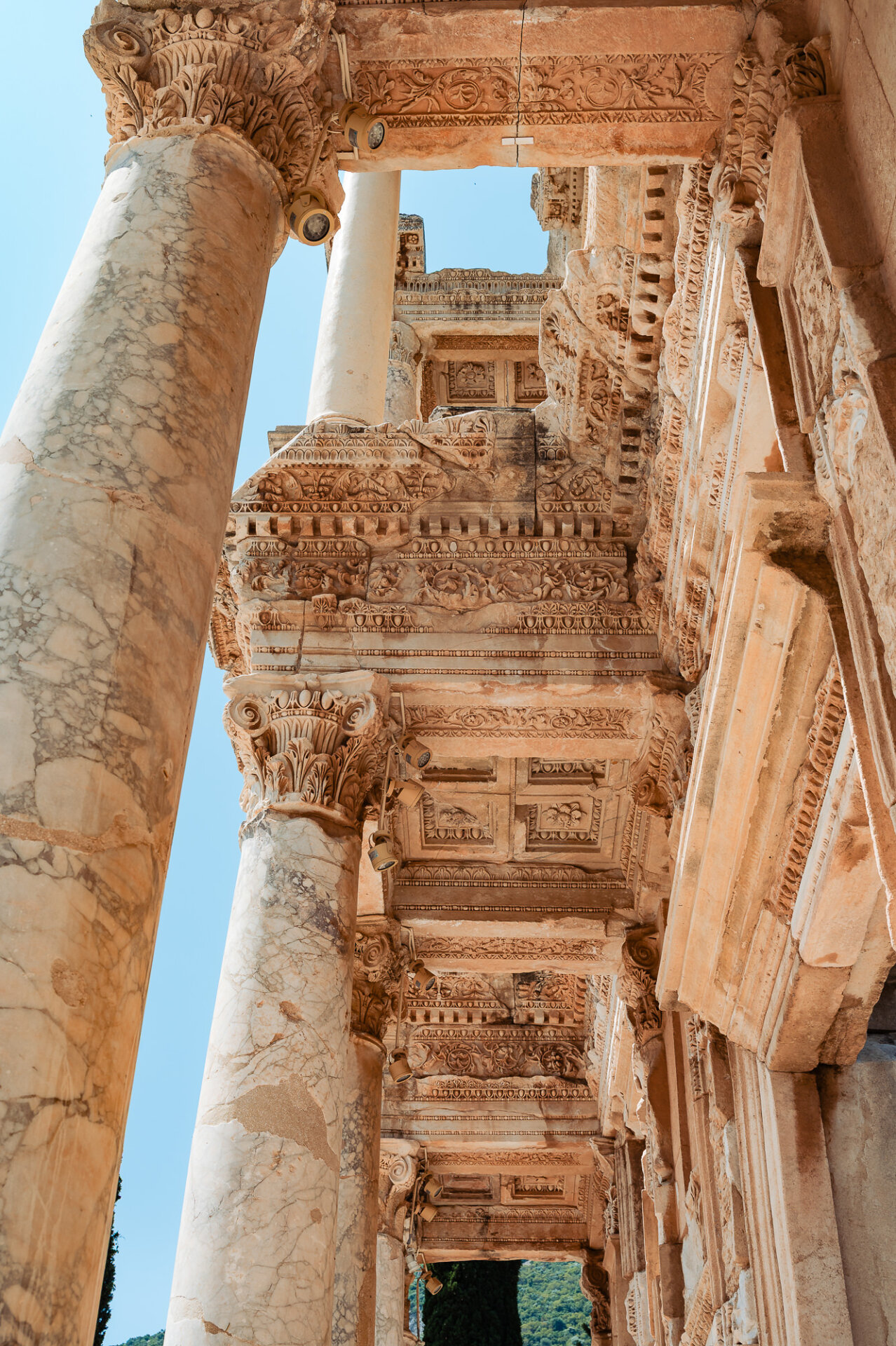
The Library of Celsus
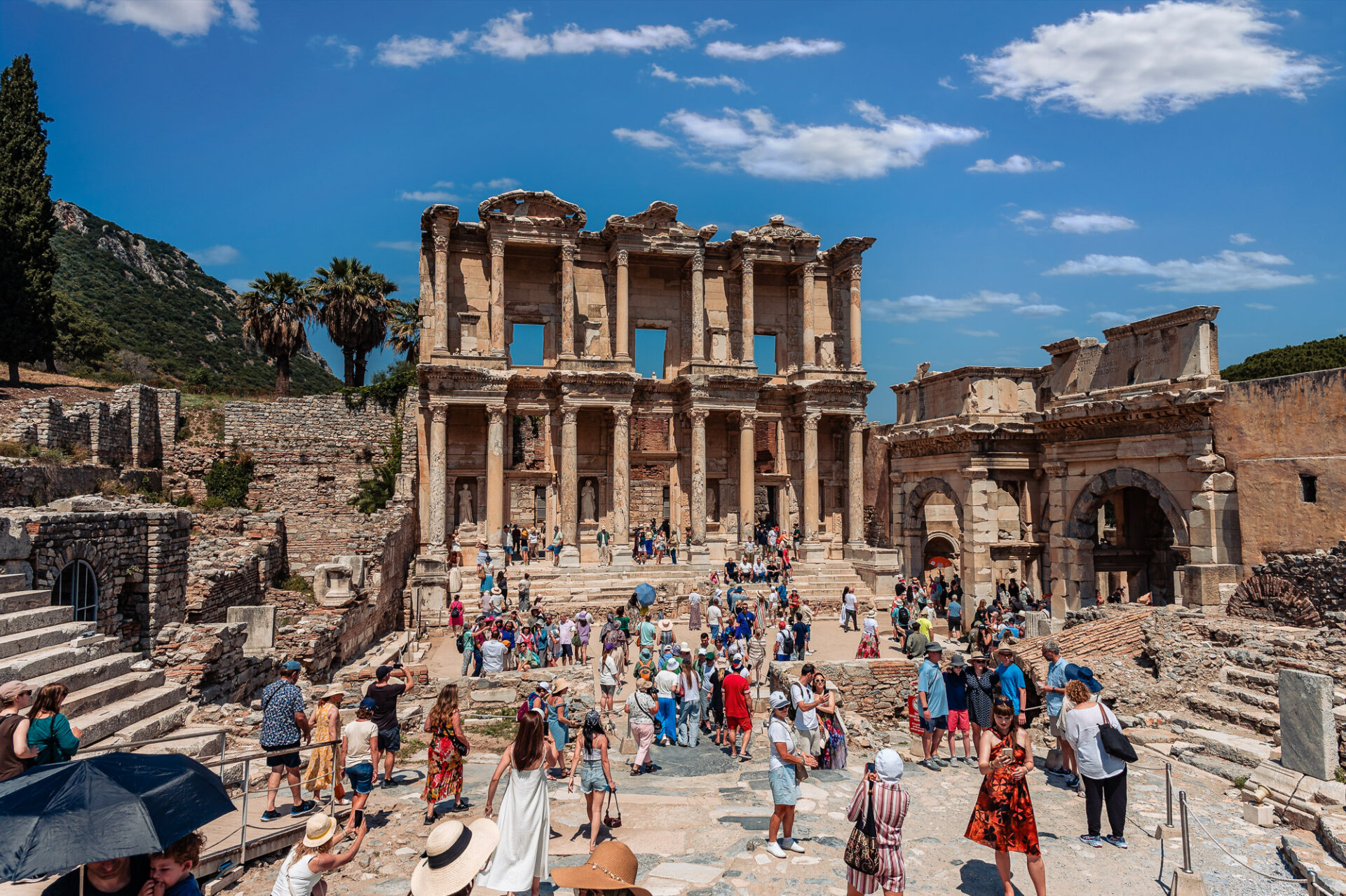
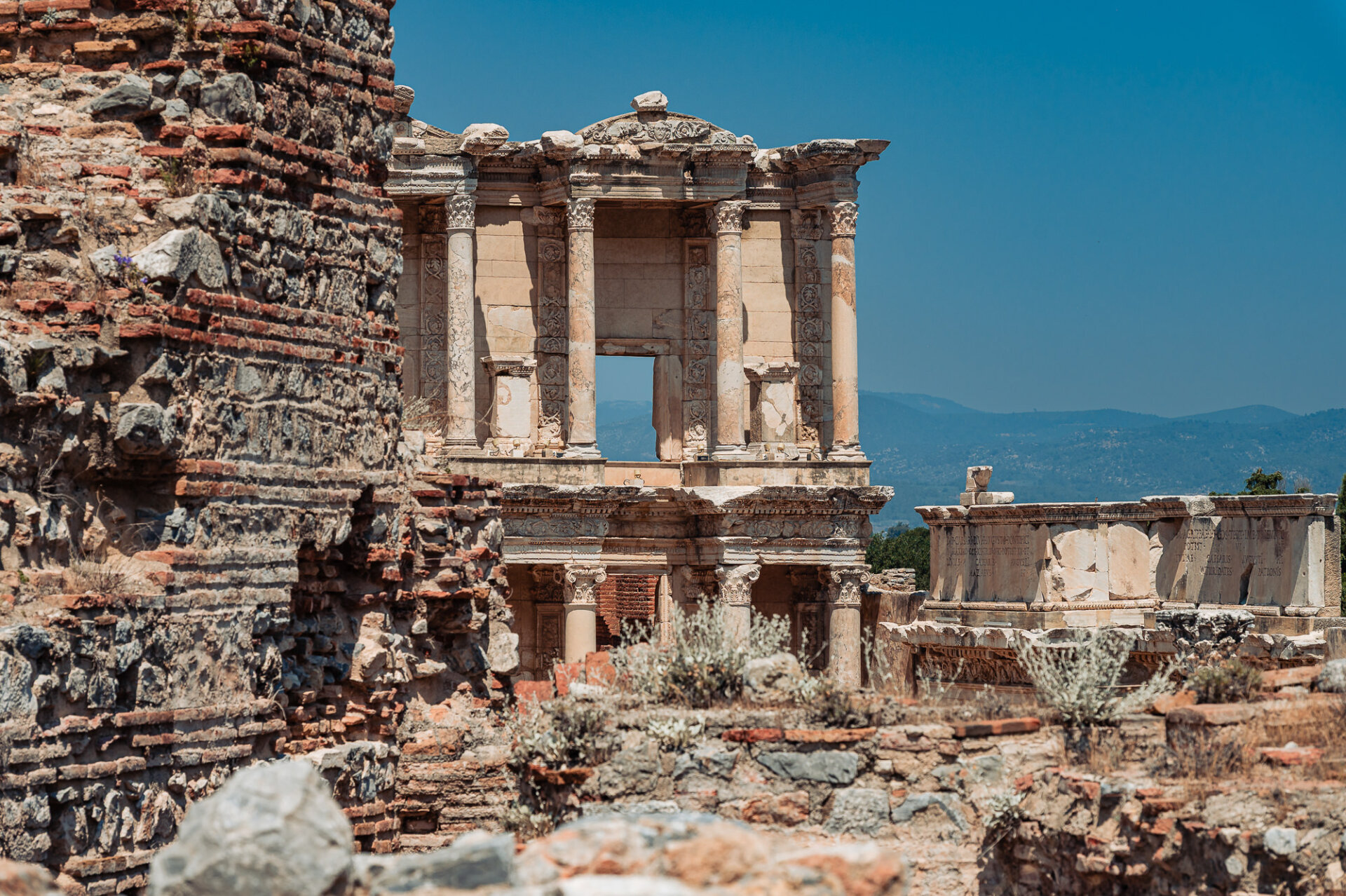
The Library of Celsus was easily one of the visual highlights of the trip. Some places photograph well. Others do more than that. They create a sense of stillness. This was one of those places.
A Photographer’s Note on Turkey
If a place can shape the way you see, Turkey does exactly that. Istanbul sharpened my eye for contrast, movement, and atmosphere. Ephesus did the opposite. It made me slow down. It asked for patience. It reminded me that sometimes the strongest images come from standing still a little longer.
That combination made this trip especially memorable for me.
Final Thoughts
Looking back, what stands out most is the contrast between the two parts of the journey.
Istanbul was layered, busy, and full of energy. Kusadasi and Ephesus felt quieter and more reflective. Together, they gave us a fuller picture of Turkey than either one could have on its own.
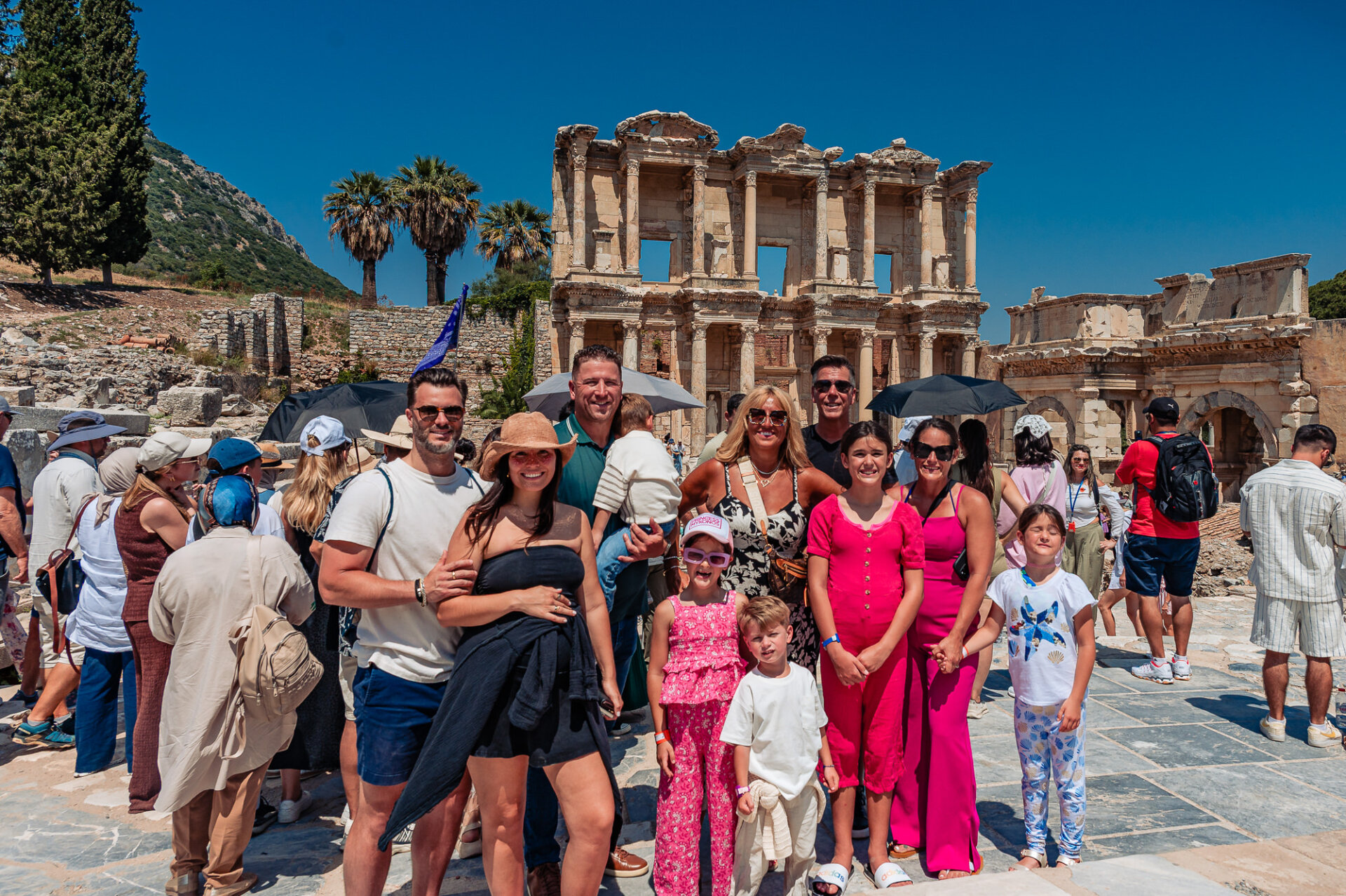
For our family, it was an unforgettable trip. For me, it was one more reminder that travel changes the way a photographer sees. New places do that. They refine your eye, shift your pace, and leave something behind even after you return home.
Turkey certainly did.
Ralph Deal is a luxury wedding photographer based in the Philadelphia area, documenting love stories across the Northeast and beyond.
Follow the journey: Olive, Stone & Light: An Editorial Journey Through Greece

