Olive, Stone & Light: An Editorial Journey Through Greece
There is a quality of light in Greece that I have never encountered anywhere else in the world. And I’ve chased light across coastlines, forests, and mountain ranges with my camera for years. It arrives in the late afternoon like a slow exhale, warm and amber, settling over ancient marble with the kind of patience that only centuries can teach. As a wedding photographer, I have spent my career hunting for that perfect light, the kind that makes everything it touches feel timeless. In Greece, it finds you.
Athens: The Golden City
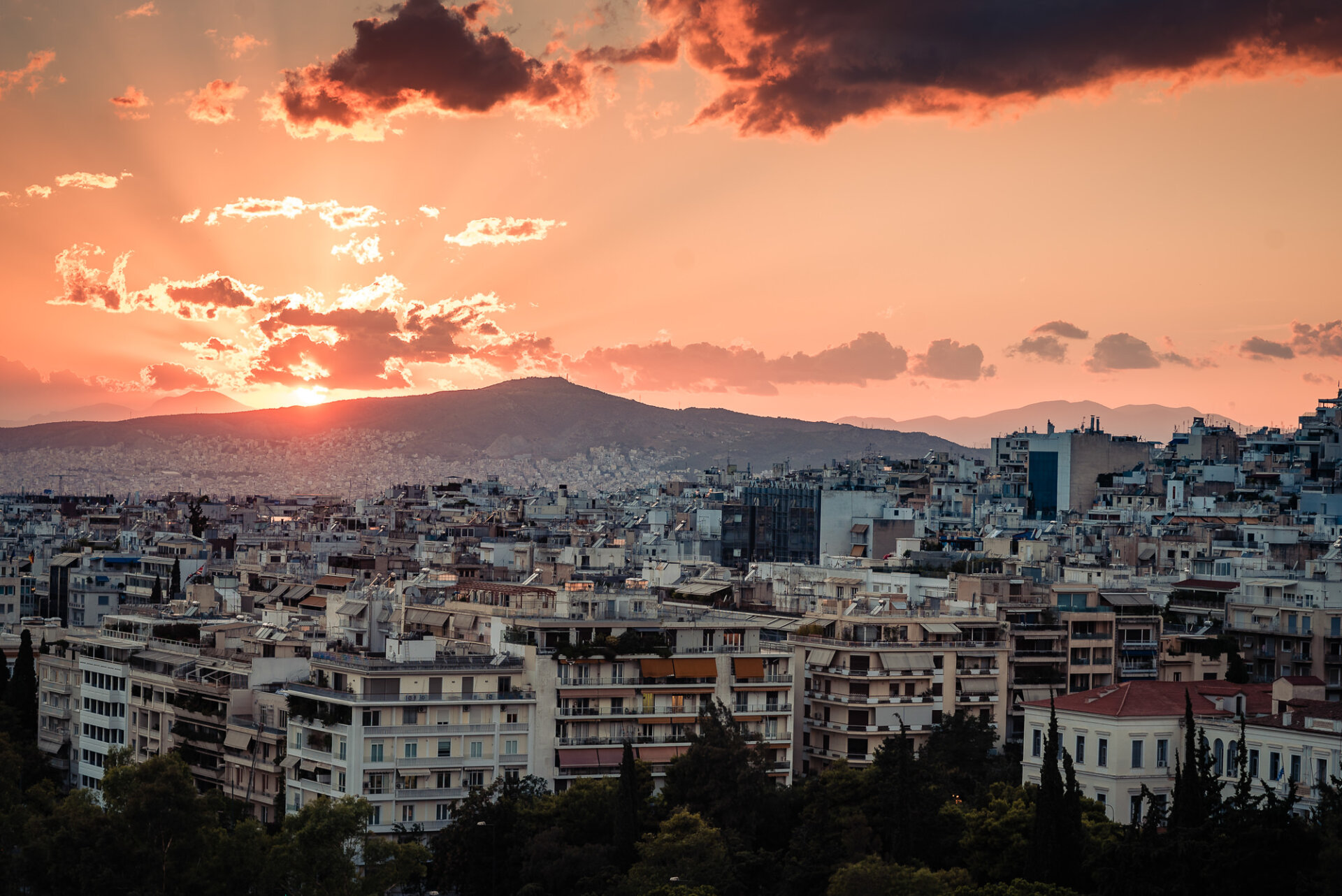
Athens was the opening chapter of our family’s journey through Greece and it announced itself like a symphony played in golden hour. Overwhelmingly beautiful. Deeply, almost violently, historic. And for a photographer, nothing short of a revelation.
From the moment we landed, Athens wrapped itself around us with a kind of effortless grandeur. It is a city that wears its age proudly, ancient ruins rising between modern cafés, marble columns framed by bougainvillea, the scent of olive wood and strong coffee drifting through narrow streets. It doesn’t try to impress you. It simply is, and that is more impressive than anything manufactured could ever be.
We had only a few days here, which in hindsight felt both generous and completely insufficient. Athens rewards the slow traveler, the one willing to duck into a side street, linger on a hillside, and let the city reveal itself at its own pace.
Areopagus Hill: The View That Reframes Everything
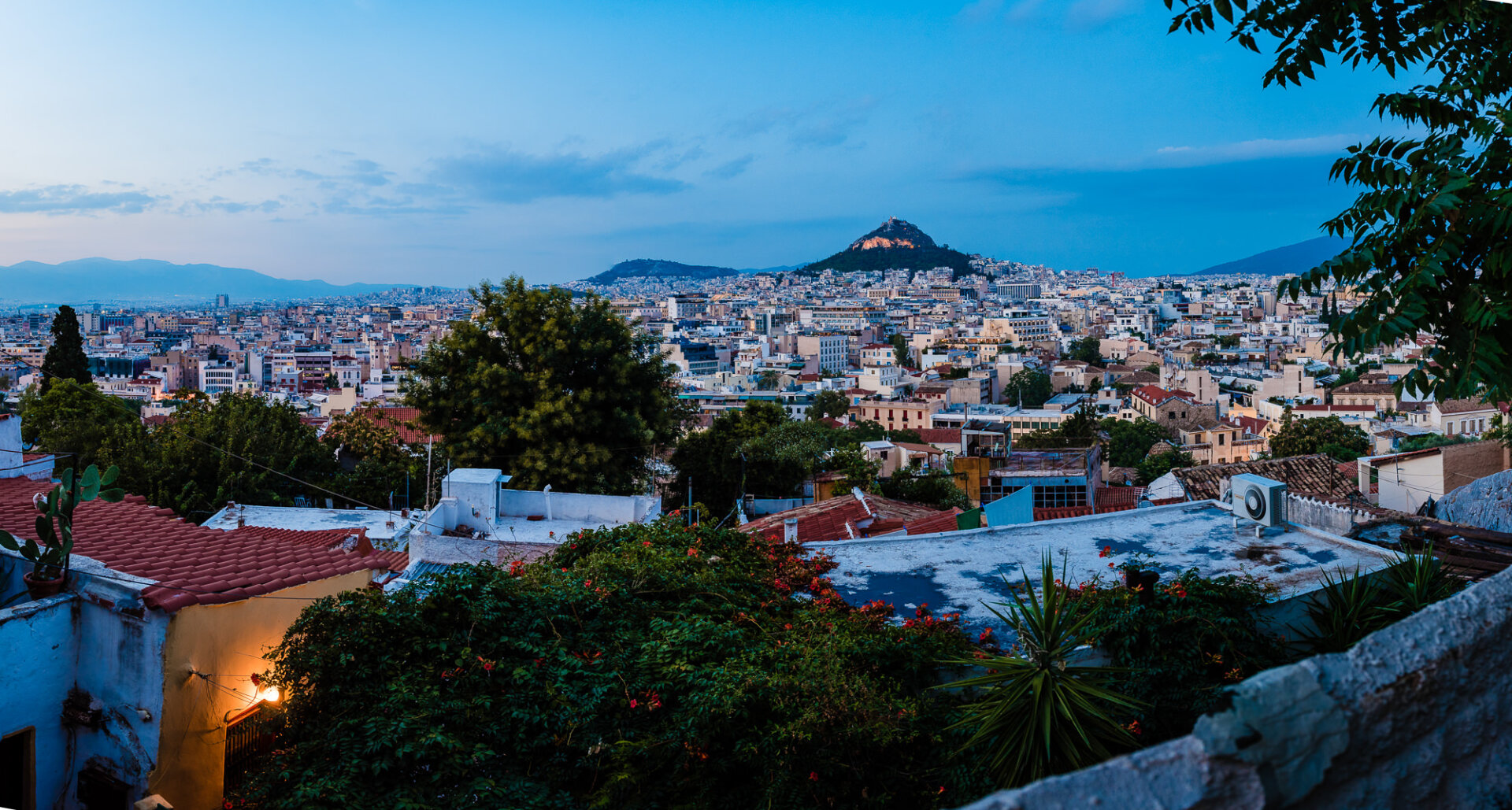
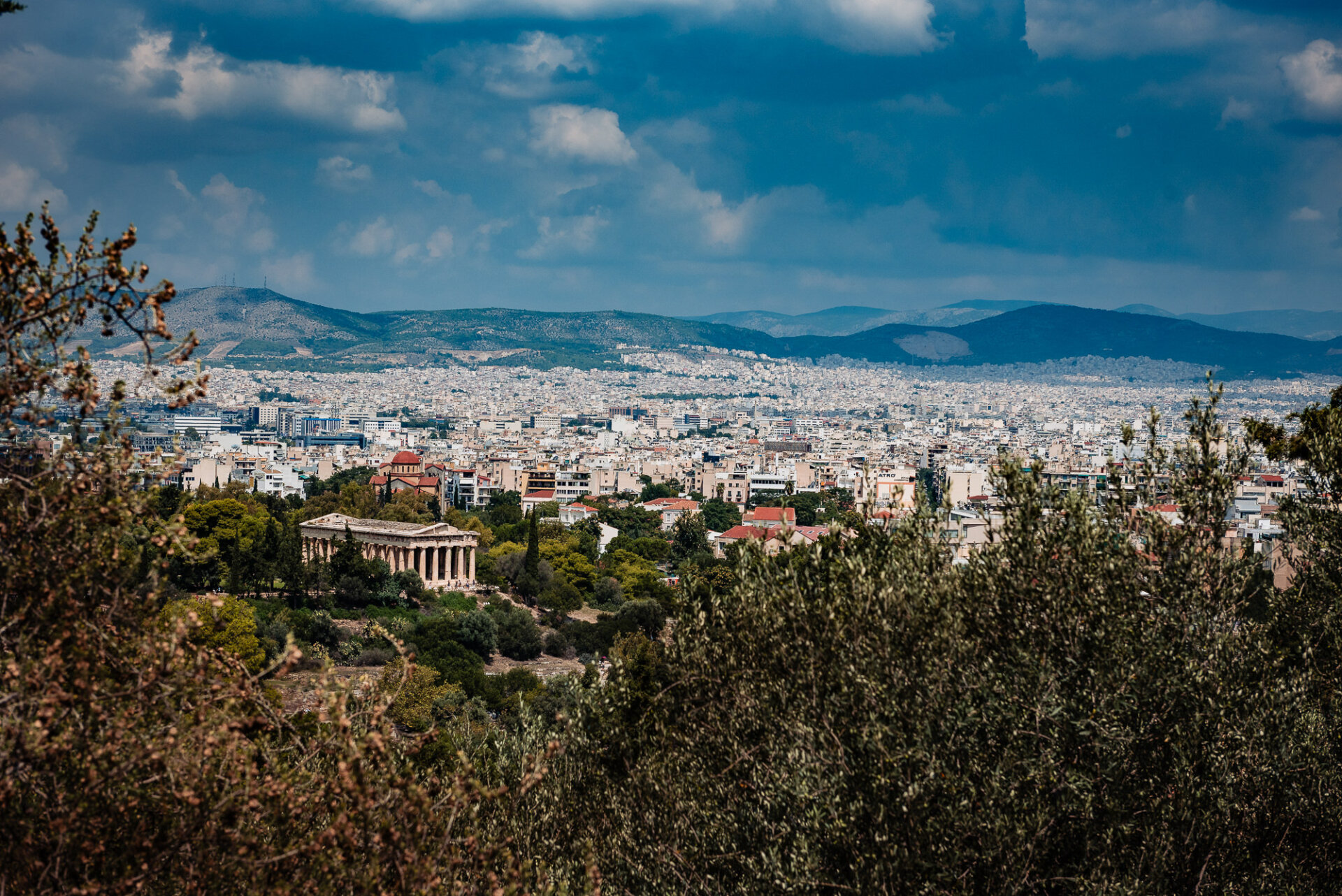
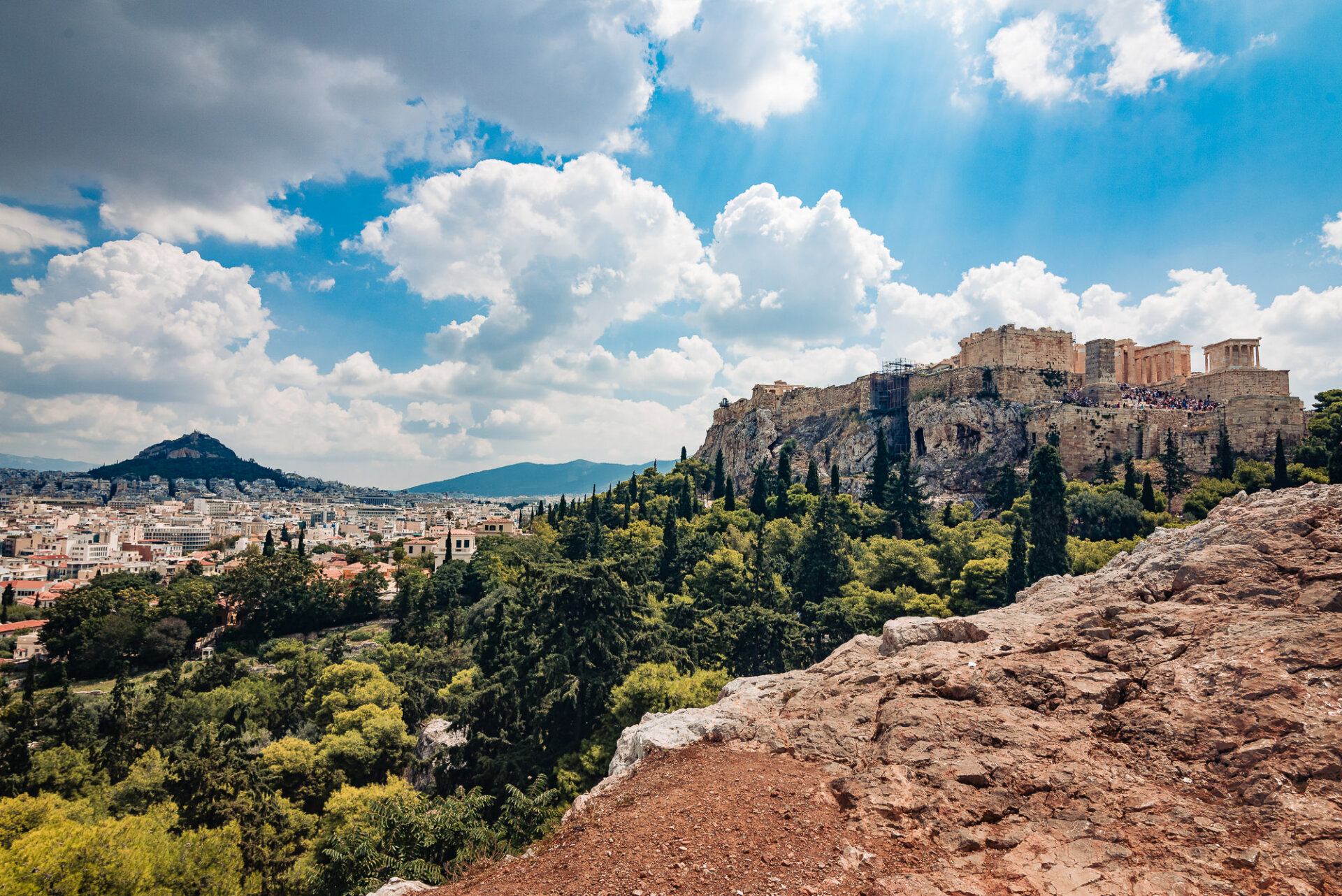
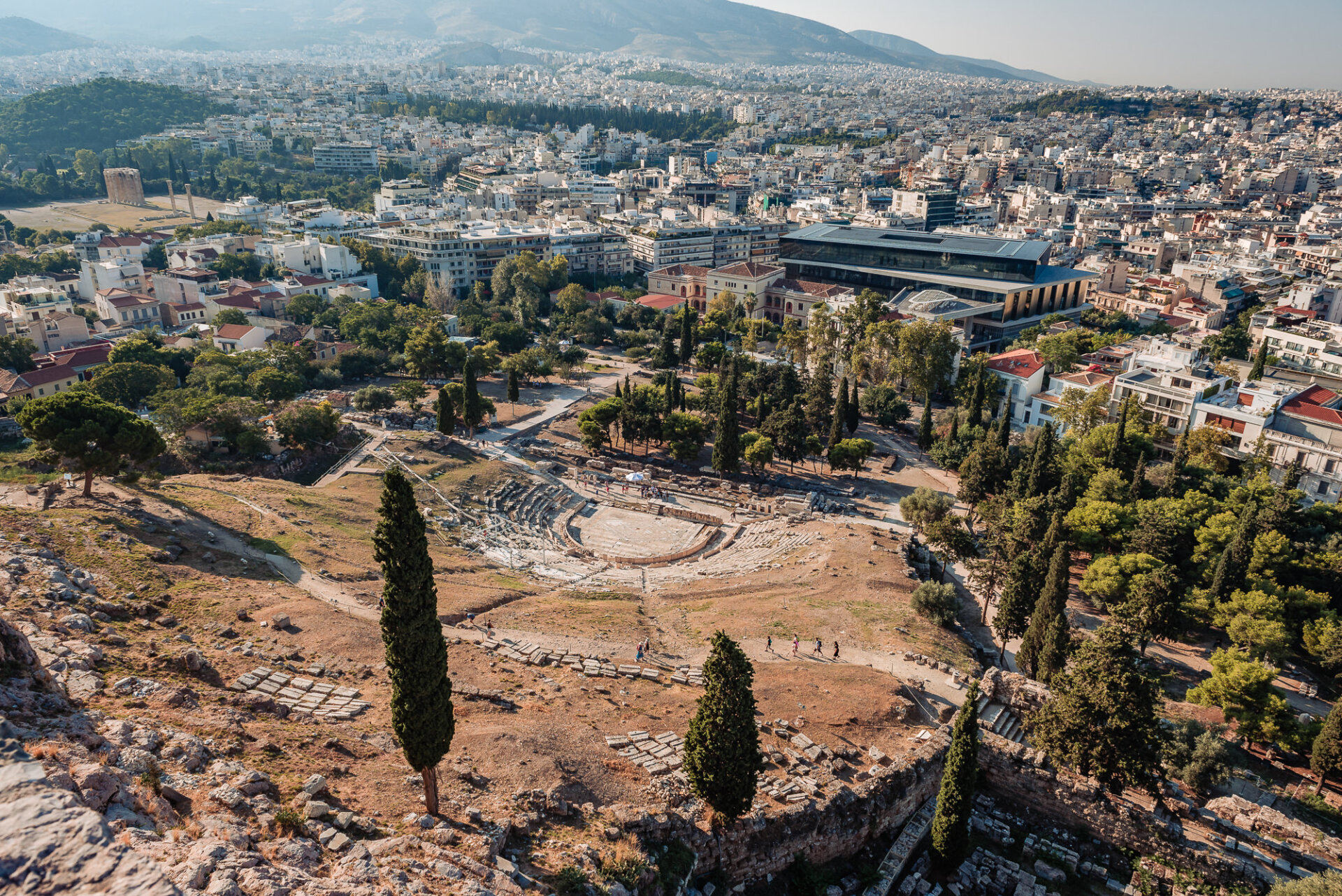
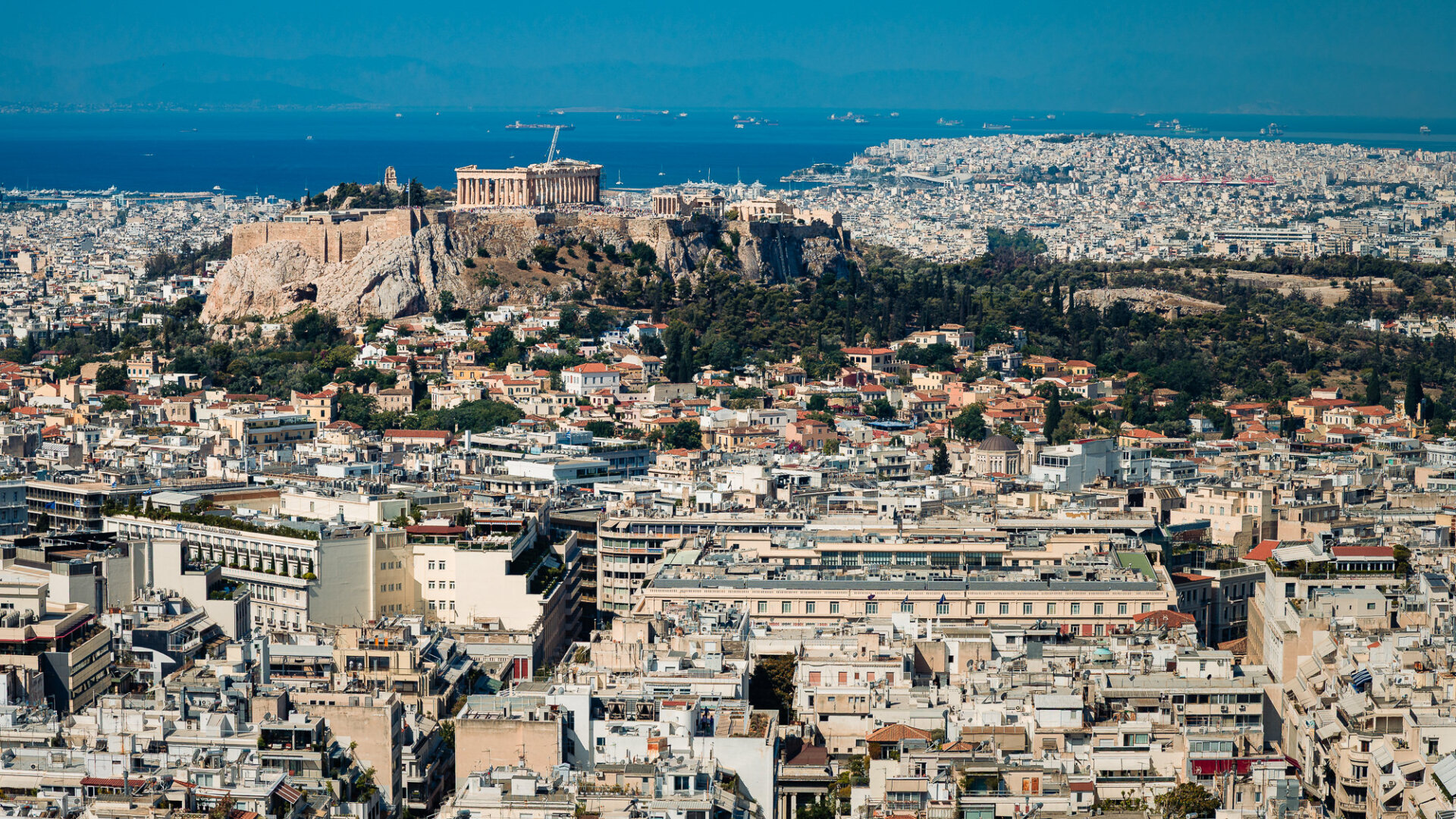
A short walk from the Acropolis entrance lies Areopagus Hill, a rocky outcropping that requires no ticket, no tour guide, and no agenda. Just you, the ancient stone, and one of the most breathtaking panoramic views of Athens imaginable.
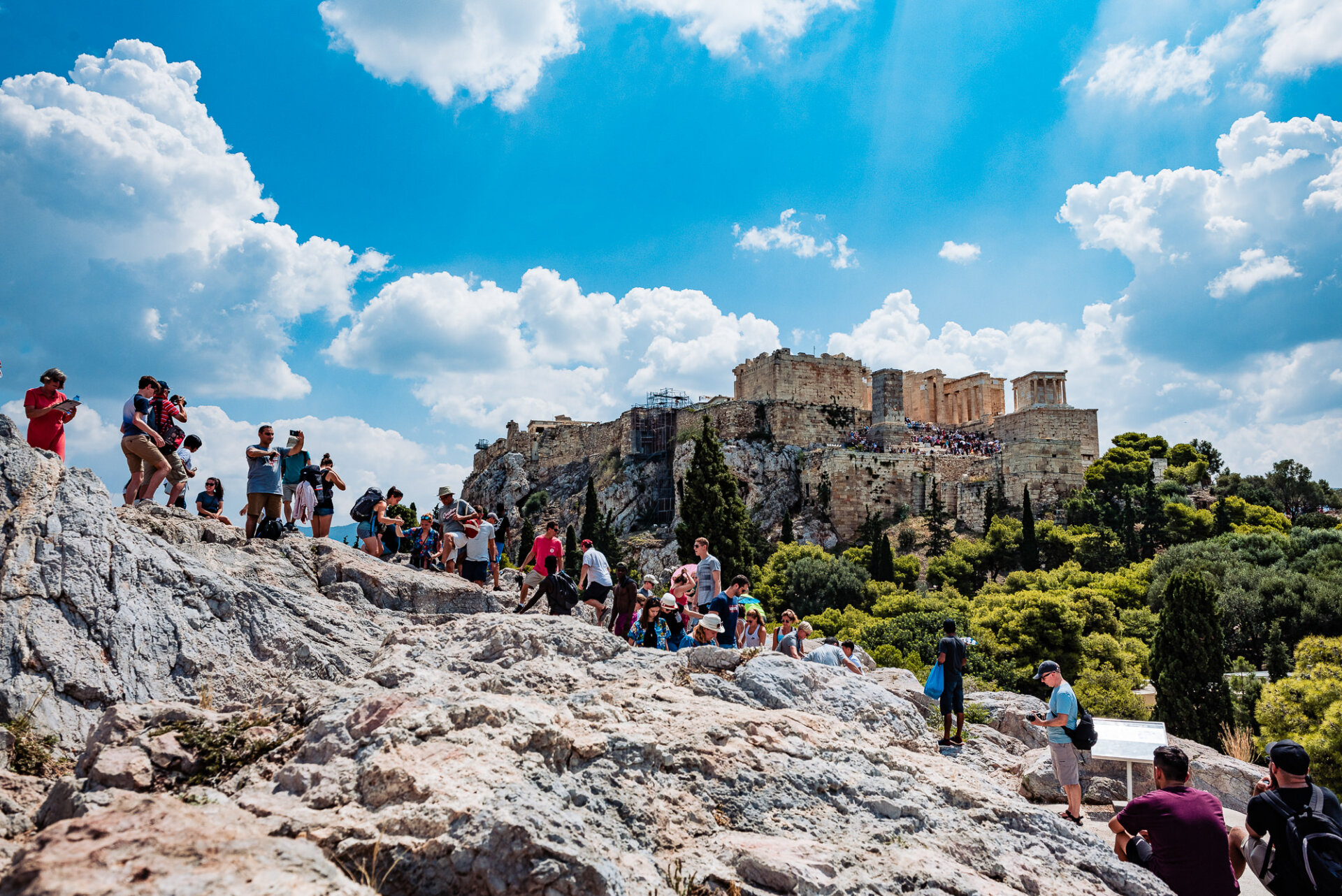
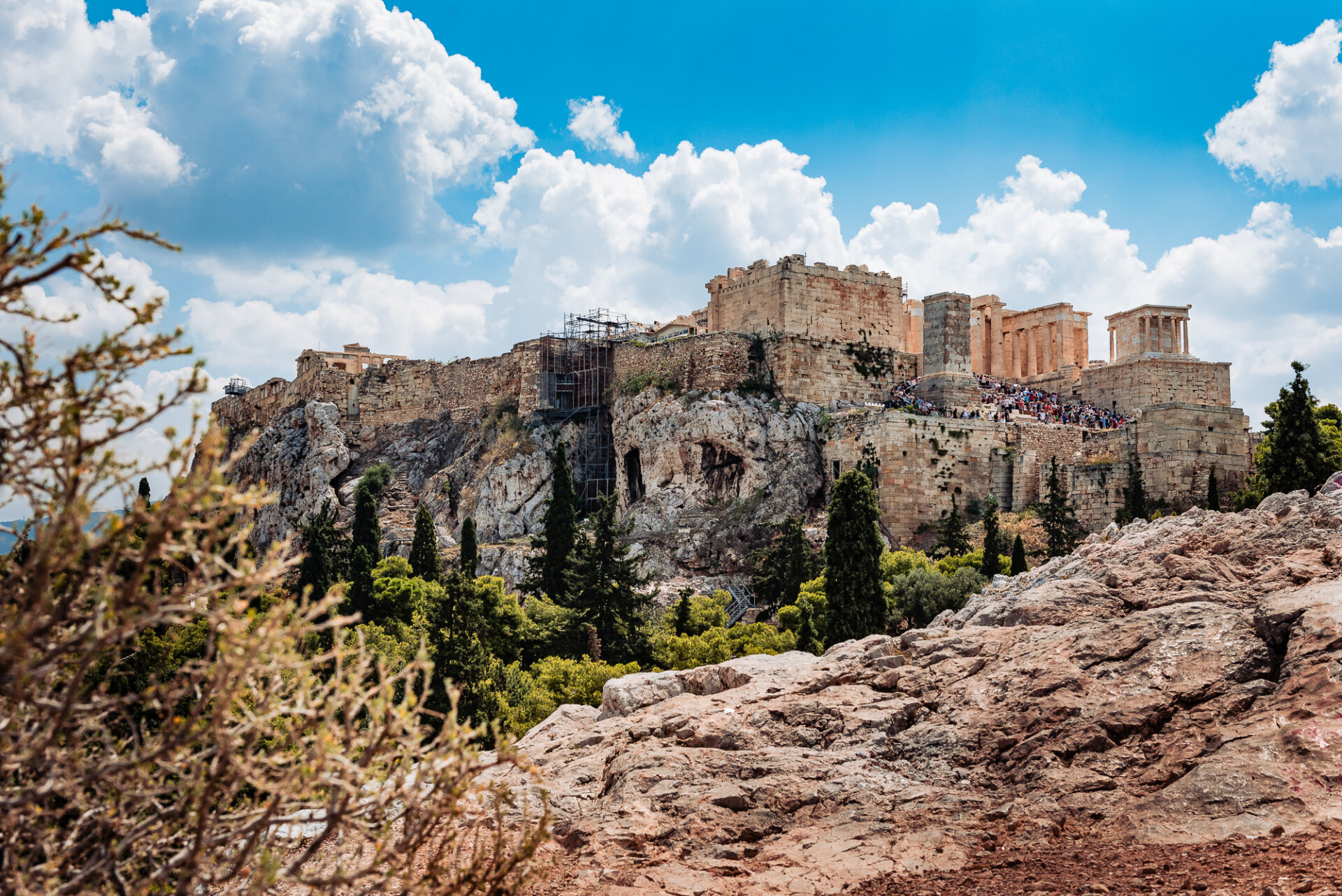
The city stretched out below us in every direction — terracotta rooftops, the glittering dome of the Metropolitan Cathedral, the distant shimmer of the Aegean. The Parthenon glowed above us. It was the kind of moment that makes you understand, viscerally, why people have been drawn to this city for thousands of years.
As a photographer, I’ll tell you plainly: bring a wide lens and arrive an hour before sunset. You will not regret it.
The Streets of Plaka & The Metropolitan Cathedral of Athens
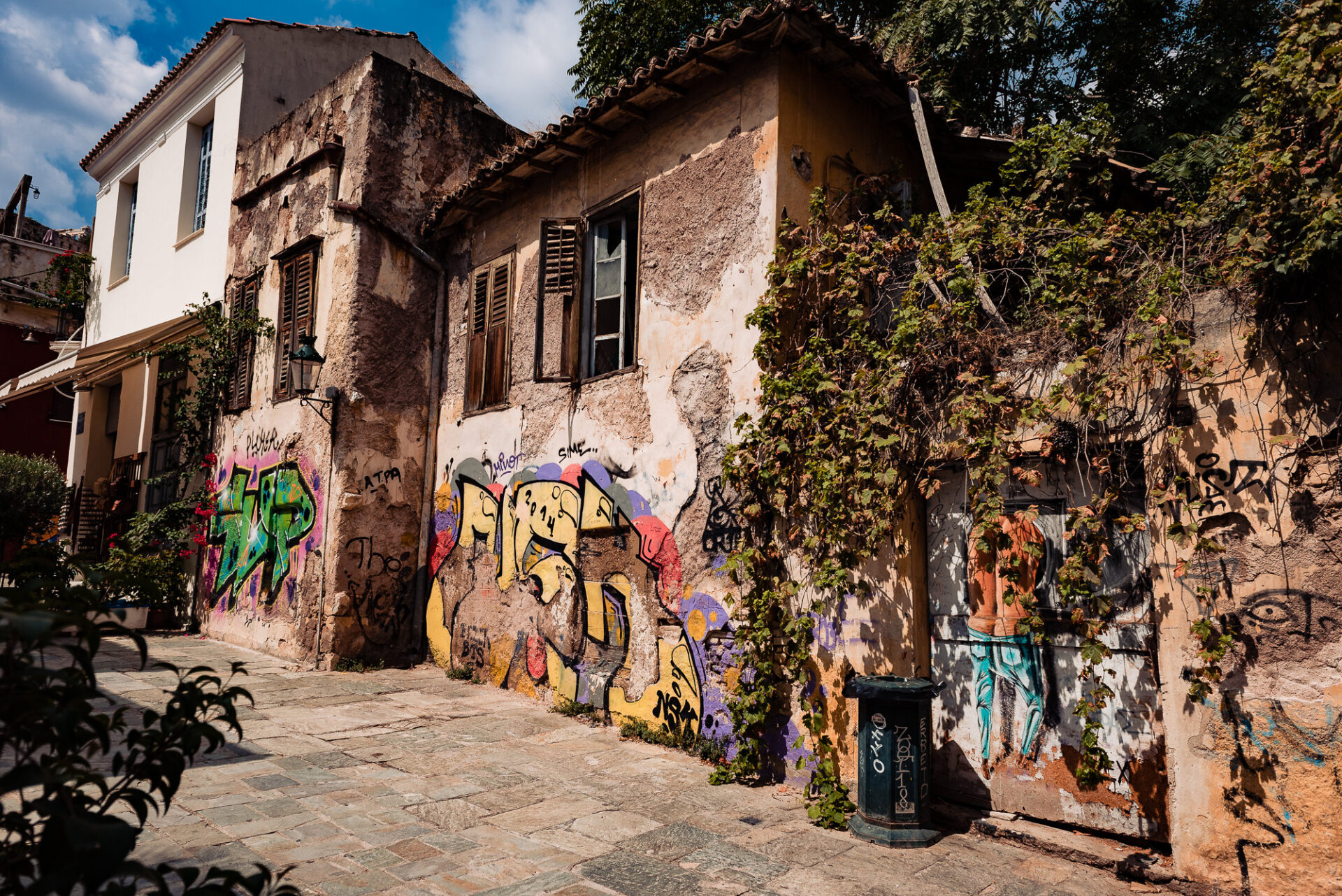
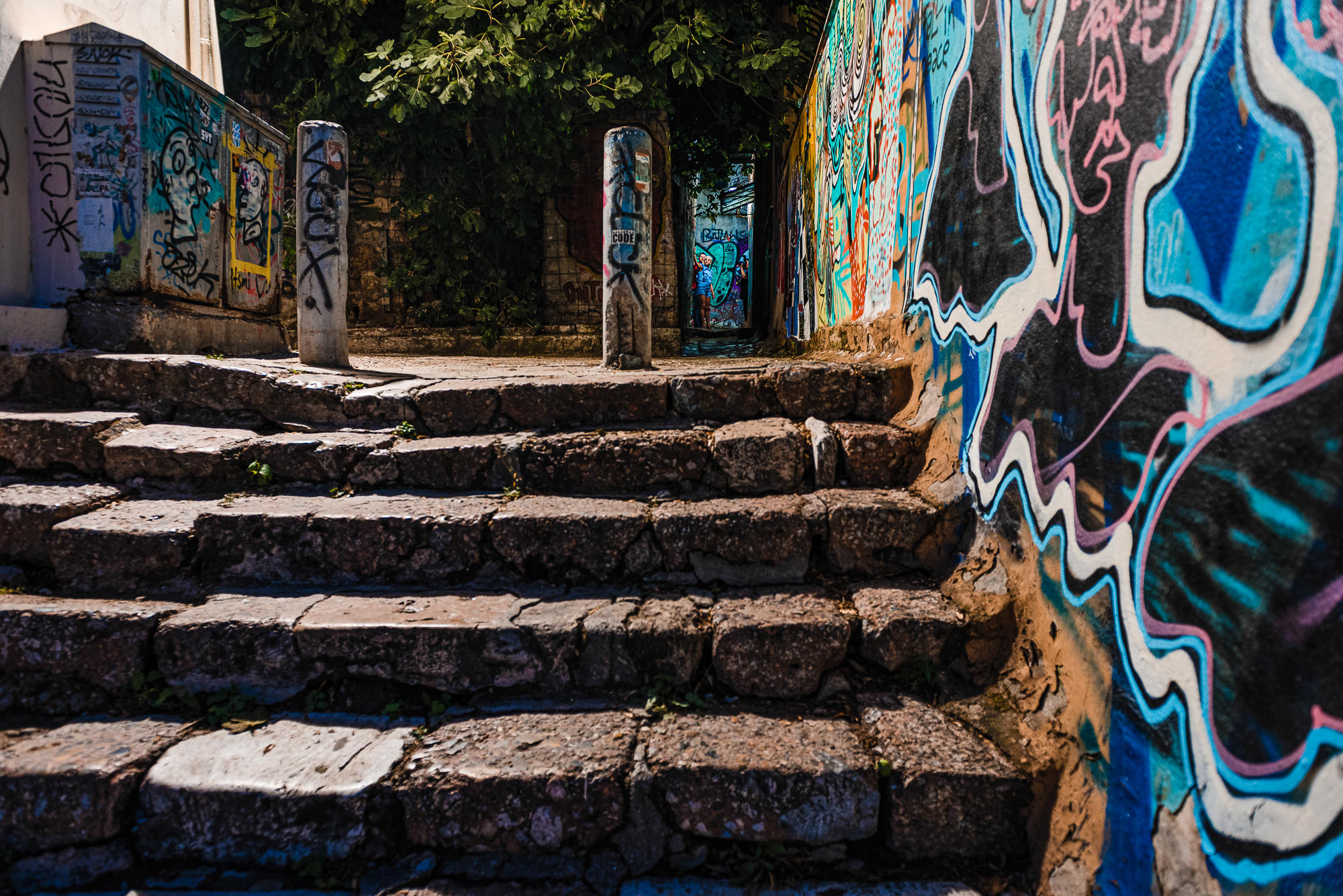
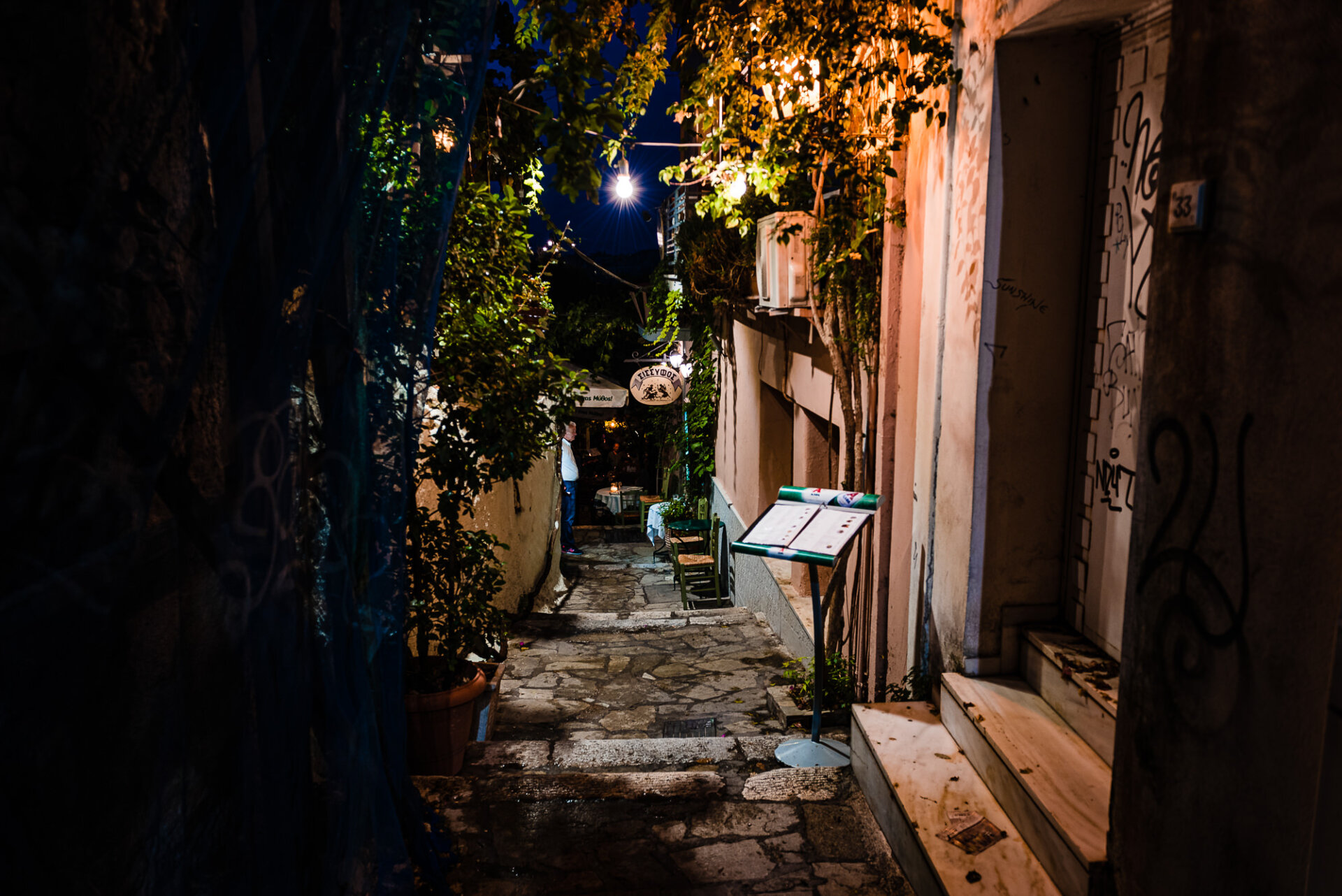
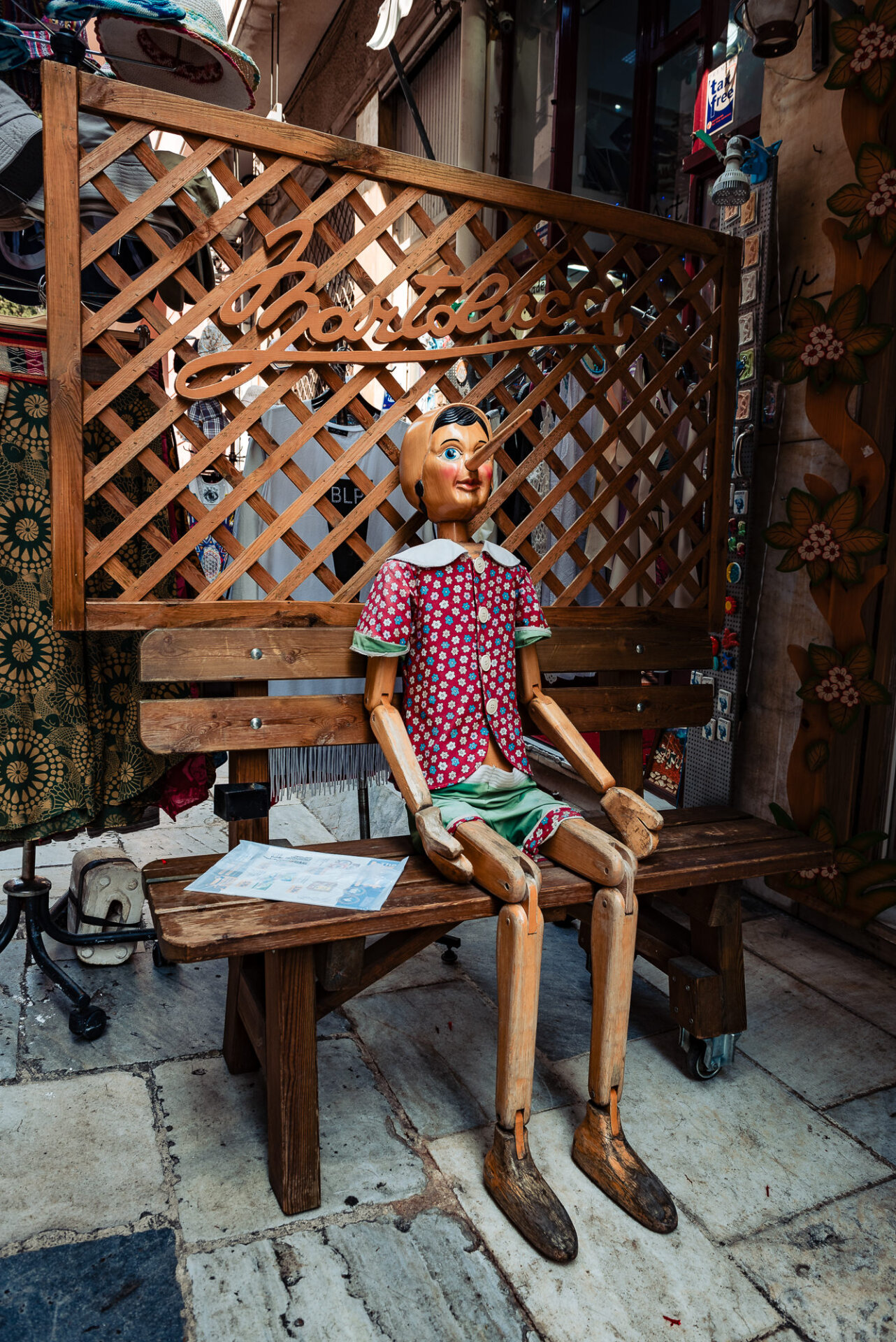
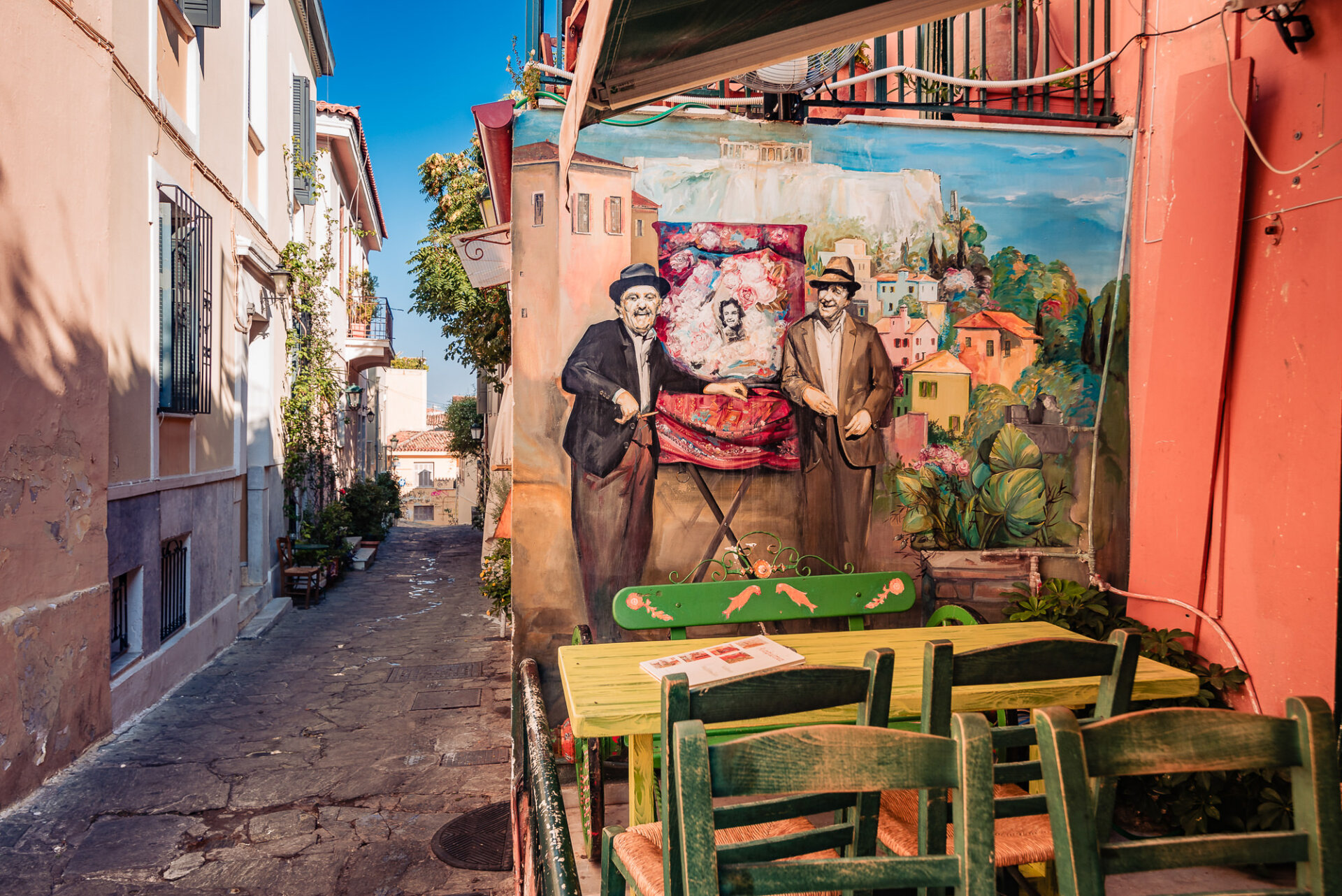
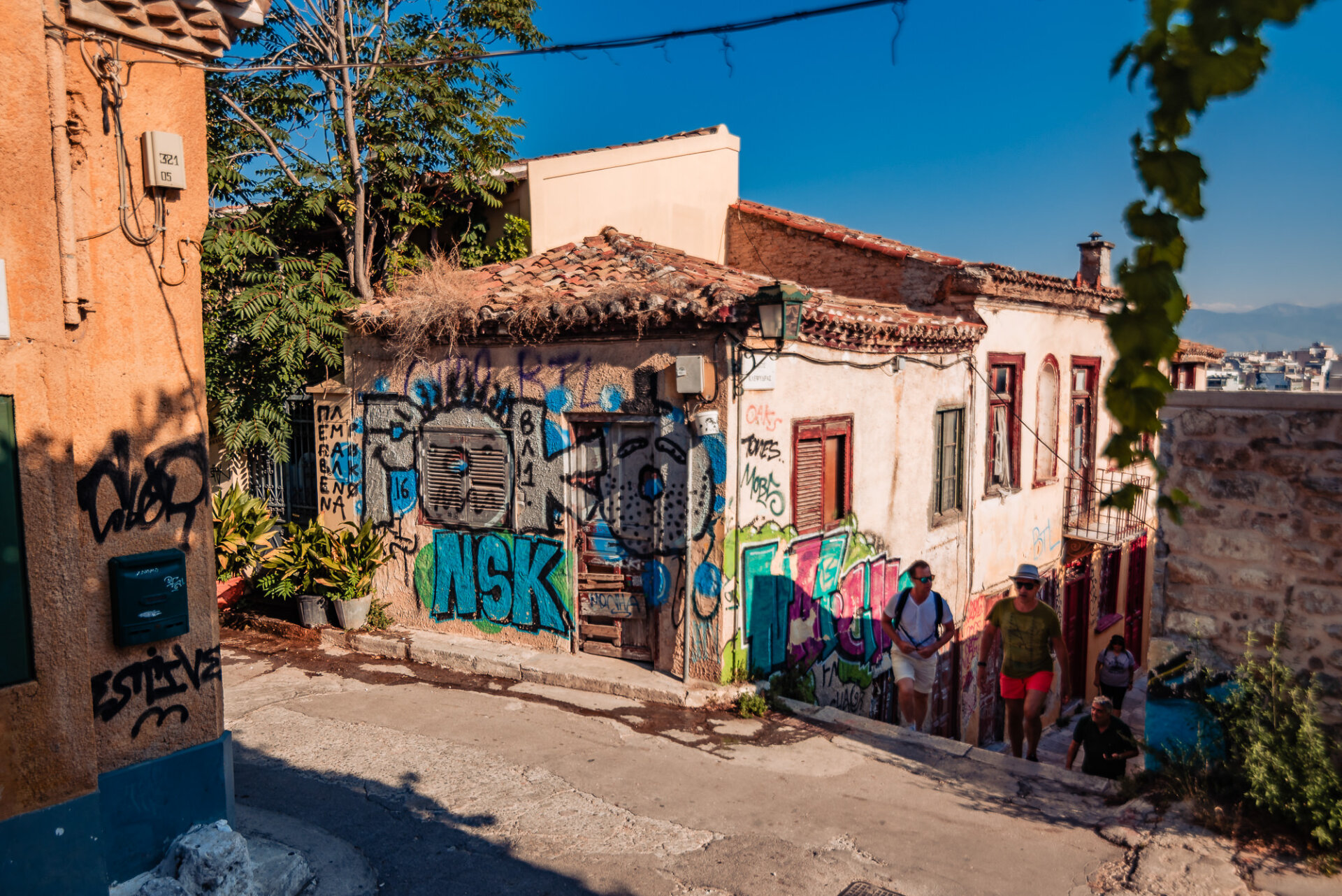
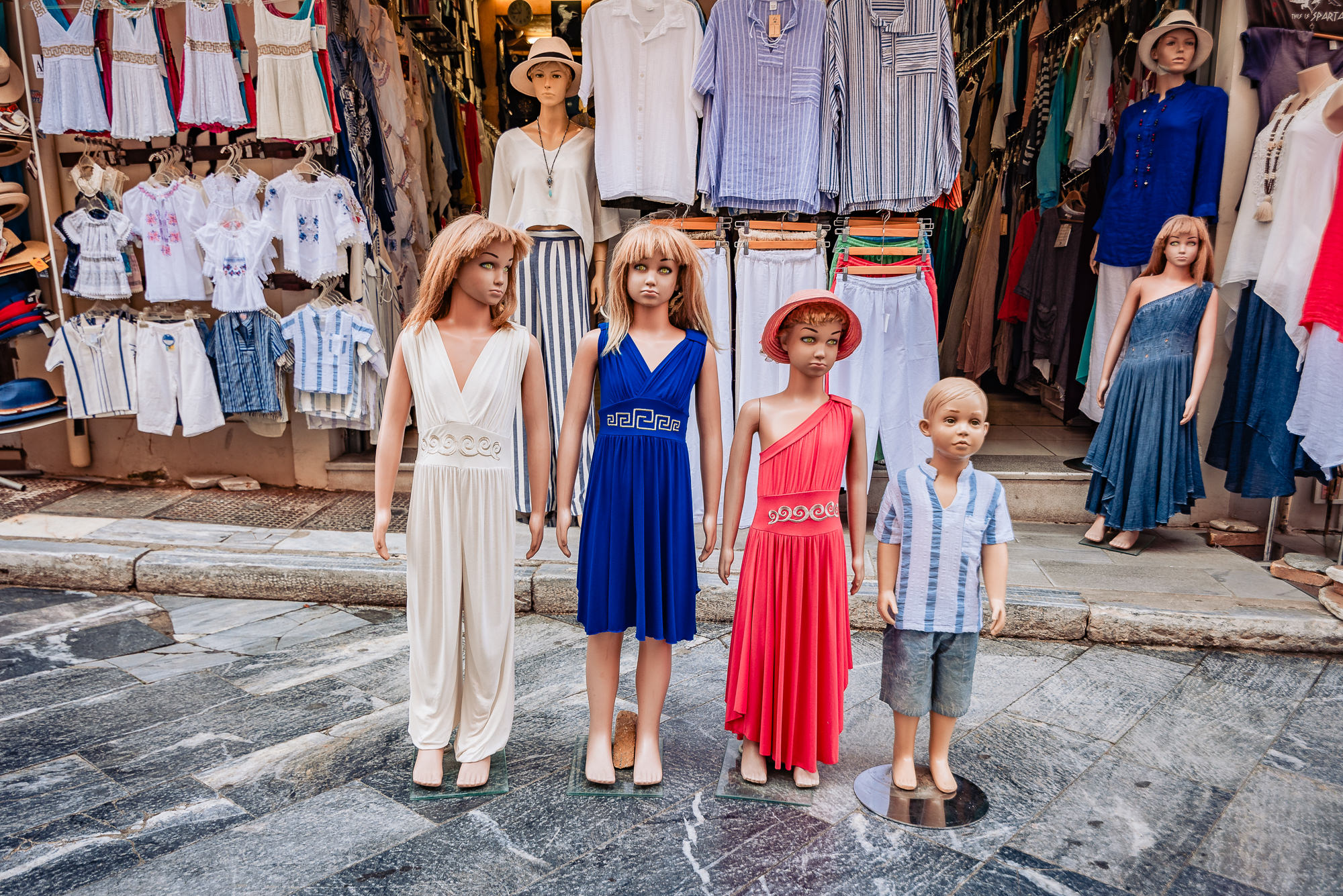
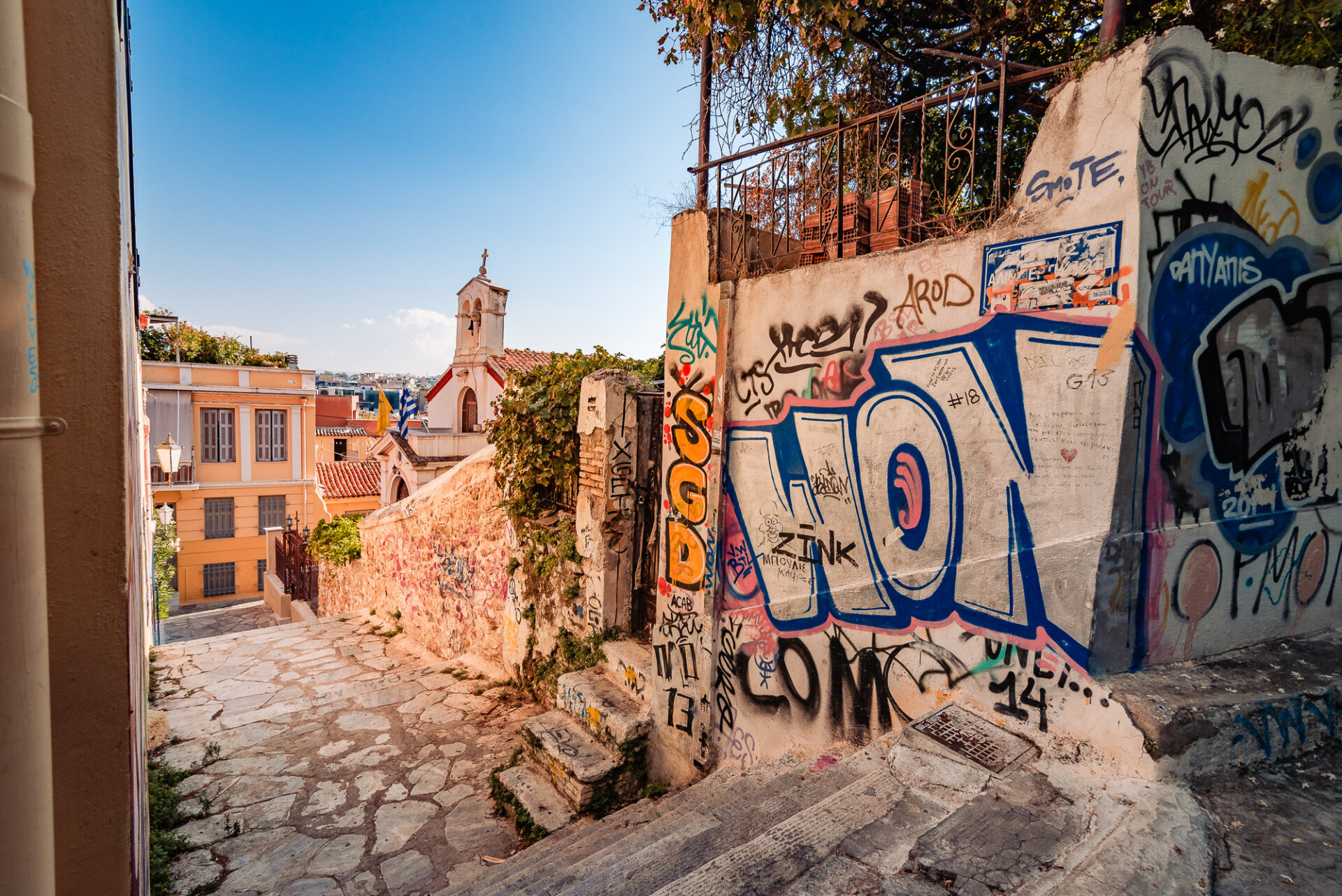
Wandering the streets of Plaka is one of those rare travel experiences that delivers exactly what it promises and then some. The oldest neighborhood in Athens, Plaka cascades down the northern and eastern slopes of the Acropolis in a labyrinth of neoclassical architecture, Byzantine churches, and tavernas spilling onto cobblestone streets.
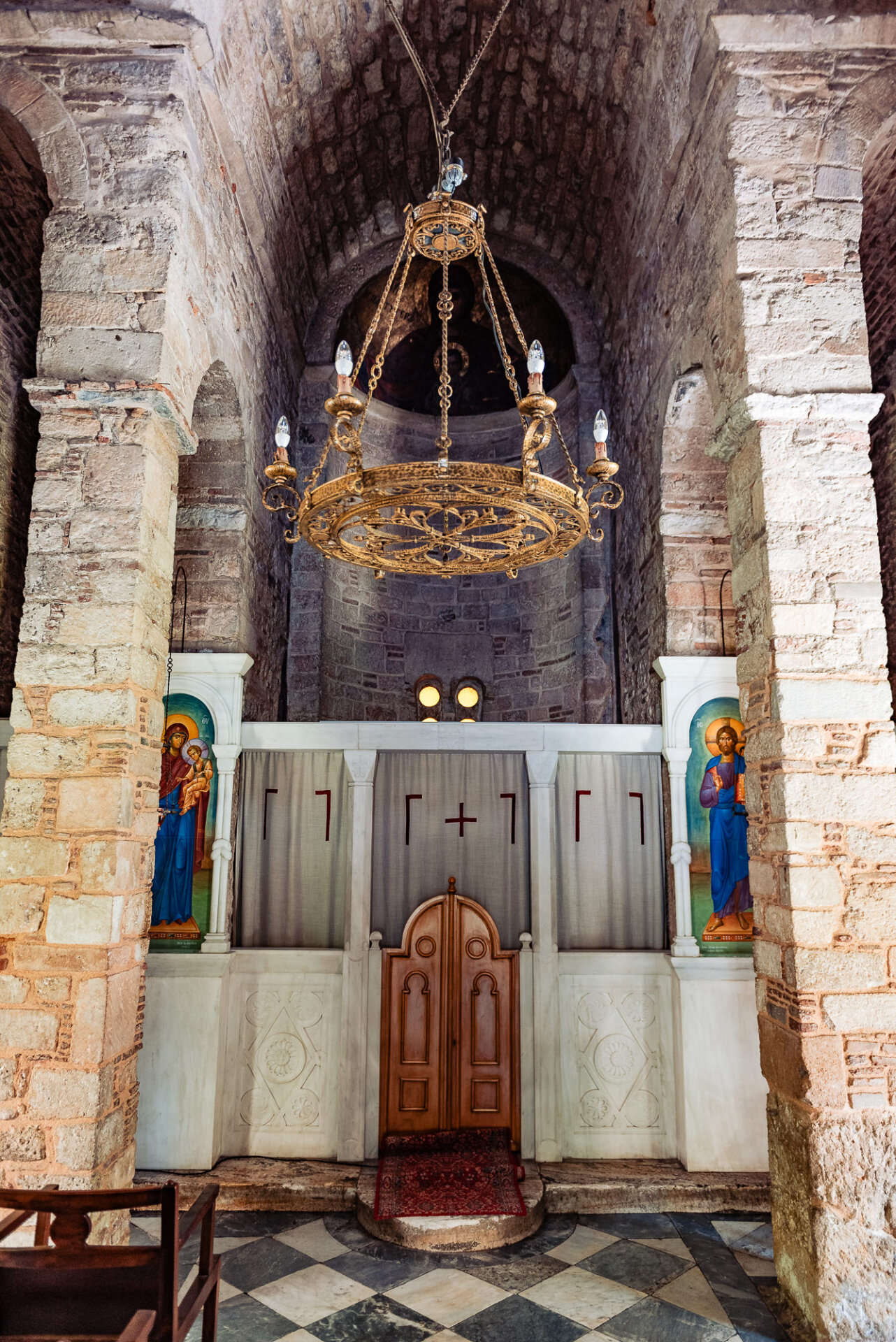
At its heart stands the Metropolitan Cathedral of Athens, known locally as the Metropolis. Completed in 1862, this magnificent Greek Orthodox cathedral is the seat of the Archbishop of Athens. Its interior is breathtaking, solemn, gilded, and luminous, but what struck me most was witnessing it as a living, breathing part of the city. Locals stop to light candles on their way to work. Weddings and baptisms flow through its doors. It is not a museum piece. It is a sacred space in active use, and that vitality is palpable.
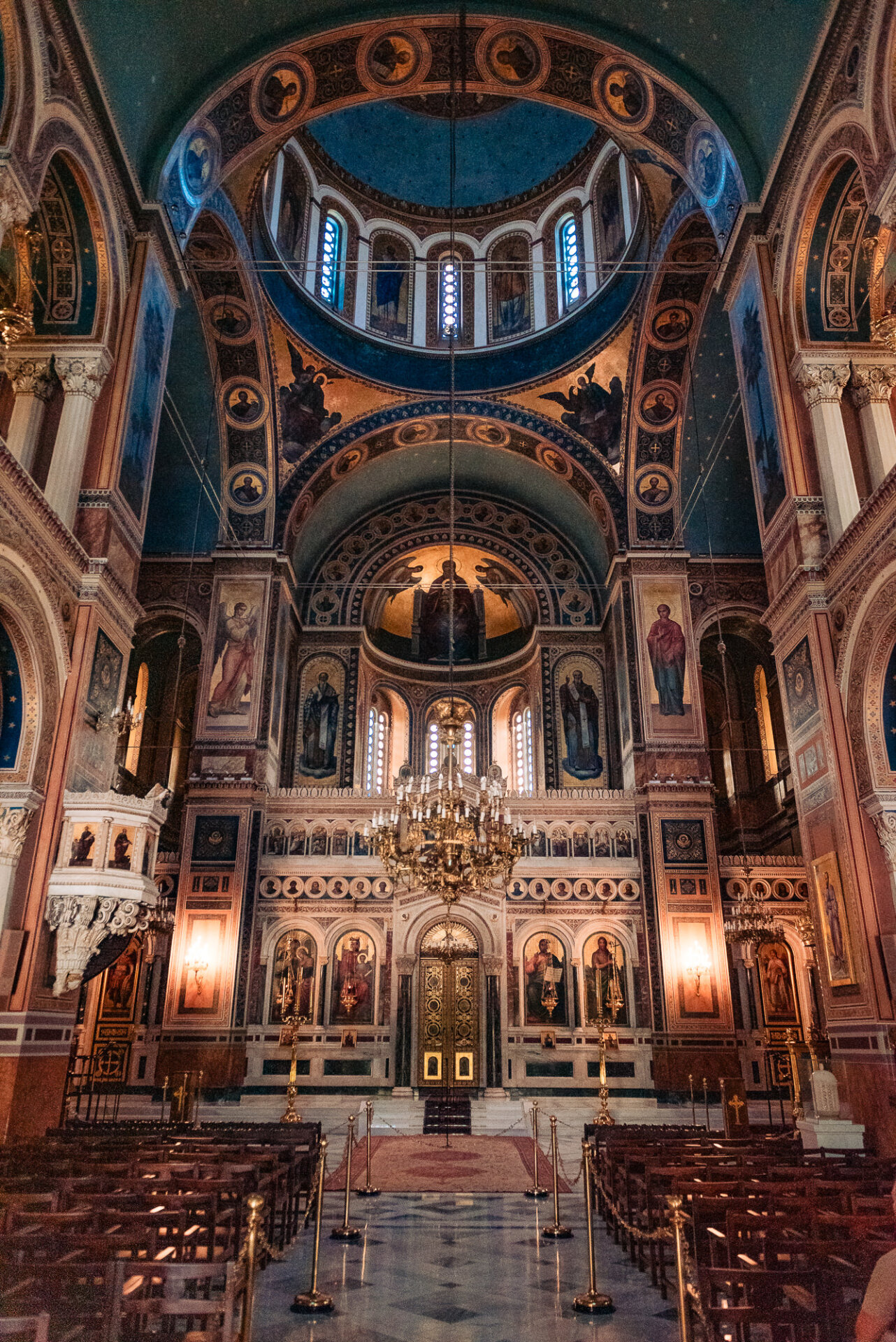
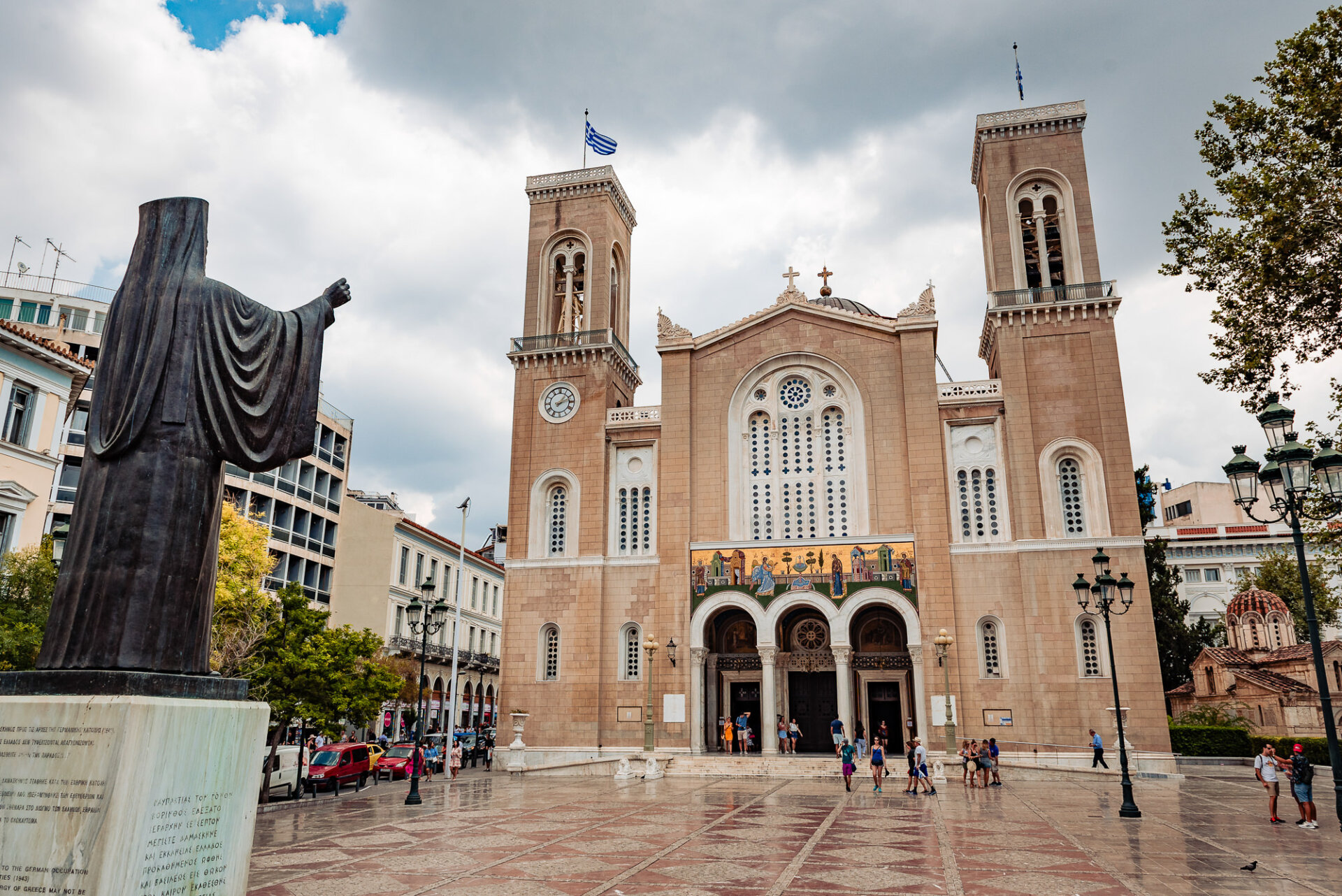
Fun Fact: The Metropolitan Cathedral was built using marble sourced from over 70 demolished churches across Athens — making it, in a very real sense, a mosaic of the city’s own sacred history.
The Acropolis: Standing Before the Immortal
I will be honest with you: no amount of photographs, not mine, not anyone’s, fully prepares you for the Acropolis.
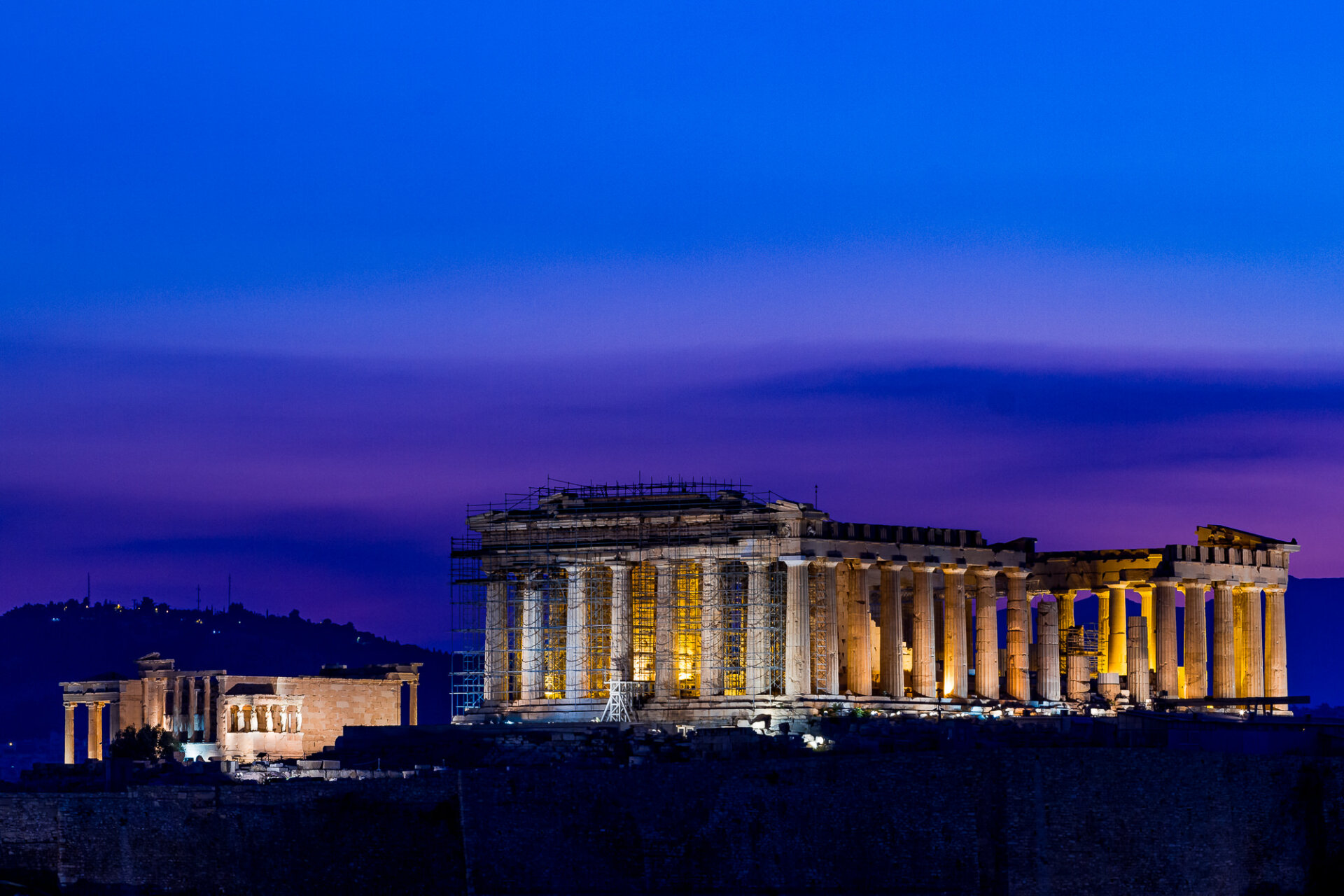
You know it’s coming. You’ve seen it in every travel magazine, every history book, every screensaver. And still, when you round the final bend of the path and the Parthenon rises into full view against the blue Athenian sky, something shifts in your chest. It is colossal. It is ancient beyond comprehension. And it is, somehow, still standing.
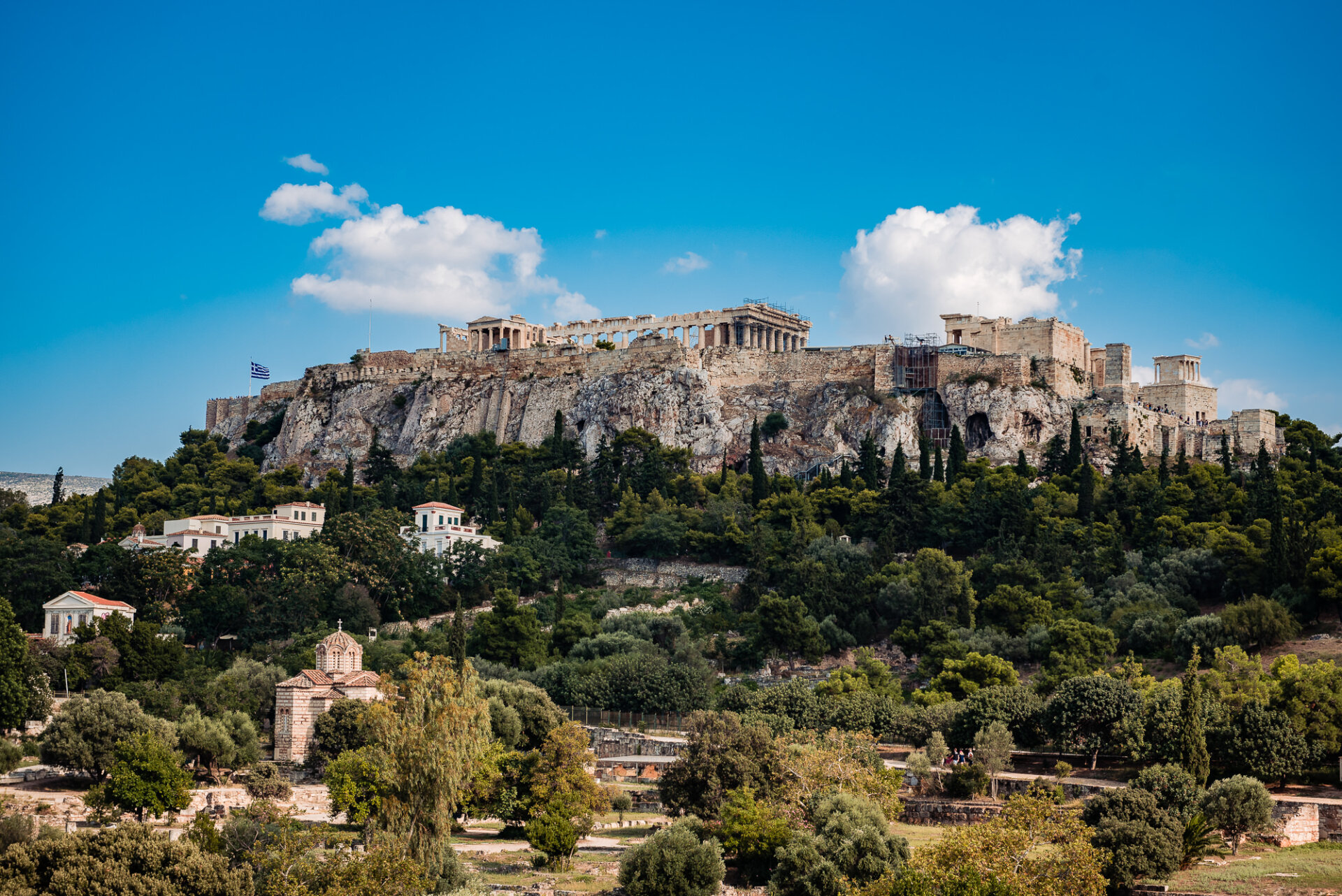
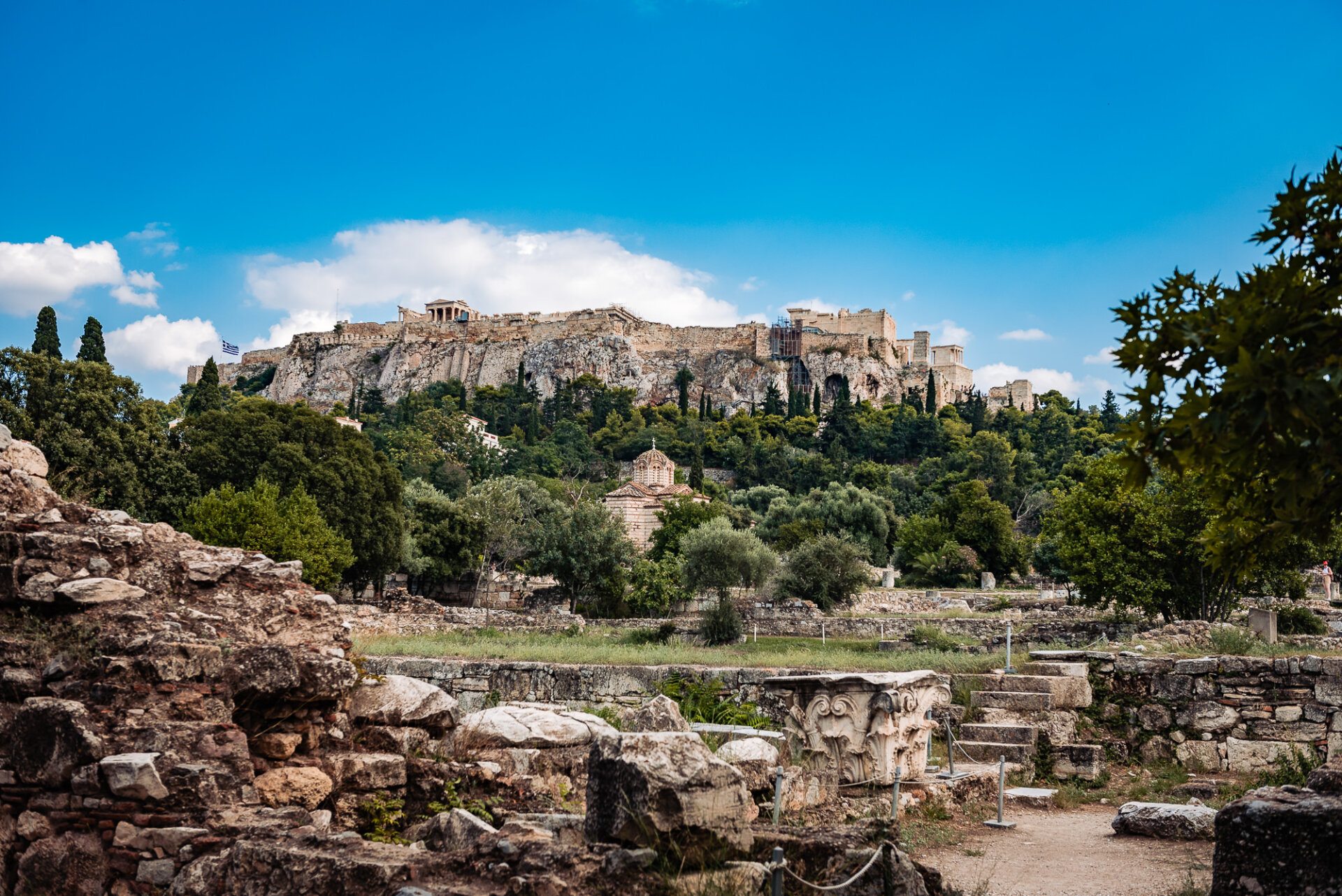
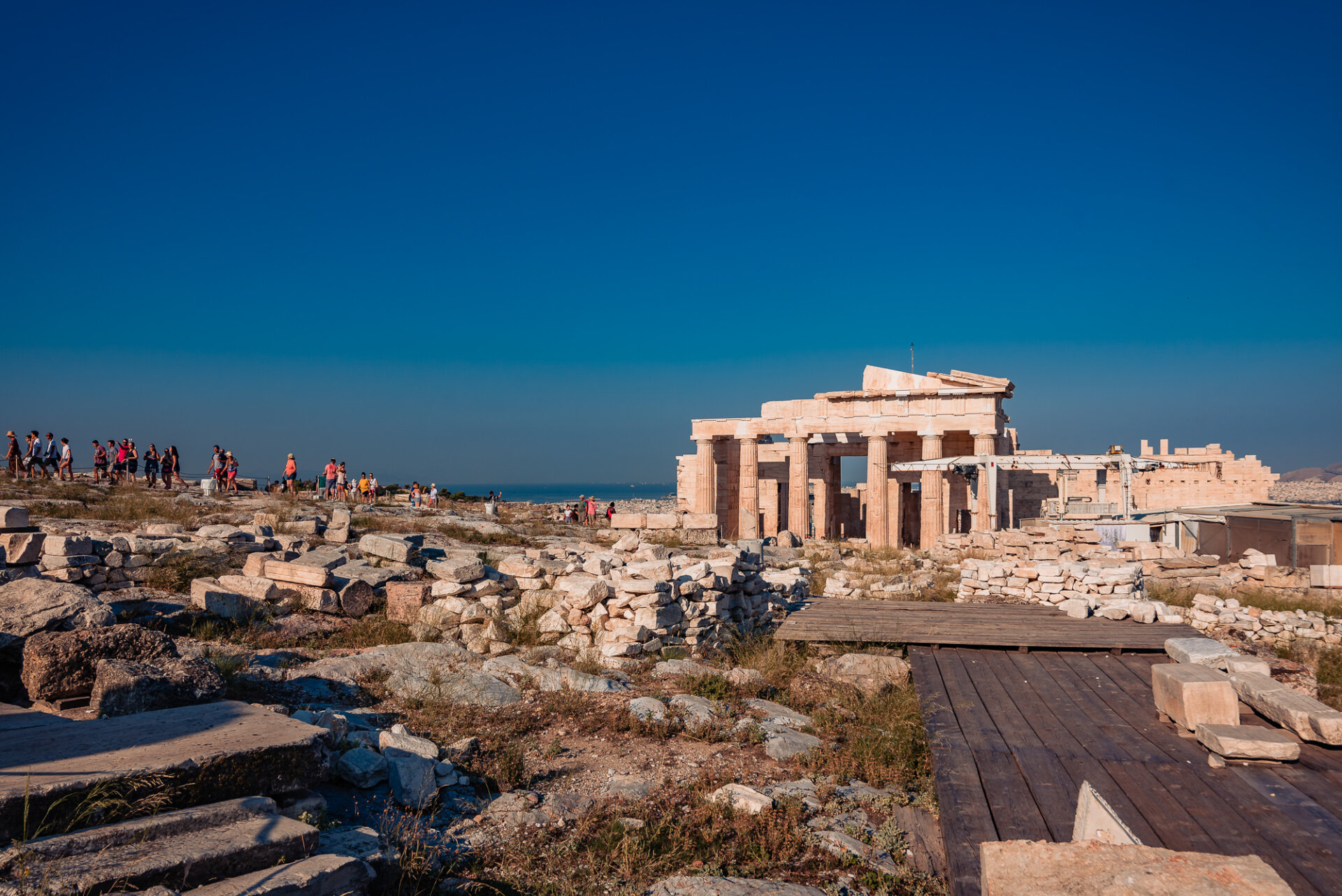
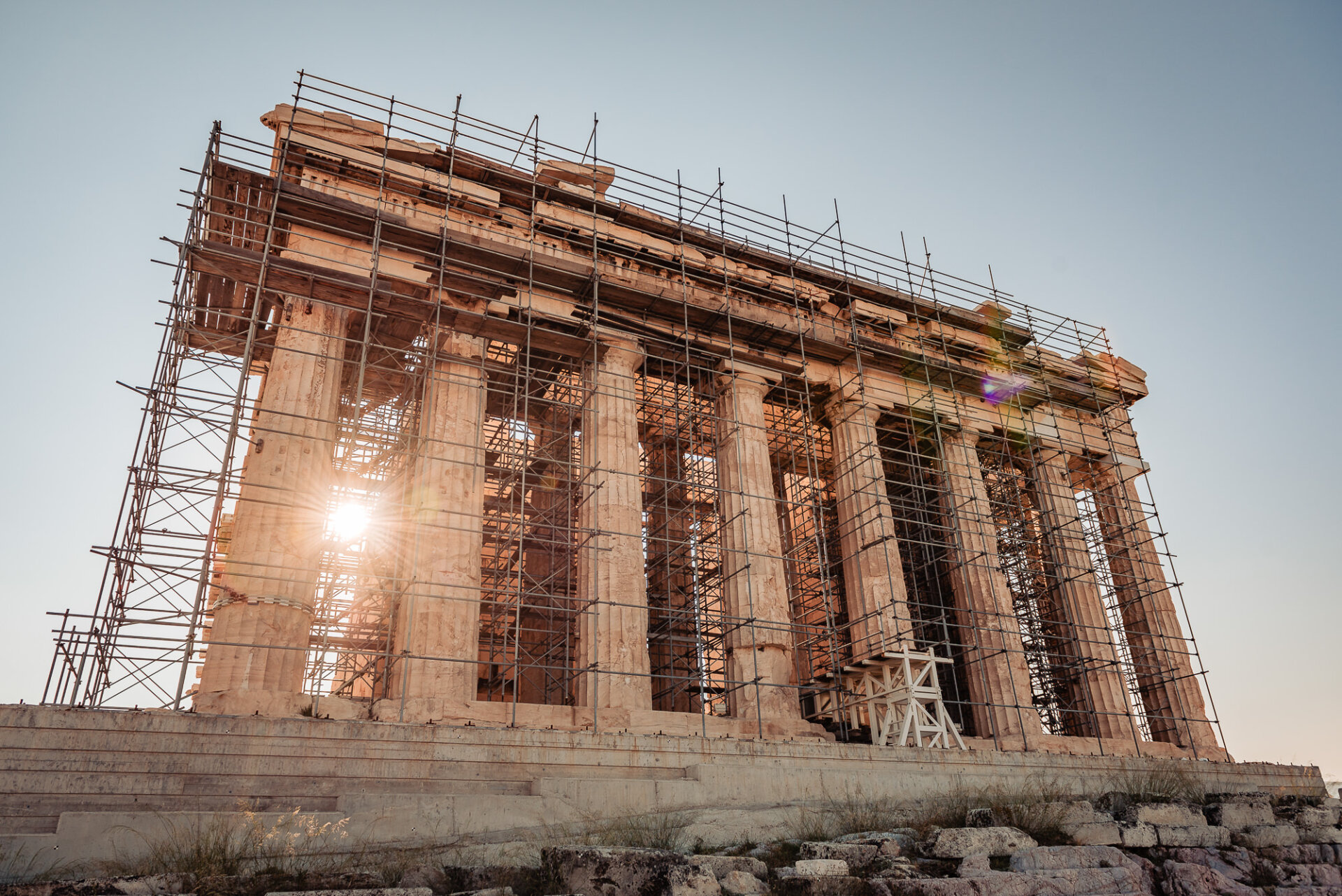
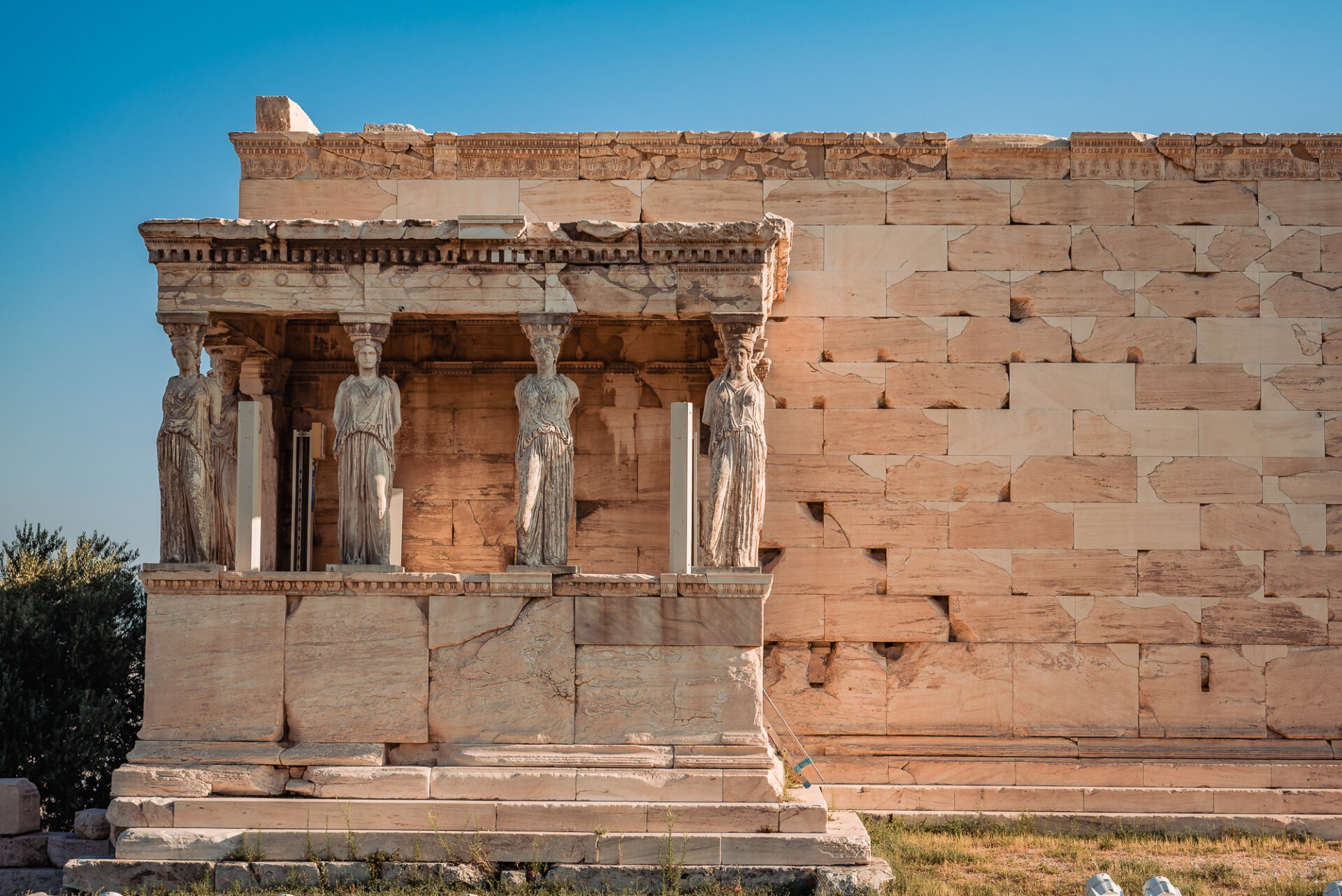
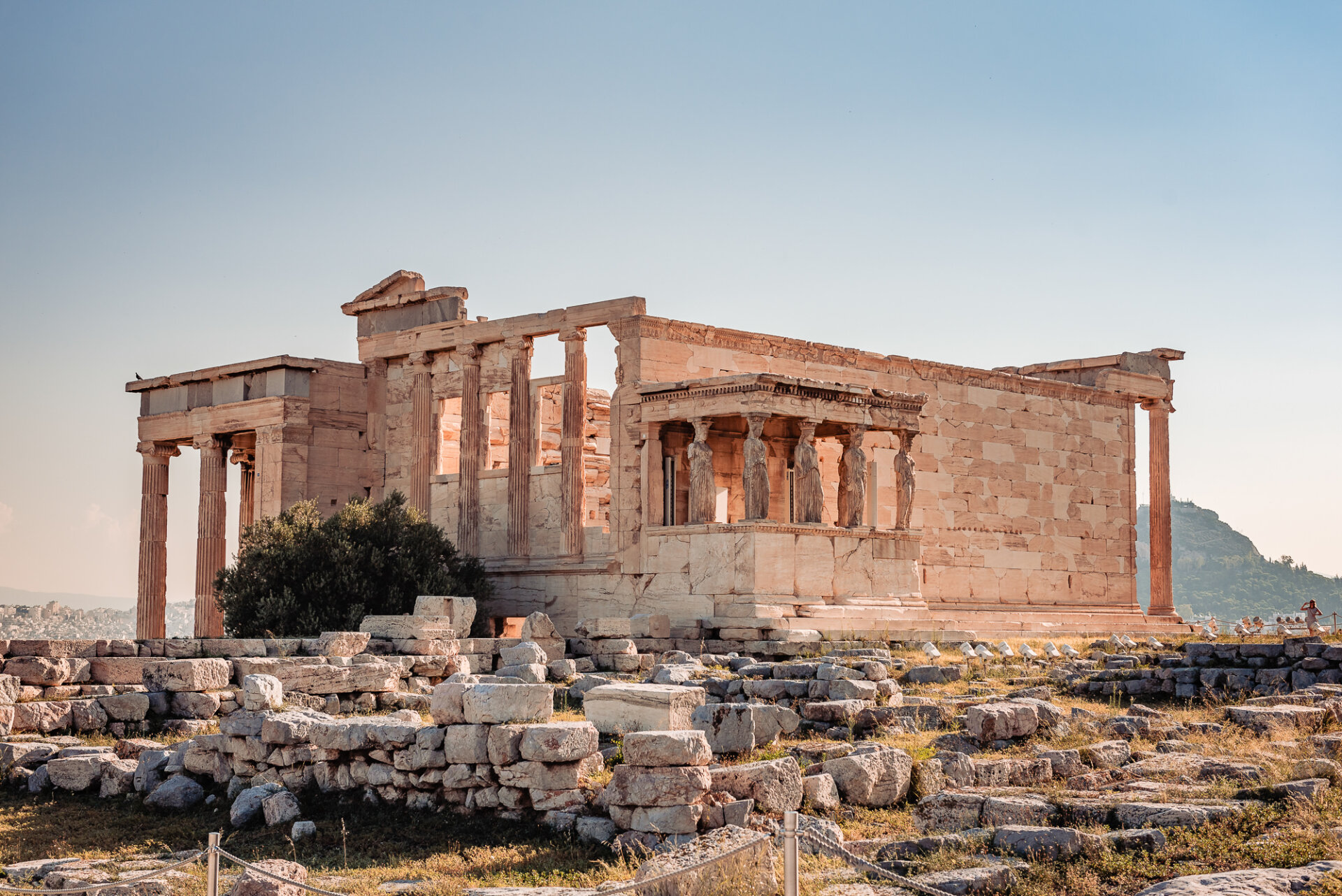
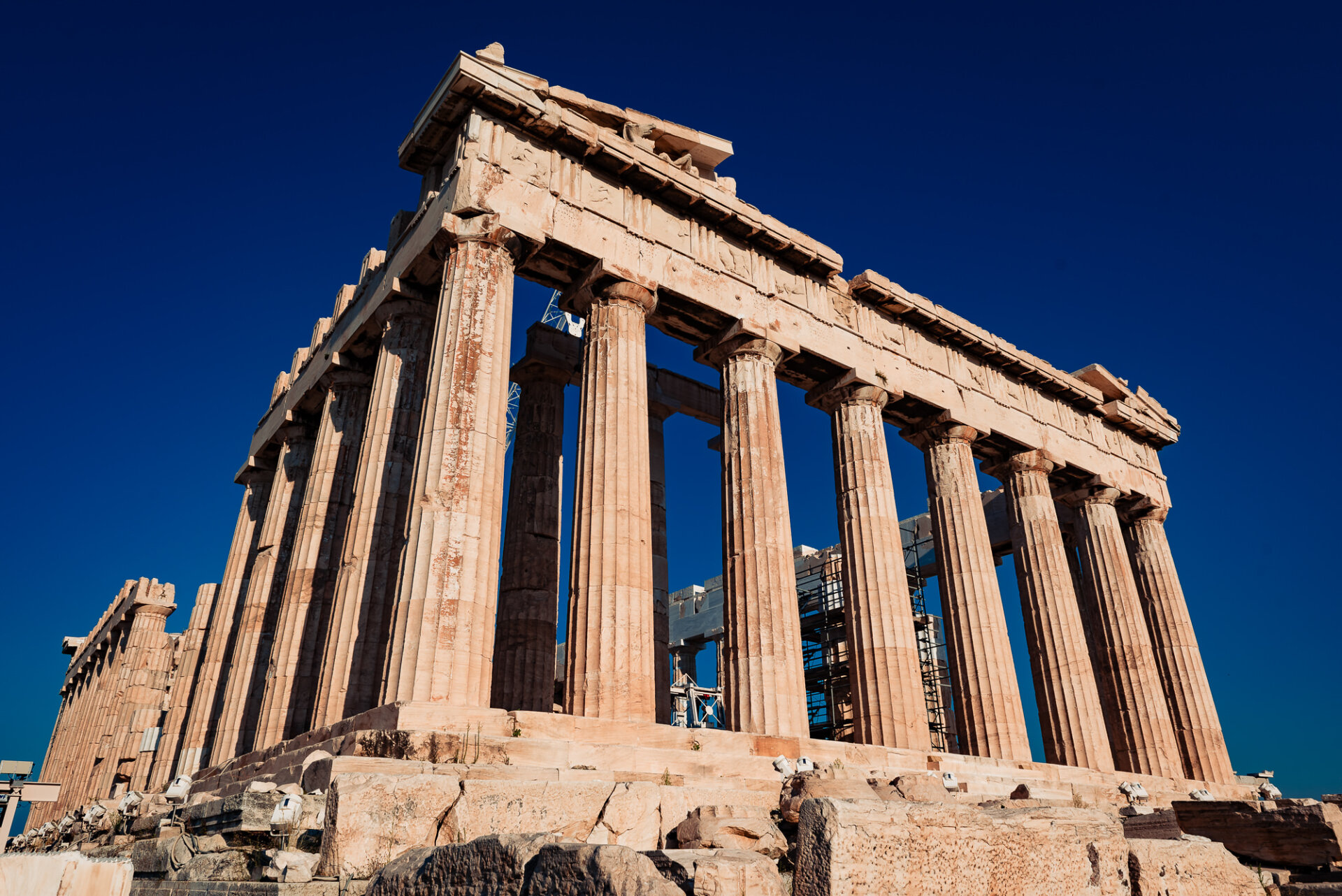
As a photographer, the challenge here is not finding something beautiful to shoot, but narrowing it down. Every angle of the Parthenon offers something remarkable. The play of light through the columns at different hours of the day transforms the structure entirely. I found myself returning my gaze again and again, not to compose a shot, but simply to look.
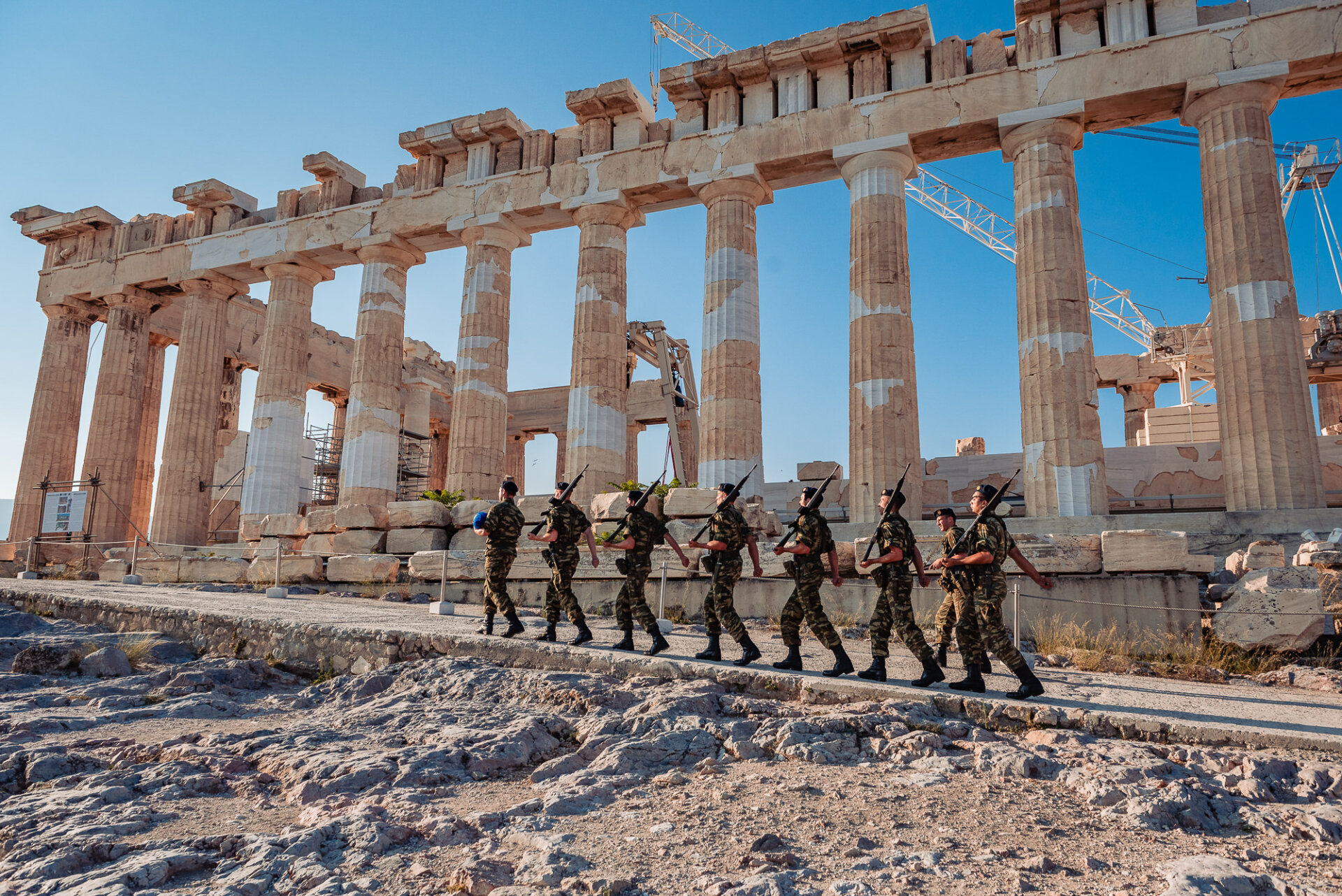
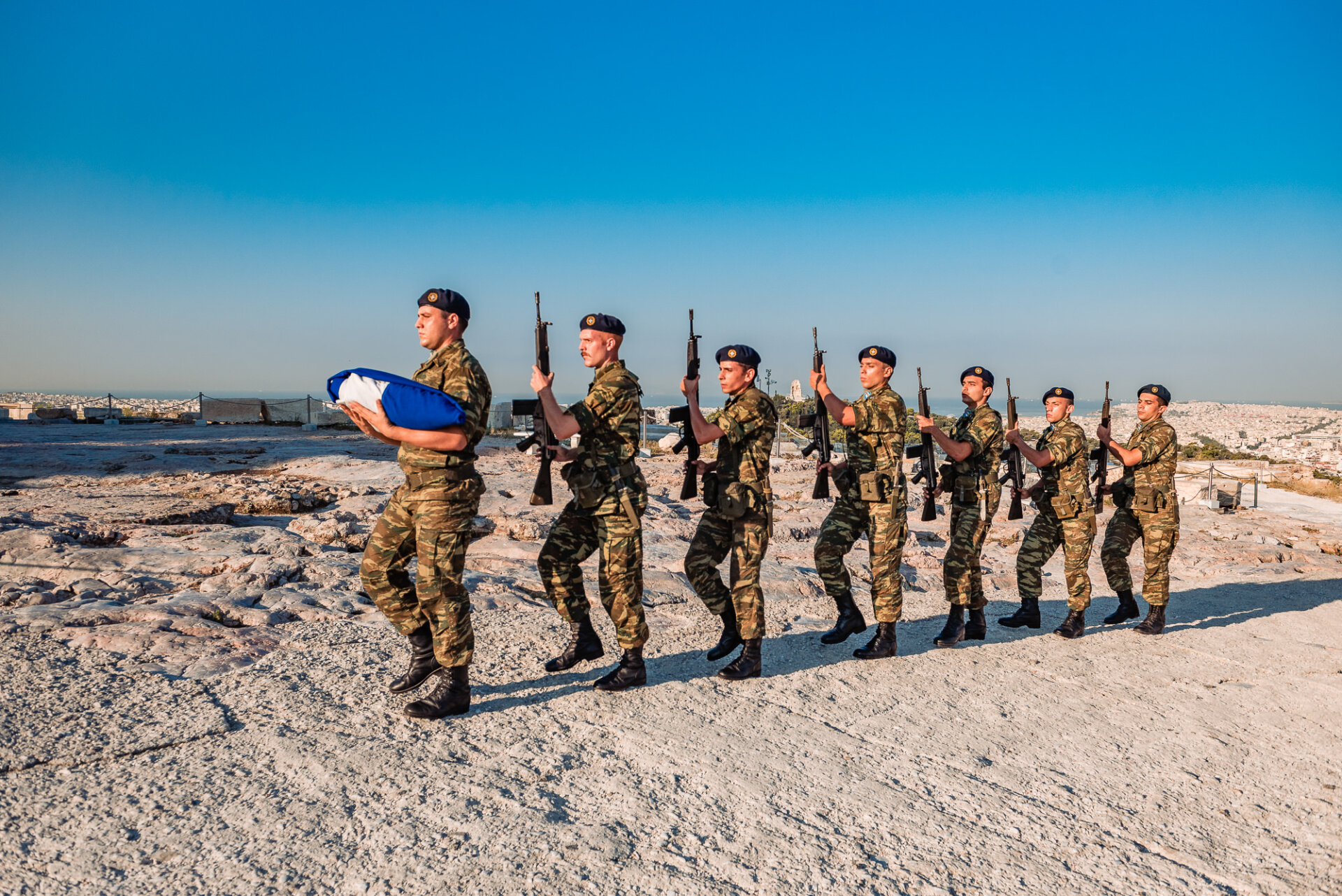
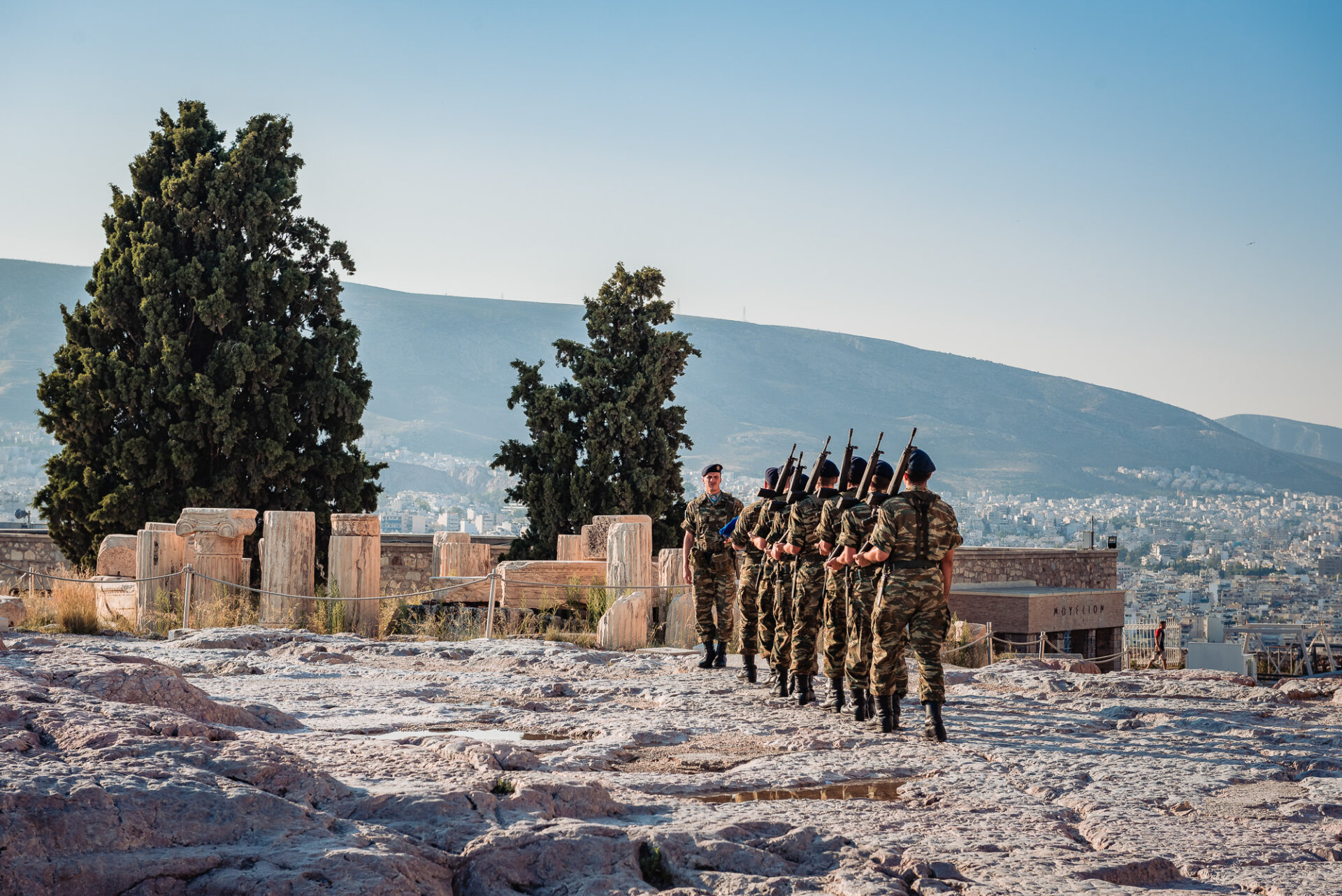
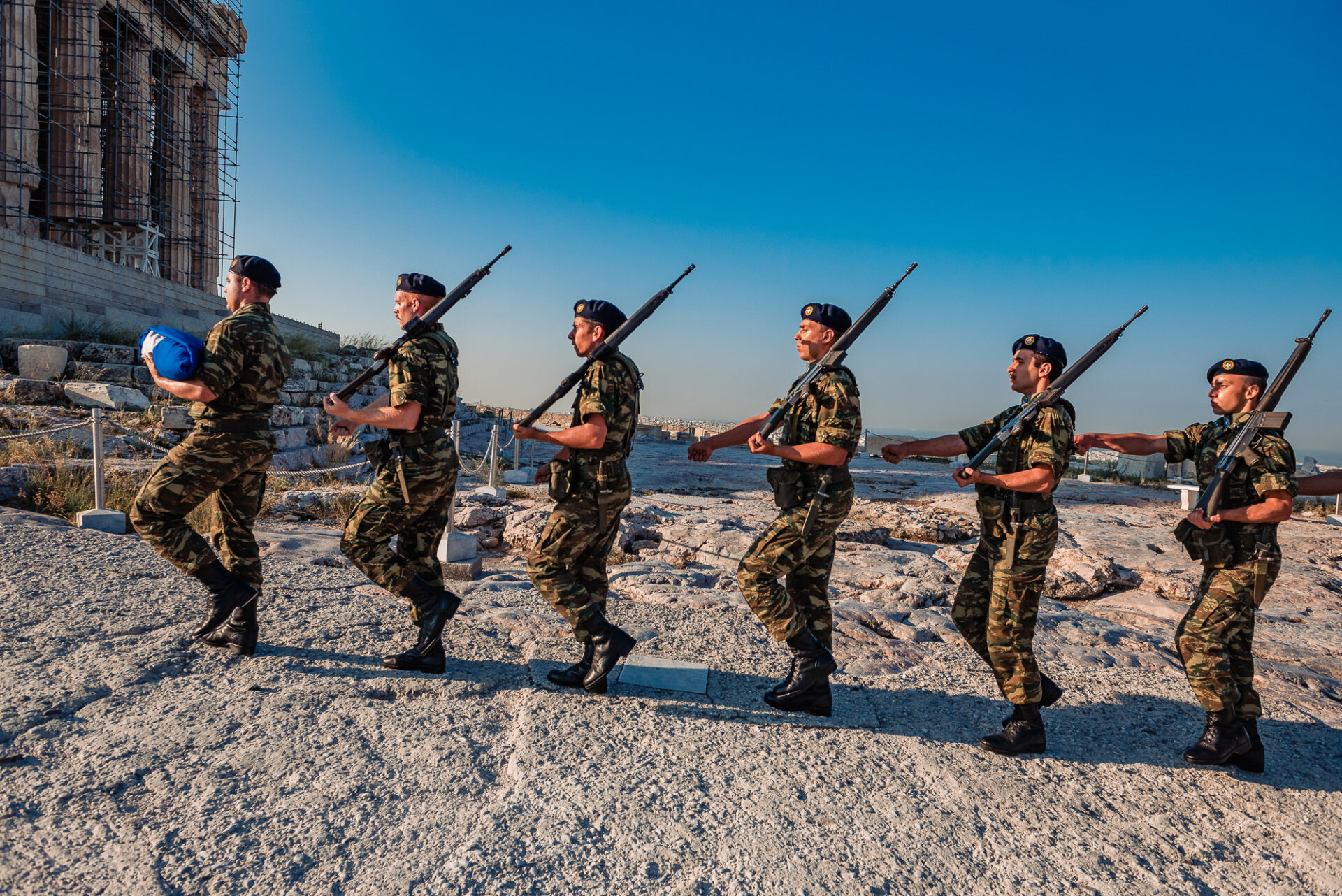
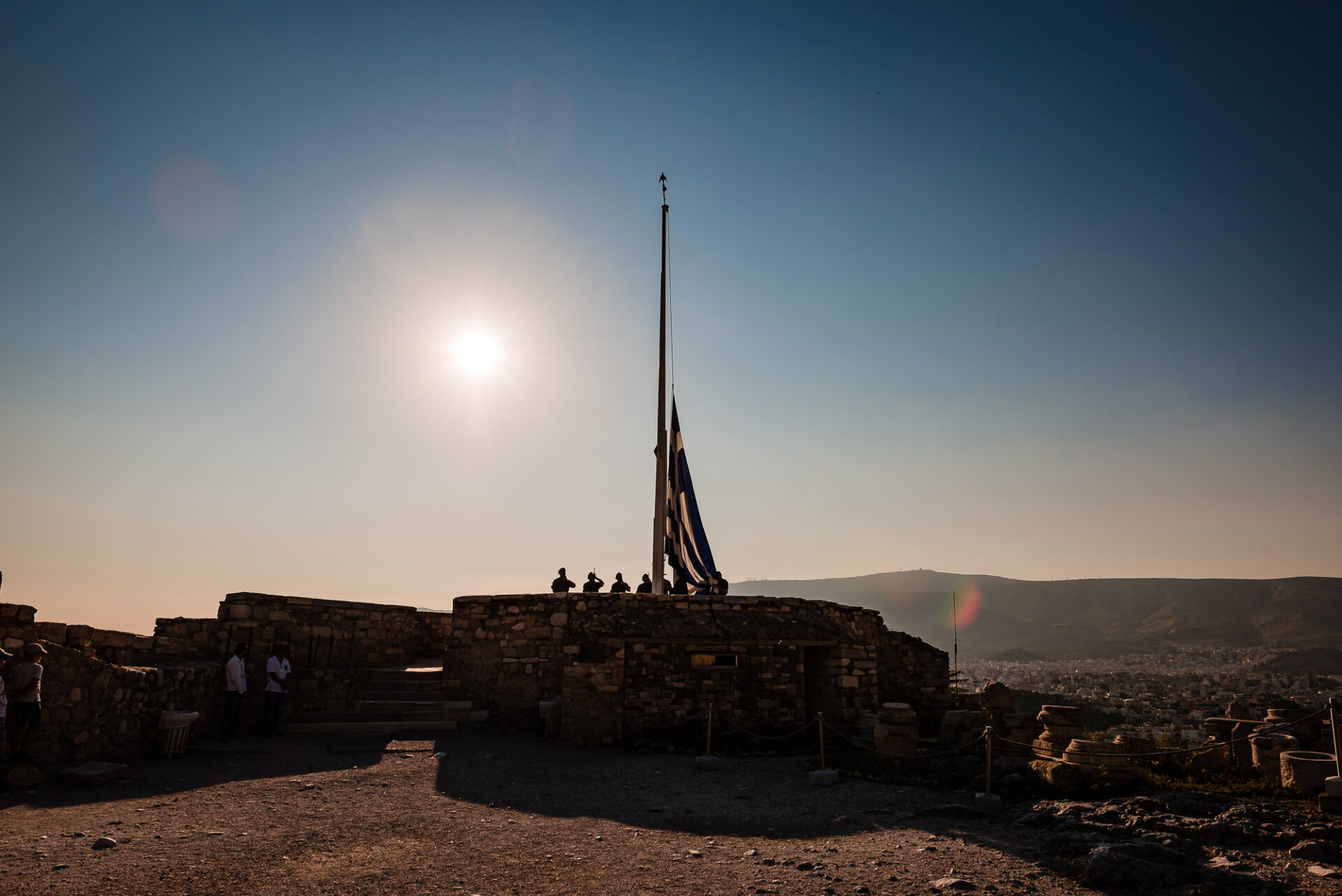
One of the most extraordinary moments of our time in Athens was watching the Greek army soldiers perform their ceremonial march before raising the national flag on the Acropolis Hill. Precise, proud, and deeply moving; it is a ritual that connects modern Greece to its ancient identity in the most visceral way possible. I was grateful to have my camera, and equally grateful to simply stand and watch.
Interesting Fact: The Parthenon has stood on the Acropolis for nearly 2,500 years. It was built between 447 and 432 BC as a temple dedicated to the goddess Athena, the city’s patron deity.
Temple of Olympian Zeus: Scale Beyond Comprehension
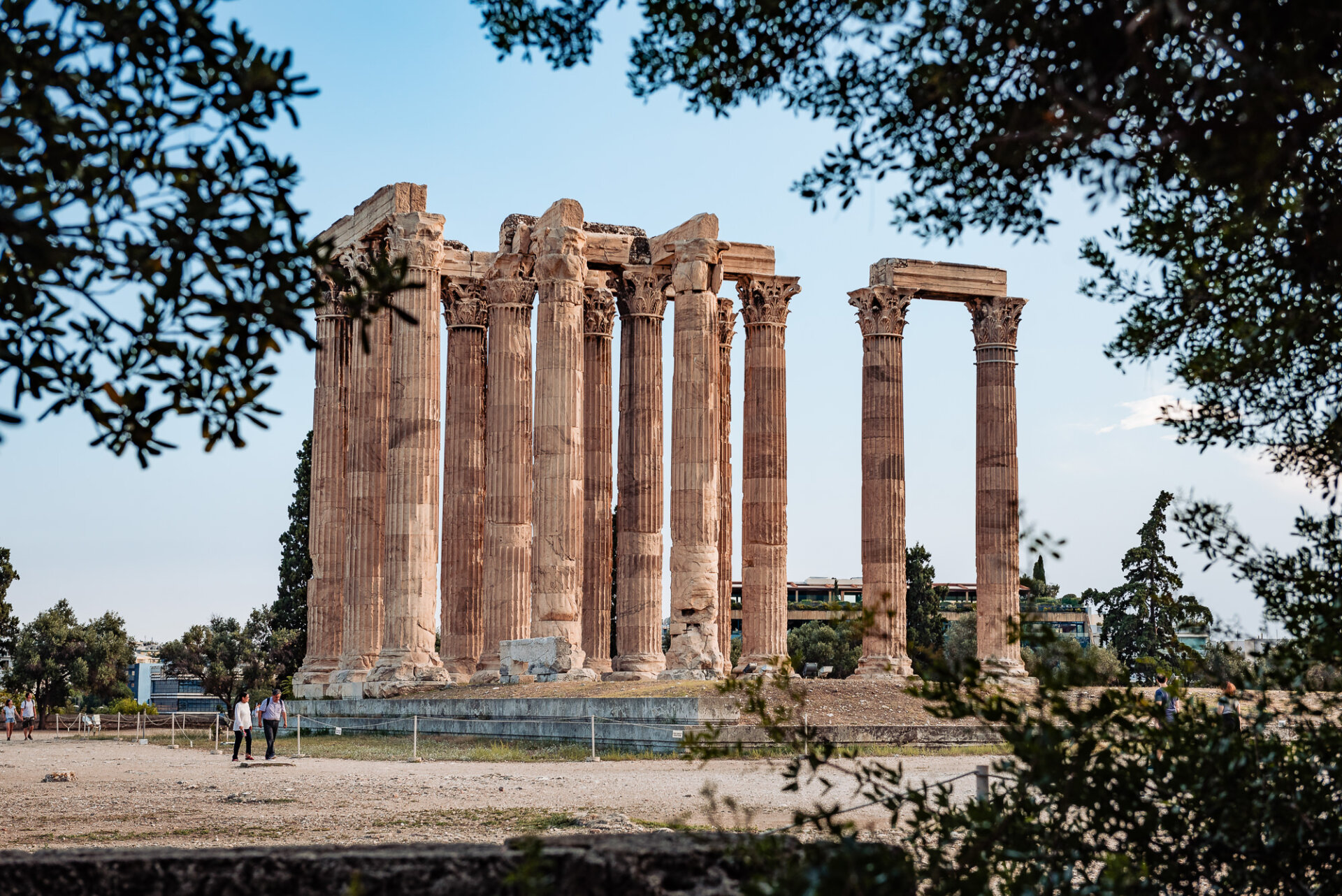
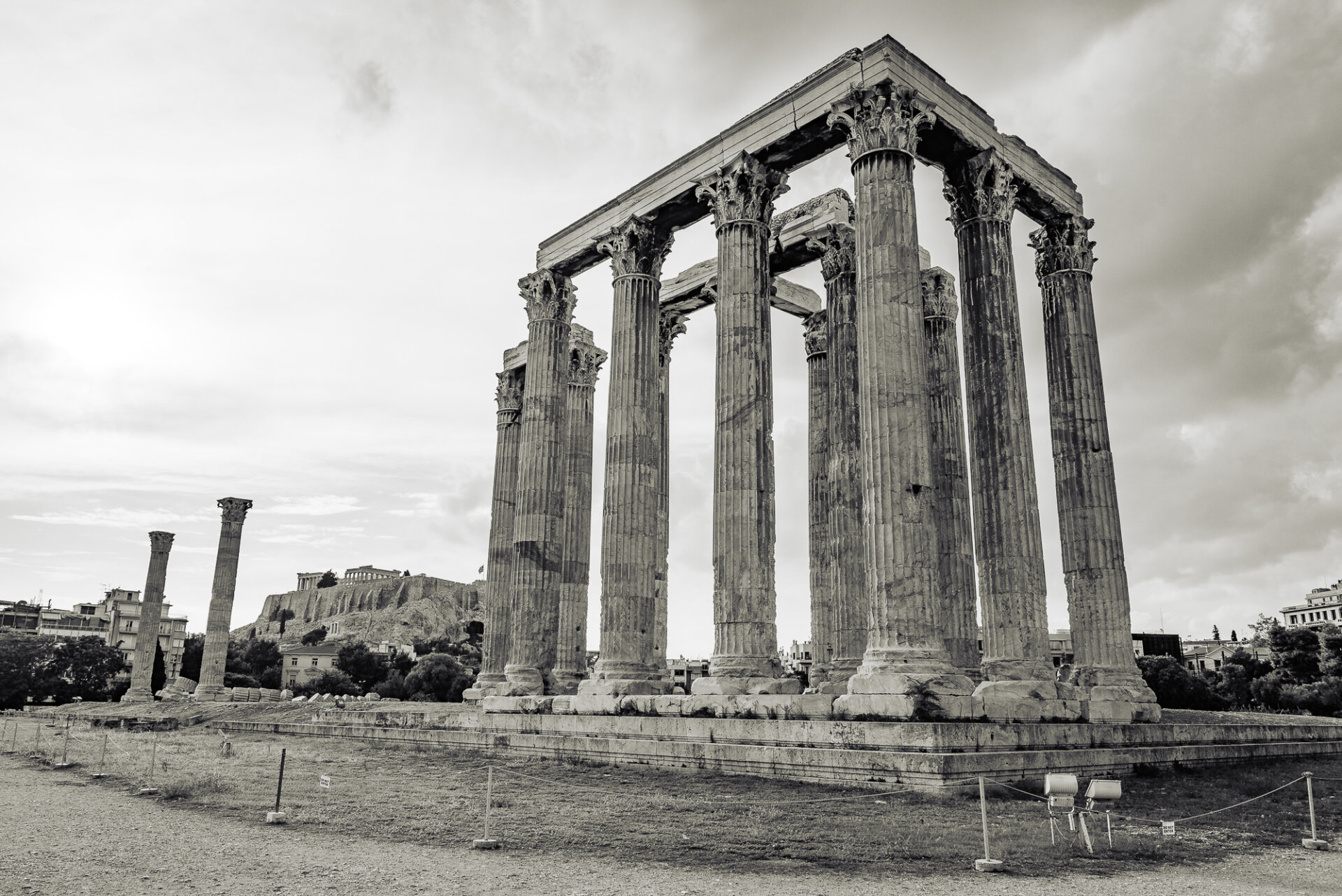
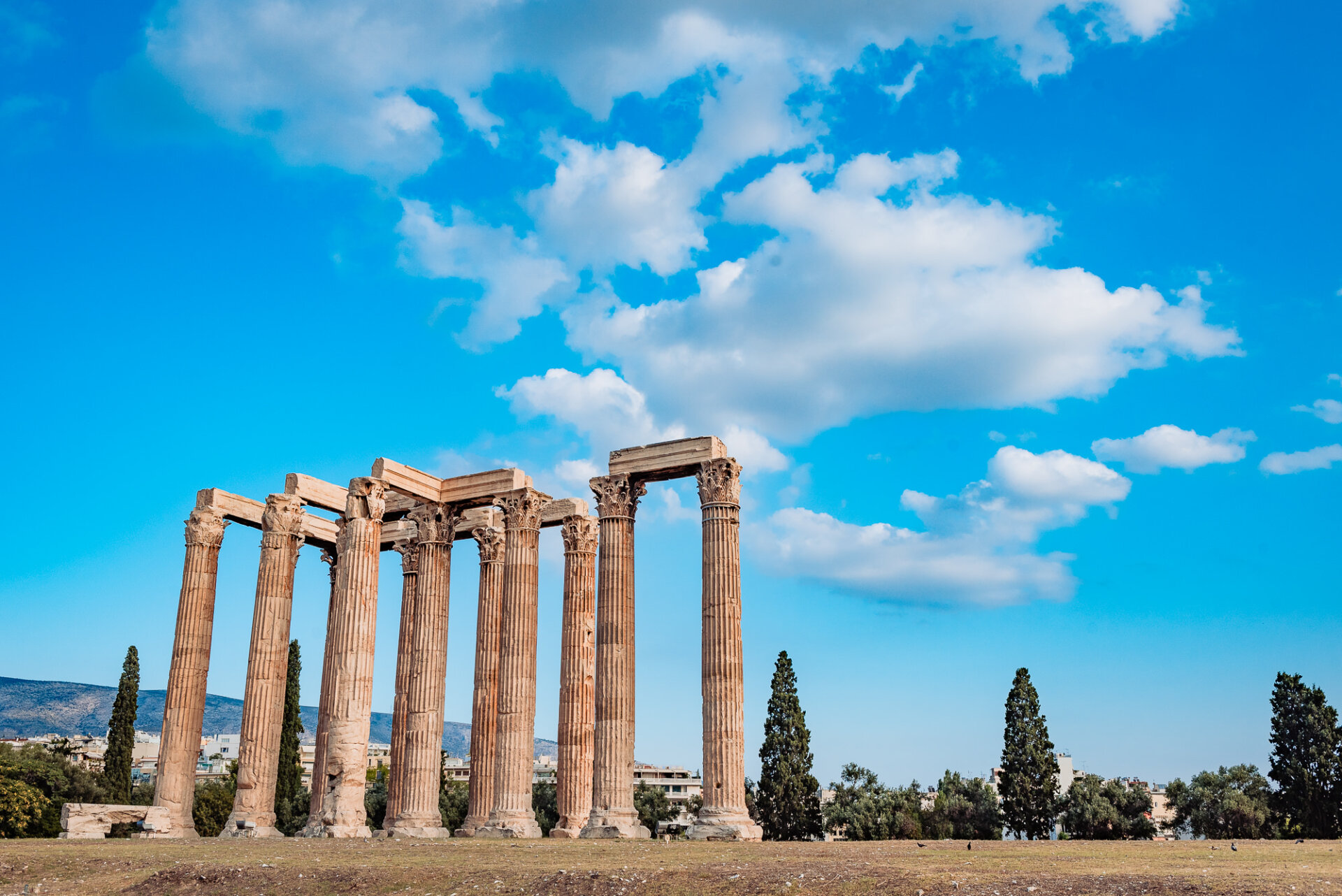
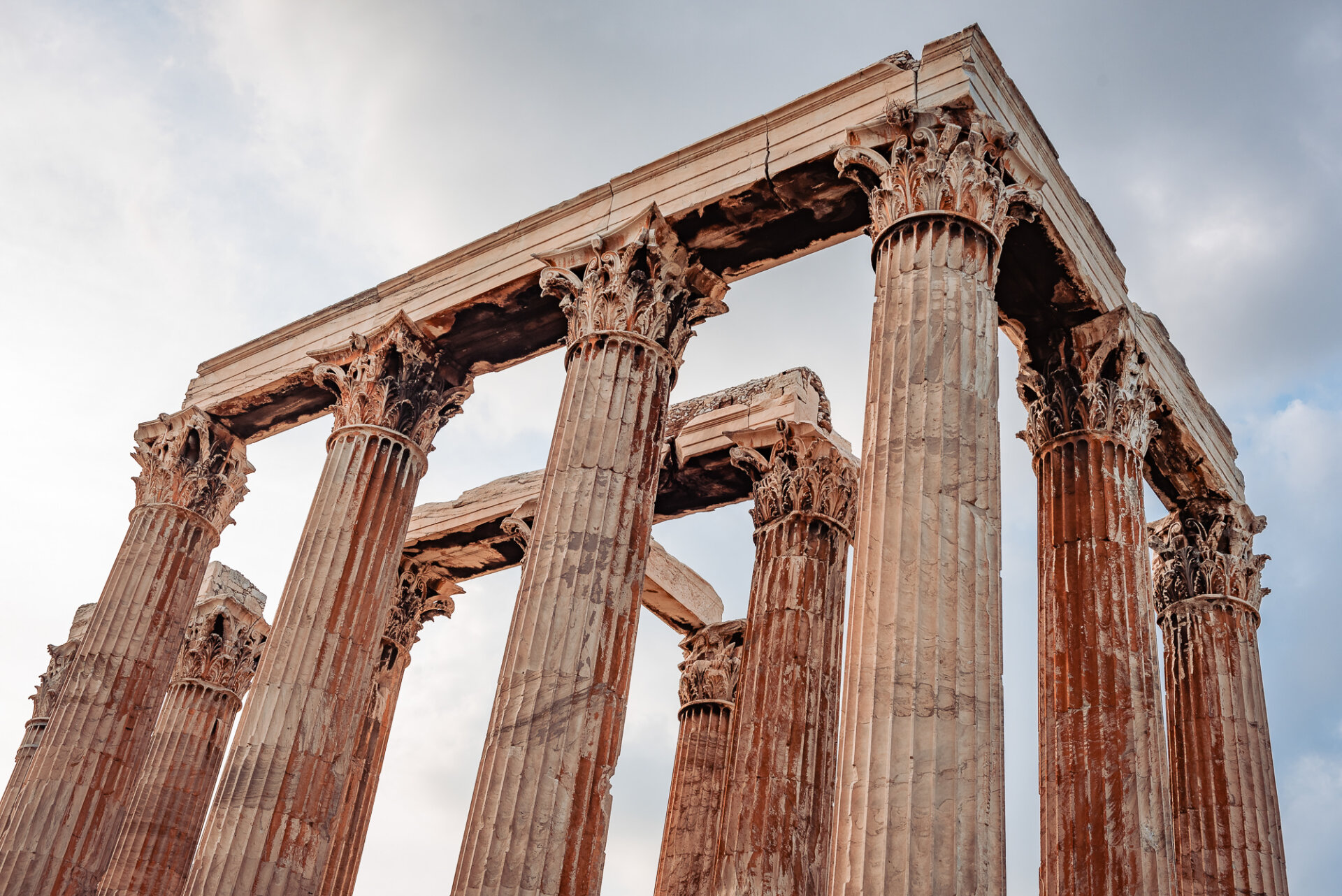
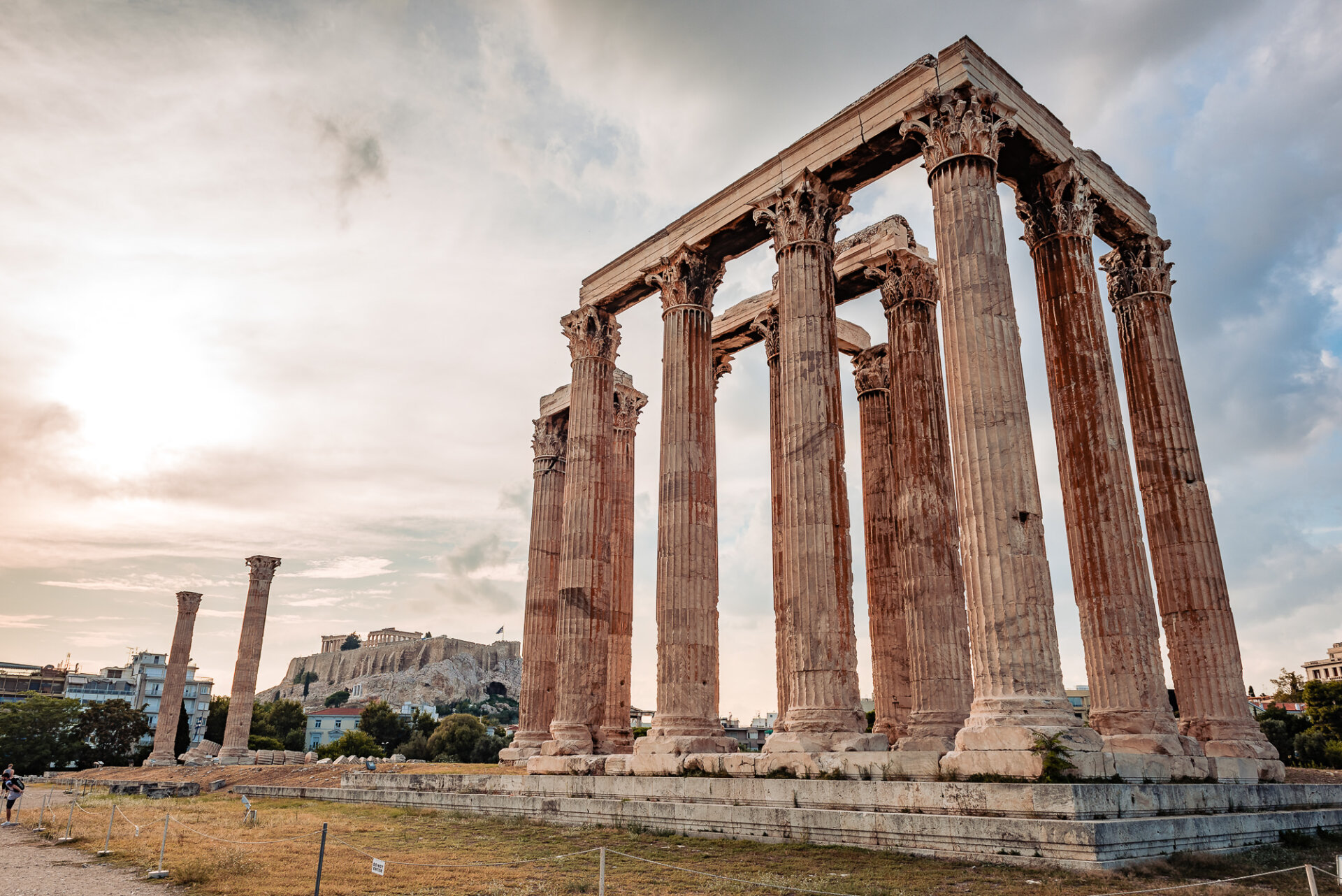
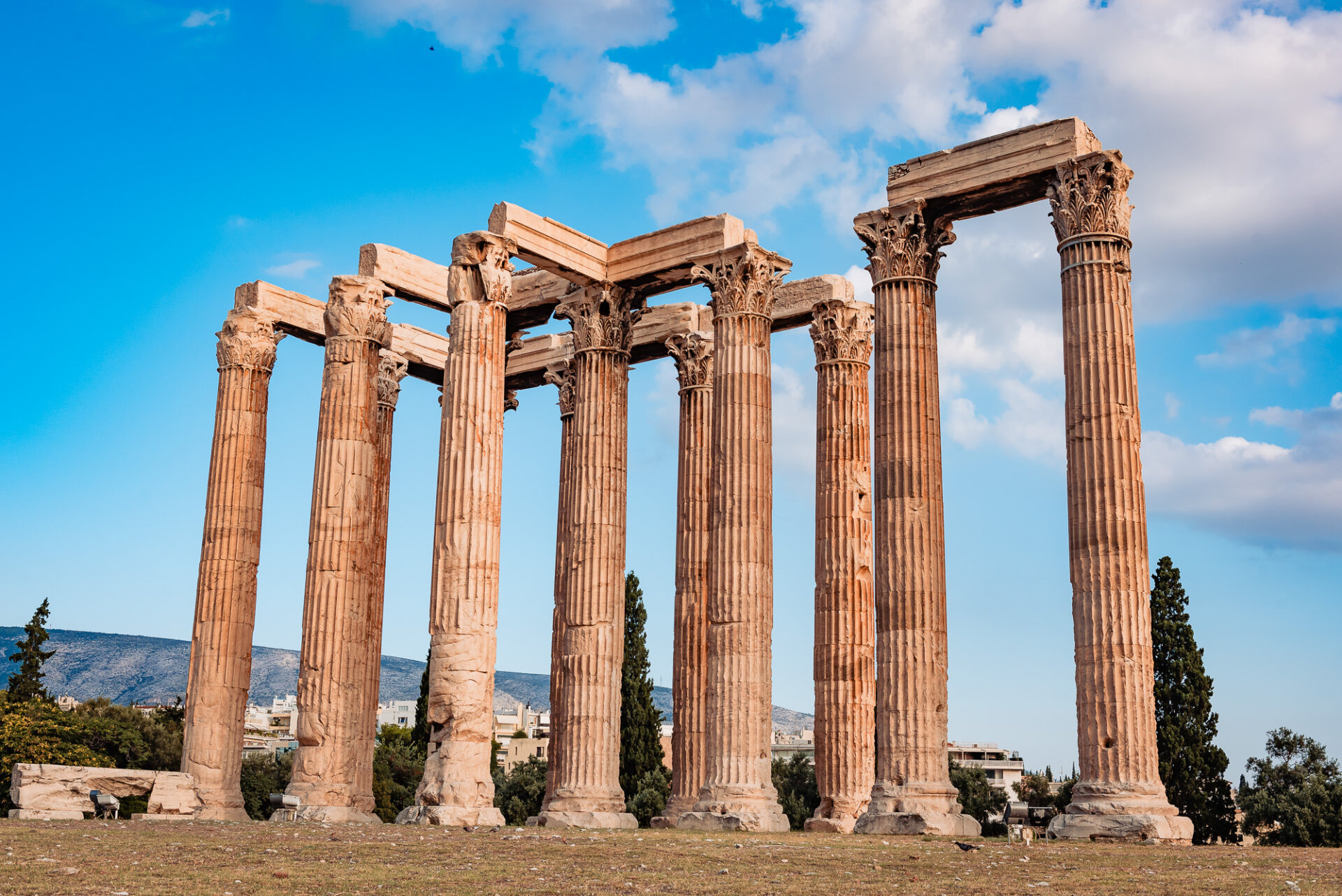
A short walk from the Acropolis, the Temple of Olympian Zeus offers a different kind of awe, one rooted in sheer, almost staggering scale.
Once the largest temple in ancient Greece, only 15 of its original 104 columns still stand today. But standing among them is enough. Each column rises 17 meters into the sky, and standing at its base, you understand immediately why this was considered a wonder of the ancient world. The surrounding parkland and the framing view back toward the Acropolis make this one of the finest compositions in all of Athens for photography.
Panathenaic Stadium: Marble, History & Olympic Legacy
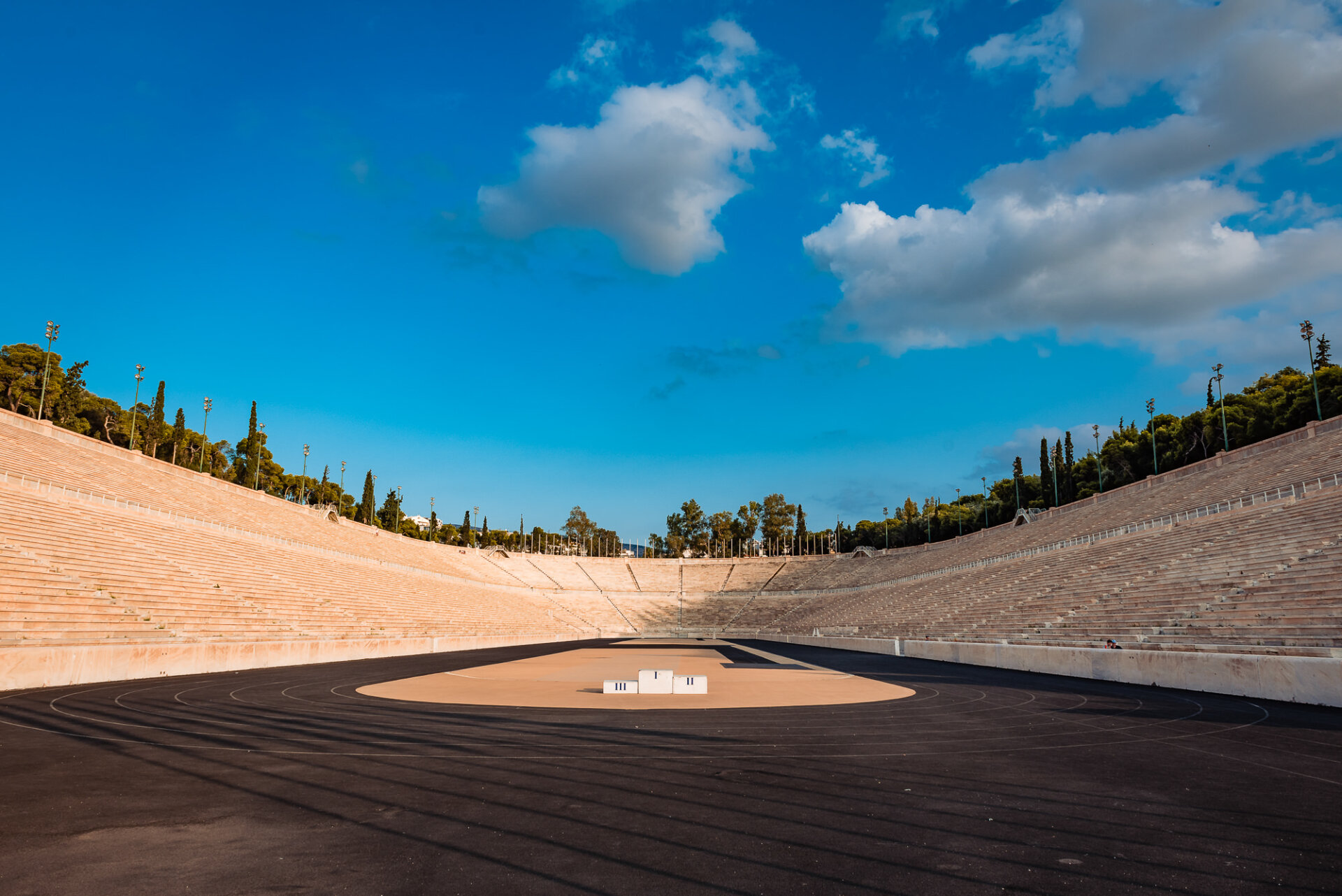
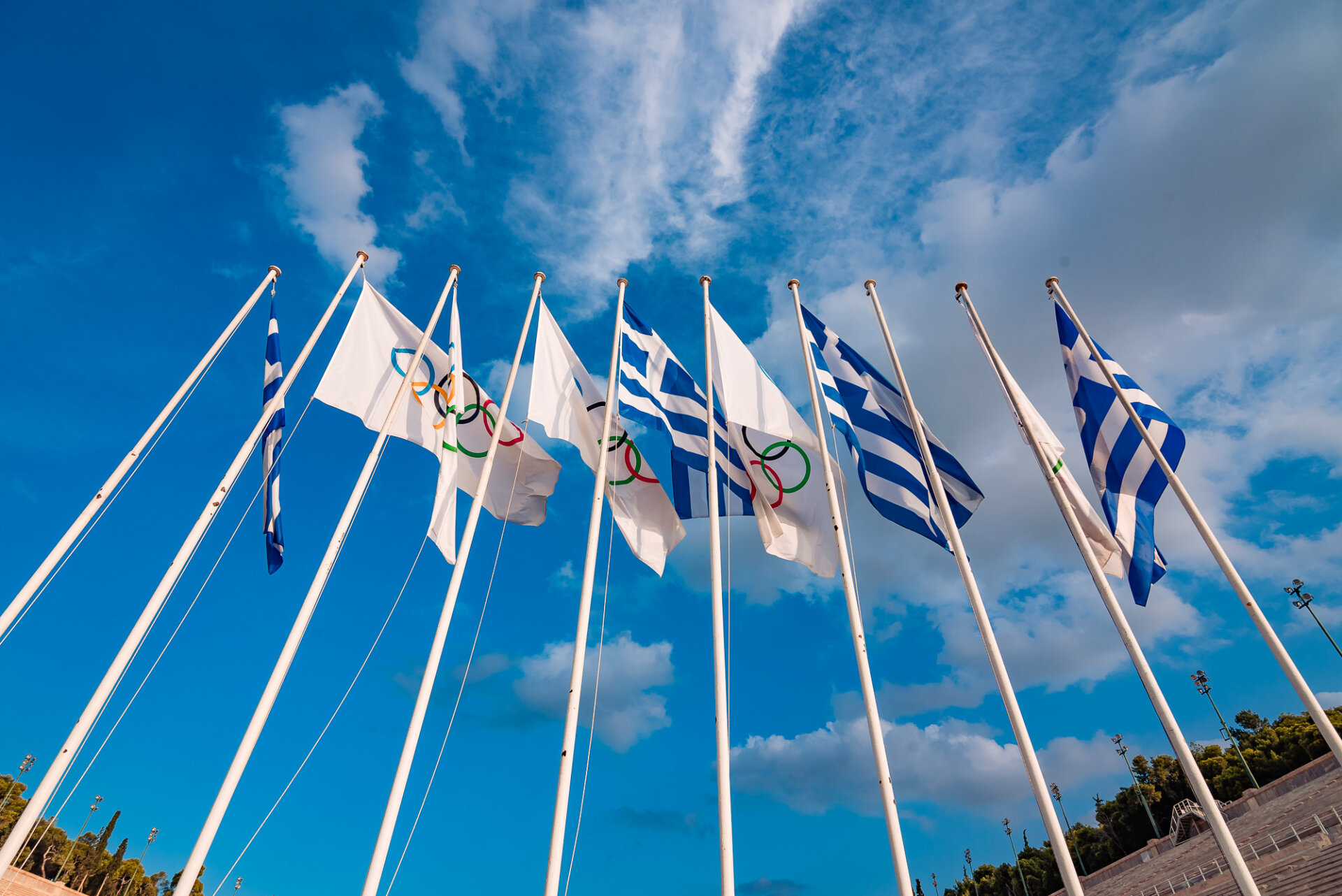
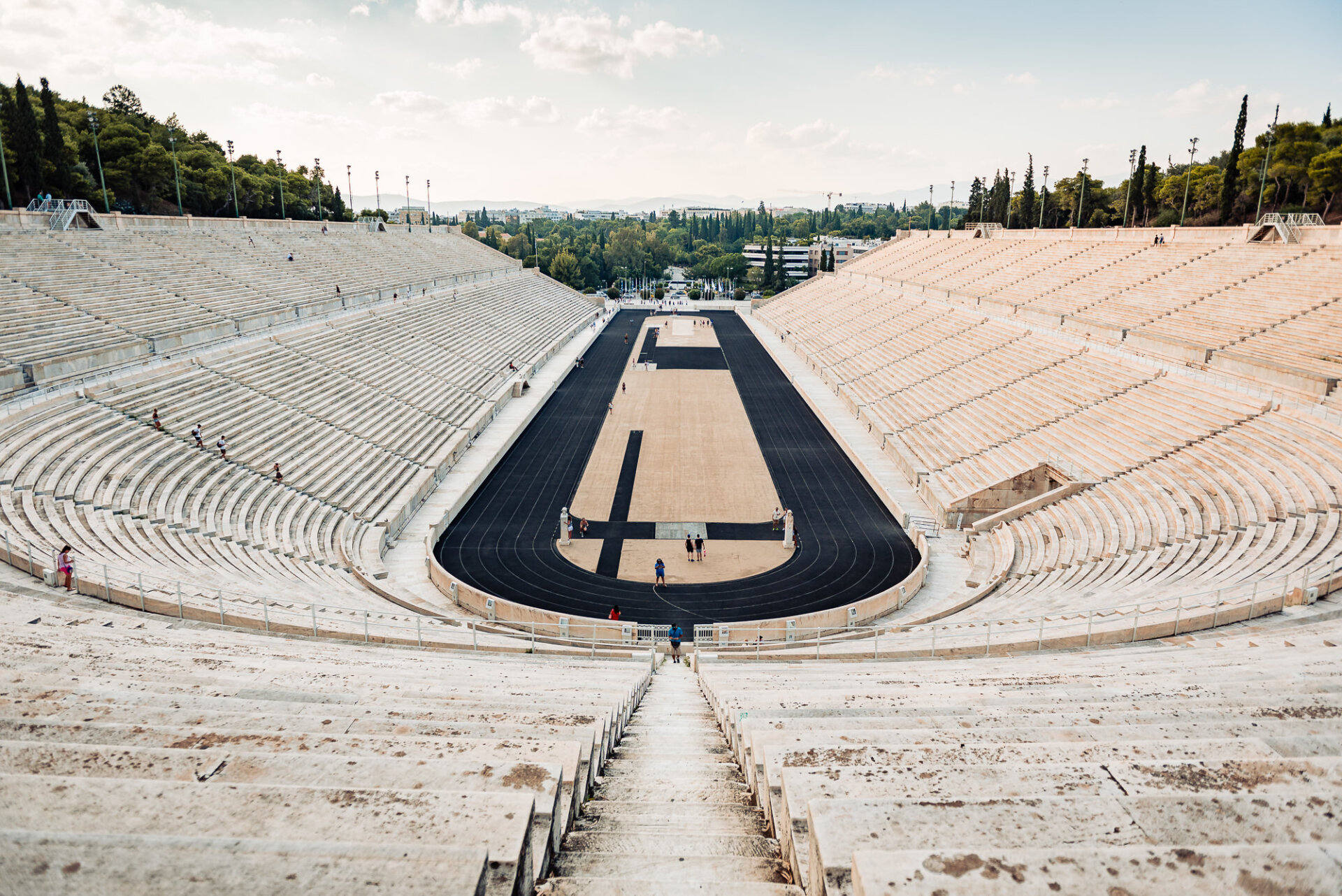
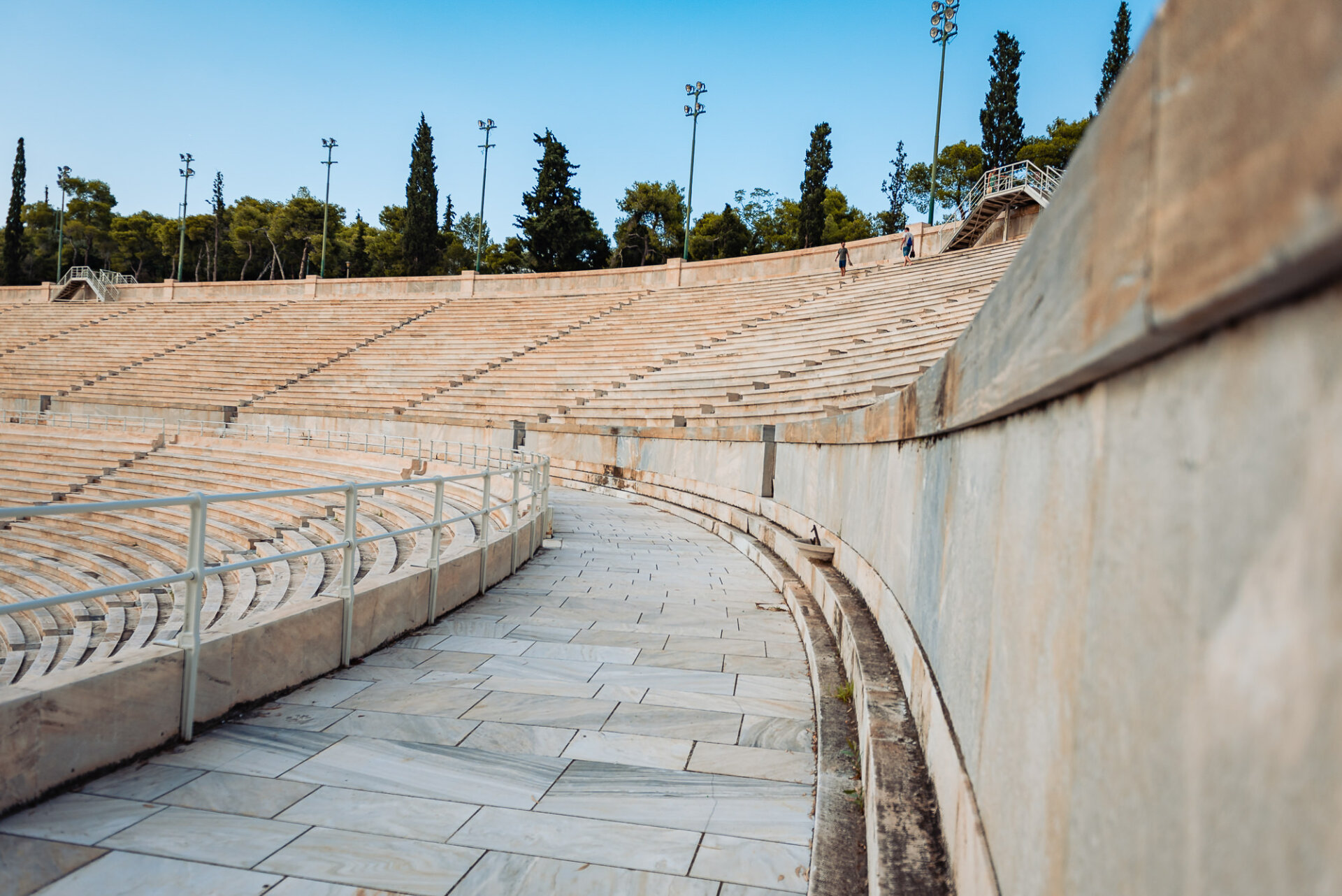
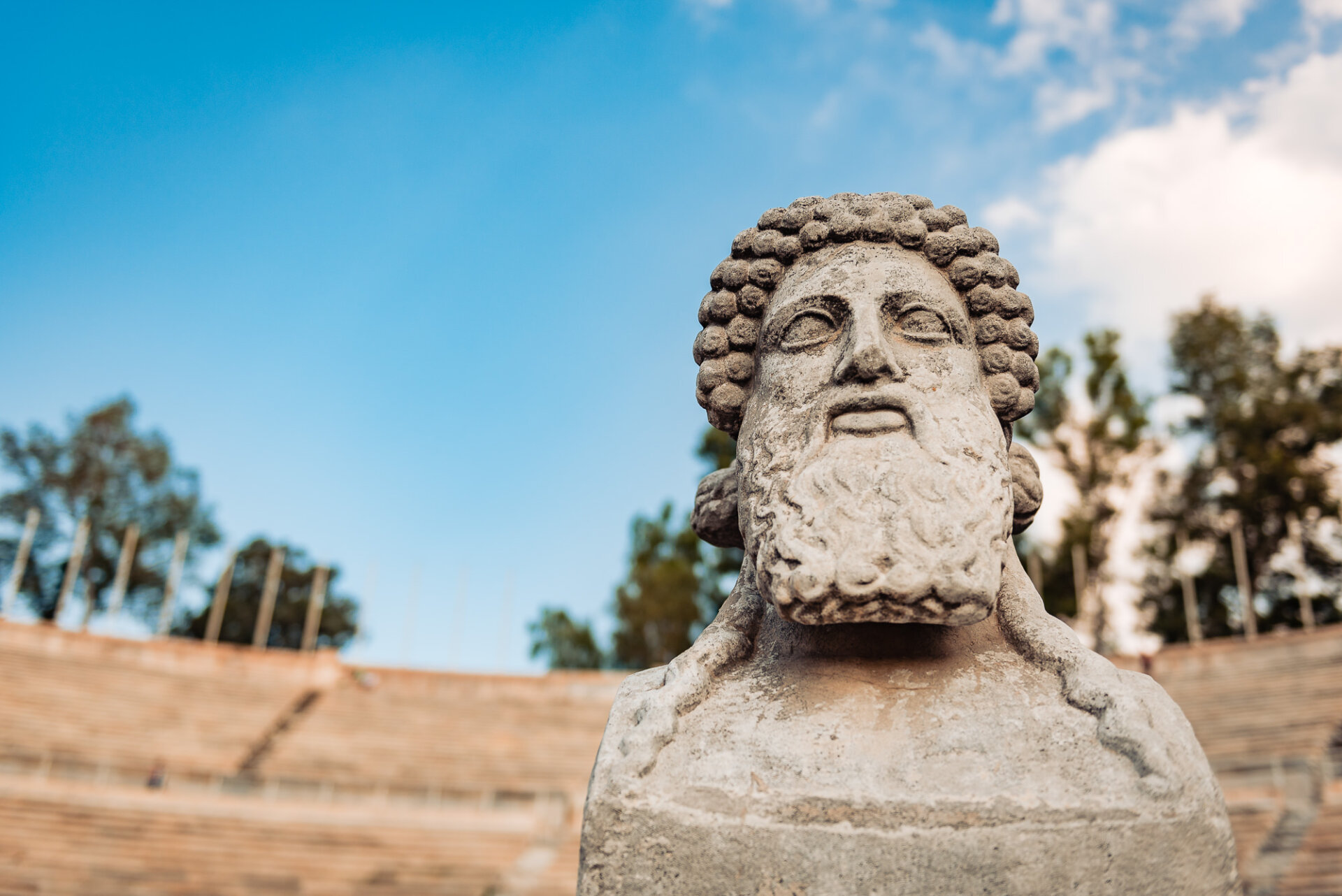
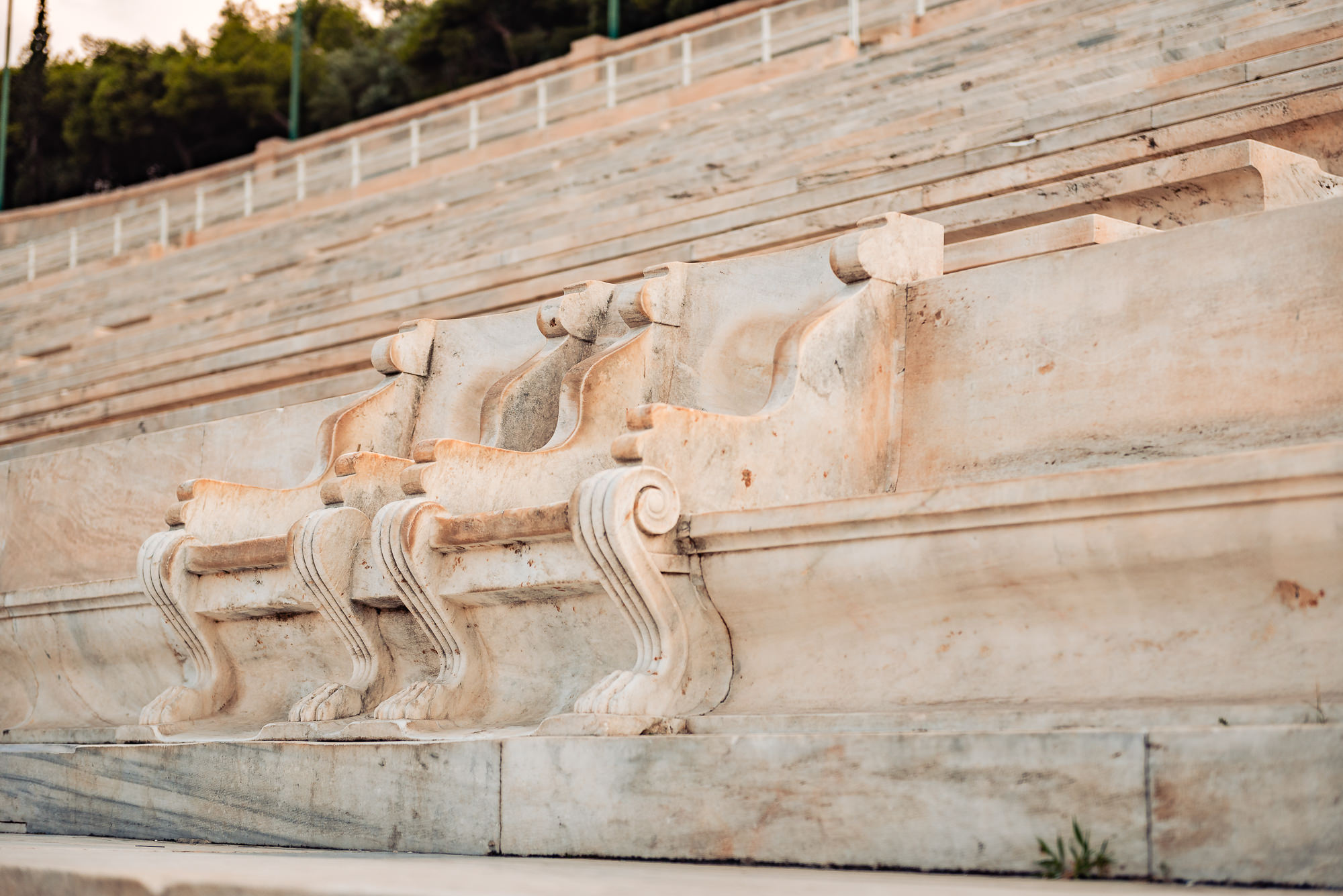
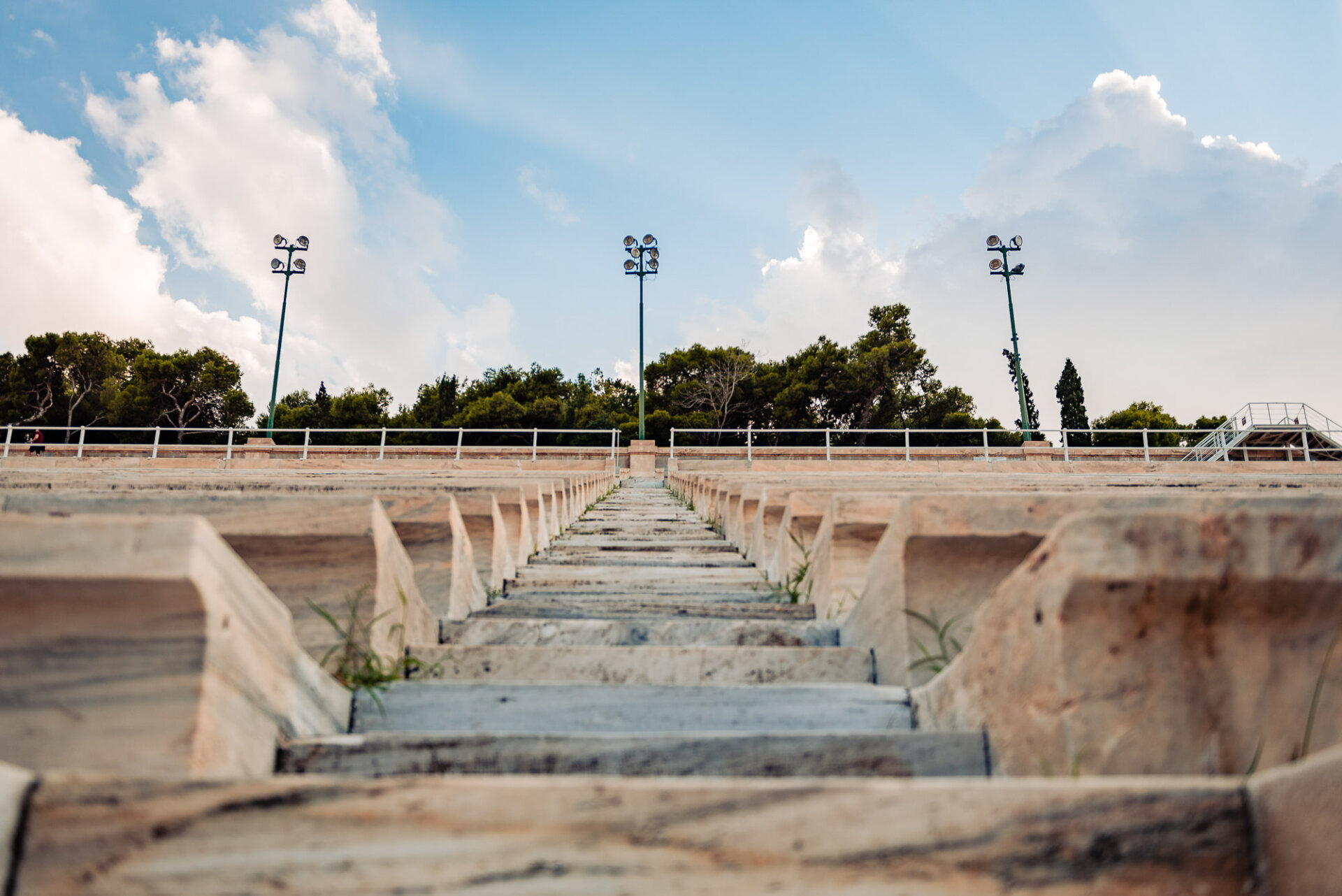
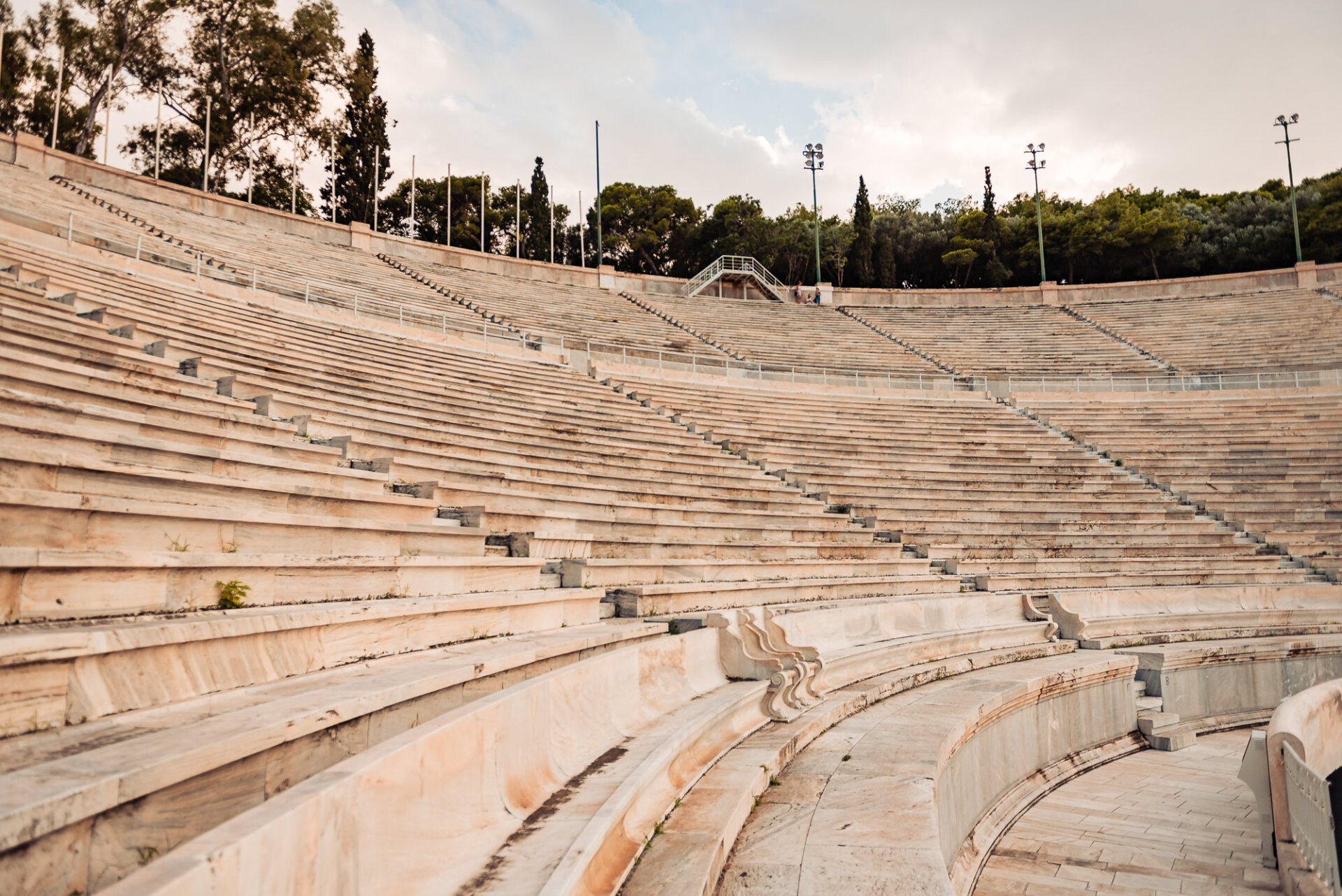
The Panathenaic Stadium is one of those places that makes history feel genuinely tangible. Built entirely of white Pentelic marble, it is the only stadium in the world constructed entirely from this material, and it gleams in the Athenian sun like something from another age.
Originally built in the 4th century BC, it was restored and used as the venue for the first modern Olympic Games in 1896. Walking onto the track, standing in the center of the field and looking up at 50,000 marble seats rising on either side, it is impossible not to feel the weight of what happened here.
Zappeion & The Marble Statue of Ioannis Varvakis
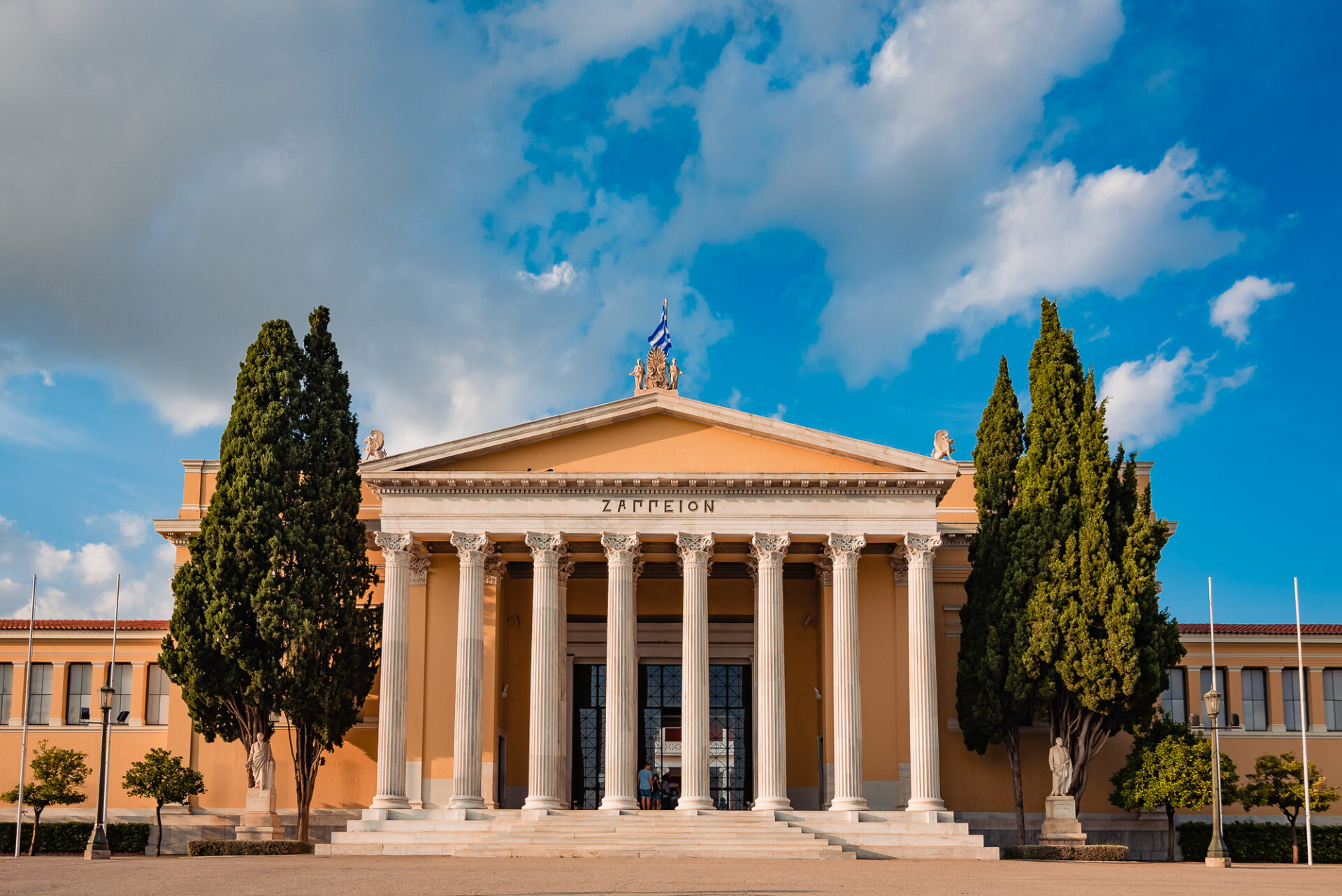
The Zappeion Hall is one of Athens’ most elegant landmarks. Set within the National Gardens near the Panathenaic Stadium, it’s a neoclassical exhibition hall surrounded by pine trees and formal gardens that offer a rare pocket of calm in a city that rarely sits still.
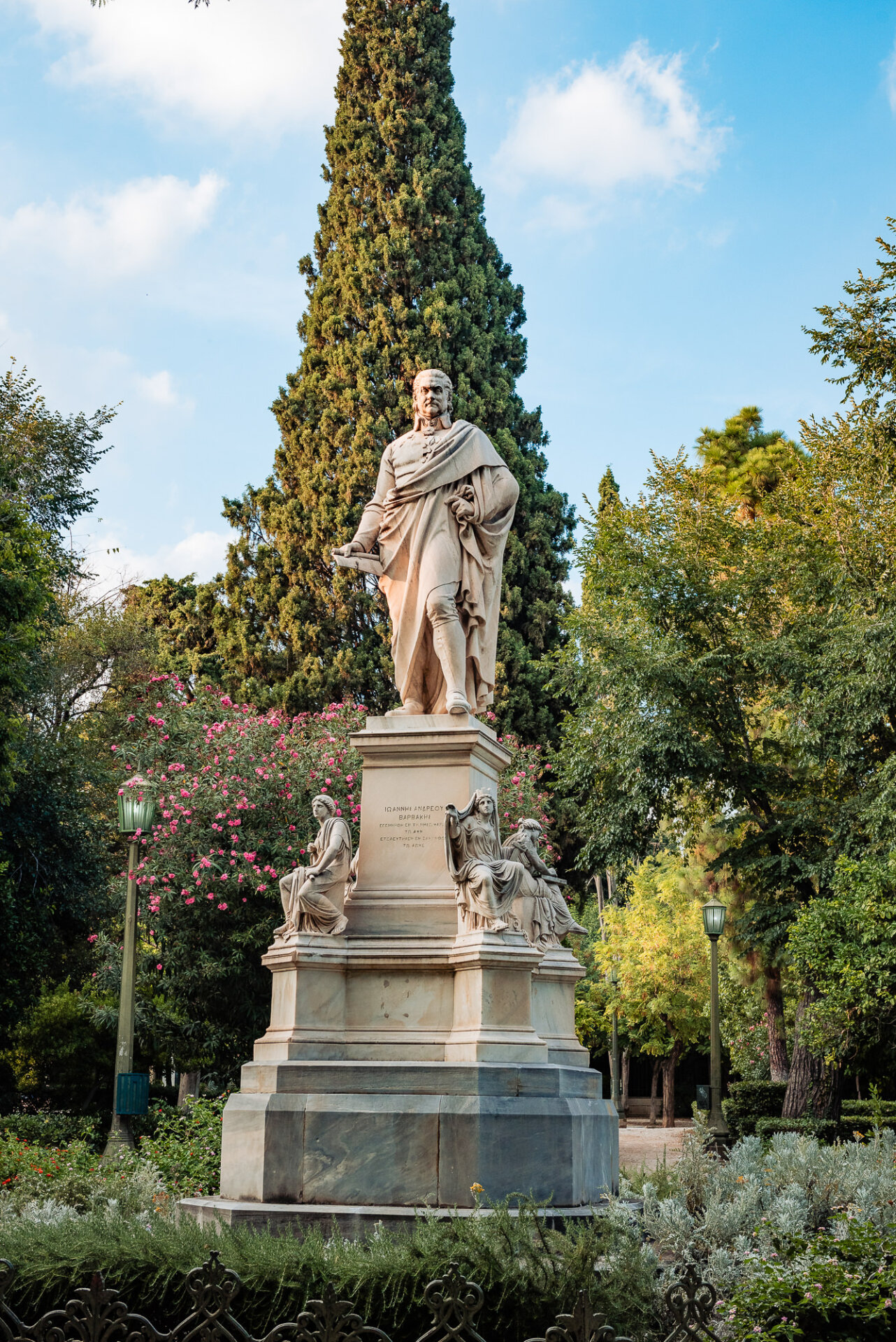
Marble statue of Ioannis Varvakis located in the National Garden of Athens
Nearby stands the marble statue of Ioannis Varvakis, a Greek-Russian merchant and naval hero whose remarkable life story feels almost too extraordinary to be true. His statue, noble and quietly commanding, is the kind of detail that rewards the traveler who wanders beyond the main attractions.
Delos Island: Sacred Ground at the Center of the Aegean
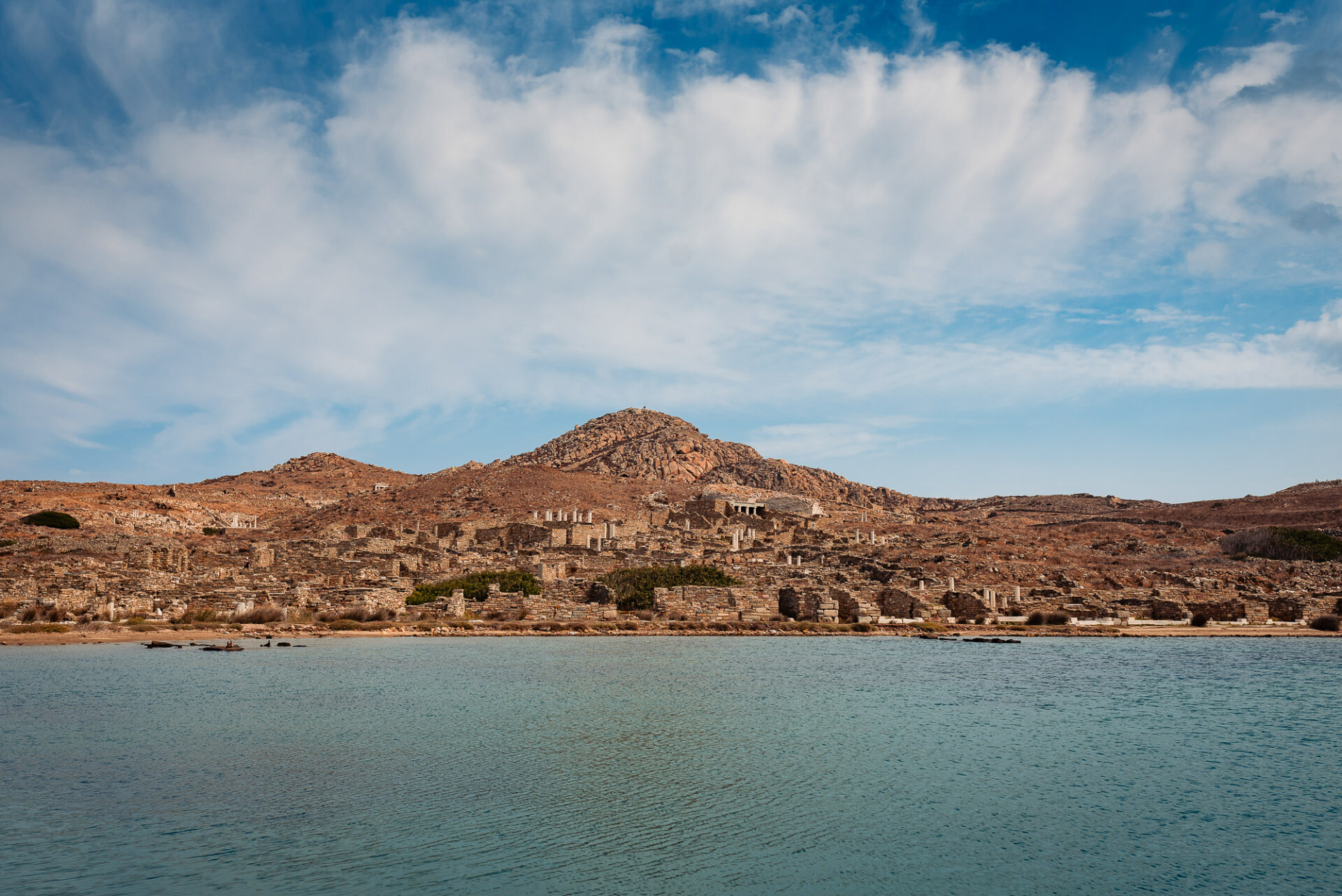
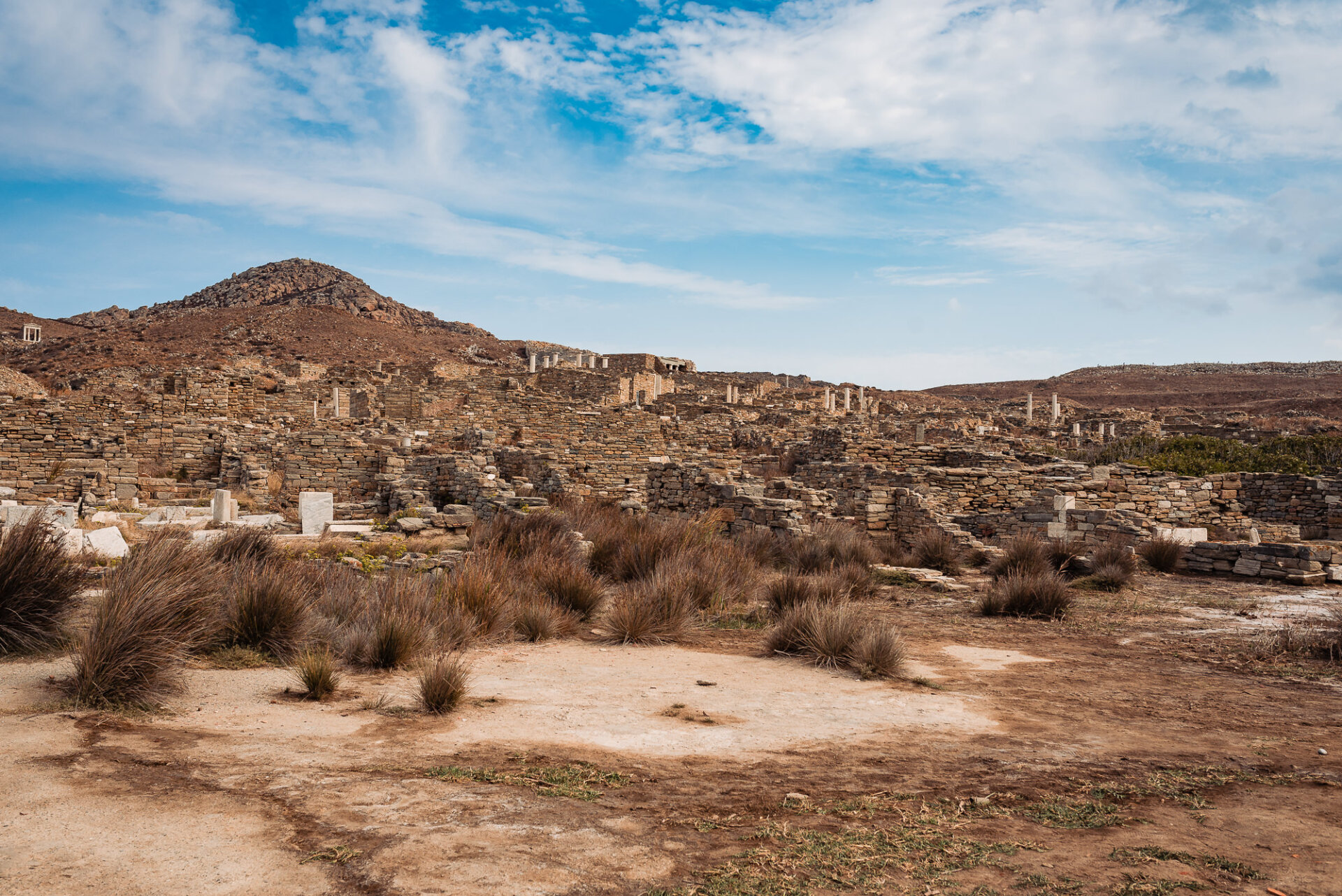
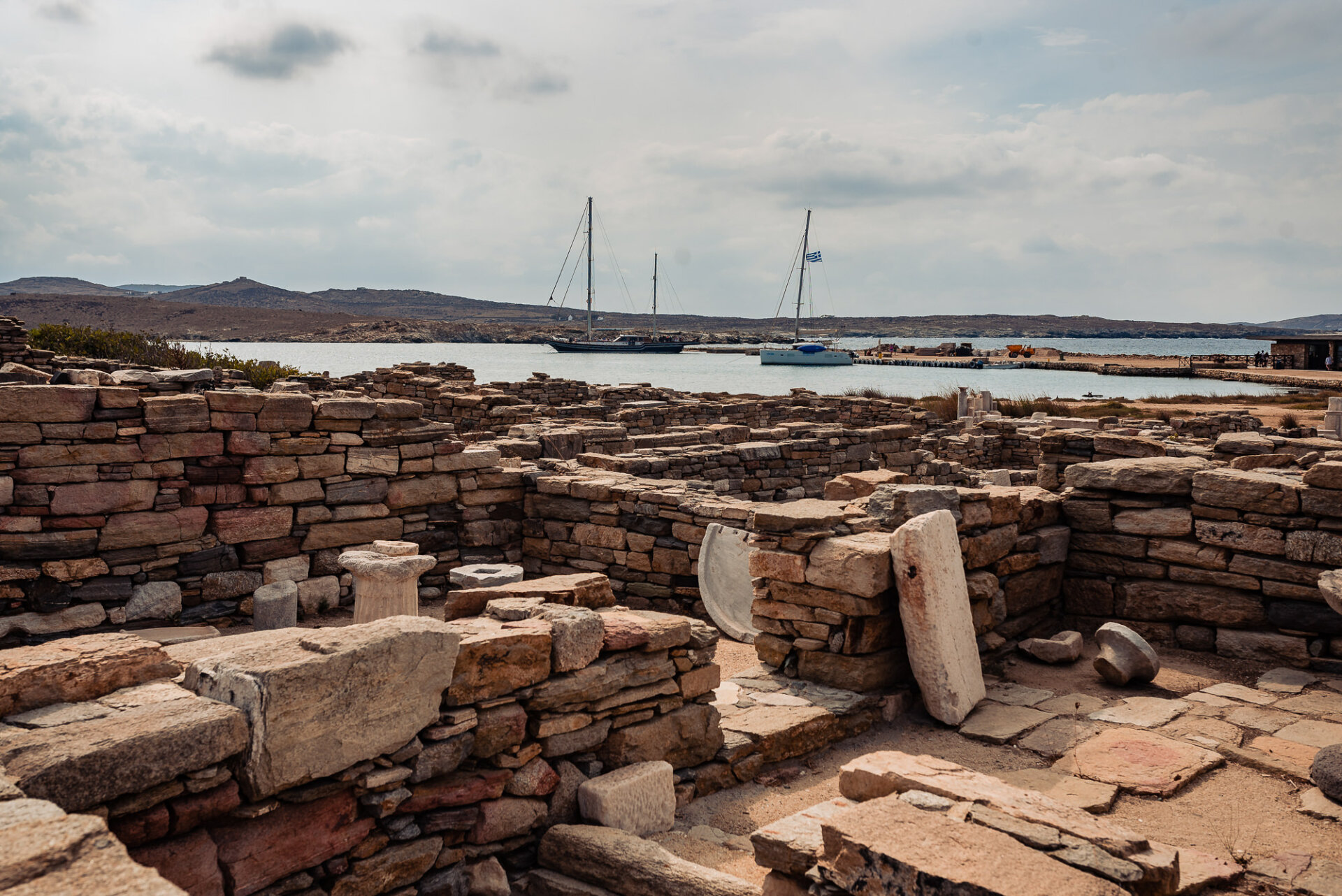
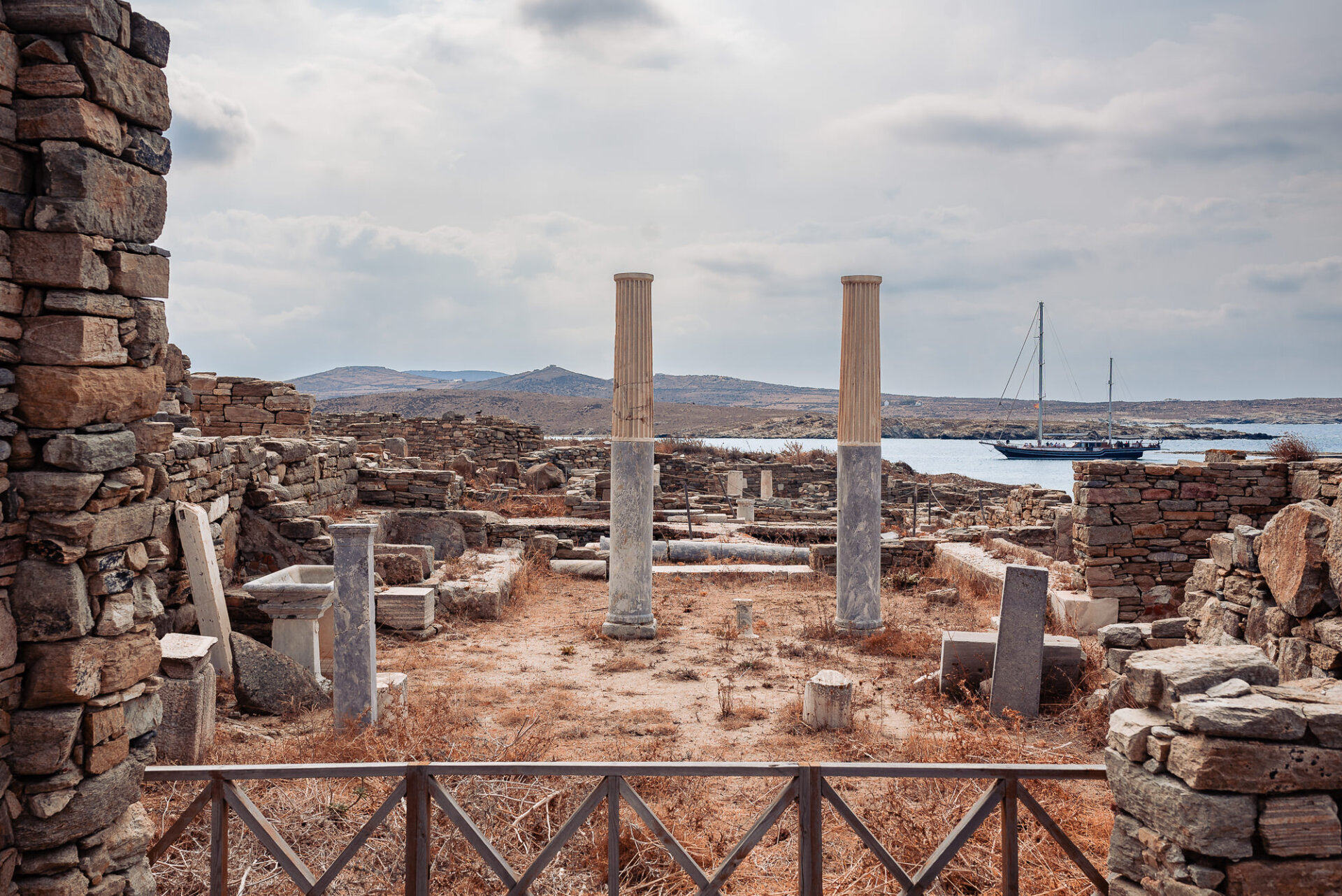
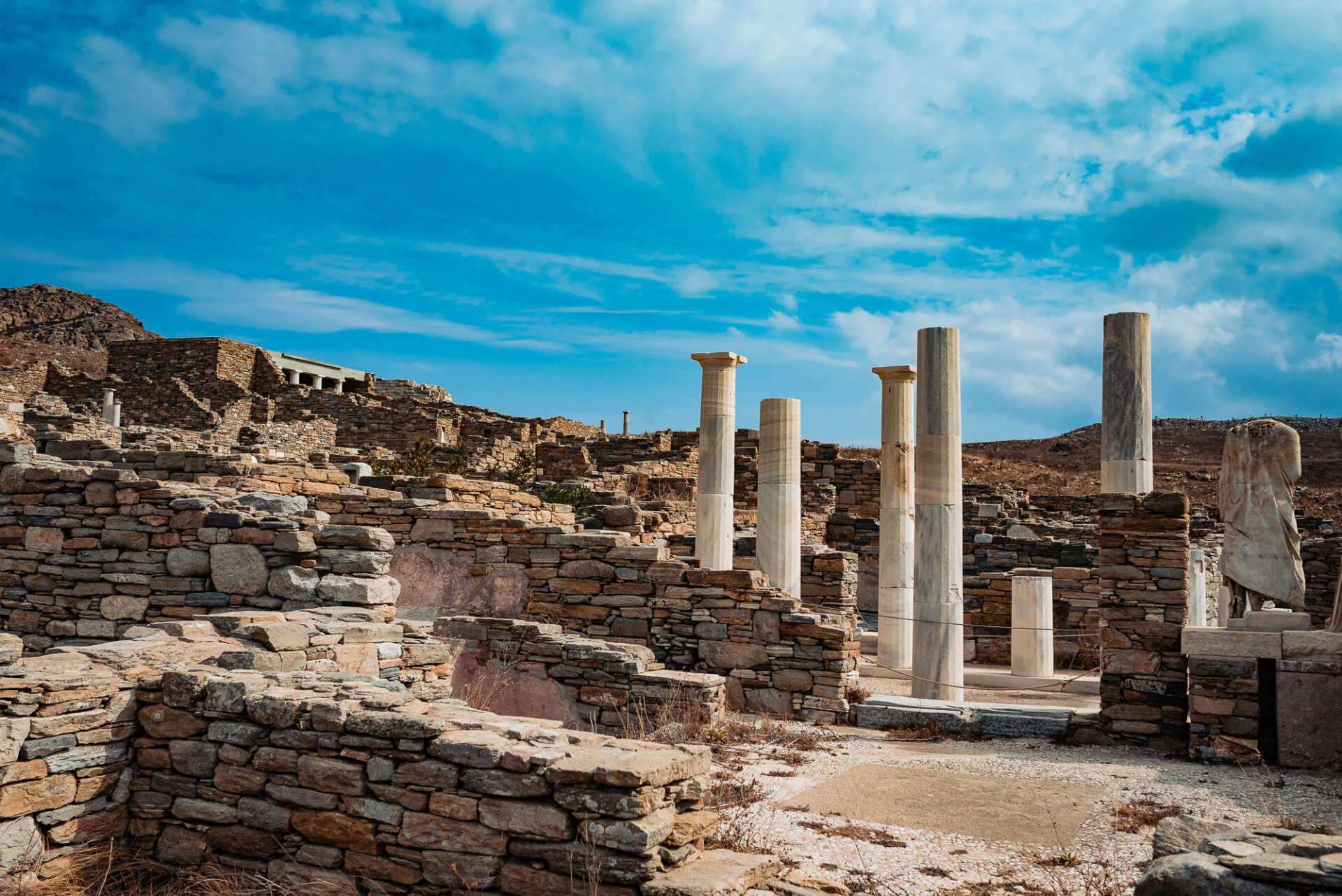

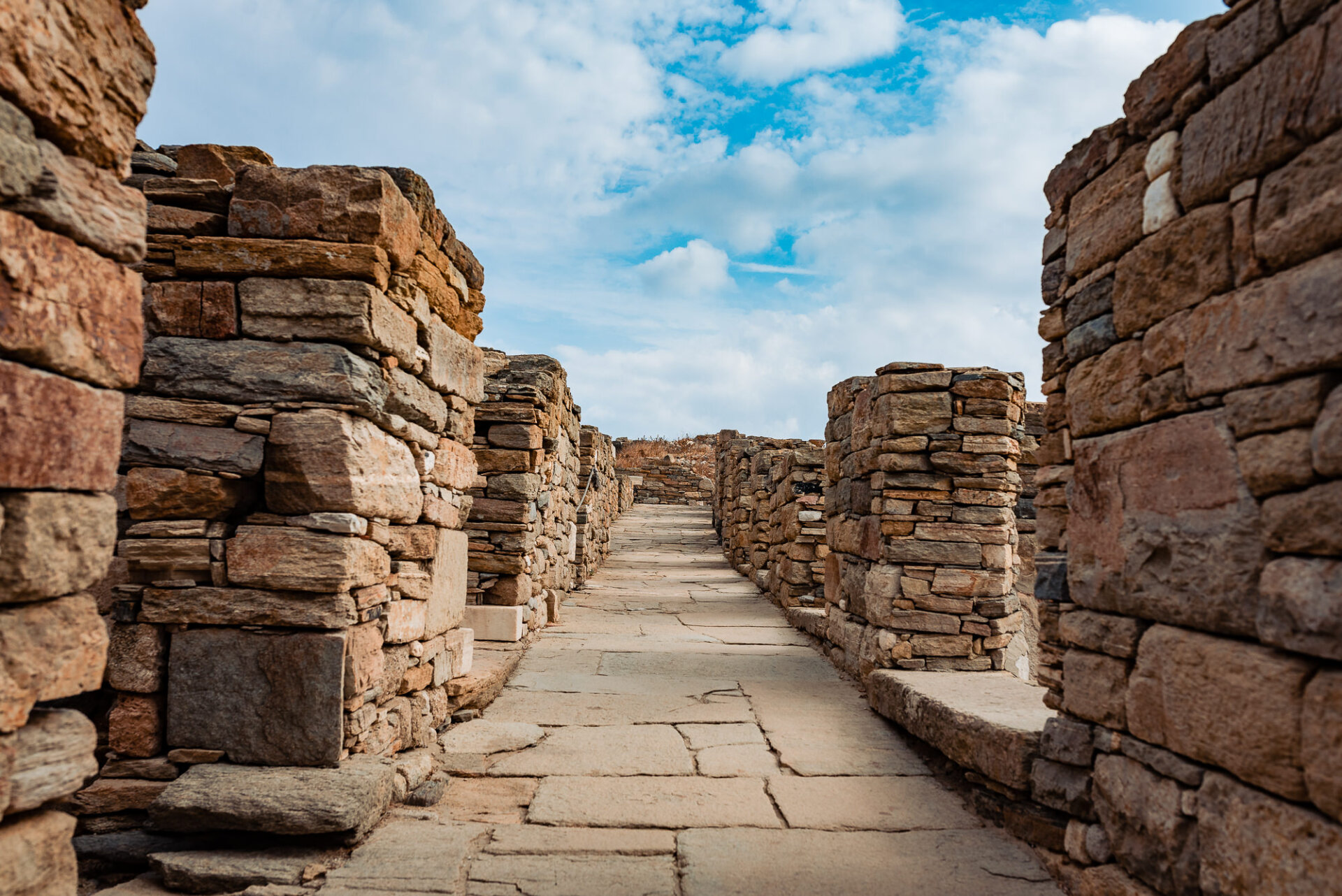
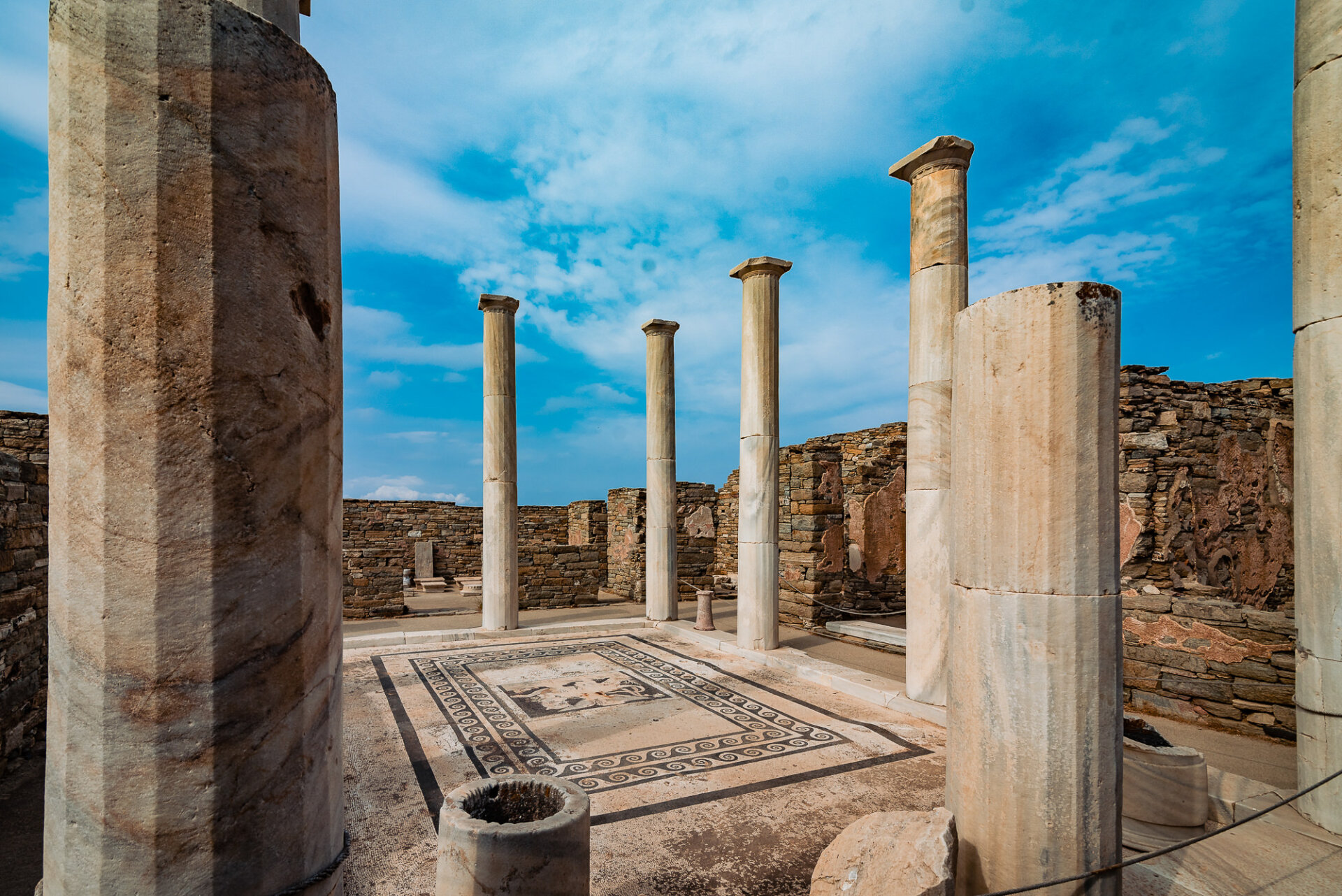
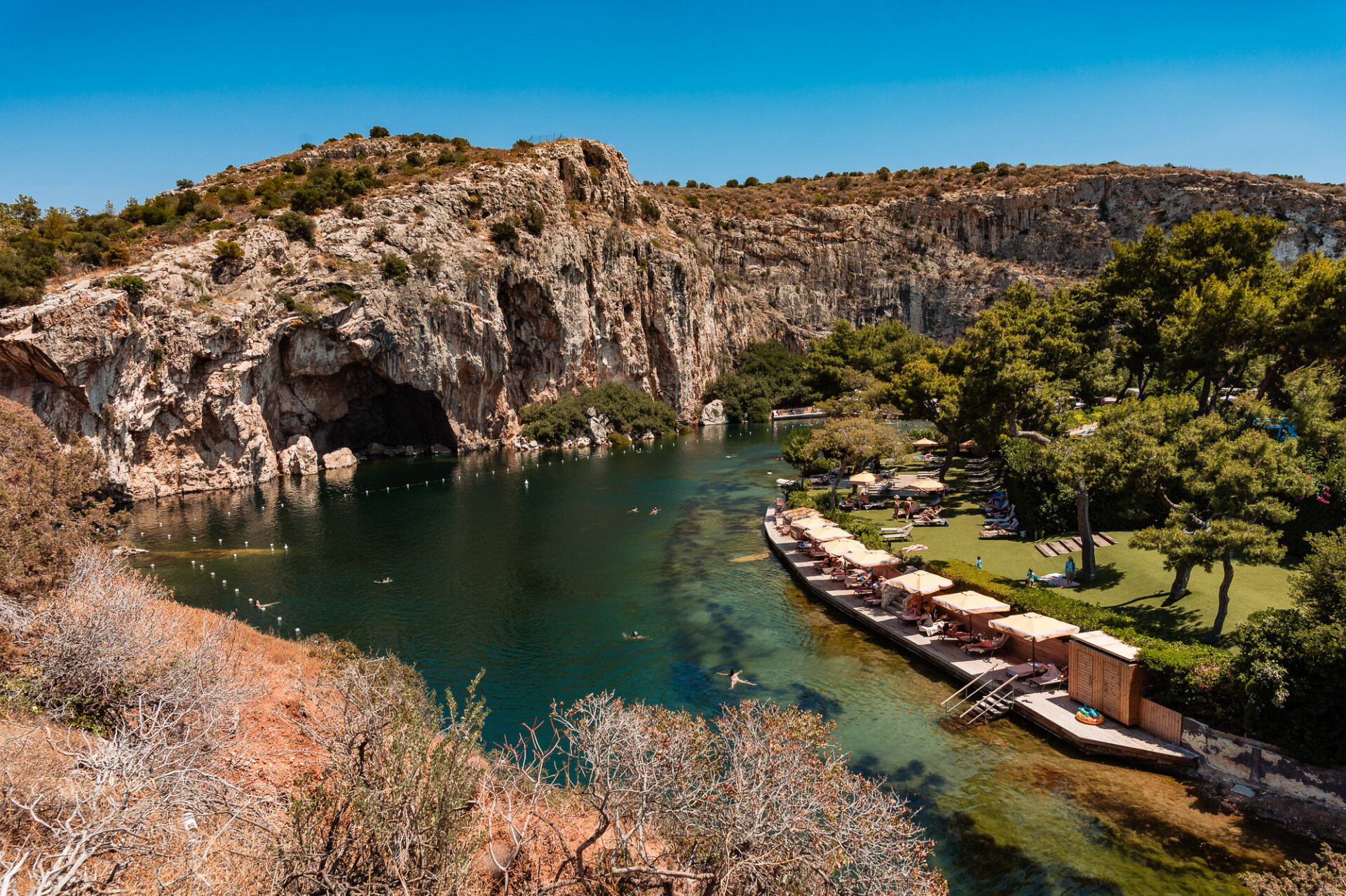
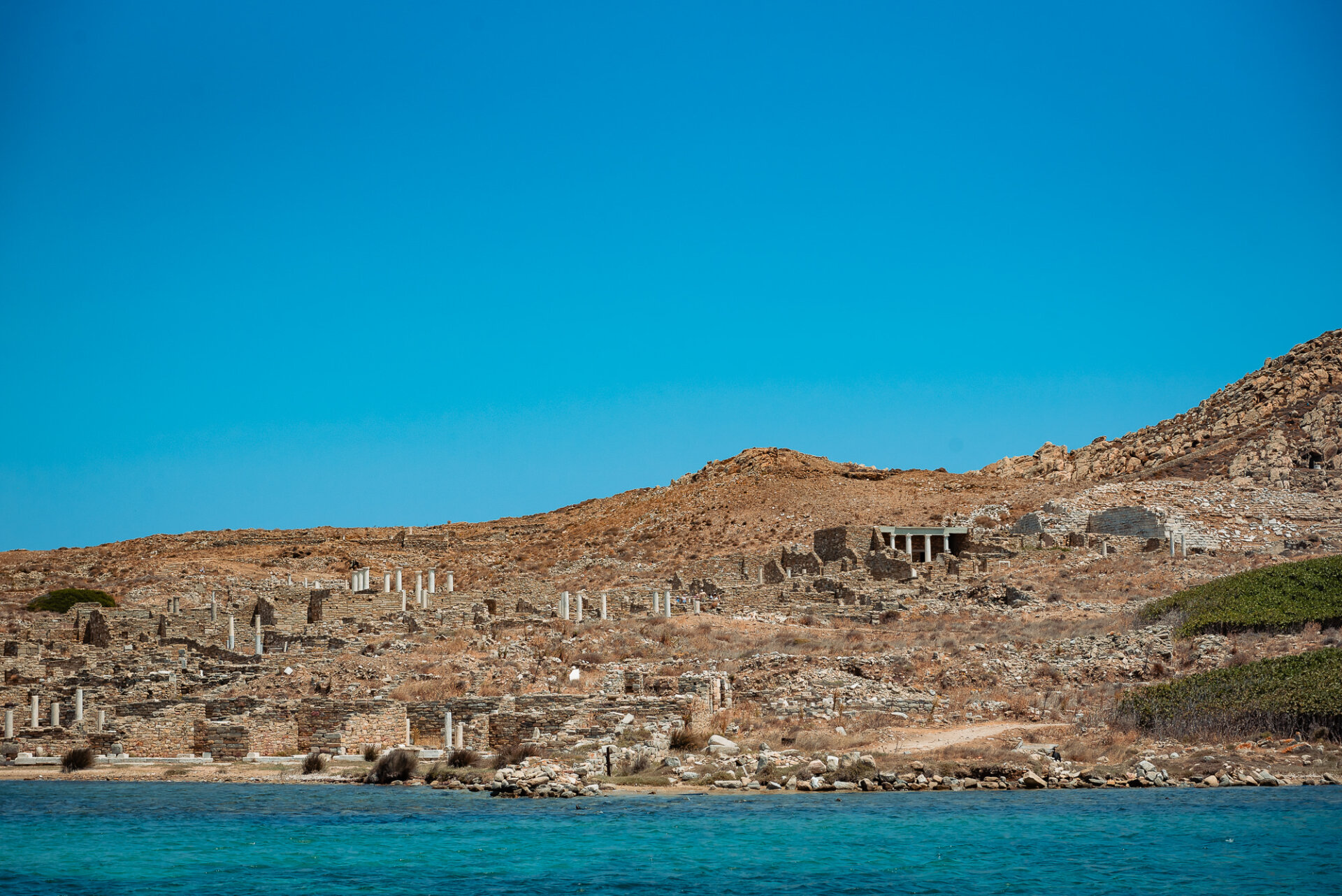
A short ferry ride from the nearby island of Mykonos, Delos is unlike any place I have ever stood. One of the most sacred sites in all of ancient Greece, this tiny, uninhabited island is the mythological birthplace of Apollo and Artemis. It serves as an open-air archaeological museum of staggering proportions.
Wandering among the ruins of temples, marble lions, ancient mosaics, and crumbling civic buildings under the full force of the Aegean sun, I felt the particular silence that only truly ancient places possess. There are no hotels here, no restaurants, no permanent residents, only the ruins, the wind, and the ghosts of a civilization that once considered this island the center of the known world.
Interesting Fact: At its height, Delos was one of the most important religious and commercial centers in the ancient Mediterranean. Today, it is a UNESCO World Heritage Site and one of the most significant archaeological sites in Greece.
Mykonos: Charm, Light & the Soul of the Cyclades
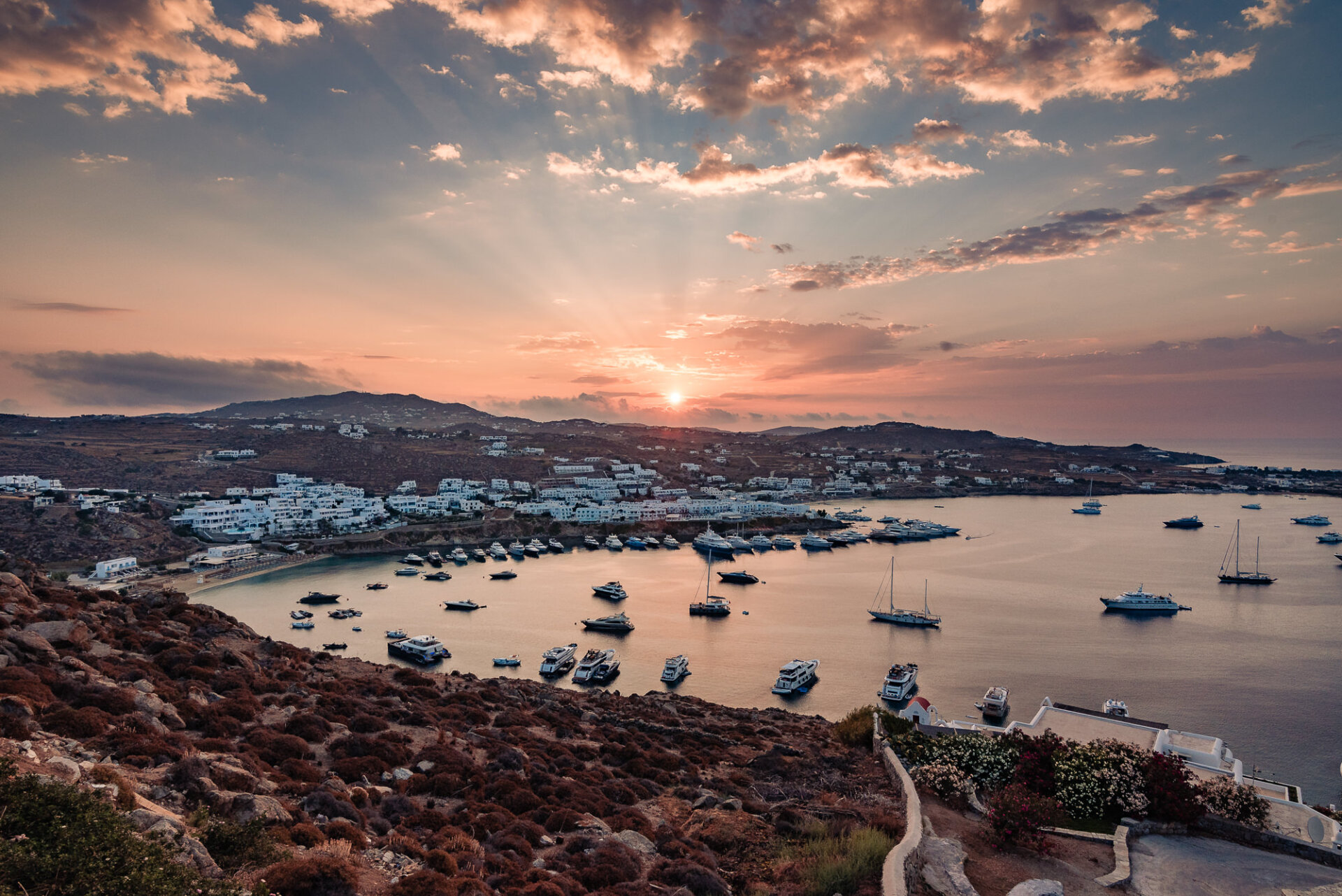
Mykonos felt instantly cinematic. Whitewashed houses, bright bougainvillea, winding lanes, and the Aegean always just within sight. It had that unmistakable Cycladic beauty, but what stayed with me most was the light. Everything seemed to glow a little softer there.
Mykonos Town (Chora)
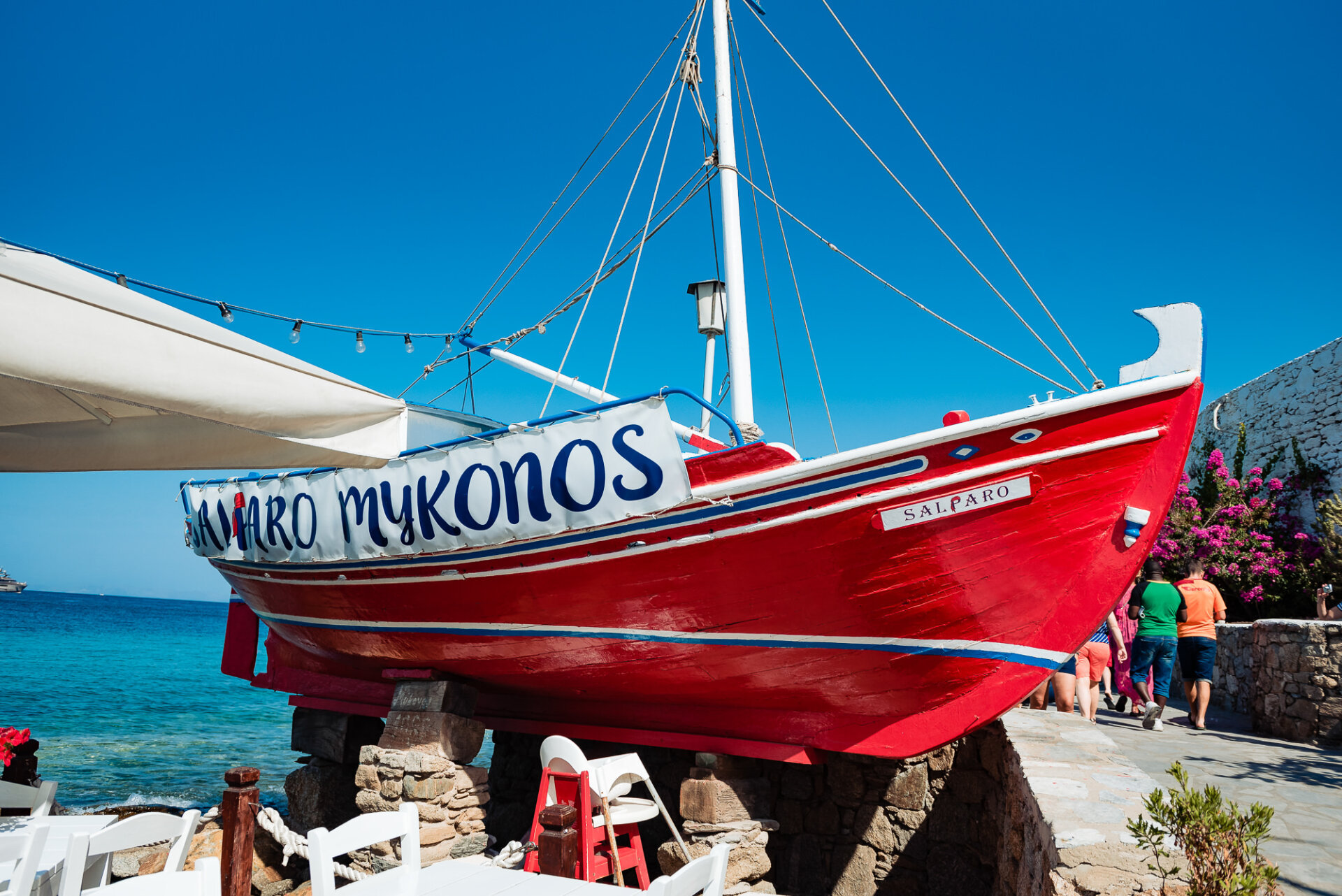
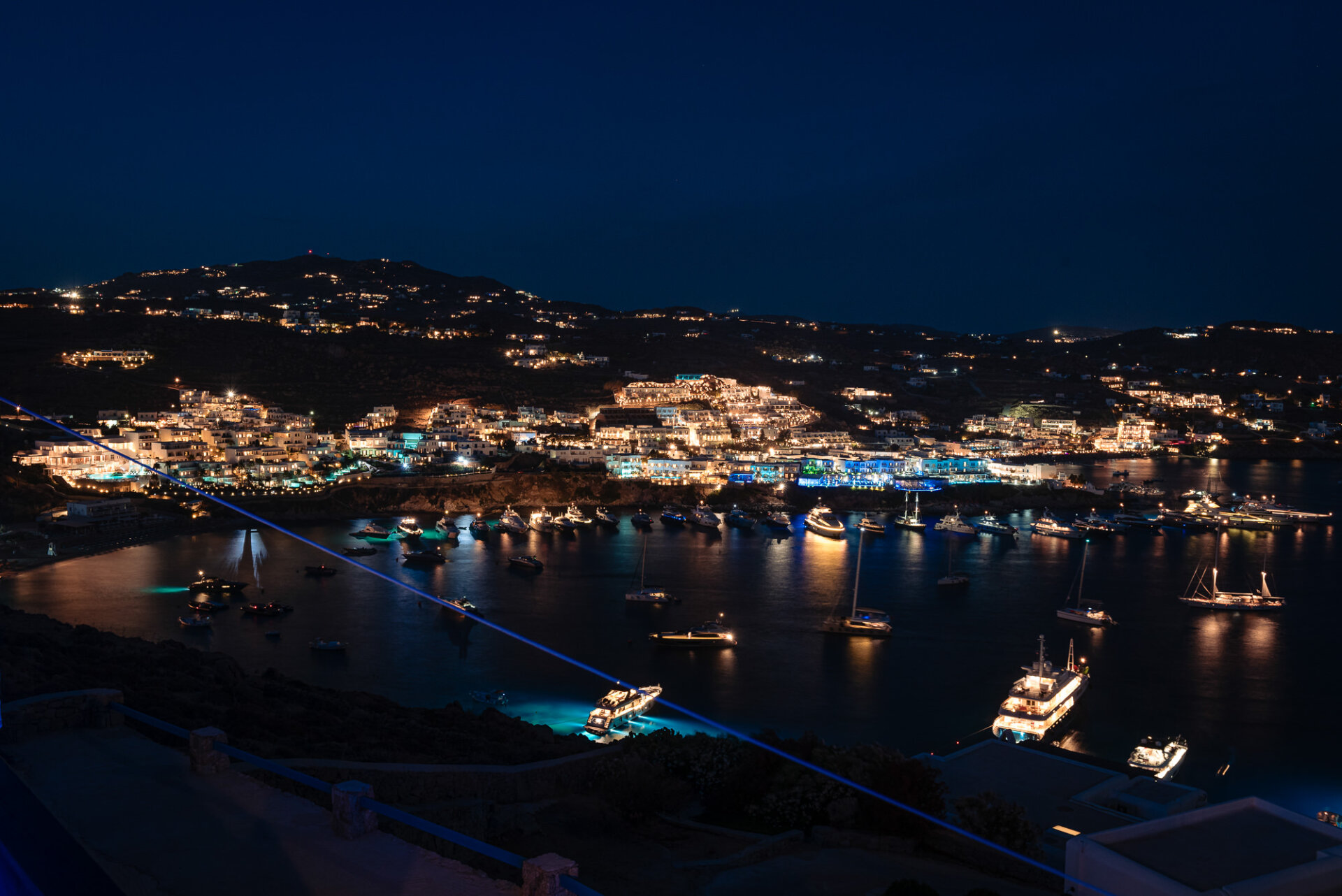
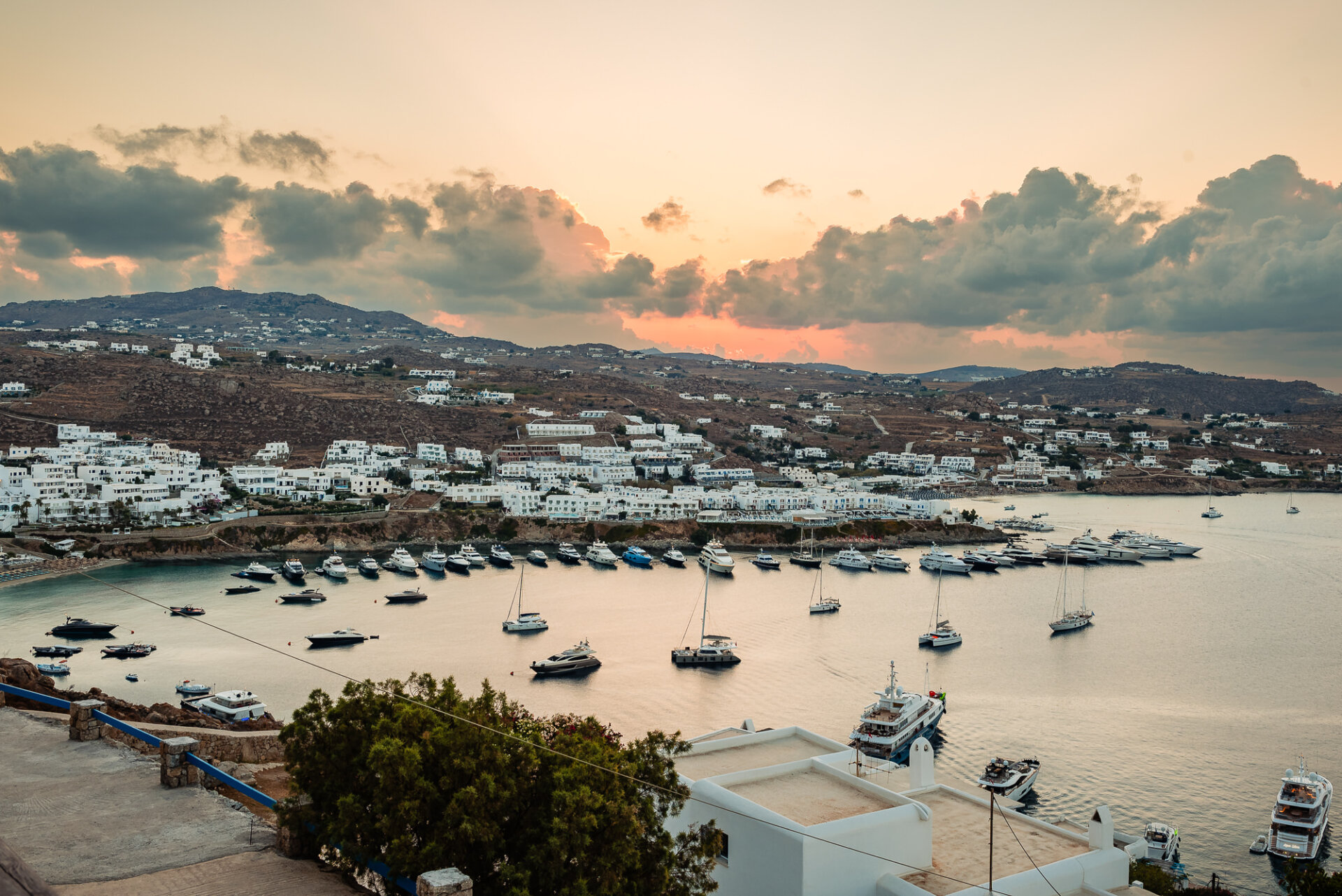
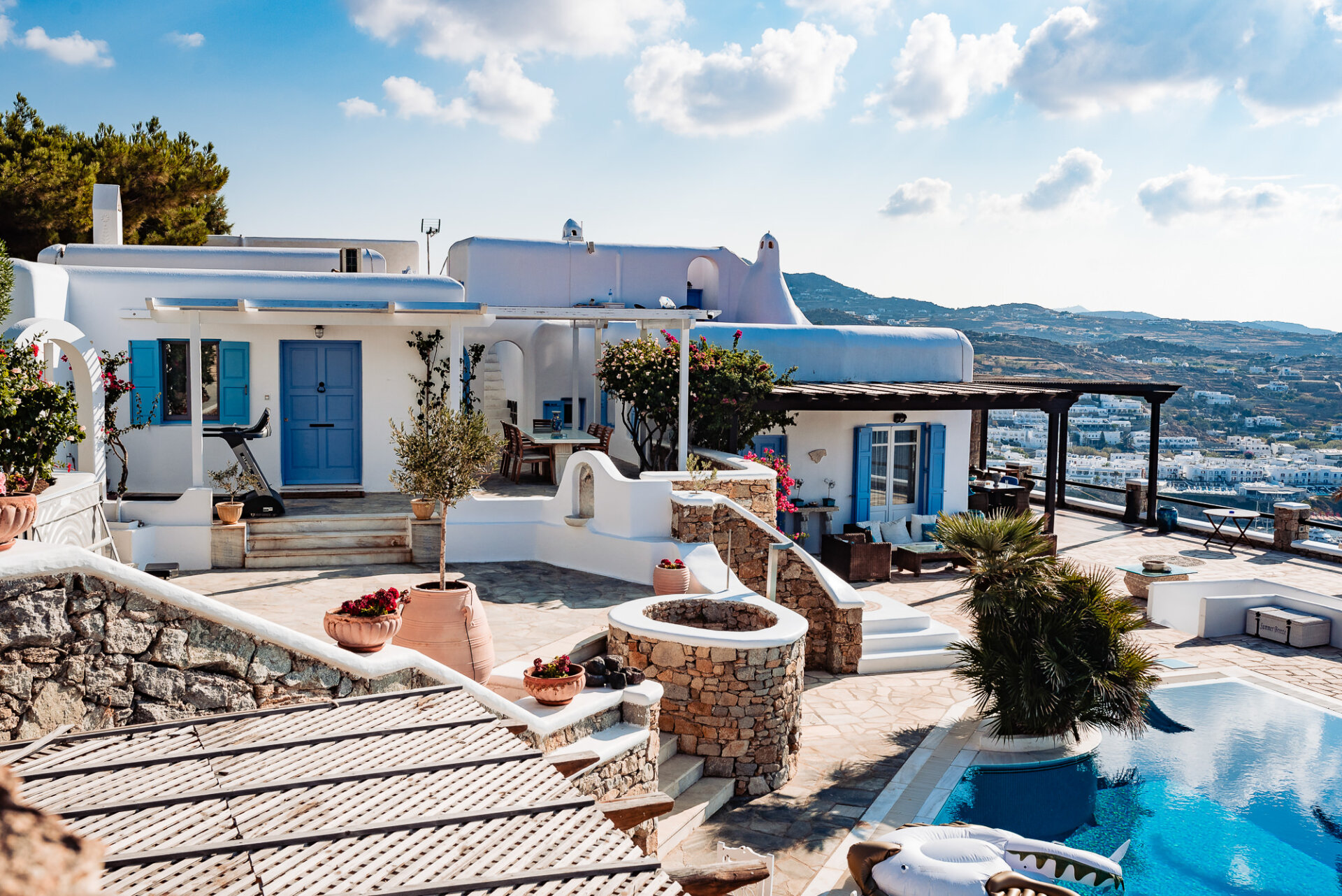
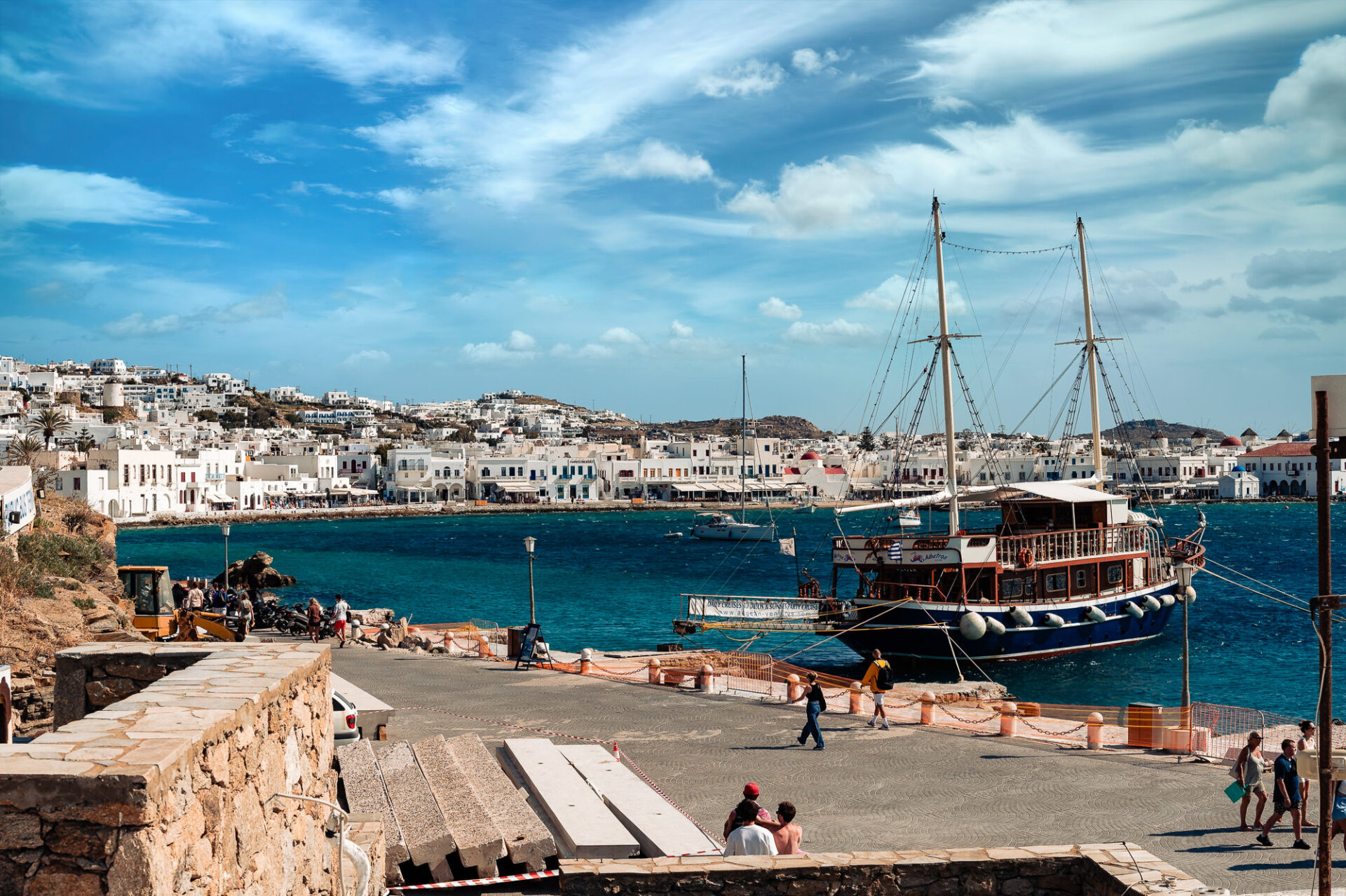
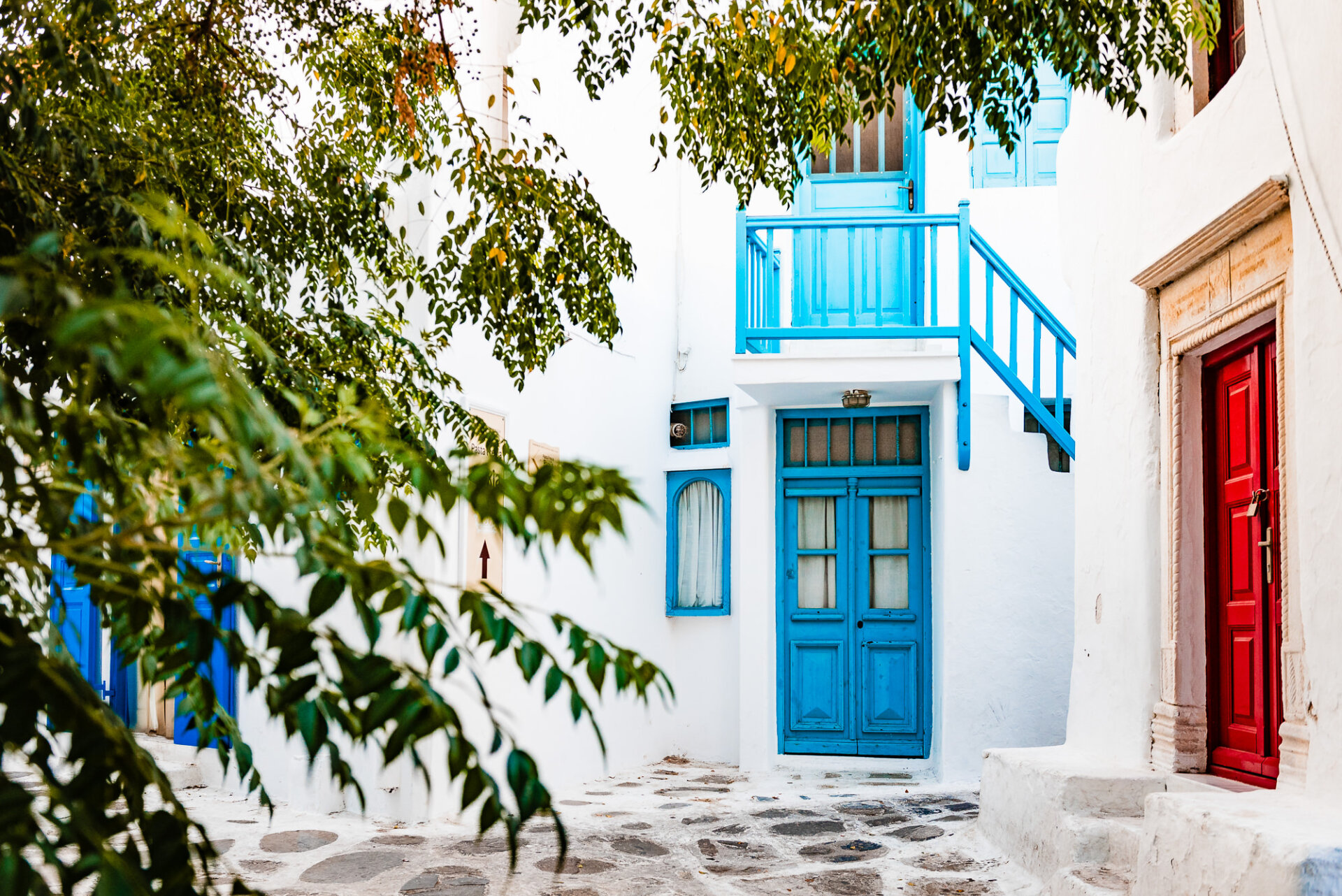
Walking through Chora was one of the pleasures of the trip. The streets invite you to wander without a plan, and that is exactly how they should be experienced. Every turn revealed something worth noticing: a chapel, a doorway, a stretch of sea framed by white walls. For a photographer, the reflective surfaces and clean lines made the town feel almost designed for light.
The Windmills of Kato Mili
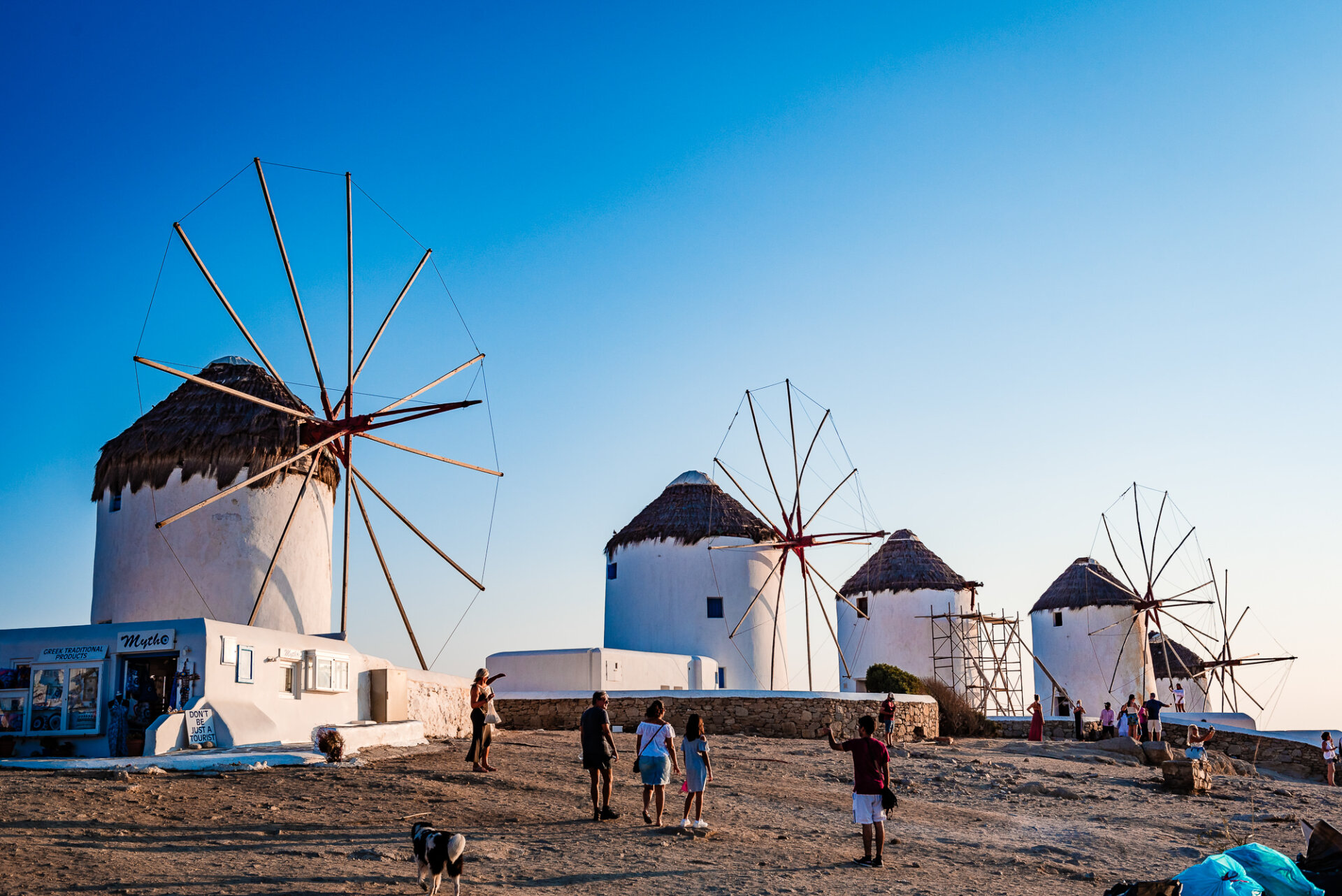
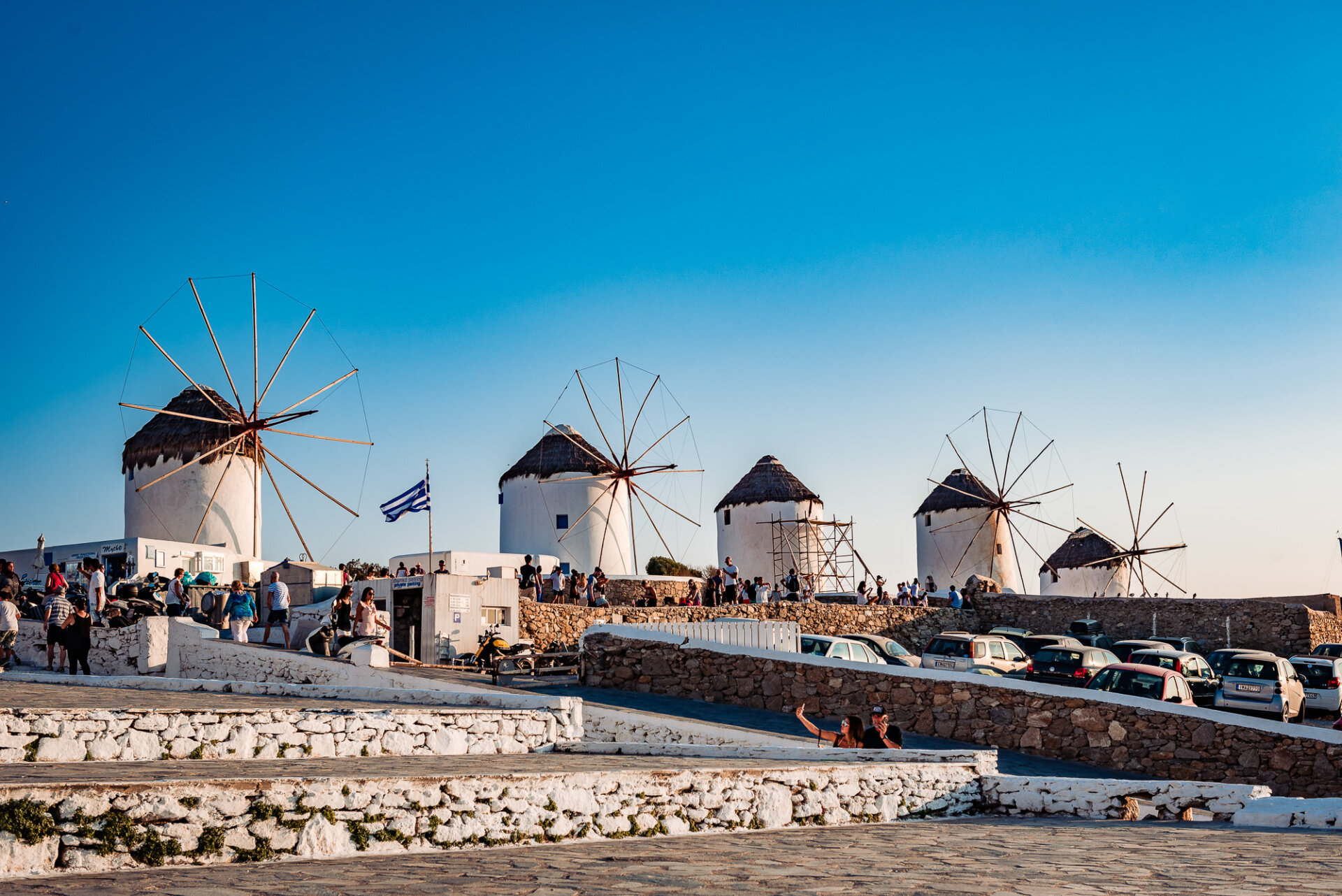
The windmills are one of Mykonos’ most recognisable landmarks, and in person they fully live up to their reputation. Standing above the harbour, they give the coastline a strong, unmistakable silhouette. I photographed them more than once, and each time the mood changed with the light.
Psarou Bay
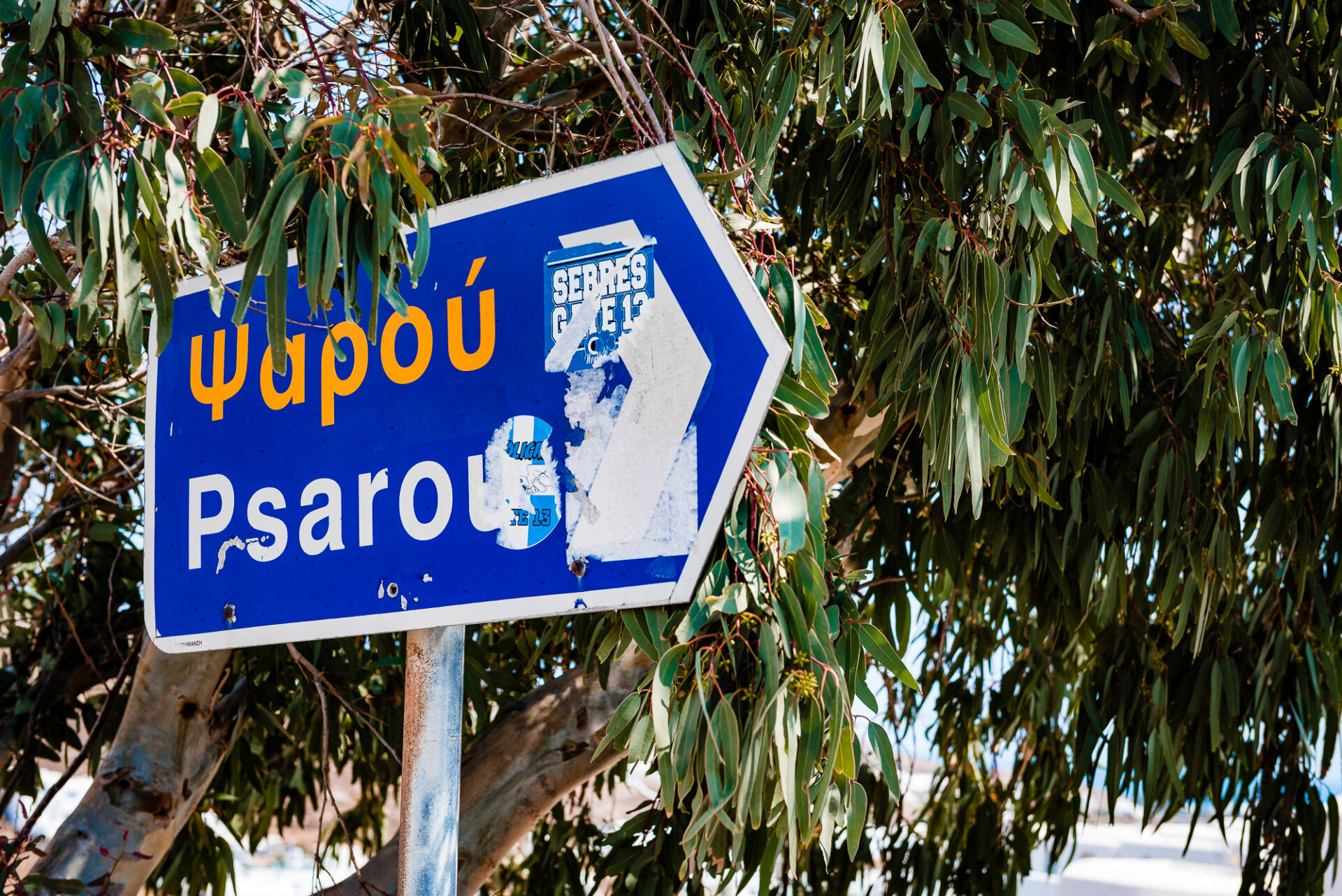
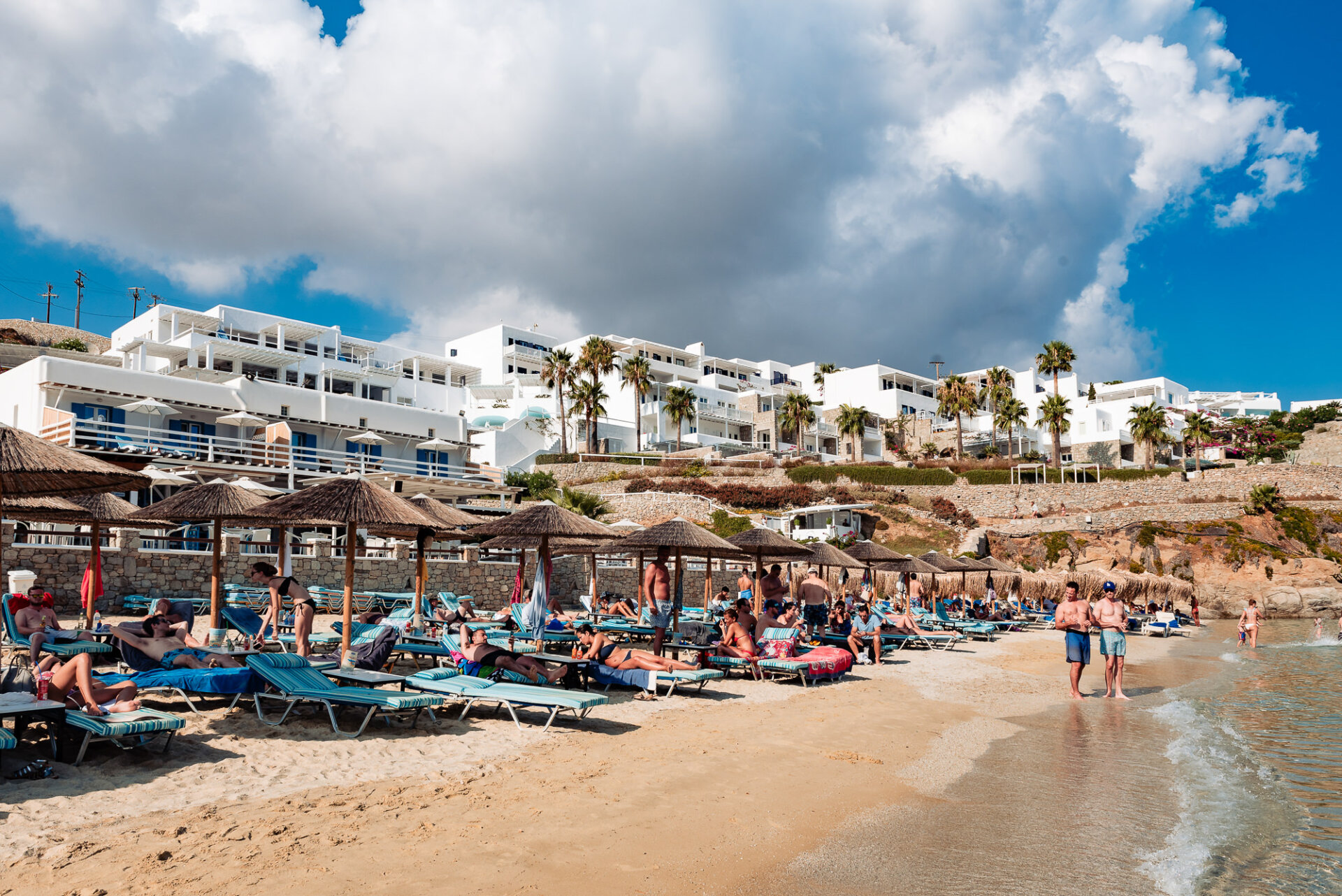
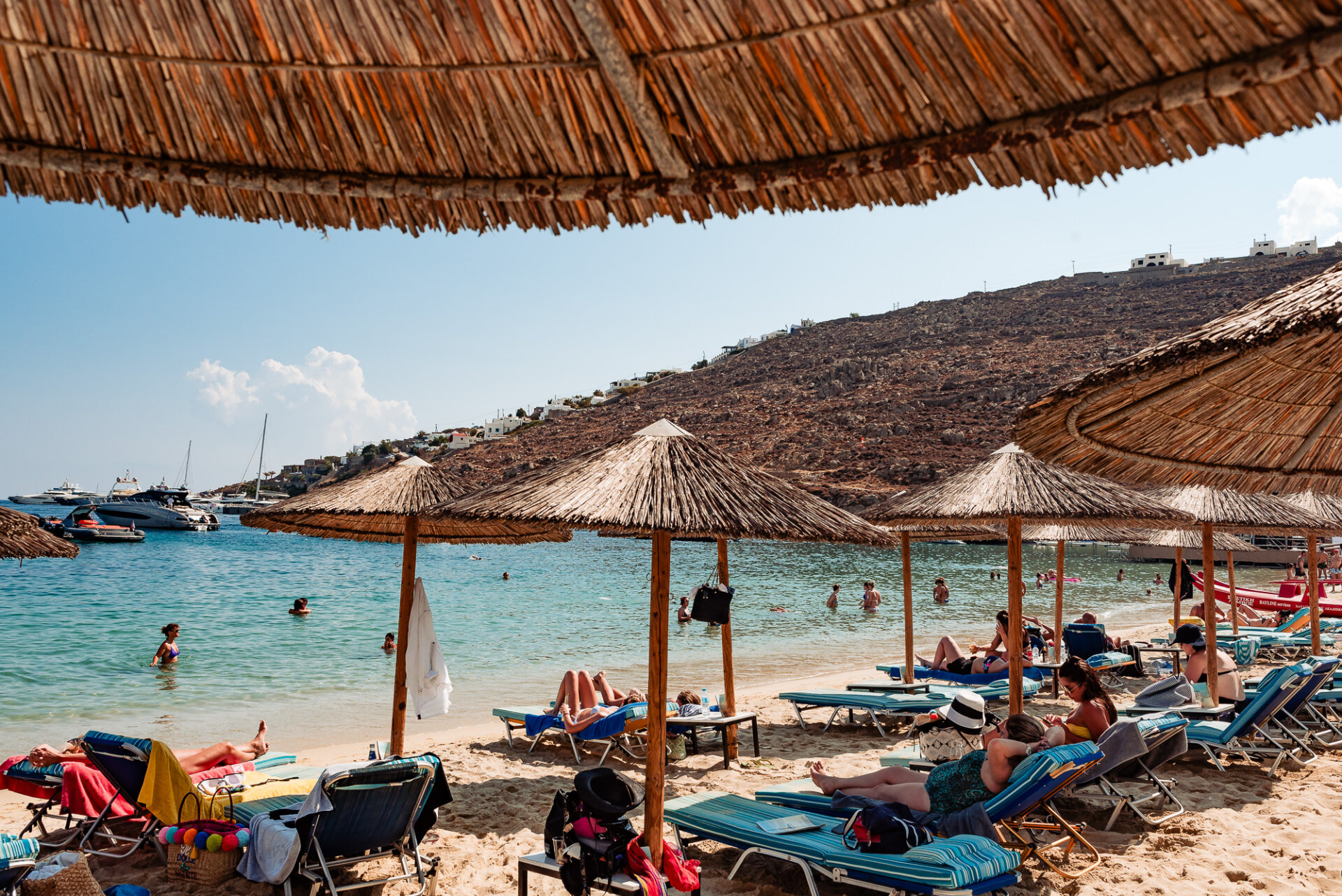
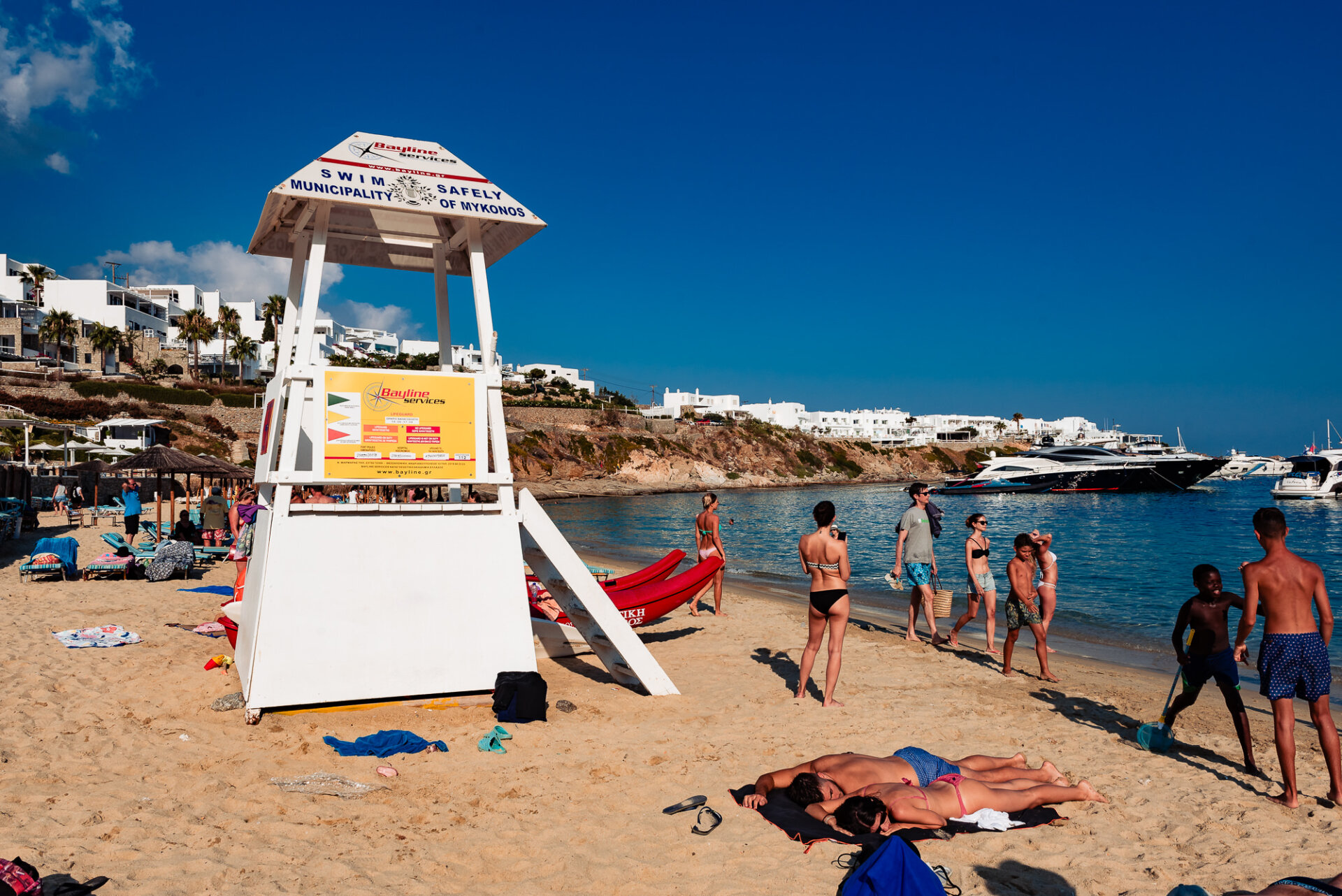
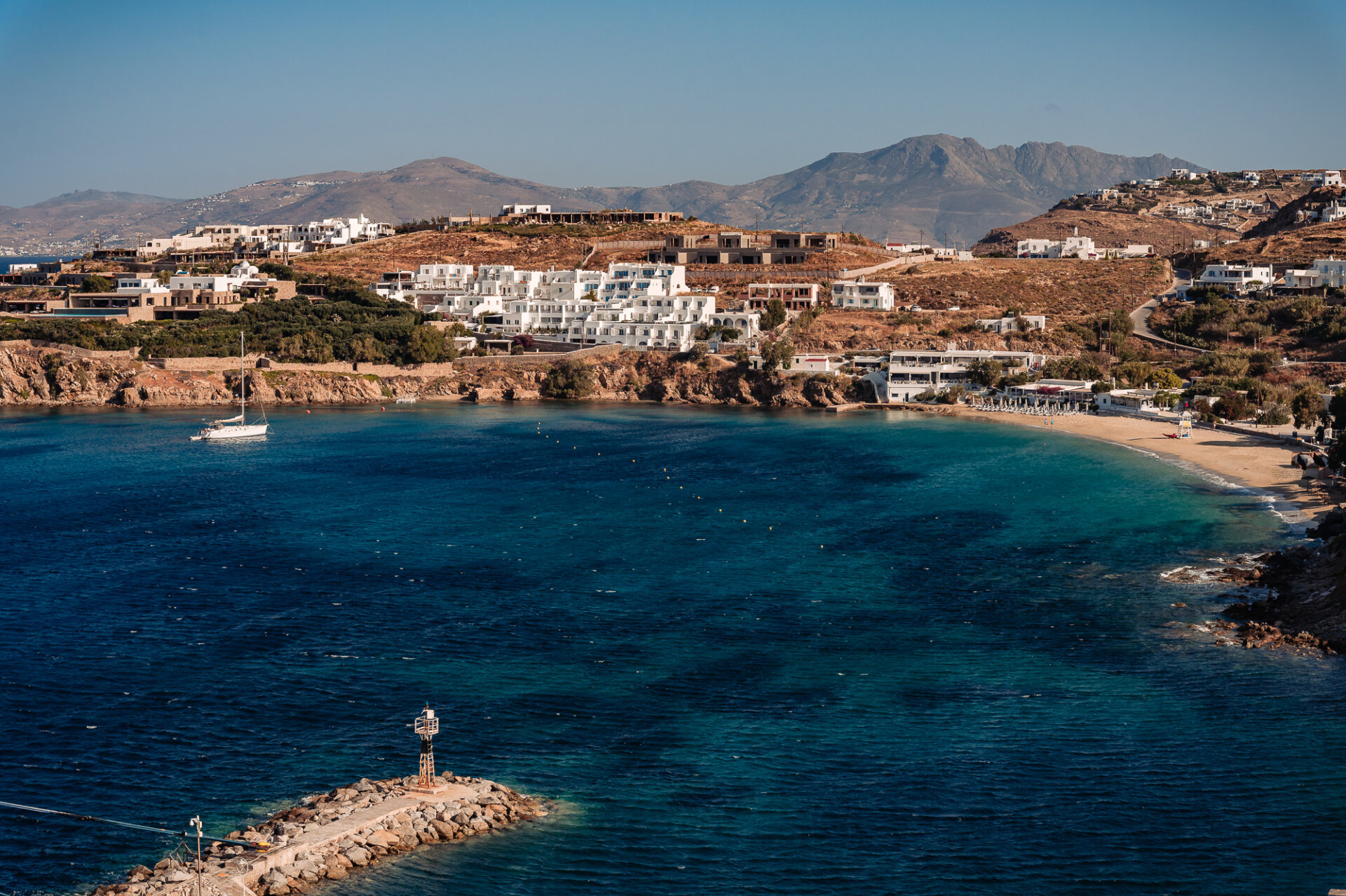
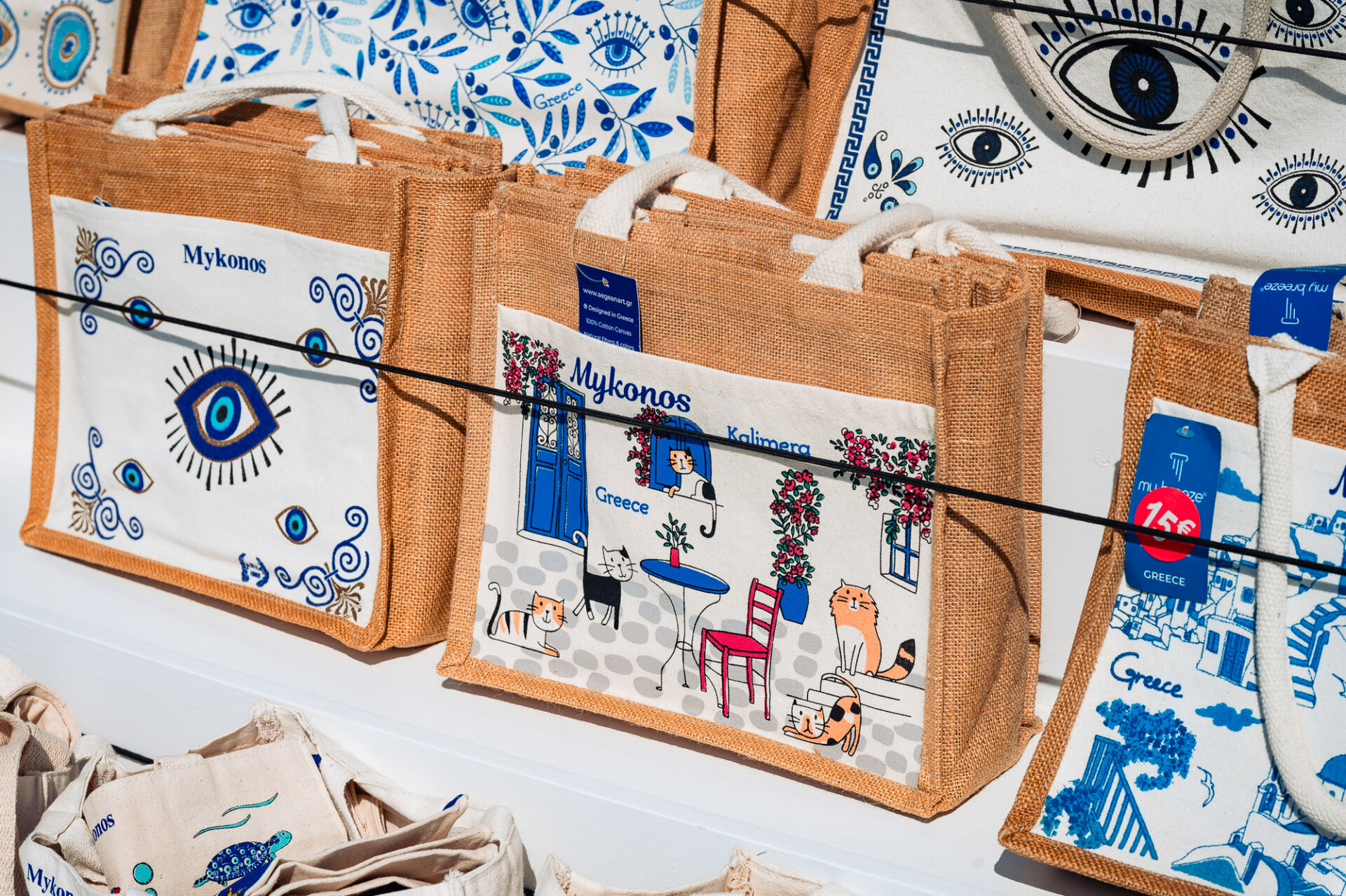
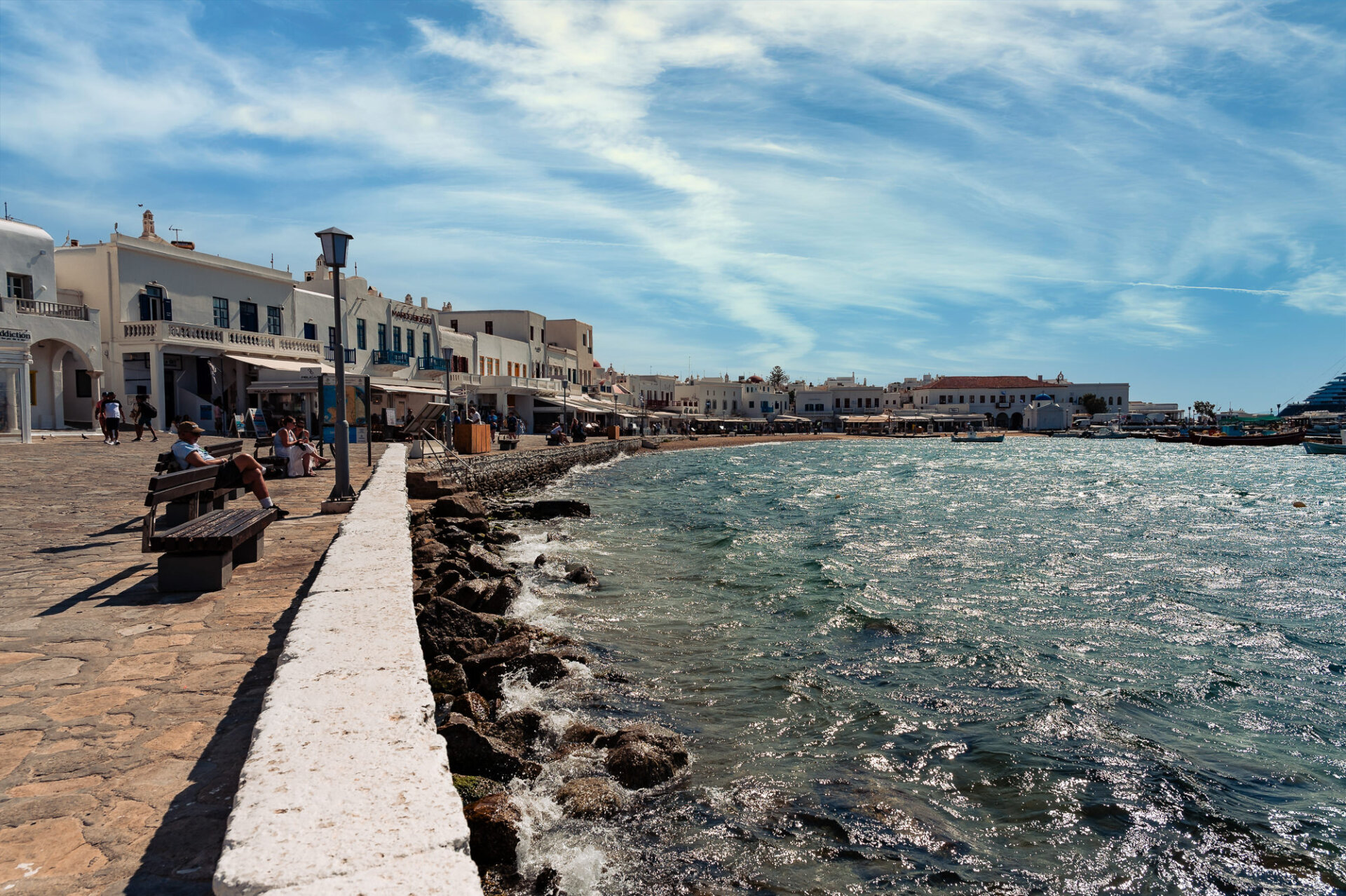

Psarou Bay offered a quieter rhythm. The water was clear, calm, and intensely blue, and the whole setting invited us to slow down. We spent time swimming, eating, and simply sitting by the shore. It was one of those places that makes a day feel longer in the best way.
A Brief Stop in Naxos
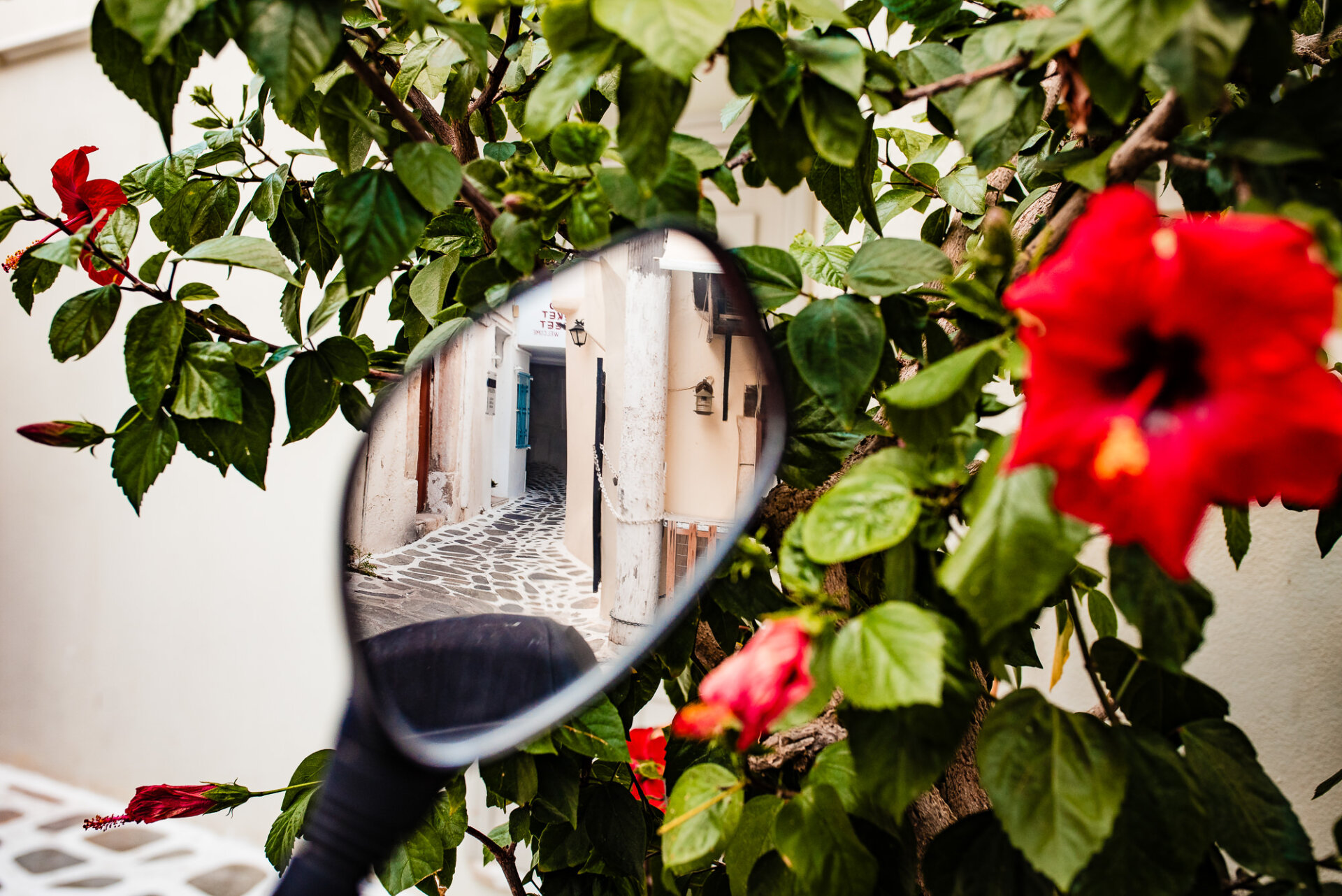
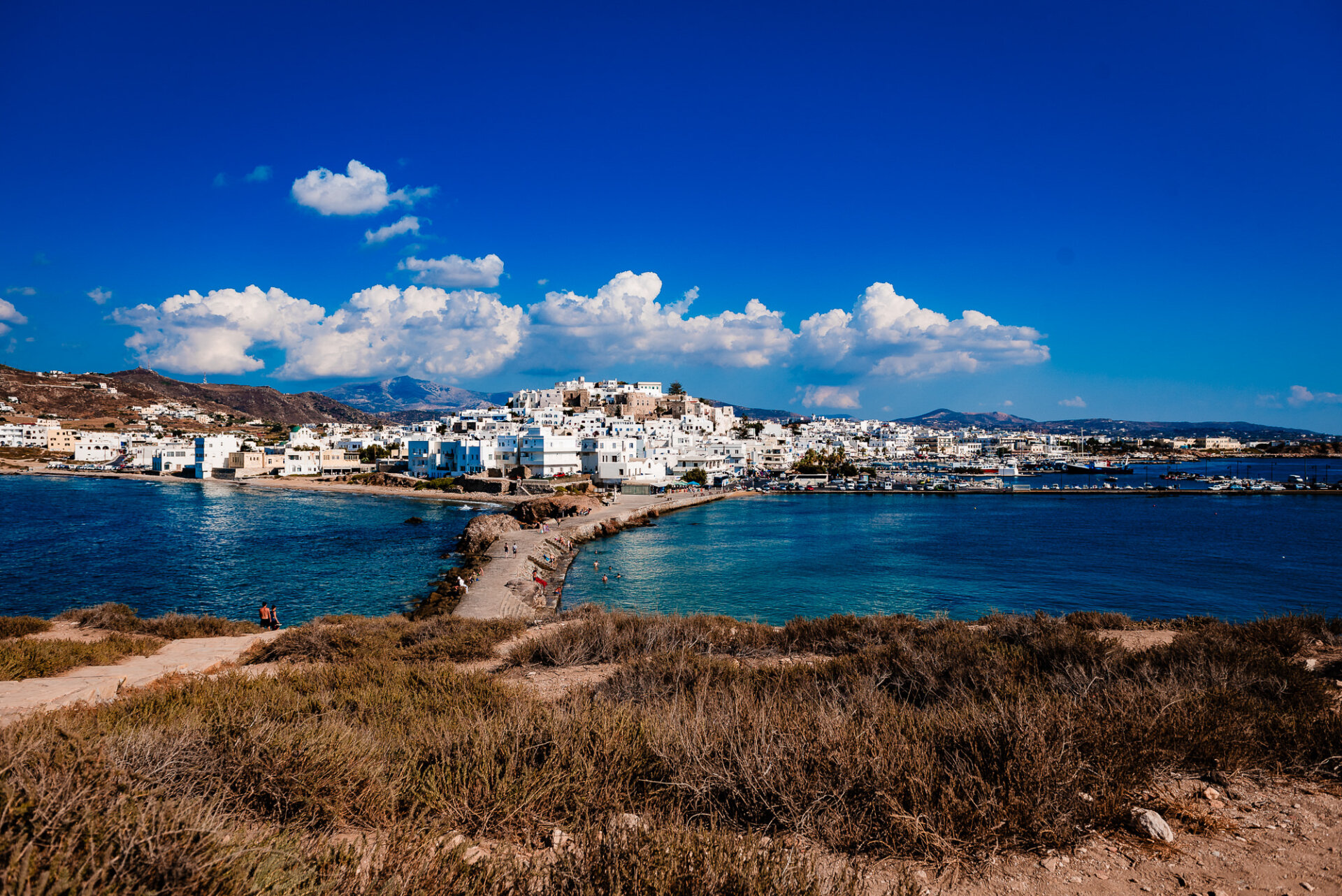

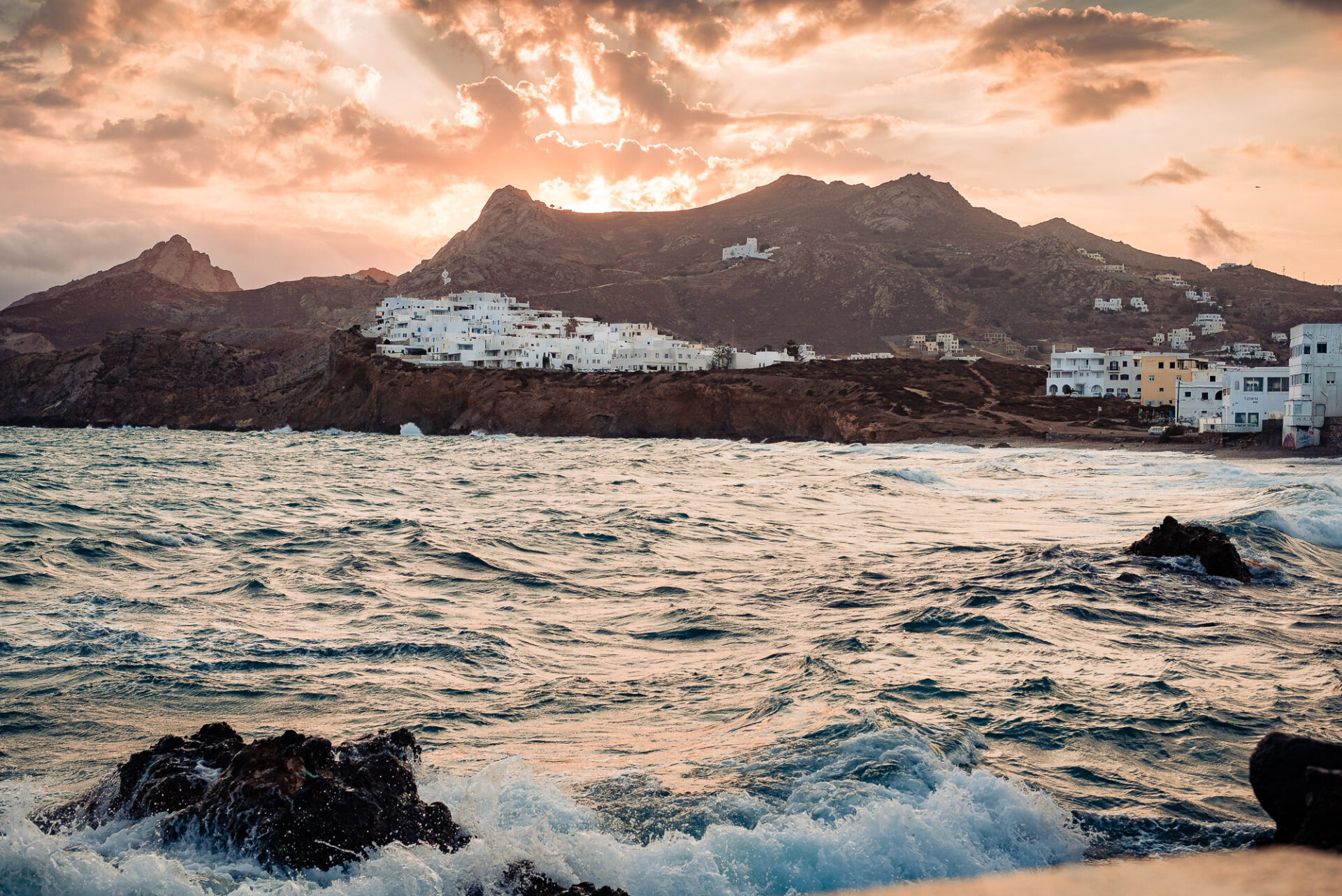
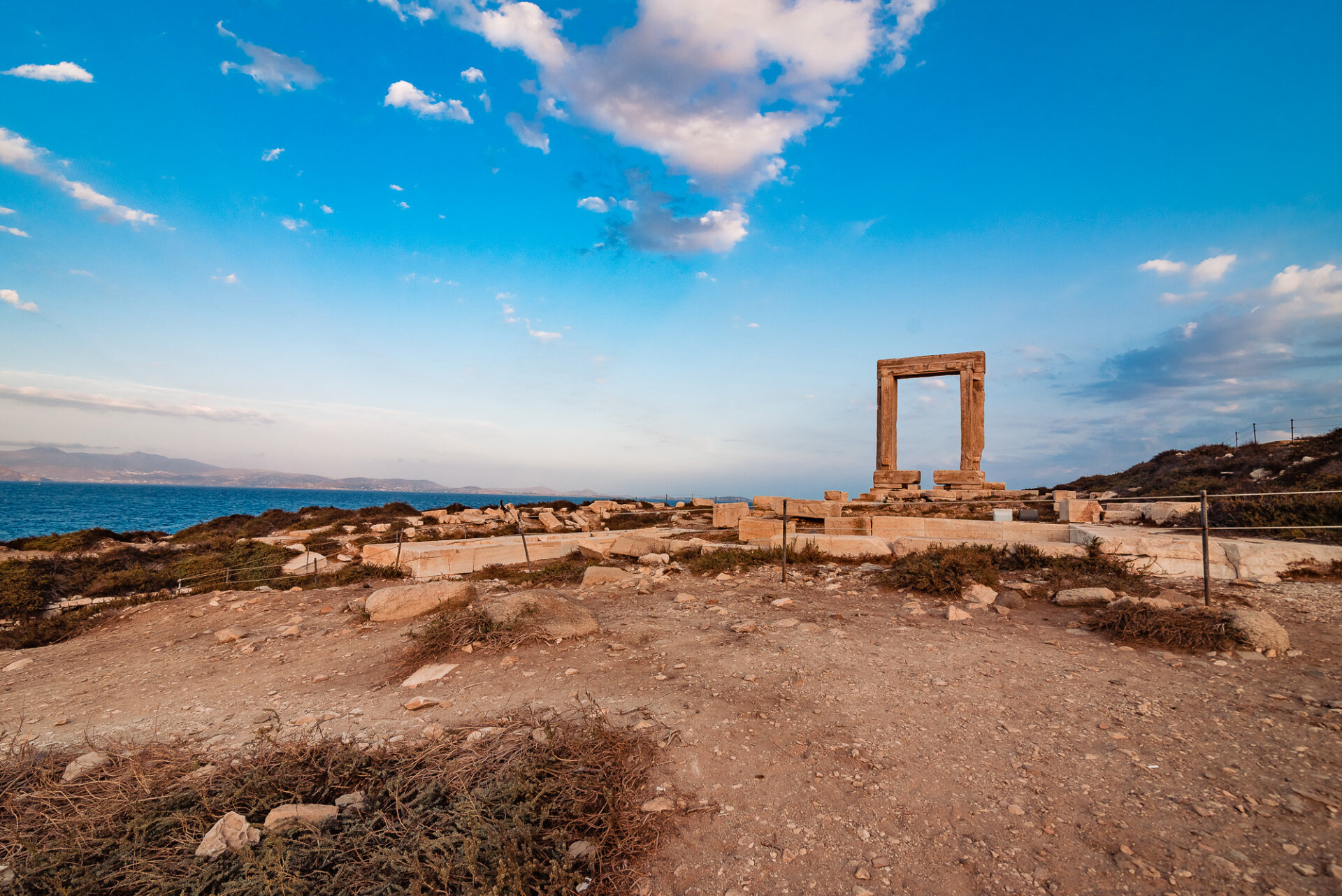
We also made a short stop in Naxos, which felt more grounded and less polished than Mykonos. The Portara was the image that stayed with me most, simple and monumental against the sky and sea. It was brief, but memorable.
Evenings in Mykonos
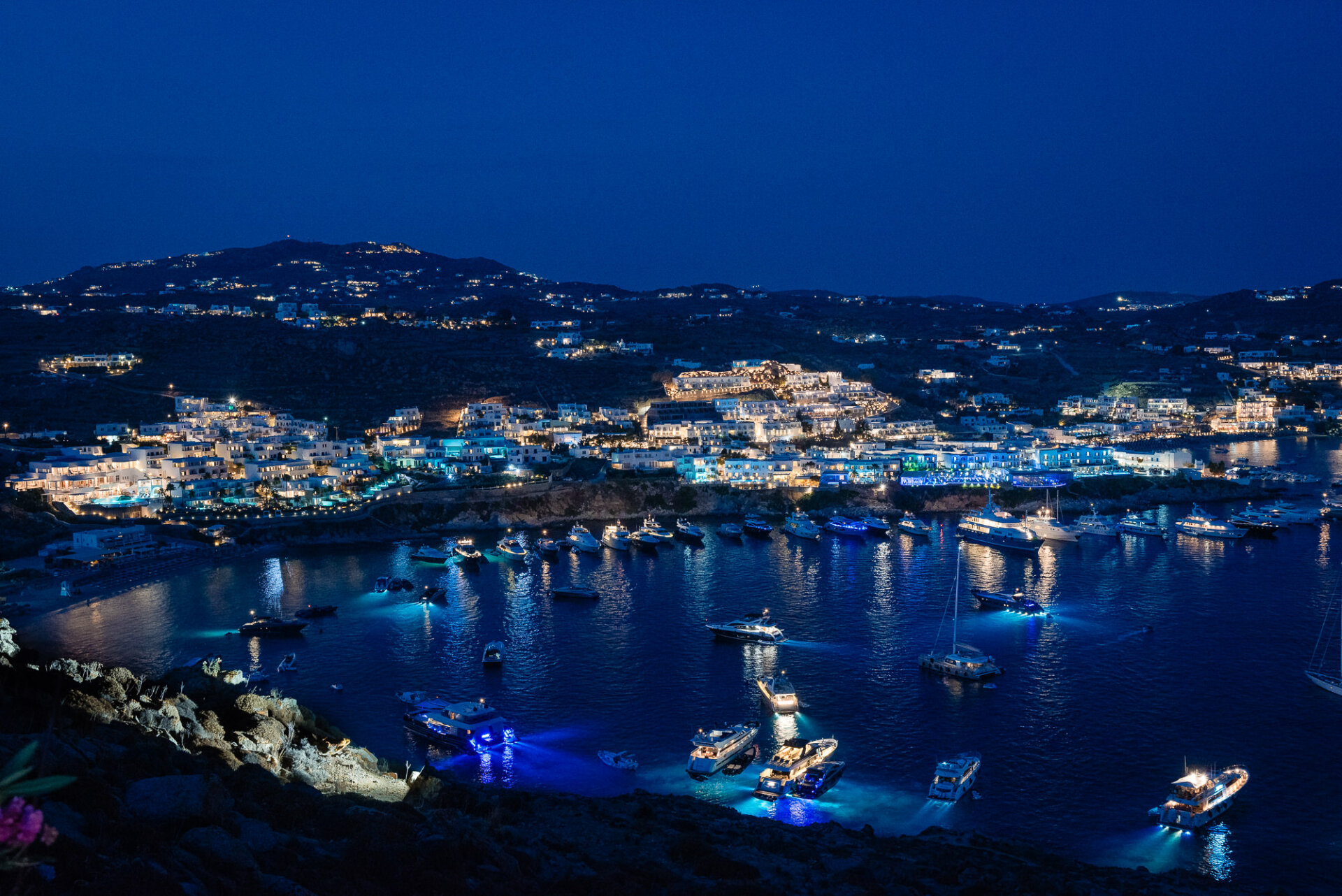
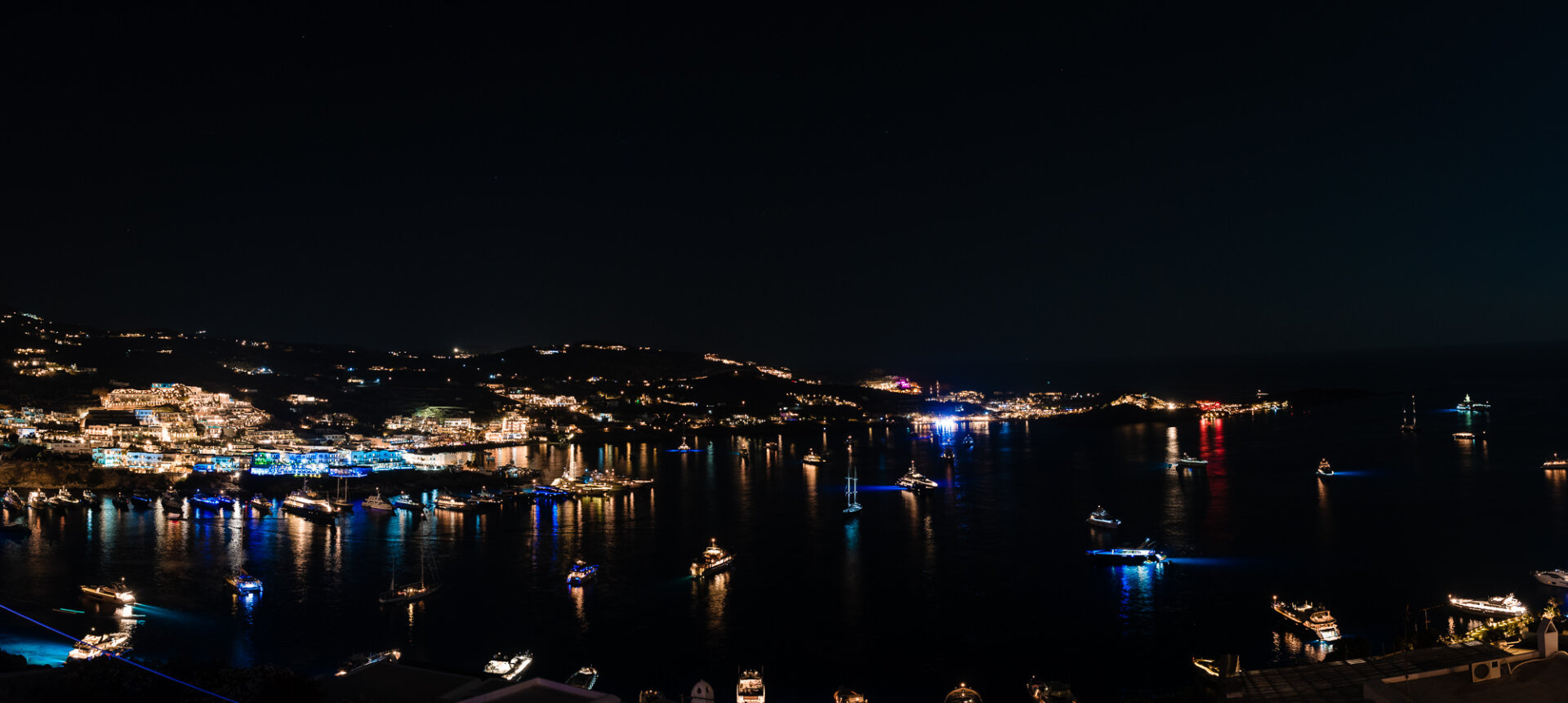
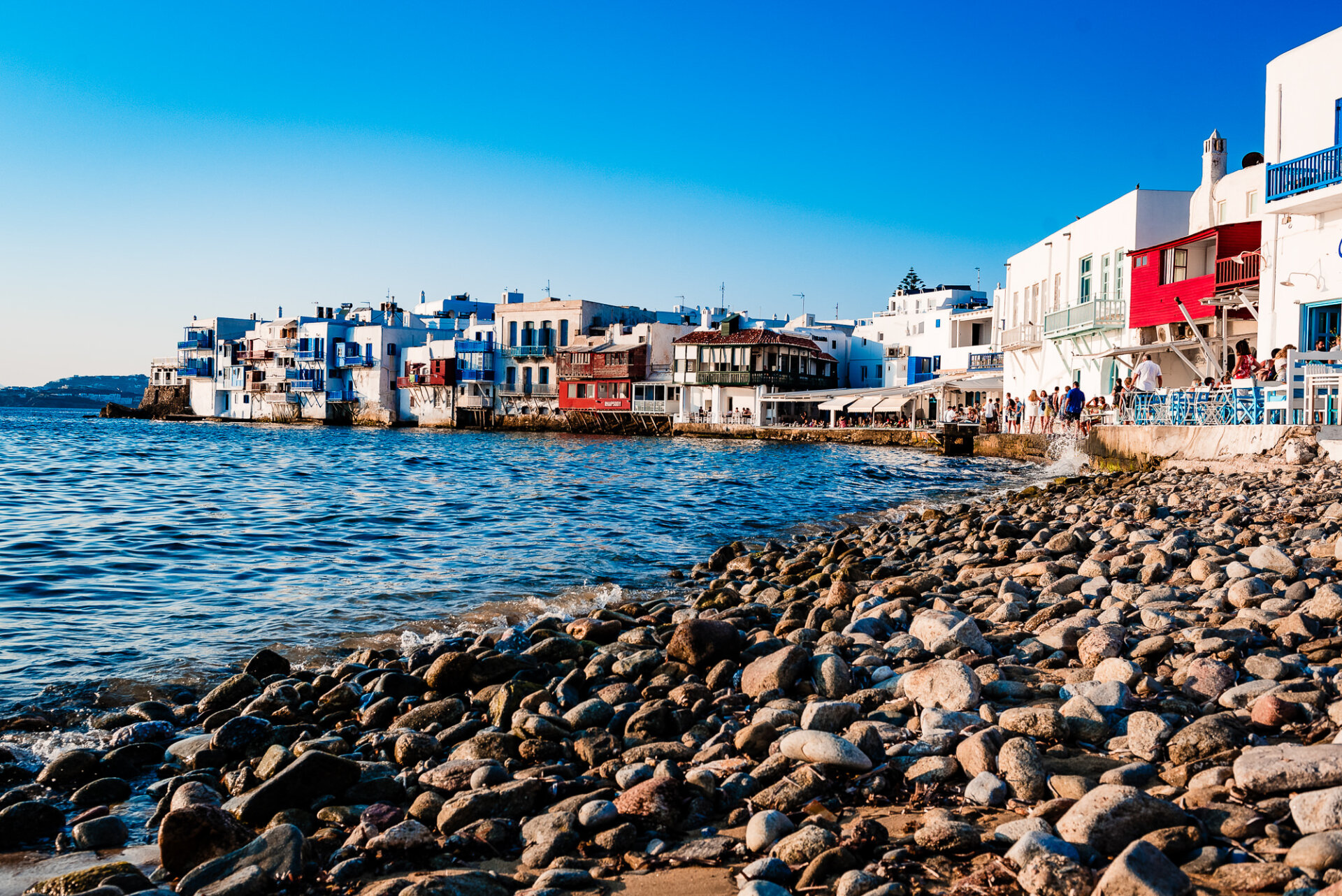
At night, Mykonos shifted again. The harbour glowed, the tavernas filled, and the town took on a more festive energy without losing its charm. Long dinners, fresh seafood, and the movement of people through the narrow streets made evenings here feel just as memorable as the days.
Hydra Island: Greece in Its Purest Form
Hydra felt entirely different from Mykonos. It was quieter, slower, and more restrained. The absence of cars changed everything. From the moment we arrived, the island felt calmer, almost suspended outside modern time.
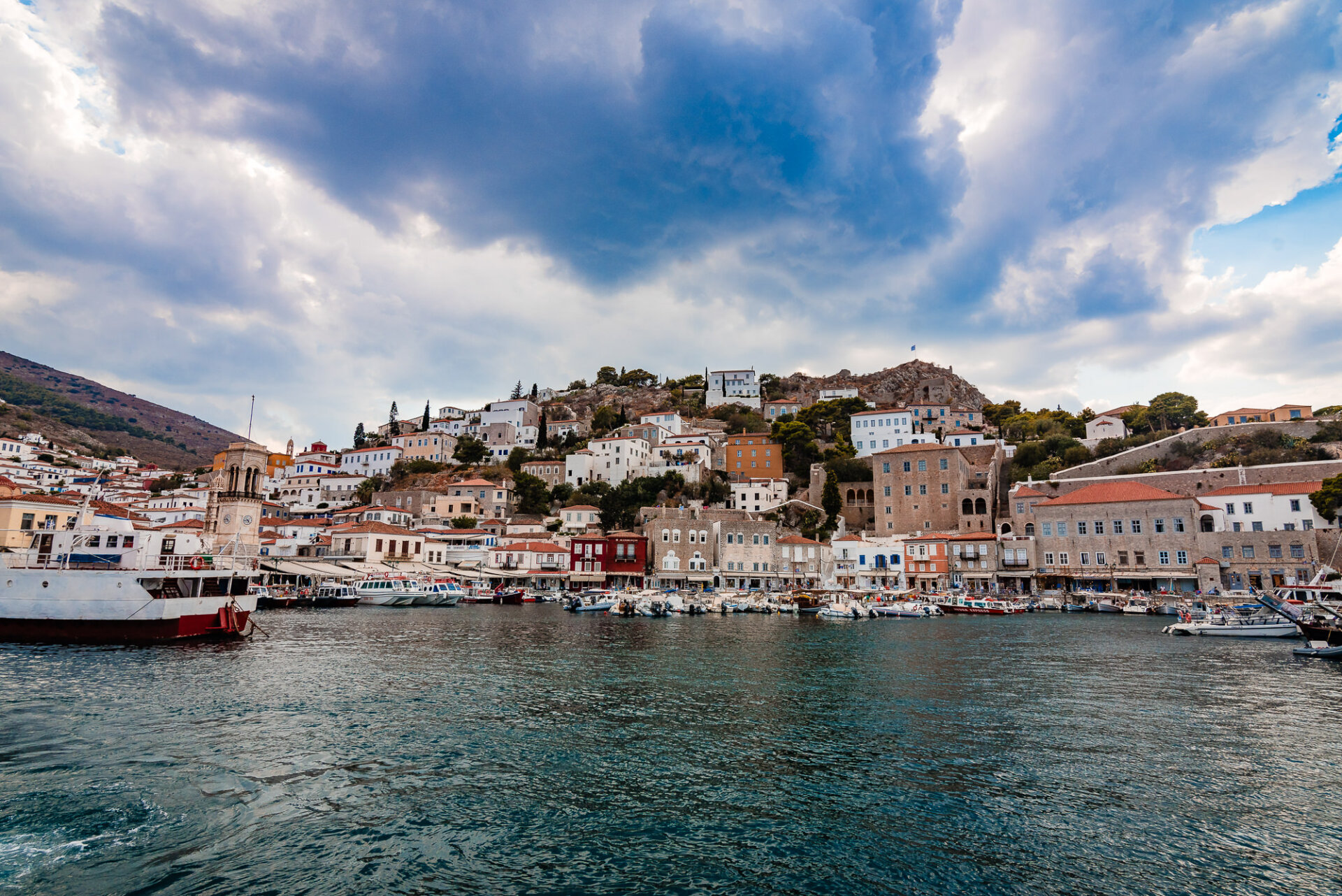
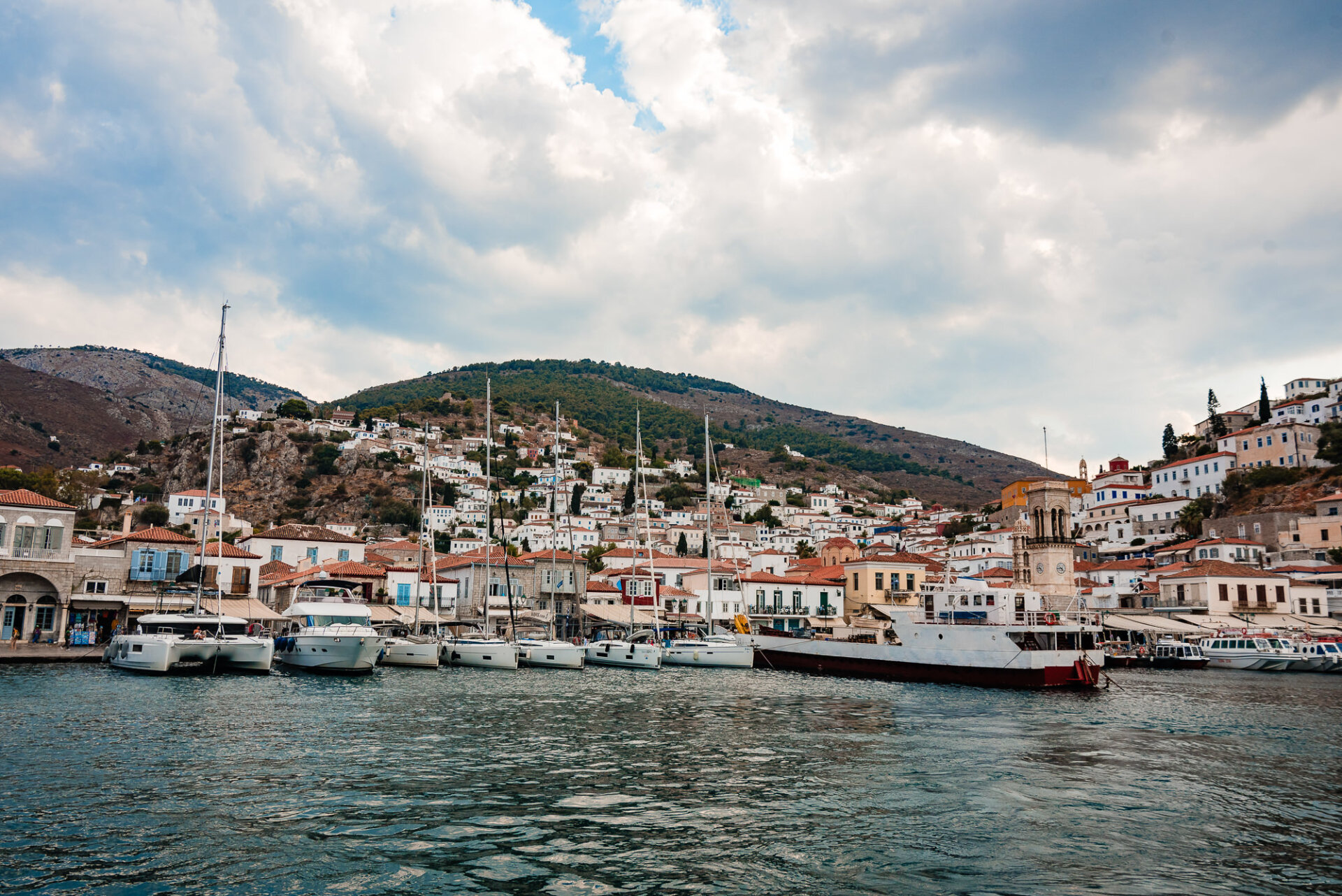
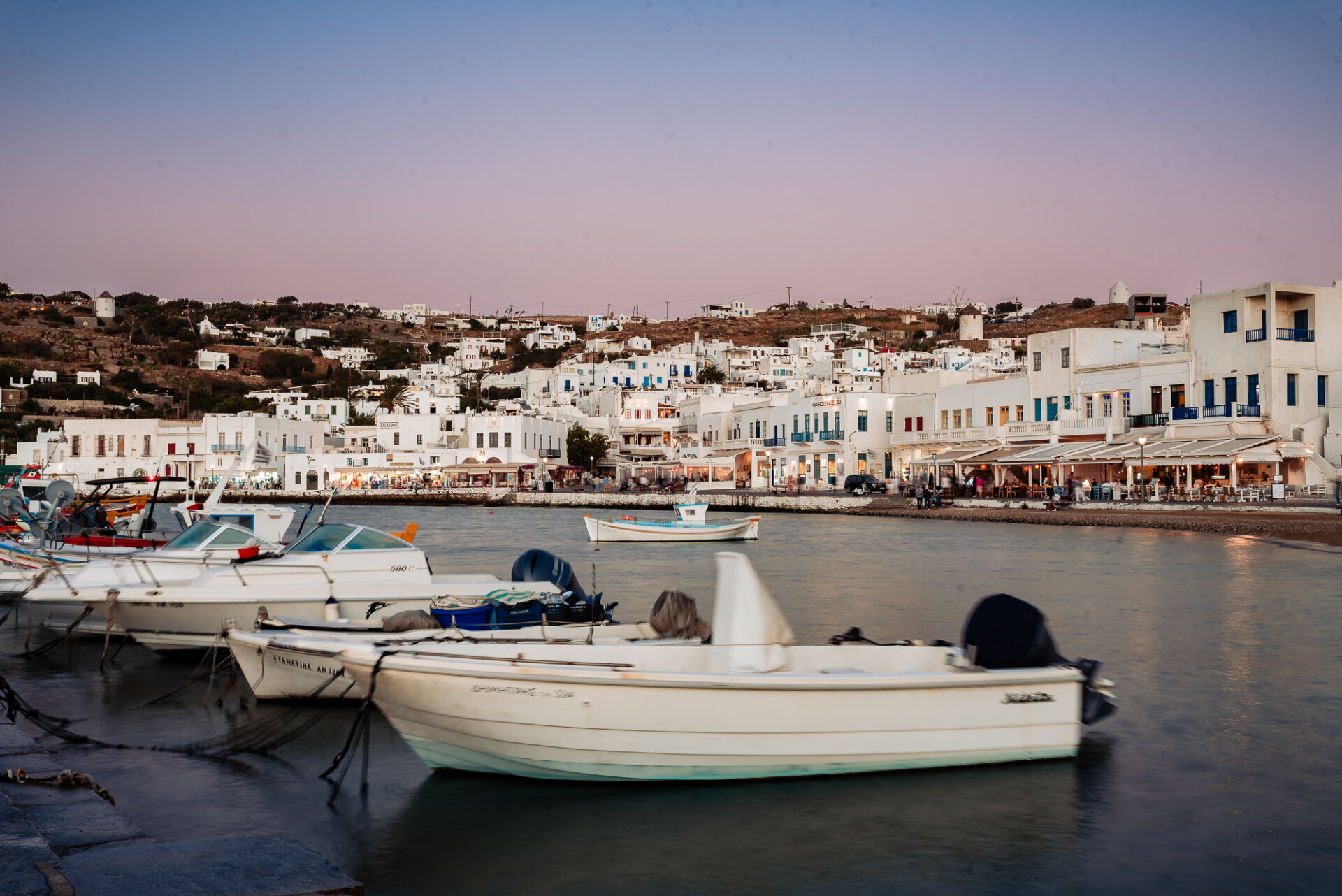
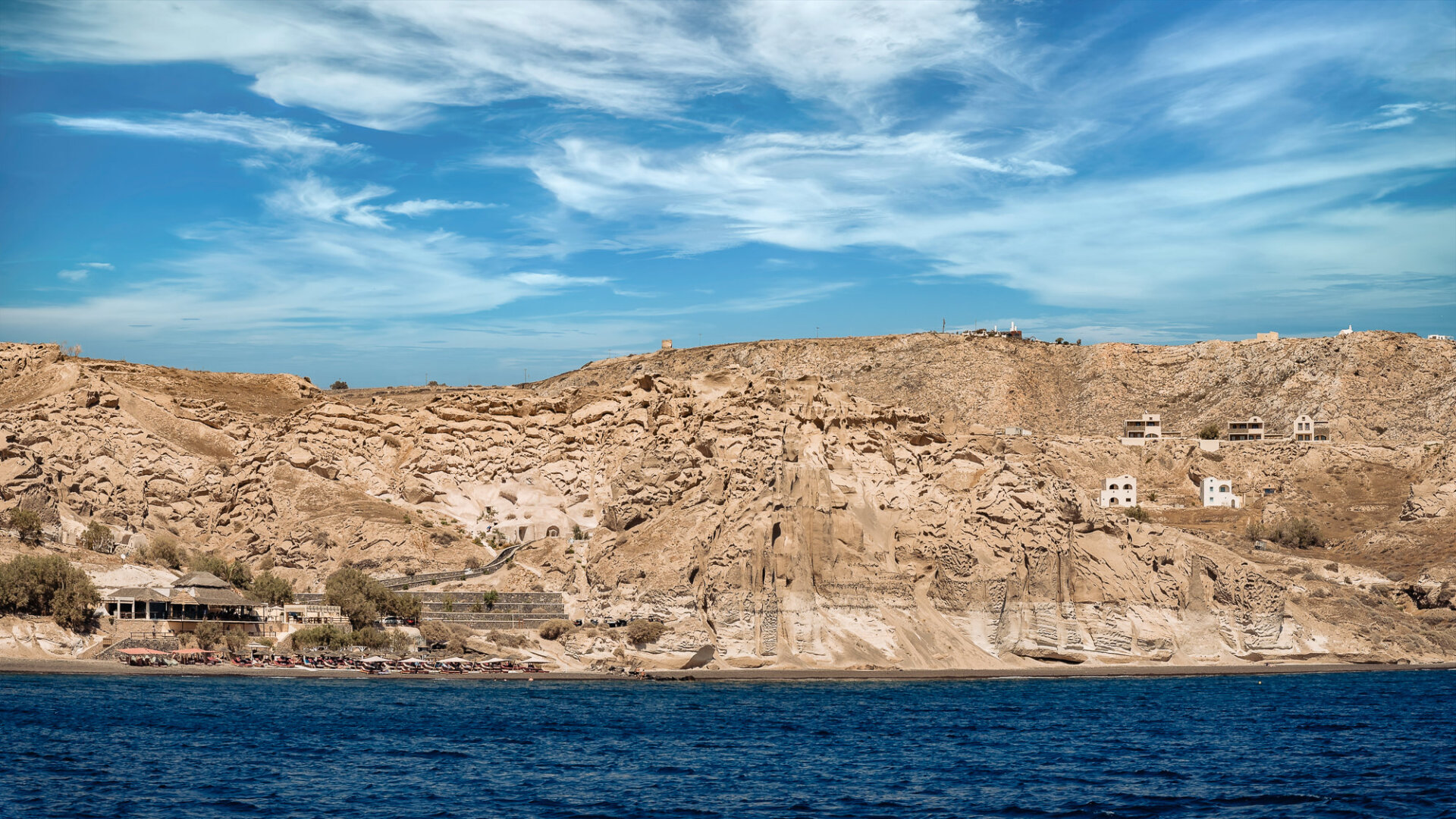
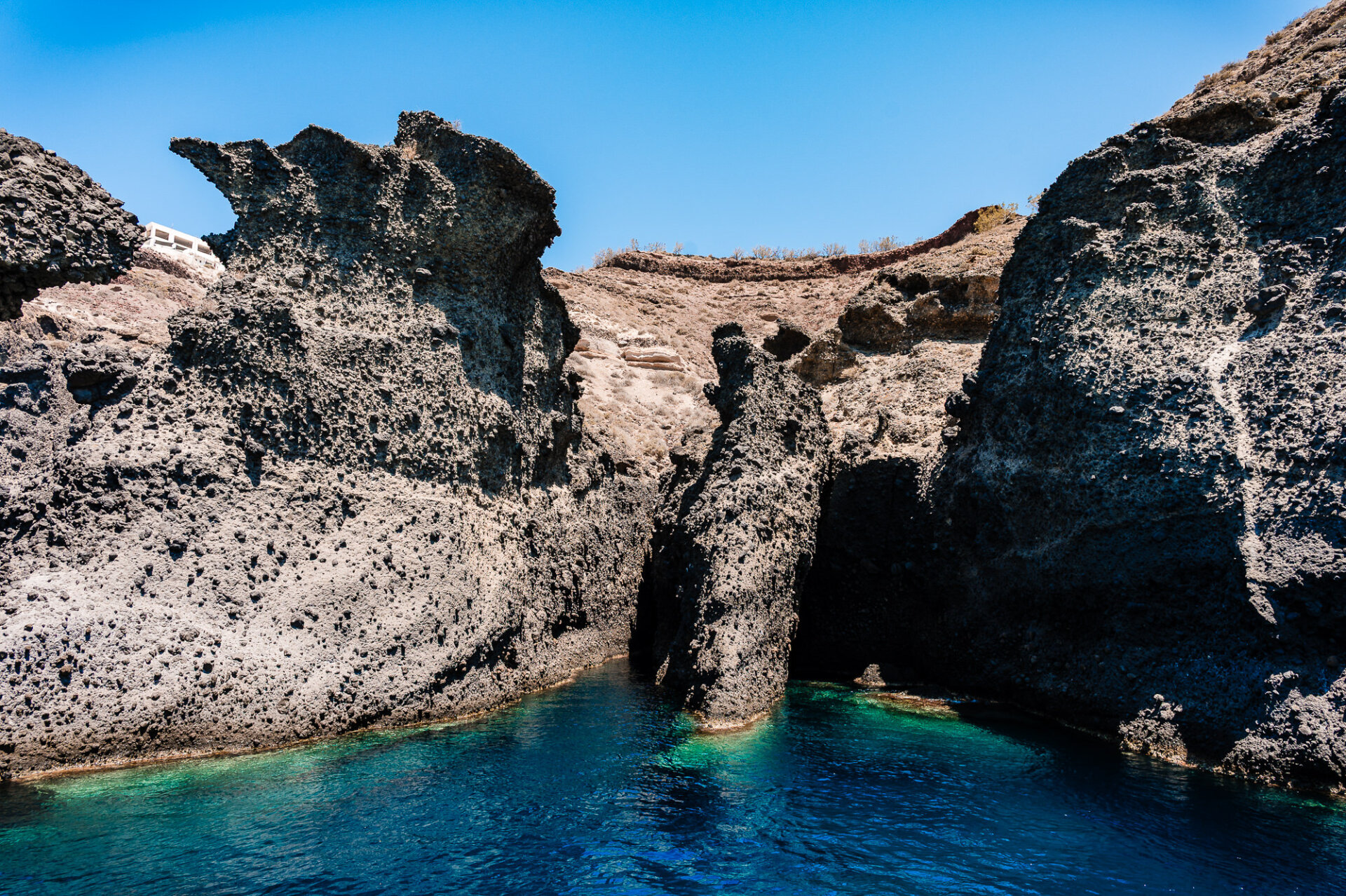
The harbour is the centre of the island and one of the most visually striking places we visited in Greece. Stone houses rise around the water, boats bob in the harbour, and daily life unfolds at a gentler pace. Without traffic or engine noise, the whole town feels more focused, more atmospheric, and easier to take in.
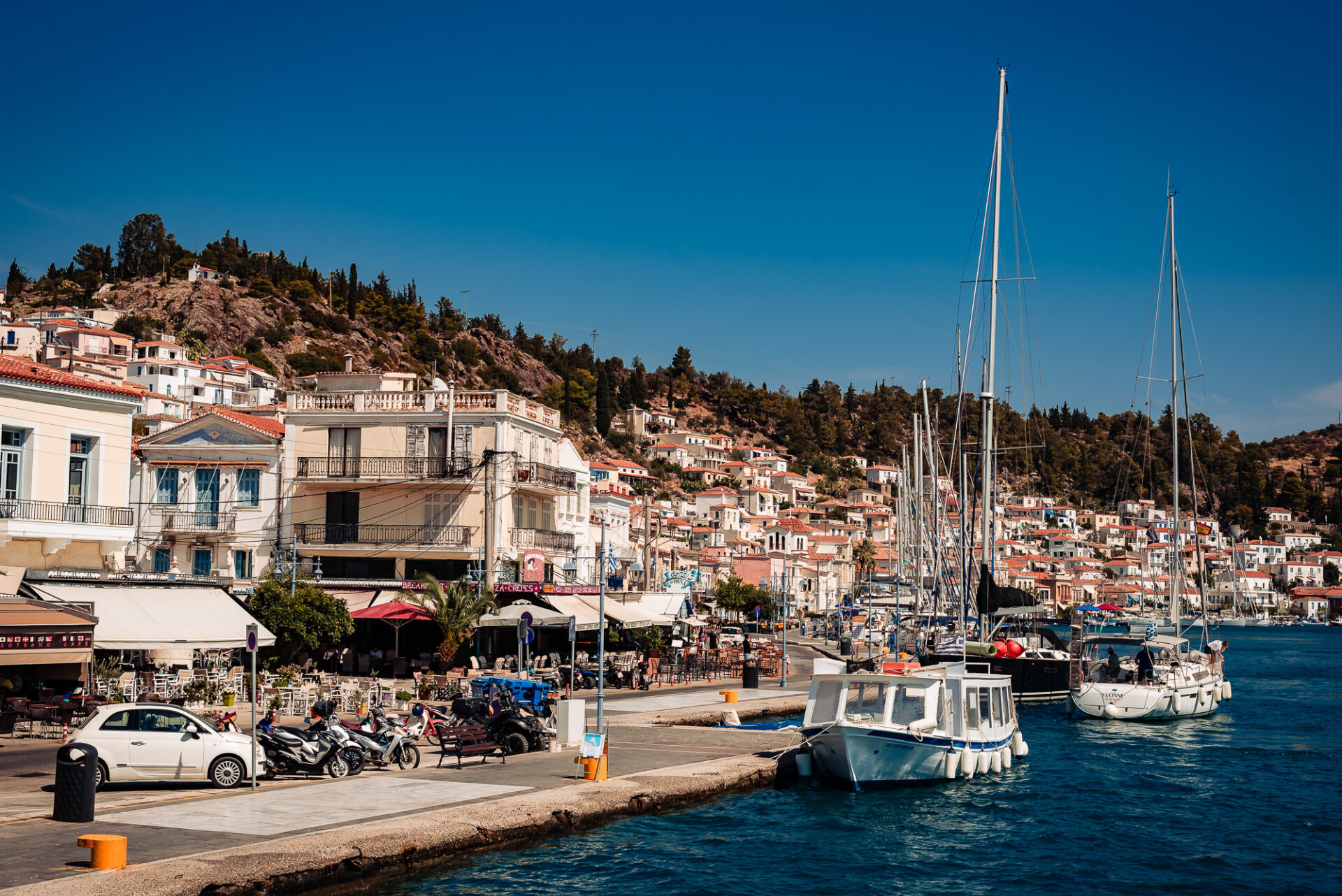
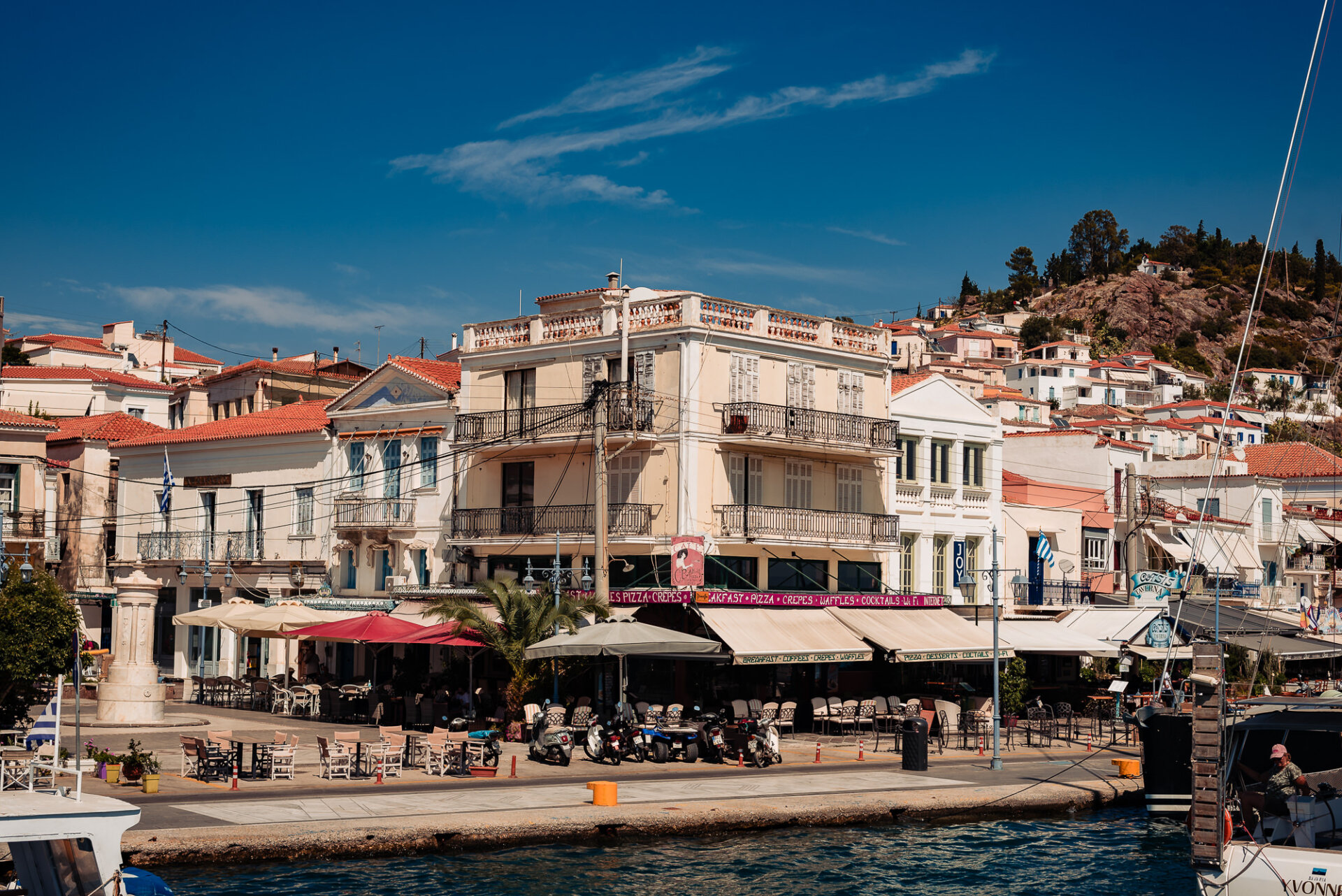
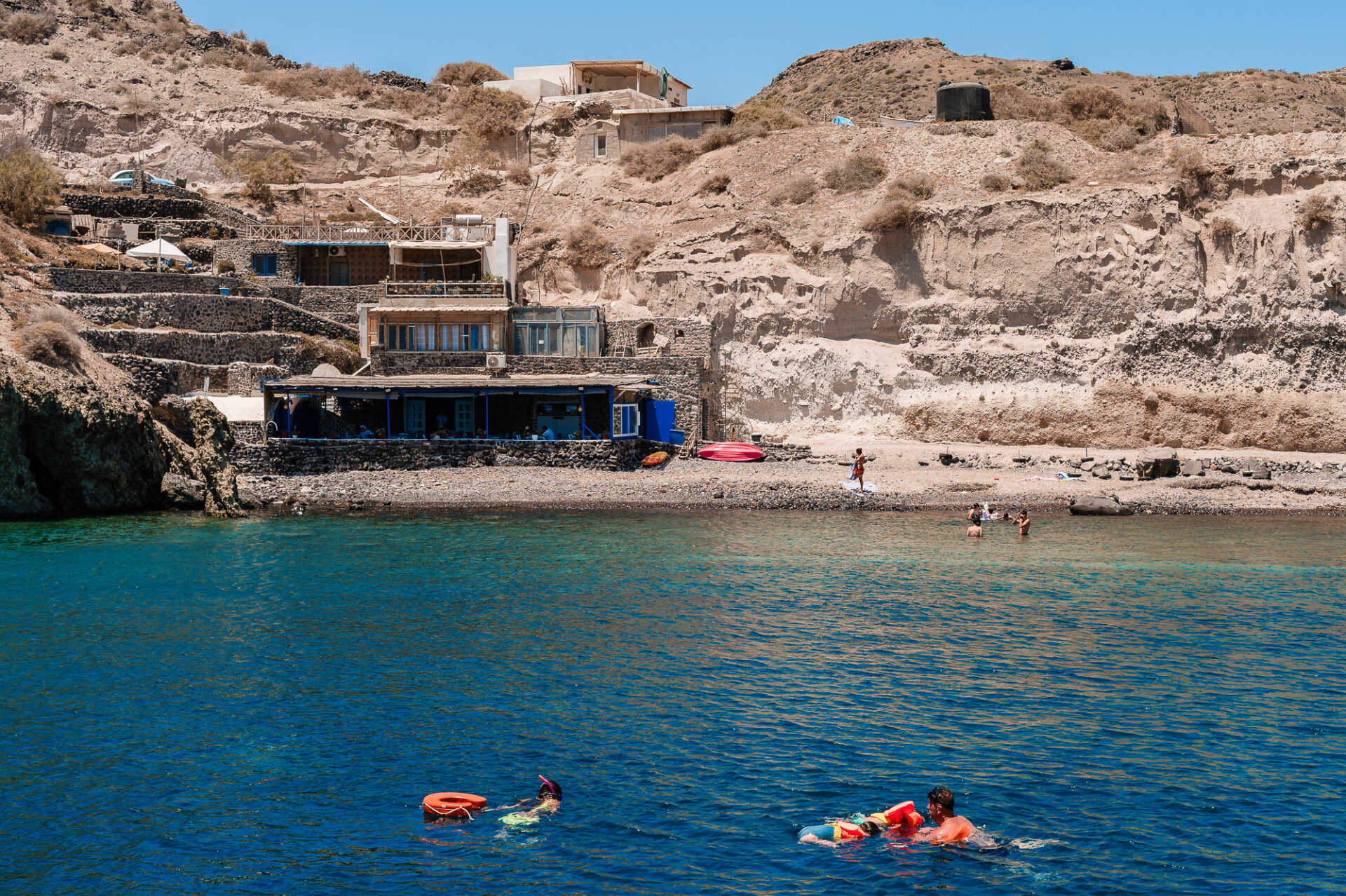
Hydra’s architecture gave the island much of its identity. The stone mansions and hillside homes felt stately without being formal, shaped by the island’s maritime past.
Santorini: Where the Earth Broke Open and Made Something Beautiful
Santorini is one of those places that feels familiar before you arrive. It has been photographed endlessly, written about constantly, and fixed in the imagination of almost every traveller. Even so, seeing it from the water was something else entirely. The cliffs rose sharply from the sea, dark and volcanic below, bright white above, with villages clinging to the rim in a way that hardly seemed possible. It felt dramatic, unreal, and completely unforgettable.
The Santorini Caldera
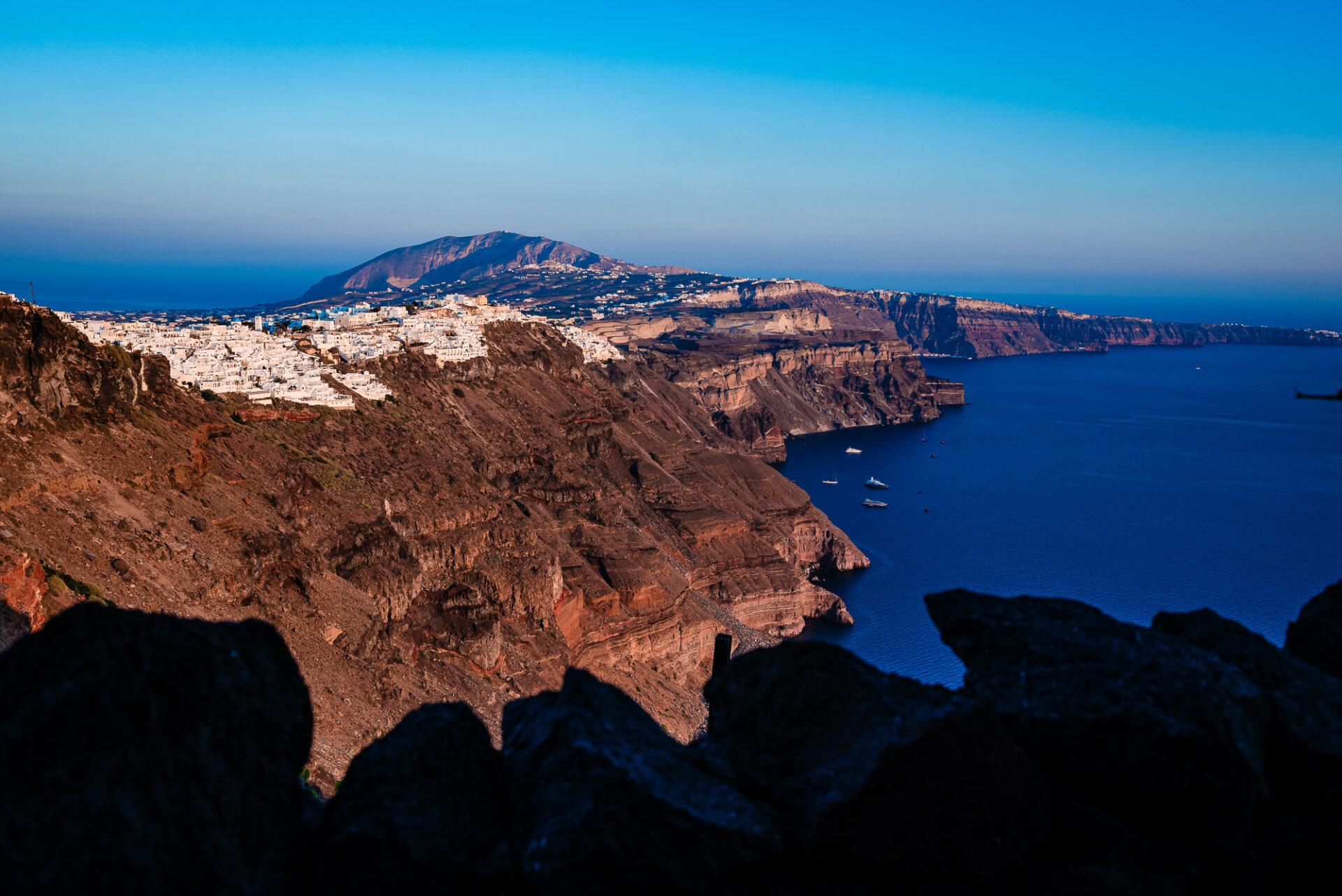
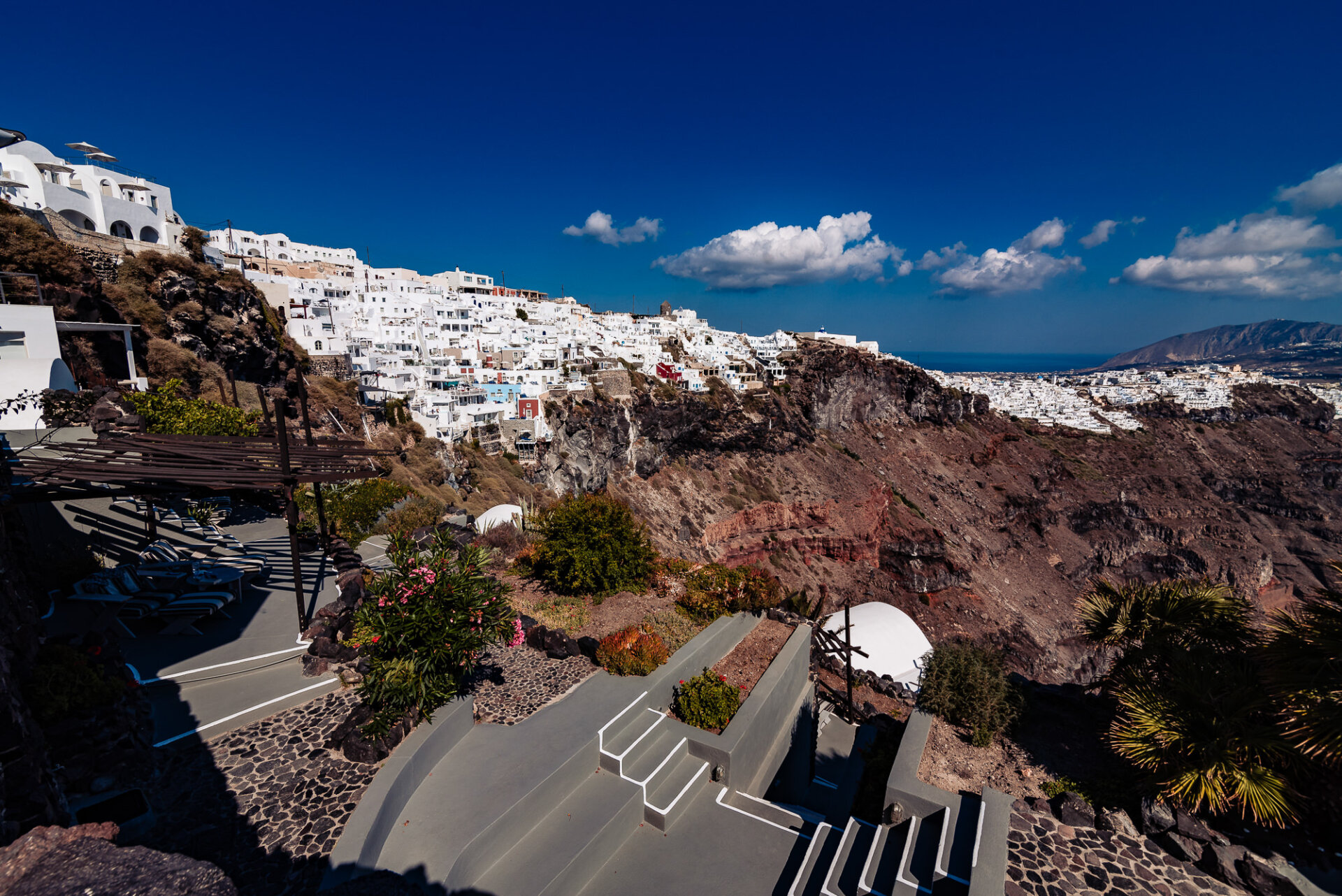
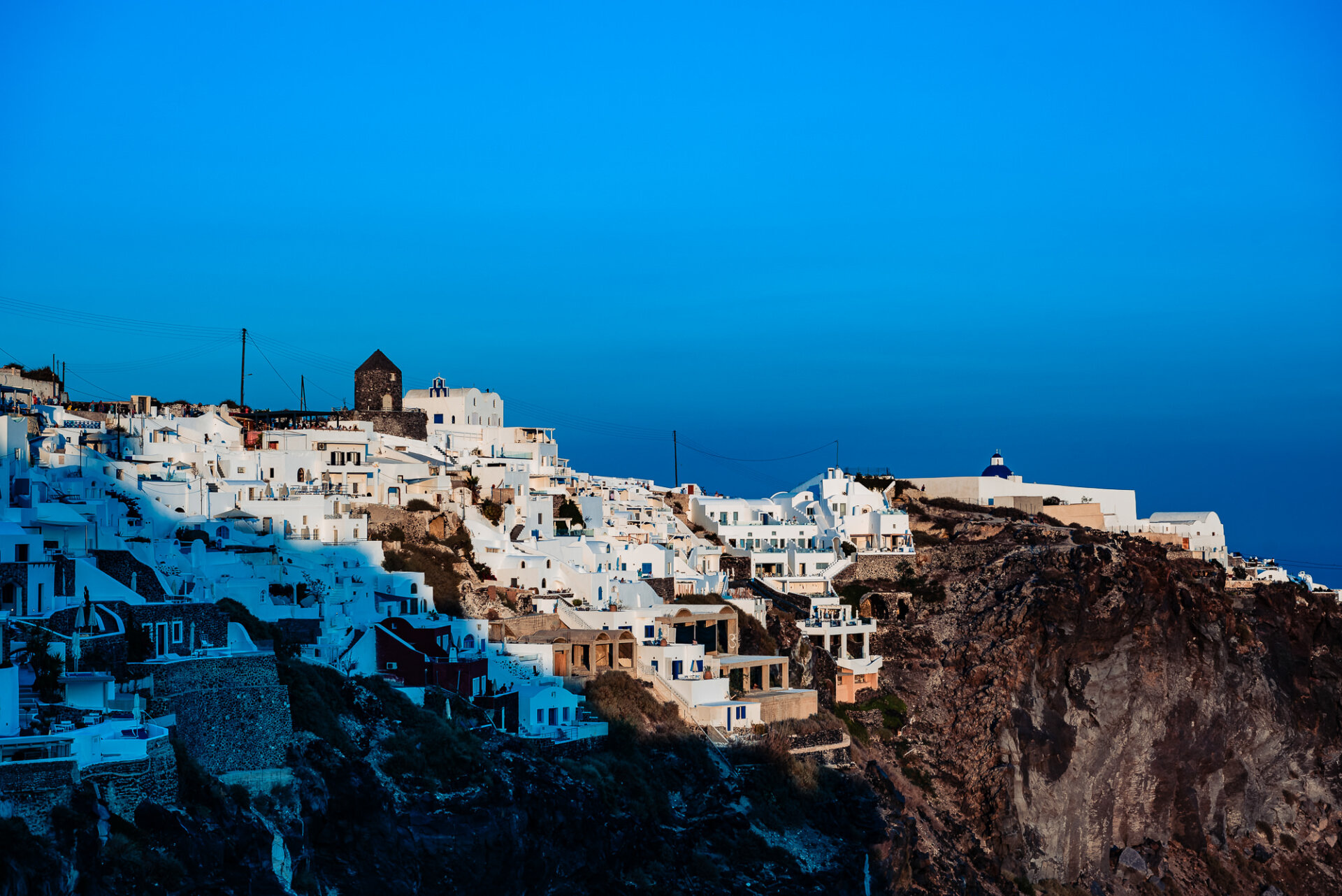
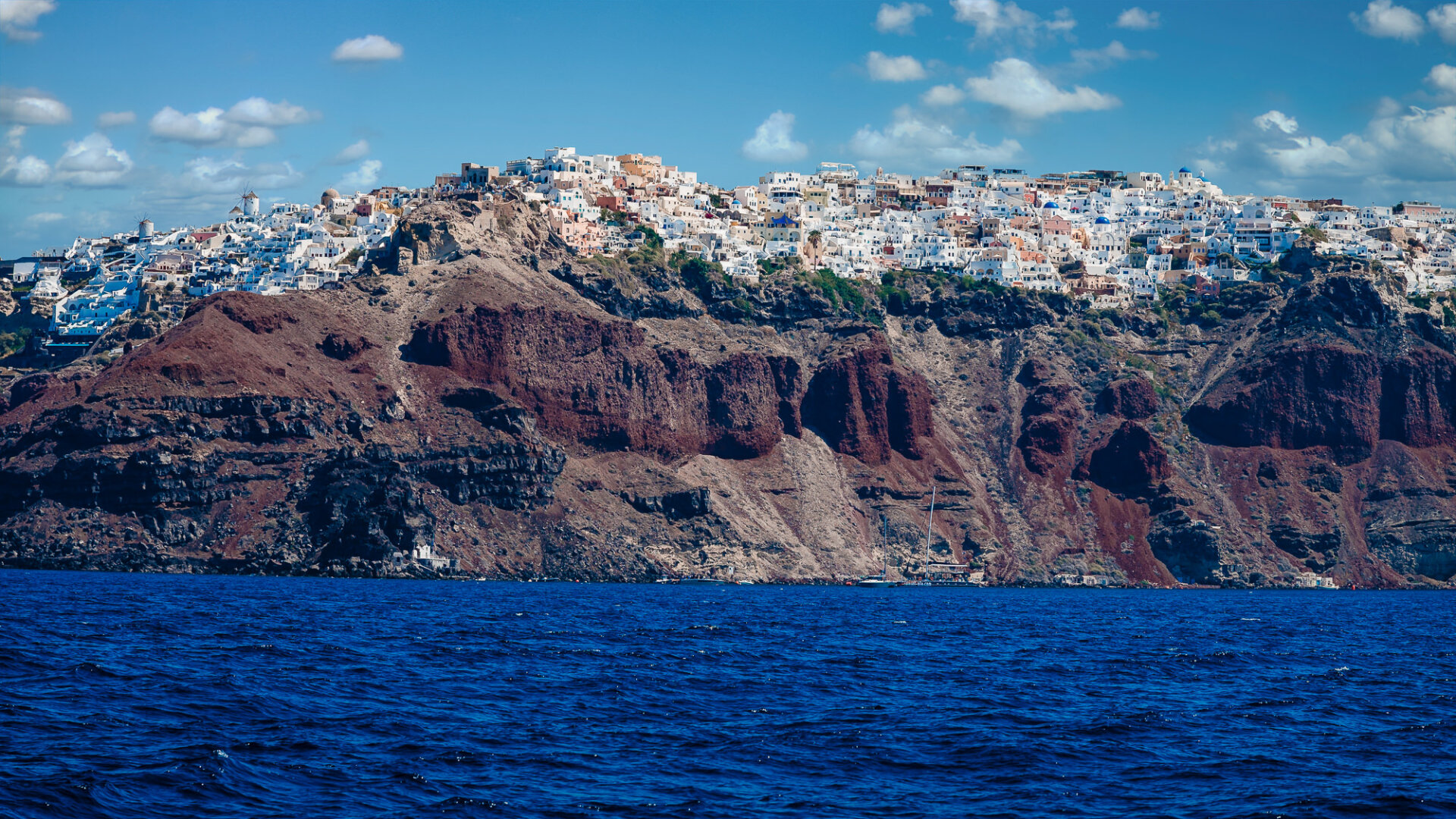
The caldera gives Santorini its identity. Standing at the rim, looking across the water toward the volcanic islands at its centre, it was easy to see why this landscape leaves such a mark on people. The scale is hard to describe, and the light across the cliffs changed constantly throughout the day. I kept returning to it with my camera, knowing each hour revealed something slightly different.
Thira & The Cycladic Architecture
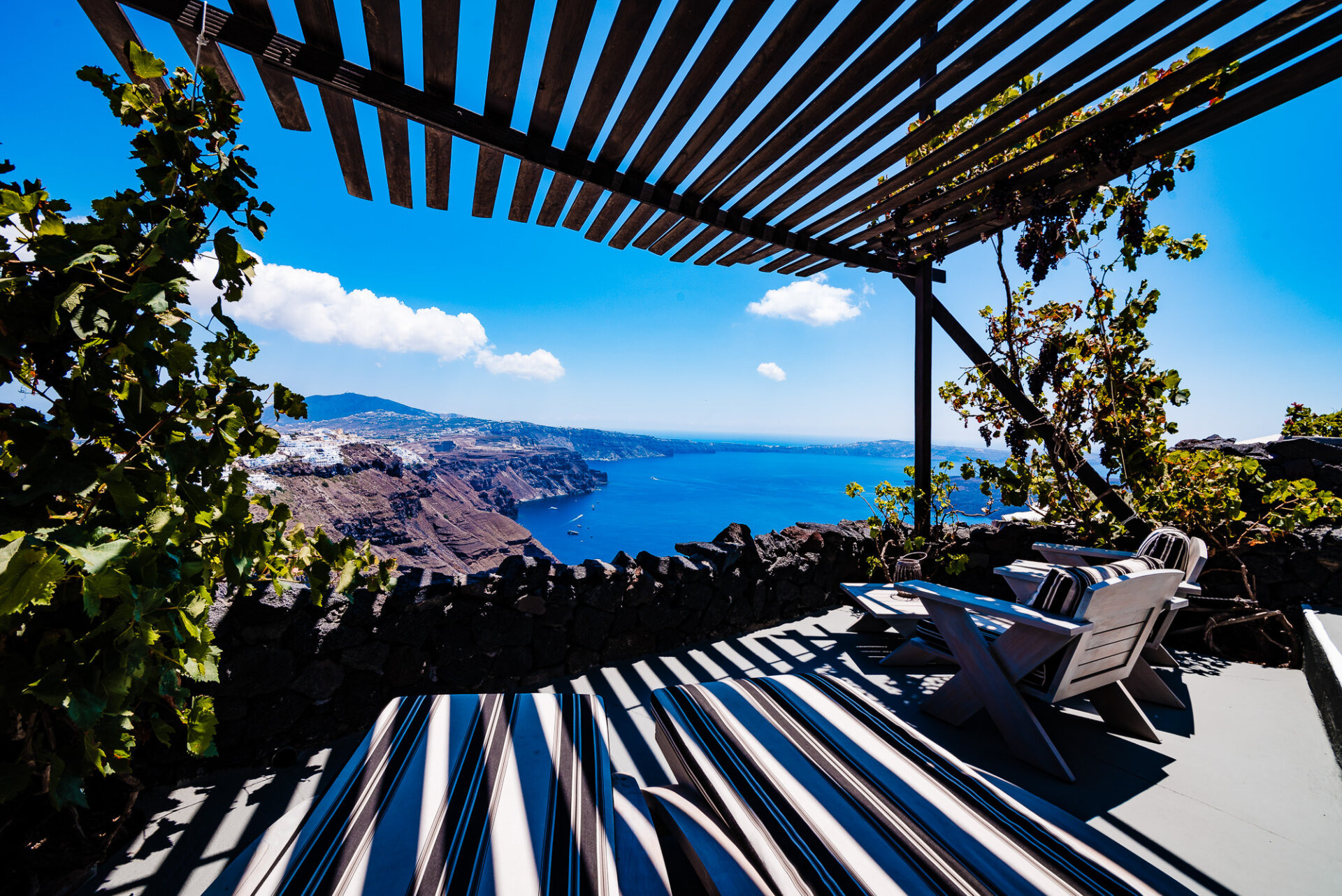
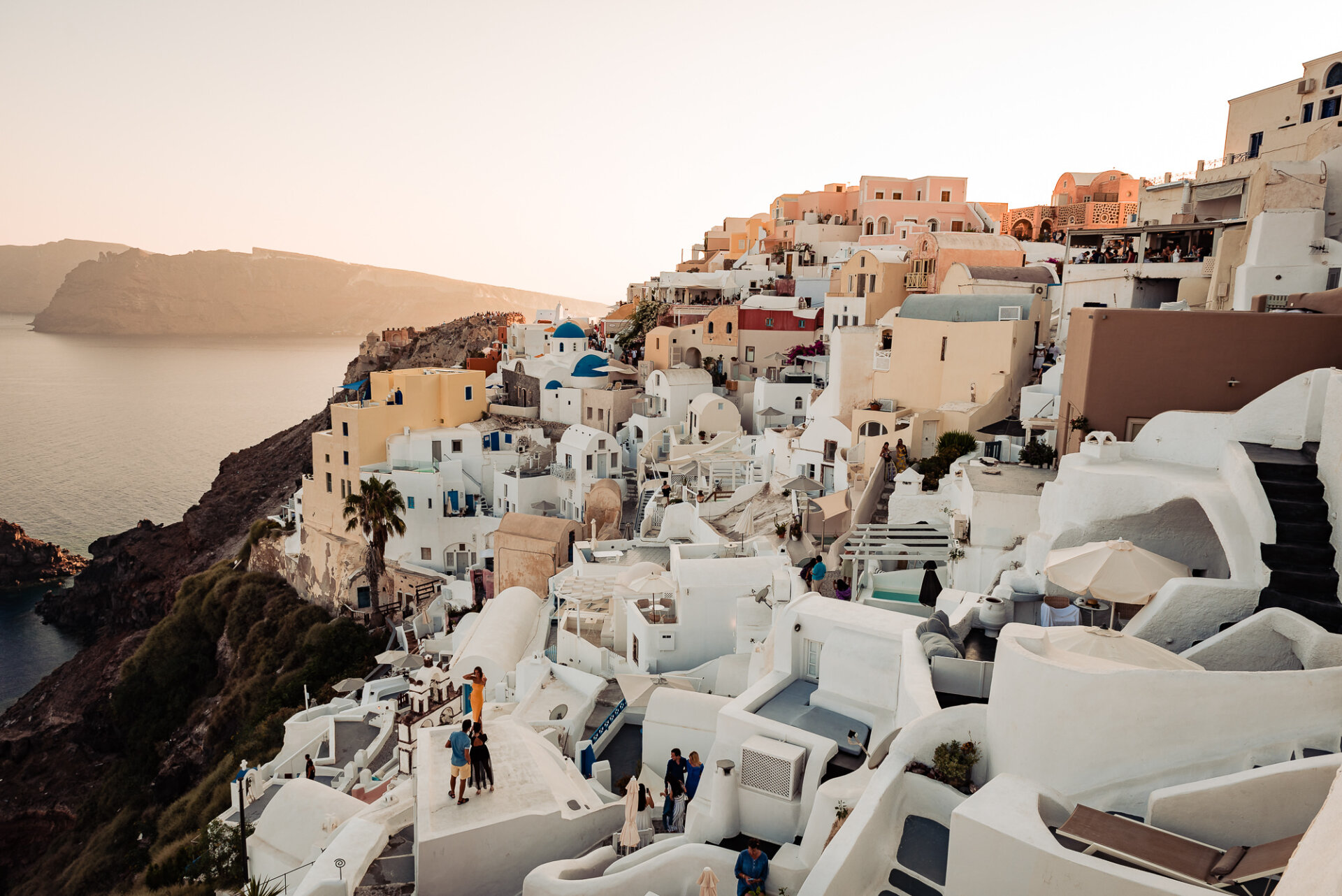
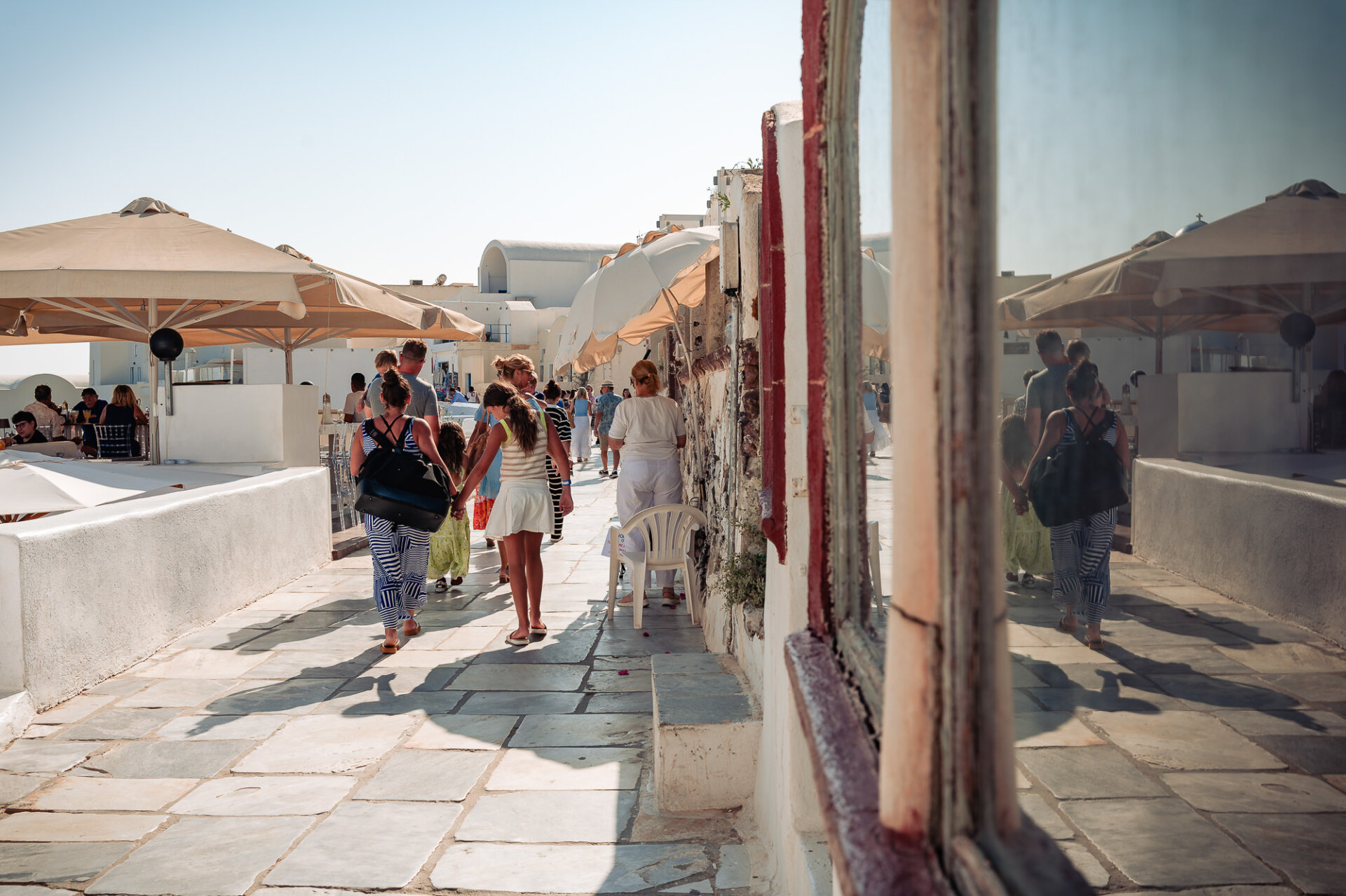
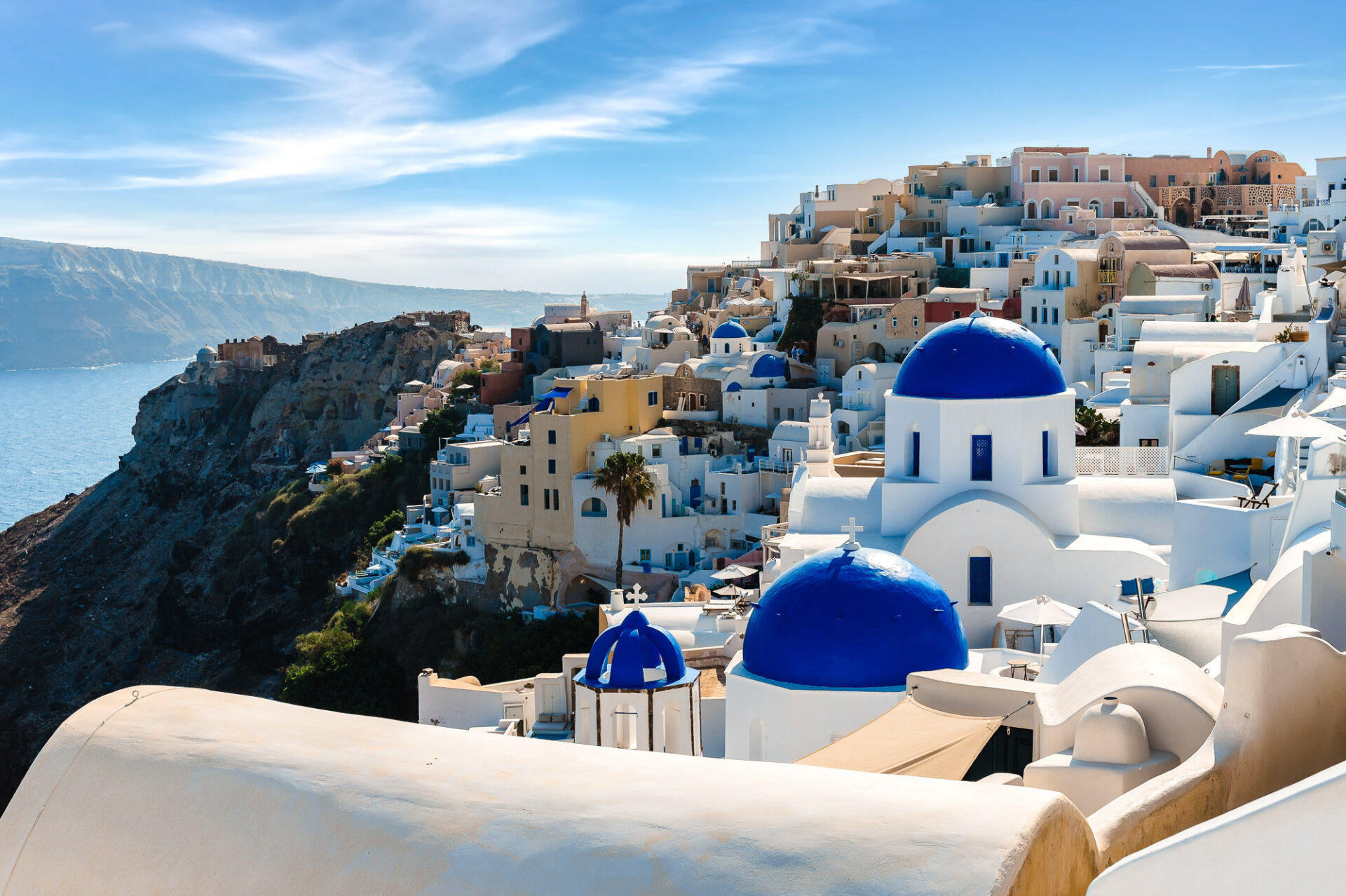
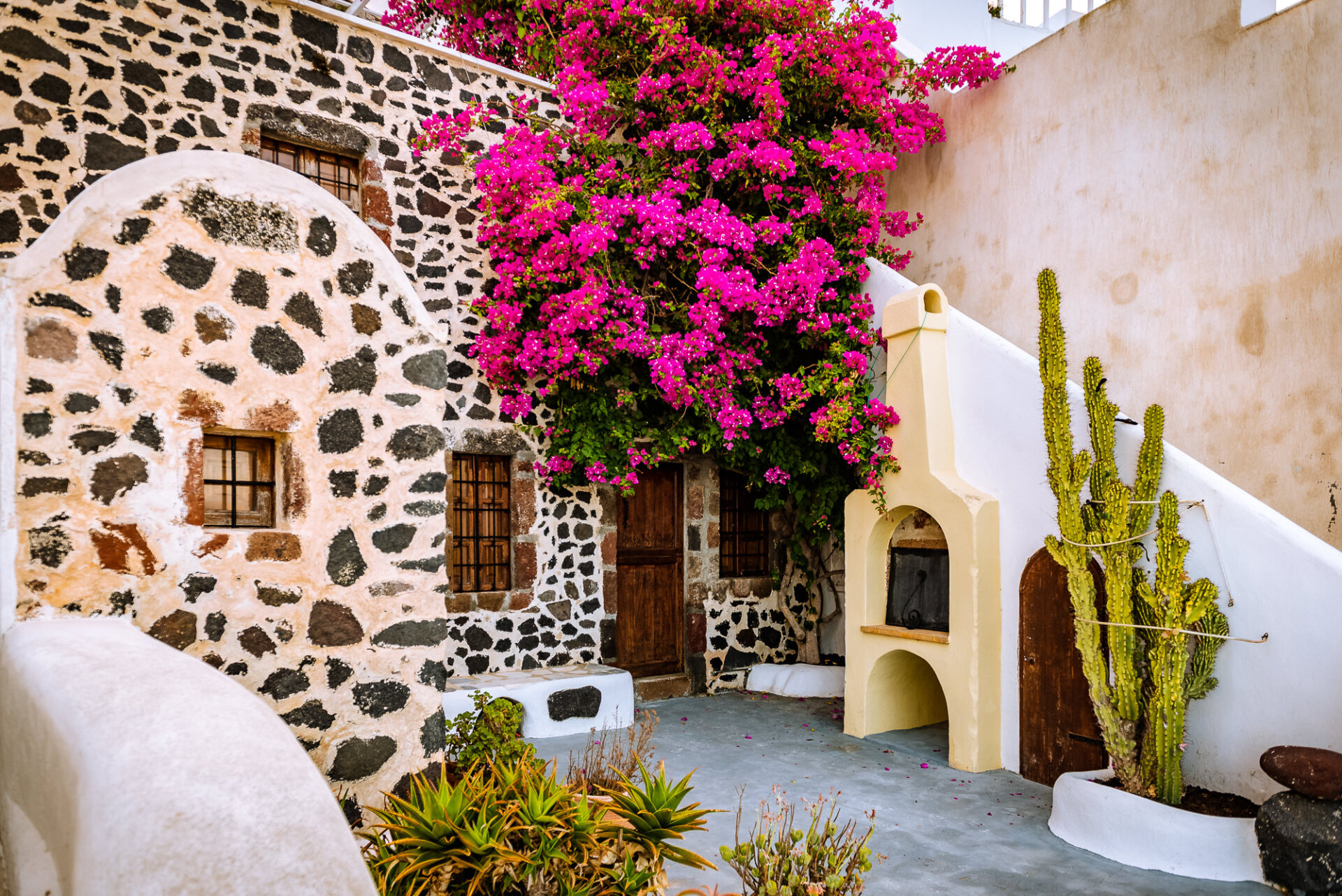
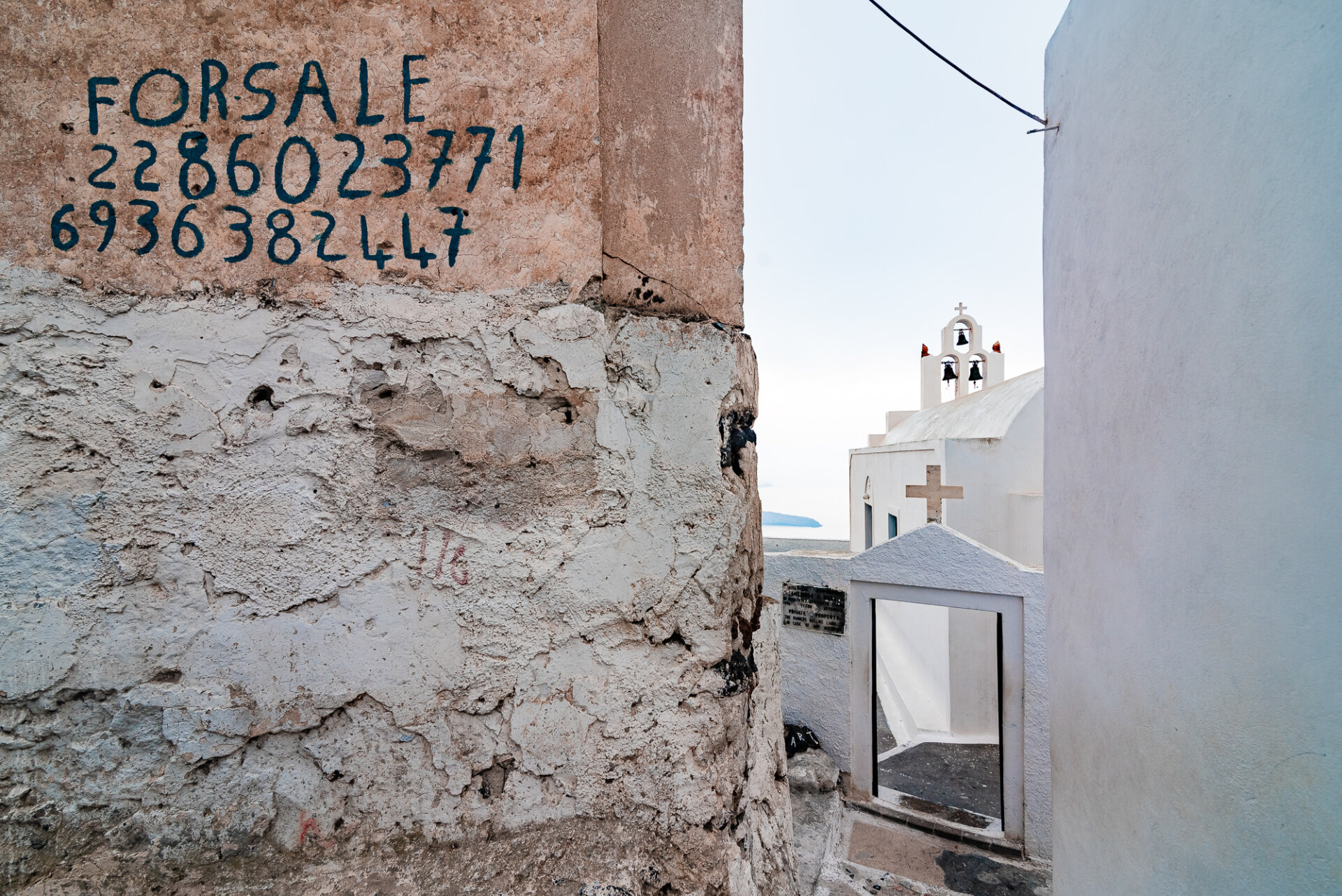
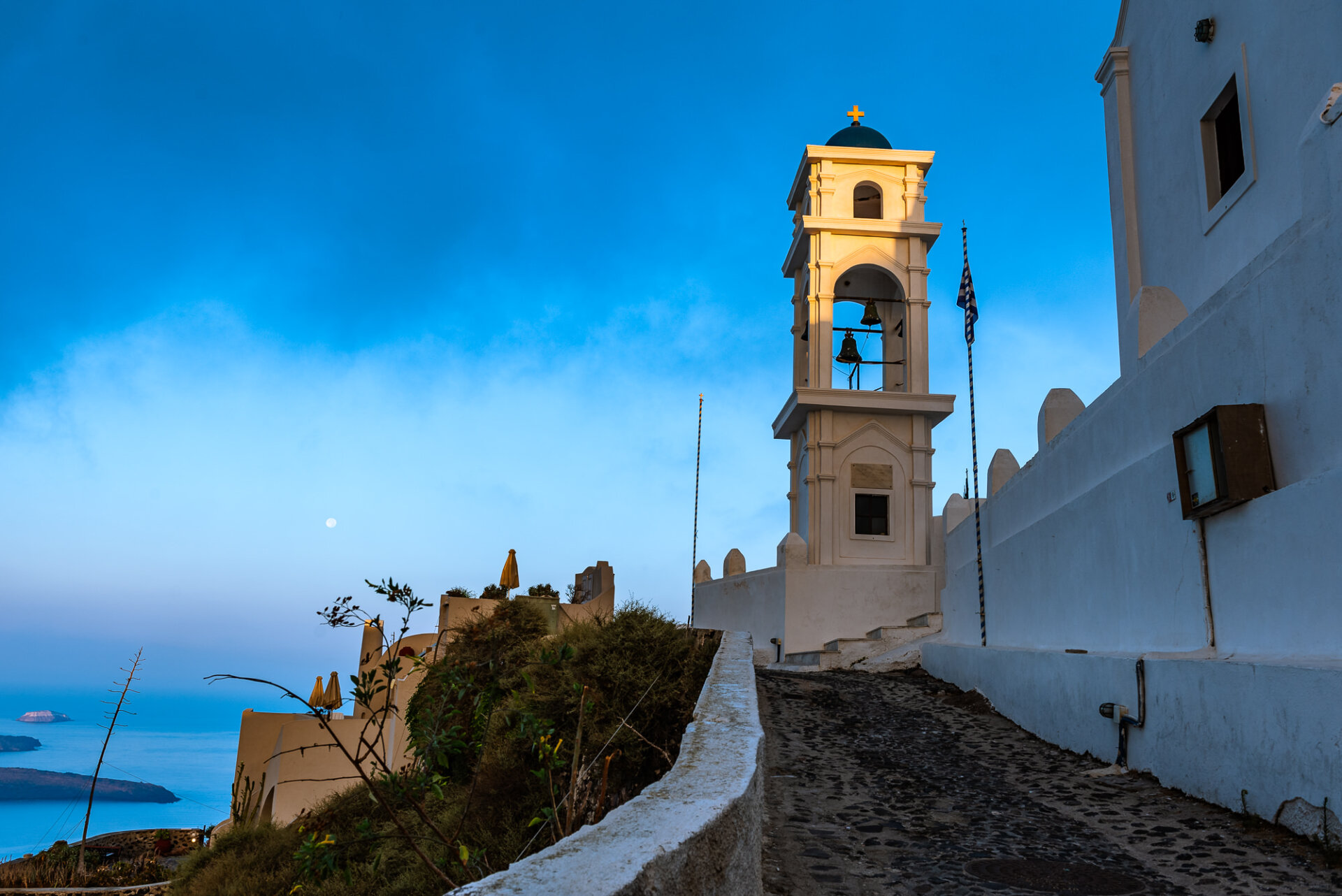
Thira is the official name of the entire island of Santorini. What stayed with me across Santorini was the architecture itself. The white buildings, blue domes, and clean lines felt perfectly suited to the landscape. Nothing seemed accidental. The forms were simple, but against the cliffs and sea, they became striking.
Fira
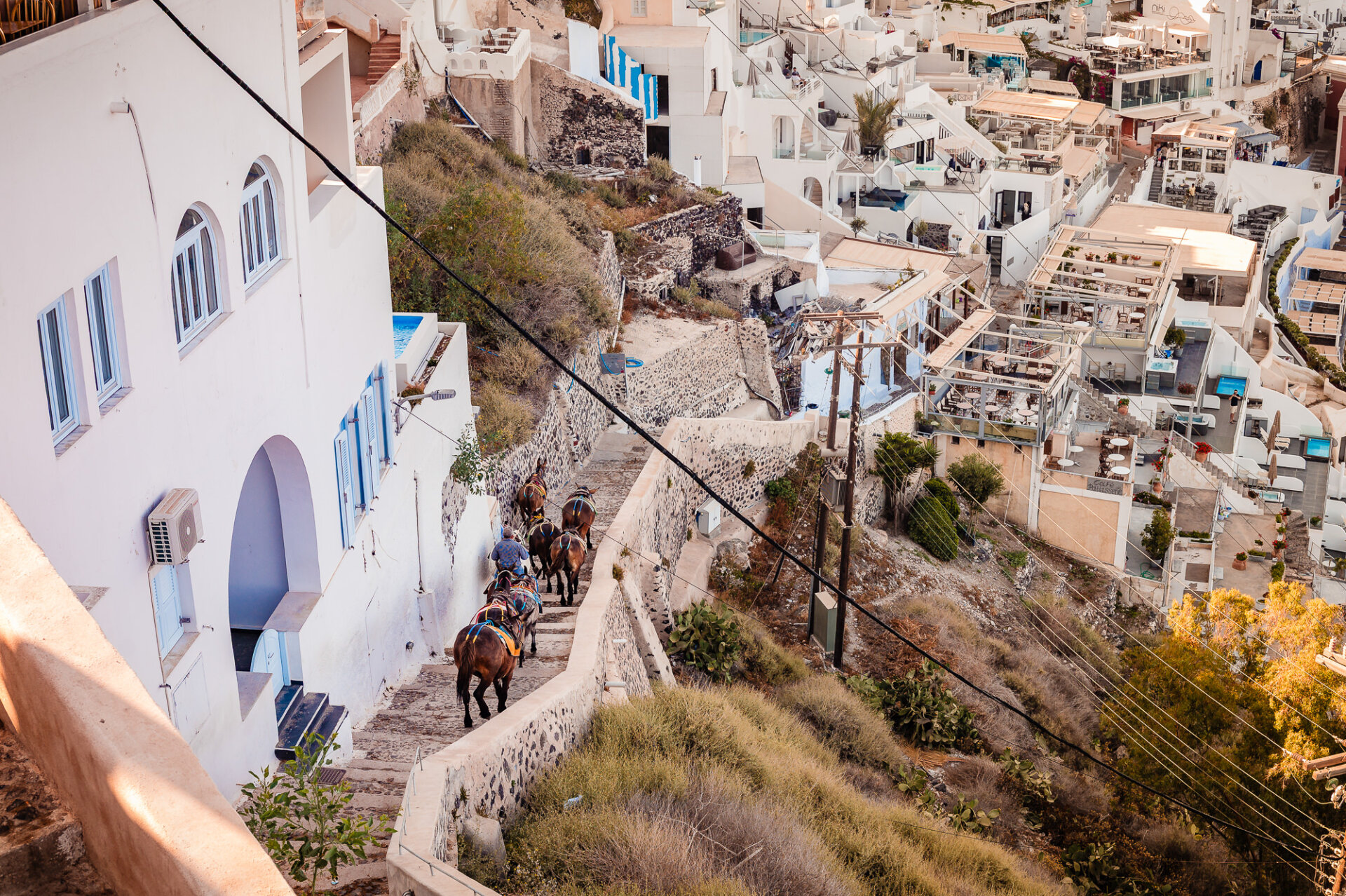
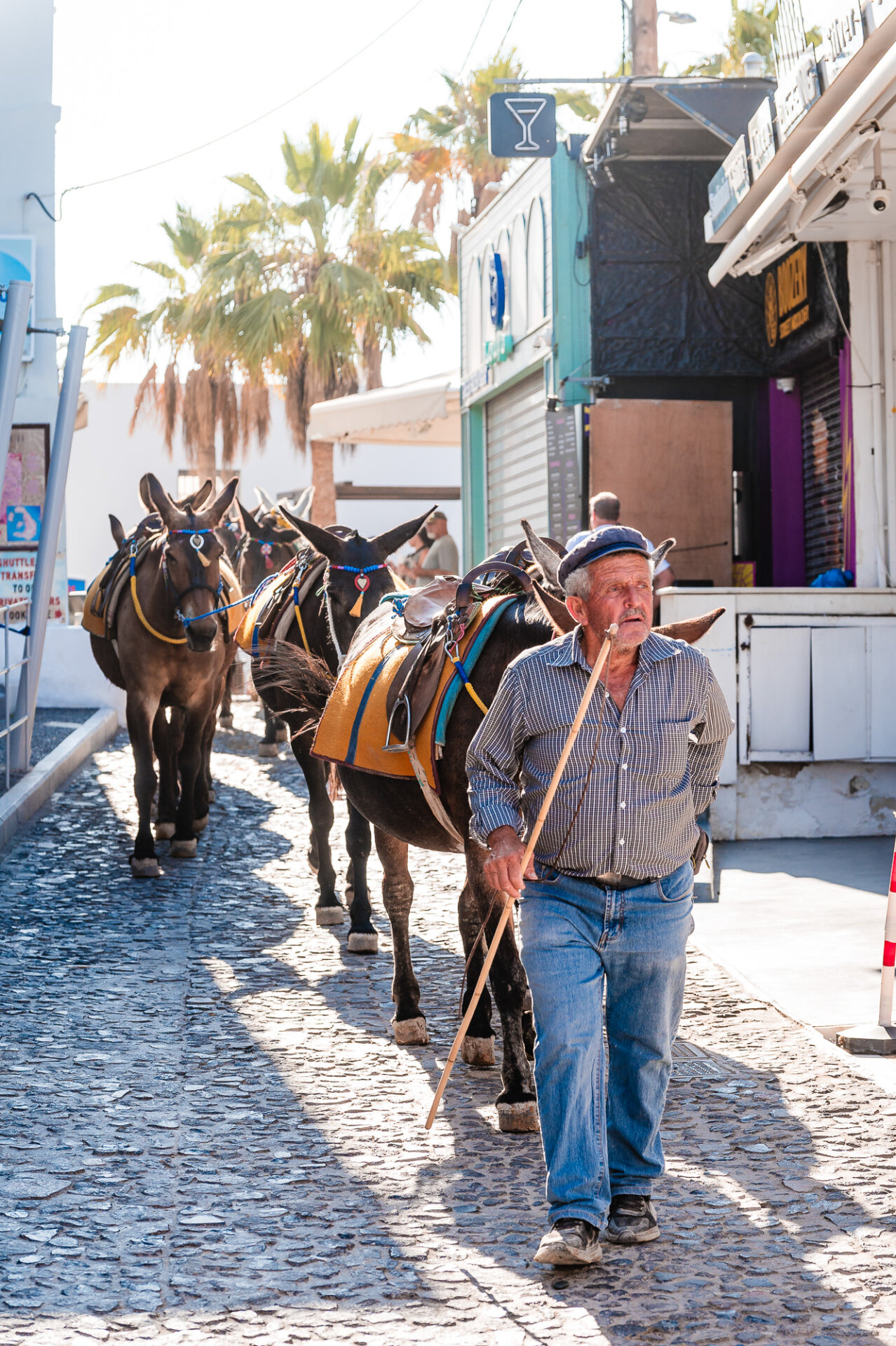
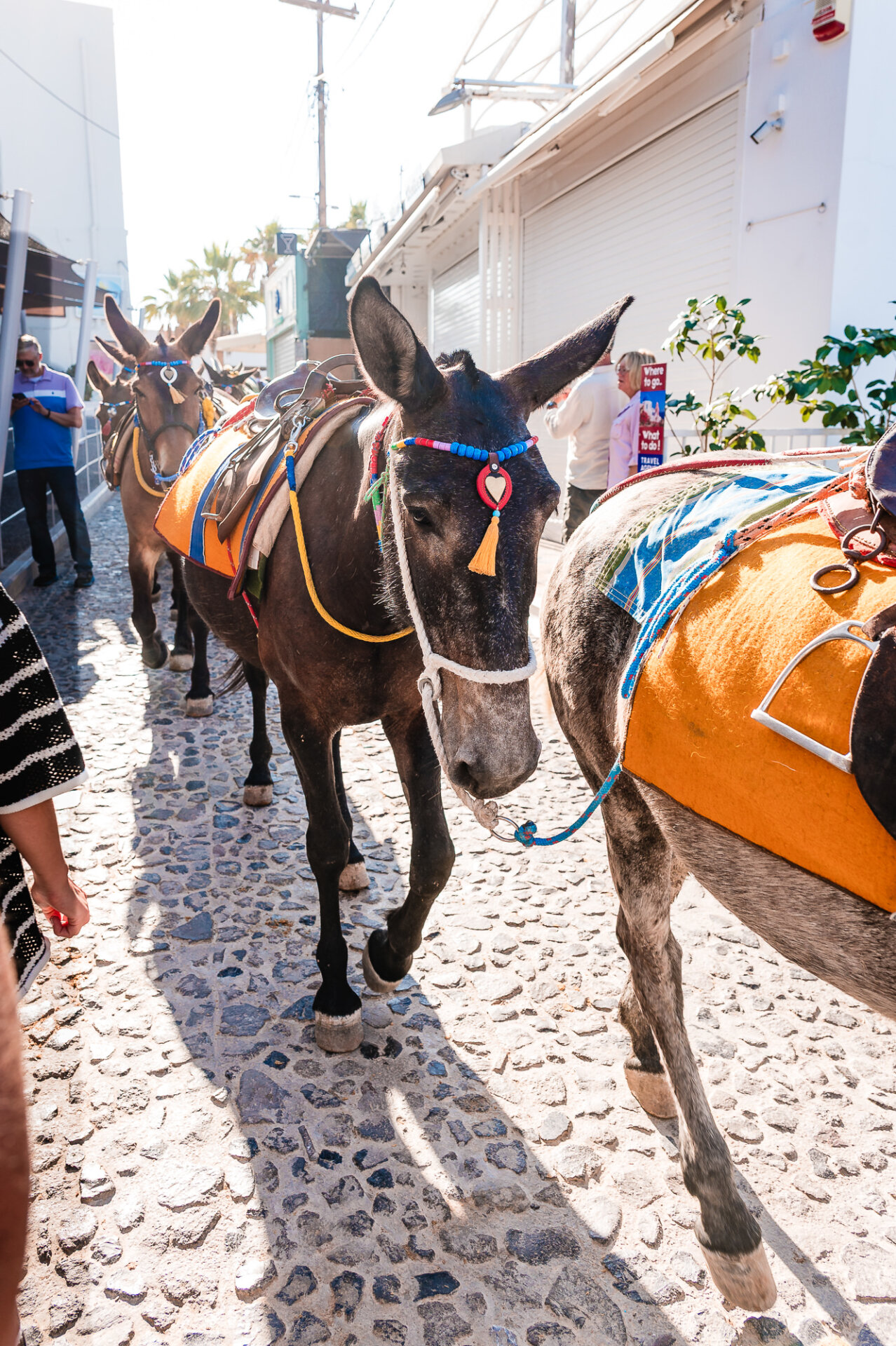
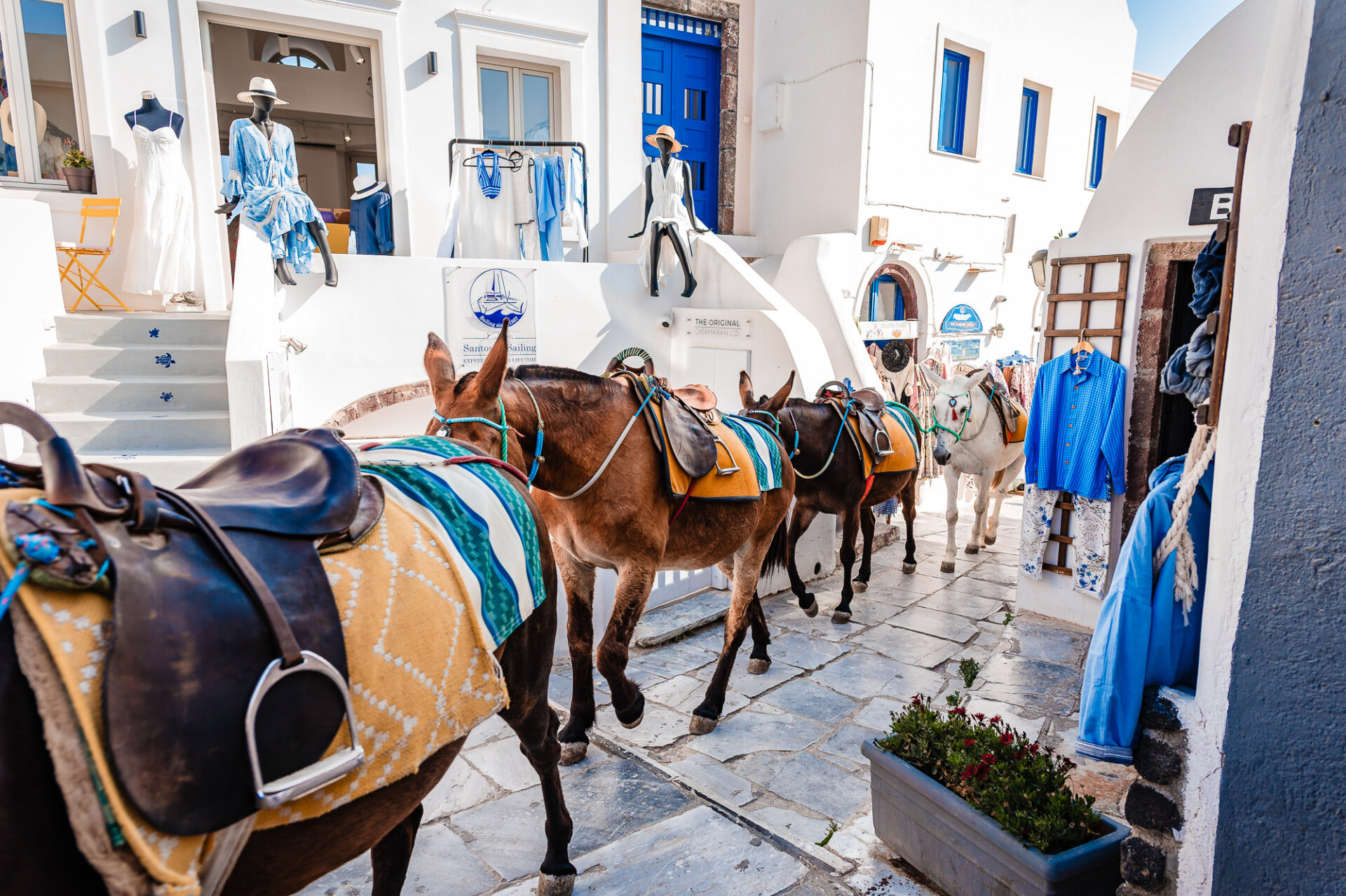
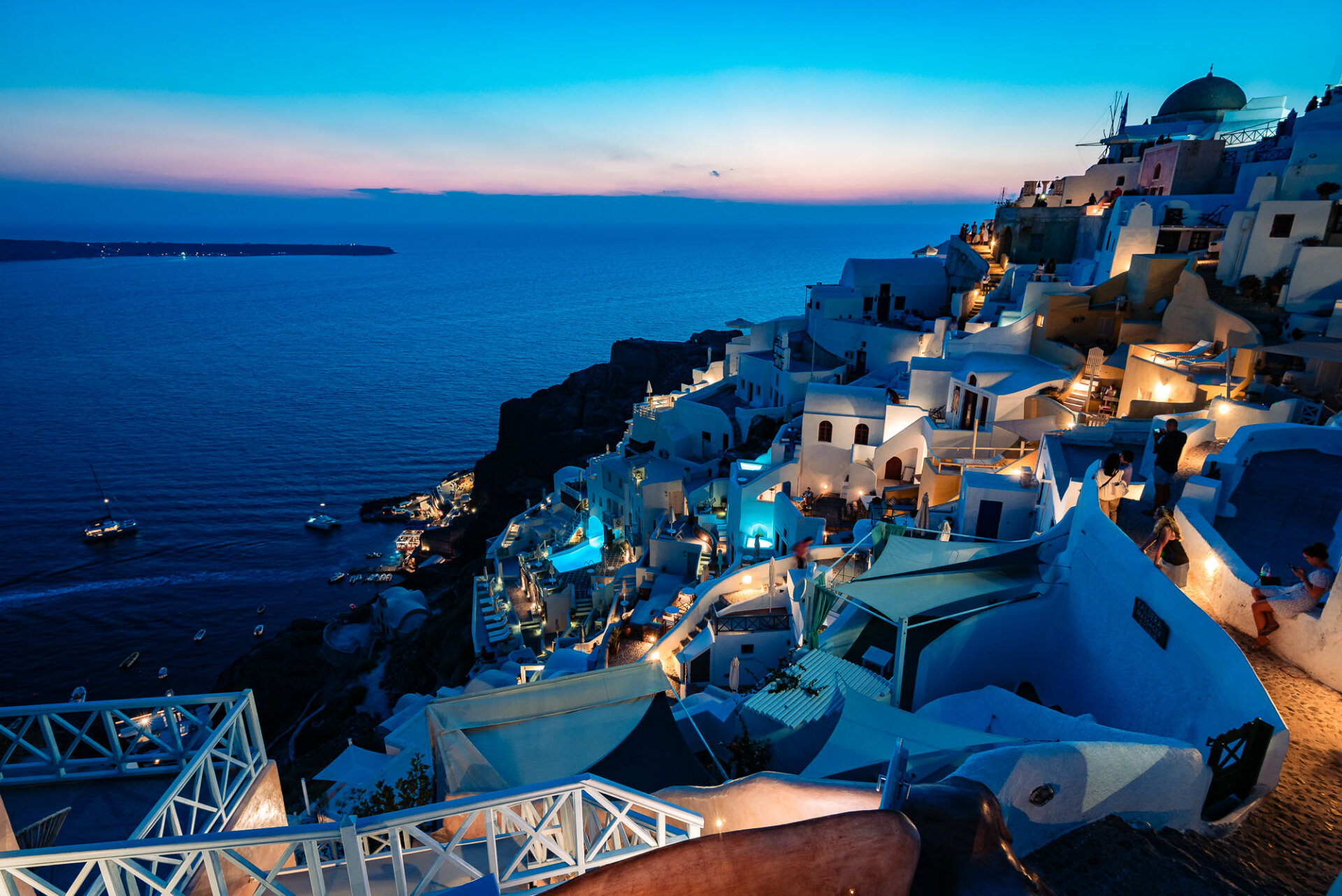
Fira had more energy than I expected. It was busy, lively, and full of movement, but the caldera was never far from view. The streets curved along the cliffside, opening onto churches, terraces, and bright white walls catching the light from every angle. It was one of those places where wandering slowly felt more rewarding than following any fixed plan.
Oia
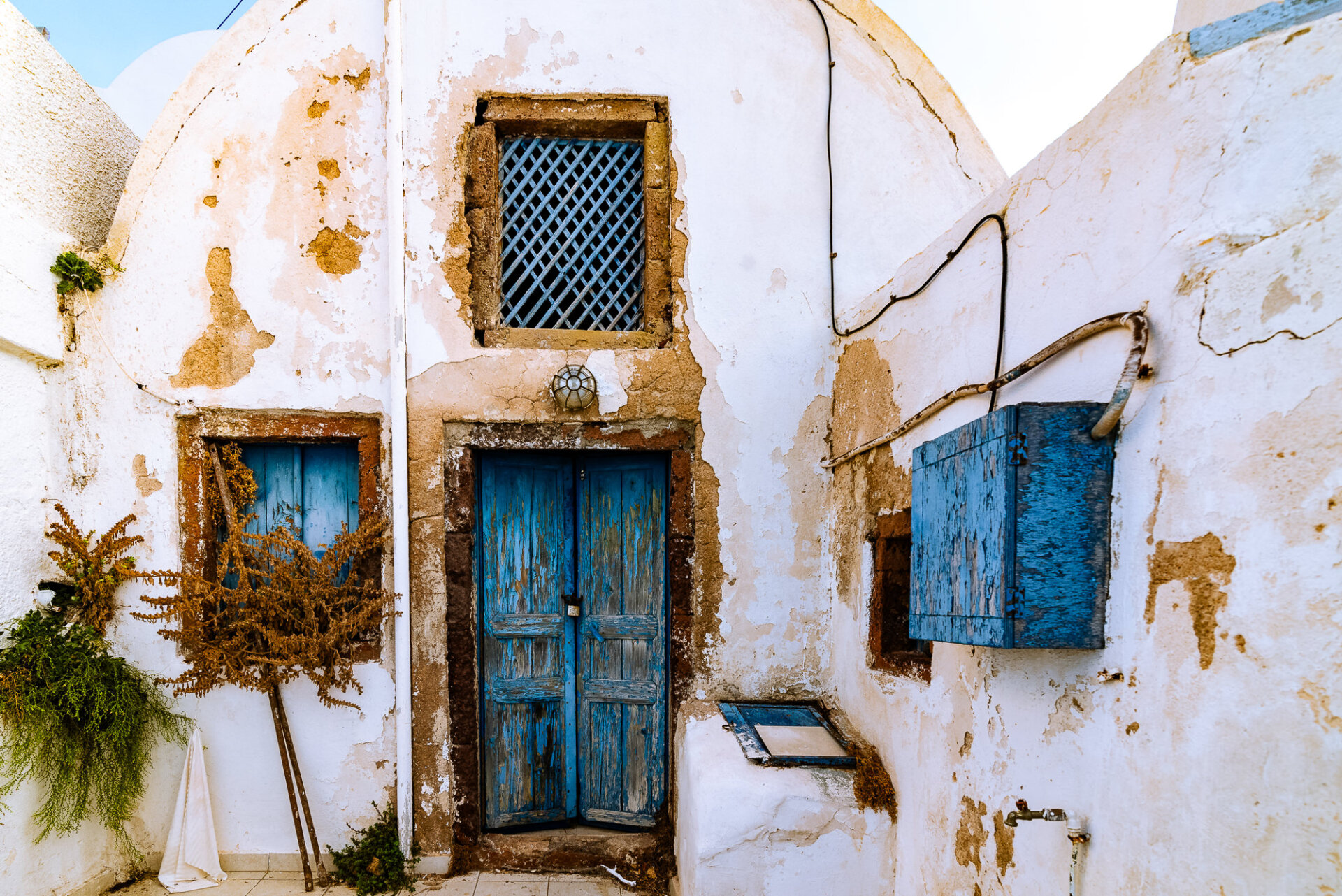
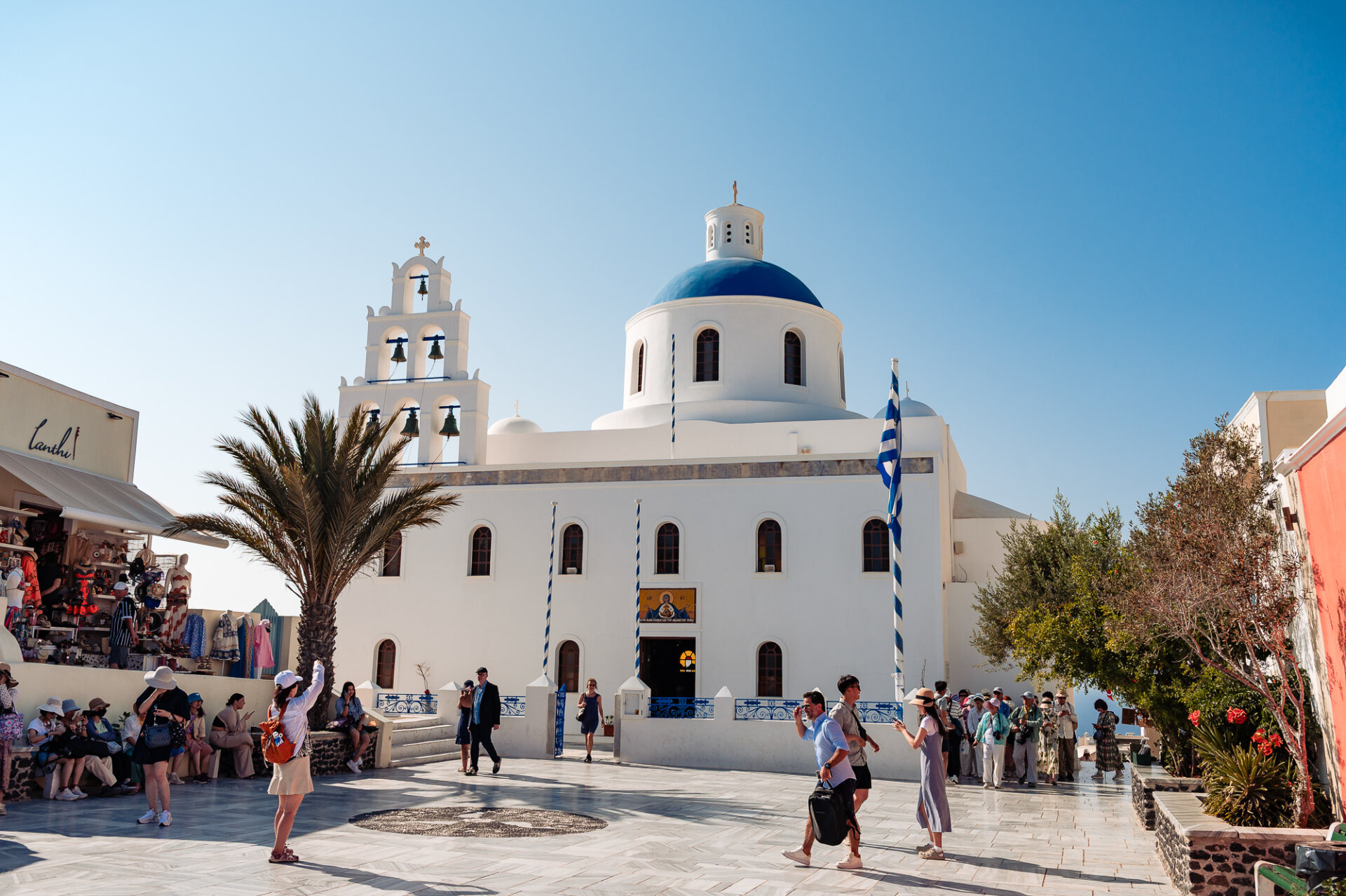
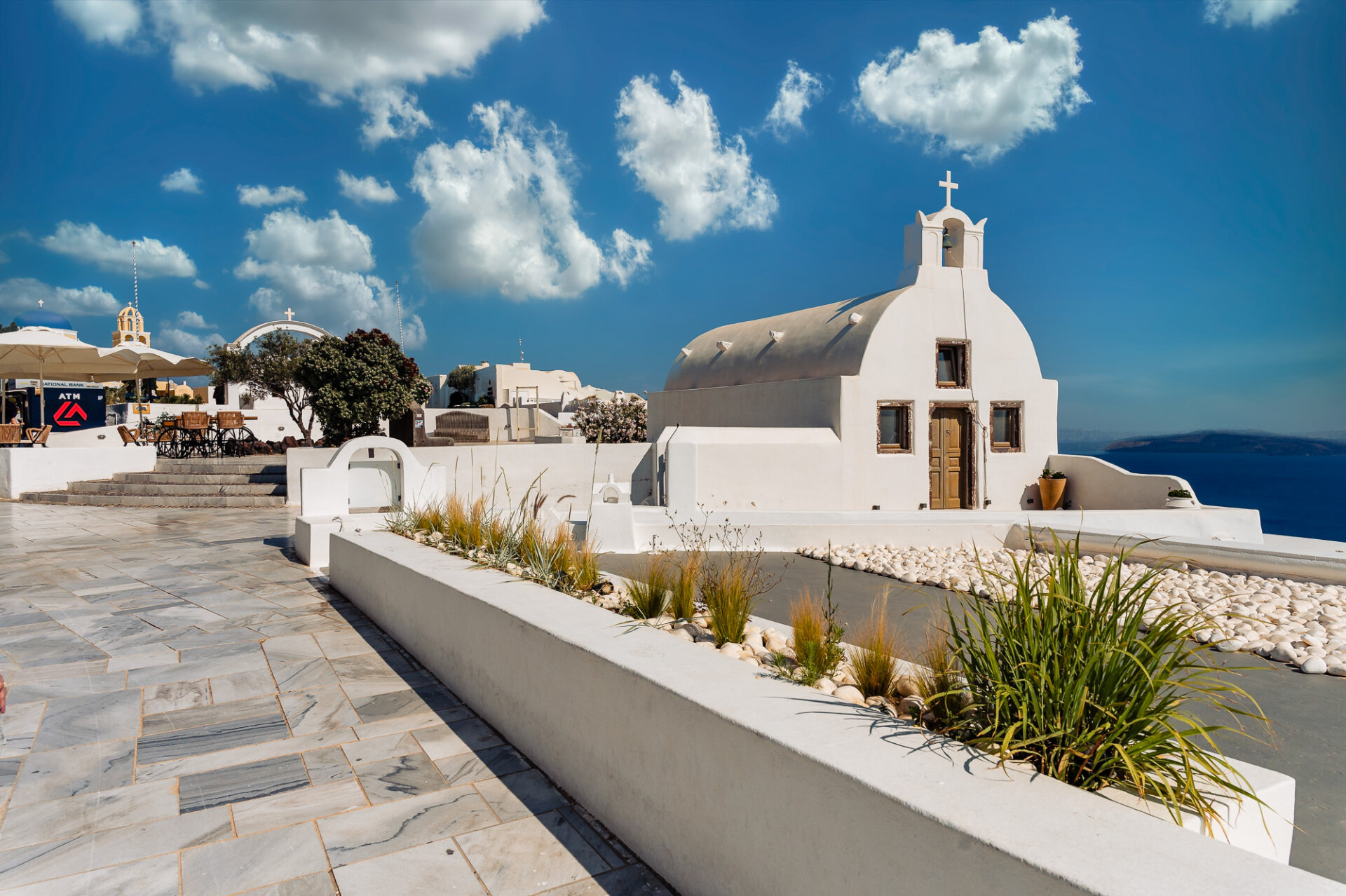
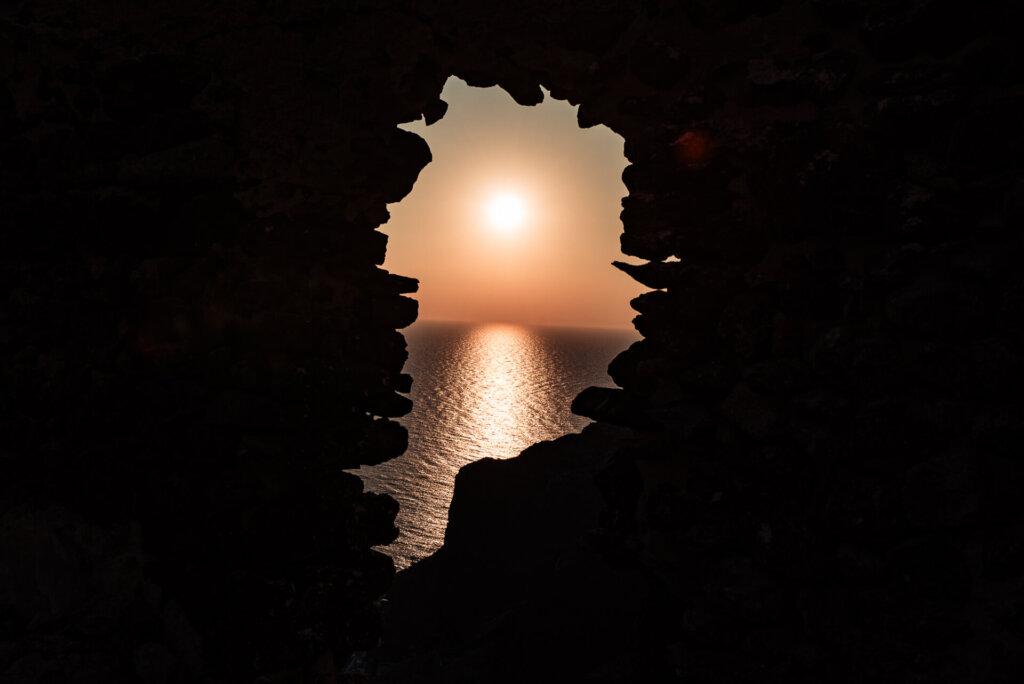
Oia was quieter in mood and perhaps even more dramatic in setting. The village seemed to spill down the cliff in layers of white, with the sea stretching far below. By sunset, it felt as though the whole place paused. The crowds were there, of course, but so was a kind of shared stillness. Watching the light shift from gold to pink to blue, I understood exactly why Oia holds such a strong place in travel photography.
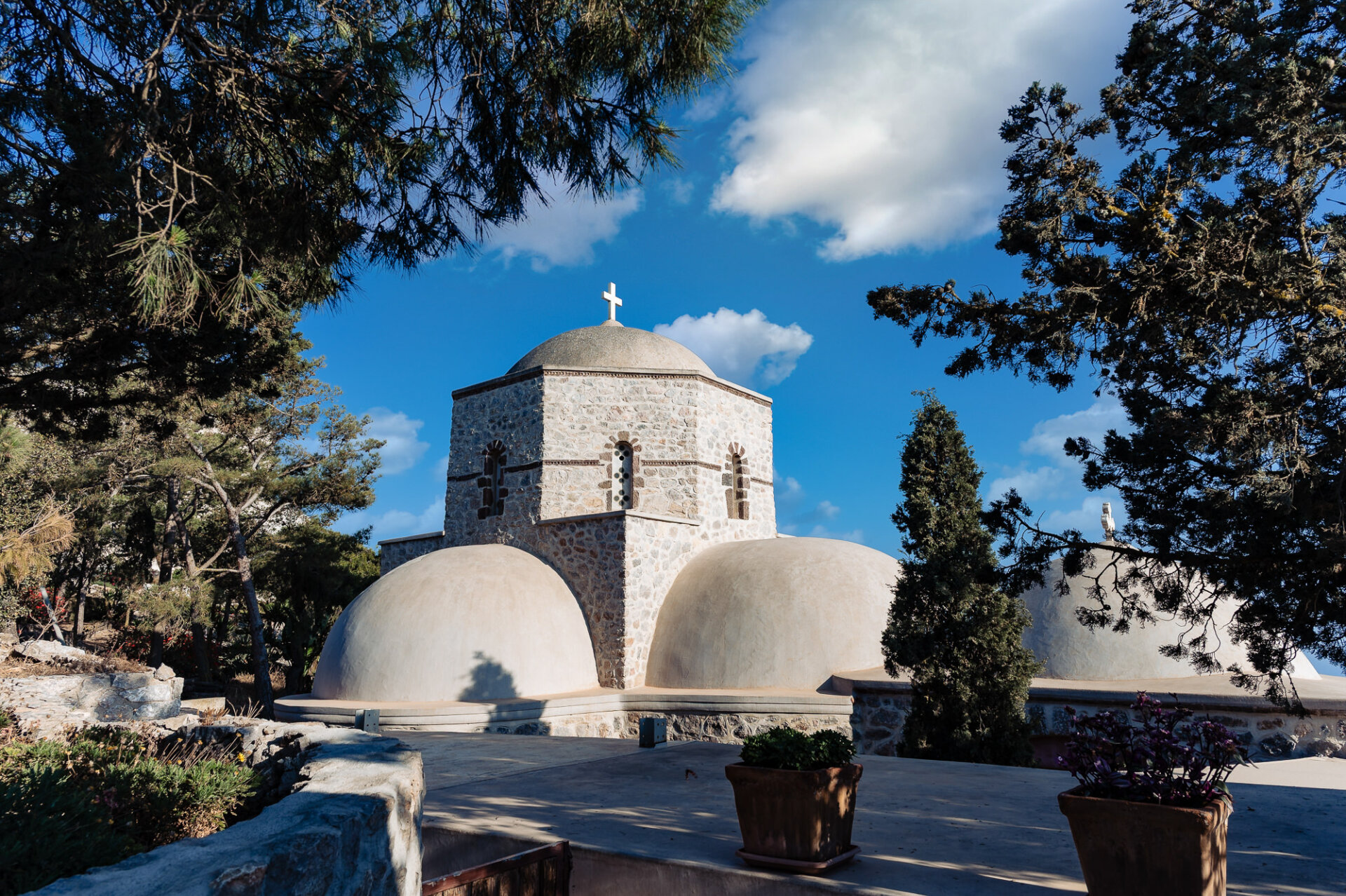
Rhodes & Heraklion: Where Medieval Walls Meet Venetian Grace
Rhodes and Heraklion brought a different side of Greece into focus. They felt older, quieter, and more layered than some of the islands we had already seen, shaped as much by history as by landscape. In both places, the past did not feel distant. It felt built into the streets, walls, and waterfronts around us.
Rhodes
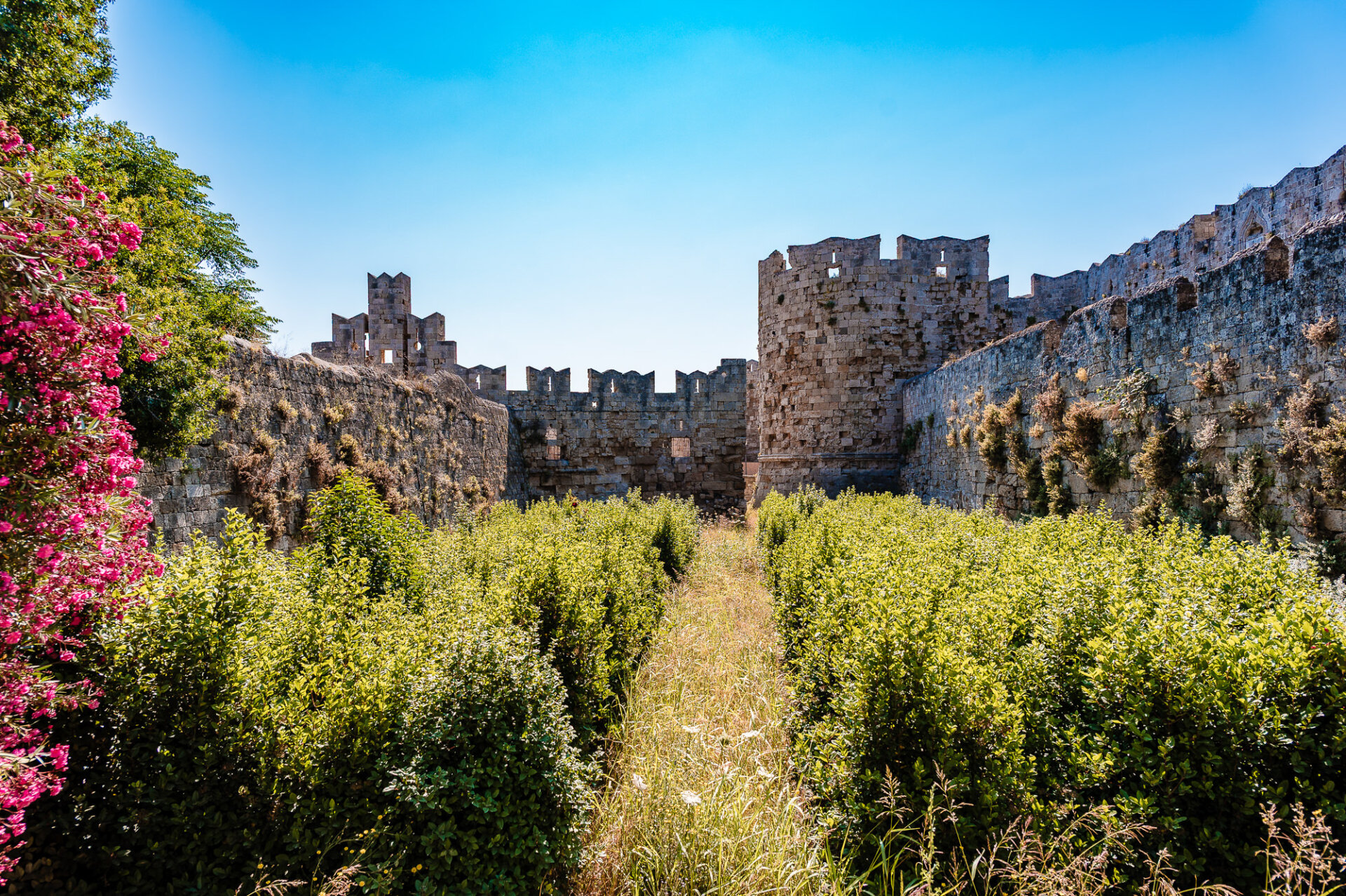
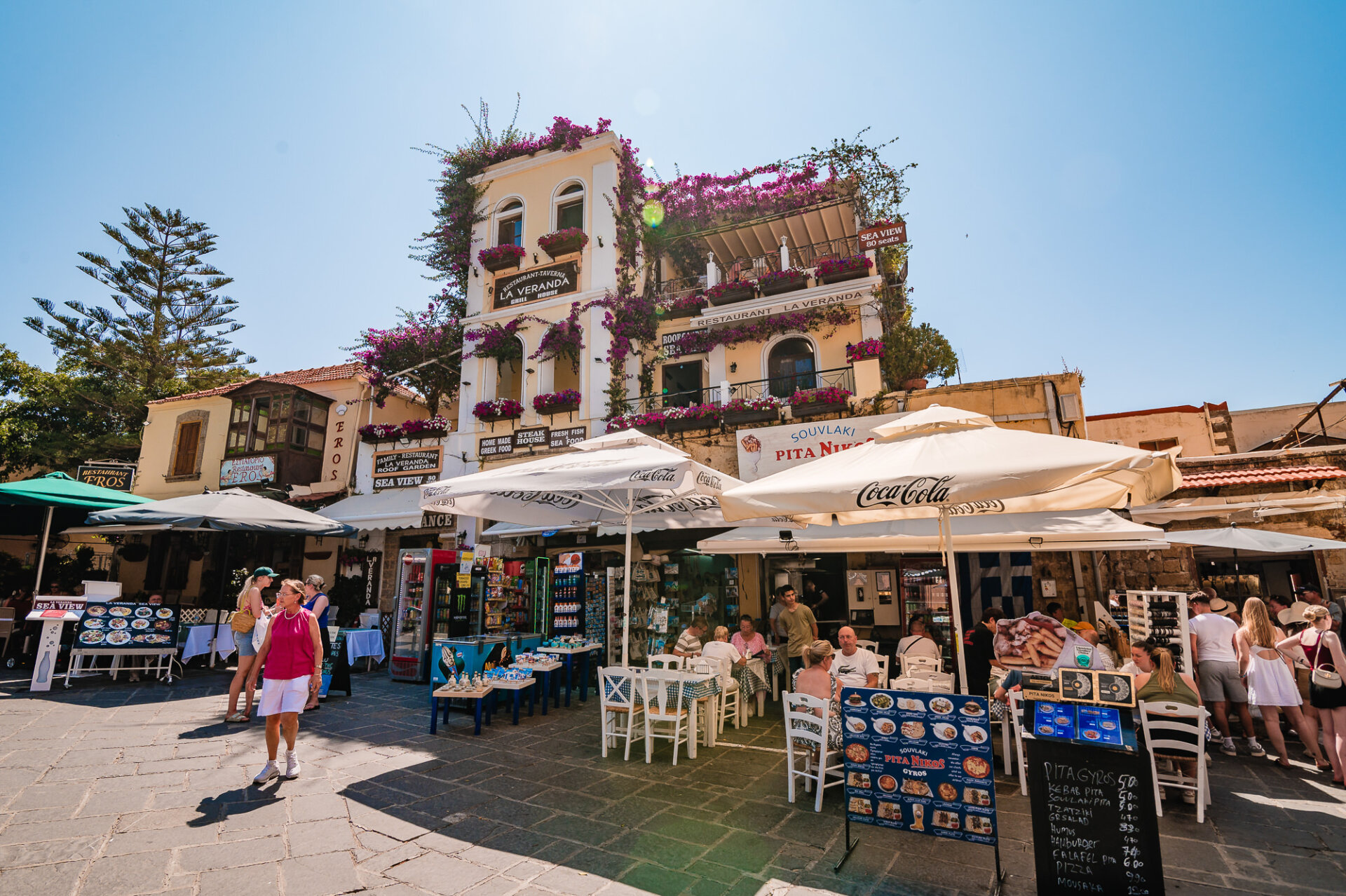
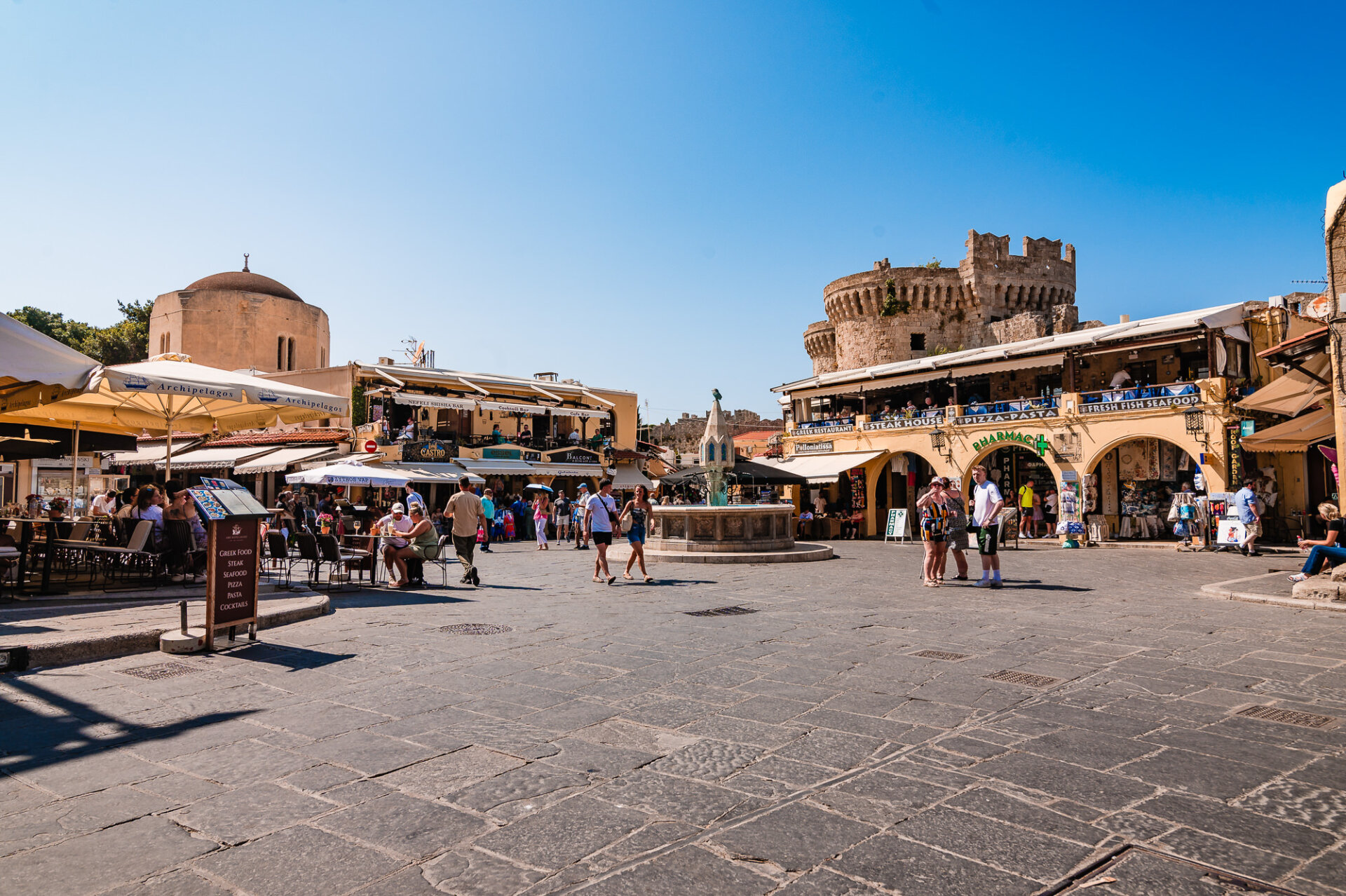
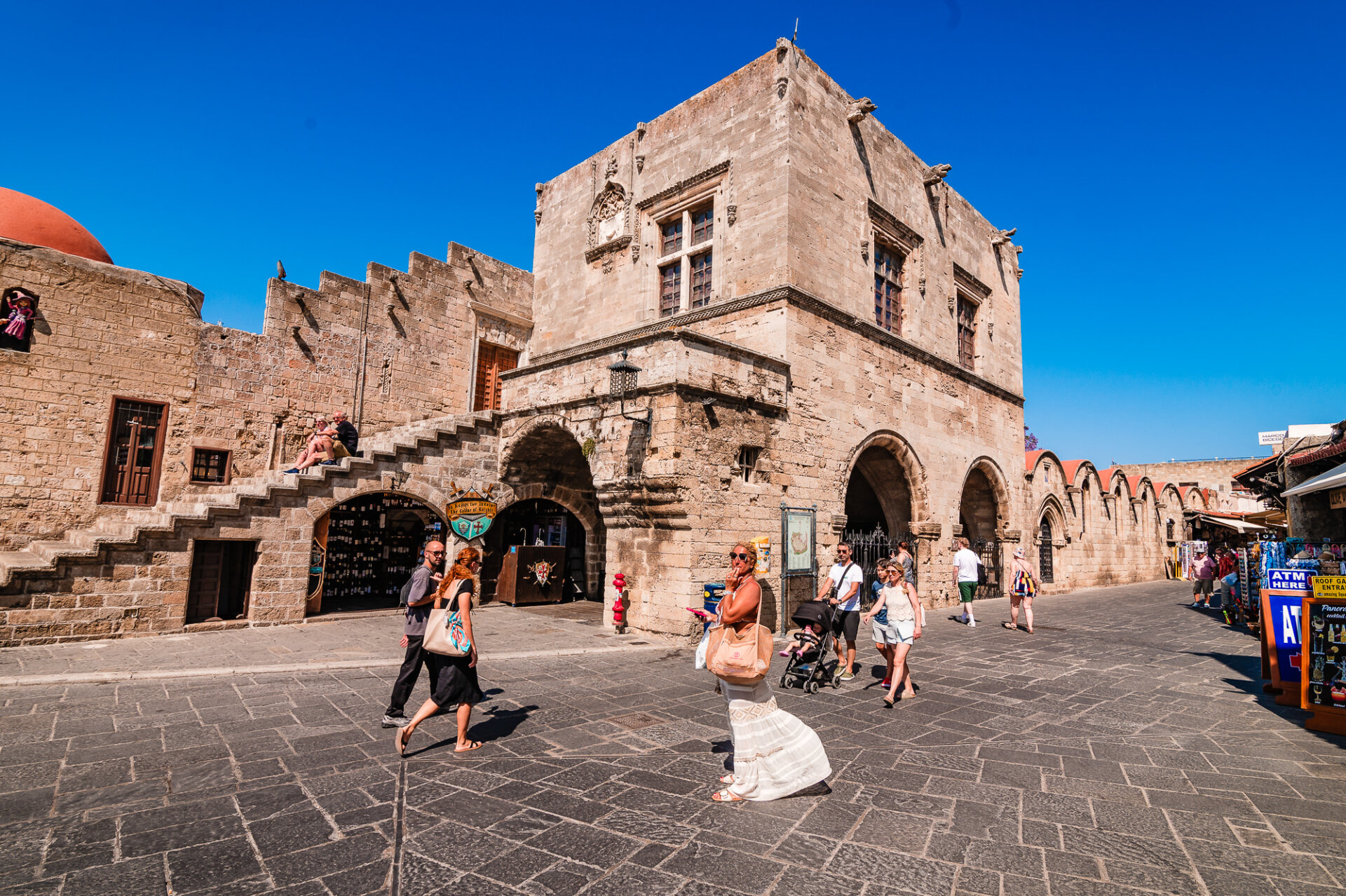
Rhodes made an immediate impression with its medieval walls. Entering the Old Town felt like stepping into another time, with stone gates, cobbled streets, and layers of architecture that reflected the many cultures that had passed through the island. What I loved most was simply walking without a plan. The town rewarded that kind of pace, with quiet courtyards, worn stone, and details that revealed themselves slowly.
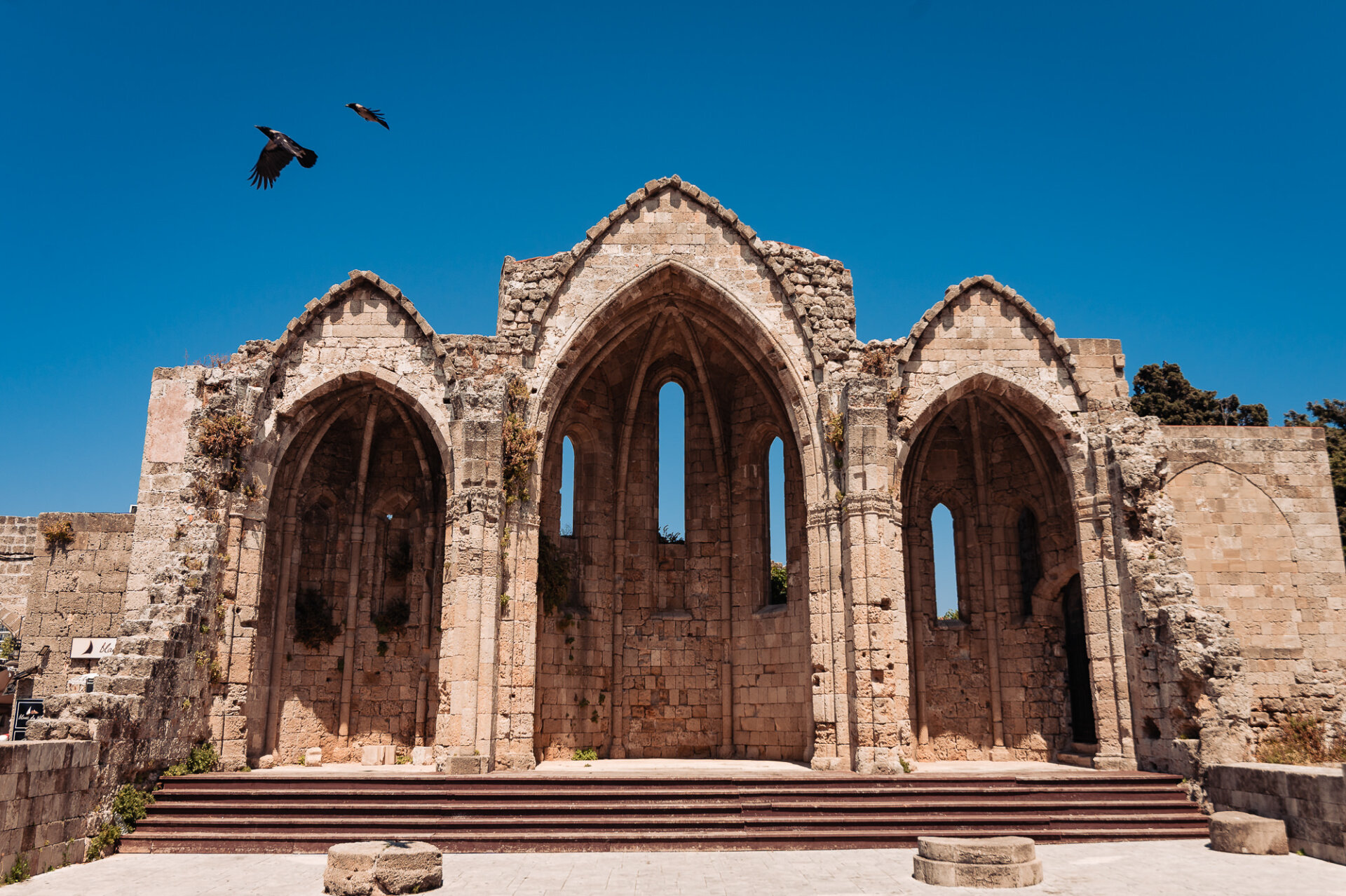
One of the most memorable spots was the Church of the Virgin of the Burgh. Its partially open structure gave it a beauty that felt shaped by time rather than preserved against it. The light there changed constantly, which made it especially rewarding to photograph.
Heraklion, Crete
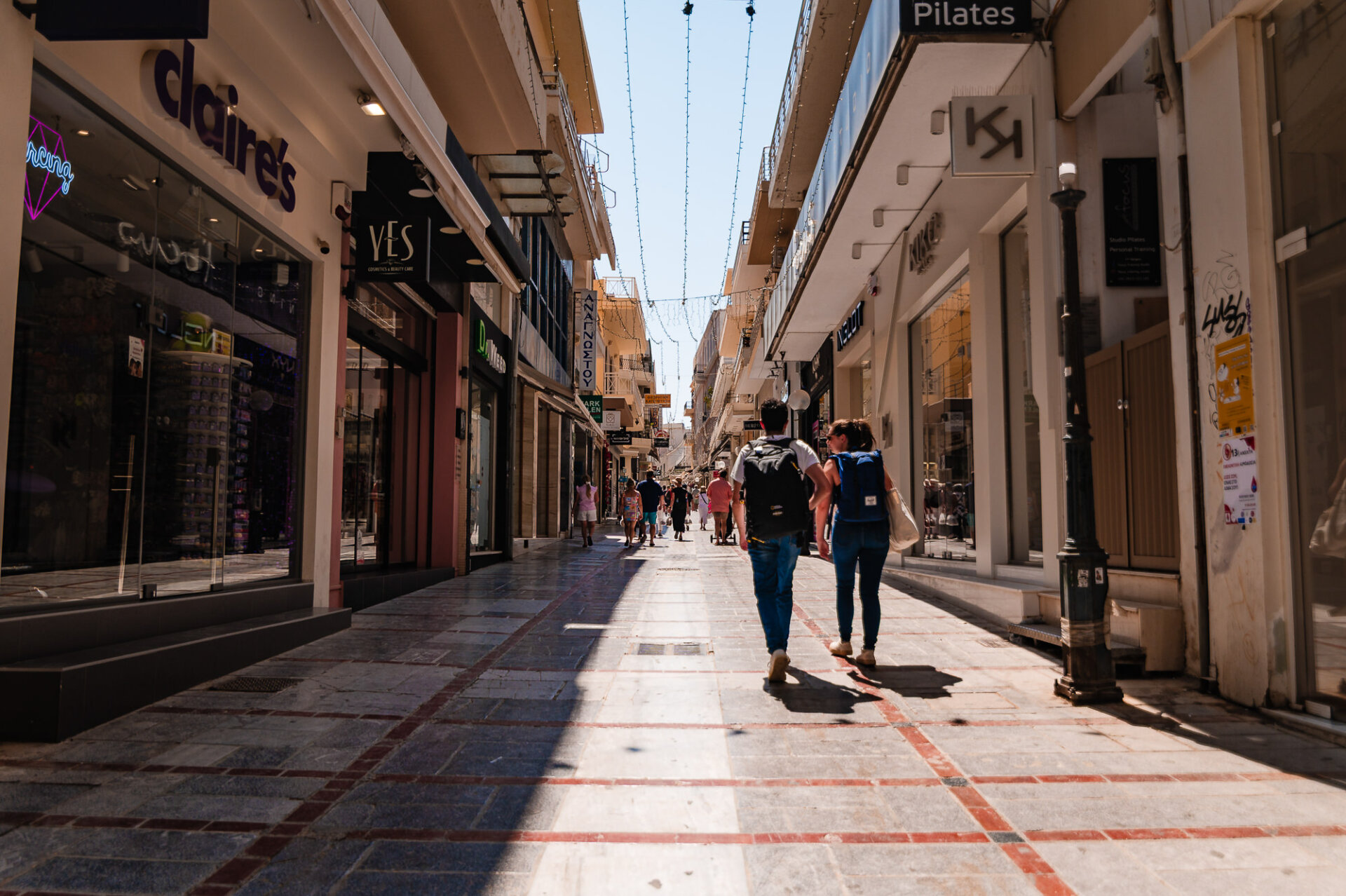
Heraklion felt more energetic, but no less historic. The city clearly carried its Venetian influence, especially around its central streets, squares, and harbour. Walking through Daidalou Street and into the older parts of the city, we moved between busy cafés, churches, fountains, and public buildings that gave the city a strong sense of continuity.
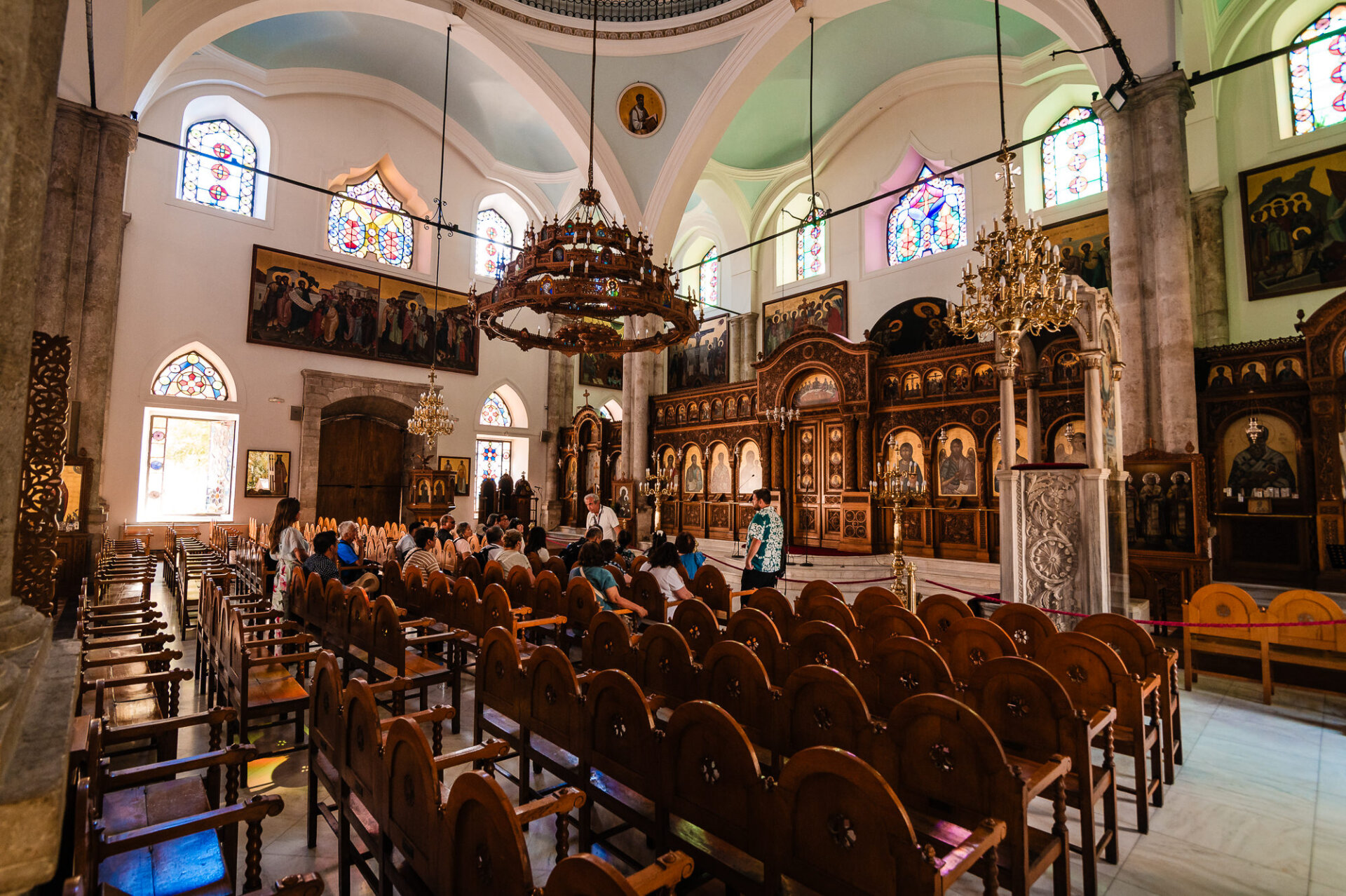
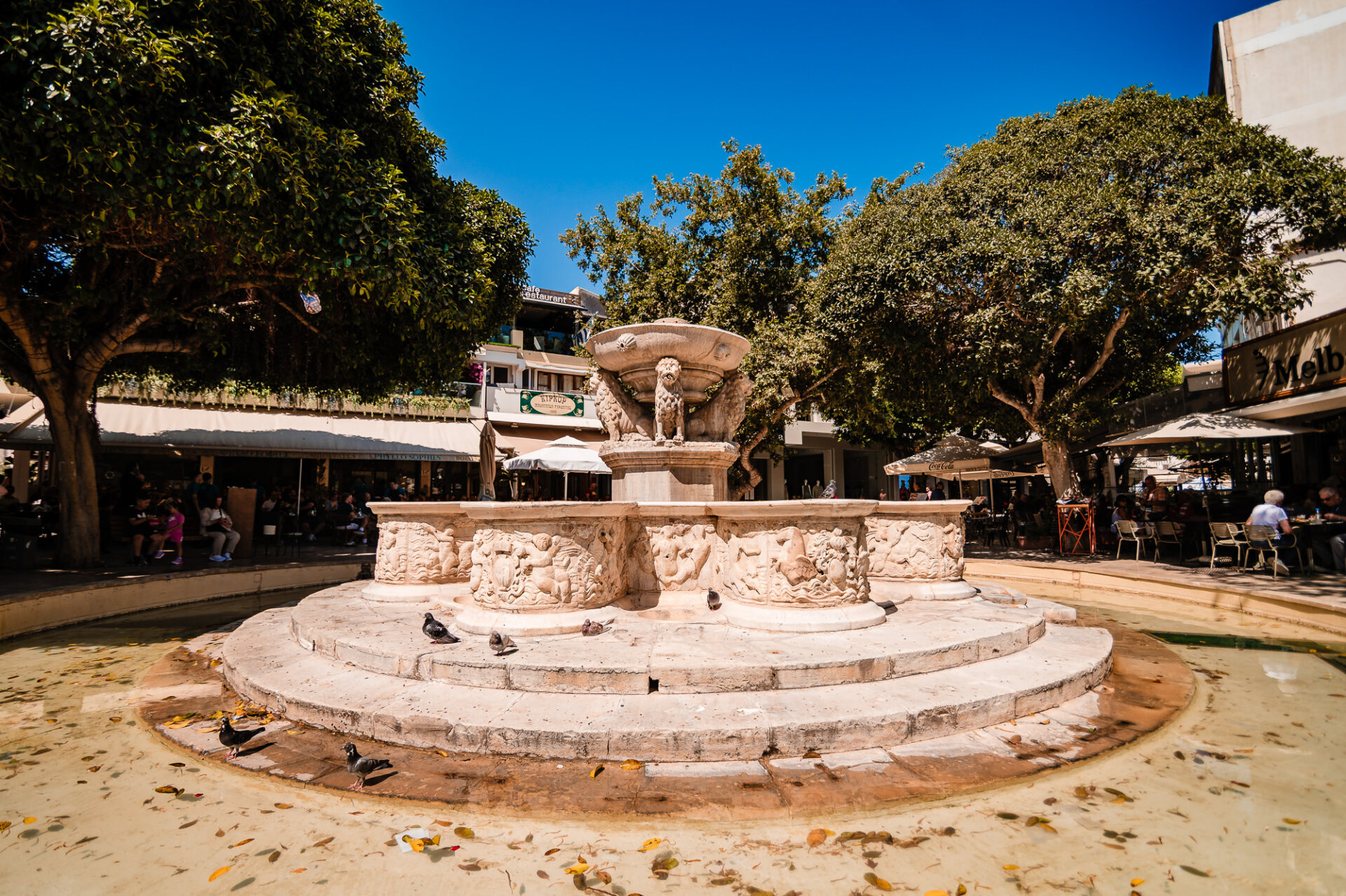
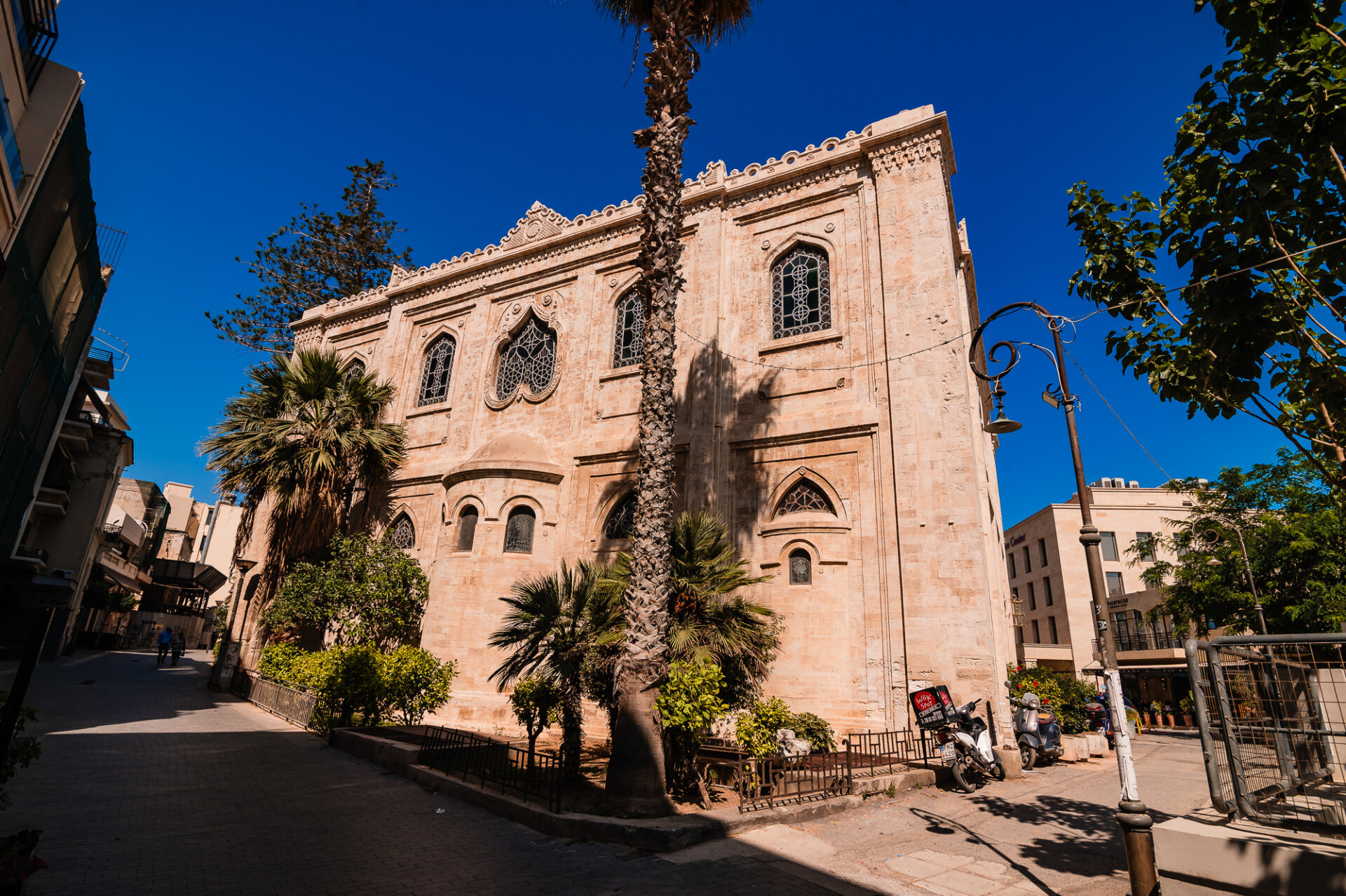
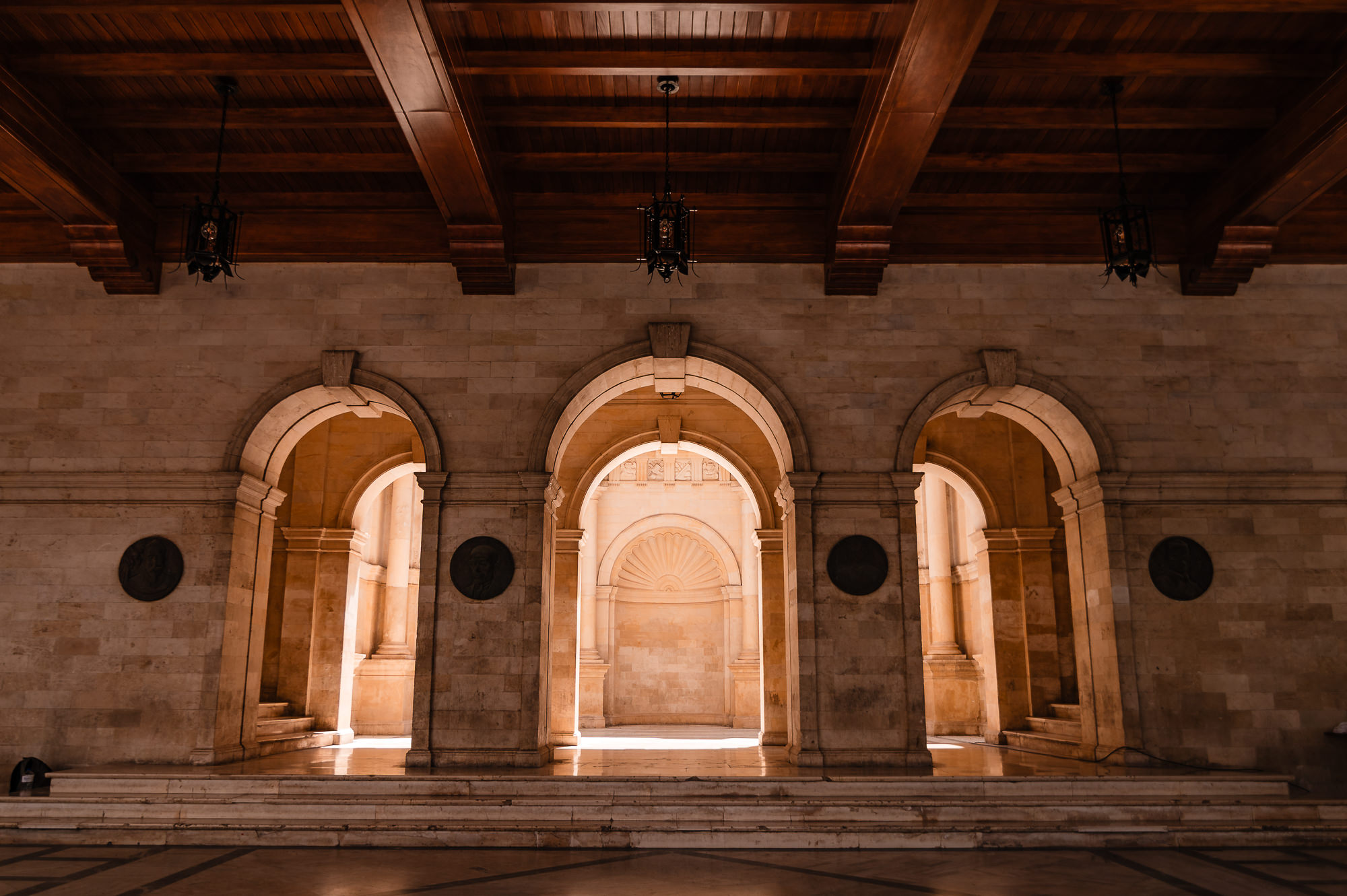
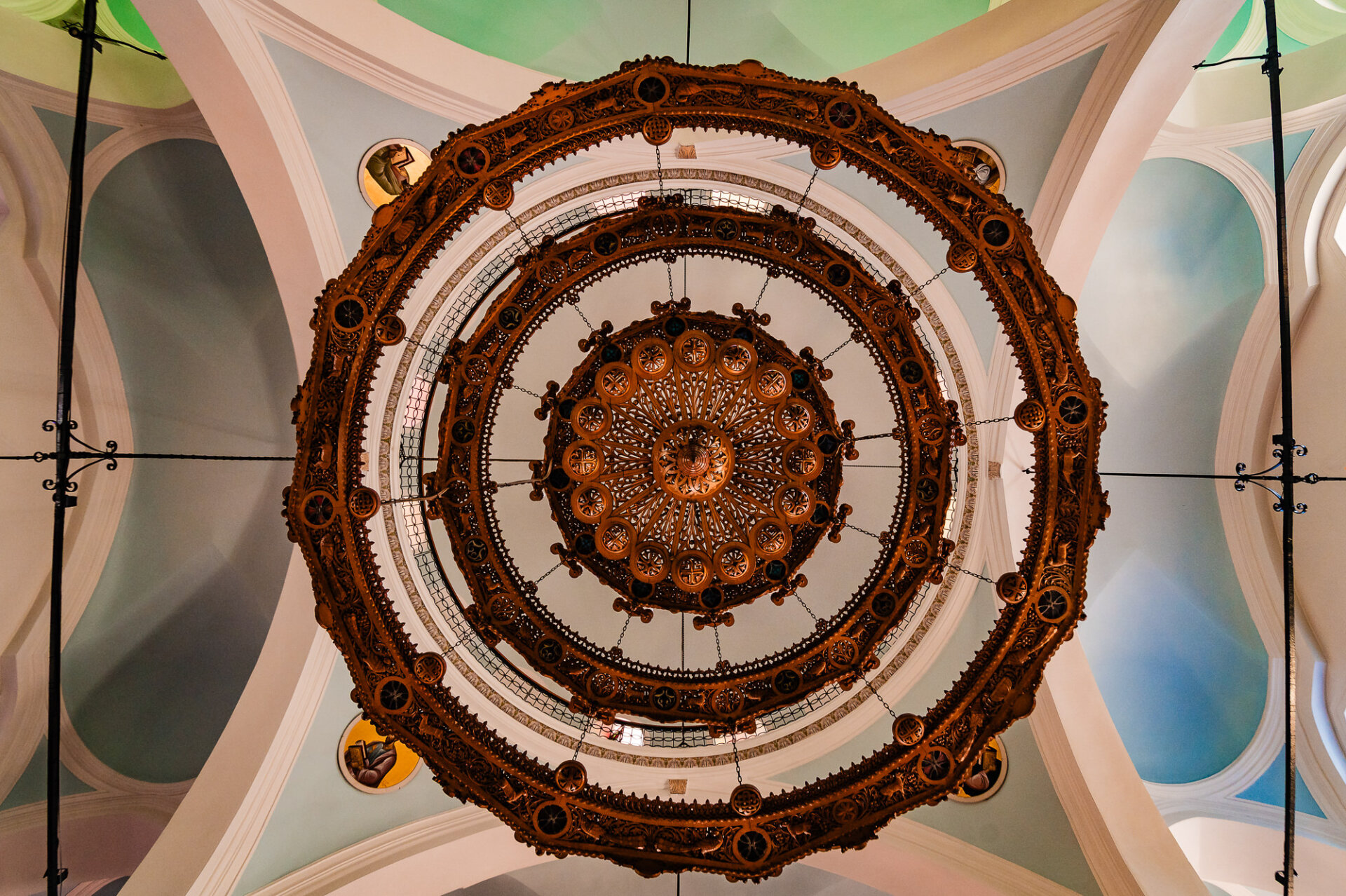
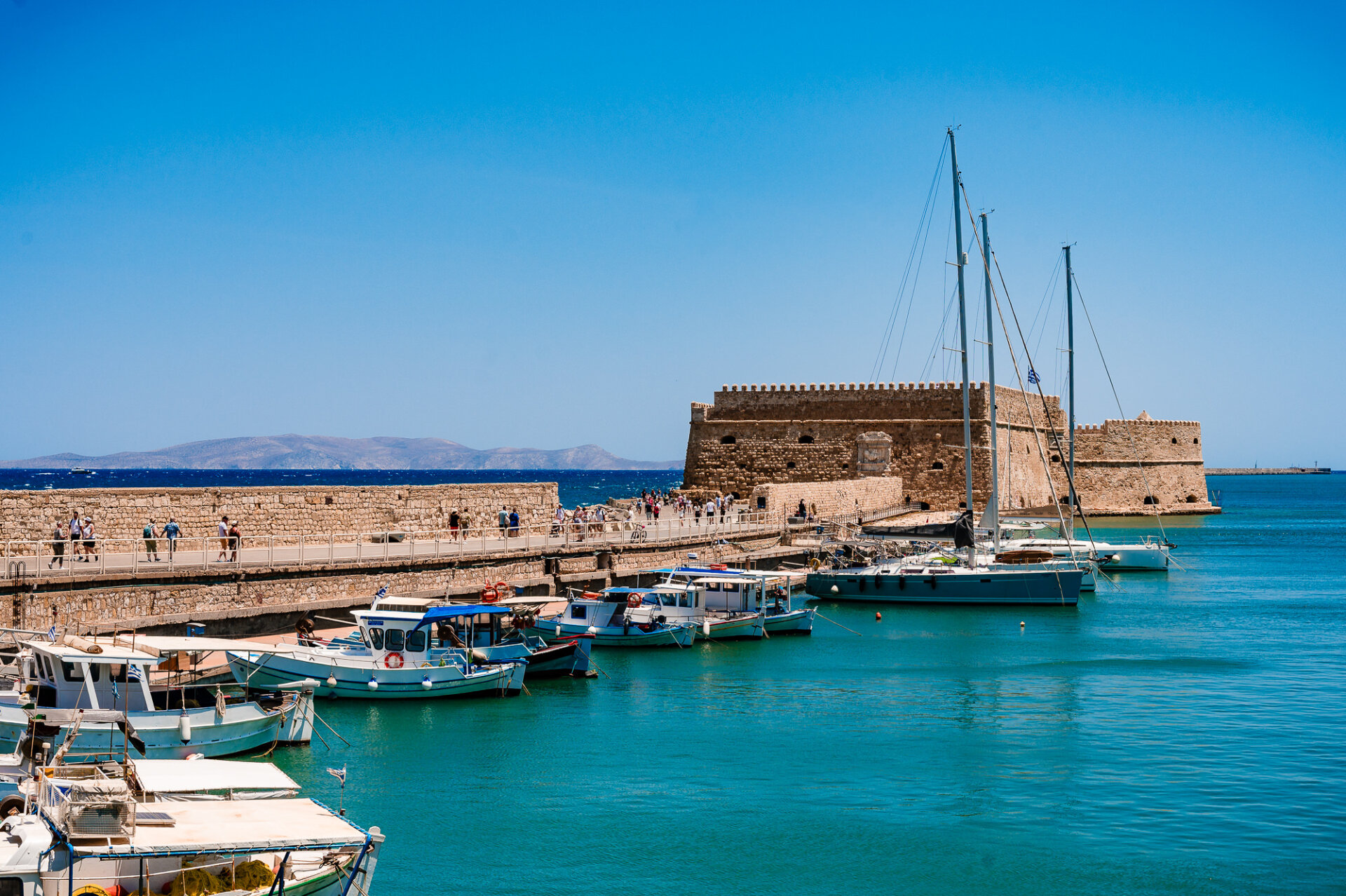
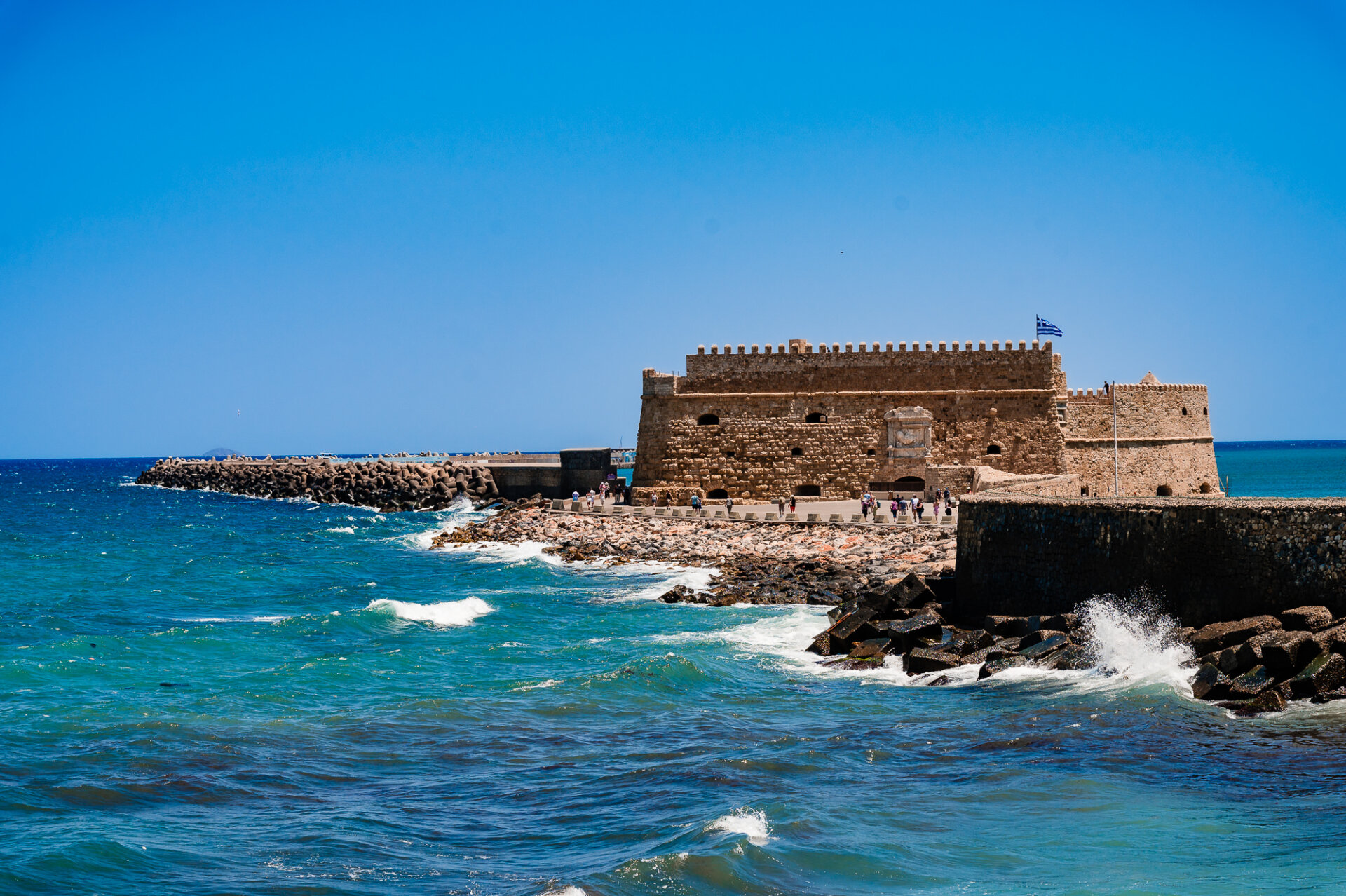
The harbour was where Heraklion stayed with me most. The Venetian Fortress of Koules gave the waterfront a strong visual anchor, and by late afternoon, the light across the water made the whole scene feel warmer and quieter. Standing there, with the city behind us and the sea ahead, was one of the simplest and most memorable moments of that part of the trip.
Together, Rhodes and Heraklion added depth to the journey. They showed a side of Greece shaped not only by island beauty, but by endurance, architecture, and history carried forward into everyday life. They may not have the same postcard identity as Santorini or Mykonos, but they left a lasting impression in a different way.
A Few Days Were Never Going to Be Enough
Greece was one of those trips that stayed with us long after we left.
Every stop gave us something different. There was history, beauty, quiet, and a sense of place that felt hard to match. Some moments were dramatic. Others were simple. Both mattered.
For me, Greece was all about light. It changed from island to island and from hour to hour, and that alone made the trip unforgettable. I left with a full camera and the feeling that there was still so much more to see.
It was a memorable trip for our family, and one I know we will look back on for a long time. Greece has a way of staying with you. This may have been our first visit, but I doubt it will be our last.
Follow the journey: Crescent & Stone: An Elegant Escape Through Turkey