
How to Choose a Philadelphia Wedding Photographer Who Knows Your Venue
Choosing a wedding photographer involves more than finding a portfolio you like. Once you have booked your venue, it is also worth asking how a photographer approaches the specific lighting, layout, and logistics of the space.
Having photographed your exact venue before can be helpful. A photographer may already know where the light works best, which portrait locations are practical, and how long it takes to move between different parts of the property. But familiarity with your venue should not be the only reason you hire someone.
A seasoned wedding photographer should also know how to walk into an unfamiliar space, assess the light and layout, and make decisions that work with your timeline. I have photographed weddings throughout Philadelphia and the surrounding region in historic ballrooms, hotels, city landmarks, modern venues, and outdoor spaces. Each one presents a different set of conditions.
Here is what I recommend looking for when you are comparing wedding photographers for your venue.
Start With the Photography Style and Approach You Want
Before asking whether a photographer has worked at your venue, start with the photographs themselves. Do you like the way they photograph people? Do the candid moments feel natural? Do you like the color, lighting, and composition? Can you picture yourself in their work?
You should also think about how much direction you want. Some couples prefer very little posing and want most of the day photographed as it happens. Others want more guidance during portraits. Most couples fall somewhere between the two. Look beyond a photographer’s homepage and social media feed. A small collection of favorite images can show you their style, but it does not tell you how they photograph an entire wedding.
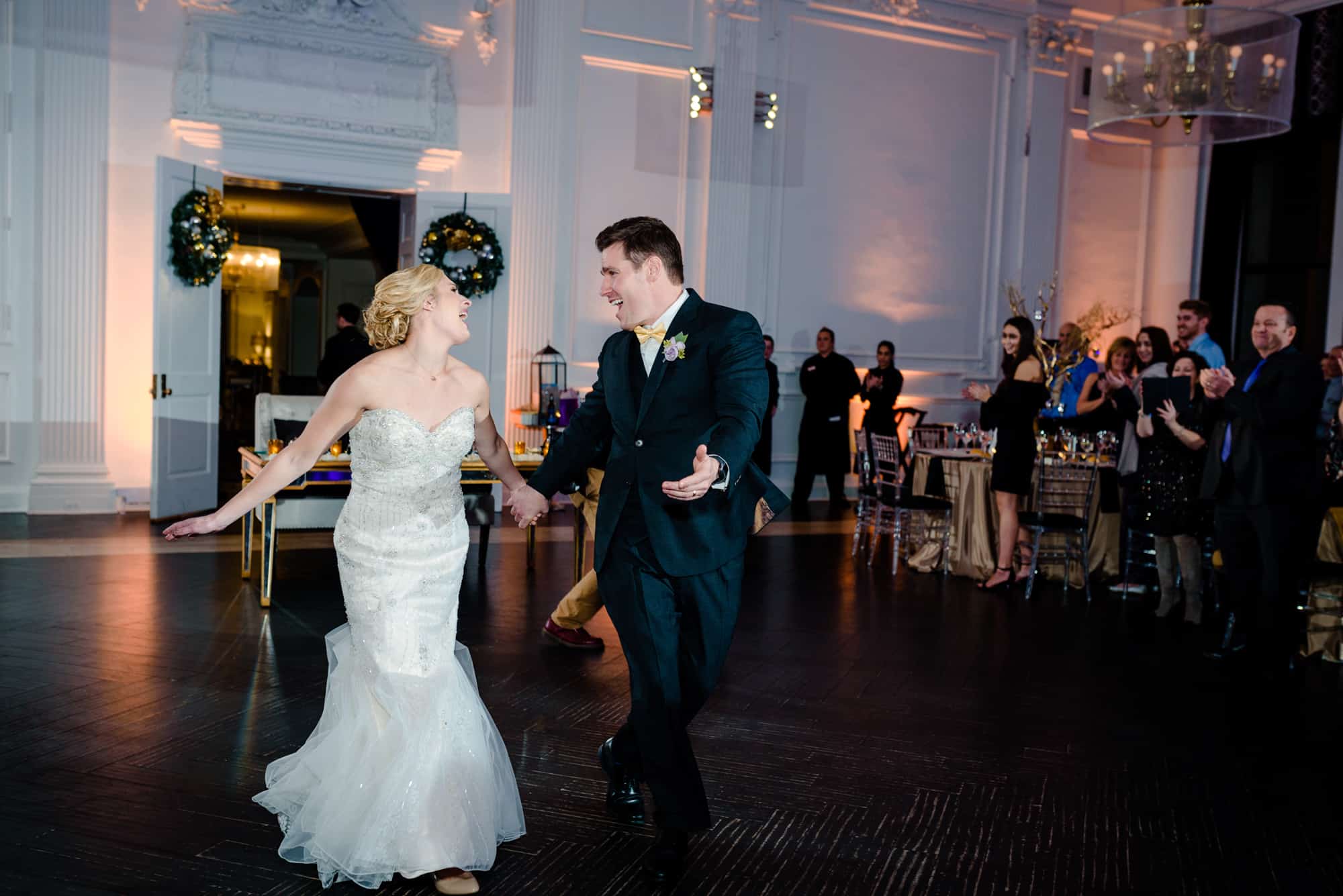
That is where full galleries become much more useful. You want to see how the photographer works through getting ready, portraits, the ceremony, family photographs, cocktail hour, reception entrances, speeches, and the dance floor. Once you know you like their work across a complete wedding day, venue familiarity becomes another useful factor rather than the deciding one.
Why Wedding Venue Experience Can Be Helpful
Every venue has its own characteristics.
Some have large windows and plenty of natural light during the day, then become much darker once the reception begins. Others have tall ceilings, mixed lighting, reflective surfaces, narrow rooms, or limited places for family photographs.
A photographer who has worked there before may already know which areas tend to photograph well at particular times of day. They may also know that a portrait location that looks close on a venue map takes longer to reach once guests are moving through the building.
Those small details can help with pacing. Venue familiarity can also be useful when the weather changes. A photographer who has worked at the property before may already know which covered or indoor areas can work for portraits.
Still, I would not rule out a photographer simply because they have not photographed your exact venue.
What matters is whether they can look at a new space, read the light, find good backgrounds, and make sound decisions without needing everything to go exactly as planned.
Reviews consistently highlight smooth timelines and collaborative vendor coordination critical in fast-moving environments. (5.0/5.0 on WeddingWire; The Knot reviews emphasize prep communication and day-of calm.)
As Philadelphia Weddings puts it, the goal is to make “this one aspect of the planning process simple” and deliver an “amazing photographic experience.”
Does Your Photographer Need to Know Your Exact Venue?
No. Knowing the venue is useful, but adaptability matters more. Wedding photographers regularly work in locations they have never photographed before. Even at venues I know well, no two weddings are identical.
The season changes. The weather changes.The ceremony may be held in a different part of the property. The couple may choose a different getting-ready location.
Décor, lighting, guest count, and timelines can all change the way the venue looks and functions. A photographer cannot rely on repeating the same photographs every time they return to the same building. That is why I would ask a photographer two questions:
Have you photographed our venue before?
And:
How do you approach a venue you have never photographed before?
The second answer can tell you just as much as the first.
Philadelphia Wedding Venues I’ve Photographed
One benefit of working in Philadelphia for many years is that I have photographed weddings in a wide range of spaces. Some venues depend heavily on architecture. Others are defined by their ballroom lighting, outdoor areas, city views, or the way guests move between rooms.
Here are several Philadelphia-area venues I know and some of the features I pay attention to when photographing them.
Cescaphe Ballroom
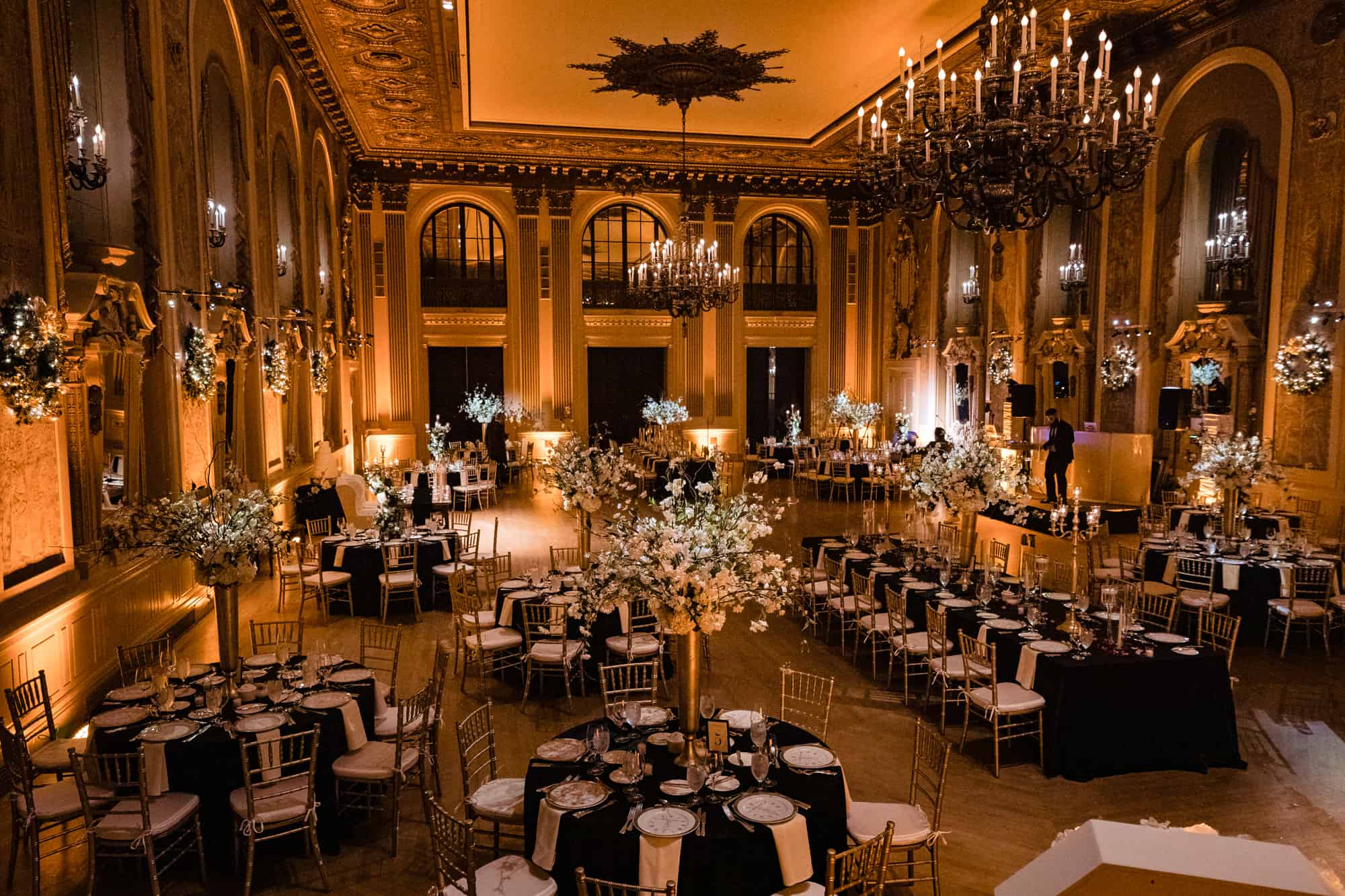
Cescaphe Ballroom gives me several different ways to photograph the same wedding without needing to leave the venue. The former movie theatre has strong architectural lines, balcony views, textured interior spaces, and a ballroom that looks very different depending on whether I am photographing portraits or the reception.
The balcony is useful for wider views of the dance floor and reception. Closer to ground level, the building’s lines and interior details give me different options for portraits.
When I have photographed several weddings at the same venue, my goal is never to reproduce the same set of images. I use what I know about the space while still paying attention to the couple, their timeline, and how the room looks that day.
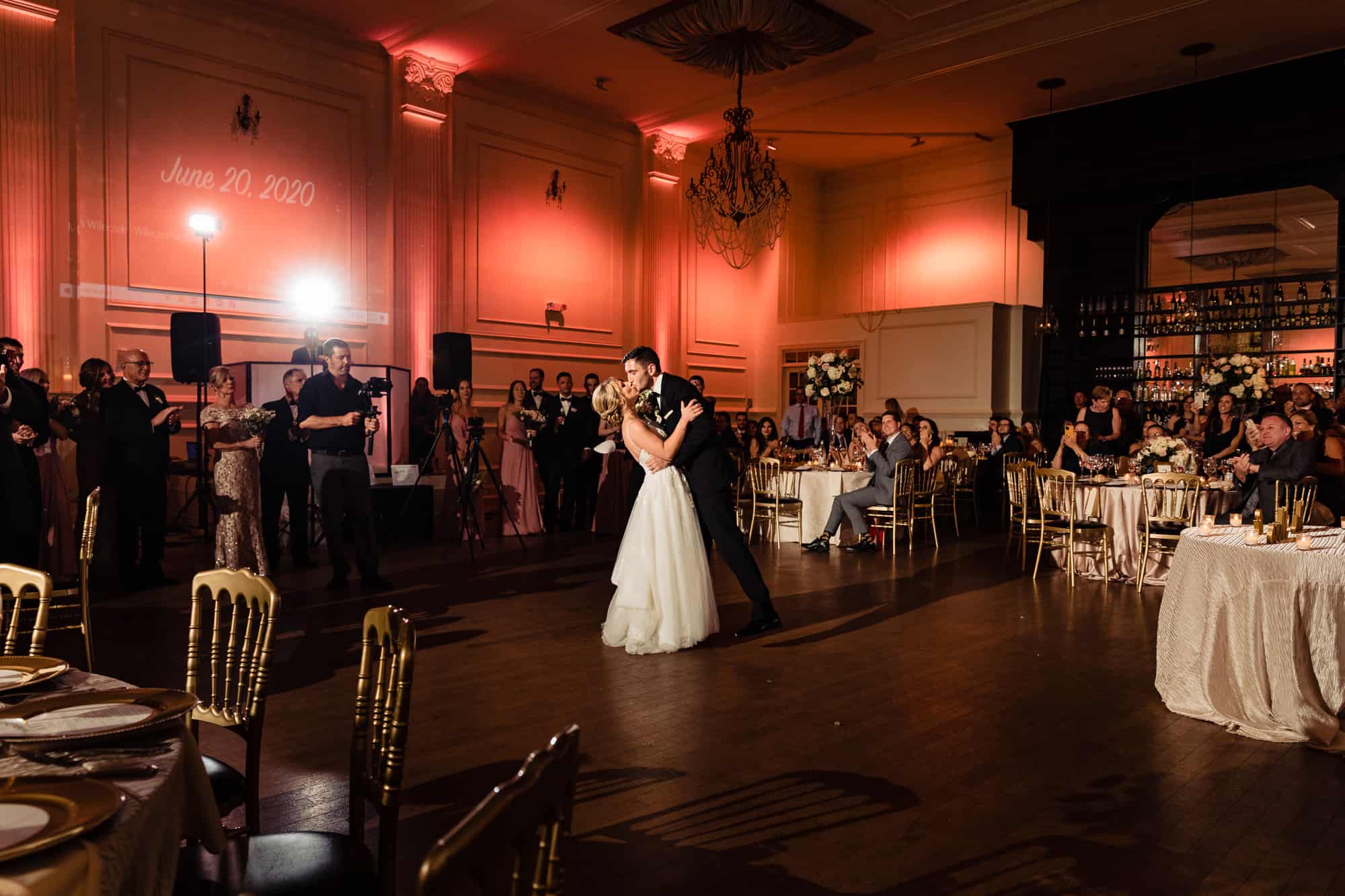
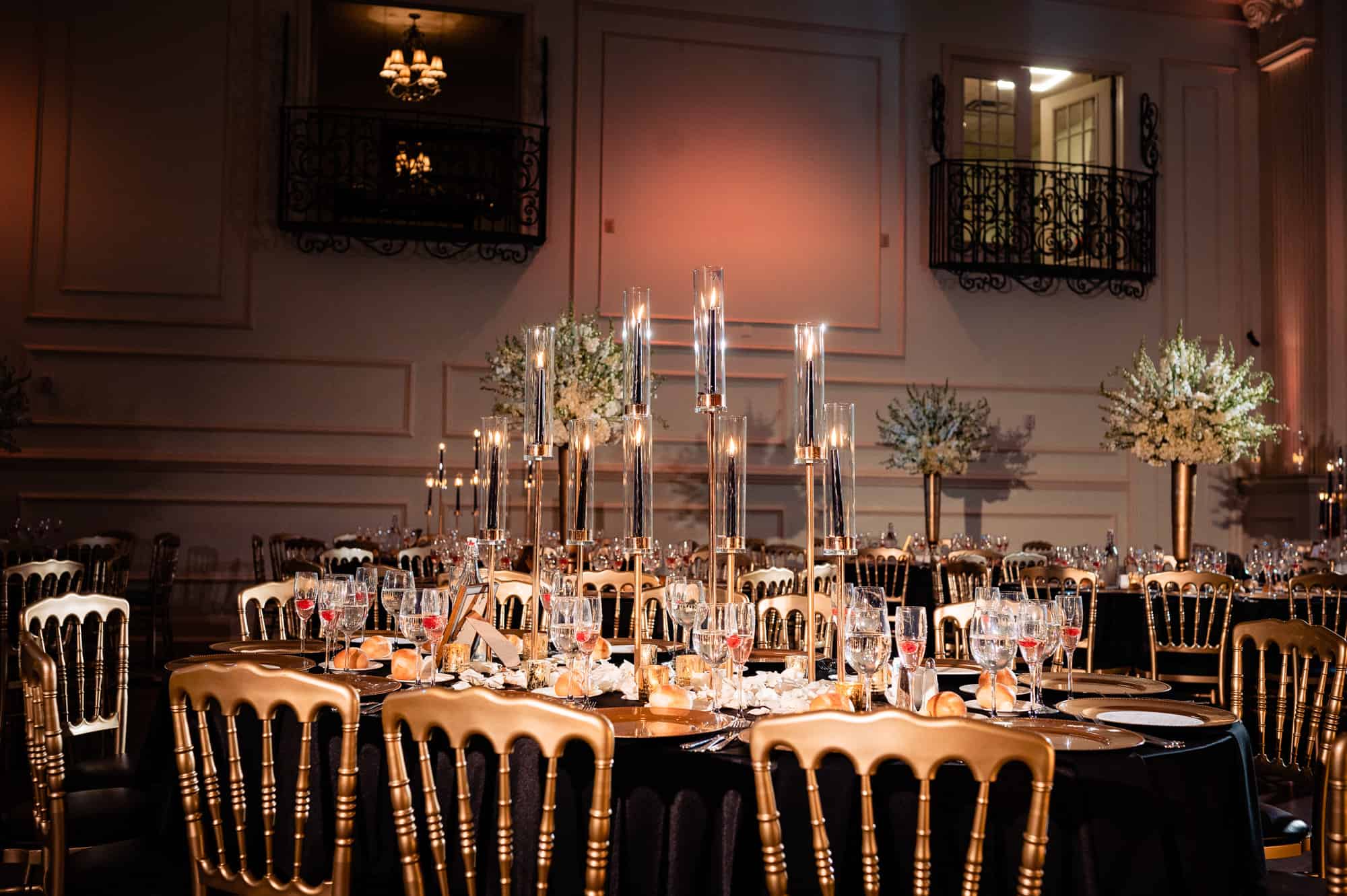


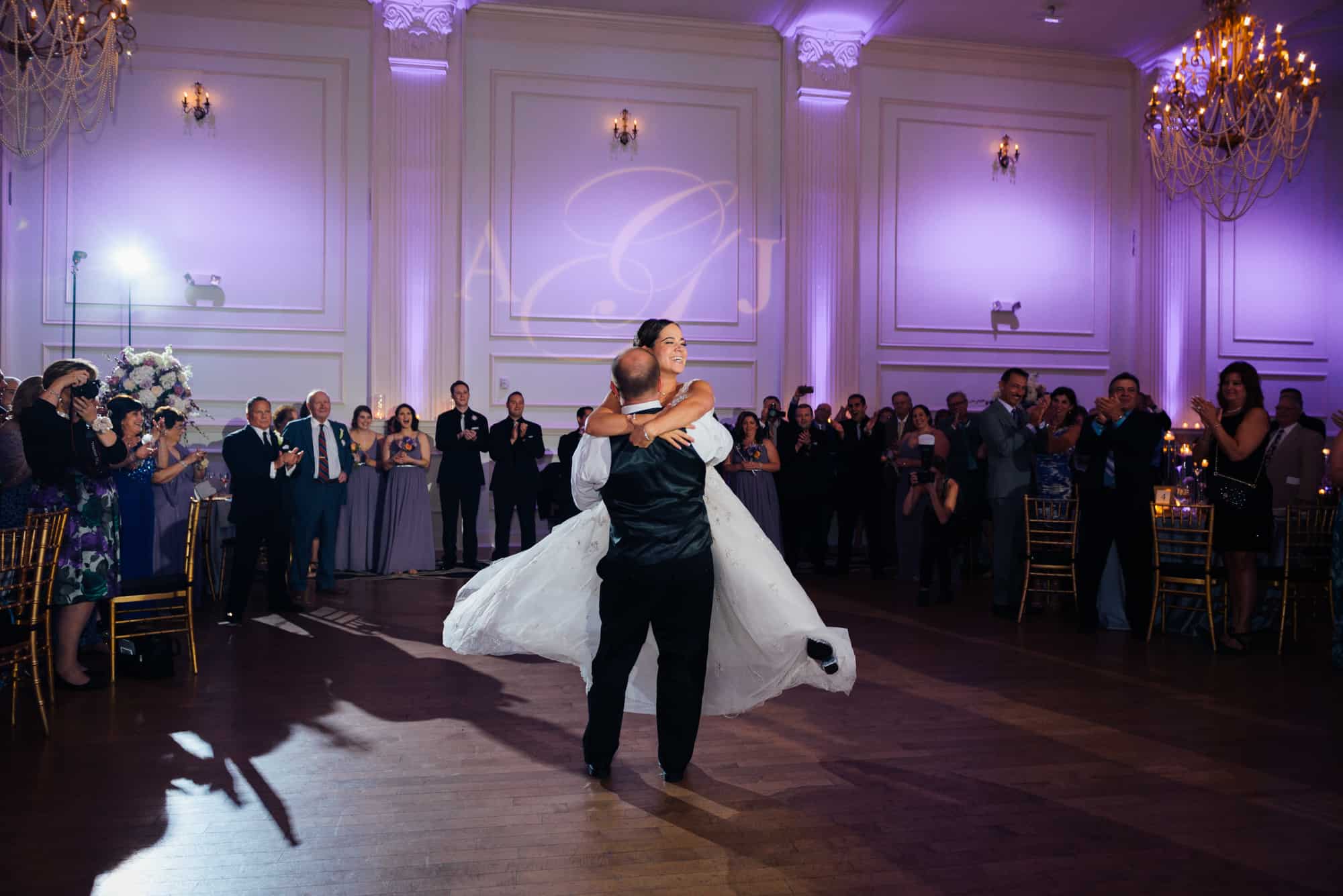
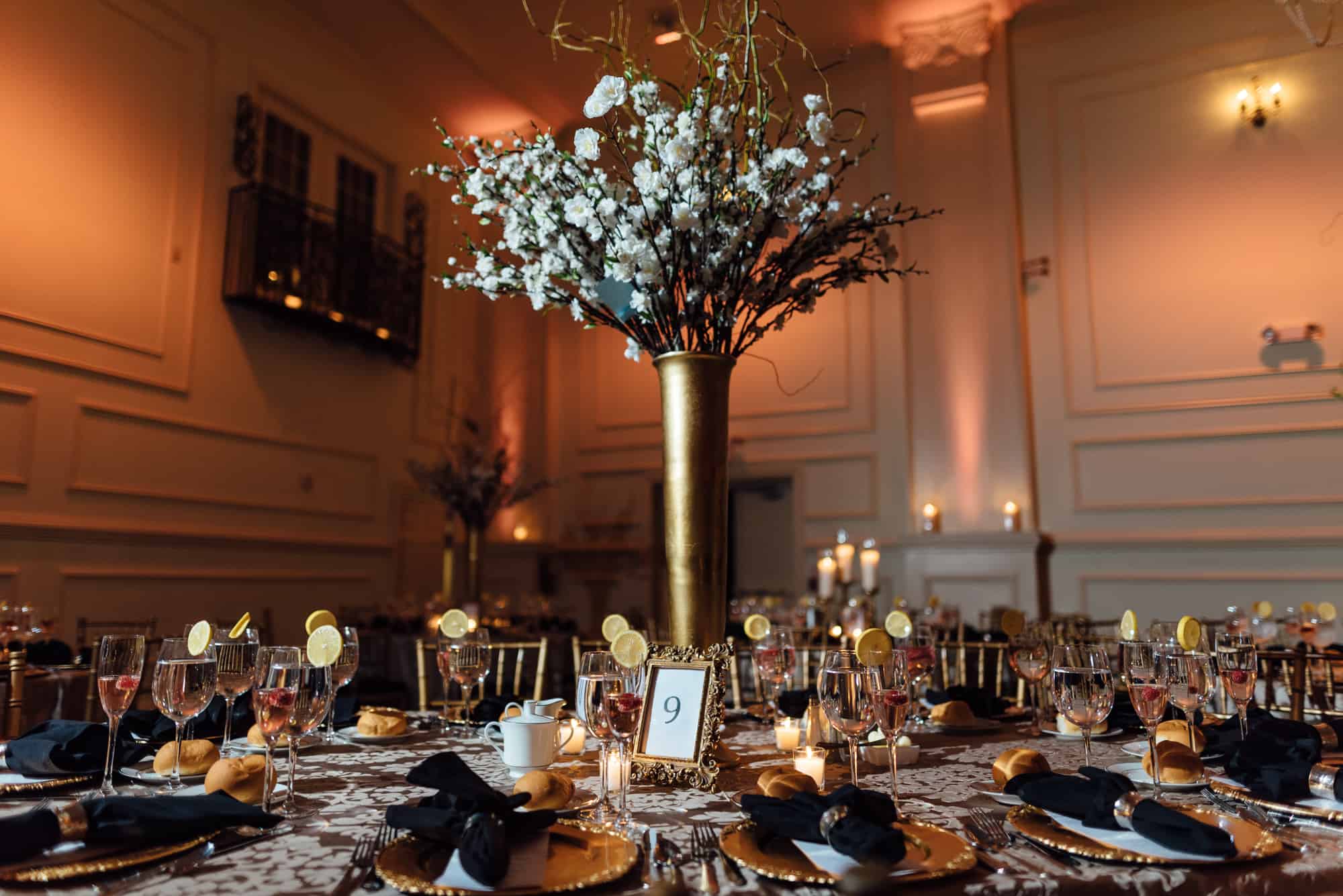


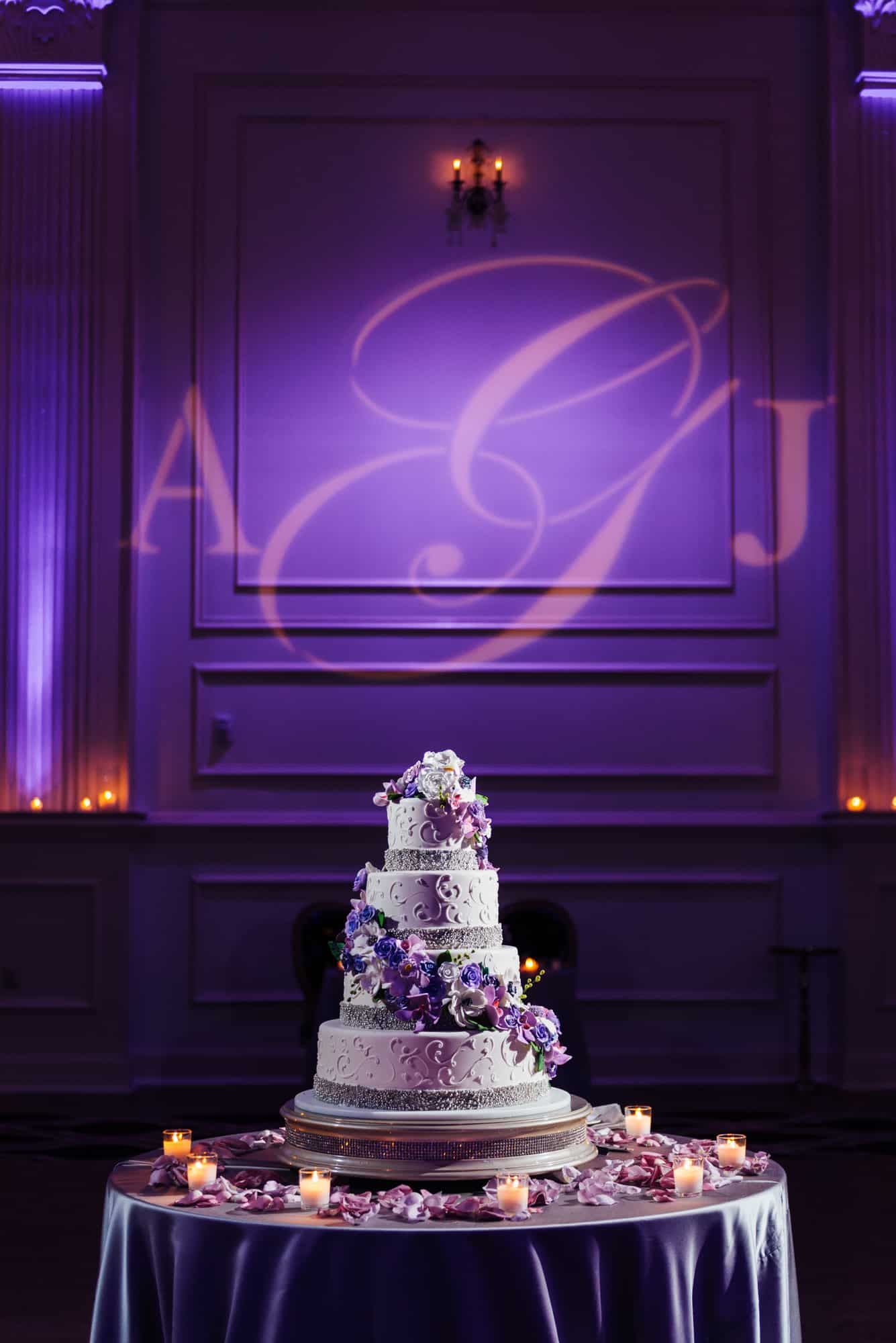


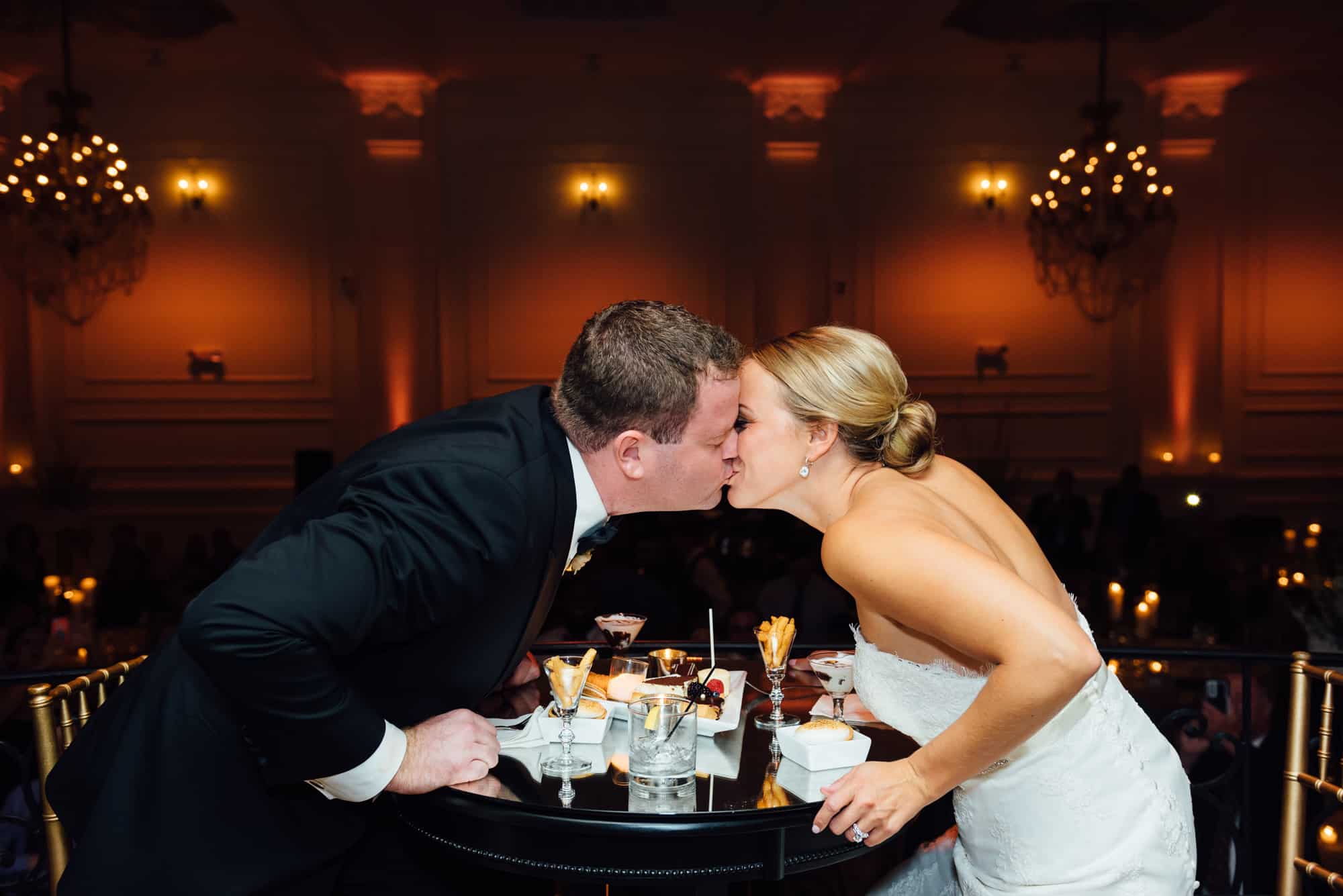

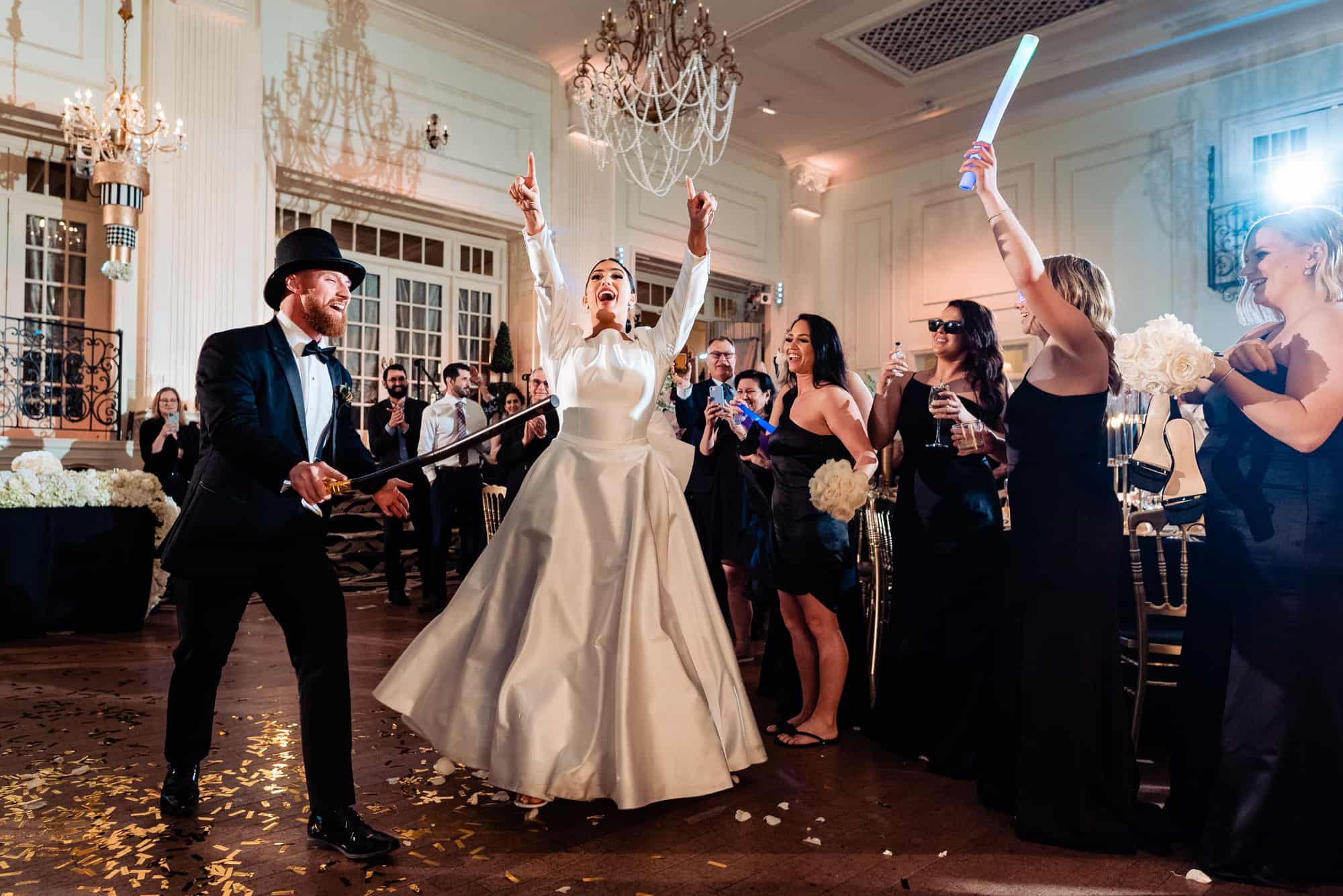

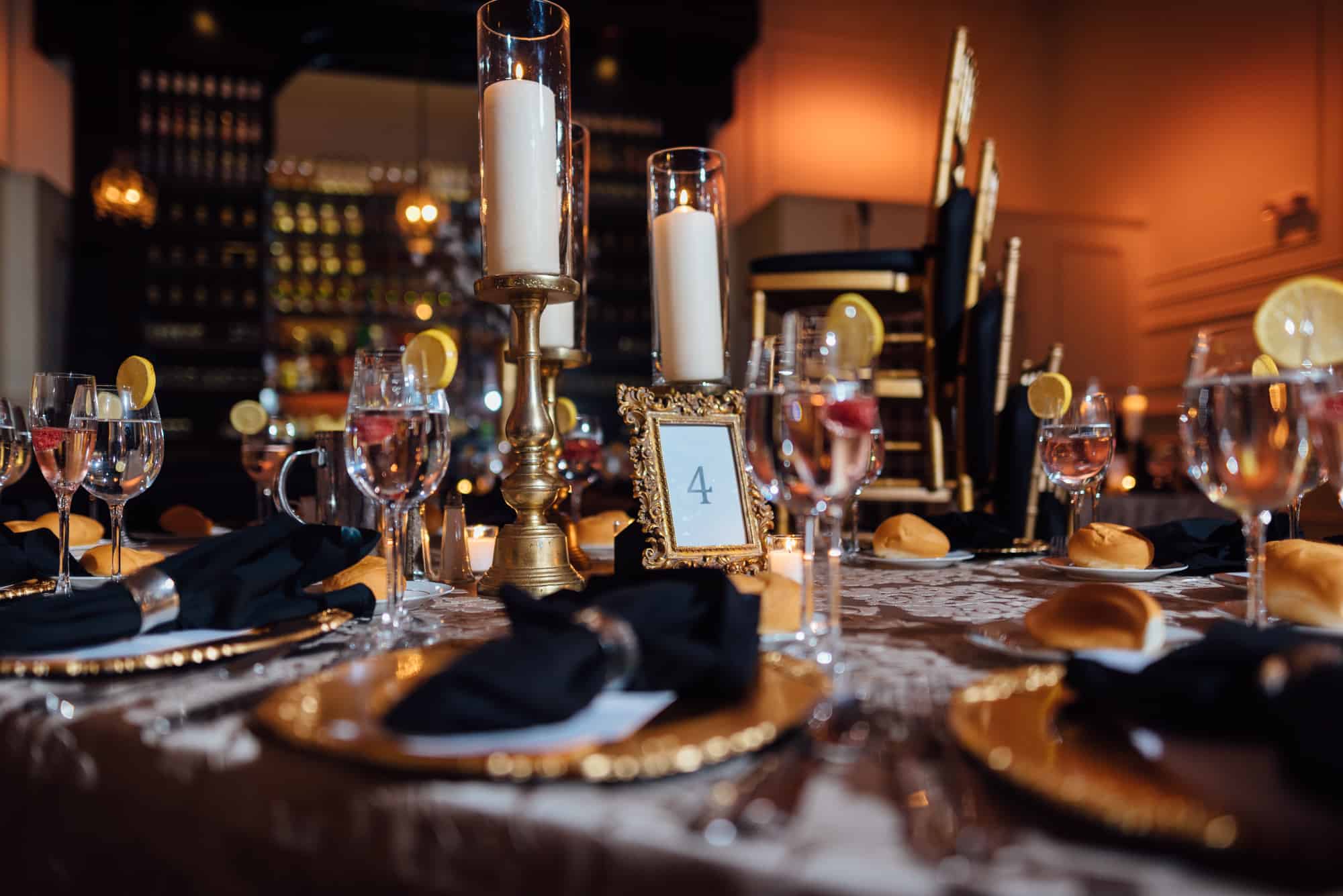
Ballroom at the Ben
The mezzanine at Ballroom at the Ben is one of the venue’s most recognizable features.
It gives me a higher viewpoint over the ballroom, which can work well for showing the scale of the reception and what is happening on the dance floor.
The Franklin Residences building also gives us other interior options for portraits. Knowing which areas are nearby helps when portrait time is limited because we can create variety without spending a large part of the schedule moving between locations.

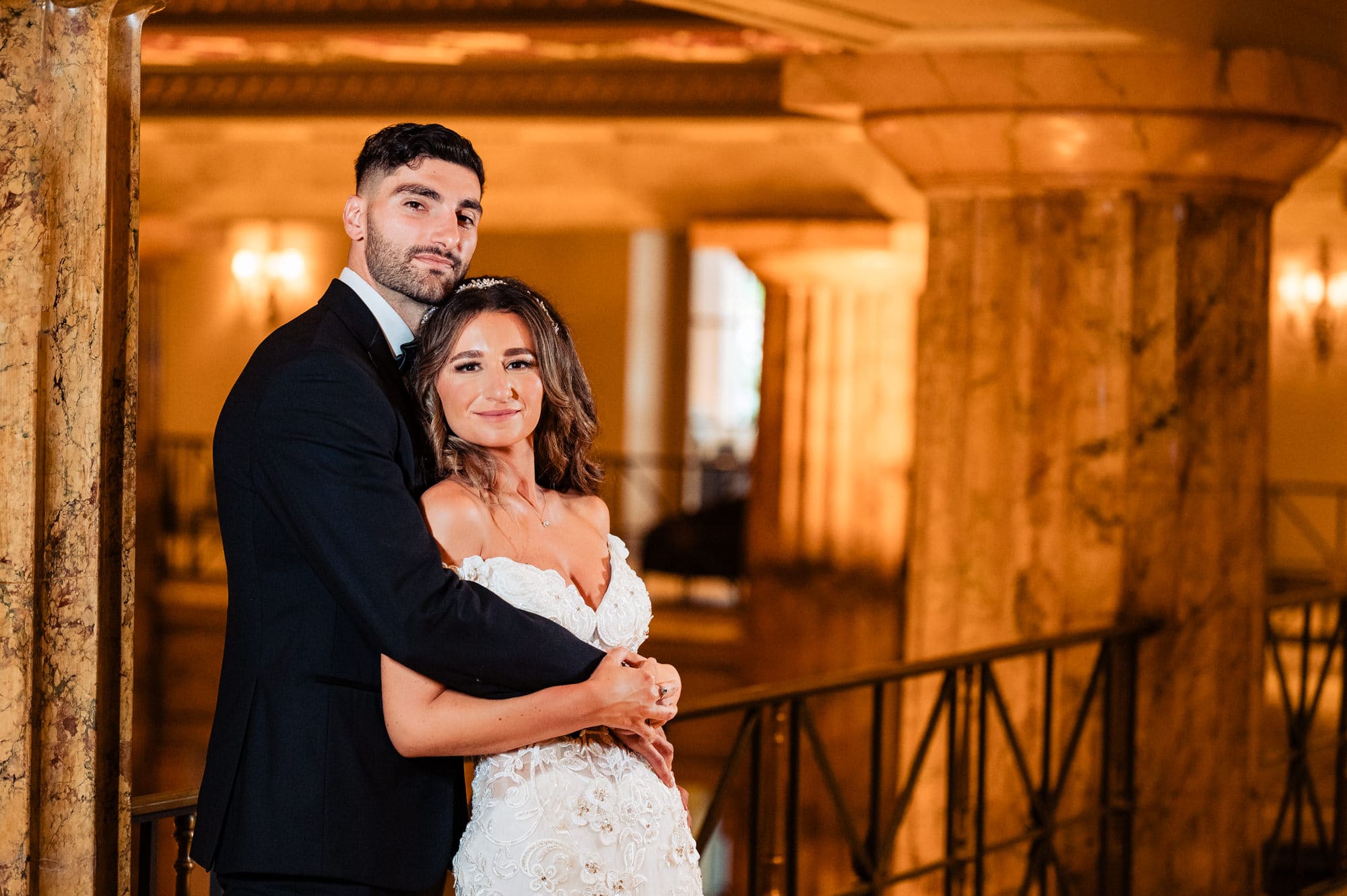
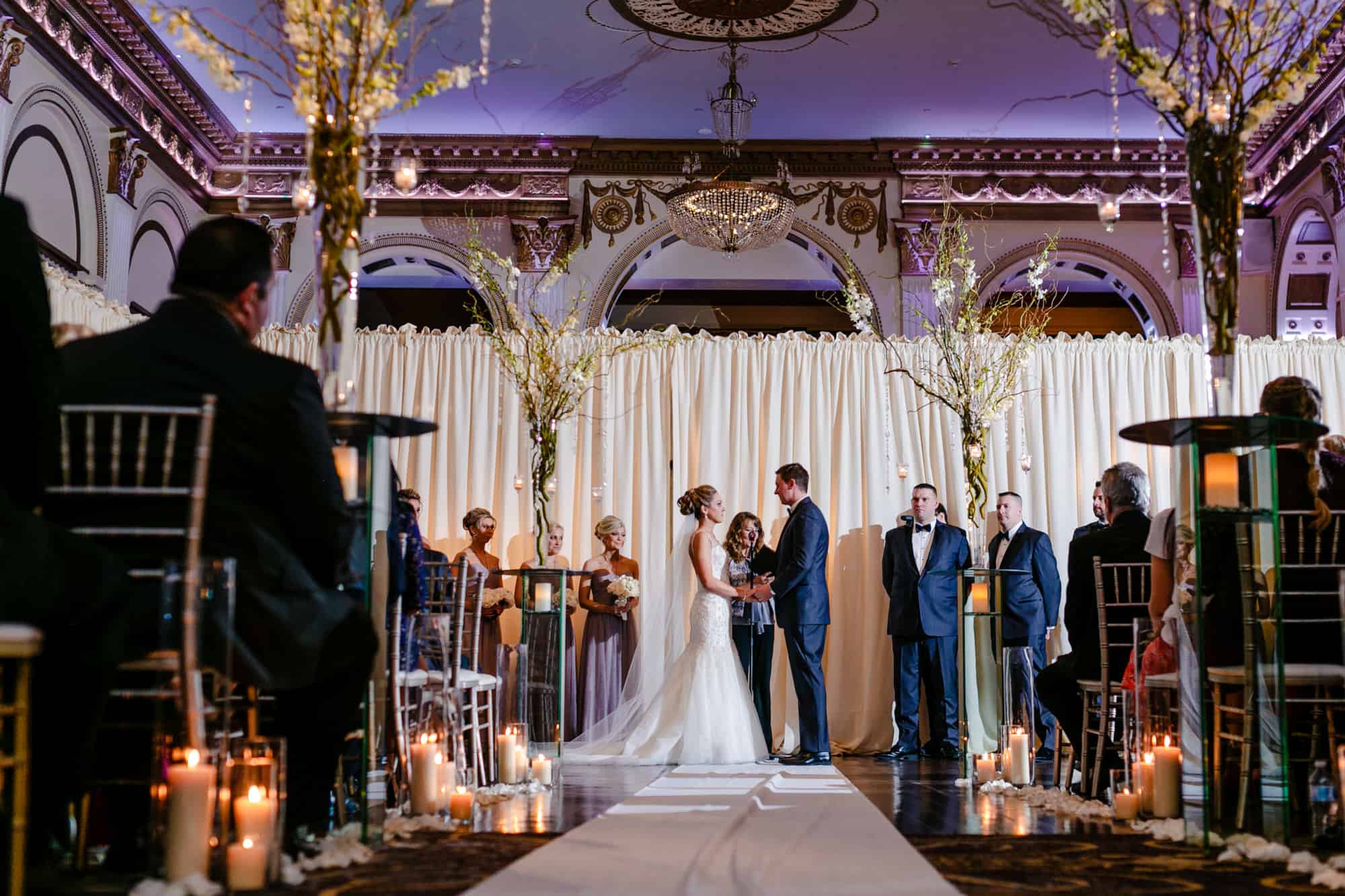
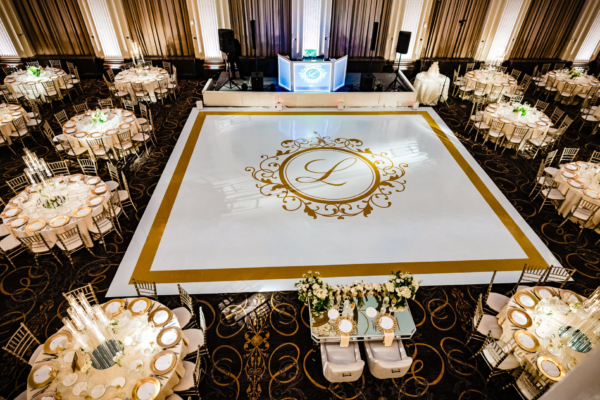


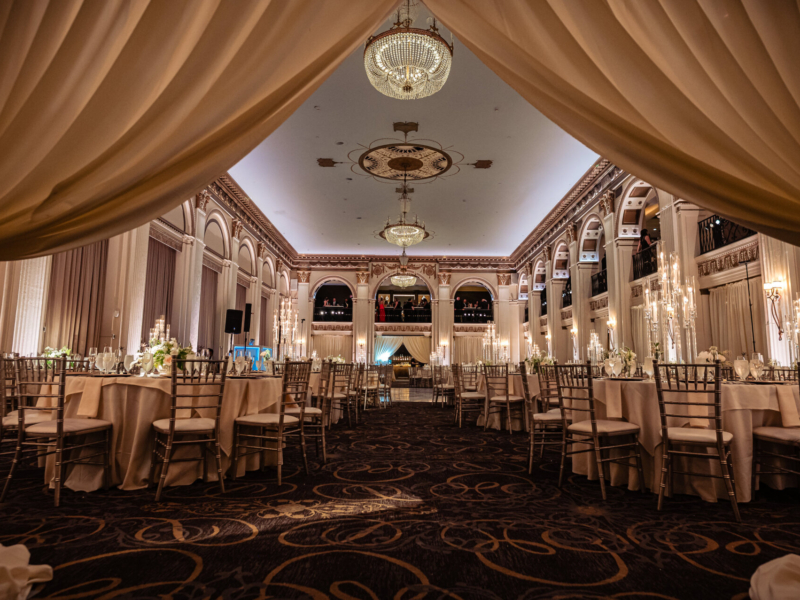


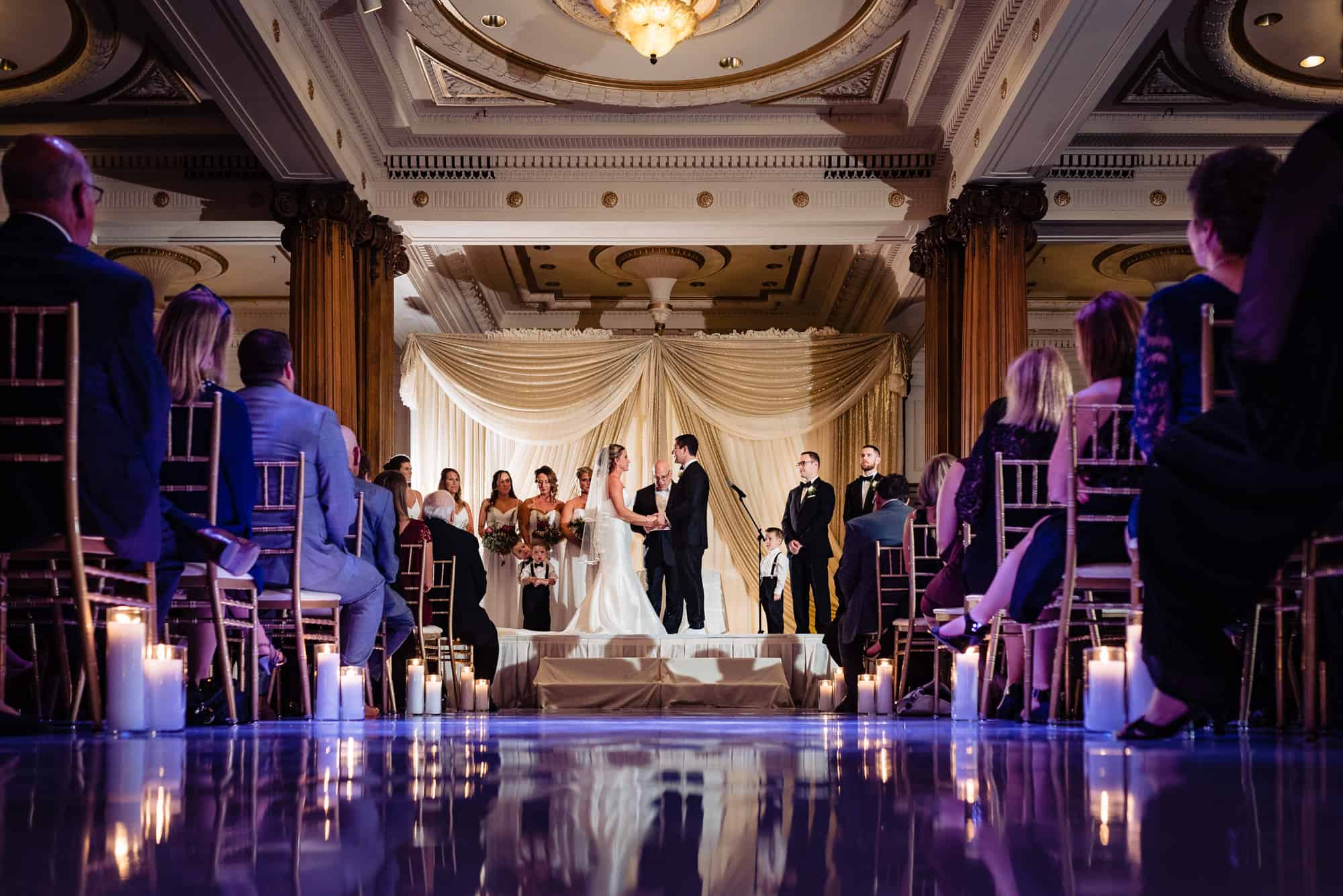
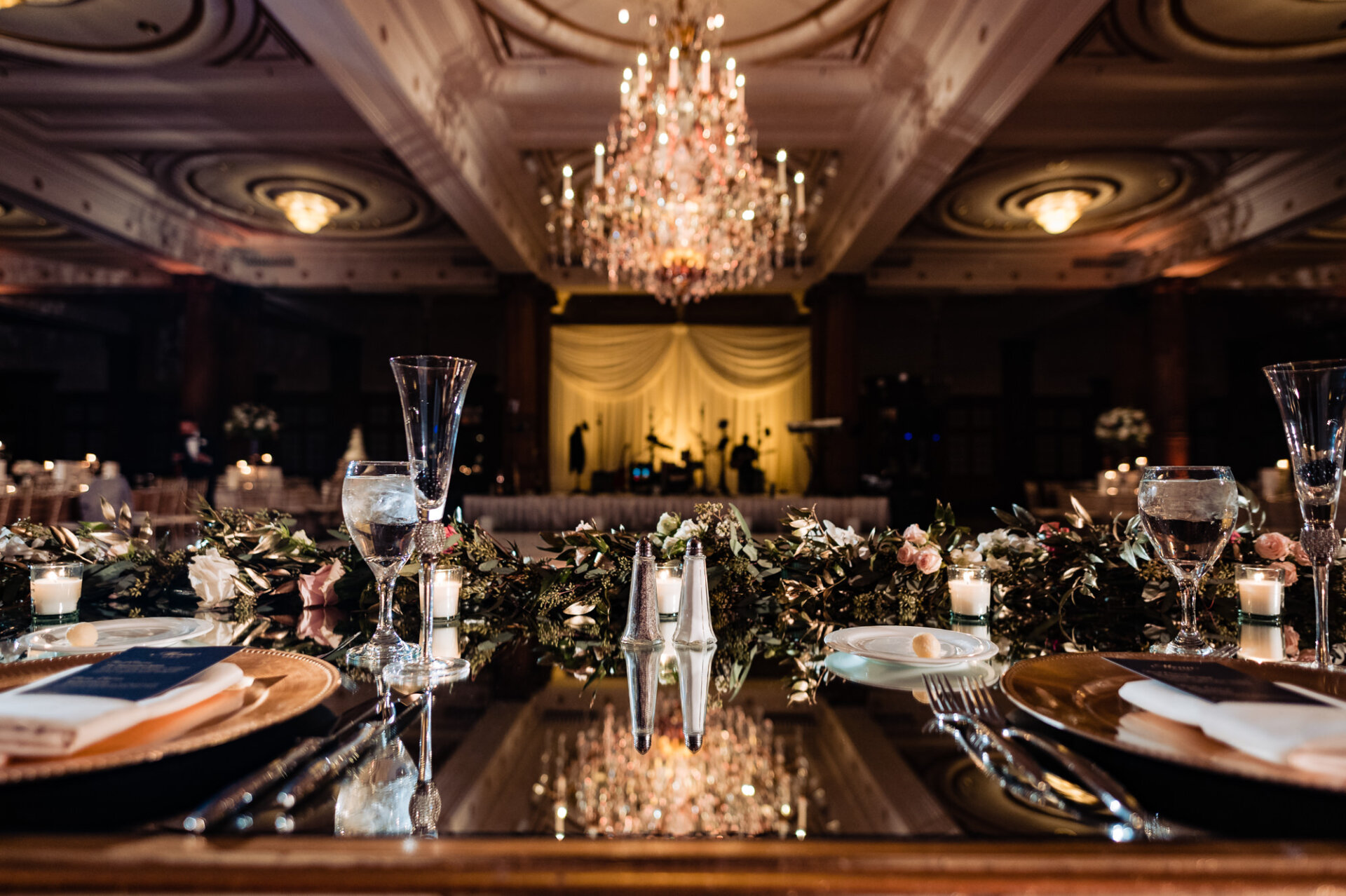
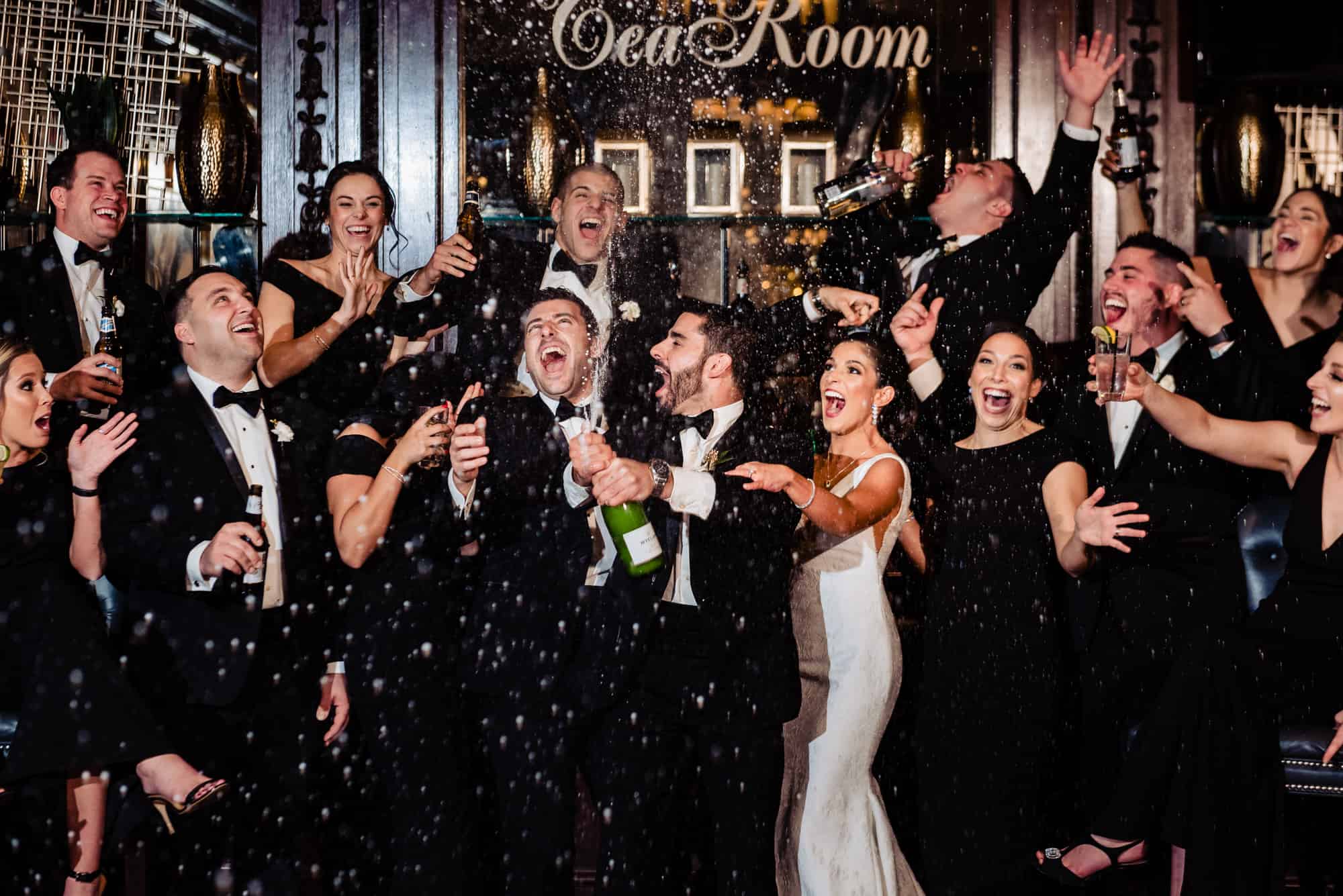
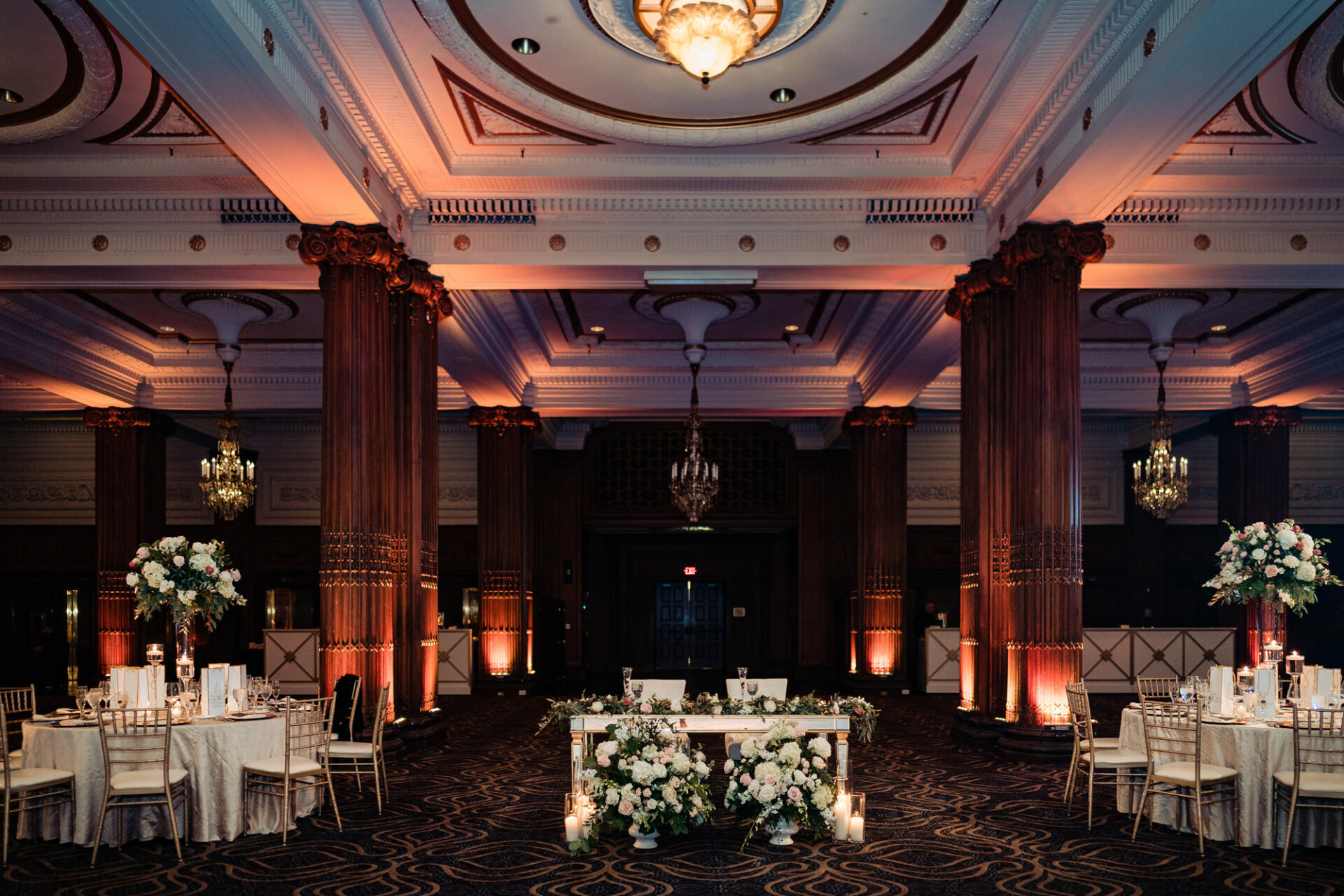
The Crystal Tea Room
The Crystal Tea Room sits inside the Wanamaker Building, which gives us a combination of ballroom interiors and surrounding architectural spaces. The atrium and interior areas can give us different types of light and backgrounds before we move into the reception.
This is the type of venue where familiarity with the building can help because there are several different settings within a relatively compact area. The goal is to use that variety without turning the wedding day into a long portrait session.







Union Trust
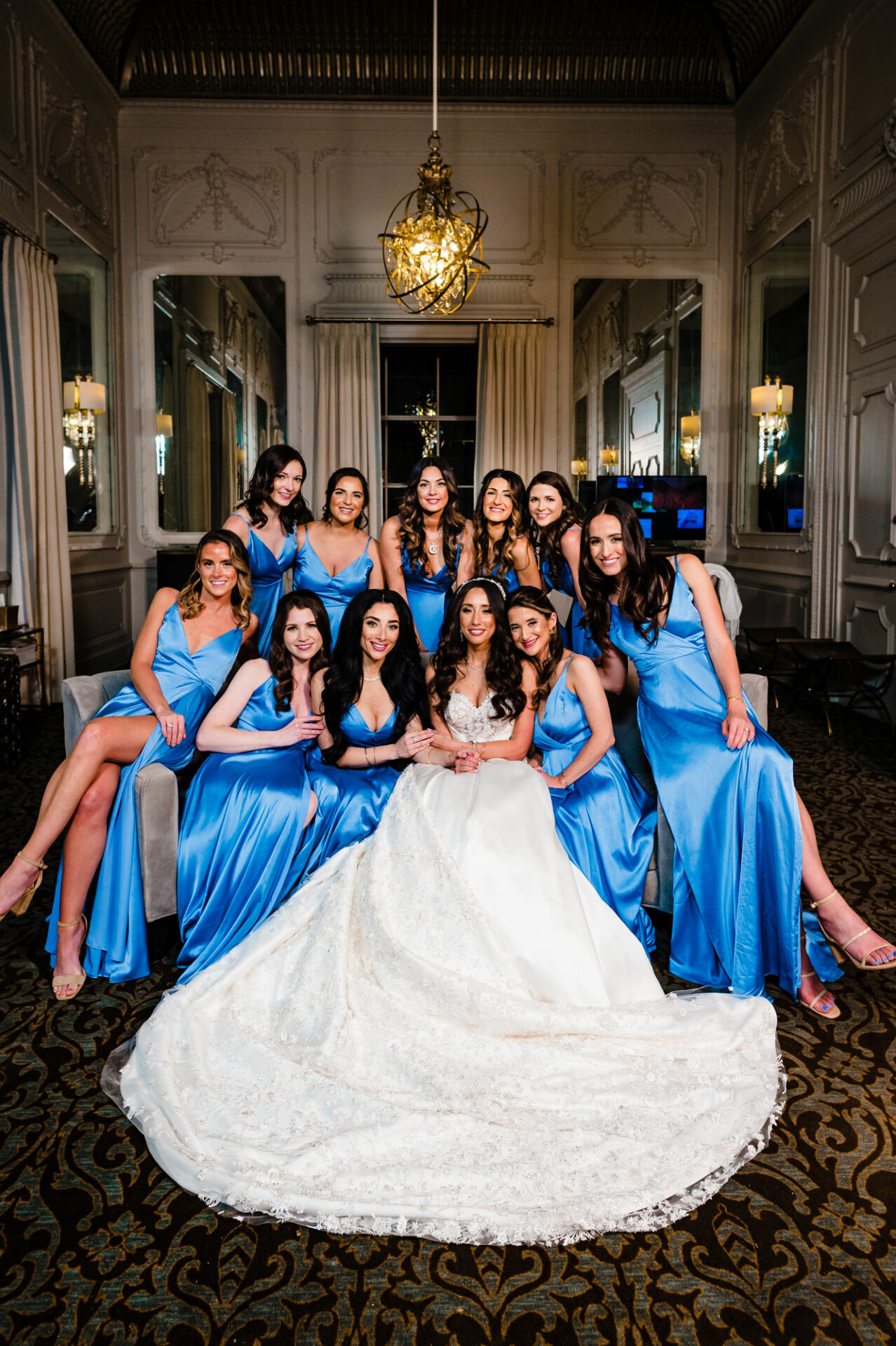
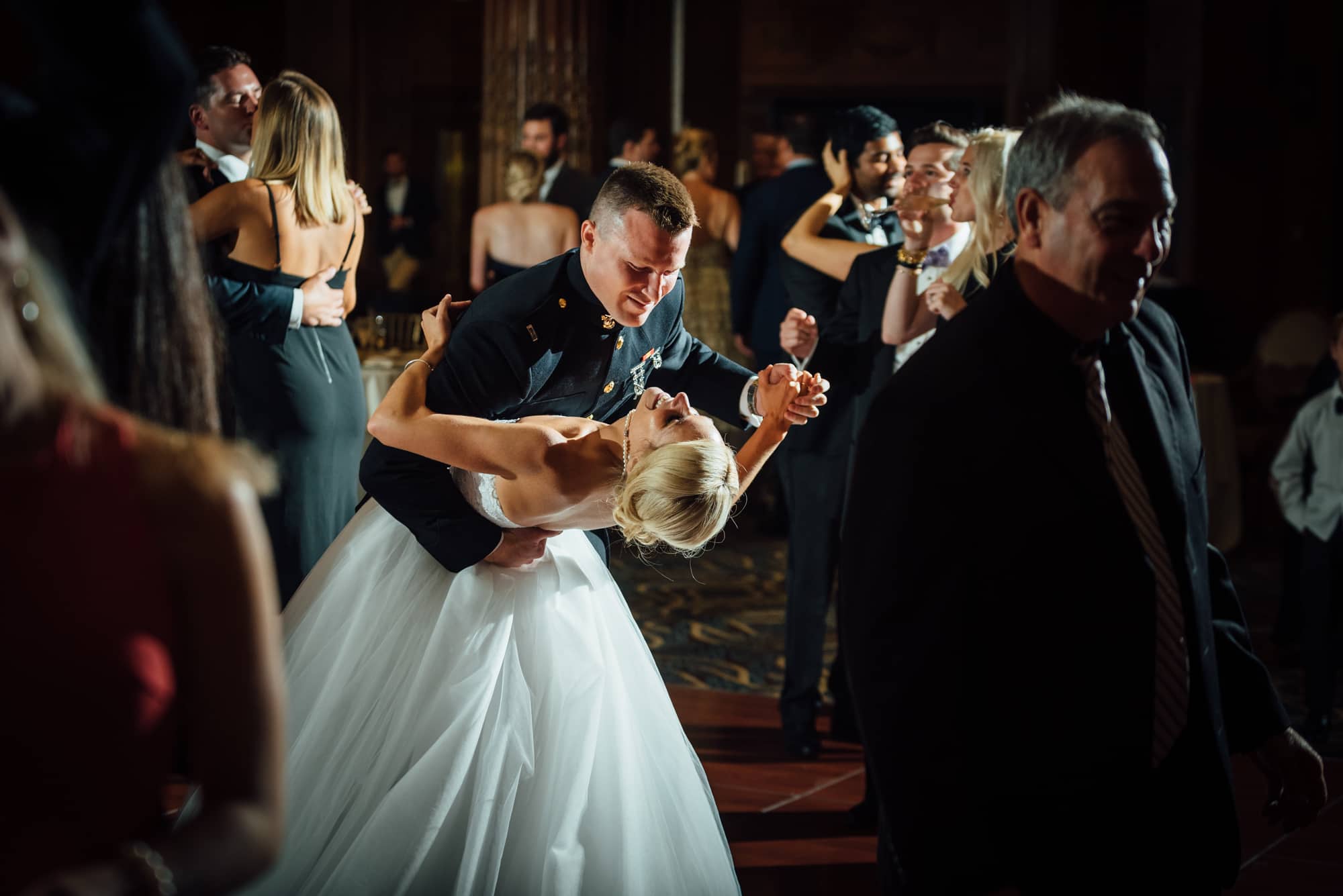
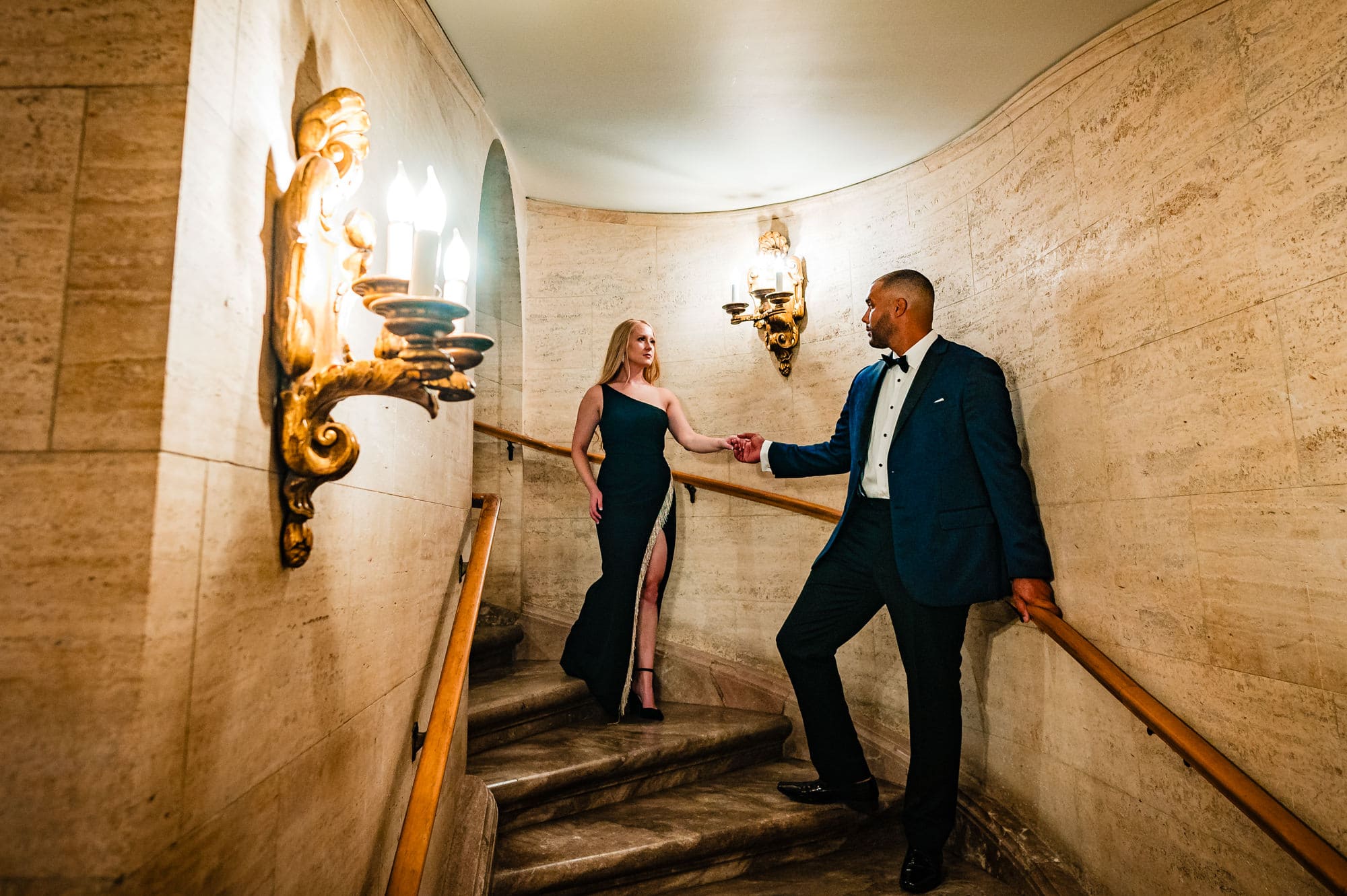
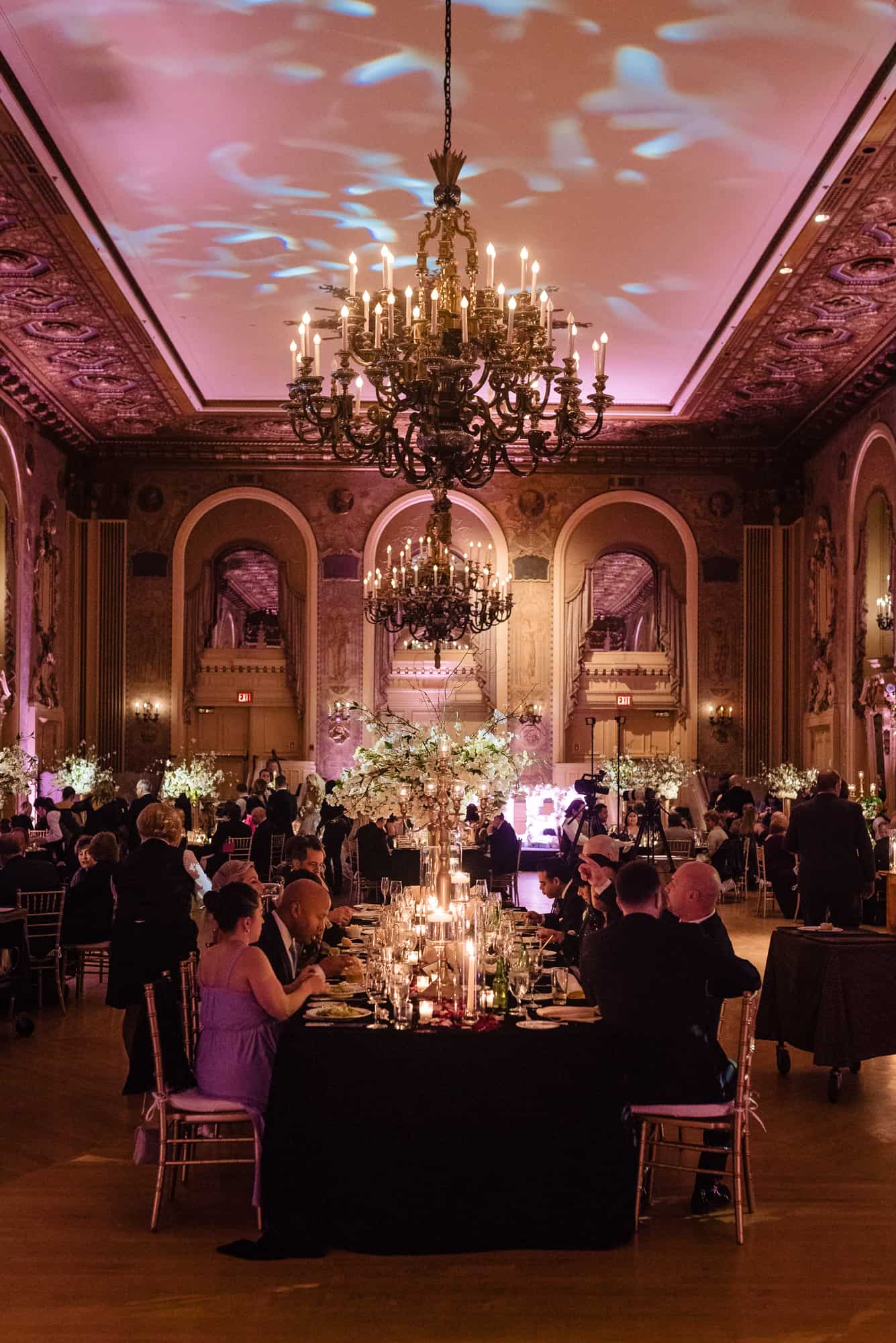
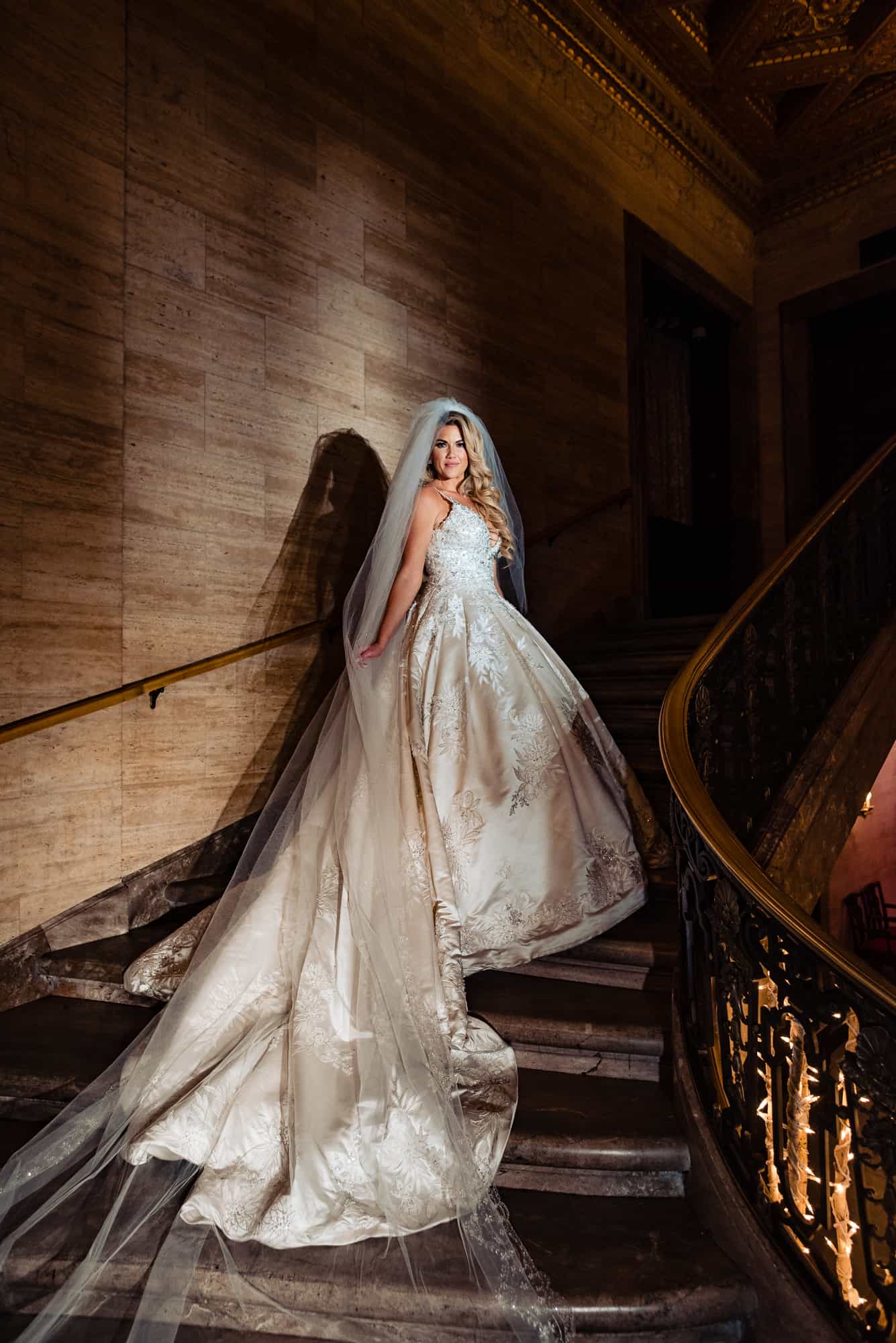
Union Trust has a lot of scale. The high ceilings, balconies, staircase, and layered interior architecture give me opportunities for both wide photographs and closer portraits. A venue like this also illustrates why I recommend viewing full galleries.
One striking wide photograph may catch your attention, but you also want to see how your photographer handles the rest of the day when the lighting changes, the room fills with guests, and the reception gets moving.






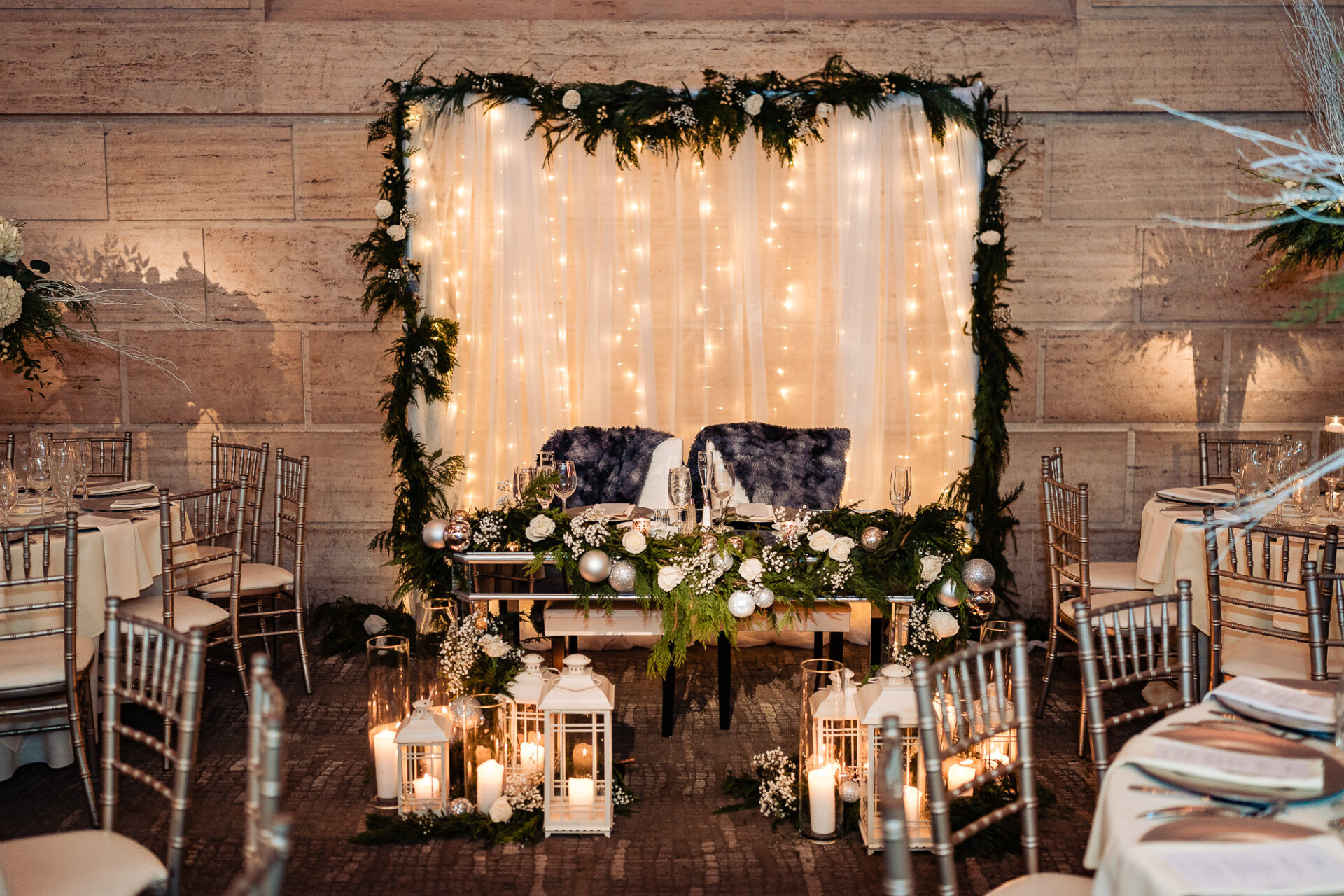


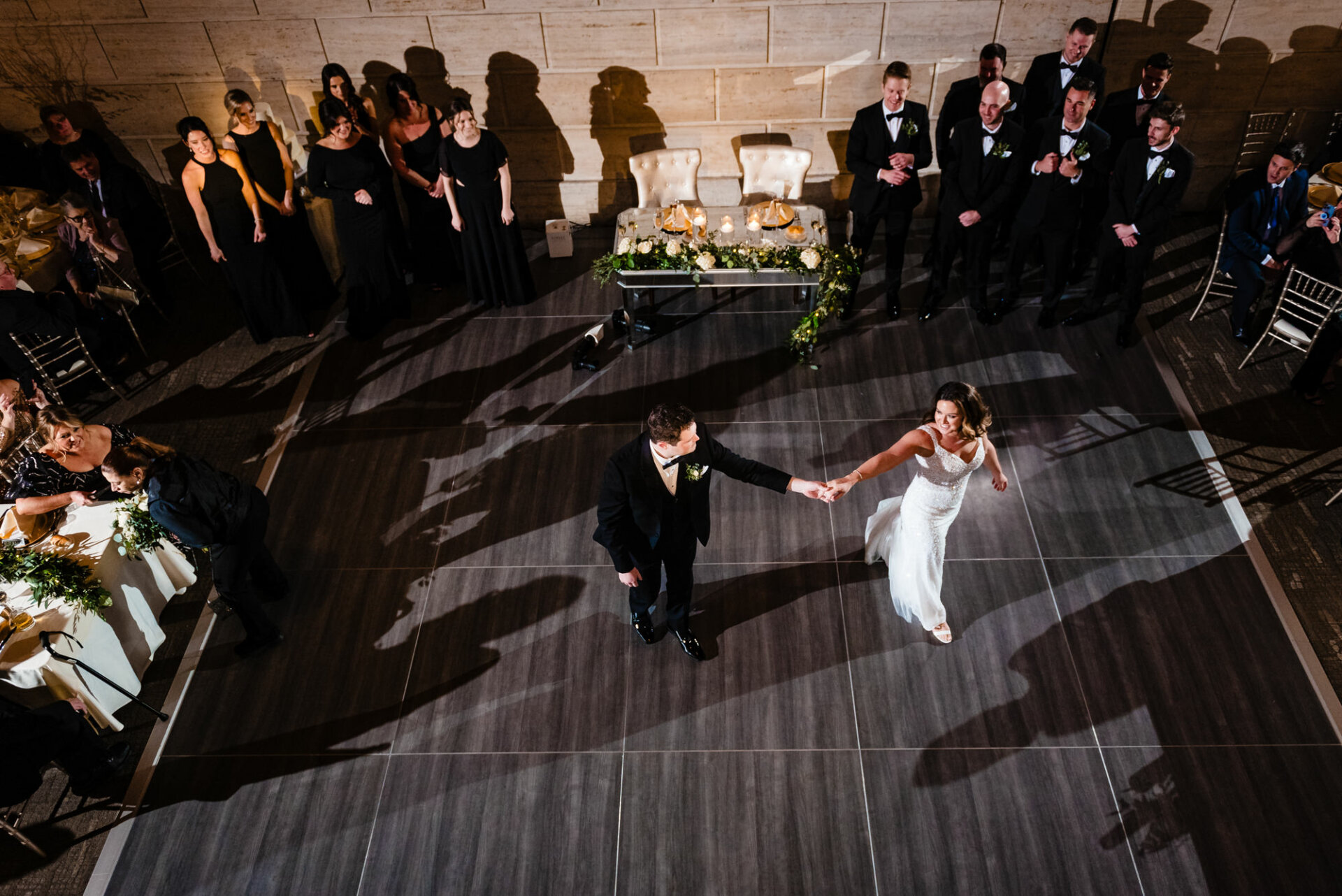
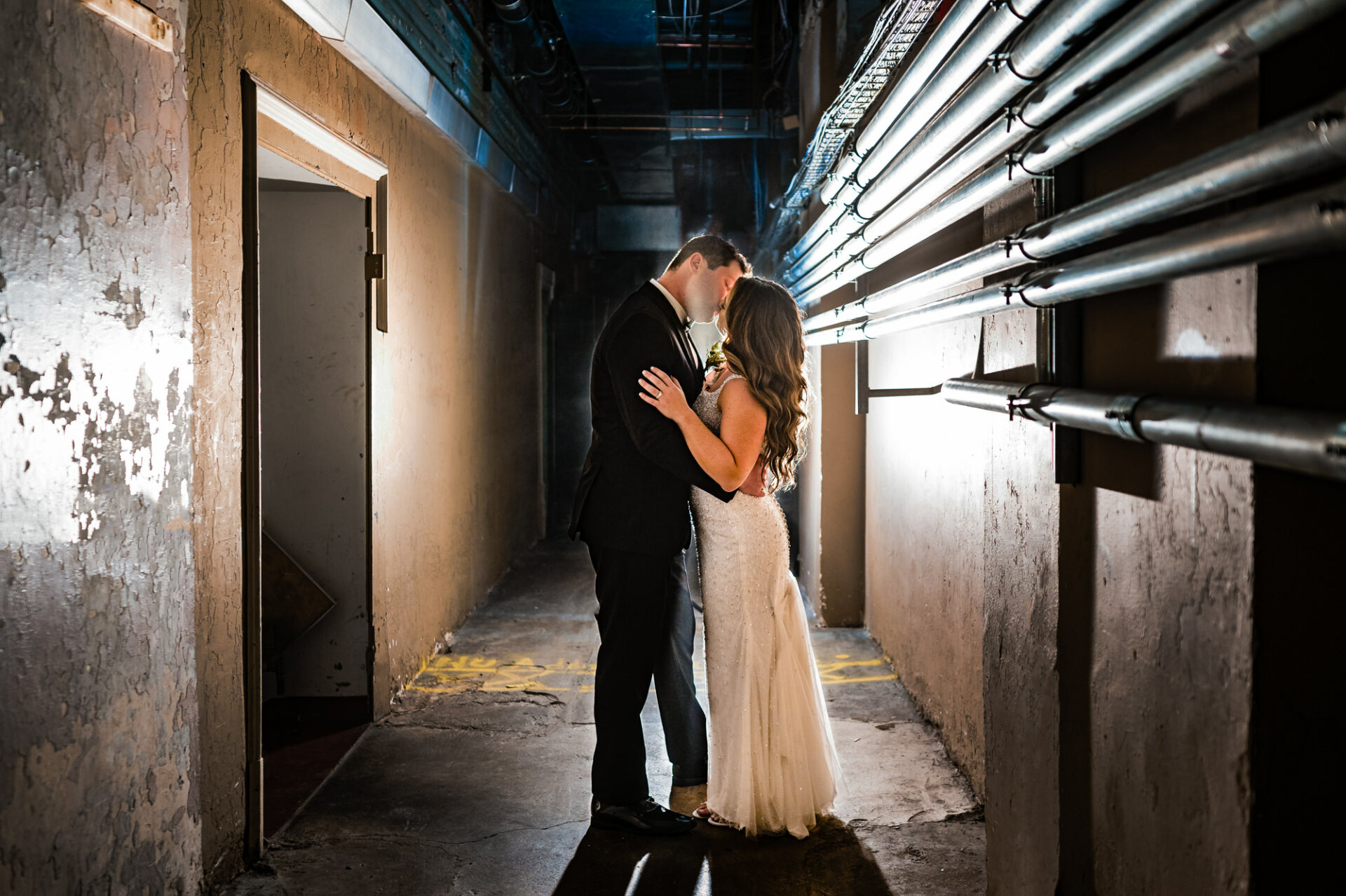
ONE North Broad
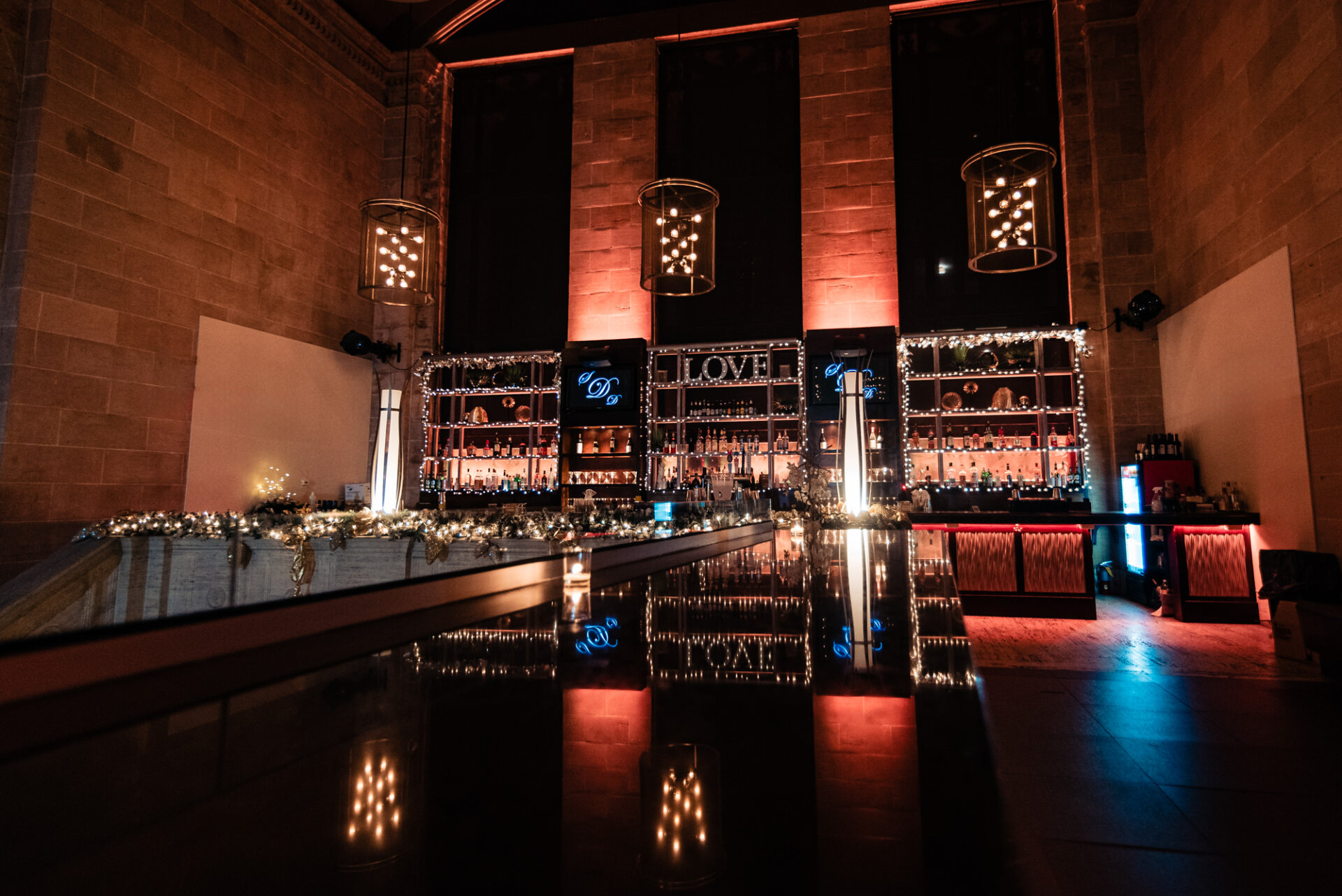
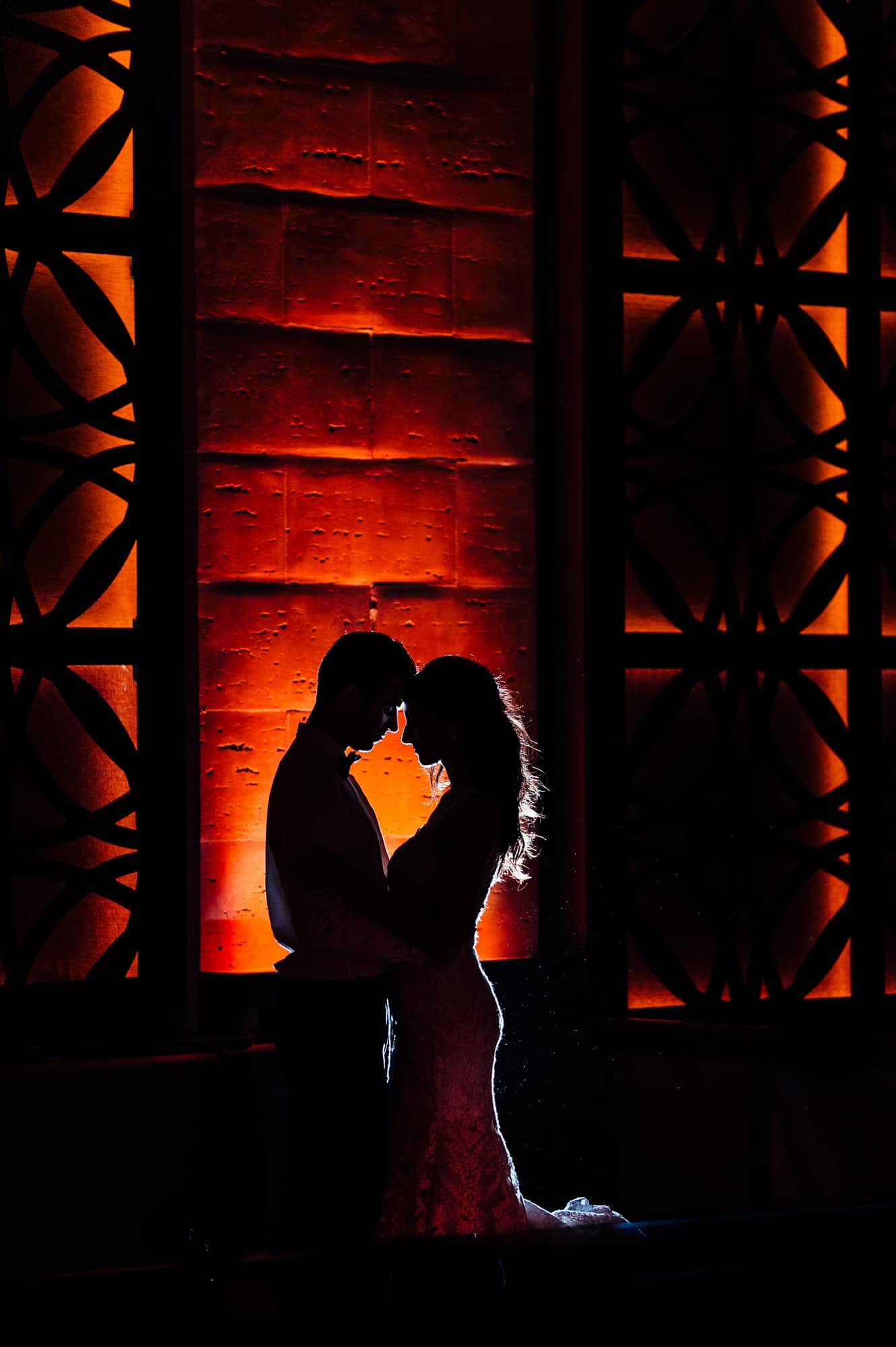
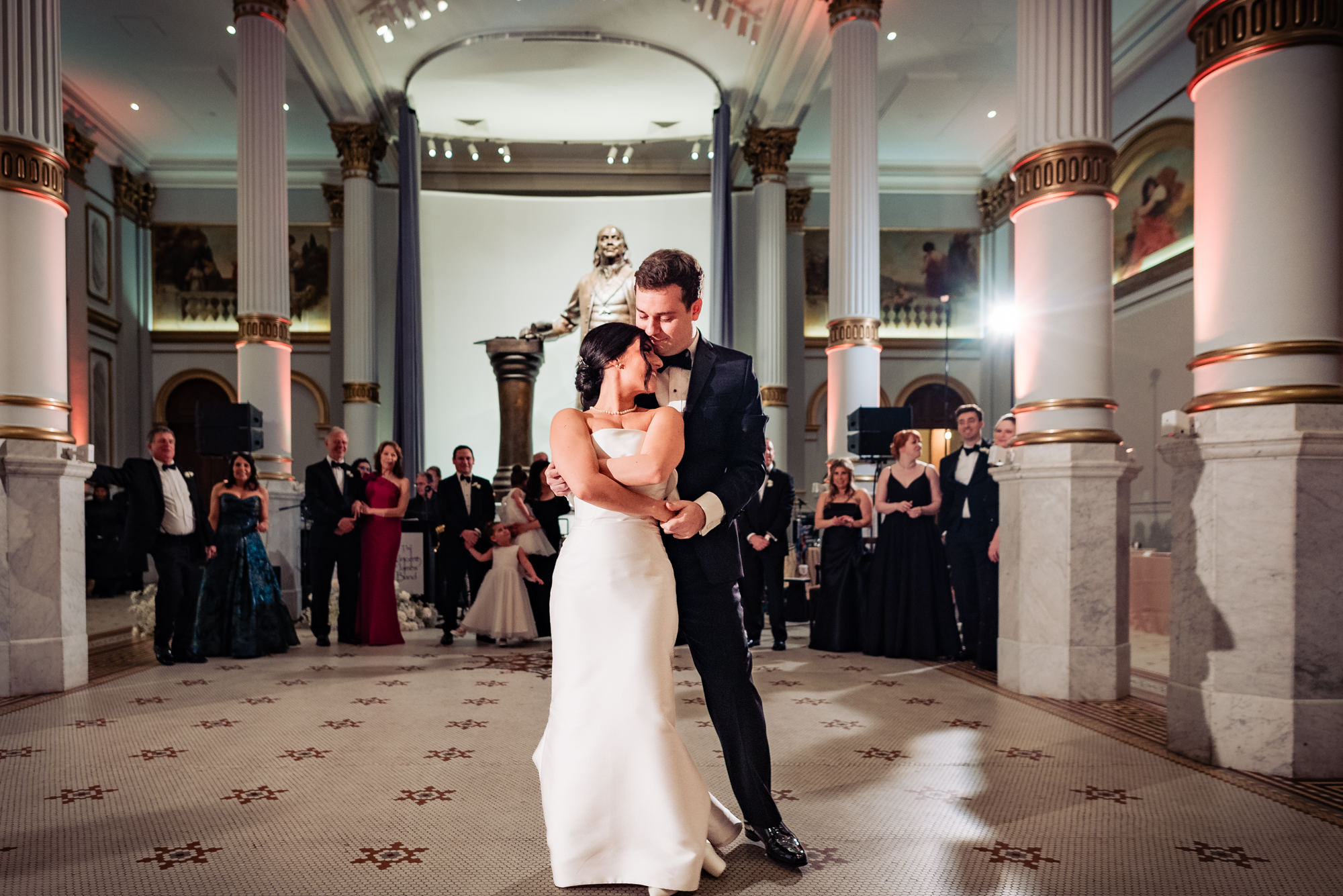
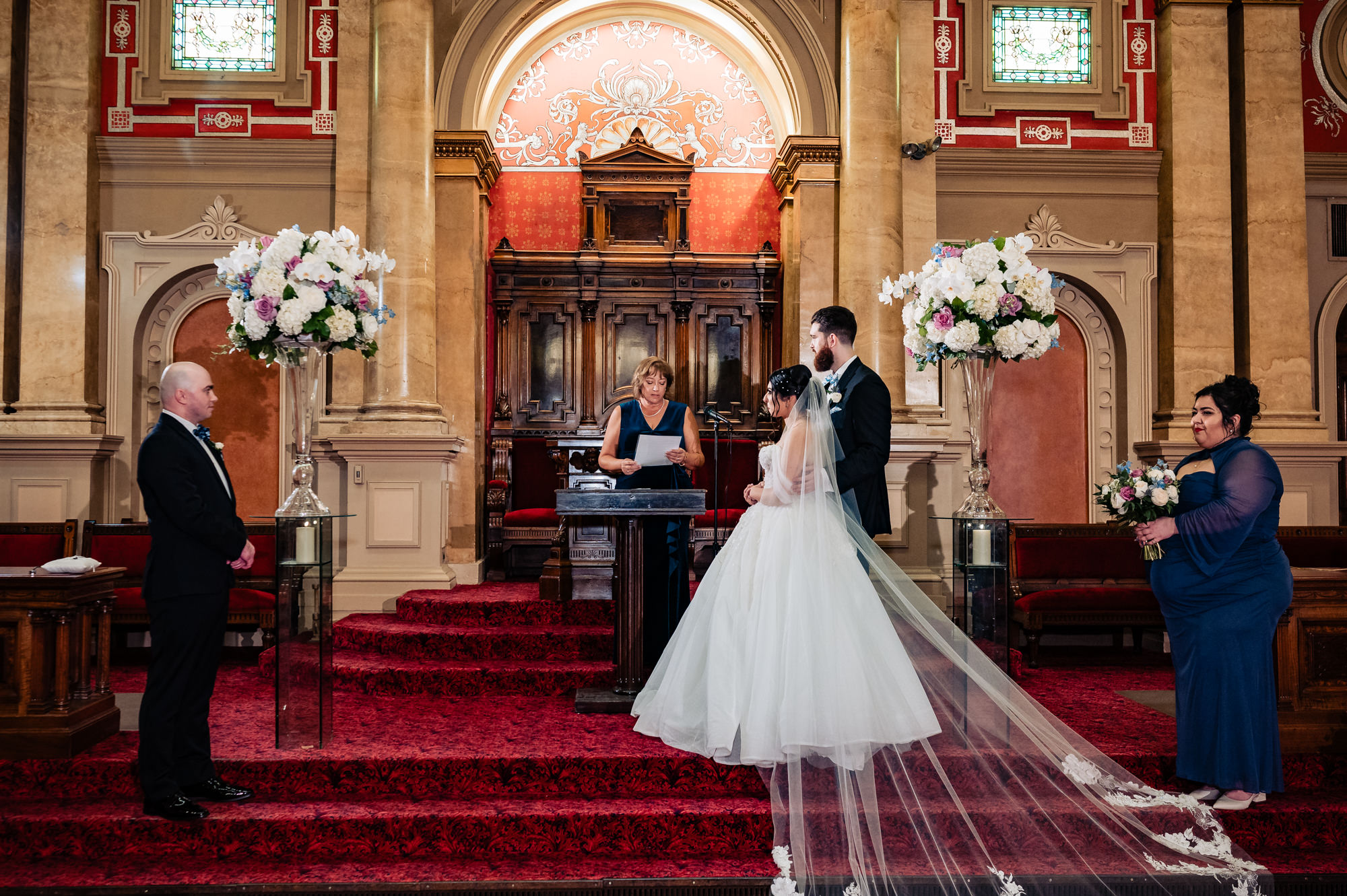
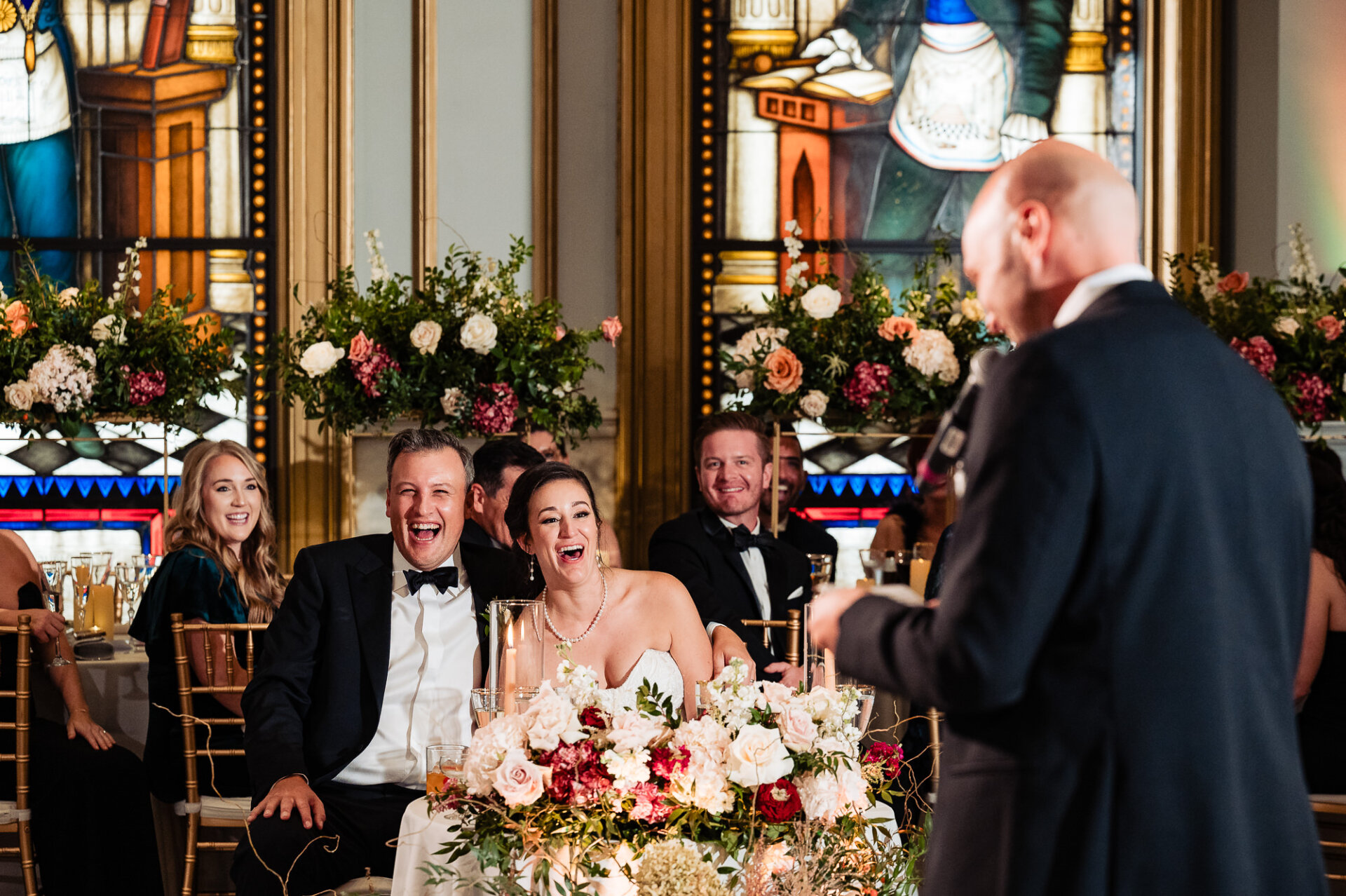
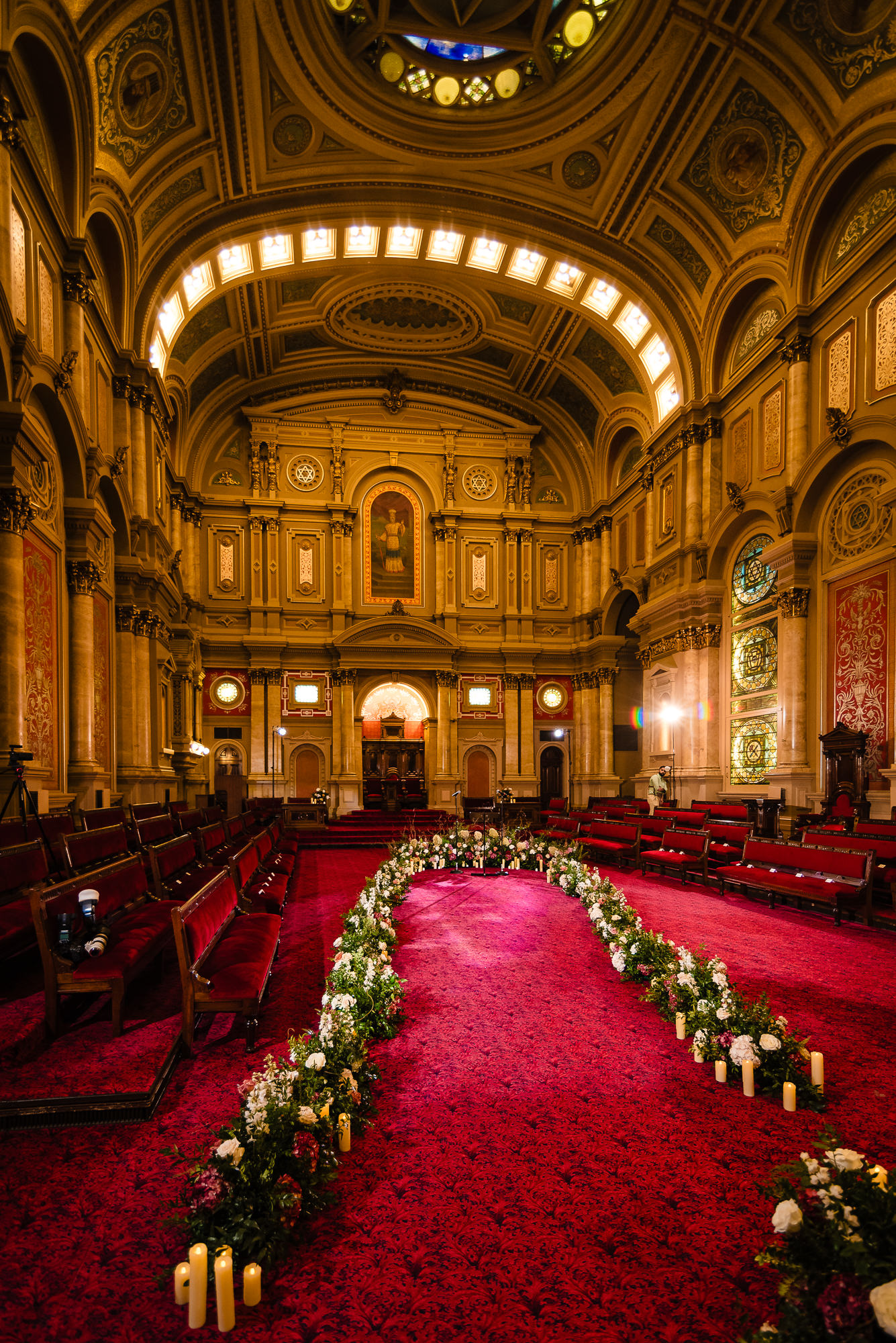
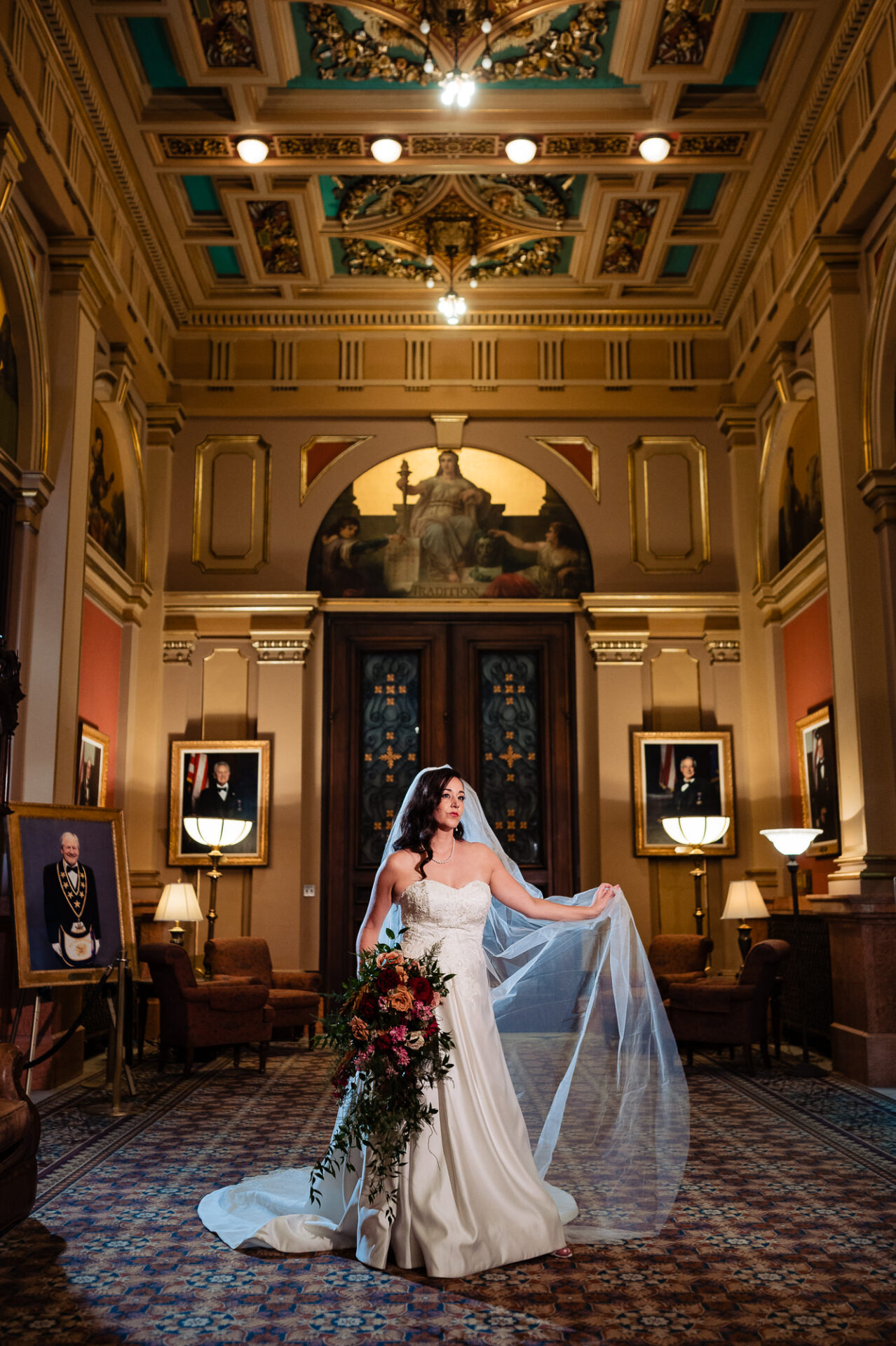
ONE North Broad is inside Philadelphia’s Masonic Temple, and the building gives us a large range of architectural backgrounds. The rooms have different colors, shapes, patterns, and details, which means I can change the feel of a portrait simply by moving to another part of the building.
It is a good example of a venue where knowing the property is useful, but I still approach each wedding based on the couple and the spaces they are actually using that day.
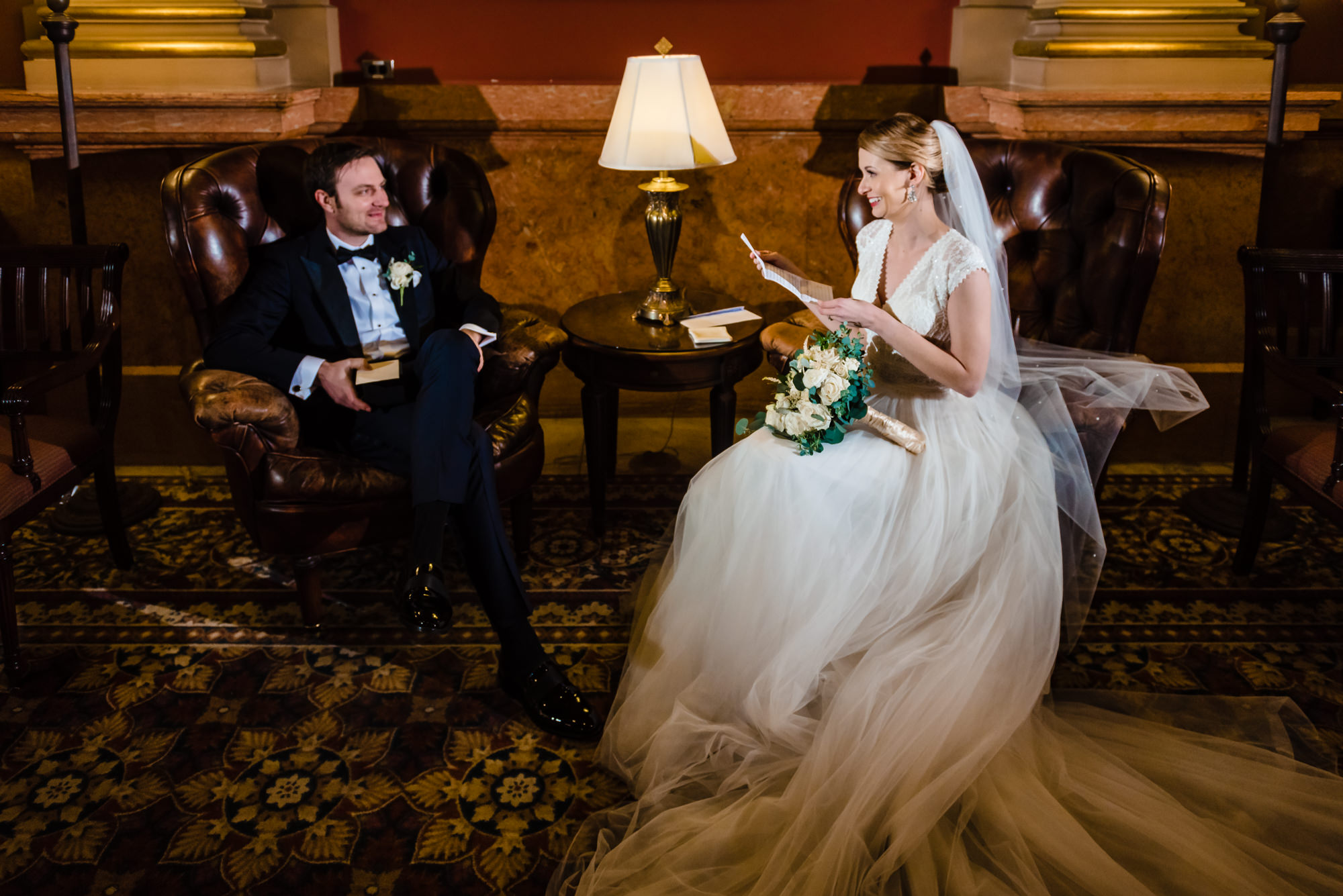






Hotel DuPont
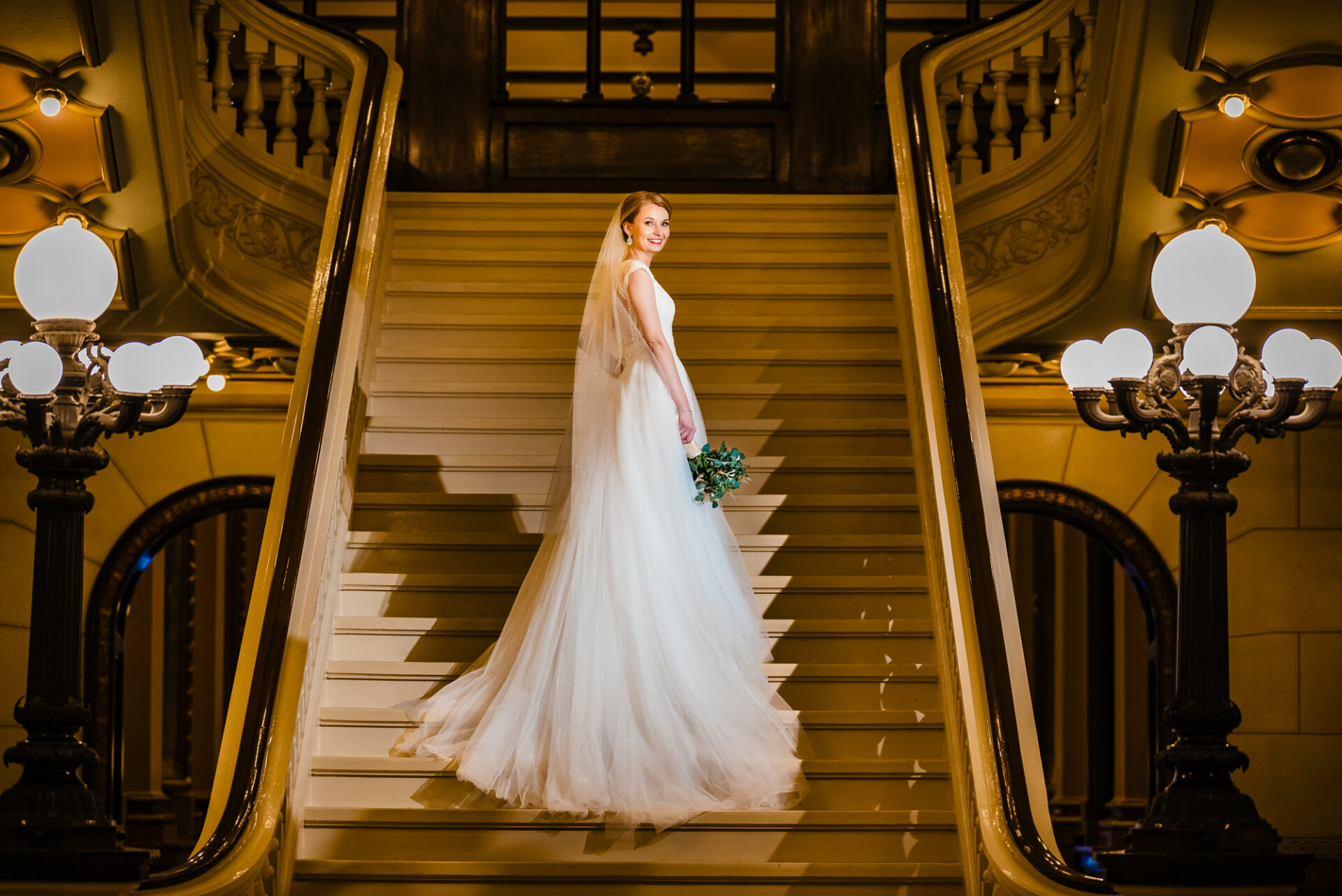
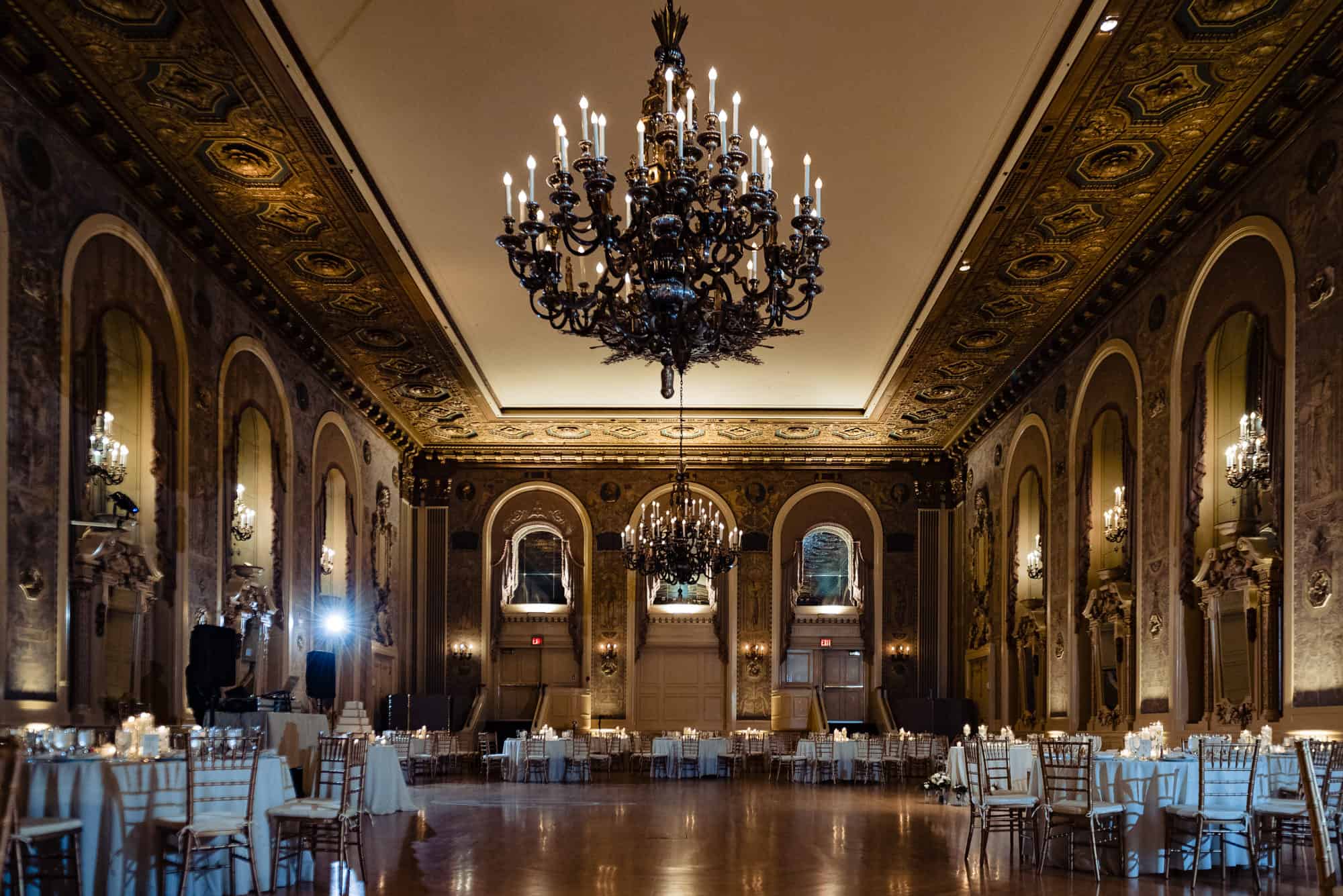
Hotel DuPont gives us staircases, balconies, ballroom interiors, windows, and architectural details within the property. When several useful portrait areas are close together, we can create variety without adding unnecessary travel to the timeline.
That is something I think about at any venue. A great-looking portrait location is not always worth using if reaching it takes too much time away from the wedding.







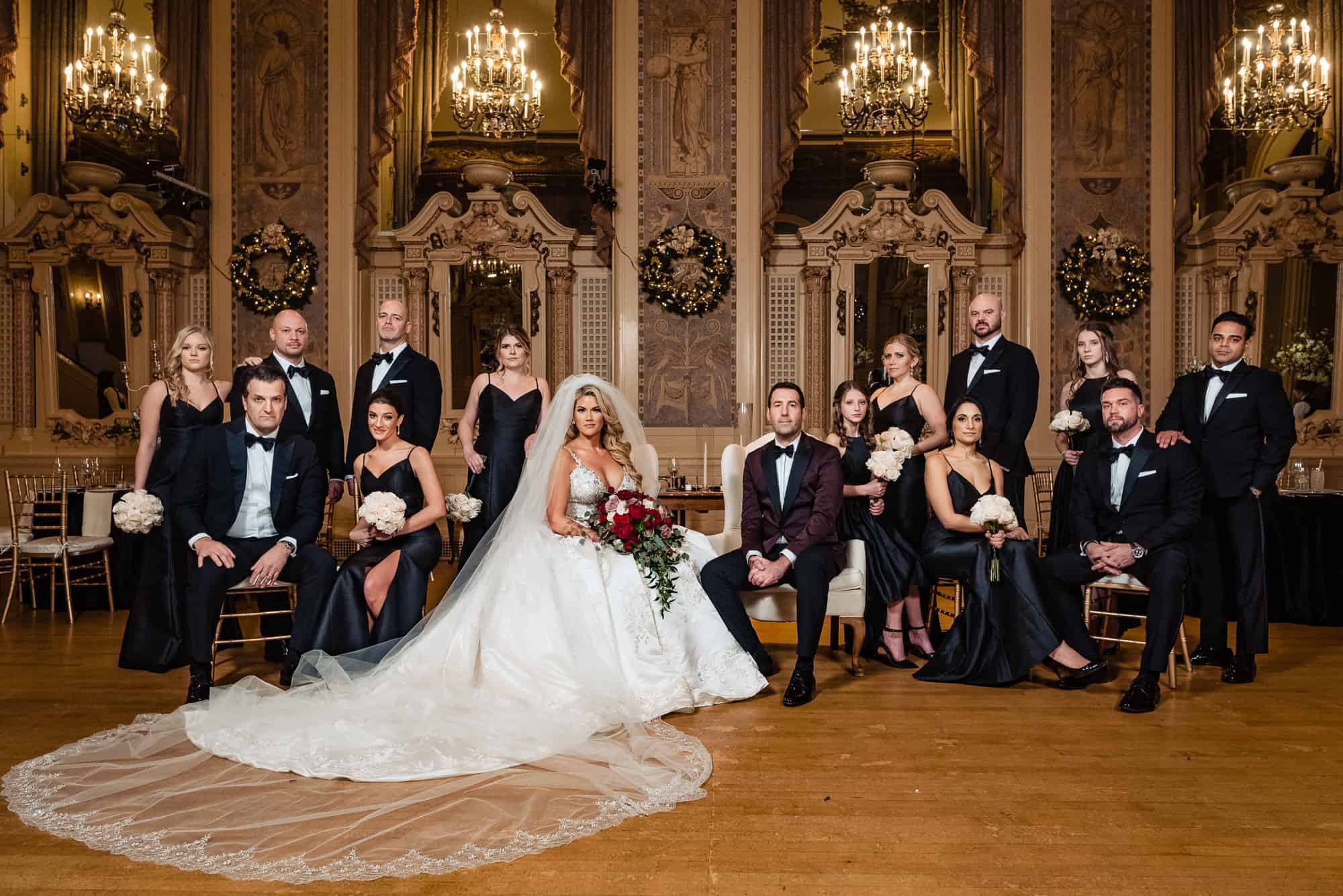
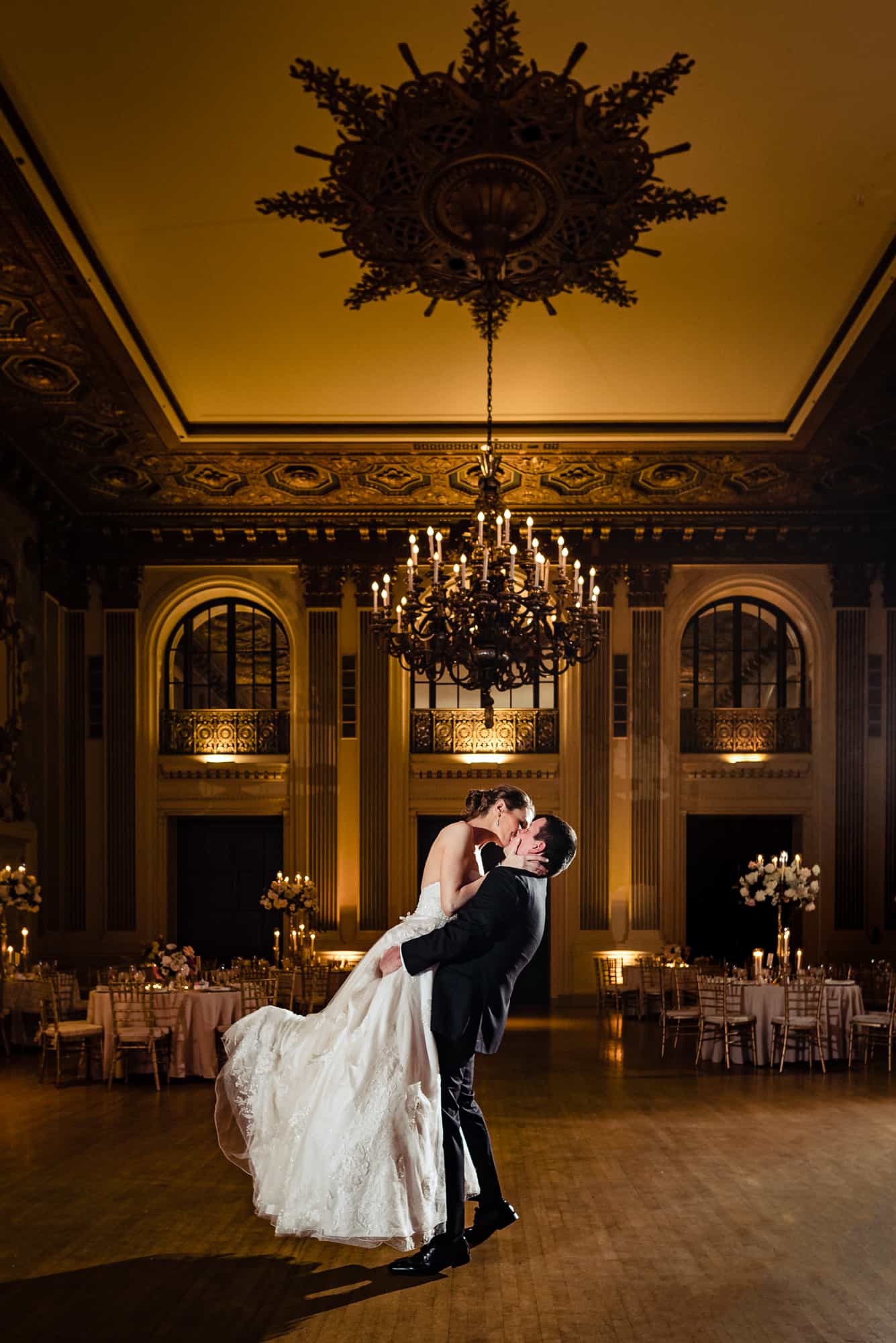

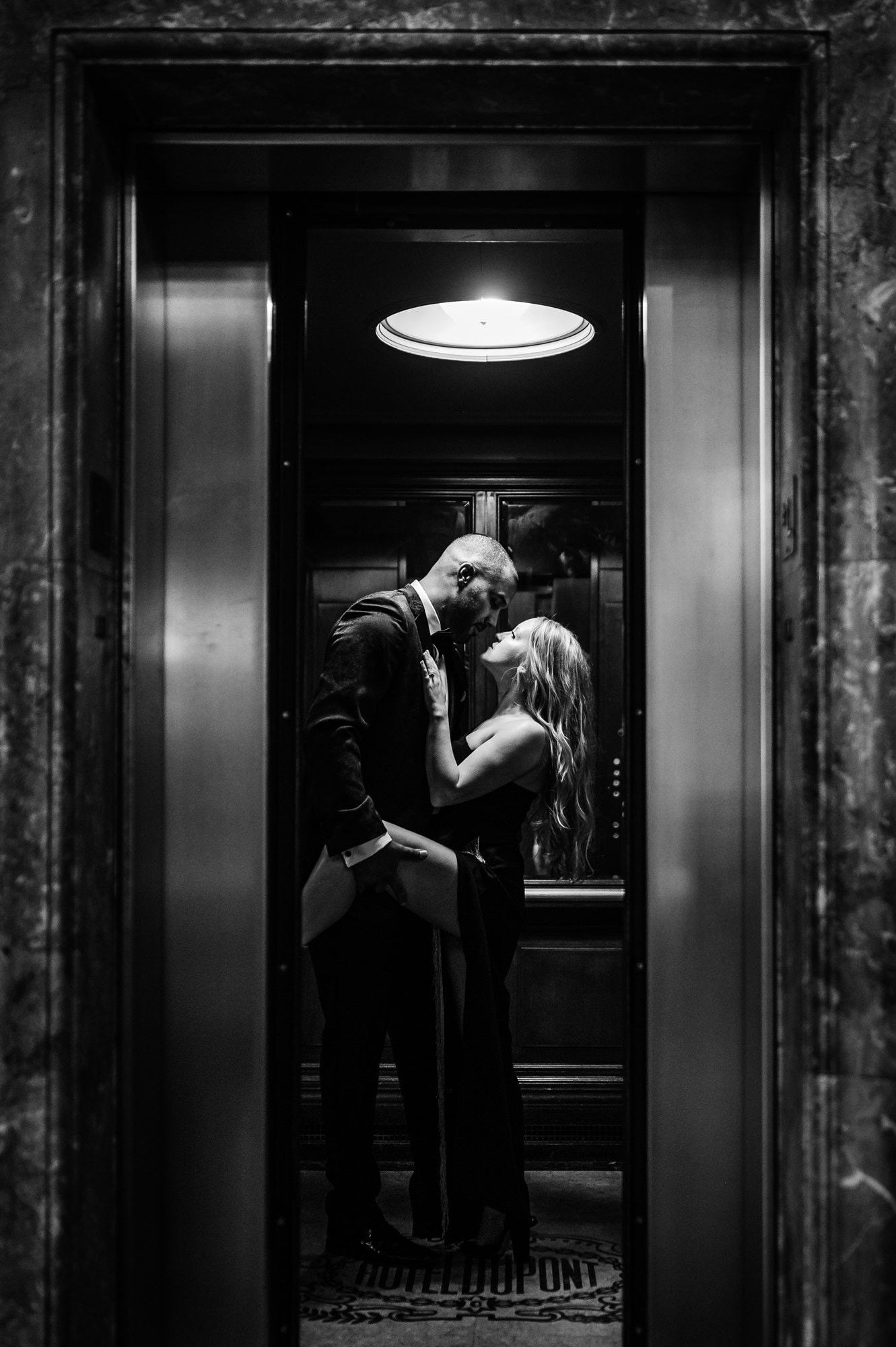

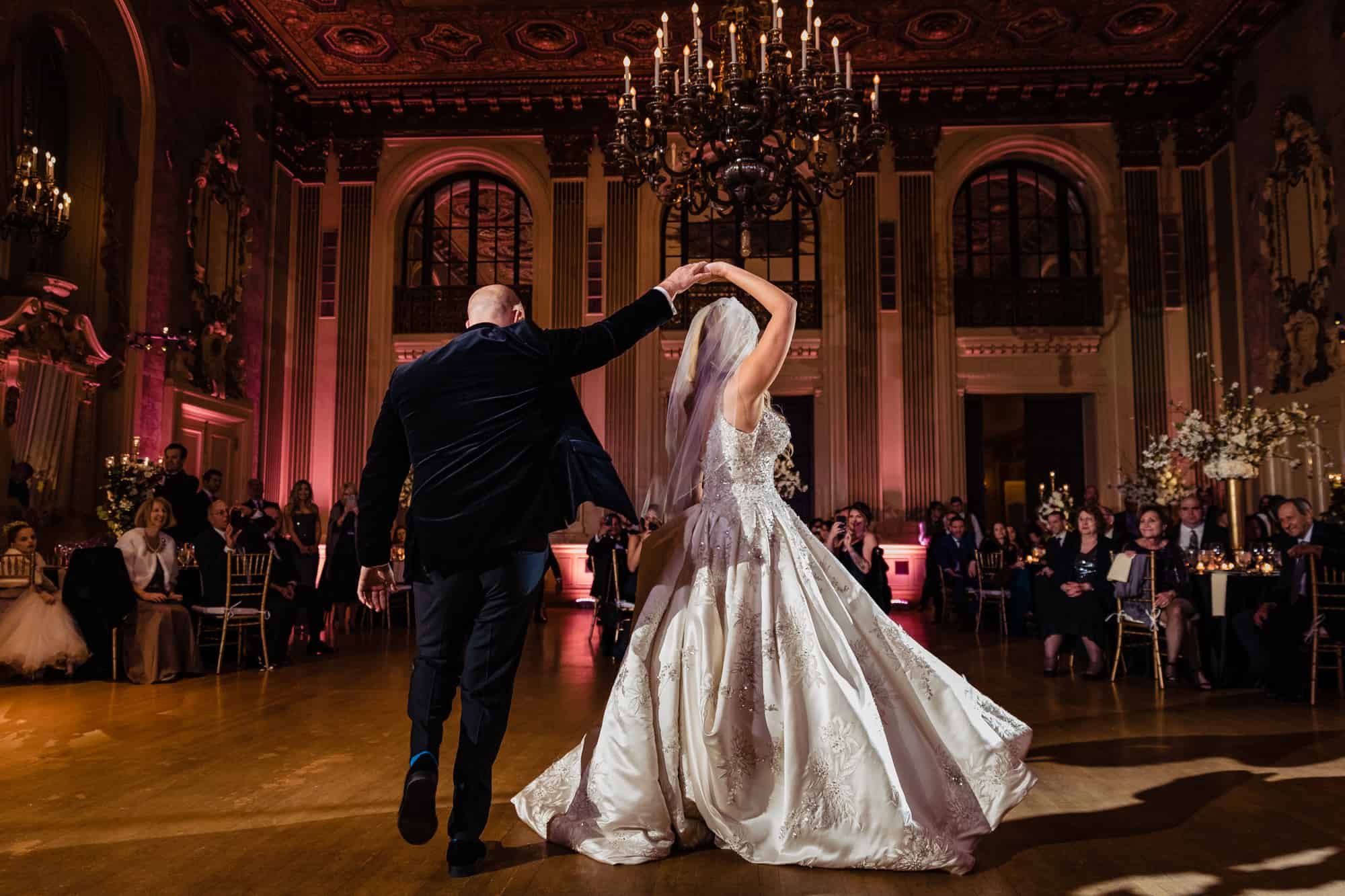
Vie by Cescaphe
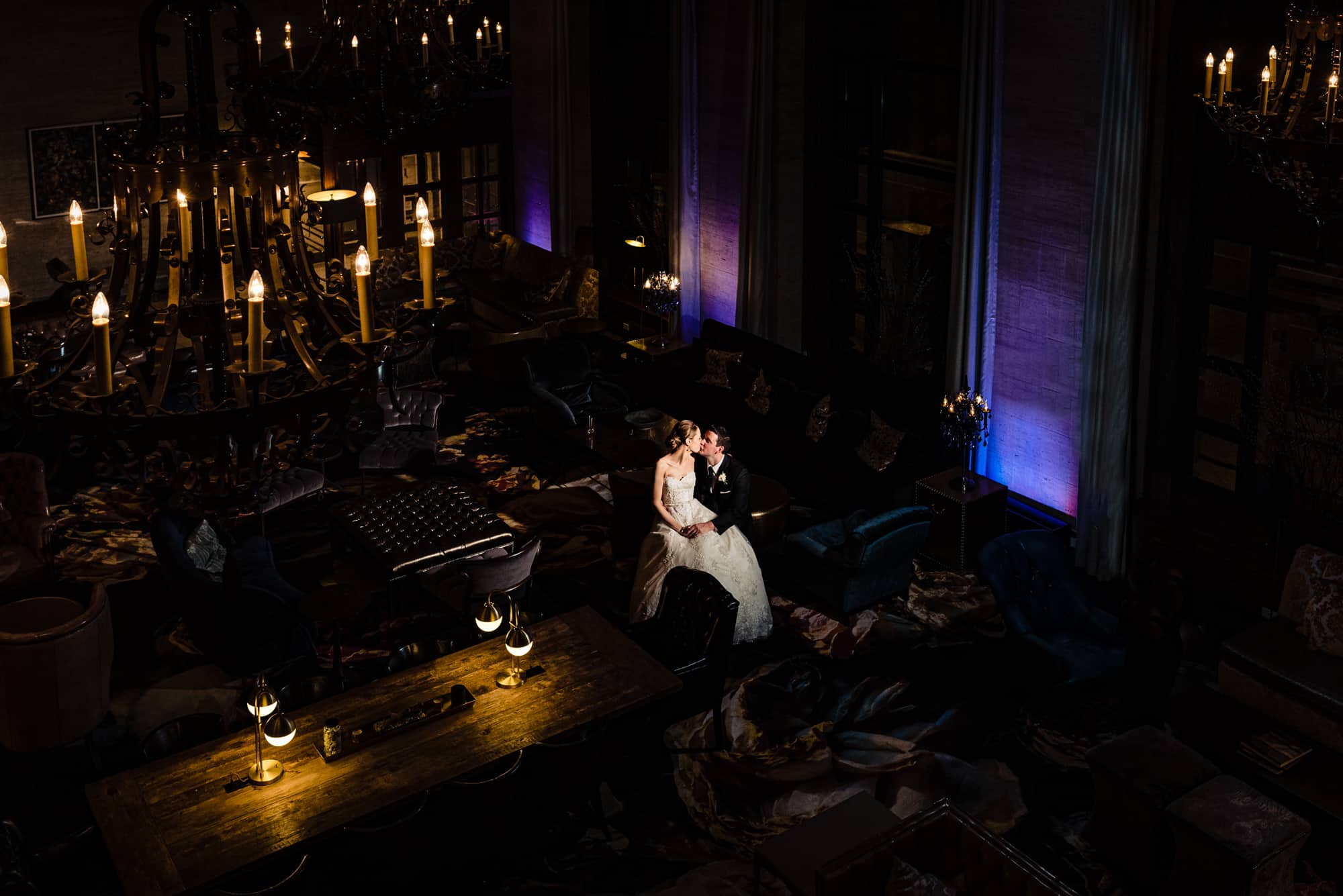
Vie gives couples indoor and outdoor options within the venue. The courtyard creates a different backdrop from the ballroom, so we can change the setting without driving somewhere else. The ballroom itself also gives me architectural lines and reception lighting to work with later in the day. When a venue offers several useful spaces in one location, I can usually keep portrait time more contained.



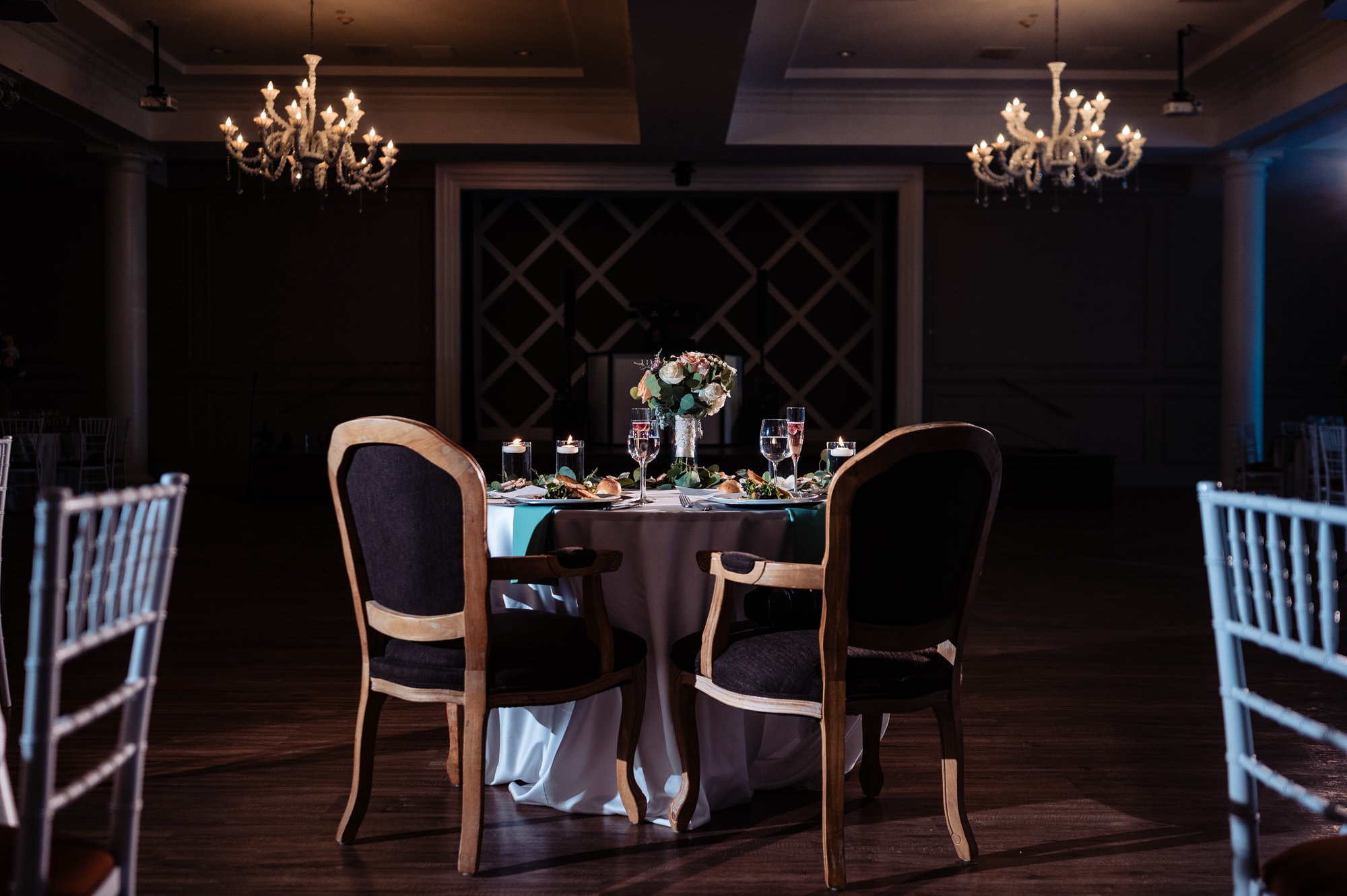


W Philadelphia
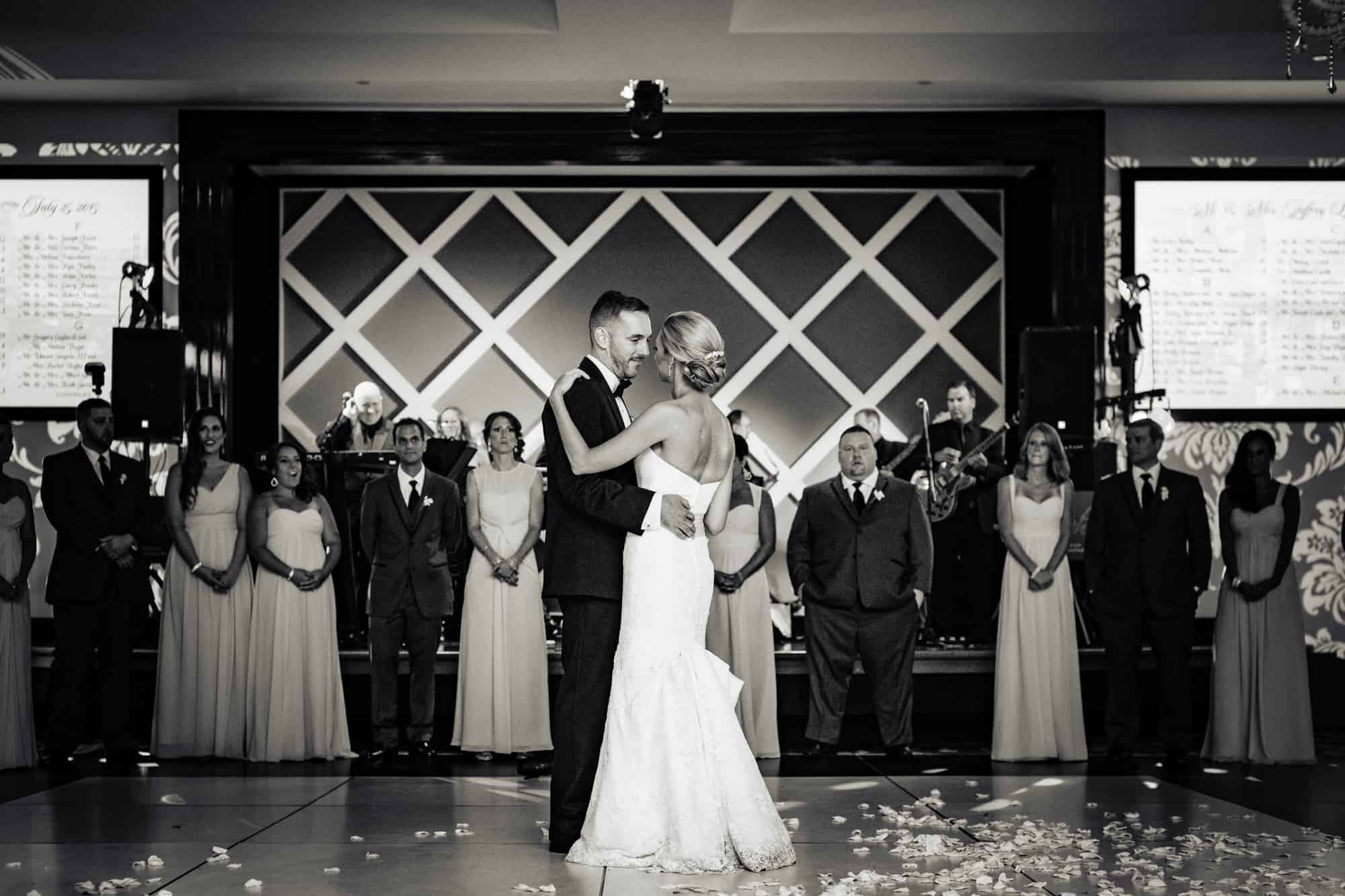
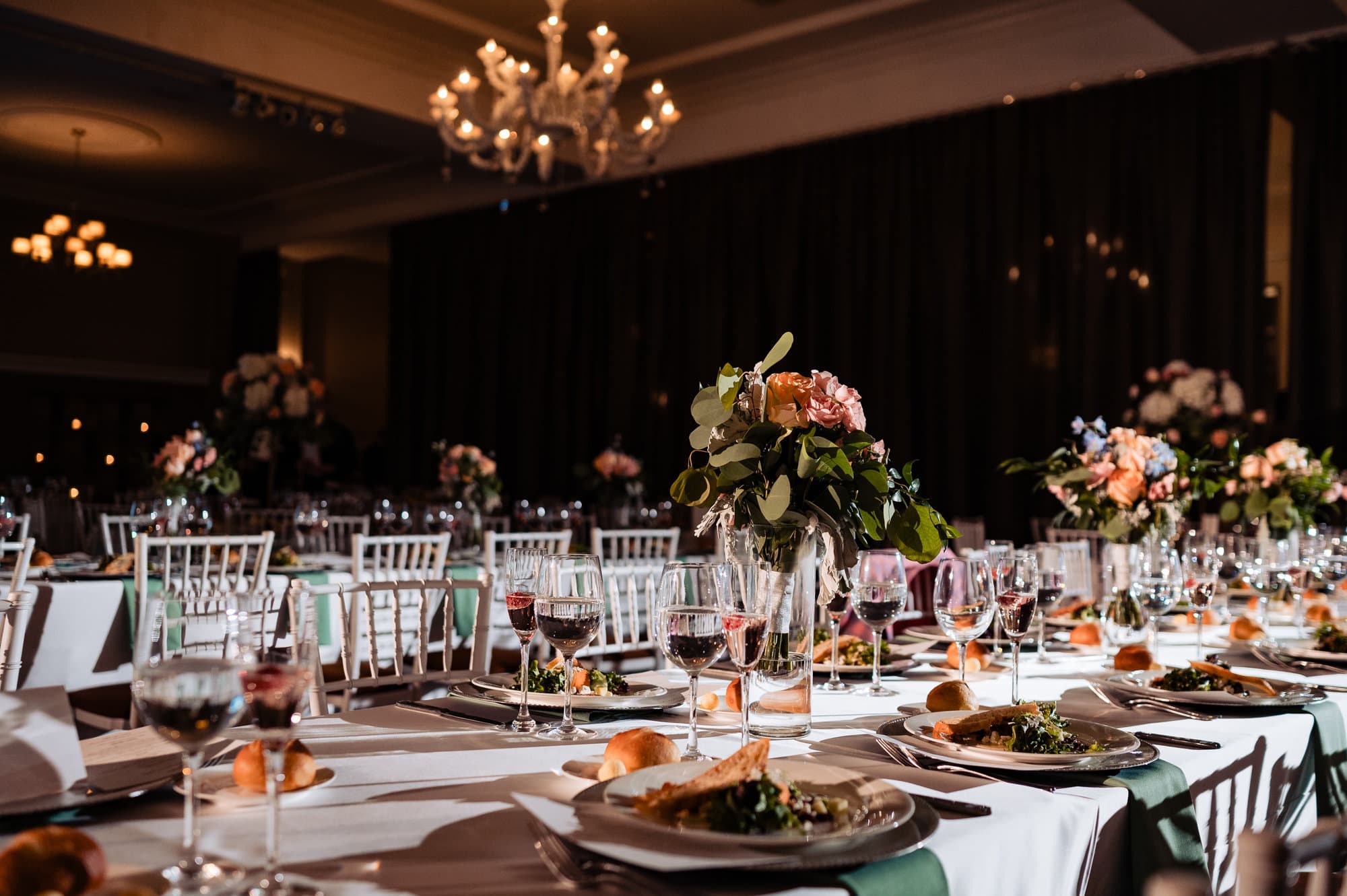
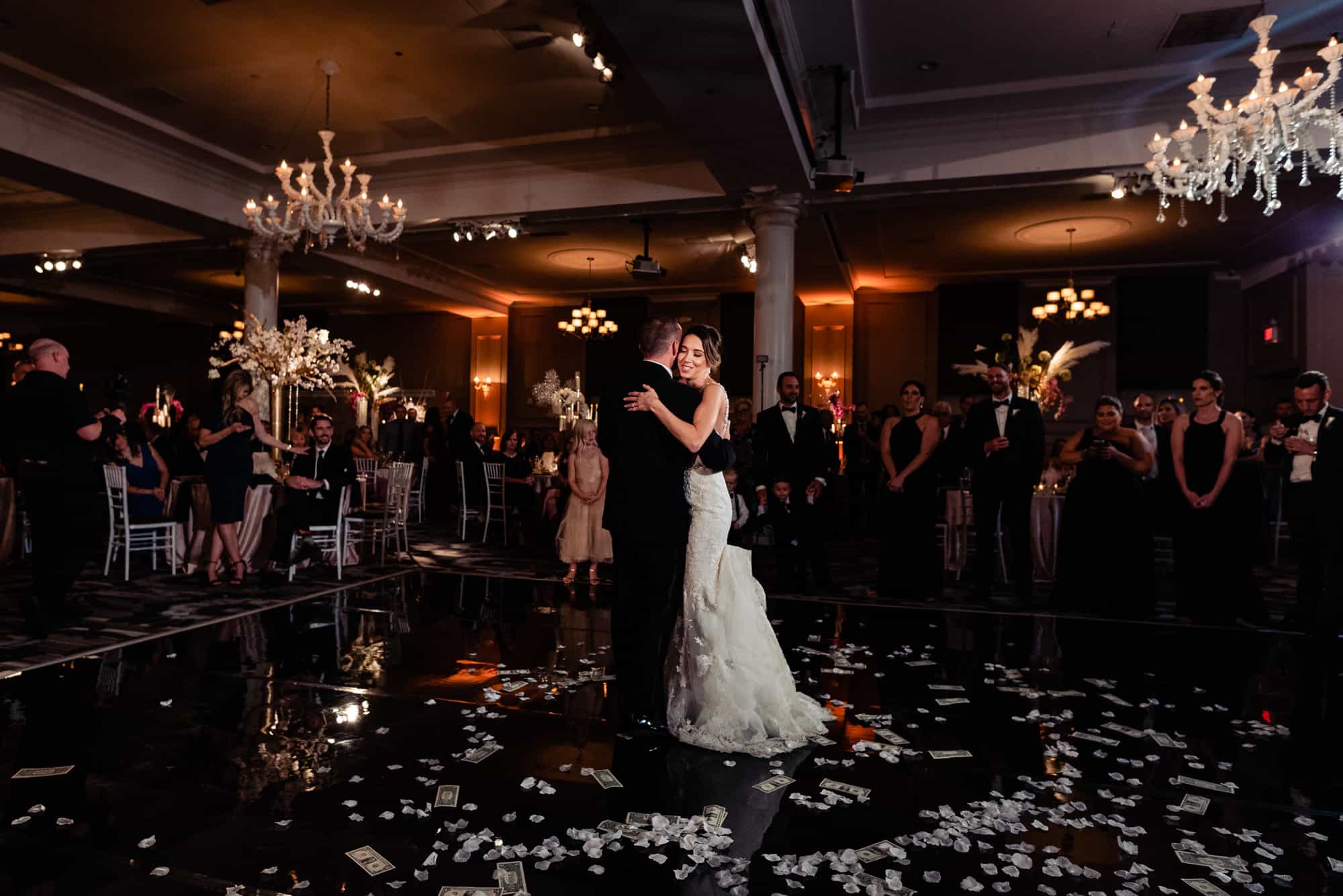
W Philadelphia has large windows, contemporary interiors, and easy access to Center City. Its location also gives us the option of using nearby Philadelphia architecture, including City Hall, when the timeline allows. This is where planning travel realistically matters.
Something may look very close on a map, but leaving the hotel, crossing streets, managing a wedding party, and returning to the venue all take time. I would rather plan a short route that gives us strong photographs than try to fit too many locations into a limited portrait window.
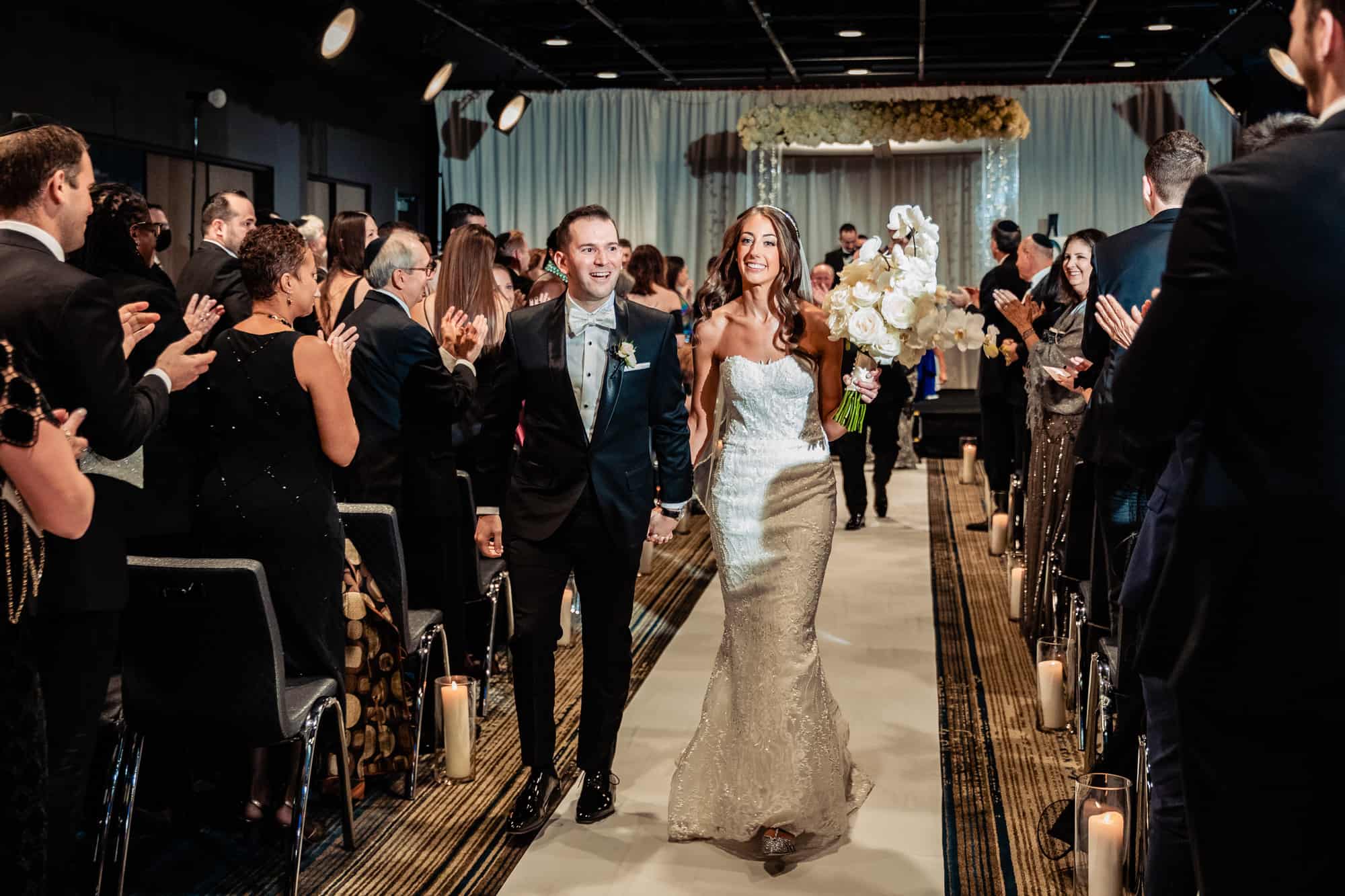
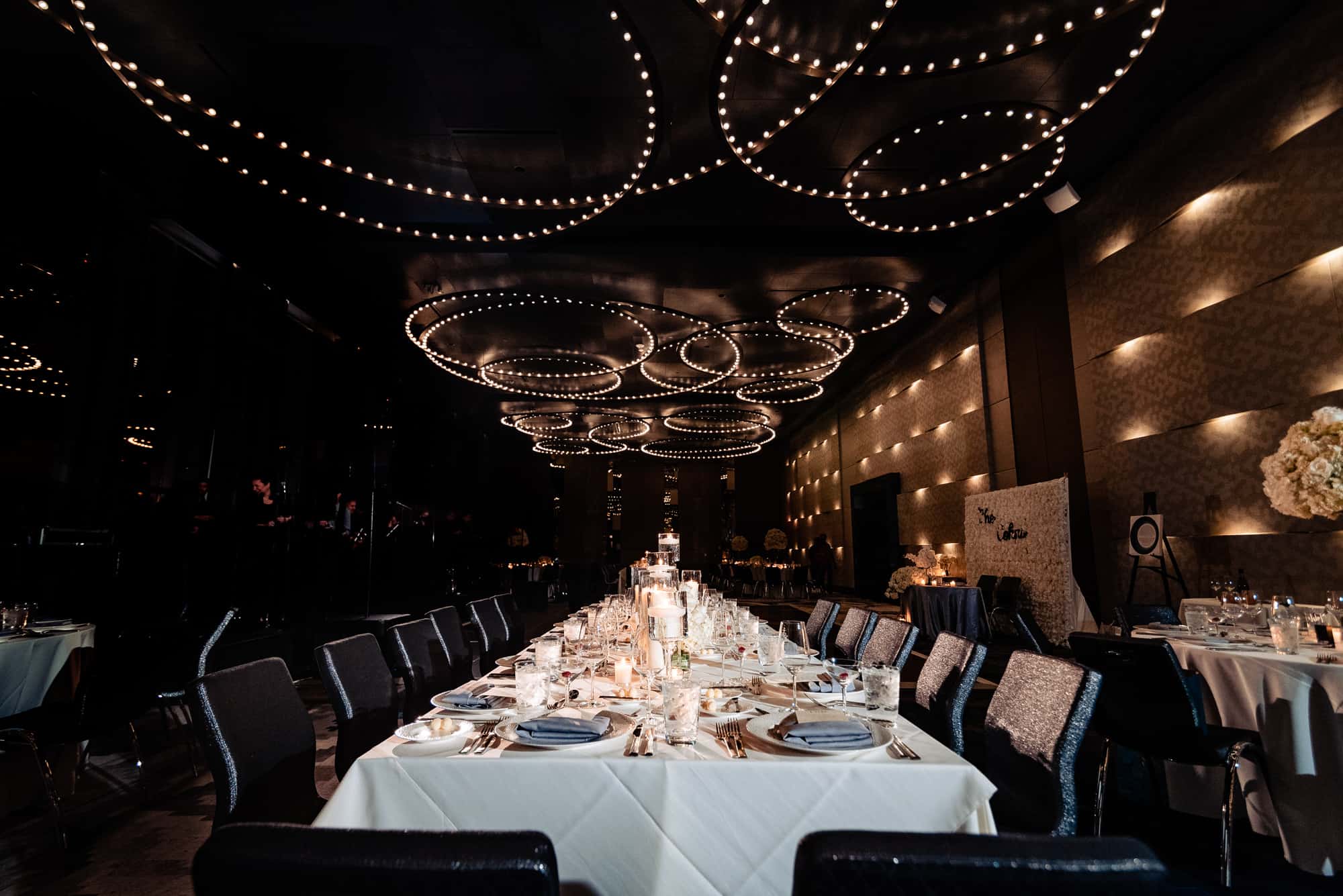


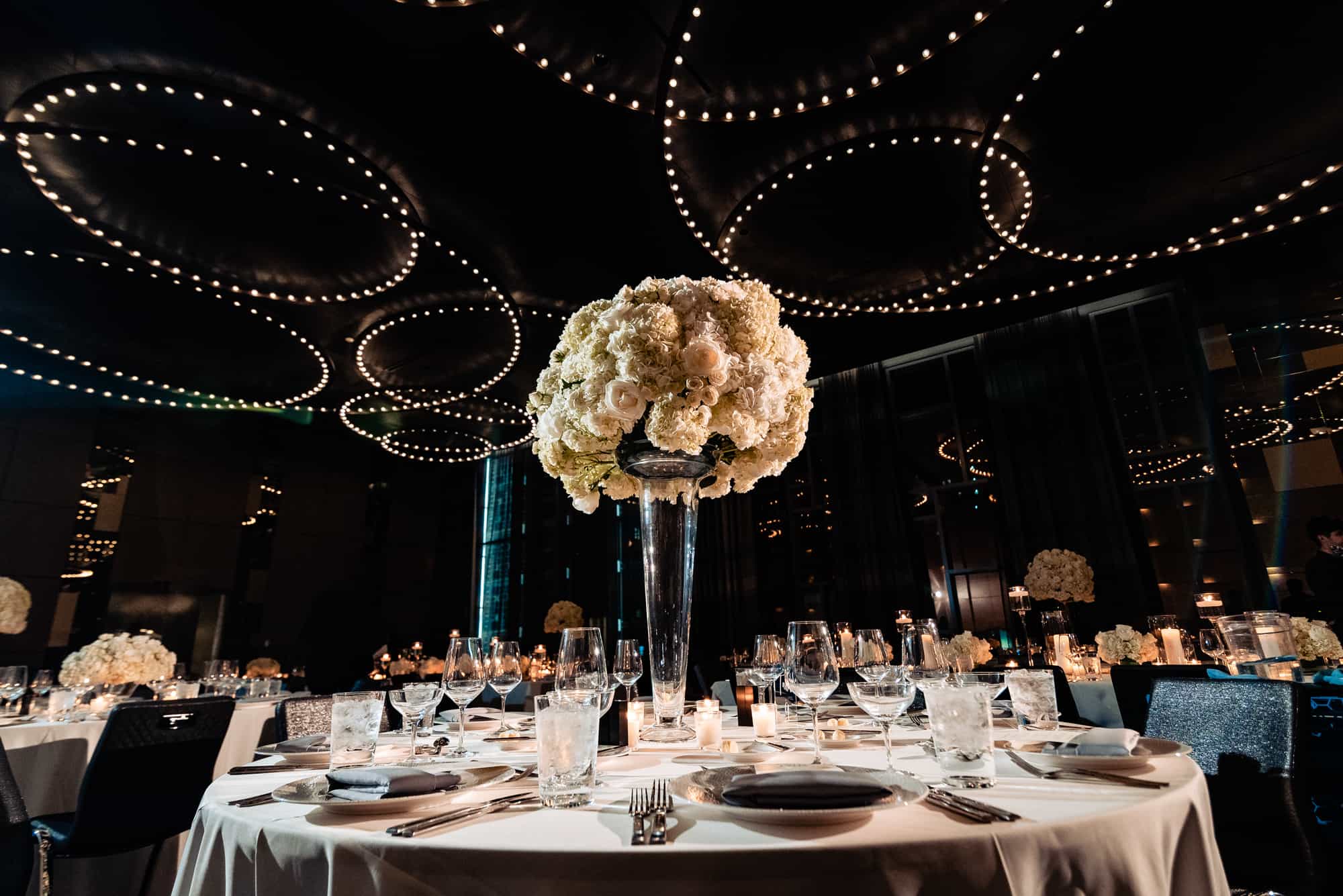


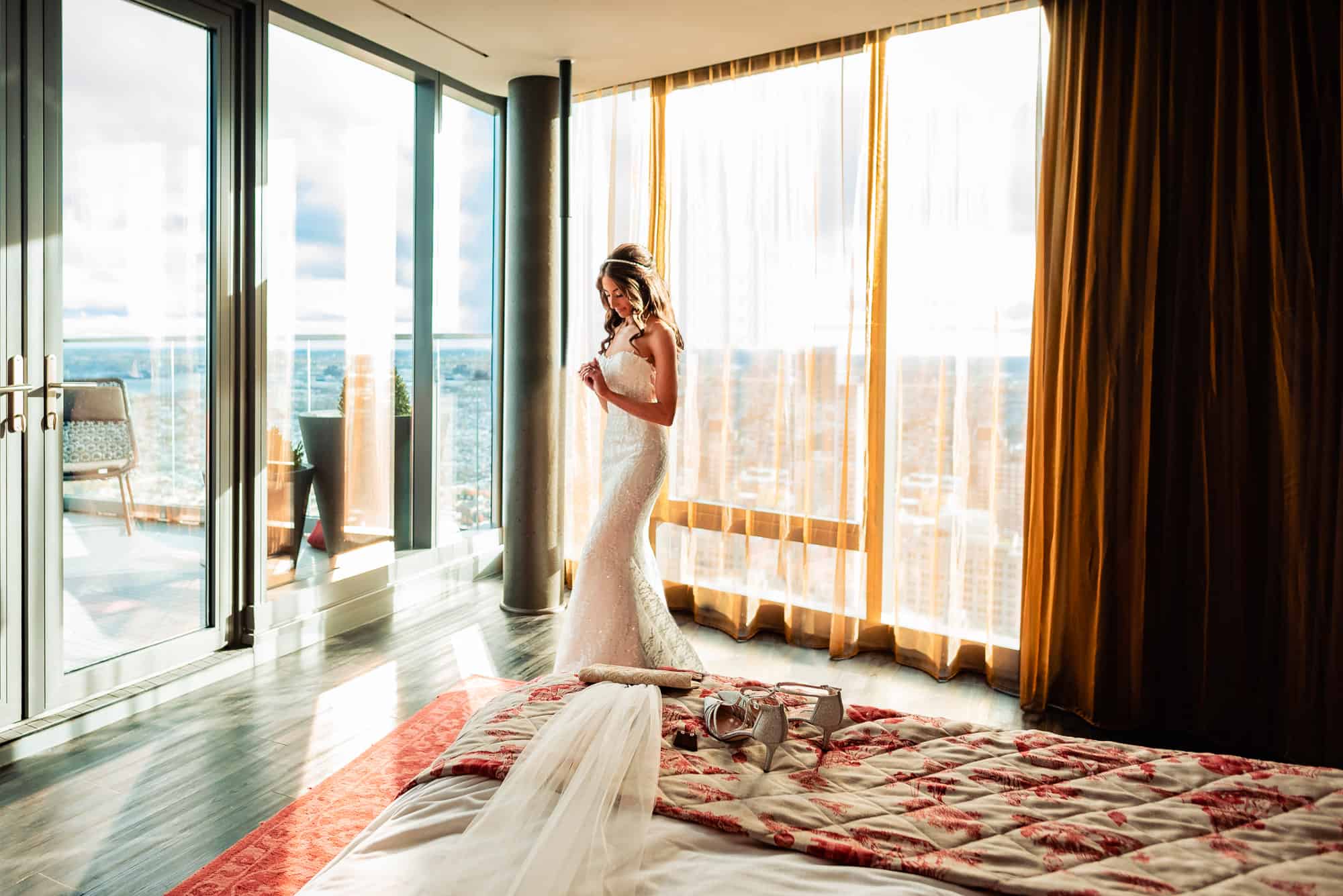
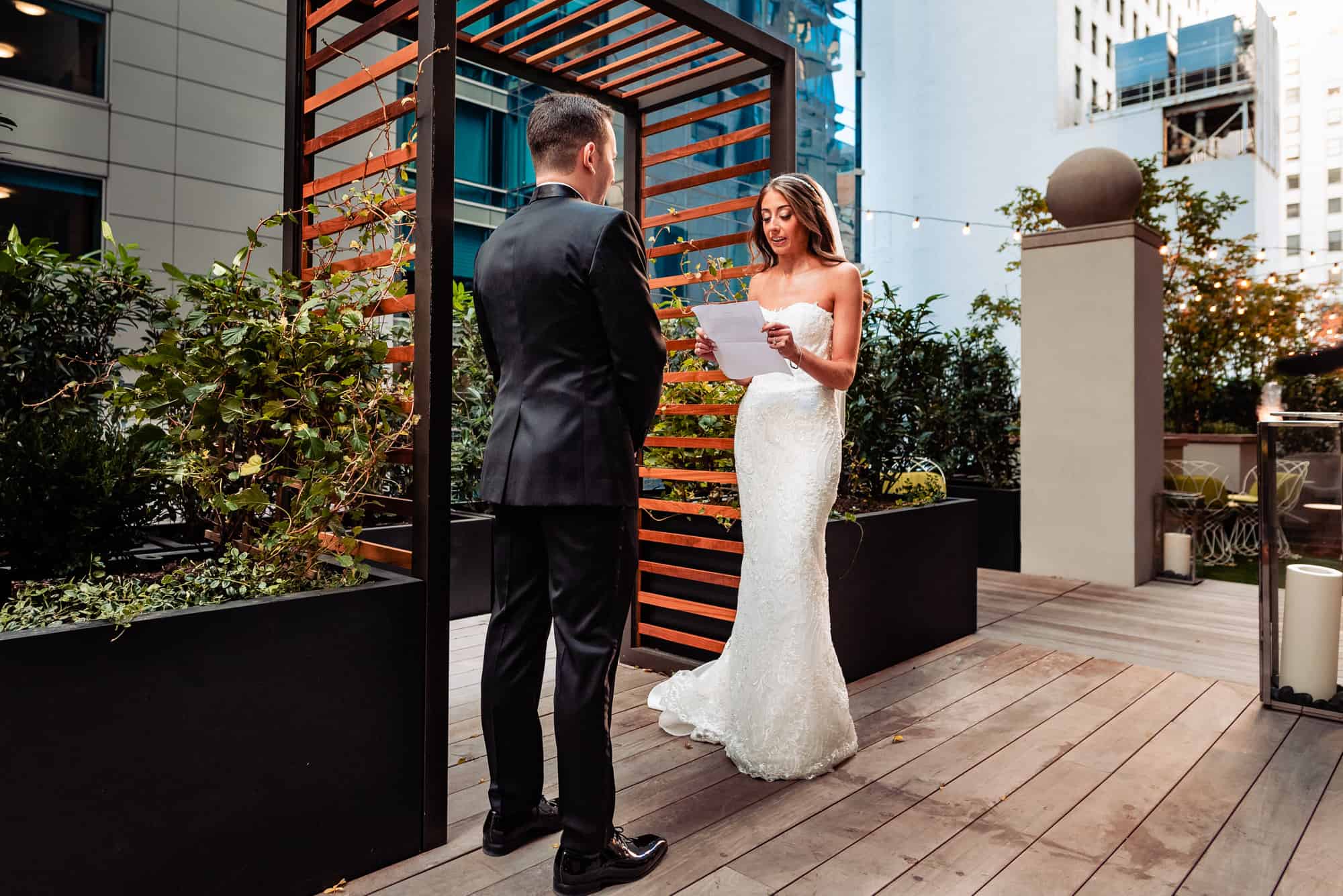


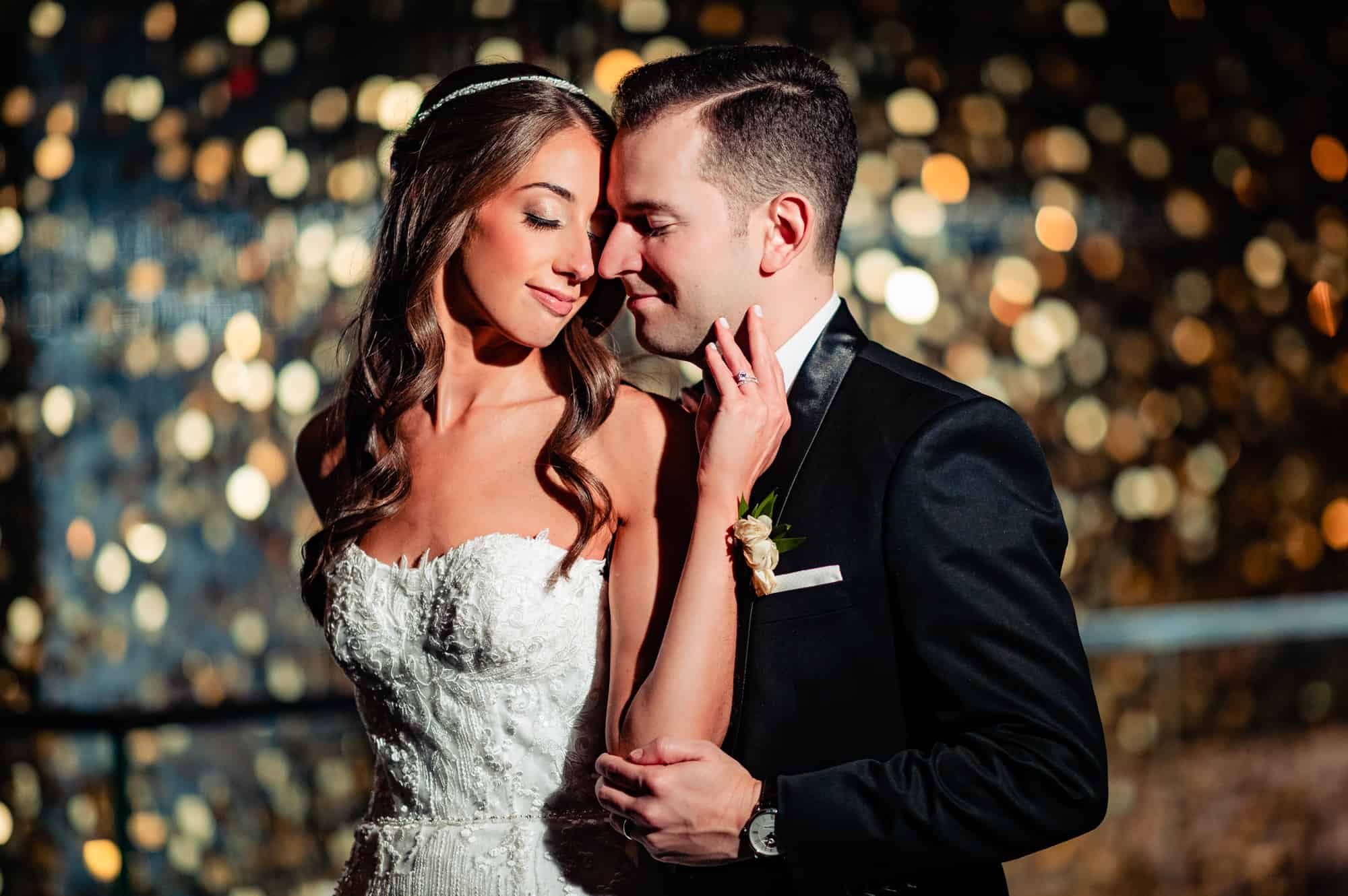
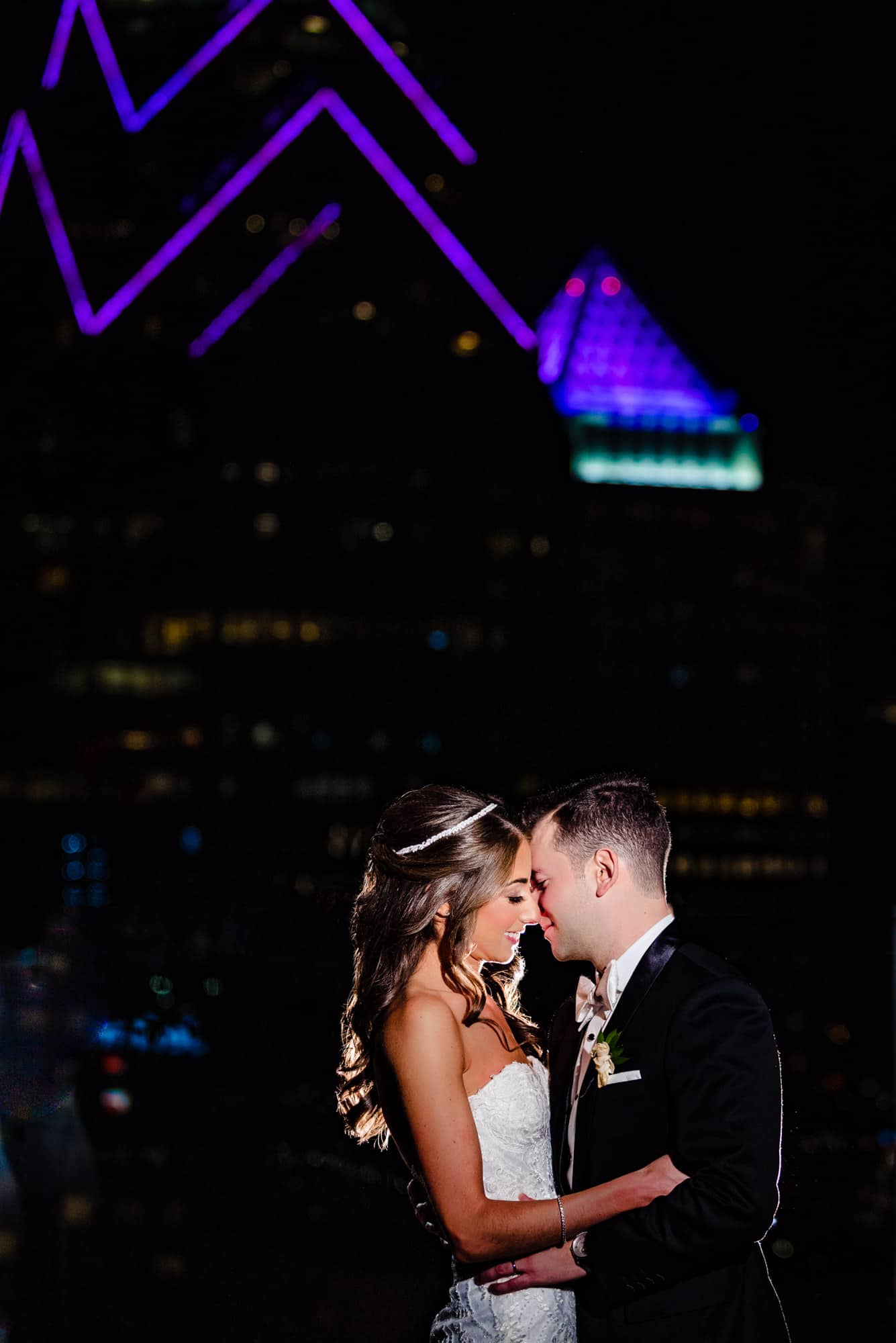


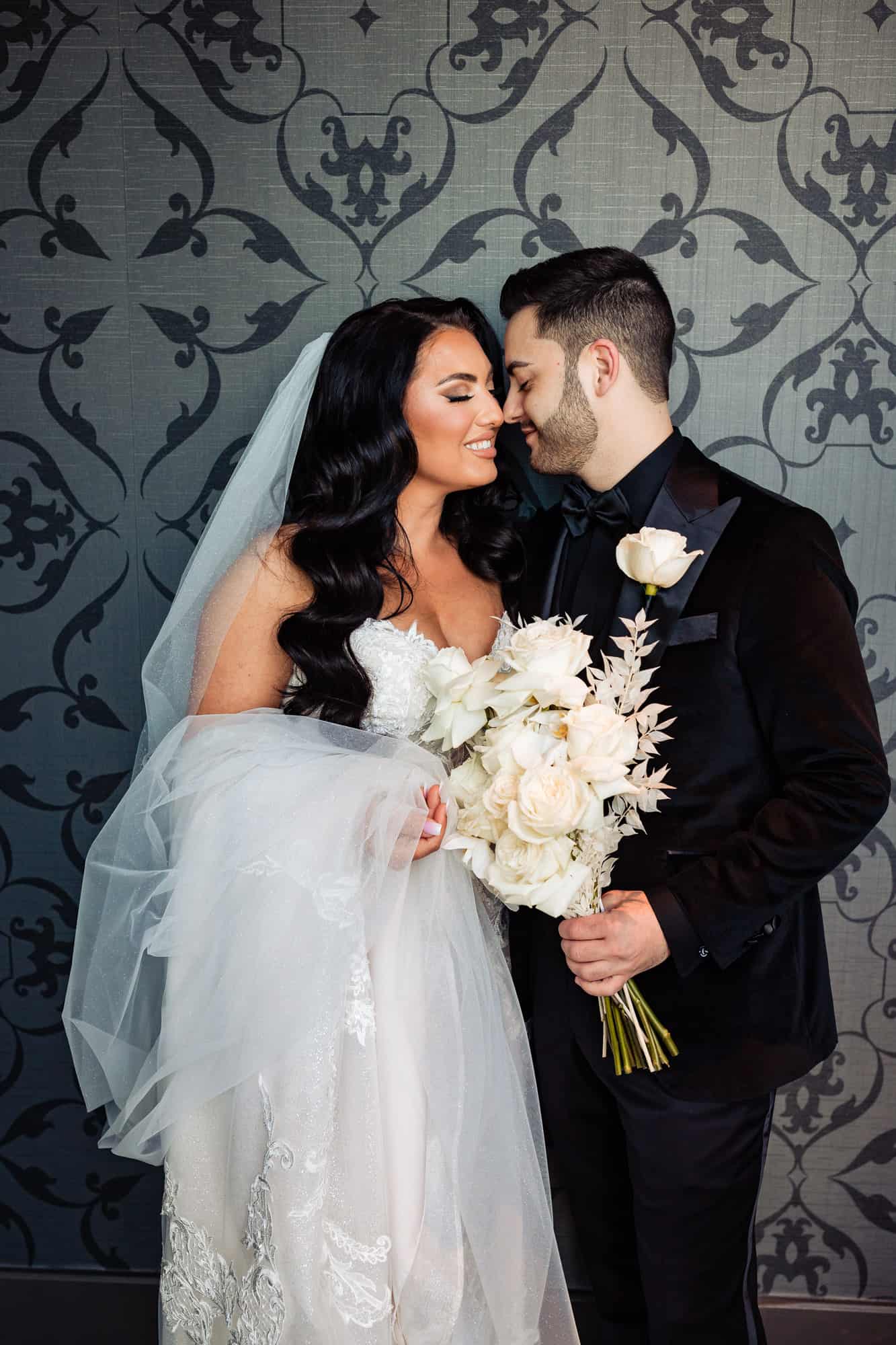

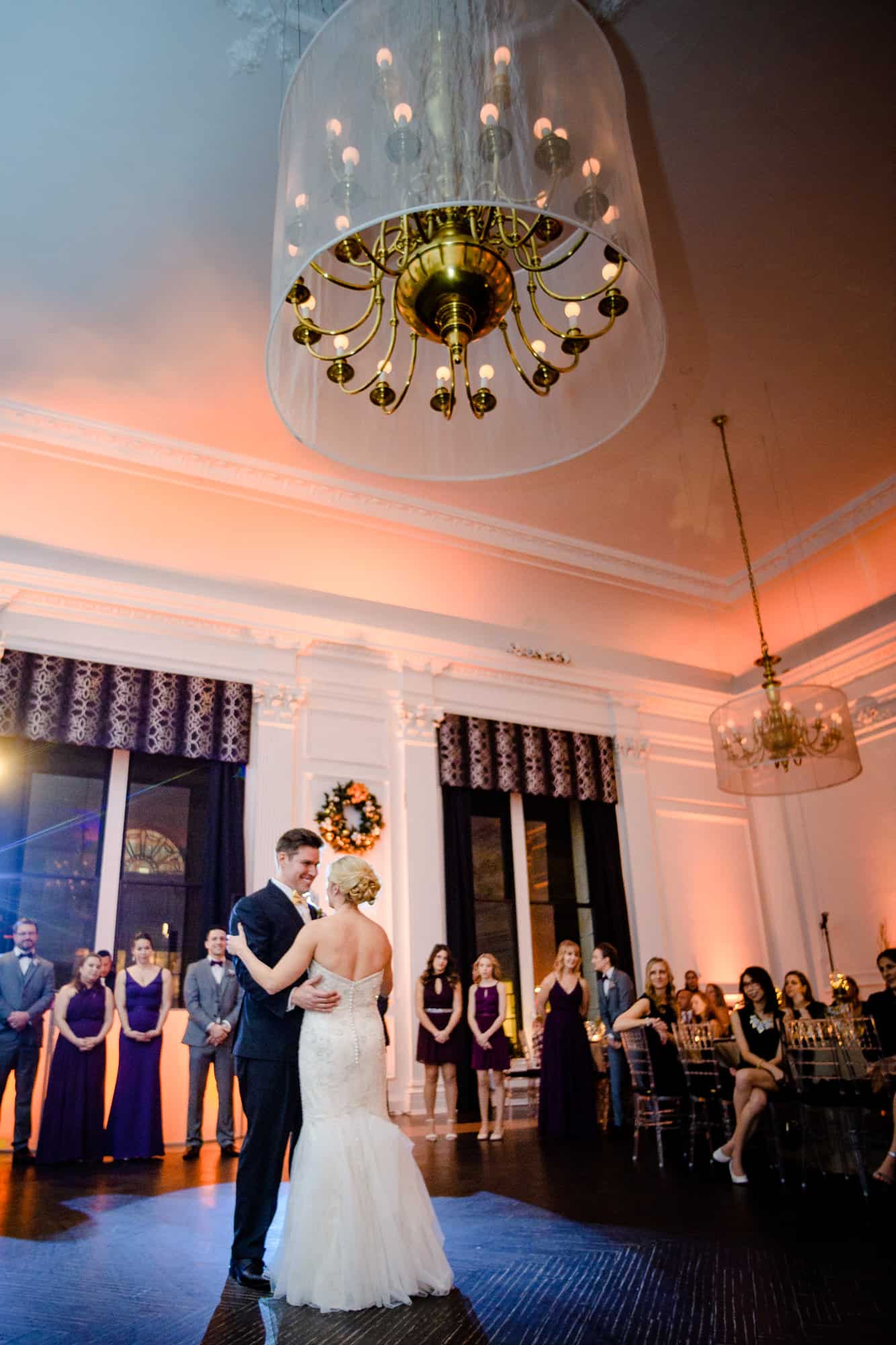
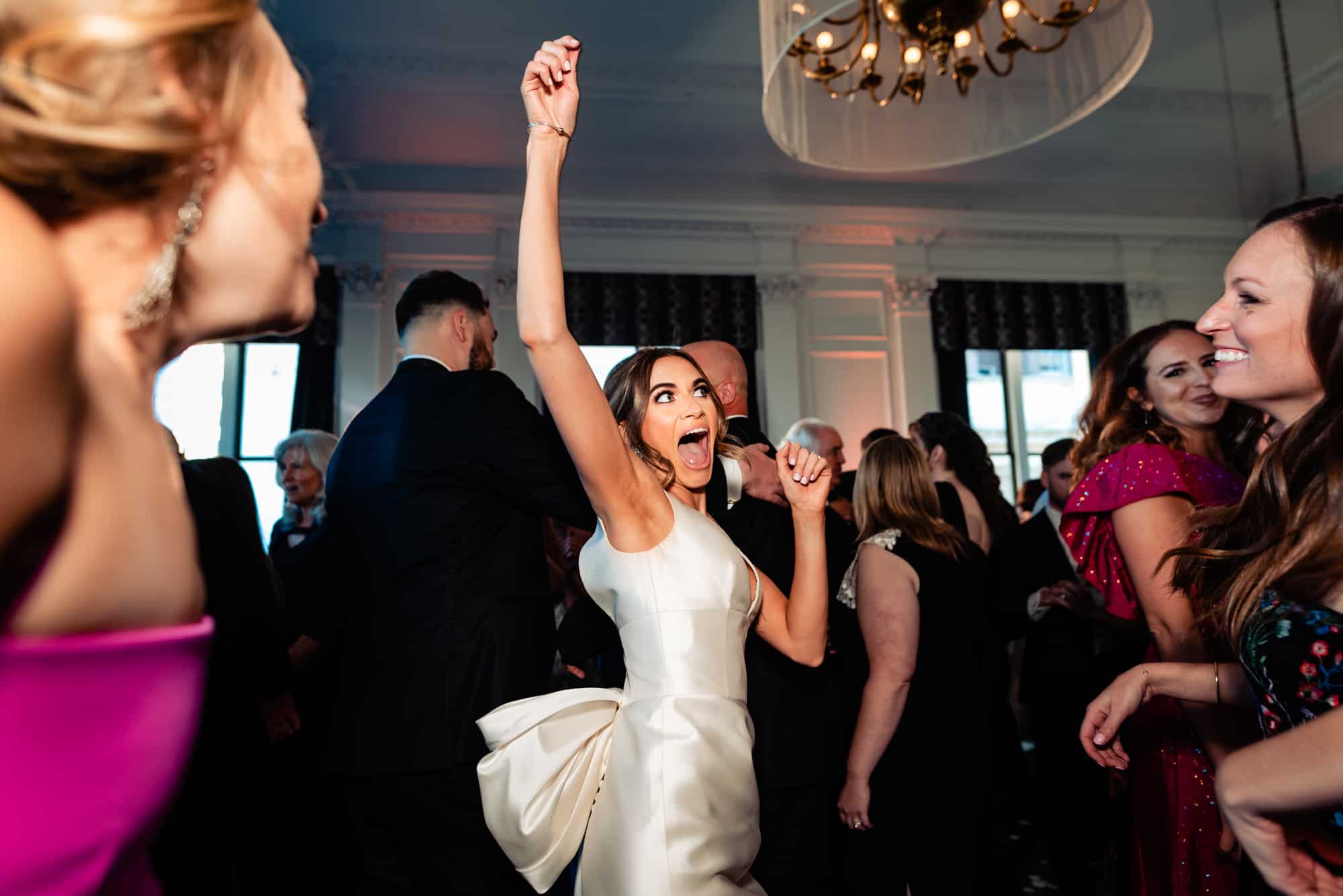
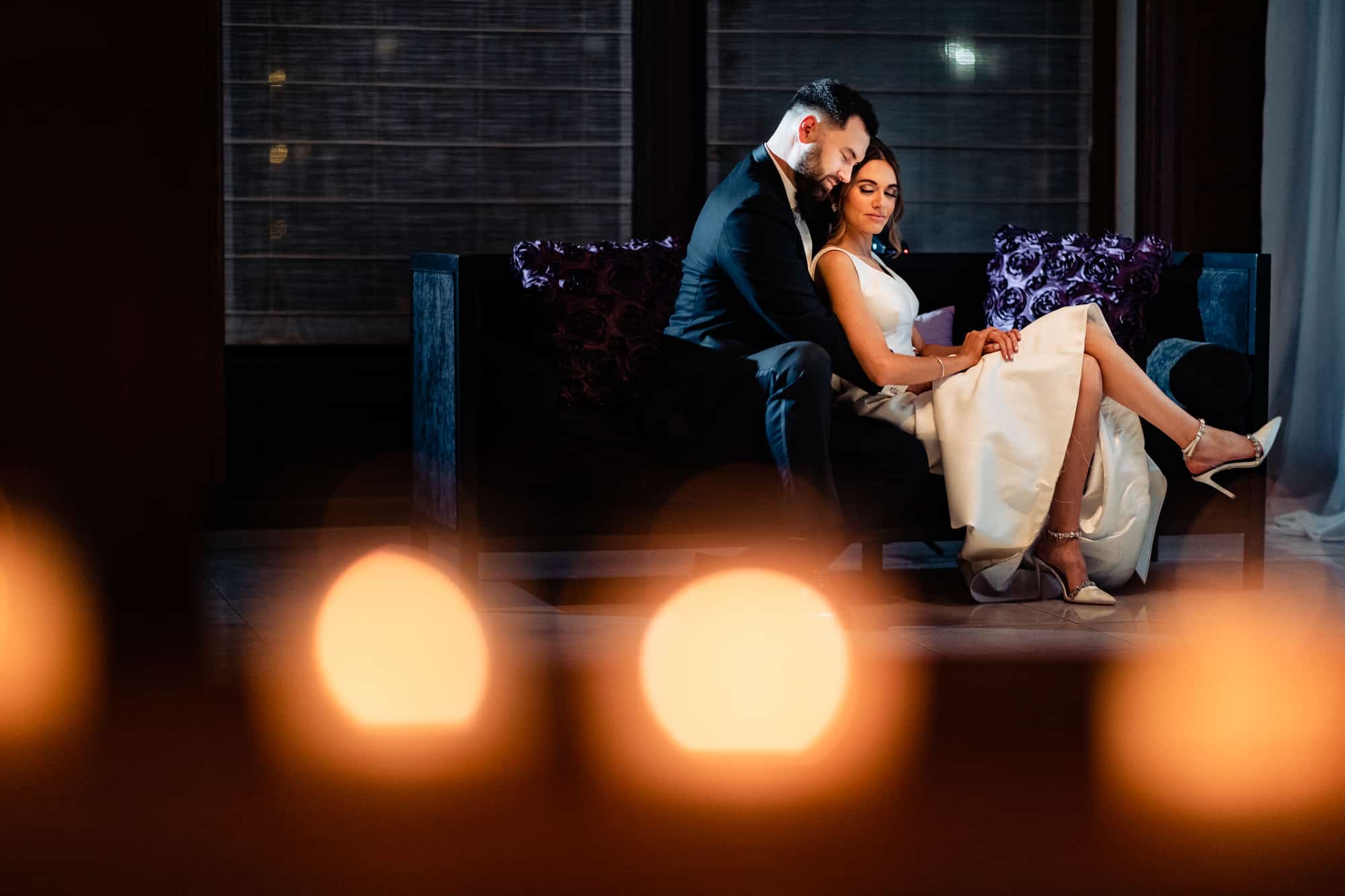
The Down Town Club (by Cescaphe)
The Down Town Club combines ballroom interiors with large windows and city views. The available light can change throughout the day, particularly as we move toward sunset and the reception.
This is a good example of why photographers should be comfortable working with both available light and their own lighting when needed. Your wedding does not stop once the natural light is gone.

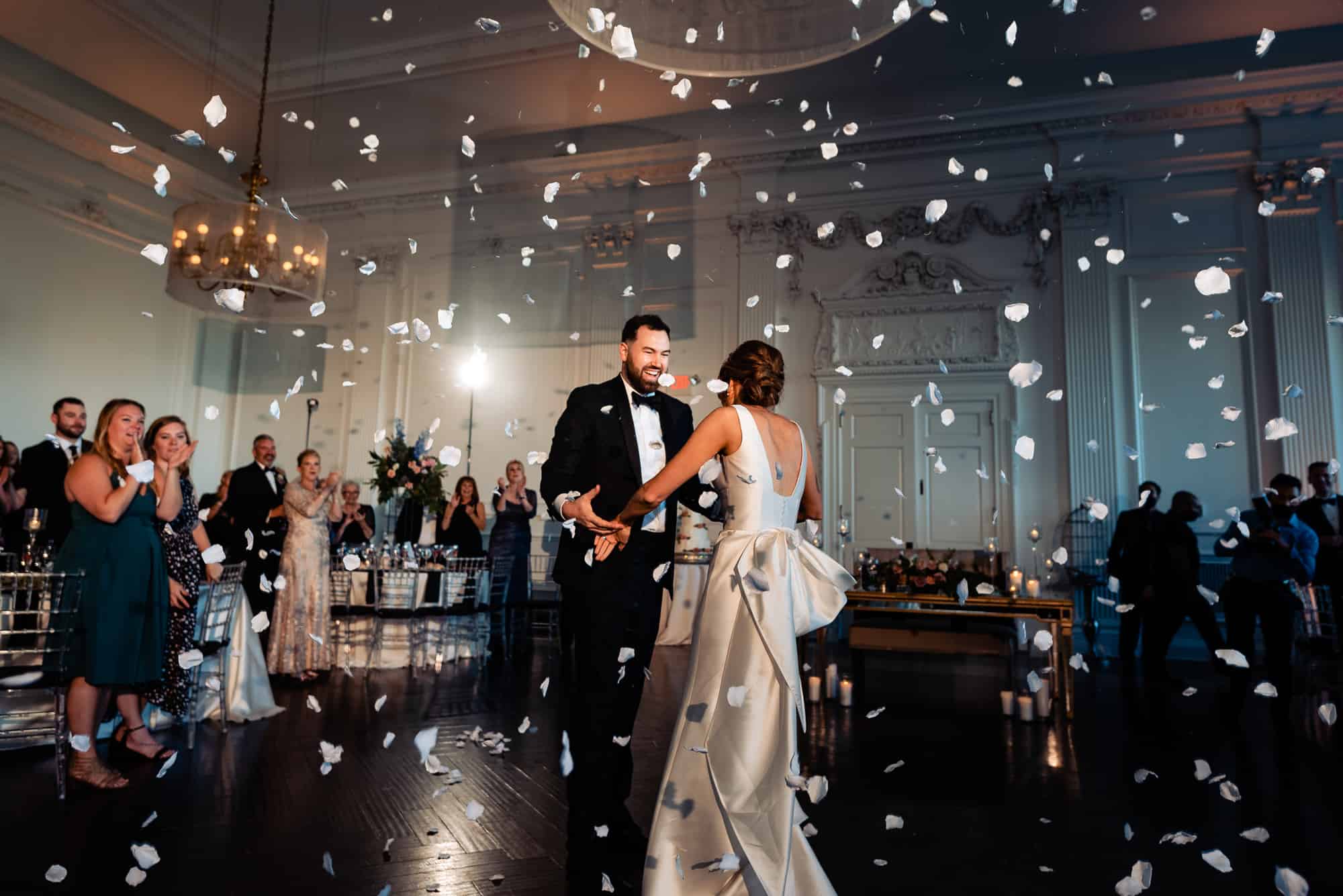


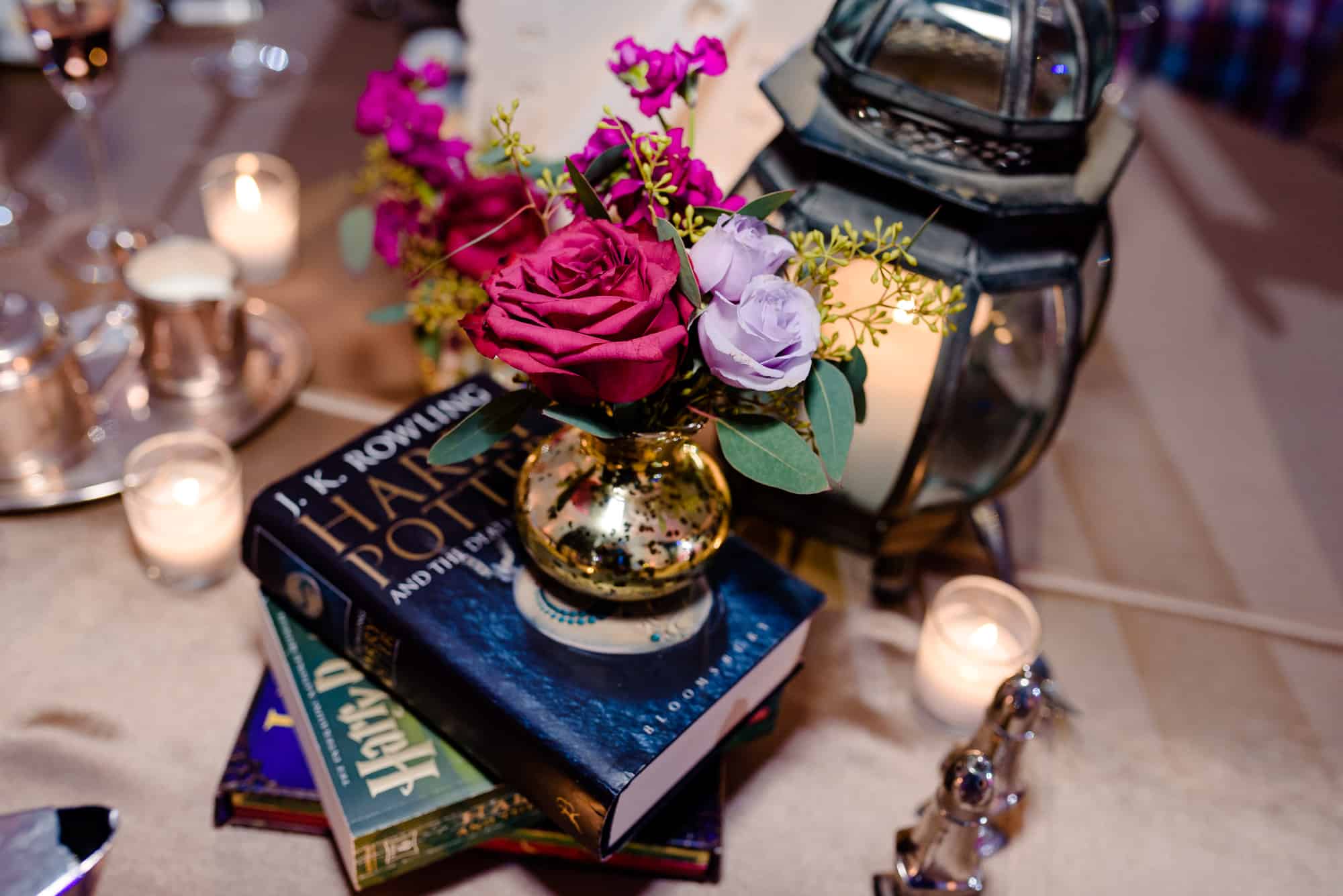
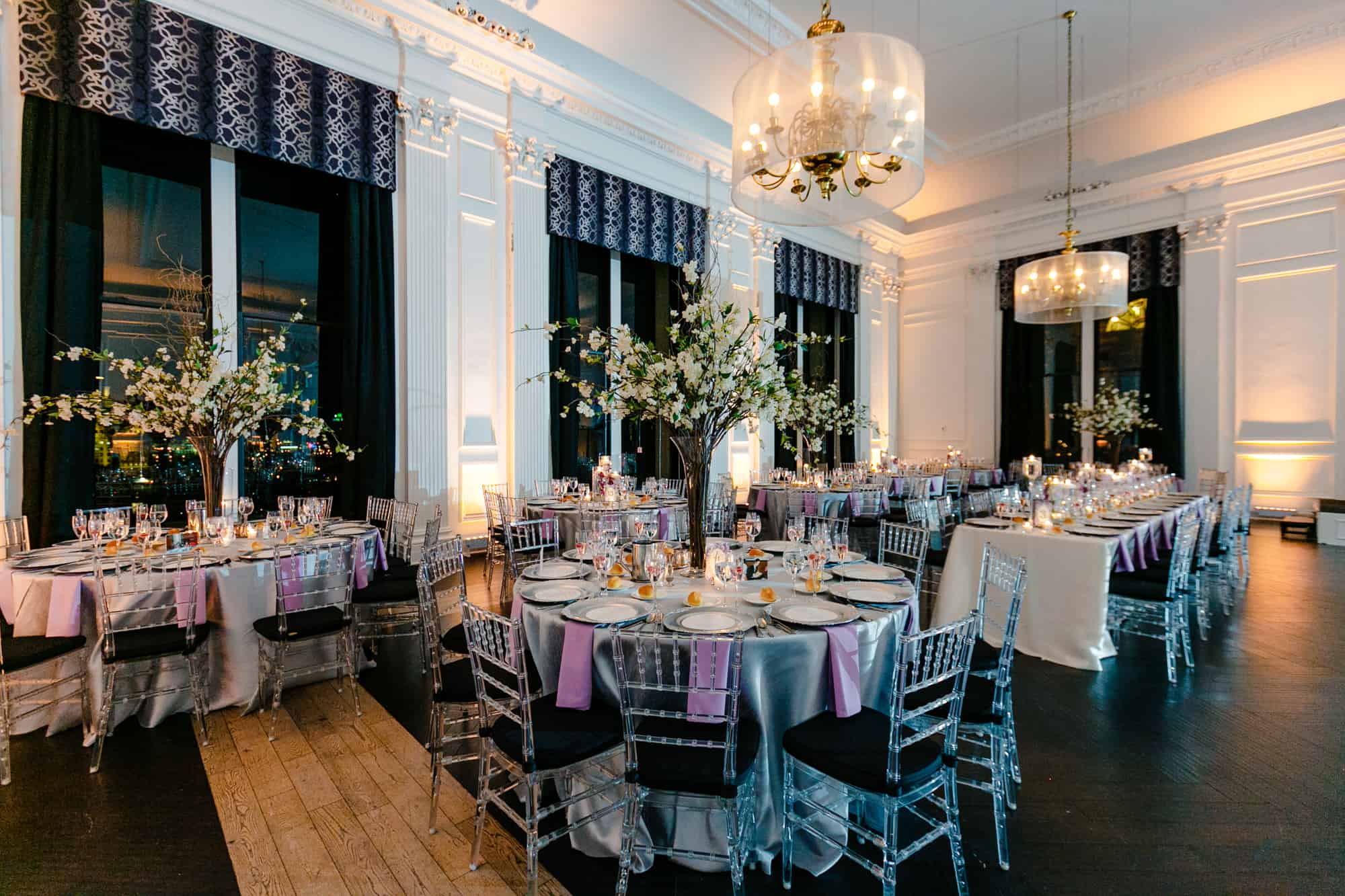







Water Works (by Cescaphe)
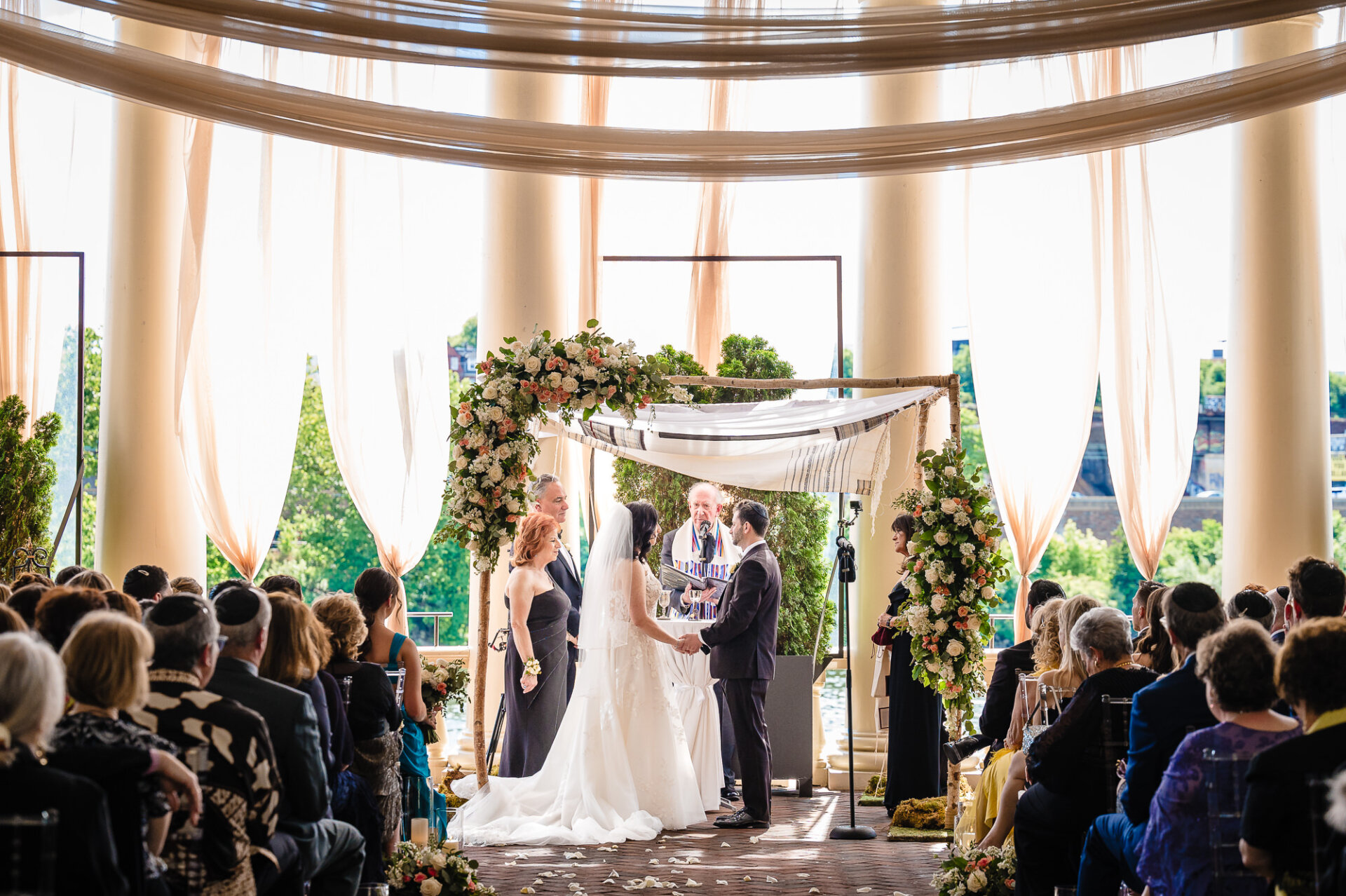
Water Works gives us river views, stone architecture, columns, walkways, and outdoor areas within the same property. Having several backgrounds close to one another can be particularly useful when we are working within a shorter portrait timeline.
Weather also affects how we use a venue like Water Works. If conditions change, I am looking at which parts of the property still give us good light, useful cover, and backgrounds that fit the photographs we are making.


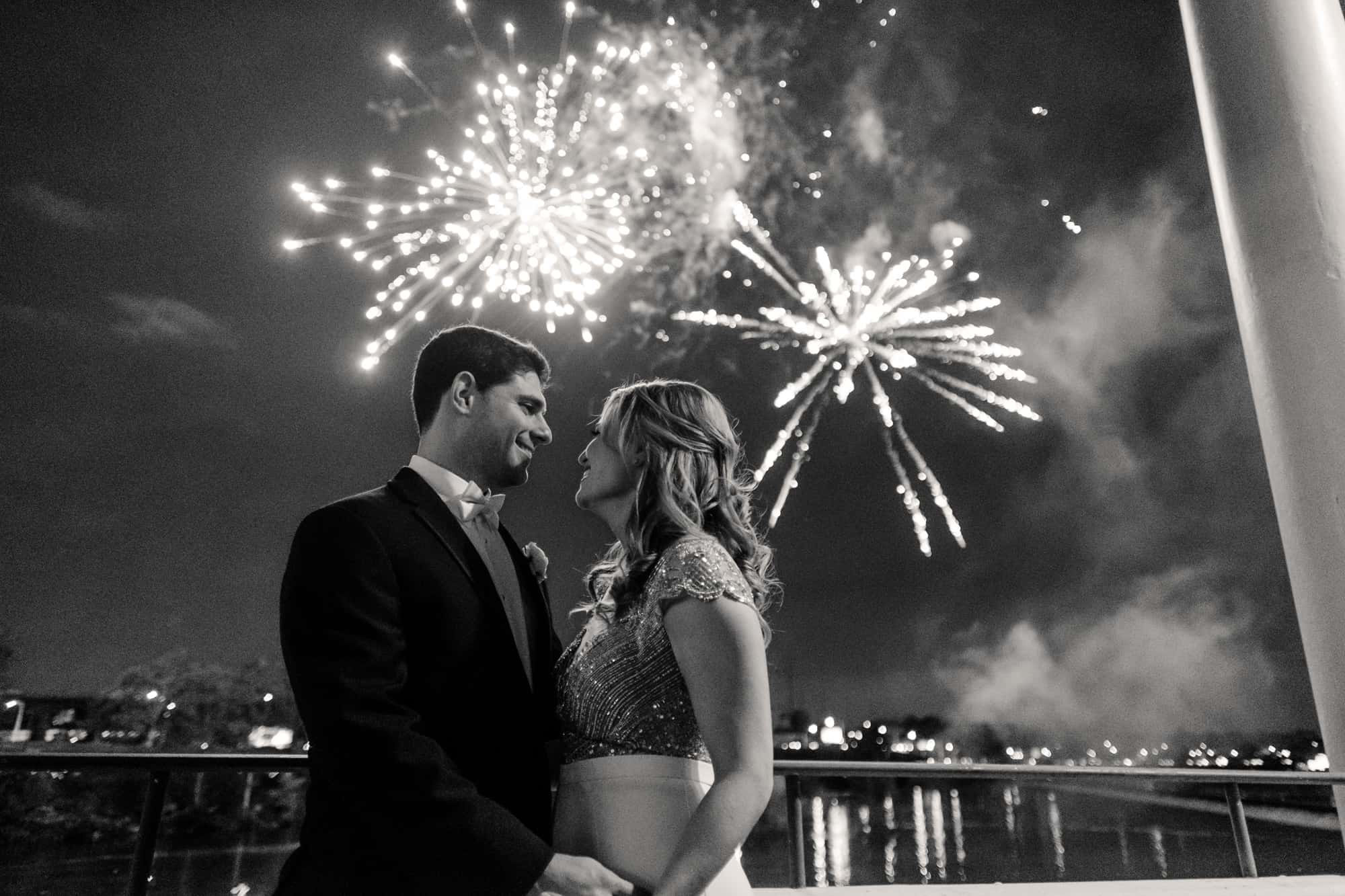


Tendenza
Tendenza has a very different visual character from Philadelphia’s historic hotels and ballrooms. Its surfaces, lighting, and interior design call for a different approach. This is another reason I do not believe venue familiarity should mean repeating a formula. A photographer should be able to adjust how they compose and light photographs based on the room in front of them rather than making every venue look the same.


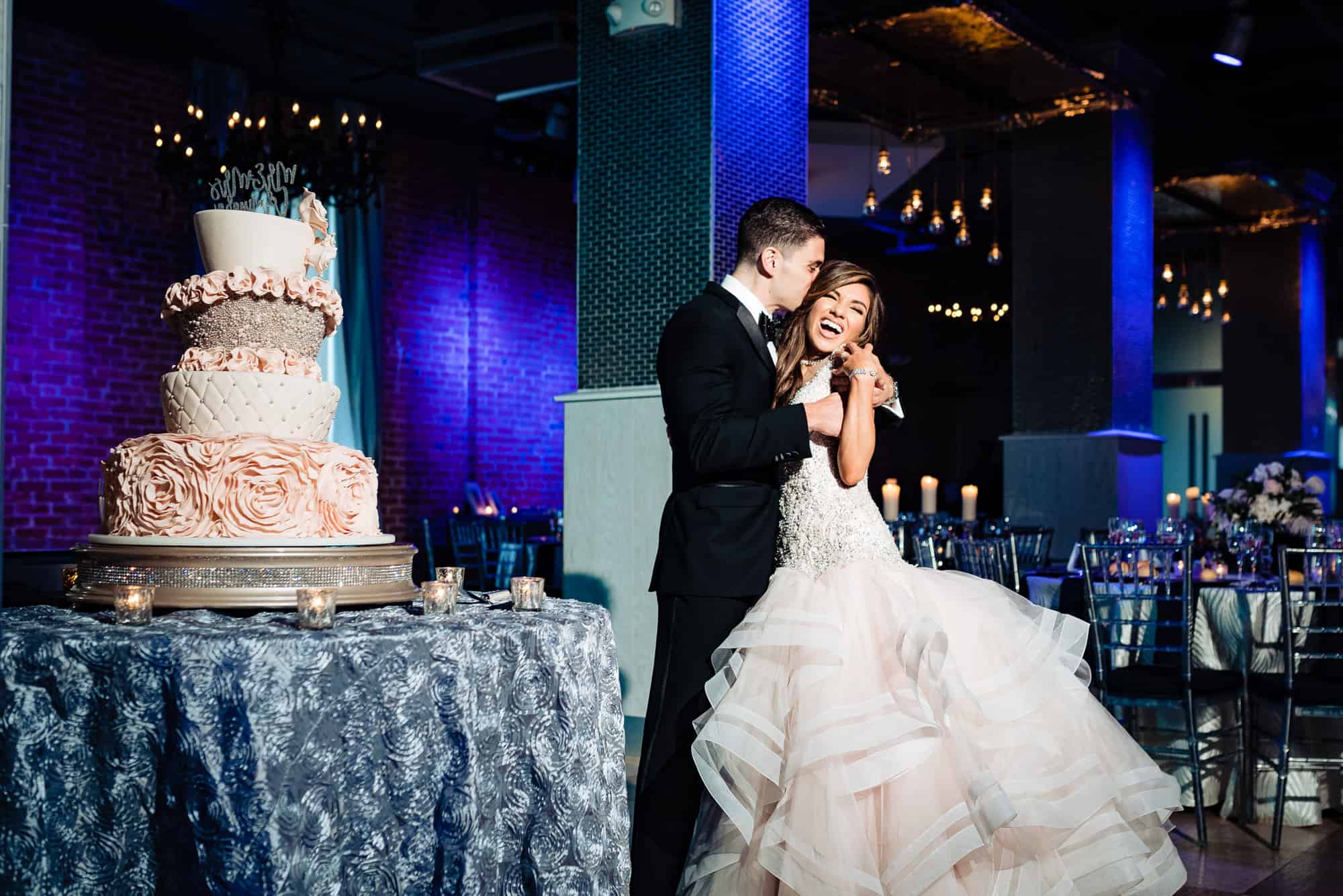


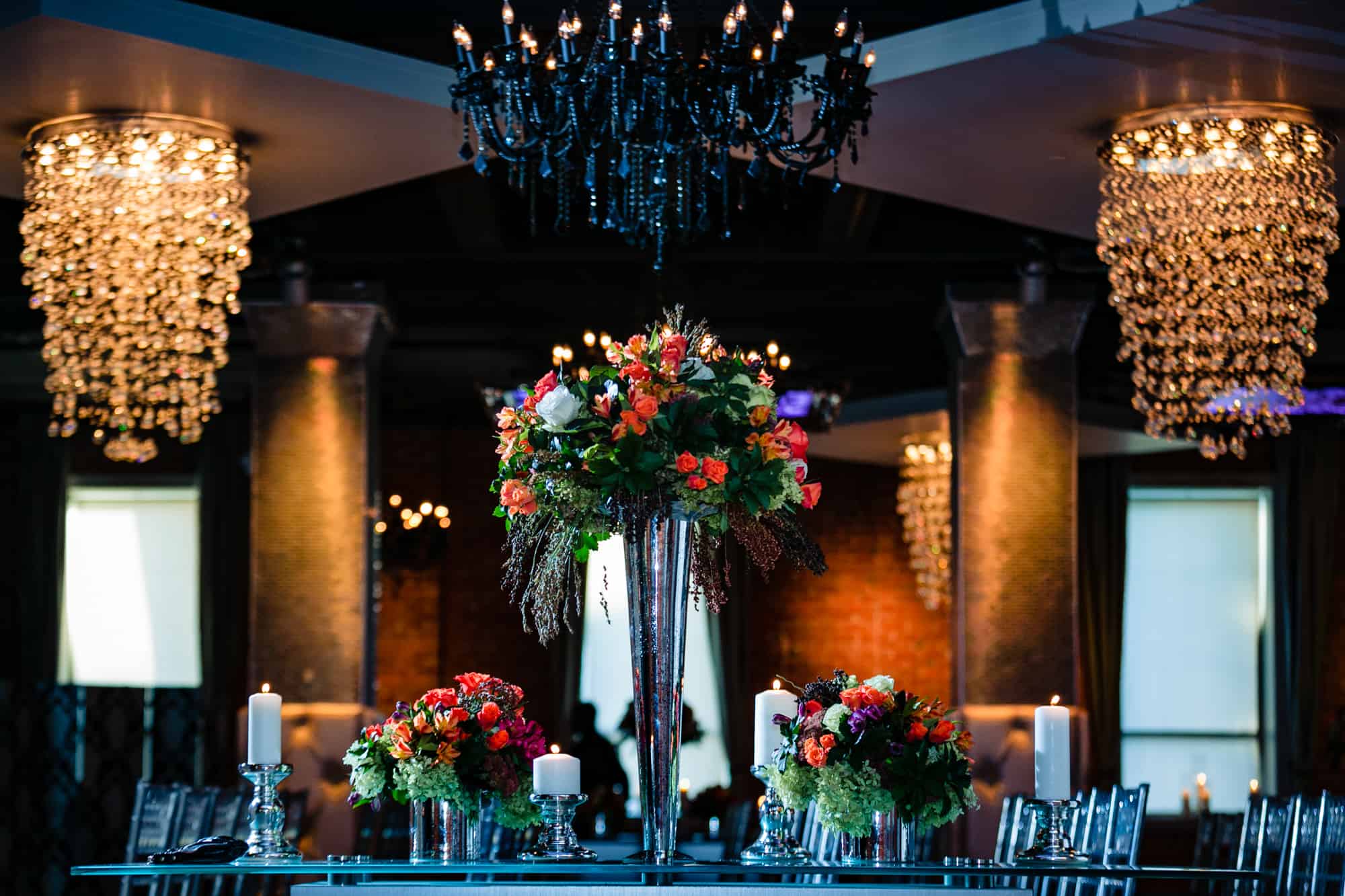
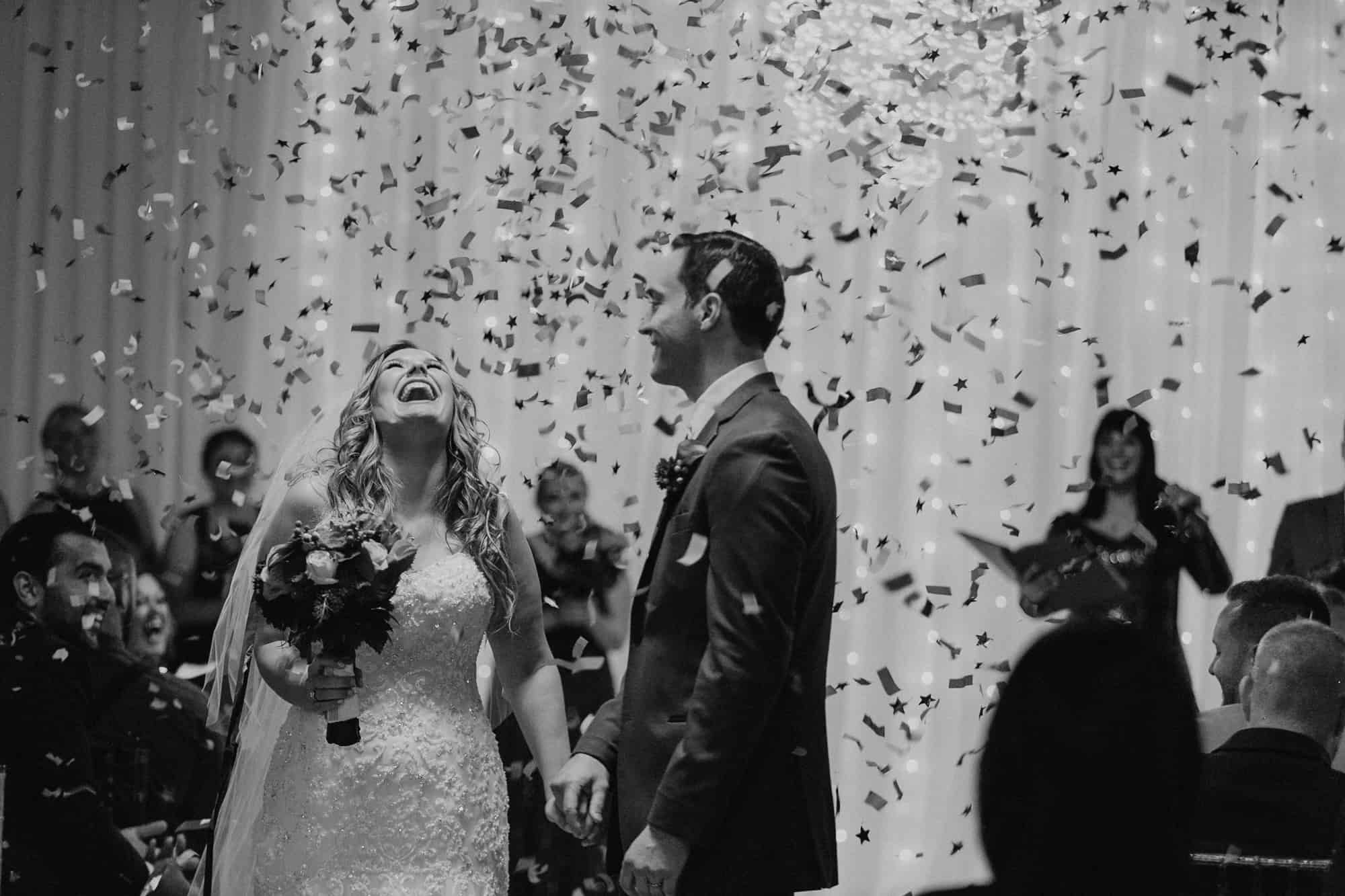
The Ritz-Carlton, Philadelphia
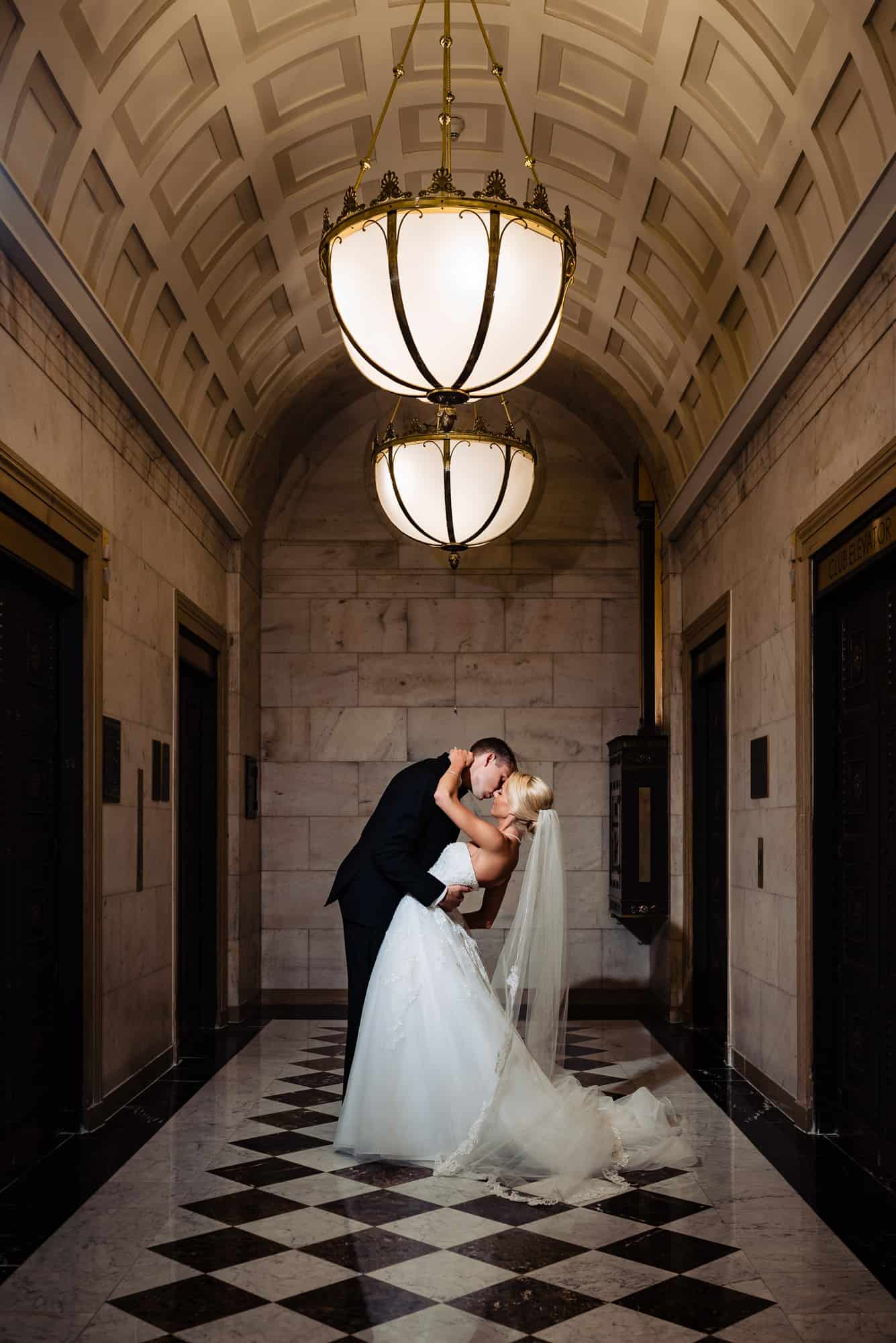
The Ritz-Carlton puts us close to City Hall while also giving us strong interior architecture. The lobby, columns, windows, and surrounding Center City streets provide several possible directions for portraits. When the schedule allows, we can use both the hotel and the city around it. When time is tighter, the building itself gives us enough variety to create photographs without needing to travel far.










What to Look for in a Full Wedding Gallery
One of the best things you can ask for before hiring a wedding photographer is a complete gallery. A portfolio shows you selected photographs. A full gallery shows you how the photographer handled the entire day.nWhen reviewing one, look beyond the couple’s portraits.
Pay attention to:
- Getting-ready photographs
- Indoor and outdoor portraits
- Family photographs
- Ceremony lighting
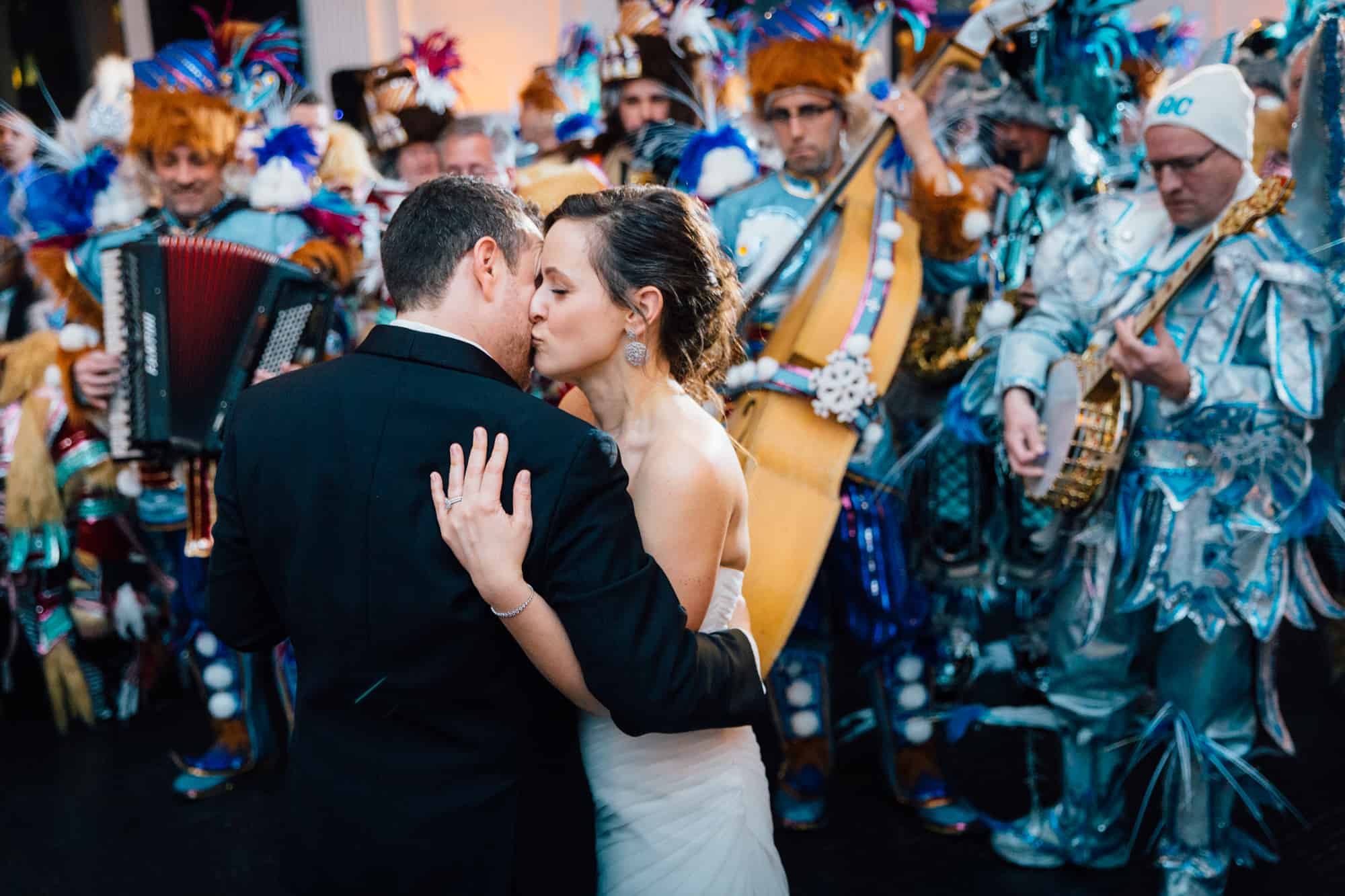
- Candid guest photographs
- Cocktail hour
- Reception details
- Speeches and parent dances
- First dance photographs
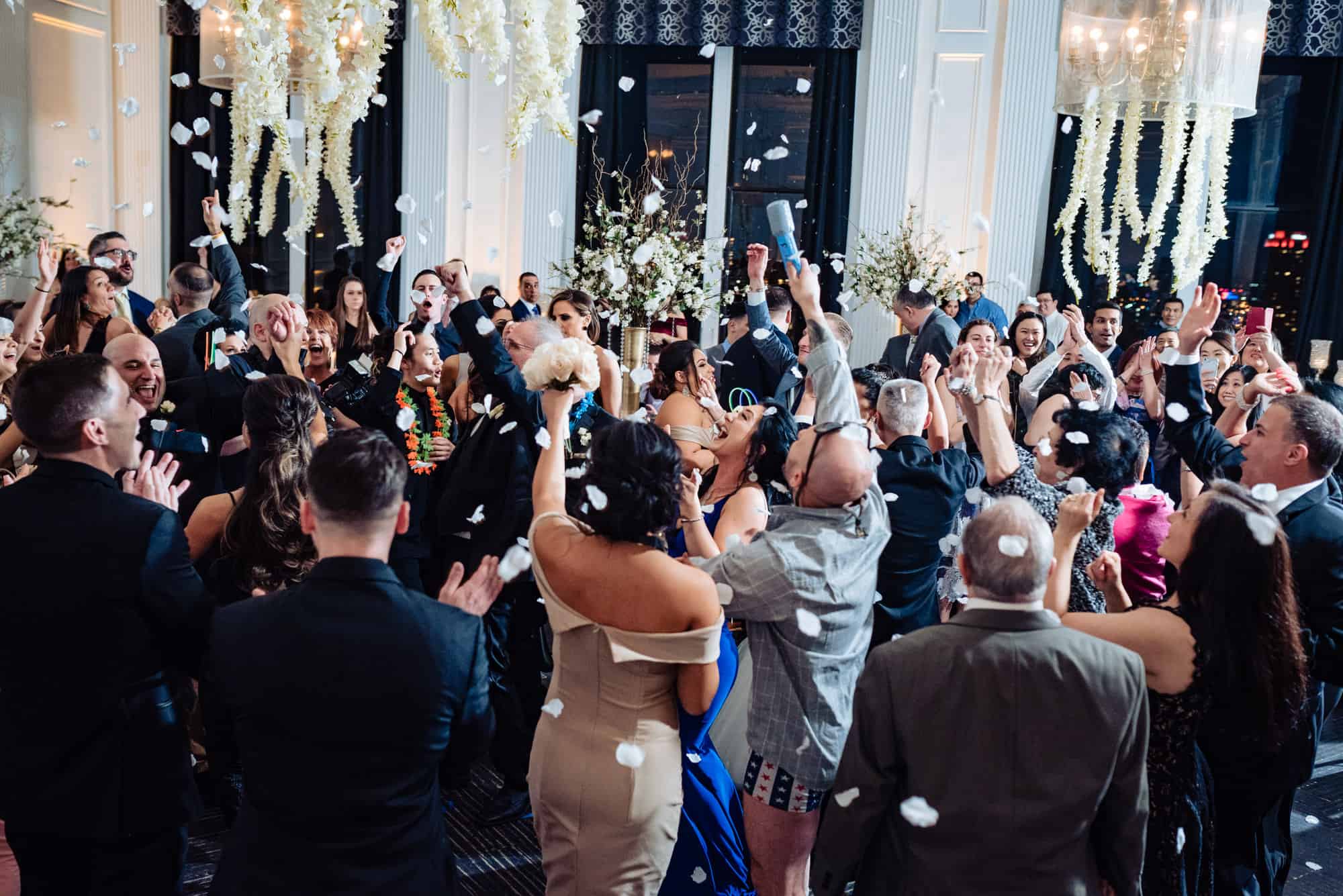
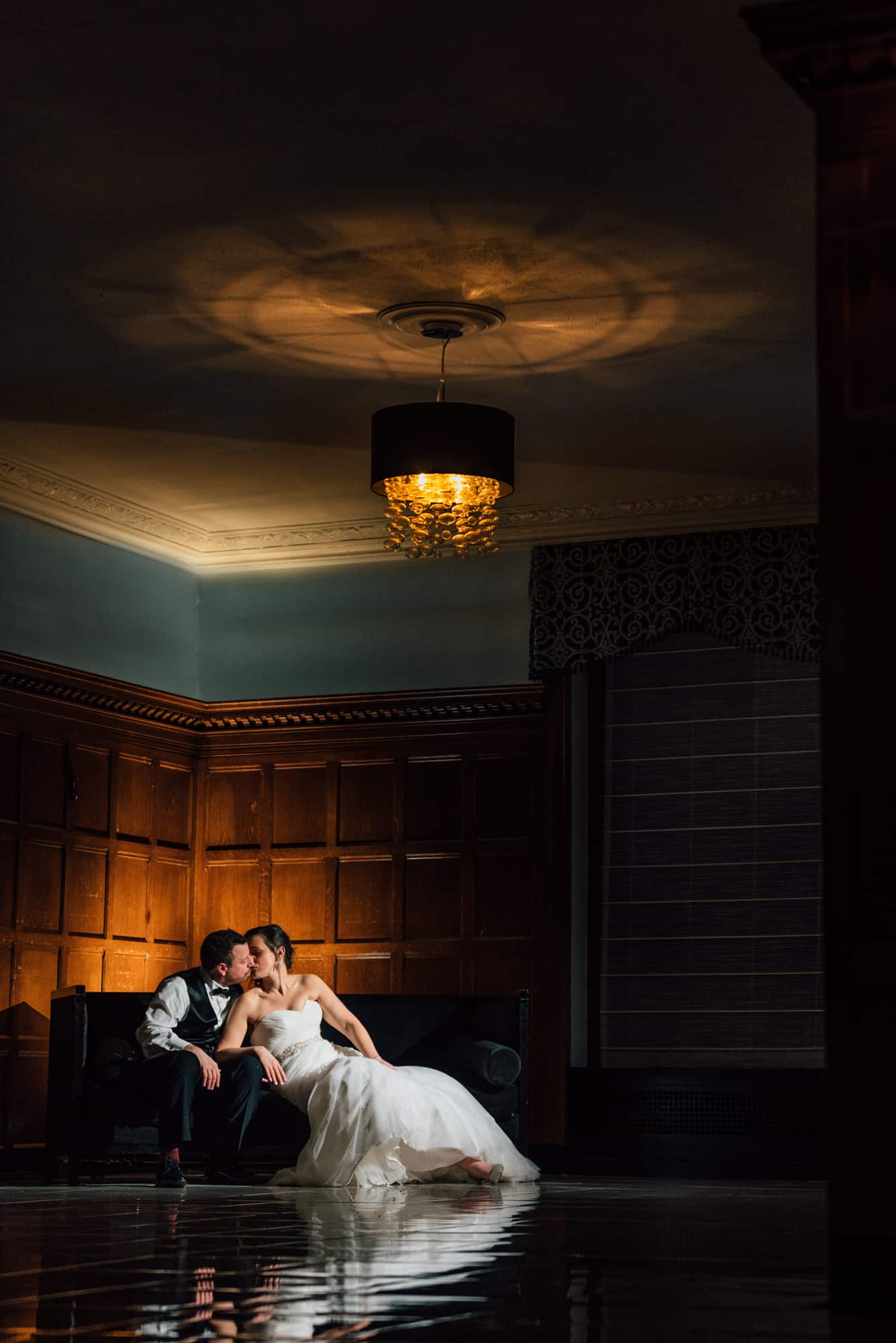
- Dark reception spaces
- Dance-floor coverage
- Night photographs, if included
Look for consistency.
- Do the skin tones still look natural in different rooms?
- Does the photographer handle darker spaces well?
- Do candid photographs feel as strong as the portraits?
- Does the gallery still look cohesive when the lighting changes from daylight to reception lighting?
If the photographer has worked at your venue, ask for a full gallery from that location. If not, ask for one from a venue with similar characteristics. A photographer who has never worked at your exact ballroom may have photographed dozens of other large reception spaces with similar lighting challenges.
That is still useful evidence.
Questions to Ask a Wedding Photographer About Your Venue
Once you have narrowed down your photographers, you can ask more specific questions about the space. You do not need to interrogate them with a long checklist. A few thoughtful questions will usually tell you plenty.
1. Have you photographed our venue before?
If they have, ask to see a full wedding rather than only a few portfolio images. If they have not, ask whether they have worked somewhere with similar lighting, architecture, or layout.
2. How would you approach the lighting at our venue?
Listen for an answer that goes beyond “I can photograph anywhere.” A photographer should be comfortable discussing changes in daylight, darker interiors, reception lighting, and how they adapt when conditions change.
3. How do you choose portrait locations?
Good portrait locations are not only visually appealing. They also need to make sense for your schedule. Ask how the photographer balances the look of a location with the amount of time required to reach it.
4. How do you handle bad weather?
Rain does not automatically ruin wedding photographs. Ask how the photographer changes the plan when outdoor portraits are no longer practical. Their answer should give you confidence that the entire photography plan does not depend on one outdoor location.
5. Can we see a full gallery?
This is one of the most useful questions you can ask. A complete gallery shows you far more than a homepage or Instagram feed.
6. How do you handle a venue you have never photographed?
This question can tell you a lot about how the photographer thinks. You want someone who can assess the room in front of them rather than relying entirely on having photographed it previously.
7. Are there venue photography restrictions we should know about?
Some properties have rules about where photographers can work, how much time is available in certain spaces, or whether particular equipment can be used. If you already know about restrictions at your venue, mention them during your conversation with the photographer.
What If the Photographer Has Never Worked at Your Venue?
I would not make that a reason to remove someone from your list. A photographer’s ability to work in new environments is part of photographing weddings. If you love their work, ask how they prepare for unfamiliar venues. Then look at weddings they have photographed in comparable spaces.
For example, if your venue has a dark ballroom, look at how they photograph dark receptions elsewhere. If your venue has large windows and bright interiors, look for examples showing how they work in those conditions. If your ceremony will be outdoors, review outdoor ceremonies.
You are looking for evidence that the photographer can solve the type of problems your venue may present, not necessarily proof that they have stood in the exact same room before.
Venue Familiarity Is Helpful. Adaptability Matters More.
Knowing a venue can save time. It can help a photographer anticipate useful portrait areas, lighting changes, and how people move through the building. But familiarity alone does not create strong wedding photographs. Your photographer still needs to respond to your wedding as it unfolds.
Light changes. Weather changes. Timelines move. Rooms look different once florals, tables, guests, and entertainment are in place. That is why I would look for both. A photographer who knows your venue has useful background knowledge. A photographer who can adapt when the day looks different from what was planned has something even more valuable.
Looking for a Philadelphia Wedding Photographer?
If you have chosen your venue and are starting to compare photographers, I would be happy to hear what you are planning. Tell me your wedding date, venue, and what matters most to you about the photography. If I have photographed your venue before, I can share relevant work so you can see how I have approached the space. If your venue is new to me, we can talk about what you are planning and whether my photography approach feels right for your day.
FAQs About Choosing a Wedding Photographer for Your Philadelphia Venue
1. Does our wedding photographer need to have photographed our venue before?
2. How can we tell whether a photographer really knows our wedding venue?
3. What should we ask a photographer about our venue?
4. Why should we look at full wedding galleries before hiring a photographer?
5. What if our photographer has never worked at our Philadelphia wedding venue?


