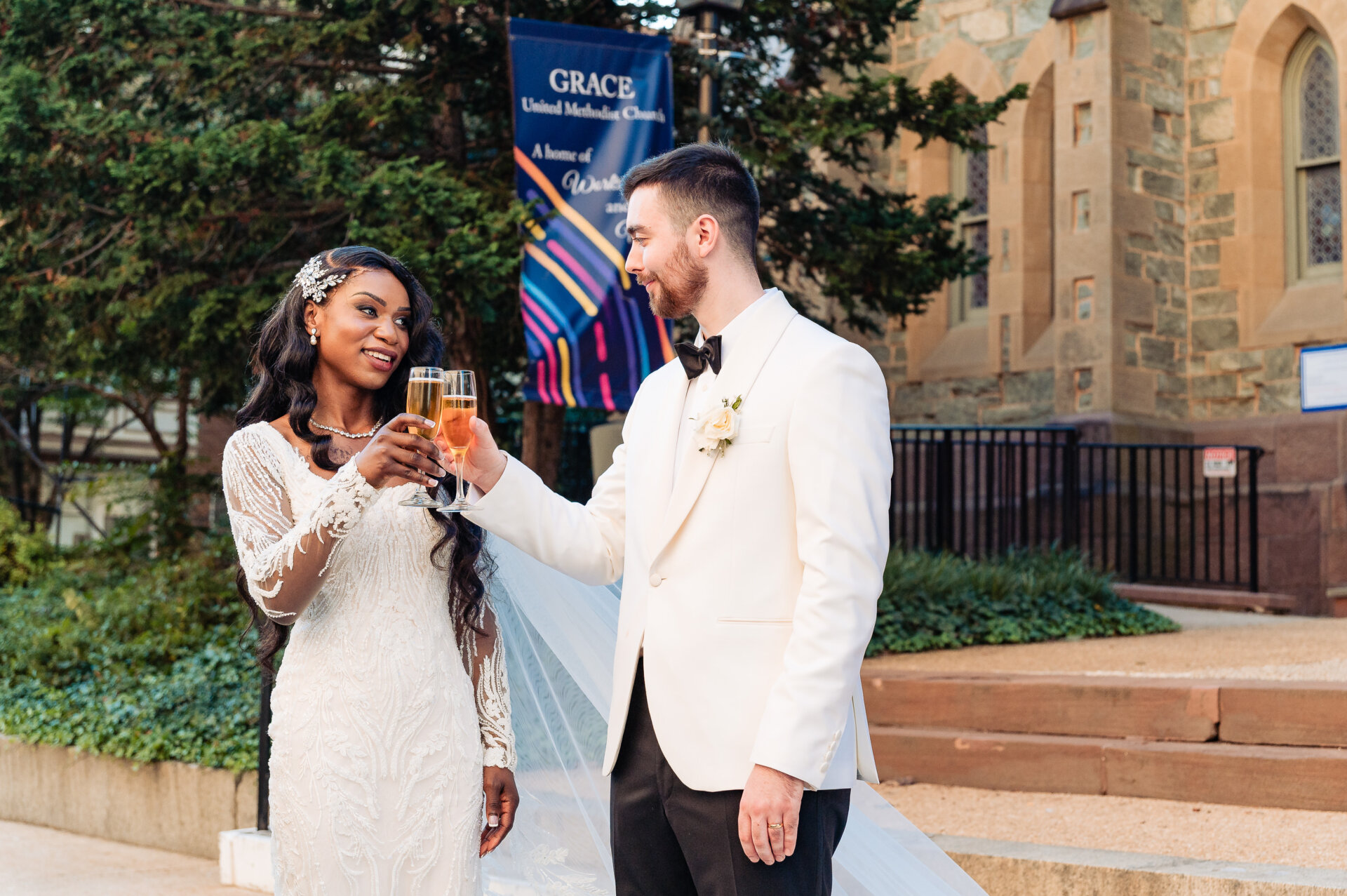
Everything You Need to Know About Having a City Wedding
A city wedding gives you access to beautiful venues, great hotels, restaurants, architecture, and plenty of options for your guests. It can also bring a few logistical challenges that are easy to underestimate, especially when traffic, parking, public spaces, and multiple locations are involved.
After photographing weddings throughout Philadelphia and other major cities, I have seen how much smoother the day can feel when those details are considered early.
From building a realistic timeline to planning transportation and choosing portrait locations, here are the things worth thinking about before your city wedding day arrives.
What Should You Consider When Planning a City Wedding?
When planning a city wedding, think about your budget, venue location, parking, guest transportation, traffic, hotel options, photography permits, weather backup plans, and travel time between locations. A city wedding can be incredibly convenient, but the timeline works best when you account for the extra logistics that come with an urban setting.


1. Choose a Venue That Works With the City
A city wedding venue should work well not only as a beautiful setting but also as part of the larger wedding-day logistics. Look at how close the venue is to hotels, parking garages, public transportation, and the areas where you may want to take portraits.
If your ceremony and reception are happening in different locations, check how long it realistically takes to travel between them. A centrally located venue can make things easier for guests and vendors, especially if many people are coming from out of town.


2. Build Extra Room Into Your Budget
City weddings can come with costs that are easy to overlook at first. Along with your venue and vendors, you may need to budget for parking, valet service, hotel rates, transportation, permits, service fees, or extended rental hours. Some venues may also charge for loading, setup, or additional staffing.
Before signing any contracts, ask for a clear breakdown of what is included and what may cost extra. Leaving a little flexibility in the budget can make it easier to handle those city-specific expenses without having to make last-minute changes elsewhere.
3. Have a Clear Parking and Transportation Plan
Parking is one of those details guests may not think about until they arrive, so it helps to make the process as simple as possible. Ask your venue and hotel about onsite parking, nearby garages, valet options, and any discounted guest rates. If parking is limited, consider whether a shuttle or other group transportation would make sense.
For guests using rideshare services, check where pickup and drop-off areas are located. In busy downtown areas, those points may be a block or two away from the venue entrance. Add clear parking and transportation information to your wedding website so guests know what to expect before they leave their hotel or home.


4. Build Traffic Into the Wedding Timeline
A location that appears to be only a few miles away can take much longer to reach in city traffic. When building your wedding timeline, check what else may be happening nearby that day. Sporting events, concerts, festivals, parades, road construction, and rush-hour traffic can all affect travel times.
It is always better to add some breathing room between locations than to plan around the fastest possible drive. From a photography standpoint, a little extra buffer time can also help protect your portrait schedule if transportation takes longer than expected.


5. Keep Your Wedding Locations Close When Possible
City weddings can tempt you to include several beautiful locations in one day, but more locations do not always mean better photos or a better experience. Every additional stop involves getting everyone into vehicles, navigating traffic, finding parking, and walking to the actual portrait location. That can add up quickly.
When possible, choose locations that are close to one another or within walking distance. A hotel, ceremony venue, portrait location, and reception space in the same general area can make the day feel much more relaxed. For portraits, I would rather have enough time to work well in one or two great locations than rush through several spots just to fit them all in.
6. Check Photography Rules and Permit Requirements
Some parks, landmarks, museums, and other public spaces have rules for professional photography. Depending on the location, you may need a permit, reservation, or approval before using the space for wedding portraits. There may also be restrictions on photography equipment, group size, or the amount of time you can spend there.
If you already have a particular landmark or public space in mind, check the requirements early and discuss the location with your photographer before finalizing the timeline. It is much easier to make an alternative plan in advance than to discover a restriction on the wedding day.


7. Plan City Portrait Locations Strategically
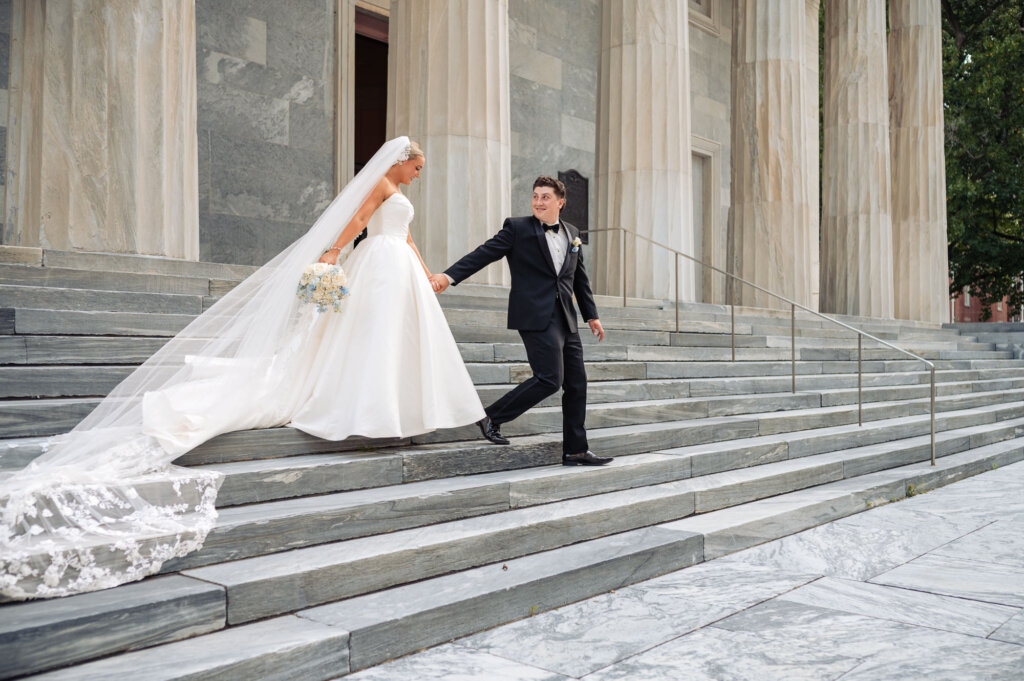
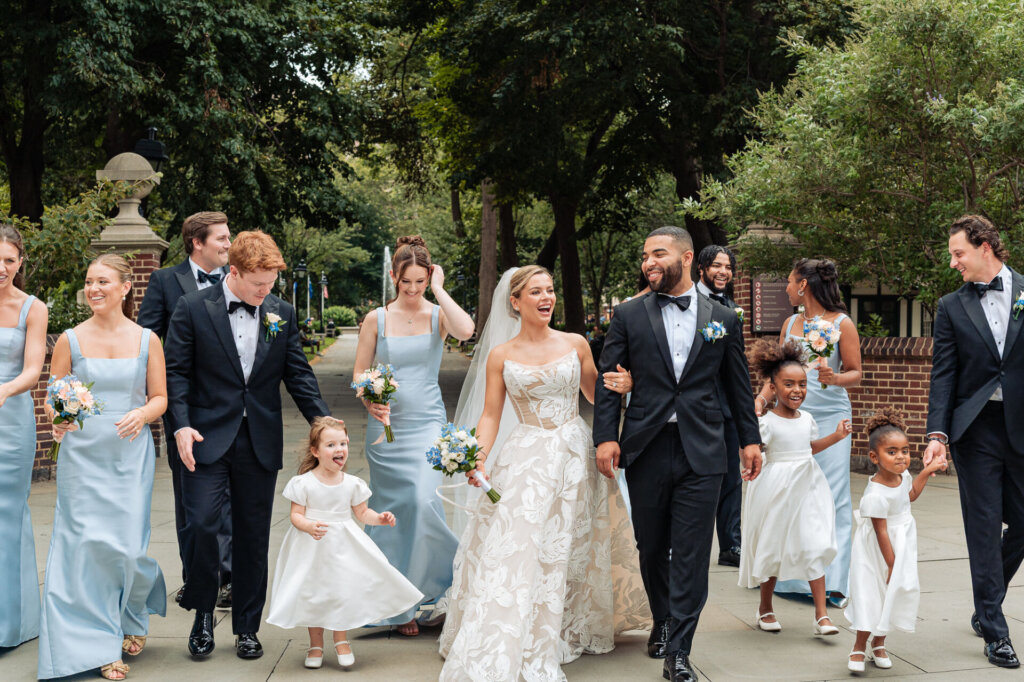
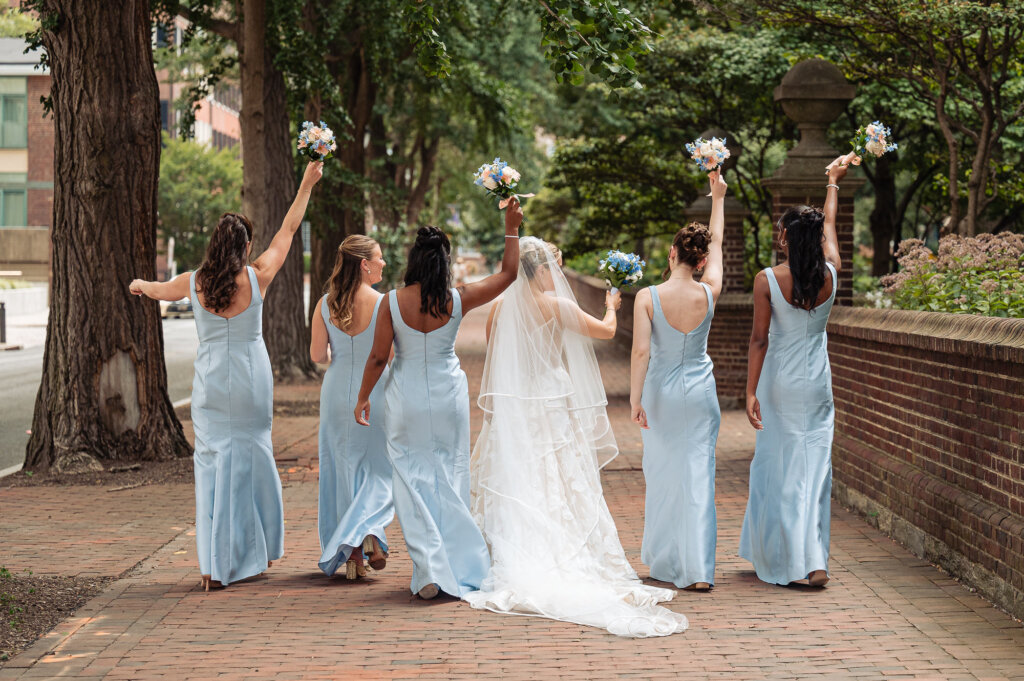
One of the best things about a city wedding is the variety of backgrounds available within a relatively small area. You may have historic architecture, modern buildings, parks, hotel interiors, city streets, and skyline views all nearby.
Instead of trying to photograph at every well-known landmark, choose locations that fit your wedding style and can be reached easily within the timeline. It is also helpful to have an indoor option nearby. Weather can change quickly, and a hotel lobby, covered walkway, or another approved indoor space can give you flexibility if rain becomes an issue. Sometimes a quiet side street or interesting building façade can create just as strong a photograph as the city’s most recognizable landmark.
8. Consider Noise, Crowds, and Public Access
A city wedding naturally comes with a little more activity around you. Traffic, pedestrians, tourists, street noise, and other events may all be part of the environment, especially if you are getting married in a busy downtown area.
That does not have to be a negative. For some couples, that energy is part of what makes a city wedding feel exciting and personal. Still, it is worth asking your venue about nearby noise, shared spaces, public access, and major events happening around your wedding date. If privacy is a priority, look for venues and portrait locations that give you some separation from the busiest public areas.
9. Make It Easy for Out-of-Town Guests
One advantage of a city wedding is that guests often have access to plenty of hotels, restaurants, transportation options, and activities during the weekend. You can make their stay even easier by putting the most useful information in one place.
Include hotel details, parking instructions, transportation options, airport or train information, and any shuttle schedules on your wedding website. You may also want to share a few nearby restaurants, coffee shops, or attractions for guests who have free time before or after the wedding. The easier it is for guests to find their way around, the fewer last-minute questions you will need to answer.

10. Create a Realistic City Wedding Timeline
A city wedding timeline should account for more than ceremony and reception times.
Think about when hair and makeup will finish, when you need to get dressed, whether you are having a first look, where portraits will take place, and how long it takes to travel between each location. If your hotel, ceremony, and reception are spread across different parts of the city, build extra time into each transition.
Try not to schedule everything back-to-back. A little flexibility can make a big difference if traffic slows down, transportation is delayed, or portraits take a few minutes longer than planned. A well-planned timeline gives you more time to be present on the wedding day instead of constantly watching the clock.

Planning Wedding Photos in the City
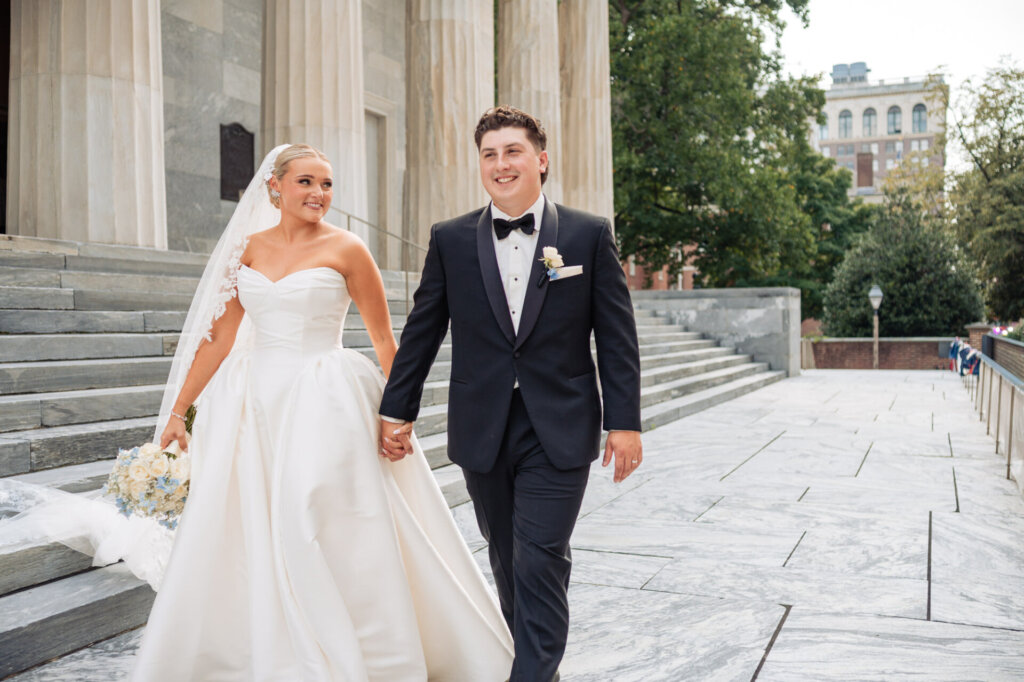
City wedding photography works best when the locations and timeline are planned together. You do not necessarily need to visit every iconic spot in the city. Instead, choose a few places that have meaning, work well visually, and are realistic to reach without taking too much time away from the wedding.
Good city portrait locations often combine interesting architecture, clean backgrounds, natural light, and enough space to work without constantly blocking pedestrian traffic.
It also helps to think about the time of day. A street that looks great in the morning may have very different light, traffic, and crowds later in the afternoon. Having a backup location nearby is always a good idea, especially if your main portrait plans involve outdoor spaces. The goal is to let the city add character to your photographs without making the photography portion of the day feel rushed or complicated.
FAQs About Planning a City Wedding
1. What are the biggest things to consider when planning a city wedding?
2. How much extra travel time should we allow for a city wedding?
3. Should we provide transportation for wedding guests?
4. Do we need permits for wedding photos in public city locations?
5. How do we ensure our wedding gallery truly reflects the city venue’s character while still focusing on us as a couple, not the chaos?
Because Every Moment Deserves to Be Remembered Beautifully—Let’s Get Started