
How to Take Better Vacation Photos: 10 Tips From a Photographer
You do not need professional camera gear to come home with better vacation photos. Most of the difference comes down to how you use the light, where you stand, what you include in the frame, and whether you are paying attention to the moments happening around you. The same basic photography principles apply whether you are using a dedicated camera or the phone in your pocket. A good set of vacation photos should show more than the landmarks you visited. It should remind you who you were with, what the streets looked like, what you ate, what caught your attention, and how the trip felt while you were there. Here are ten practical ways to take better vacation photos without turning your entire trip into a photo shoot.
What Makes a Good Vacation Photo?
A good vacation photo gives you a sense of place while still feeling personal. That may mean photographing a famous landmark, but it can just as easily mean your family walking down an unfamiliar street, breakfast at a small café, the view from your hotel window, or a detail you noticed while waiting for a train. Good light and composition help, but the photograph should also give you something worth remembering. That is why I recommend photographing both the big scenes and the smaller moments around them.
1. Start With the Light
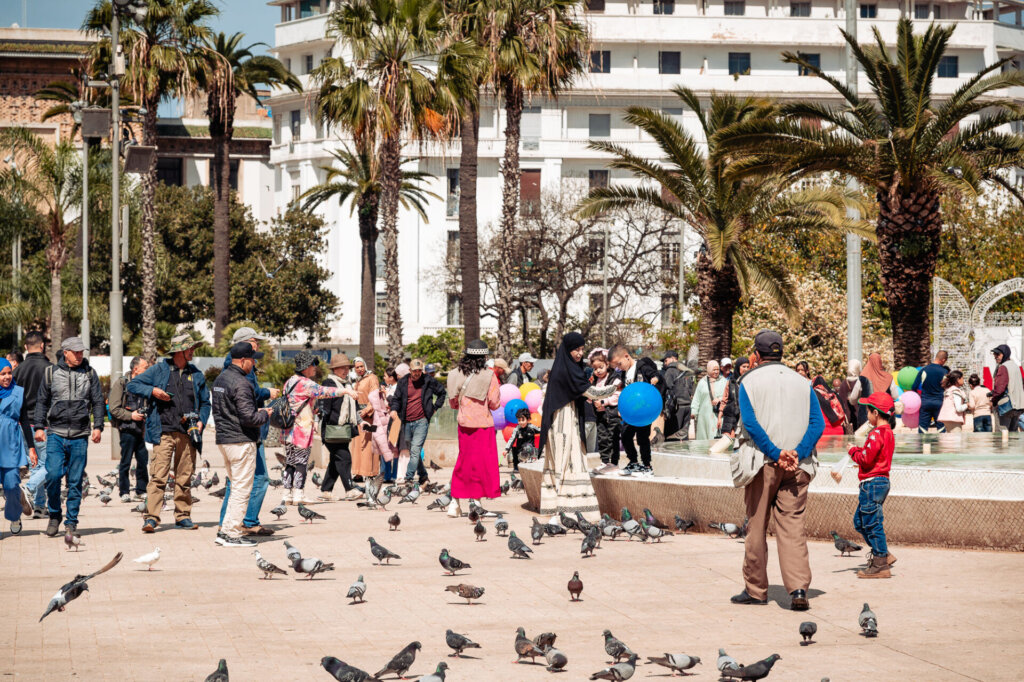
Light changes a photograph more than almost anything else. Early morning and late afternoon usually give you softer light than the middle of the day. Those times can also make busy locations easier to photograph because there may be fewer people around. That does not mean you should put your camera away at noon. If you are taking photos in strong midday light, look for shade from a building, tree, covered walkway, or awning. For portraits, moving someone a few feet out of direct overhead sunlight can make a noticeable difference. Strong sunlight can also work if you use it intentionally. Shadows, reflections, bright walls, and strong contrast can become part of the photograph rather than something you have to avoid. The main thing is to notice where the light is coming from before taking the picture.


2. Clean Your Phone Lens Before You Shoot
This takes about two seconds and can make a bigger difference than people expect. Phone lenses spend a lot of time in pockets, handbags, and hands. Fingerprints, dust, and skin oils can leave a thin layer over the lens that makes photographs look hazy or soft. Before photographing something you care about, wipe the lens with a clean microfiber cloth or another soft material. If several photos suddenly look foggy, check the lens before assuming something is wrong with the camera. This is especially useful when photographing lights at night. A dirty lens can cause bright points of light to flare across the image.
3. Think About the Frame Before Taking the Photo
Before pressing the shutter, take one second to look around the entire frame. Check the edges.
- Is there a trash can behind someone?
- Is a sign growing out of their head?
- Is the horizon crooked?
- Is someone walking into the edge of the photograph?
A small change in where you stand can often fix these distractions. You can also use the surroundings to help frame the subject. Doorways, windows, arches, streets, fences, trees, and building lines can guide the eye toward the person or place you are photographing. Do not assume the first place you stand is the best position.
Move a few feet left or right. Step closer. Lower the camera. Try photographing from higher up. Small changes in position often make more difference than changing equipment.


4. Photograph People, Not Just Places
When people travel, they often come home with hundreds of photographs of buildings, beaches, museums, and views, but very few photographs of the people who were actually there. Include your family, partner, or friends in some of those scenes. That does not mean everyone needs to stand shoulder-to-shoulder and look at the camera every time. Photograph them walking through the market. Take a picture while someone is ordering food.
Photograph your kids looking at something instead of asking them to turn around and smile. Capture your partner looking out over the city. These photographs usually say more about the trip than another empty photograph of the landmark. And make sure you appear in some of the pictures too. If you are always the person holding the camera, hand it to someone else occasionally.

5. Photograph the Small Details of the Trip
Large landmarks tell you where you went. Small details often remind you what being there actually felt like. Photograph things such as:
Photograph things such as:
- The coffee you ordered every morning
- Street signs
- Train tickets
- Local food
- Market stalls
- Menus
- Hotel room views
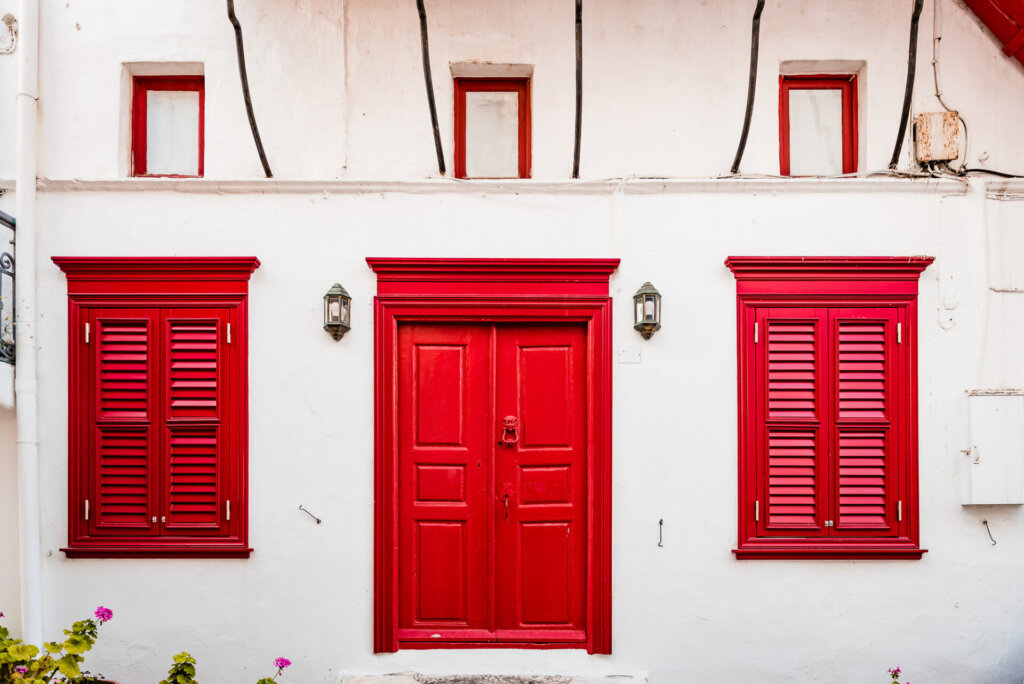
- Interesting doors
- Architectural details
- Signs in another language
- Shoes covered in sand
- Rain on a window
- Maps
- Shop windows
- Your luggage sitting by the door on departure morning
Some of these photographs may seem ordinary while you are taking them. Years later, they may be the ones that bring back the clearest memories.
6. Take Wide, Medium, and Close-Up Photos
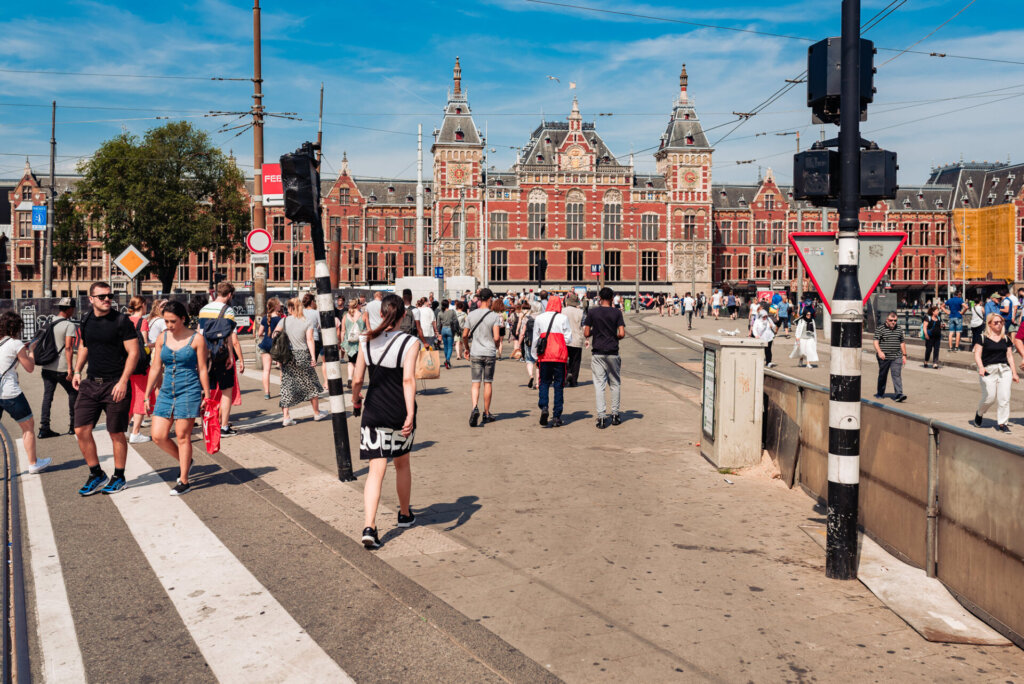
One simple way to make your vacation gallery more interesting is to change how much of the scene you show. Start with a wide photograph that establishes the location. Then move closer. Take a medium photograph that focuses on a person, building, market stall, or part of the setting. Then photograph a small detail.
For example, if you visit a market, your sequence might include:
- A wide photograph showing the entire street
- A vendor working behind a stall
- A close photograph of the food or products being sold
Those three photographs tell you much more than three nearly identical wide shots. I use the same idea when photographing weddings. The wide image establishes the setting, the medium image shows what is happening, and the close image records the details you may otherwise miss.


7. Use Movement Instead of Stiff Poses
If someone looks uncomfortable every time you point a camera at them, stop asking them to pose. Give them something to do. Instead of saying: “Stand there and smile.”
Try:
- Walk toward me
- Walk away from me
- Look at the view
- Talk to each other
- Cross the street
- Sit down together
- Keep walking along the beach
- Look at what is happening around you
Movement gives people something else to think about besides the camera. It also creates more natural body language. You can still take posed photographs, especially when you want everyone in the family included. Just do not make every photograph look like a group photo taken for a holiday card.
8. Take Several Frames, but Don’t Photograph Everything
Taking multiple photographs is useful when people are moving. Expressions change quickly. Someone blinks. A person walks into the background. Your child looks away at exactly the wrong second.
Taking a short burst or several frames gives you a better chance of getting the moment you wanted. But you do not need twenty versions of every building, meal, or sunset. There is a difference between taking enough photographs to get a good frame and watching the entire vacation through your screen.
When you know you have the photograph, put the camera away. Some memories do not need to be documented from five angles.


9. Learn a Few Basic Phone or Camera Settings
You do not need to learn every technical camera setting before your trip. A few basics can help.
Tap to Focus
On most phones, tap the part of the screen you want sharp. If you are photographing a person, focus on the face.
Adjust Exposure
If the image looks too bright or too dark, most phone cameras allow you to adjust brightness after tapping the screen. Do this before taking the picture rather than relying entirely on editing later.
Avoid Excessive Digital Zoom
If you can safely move closer, move closer. Heavy digital zoom can reduce image quality.
Use Portrait Mode Selectively
Portrait mode can work well for people, but check the edges around hair, glasses, hands, and clothing. The software does not always separate the subject from the background cleanly.
Use the Grid
Turning on your phone’s grid can help you keep horizons straight and make composition easier. You do not need to obey the grid for every photograph. Use it as a visual reference.
10. Edit Lightly and Back Up Your Photos
Editing can improve a good photograph. It cannot fix every bad one. Start with simple corrections:
- Straighten the horizon
- Crop distractions
- Adjust brightness
- Bring down overly bright highlights
- Lift dark shadows when needed
- Correct color if the photograph looks too warm or too cool
Be careful with strong filters. If every photograph has a different color treatment, your trip can start to look less like the place you actually visited. I usually prefer edits that keep skin tones, skies, architecture, and other familiar colors believable.
Backing up your photographs matters just as much. If your phone automatically uploads to cloud storage, make sure the backup is actually working before or during the trip. If you are using a camera, consider copying your memory cards to another device or drive during a longer trip.
A photograph from an ordinary weekend can usually be recreated. A photograph from a once-in-a-lifetime trip may not be.
How to Take Better Vacation Photos With a Phone
Modern phones are capable of making very good travel photographs. You do not need to carry a camera everywhere simply because you are taking the trip seriously. If you are using your phone:
1. Clean the lens.
2. Use the main camera when possible.
3. Tap to focus on your subject.
4. Adjust the brightness before taking the photo.
5. Move closer instead of relying heavily on digital zoom.
6. Keep the phone steady in low light.
7. Watch the edges of the frame.
8. Photograph both people and places.
9. Use portrait mode selectively.
10. Back up your photos regularly.
The biggest limitation is usually not the phone. It is taking the photograph too quickly without checking the light, background, or composition. Slow down for a second before pressing the shutter.

How to Take Good Vacation Photos in Bright Midday Sun
You will not always be sightseeing during golden hour. Sometimes the place you want to photograph is directly in front of you at noon. You can still make a good photograph. Look for:
- Open shade
- Covered walkways
- Building shadows
- Trees
- Walls that reflect softer light
- Interesting shadows created by the sun
If you are photographing people, try to avoid having strong overhead light create deep shadows around the eyes. Moving the group into shade may solve the problem immediately. If there is no shade, change the direction they are facing or use the strong light as part of the image. The goal is not to avoid midday photography. It is to recognize that you may need a different approach than you would use close to sunset.
How to Make Vacation Photos Look Less Generic
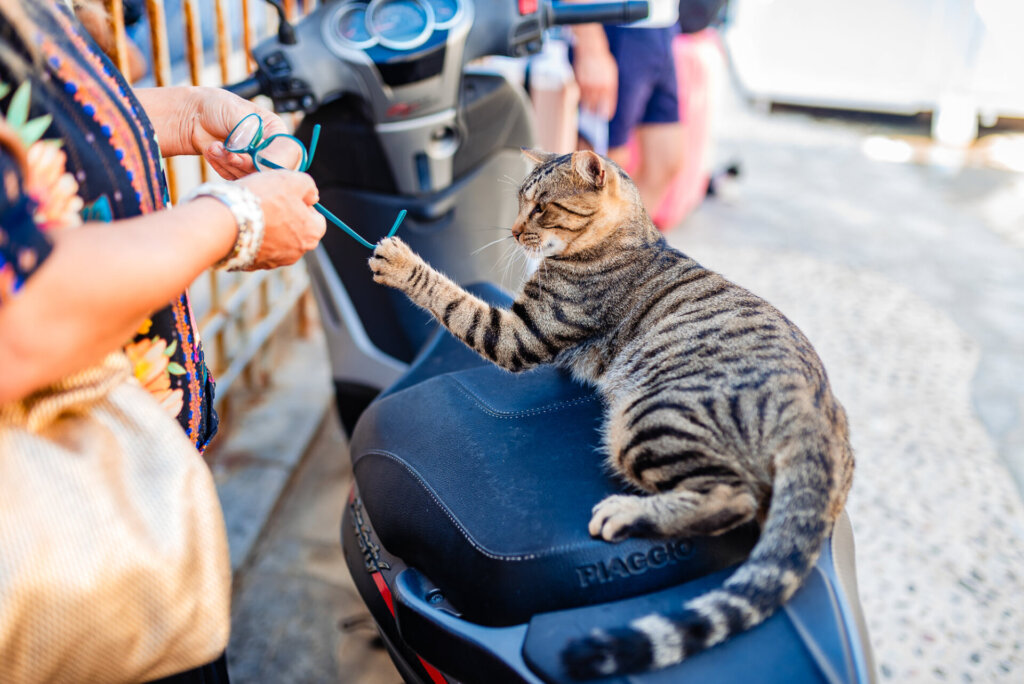
Start by photographing what caught your attention rather than only what the guidebook told you to photograph. Every visitor to Venice can take a picture of a canal. Your photograph becomes more personal when it also includes the person you traveled with, the café where you stopped, the evening light, the neighborhood you wandered into, or the detail you noticed while everyone else was looking somewhere else.
Look behind you when you reach a popular viewpoint. Walk around the landmark instead of photographing it from the same position as everyone else. Use reflections. Photograph through doorways. Include foreground elements. Wait for a person to walk through the scene. The goal is not to make a famous place unrecognizable. It is to photograph what you noticed about it.
A Simple Vacation Photography Checklist
Before taking a photograph, quickly ask yourself:
- Is the lens clean?
- Where is the light coming from?
- Is the subject sharp?
- Is the horizon straight?
- Is anything distracting around the edges?
- Can I move closer?
- Would the photograph be better with someone in it?
- Have I already taken this exact image?
- Is there a detail nearby worth photographing too?
You do not need to run through this checklist every time. After a while, most of it becomes automatic.

FAQs About Taking Better Vacation Photos
What is the best time of day for vacation photos?
How can I take better vacation photos with my phone?
How do I take natural-looking family vacation photos?
Should I use portrait mode for vacation photos?
How do I make my travel photos look less touristy?
Ralph Deal is a professional photographer based in the Philadelphia area. His work includes weddings, portraits, and personal travel photography.


