
Embracing Diversity: A Guide to Planning a Multicultural Wedding
To plan a multicultural wedding, begin by identifying the traditions that matter most to each partner and family. Decide whether to hold one blended ceremony or separate ceremonies, choose culturally experienced vendors, and build enough time into the schedule for every ritual, outfit change, and family photograph.
Planning a multicultural wedding involves more than selecting traditions from two backgrounds. Couples need to decide which rituals matter most, how the ceremony or ceremonies will be structured, and what vendors and guests need to know before the wedding day.
This guide covers the practical decisions that help both cultures feel represented, including family discussions, venue requirements, timelines, food, attire, music and photography. It also draws on multicultural weddings Ralph Deal Photography has documented, from dual Christian and Hindu ceremonies to Jewish, Greek and Chinese traditions.
Decide Which Traditions Matter Most
The blending of traditions in a multicultural wedding requires a delicate balance of respect and understanding. Start by listing the rituals, religious elements, and family customs that each partner considers essential. Discuss what each tradition means, who needs to participate, and how much time it requires. This helps distinguish meaningful elements from customs that may be included only because others expect them.
You do not need to fit every tradition into one ceremony. Kaley and Chirag (pictured below), for example, held a Christian ceremony in the morning and a Hindu ceremony later in the day. Separating the ceremonies gave both faiths enough time and prevented either one from feeling shortened or secondary.


Discuss Priorities With Both Families
Navigating varied guest expectations can be challenging. Crafting a successful multicultural wedding involves meticulous planning and creative finesse, offering an evening both inclusive and personal. Meet with both families early to identify the customs they consider most important. Ask each person to explain the meaning behind their requests rather than treating every suggestion as a requirement. These conversations can reveal shared values and make compromise easier when traditions conflict.
Set clear boundaries once you and your partner have made the final decisions. Families should feel heard, but the wedding still needs to reflect your relationship and remain manageable within the available time and budget.
“One of my earliest weddings was an Indian/Greek wedding. It was actually the first wedding I officially booked with my company. I got to know the couple, learn about their cultures, and understand the importance of incorporating different elements from each ceremony tradition as a way to honor their blended families.
We were able to pull off, with careful planning and a bit of creativity, an evening that was inclusive, fun, and unique to the couple without feeling overwhelming. To date, I am so proud of how that wedding turned out, as we were able to not only include pieces of their culture throughout their ceremony but also through the décor.”
–Andi of Musa Weddings


Choose a Blended or Dual Ceremony
A blended ceremony combines selected traditions within one service. This can work when the rituals are compatible, both officiants agree on the structure, and the total ceremony remains comfortable for guests.


Separate ceremonies may be more suitable when each faith has detailed requirements or when both families want the full version of their tradition represented. These ceremonies can take place on the same day or across several wedding events. Confirm the duration, venue rules and officiant requirements before finalizing the schedule.
Pick a Venue That Supports Every Ritual
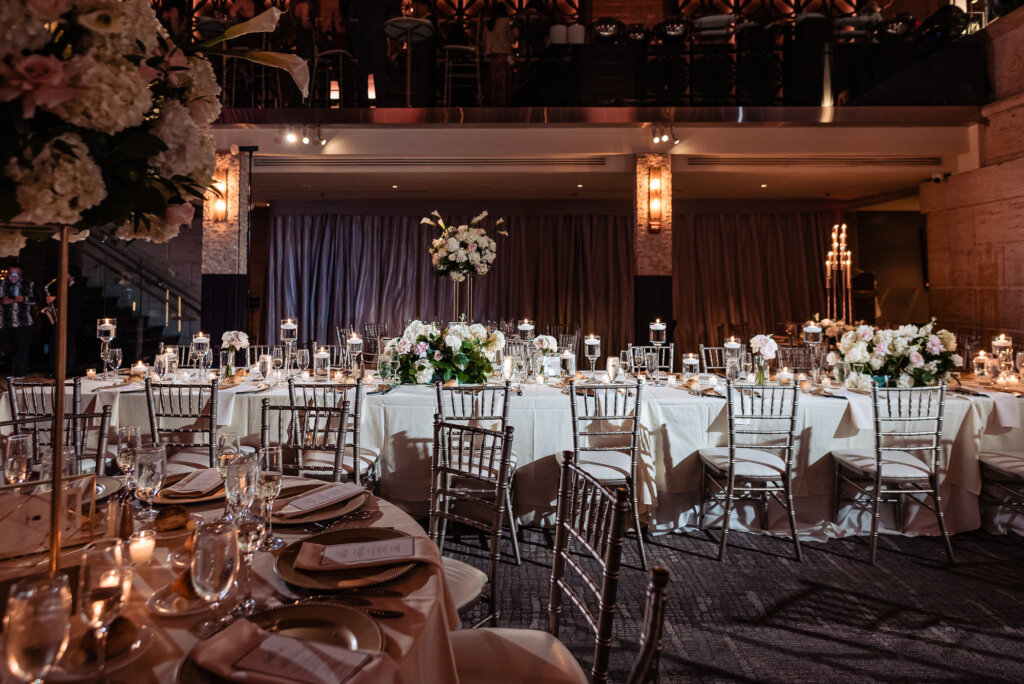
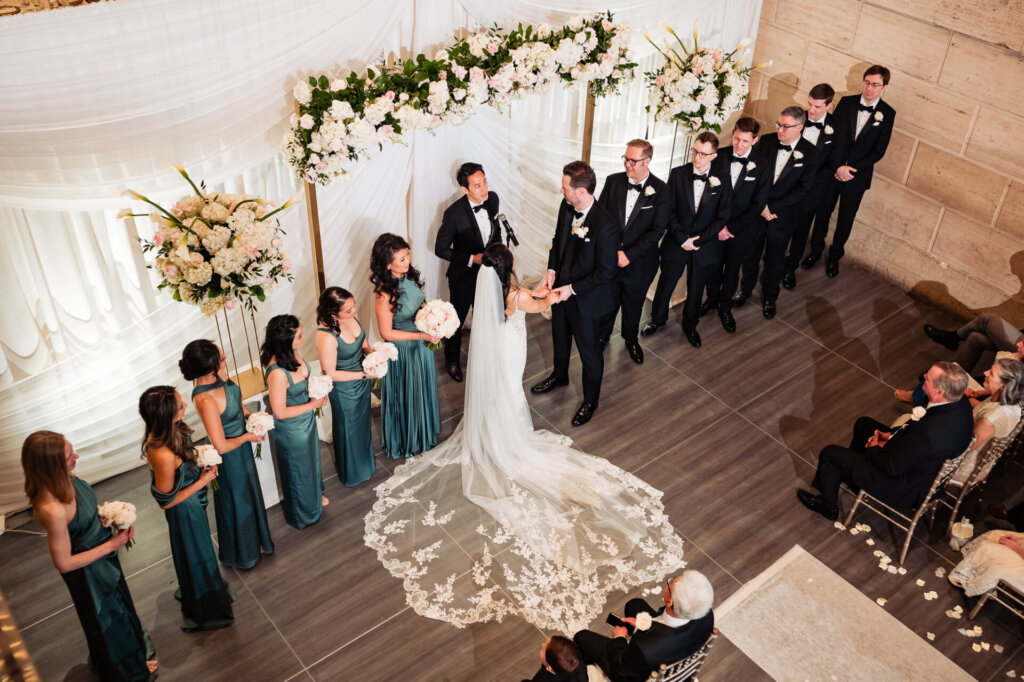


Give the venue a complete list of the ceremonies and cultural elements you plan to include. Confirm whether it allows ceremonial flames, large processions, religious structures, amplified music, outside catering and extended setup times.
The layout also matters. A wedding with a baraat, tea ceremony, outfit changes or two full ceremonies may require separate rooms and longer access than a conventional venue package provides. Ask how guests will move between each part of the celebration and whether the same space must be reset during the day.
Hire Vendors With Relevant Cultural Experience
Ask potential vendors which multicultural or interfaith weddings they have worked on and how they handled unfamiliar traditions. Experience matters most when a ritual affects the timeline, room setup, catering process, or photography coverage.
A vendor does not need to share your cultural background, but they should be willing to research, ask respectful questions, and follow guidance from your families or religious leaders. Give each vendor a written outline of important terms, people, and moments before the wedding.
Plan Music and Dance Across Both Cultures


Music and dance breathe life into cultural celebrations. Give your DJ or musicians a list of songs connected to each culture, including the correct versions and the moments when they should be played. Explain whether a dance requires an announcement, specific participants or a particular sequence.
Music can also help guests participate in unfamiliar traditions. Ask the DJ, emcee or family member to introduce group dances briefly so guests know when and how to join without interrupting the celebration.
Build a Menu That Represents Both Families
The menu can combine cuisines, serve them in separate courses, or assign different foods to the rehearsal dinner, ceremony, and reception. Choose the format that best preserves the dishes rather than forcing every flavor into a single fusion menu.
Work with caterers who know how the food should be prepared and served. Confirm dietary requirements, religious restrictions, and whether the venue permits outside or specialist catering before signing the contract.
Plan Cultural Attire and Outfit Changes
Couples may wear one outfit that reflects a specific tradition, change clothing between ceremonies or combine elements from both cultures. Decide when each outfit will be worn and allow enough time for hair, accessories and formal dressing rituals.


Tell guests clearly when cultural clothing is encouraged and explain any colours, garments or symbols they should avoid. Do not assume guests will know what is appropriate without guidance.
Couples can encourage guests to wear attire representative of their cultural backgrounds while providing guidance on the invitation regarding the dress code. The couple themselves can lead by example, choosing attire that reflects a combination of their respective cultures. -Andi of Musa Weddings
Help Guests Understand the Traditions
Use the wedding website, invitation insert or ceremony program to explain unfamiliar rituals, dress expectations and the general schedule. Keep each explanation brief and focus on what the tradition means and whether guests need to participate.
During the wedding, the officiant or emcee can introduce key moments before they begin. This helps guests follow the ceremony without turning the celebration into a lecture.

Balancing Conflicting Customs
List every ceremony, procession, outfit change, blessing, performance, and formal family photograph in the timeline. Confirm how long each part takes with the officiant, planner, and family members who know the tradition.
Add transition time between events. A dual-ceremony wedding may require the room to be reset, the couple to change clothing, and photography equipment to move between locations. A realistic timeline protects meaningful rituals from being rushed.


Brief Your Photographer on Important Cultural Moments
Give your photographer a written list of rituals, key participants, and moments that cannot be repeated. Explain what happens immediately before and after each tradition so the photographer can choose the right position without interfering.

Identify the relatives, religious leaders and ceremonial objects that carry particular importance. For example, a tea ceremony, ketubah signing, baraat, family blessing or outfit change may require different lighting, locations and coverage times.
Ralph Deal Photography approaches multicultural weddings by learning the sequence and meaning of each tradition before the wedding day. This preparation allows the photography to show both the scale of the celebration and the quieter interactions between the couple and their families.
Multicultural Wedding Planning Checklist
Before finalizing your plans:
- Identify the traditions that matter most to each partner.
- Confirm religious and officiant requirements.
- Decide between one blended ceremony and separate ceremonies.
- Discuss priorities and boundaries with both families.
- Verify that the venue permits every ritual and supplier.
- Hire vendors with relevant cultural experience.
- Create a detailed timeline for ceremonies and outfit changes.
- Explain unfamiliar traditions and attire guidance to guests.
- Give the photographer a list of key people and moments.
- Leave enough time for family photographs and transitions.
Special thanks to Andi of Musa Weddings for her insights in this article. You can reach out to her at her social media accounts below.
Instagram: @musaweddings | @thecollectionbymusa | TikTok @musaweddings
FAQs: Guide to Planning a Multicultural Wedding
1. What is a multicultural wedding?
2. How do we decide which traditions to include?
3. Should we hold one ceremony or two?
4. How long does a multicultural wedding take?
5. Why hire a photographer experienced with multicultural weddings?
Plan Photography Around Every Tradition
A well-planned multicultural wedding gives each tradition enough time and context to feel meaningful. Clear communication with your families, officiants, and vendors also makes it easier to document the moments that matter without rushing the schedule.
Ralph Deal Photography has photographed multicultural and interfaith weddings throughout Philadelphia and the surrounding region. Contact us to discuss your ceremonies, traditions, and photography timeline.
Because Every Moment Deserves to Be Remembered Beautifully—Let’s Get Started


