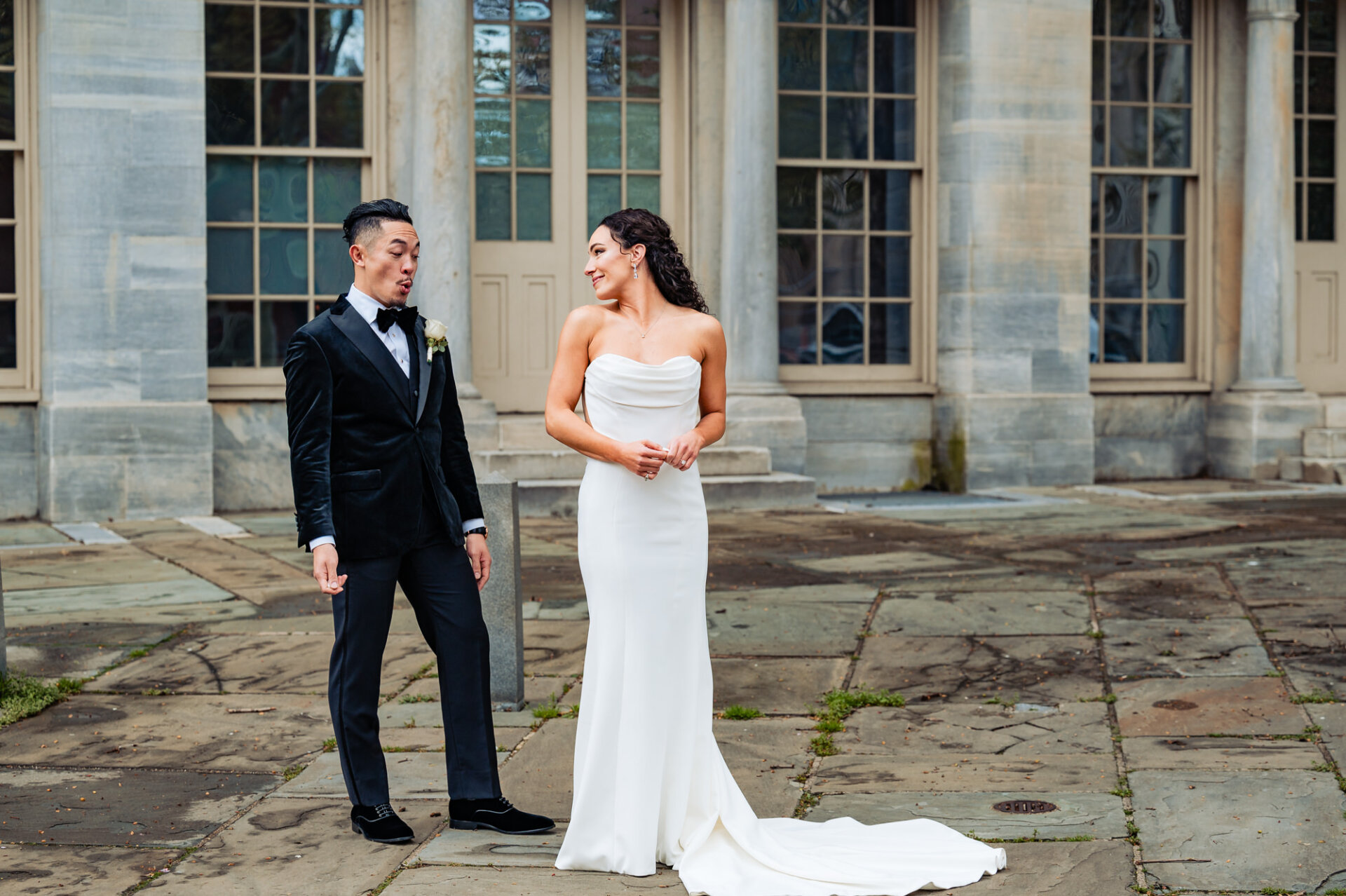
Should You Do a First Look? A Wedding Photographer’s Guide
A first look is one of the biggest wedding-day timeline decisions couples make. Some couples love the idea of seeing each other privately before the ceremony. Others want the aisle to be the first time they see one another. From a photography standpoint, both options can work.
The difference is how they affect the timeline, portrait schedule, available daylight, and how much time you have with guests after the ceremony. After photographing hundreds of weddings, I’ve seen first looks work very well for some couples and feel completely unnecessary for others. The right choice depends on what matters most to you.
What Is a Wedding First Look?
A wedding first look is a private moment when a couple sees each other before the ceremony, usually after they are fully dressed and ready. It often happens shortly before couple portraits, wedding party photos, or family photos. The goal is simple: give the couple a few minutes together before the ceremony and, if they want, use that time to complete some portraits earlier in the day.
Should You Do a First Look?
A first look can be a good choice if you:
- Want a private moment together before the ceremony
- Want more flexibility for portraits
- Hope to spend more of cocktail hour with guests
- Have a ceremony later in the day
- Are getting married in fall or winter when daylight is limited
- Have a large wedding party or family photo list
- Prefer a less rushed post-ceremony schedule
It may not be right for you if:
- Seeing each other for the first time at the ceremony matters deeply to you
- You do not want to adjust your getting-ready schedule earlier
- You prefer to keep the morning separate
- You simply do not feel strongly about having one
There is no photography rule that says you need a first look.
Pros of Doing a First Look


1. You Get a Private Moment Together
Wedding mornings can become busy very quickly. Hair and makeup, family, wedding party members, deliveries, and getting dressed can all make the first part of the day feel full. A first look gives you a few minutes together before the ceremony begins.
Some couples find that having that time helps them settle into the day. Others simply appreciate having a moment together without a room full of guests watching.
2. You Can Take More Portraits Before the Ceremony
One of the biggest practical benefits of a first look is that it opens up the timeline. Once you have seen each other, we can often move into couple portraits and, depending on the schedule, wedding party and family photographs. That means fewer formal photographs may need to happen after the ceremony. This can be useful when cocktail hour is short or when you want to spend more time with guests.
3. You May Have More Flexibility After the Ceremony
A first look does not automatically mean you will attend your entire cocktail hour. But if more portraits are completed earlier, there is usually less pressure after the ceremony.
That can give you more flexibility to:
- Join cocktail hour sooner
- Take a short break
- Finish a smaller portrait list
- Spend time with family and friends
- Move into the reception without feeling rushed
4. It Can Help When Daylight Is Limited
This is especially useful for fall and winter weddings. If your ceremony ends close to sunset, there may be very little natural light left for outdoor portraits. A first look allows us to move some of those photographs earlier in the day. That does not mean every portrait needs to happen before the ceremony. It simply gives us more options.


Cons of Doing a First Look
You May Prefer the Aisle to Be the First Reveal
For some couples, seeing each other for the first time at the ceremony is one of the parts of the day they care about most. If that anticipation matters to you, there is no reason to give it up. A first look should never feel like something you are doing only because you think photography requires it.


You Need to Be Ready Earlier
A first look changes the morning schedule. Hair and makeup may need to finish earlier. Both partners need to be fully dressed sooner. Flowers and accessories may need to be ready earlier too. If you want a slower morning and do not want to move your getting-ready time forward, this is worth considering.
It Adds Another Scheduled Moment
A first look can make the overall photography schedule more flexible, but the first look itself still takes time. It does not remove portrait time. It usually shifts some of that photography earlier in the day. The schedule still needs enough room for the moment itself and whatever photographs come afterward.
You Cannot Predict the Reaction
Not every first look includes tears. Some people laugh. Some smile quietly. Some hug immediately. Some barely react because they are nervous. And some couples are more emotional during the ceremony than during the first look. There is no “correct” reaction. Trying to force one usually makes the moment feel less natural.
Does a First Look Ruin the Aisle Moment?
Not necessarily. Seeing each other before the ceremony does not automatically remove the emotion from seeing each other again at the aisle. The two moments happen in completely different settings. A first look is usually private and quiet.
The ceremony includes music, guests, family, and the reality that you are about to get married. For many couples, those moments feel different enough that one does not replace the other. But if the first reveal at the ceremony is something you have pictured for years, that matters. You do not need to do a first look simply because it may make the photography timeline easier.
How Does a First Look Affect the Wedding Photography Timeline?
This is where the decision usually has the biggest practical impact.
With a First Look
The general flow may look like:
- Getting-ready photographs
- Couple gets fully dressed
- First look
- Couple portraits
- Wedding party portraits
- Some family portraits
- Ceremony
- Remaining family or couple photographs
- Reception
This can reduce the number of portraits left for cocktail hour.
Without a First Look
The flow may look more like:
- Getting-ready photographs
- Separate portraits
- Separate wedding party photographs
- Ceremony
- Couple portraits
- Combined wedding party portraits
- Family portraits
- Reception
Neither structure is wrong. The better option depends on your ceremony time, locations, daylight, guest plans, and what you want the day to feel like.
How to Plan a Wedding First Look
If you decide to do one, keep it simple.
Choose a Location With Some Privacy
The location does not need to be dramatic. It needs to work well.
I look for:
- Enough space
- A clean background
- Manageable foot traffic
- Good available light
- Easy access
- Privacy when possible
A quiet courtyard, hallway, hotel terrace, garden area, or part of the venue can work perfectly well.
Keep Travel to a Minimum
A first look should usually make the day easier, not create another complicated stop. If possible, choose a location near where you are already getting ready or where portraits will happen. Driving across the city only for the first look can use more time than the moment itself.
Give Yourselves a Few Minutes
You do not need to move immediately into posing. Take a minute. Talk. React. Hug. Look at each other. The first look does not need to be rushed just because portraits are scheduled afterward.
Decide What Comes Next
Once the first look is finished, it helps to know what photographs follow.
That may include:
- Couple portraits
- Wedding party portraits
- Immediate family photographs
Having a logical order keeps the day moving without making the moment feel overly structured.
When Is a First Look Most Helpful?
A first look can be especially useful when:
You Are Having a Fall or Winter Wedding
Earlier sunsets can limit outdoor portrait time after the ceremony. Moving some photographs earlier gives you more daylight to work with.
Your Ceremony Starts Late in the Day
If the ceremony begins close to sunset, waiting until afterward for every portrait can create a very tight schedule.
You Have Several Portrait Groups
Large wedding parties and larger family photo lists require more time. Completing some of those photographs before the ceremony can help.
Your Ceremony and Reception Are in Different Locations
Travel takes time. A first look can sometimes give you more control over where portraits fit.
You Want to Spend More Time at Cocktail Hour
If joining guests sooner matters to you, completing more photographs earlier can help create that flexibility.
First Look Alternatives
You do not have to choose between a full first look and nothing at all. There are other options.
First Touch
A first touch allows you to hold hands or stand close together without actually seeing each other. Couples often use a doorway, wall, or corner to stay out of view. It gives you a quiet moment together while keeping the ceremony reveal intact.
Letter or Gift Exchange
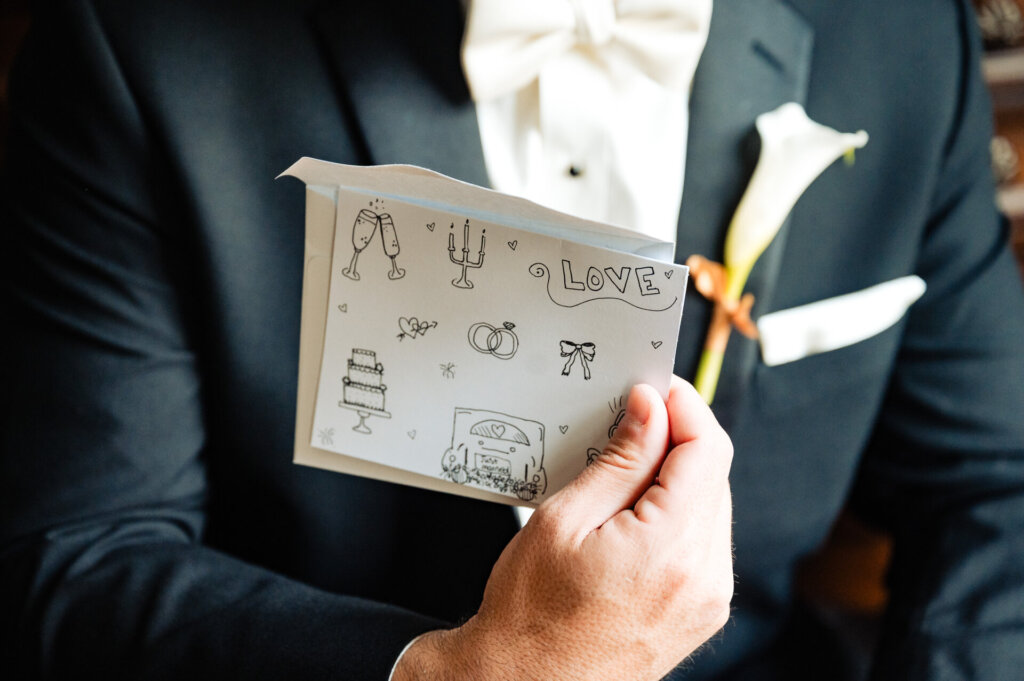
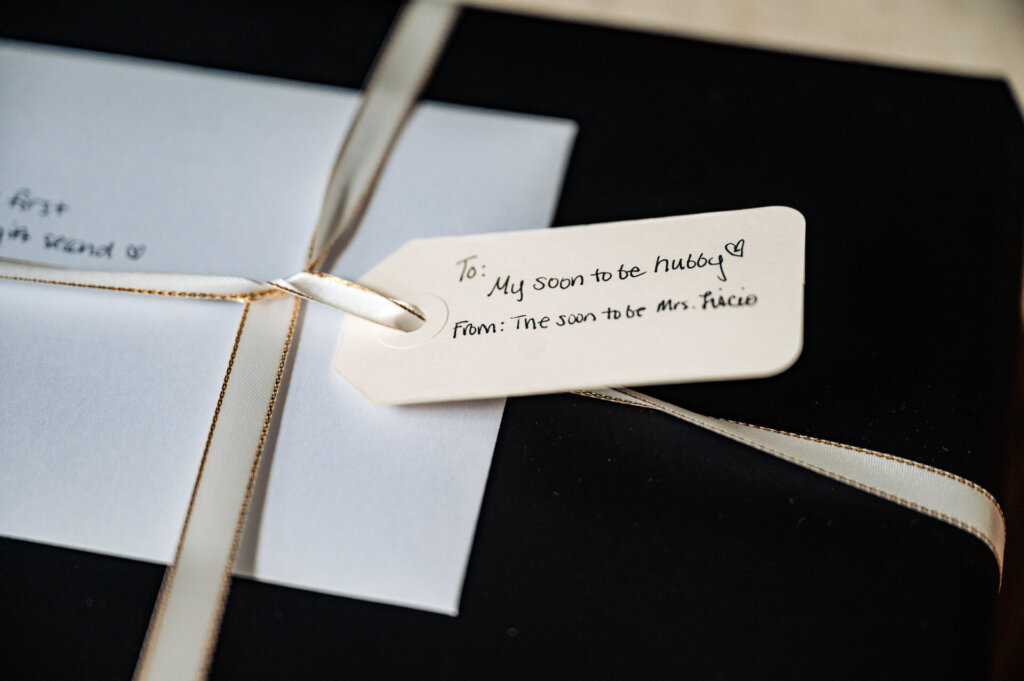
You can exchange letters or gifts while remaining separate. This works well for couples who want a personal moment without seeing each other beforehand. You do not need to add this simply for photographs. If it already means something to you, it can fit naturally into the morning.
Father-Daughter First Look
A father-daughter first look is a separate moment where a parent sees the bride after she is dressed. This can happen whether or not the couple does their own first look. The same idea can work with another parent, sibling, grandparent, or close family member.
Wedding Party First Look
Some couples enjoy having the wedding party see them fully dressed before the ceremony. This can create a fun reaction without changing the couple’s decision to wait until the aisle.
No First Look
This is also a completely valid choice. You do not need a first look to have a good photography timeline. It simply means we plan the portrait schedule differently.


Real First Looks From Weddings I’ve Photographed
- Classic Outdoor Setting: One couple shared their first look in a quiet meadow, surrounded by vibrant fall foliage. The groom’s teary-eyed reaction was captured perfectly, creating timeless photos.
- Urban Elegance: In a downtown setting, a couple staged their first look on a rooftop overlooking the city skyline. The combination of modern architecture and their emotional reactions created a striking visual story.
- Destination Charm: For a beach wedding, one bride surprised her partner by walking barefoot across the sand, with the ocean waves as their backdrop. The intimate and relaxed vibe made the moment unforgettable.

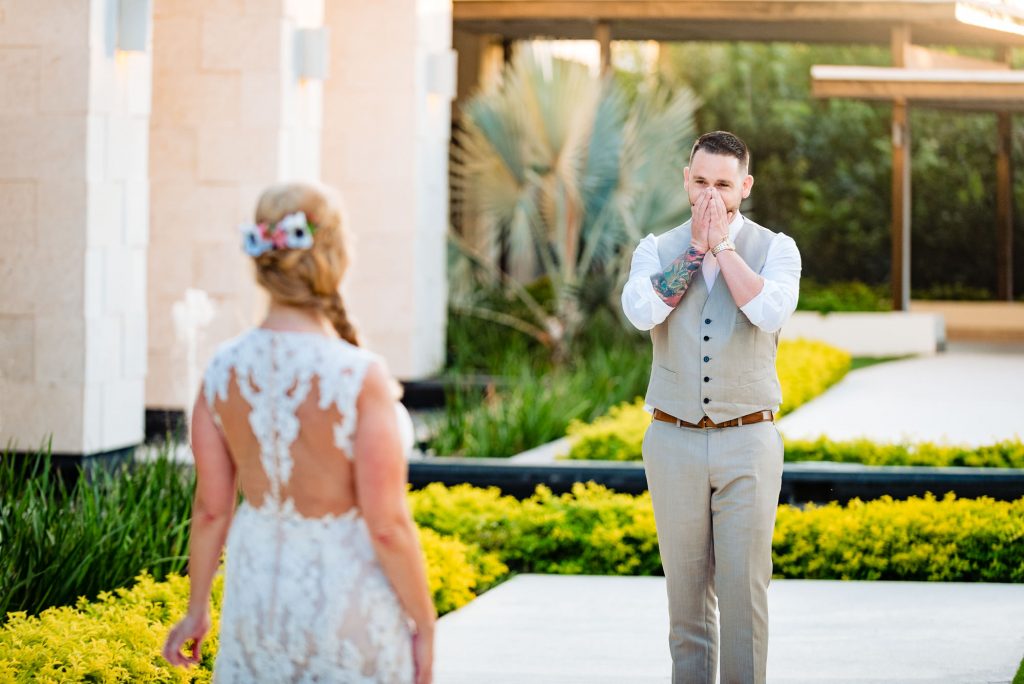

One of the things I like about first looks is that no two reactions are the same. Some couples are immediately emotional. Others laugh. Some talk for several minutes. Some take a few seconds before either person says anything.
The photographs work best when the couple is allowed to have whatever reaction comes naturally. The location matters less than the interaction. A quiet hotel hallway can work just as well as a garden or rooftop if it gives the couple enough privacy and room to focus on each other.
I also prefer not to turn the moment into a long sequence of instructions. The point is to let the couple see each other, then photograph what happens.
First Look Alternatives
If you’re not ready to fully embrace the first look, consider alternatives like a “first touch,” where you hold hands around a doorframe or wall without seeing each other. Some couples also exchange heartfelt letters or gifts before the ceremony, allowing them to share their emotions privately.



Final Thoughts: Should You Do a First Look?
If you want a private moment together and more flexibility in the photography timeline, a first look can work very well. If seeing each other at the aisle is more meaningful to you, skip it. Both choices can produce a strong wedding gallery. The decision should come down to how you want the day to feel, not whether you think there is a “correct” way to structure it.
FAQs
1. What is a first look at a wedding?
2. Should we do a first look before the ceremony?
3. Does a first look ruin the aisle moment?
4. When does a first look happen?
5. How long does a first look take?
6. Can we do a father-daughter first look instead?
Your Wedding Will Be Extraordinary—Your Photographs Should Be Too